



1581 products
Sort by:
1581 products
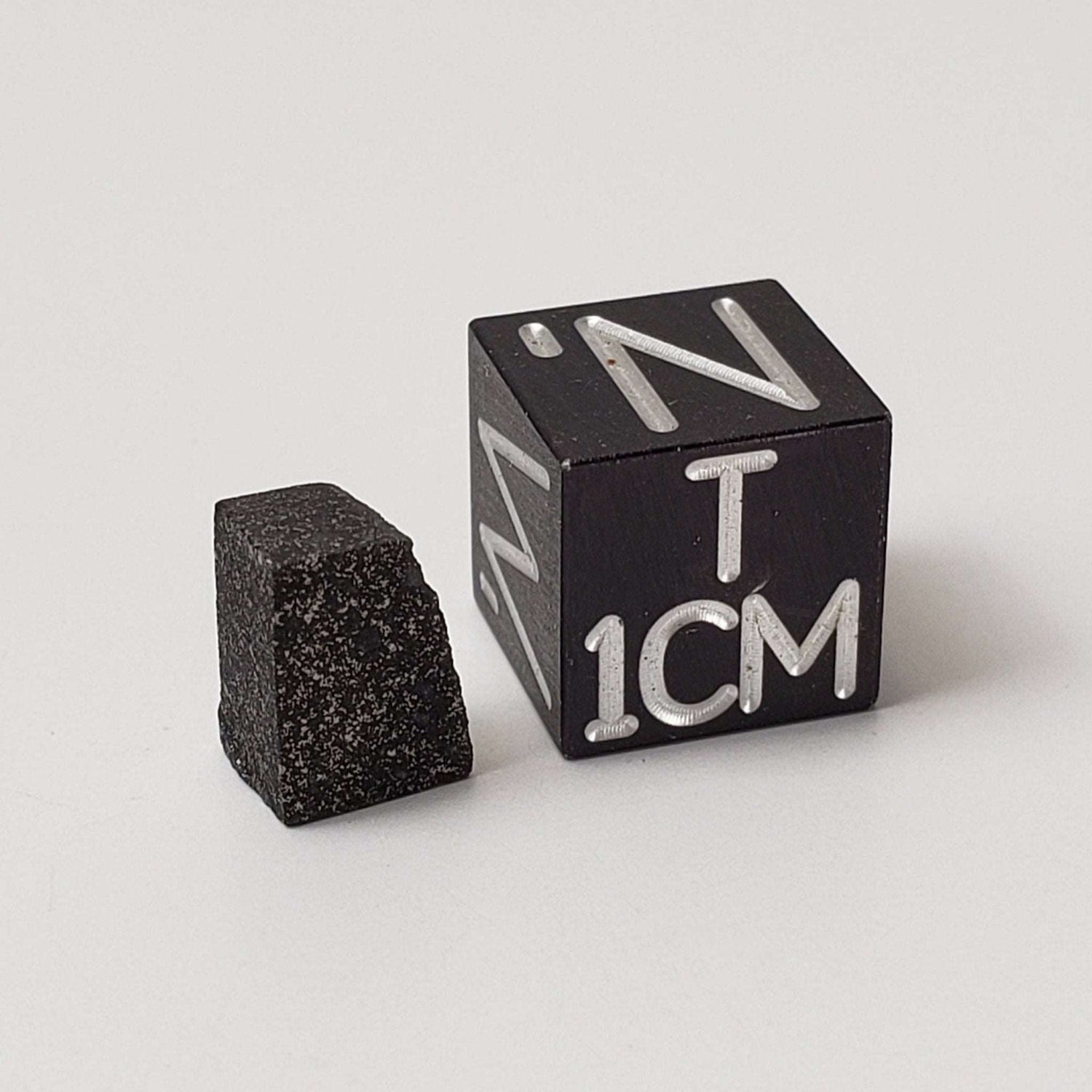
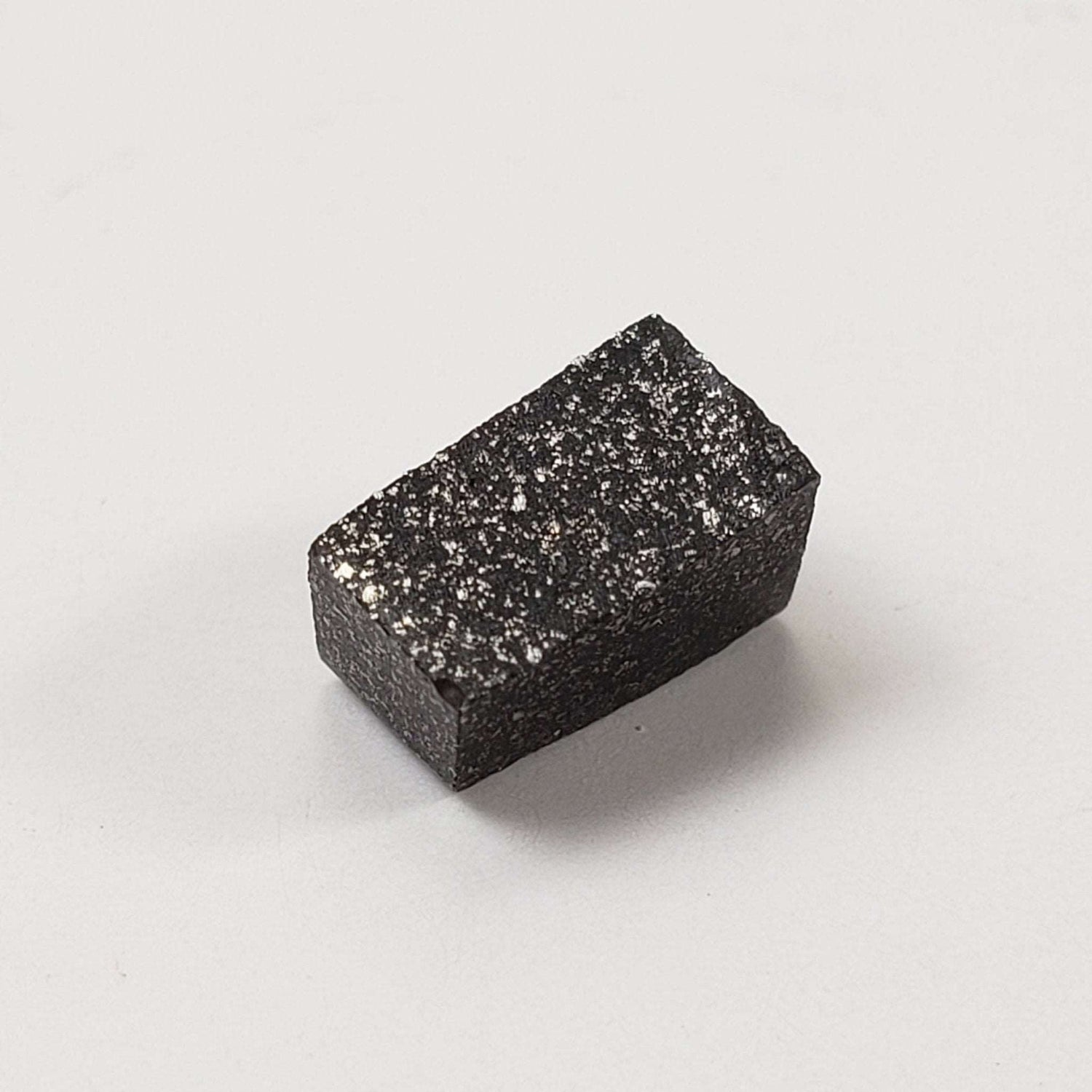
This is an incredible part slice of the Abee meteorite (MB 8) that fell in Alberta, Canada at 11:05 p.m. on June 9th 1952. It took five days to find it in a wheat field belonging to Mr. Harry Buryn. It is located in the community of Abee, Alberta, Canada in Thorhild County, along the Canadian National Railway and Highway 63, 16 km north of Thorhild and 49 km from Boyle.
This rare and highly collectable EH4 Enstatite chondrite is 1 of only 21 approved meteorites classified as such, 1 of 3 being an observed fall and only 1 of 5 not found in Antarctica. The total Mass is registered at 107 Kilograms in one stone recovered from a 6 ft (1.8 m) deep crater. This is a great specimen at 0.6 grams.
This piece of the hard to acquire Abee meteorite is a high quality specimen that would make an amazing addition to any new or existing collection. Comes with a Michael Cottingham Meteorites and a Canagem Collection specimen card.


These are fragments of the Abee meteorite (MB 8) that fell in Alberta, Canada at 11:05 p.m. on June 9th 1952. It took five days to find it in a wheat field belonging to Mr Harry Buryn. It is located in the community of Abee, Alberta, Canada in Thorhild County, along the Canadian National Railway and Highway 63, 16 km north of Thorhild and 49 km from Boyle.
This rare and highly collectable EH4 Enstatite chondrite is 1 of only 21 approved meteorites classified as such, 1 of 3 being an observed fall and only 1 of 5 not found in Antarctica. The total Mass is registered at 107 Kilograms in one stone recovered from a 6 ft (1.8 m) deep crater. This is a great opportunity to acquire fragments that were used for testing in laboratory weighing 508 milligrams.
This hard to acquire rare specimen would make an amazing addition to any new or existing collection. Comes with a Dr. Martin Horejsi Collection of Meteorites and a Canagem Collection specimen card and is displayed and protected in a pill case.


This is an Adamite Crystals on Limonite matrix mined in Mina Ojuela, Mapimi, Durango, Mexico. Adamite typically occur as small, brightly colored, prismatic or blocky crystals, or as crusts or aggregates. It is commonly found in association with other minerals such as limonite, calcite, and smithsonite. Adamite colors include green, yellow, white, and reddish-brown. The green color of adamite is caused by the presence of traces of copper in its crystal structure. One of the unique features of adamite is its strong fluorescence under ultraviolet (UV) light. It can exhibit vibrant green or yellow fluorescence.
Adamite was first discovered in 1866 in the Ojuela Mine in Durango, Mexico. It was named after French mineralogist Gilbert-Joseph Adam (1795-1881), who studied the mineralogy of the mine.
Adamite is associated with joy, creativity, and the balancing of energies. Some believe it can enhance one's ability to express themselves and promote a positive outlook. It is highly valued by collectors for its bright colors and distinctive crystal habits and would be a great addition to any new or existing collection.
Name: Adamite Crystals on Limonite Matrix
Specimen Size: Cabinet-Sized
Dimensions: 70x25x39 mm / 2.7x1.0x1.5 inches
Weight: 77.1 Grams / 2.7 Ounces
Origin: Mined in Mina Ojuela, Mapimi Durango, Mexico


This aegirine, also known as acmite, is a rare and stunning dark green and black mineral. It is found in many locations around the world; this outstanding specimen comes from the pegmatites at Dehnel's pit, Stettin pluton, Wausau Intrusive Complex in Marathon Co., Wisconsin, USA, a locality specimen where it is often found in association with microcline.
Aegirine is usually black, greenish-black, or brownish-black in color and has a glassy or vitreous luster. It has a hardness of 6 to 6.5 on the Mohs scale, which means it is relatively hard and durable. Aegirine is also known for its straight, needle-like crystals that can grow up to several centimeters in length.
Microcline, a member of the feldspar mineral family, is known for its beautiful color variations and distinctive twinning patterns. When paired with aegirine, the result is a striking and eye-catching contrast of colors.
Aegirine is believed to have properties associated with protection, energy balancing, and spiritual growth. Microcline, being a feldspar, is often linked to creativity and intuition. The combination of these minerals is thought to enhance their individual metaphysical properties.
This aegirine on microcline crystal is the perfect combination for those looking for a unique and beautiful addition to their mineral collection!
Name: Aegirine on Microcline
Specimen Size: Cabinet-Sized
Dimensions: 90x56x70 mm / 3.5x2.2x2.7 inches
Weight: 328 Grams / 11.5 Ounces
Origin: Mined in Dehnel's pit, Stettin pluton, Wausau Intrusive Complex in Marathon Co., Wisconsin, USA


Aegirine, also known as acmite, is a rare and stunning black mineral. It is found in many locations around the world, and this outstanding specimen comes from the Poudrette Quarry at Mount Saint Hilaire, where it is often found in association with Microcline.
Aegirine is usually black, greenish-black, or brownish-black in color and has a glassy or vitreous luster. It has a hardness of 6 to 6.5 on the Mohs scale, which means it is relatively hard and durable. Aegirine is also known for its straight, needle-like crystals that can grow up to several centimeters in length.
Microcline, a member of the feldspar mineral family, is known for its beautiful color variations and distinctive twinning patterns. When paired with Aegirine, the result is a striking and eye-catching contrast of colors.
Aegirine is believed to have properties associated with protection, energy balancing, and spiritual growth. Microcline, being a feldspar, is often linked to creativity and intuition. The combination of these minerals is thought to enhance their individual metaphysical properties.
This Aegirine on Microcline crystal is the perfect combination for those looking for a unique and beautiful addition to their mineral collection!
Name: Aegirine on Microcline
Specimen Size: Miniature-Sized
Dimensions: 55x47x37 mm / 2.2x1.8x1.5 inches
Weight: 80.4 Grams / 2.8 Ounces
Origin: Mined in Poudrette Quarry, Mont-Saint-Hilaire, Québec, Canada
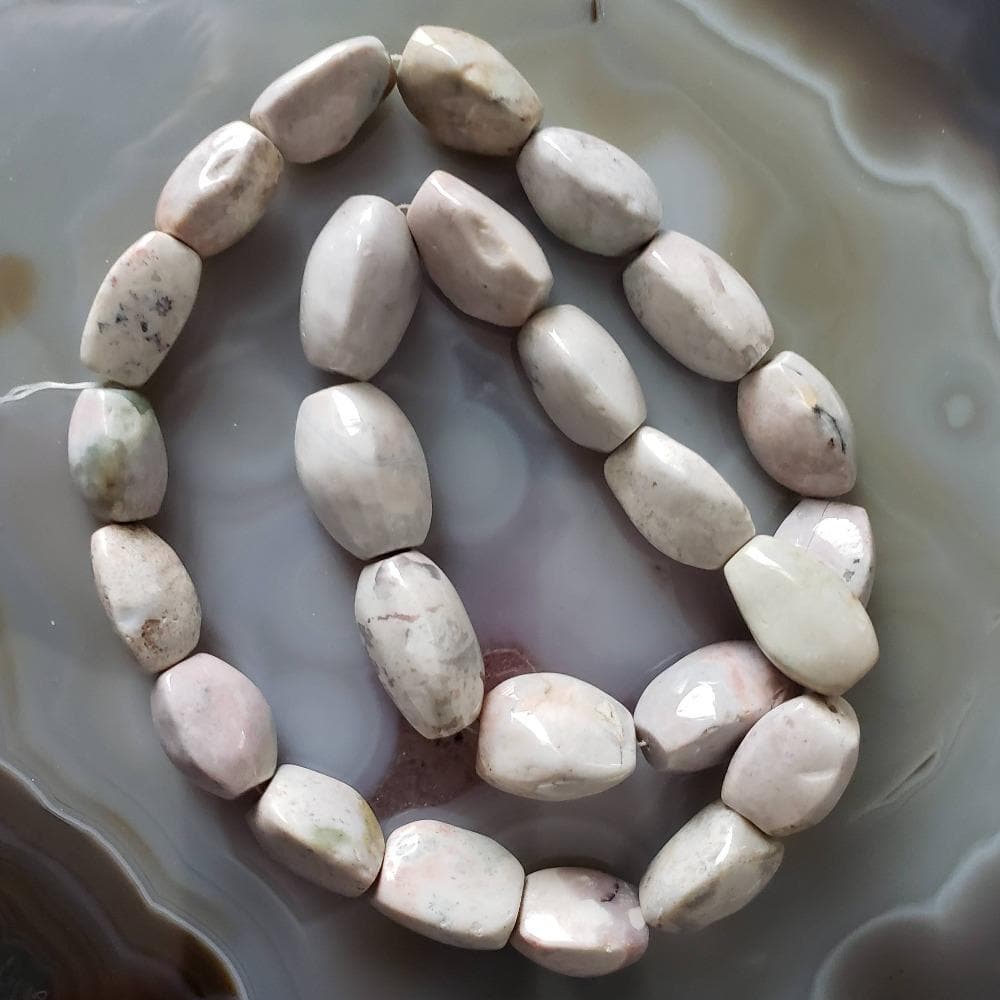
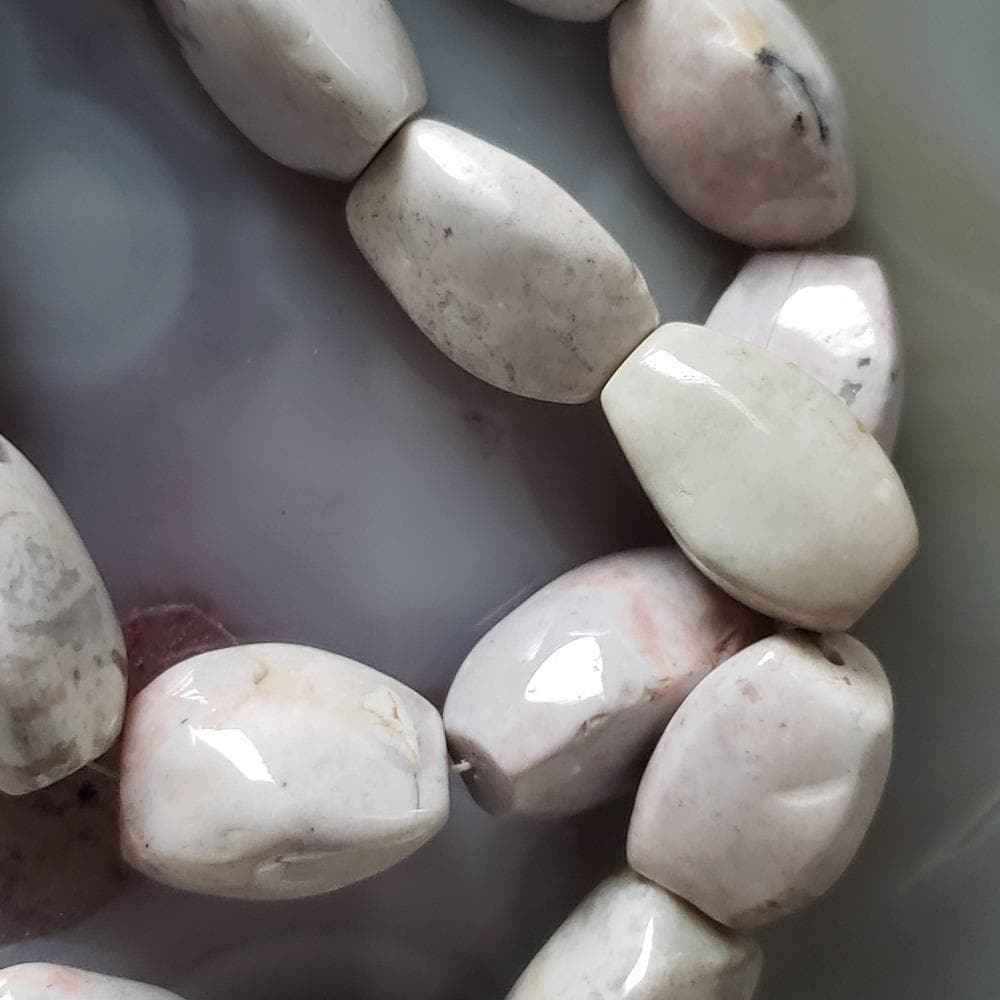
This is a lovely strand of multicolored natural agate beads with an overall length of 40 cm (15 inches). The individual beads are oblong in shape and range in size from 13x9 to 21x12 mm. In total, the bead strand contains over 307ct of natural agate beads.
Product Type: Agate Beads
Approx Weight (per Strand): 307.2ct
Bead Size: 13x9 to 21x12mm
Strand Length: 40 cm /15 inches
Shape: Oblong
Color: Multicolored

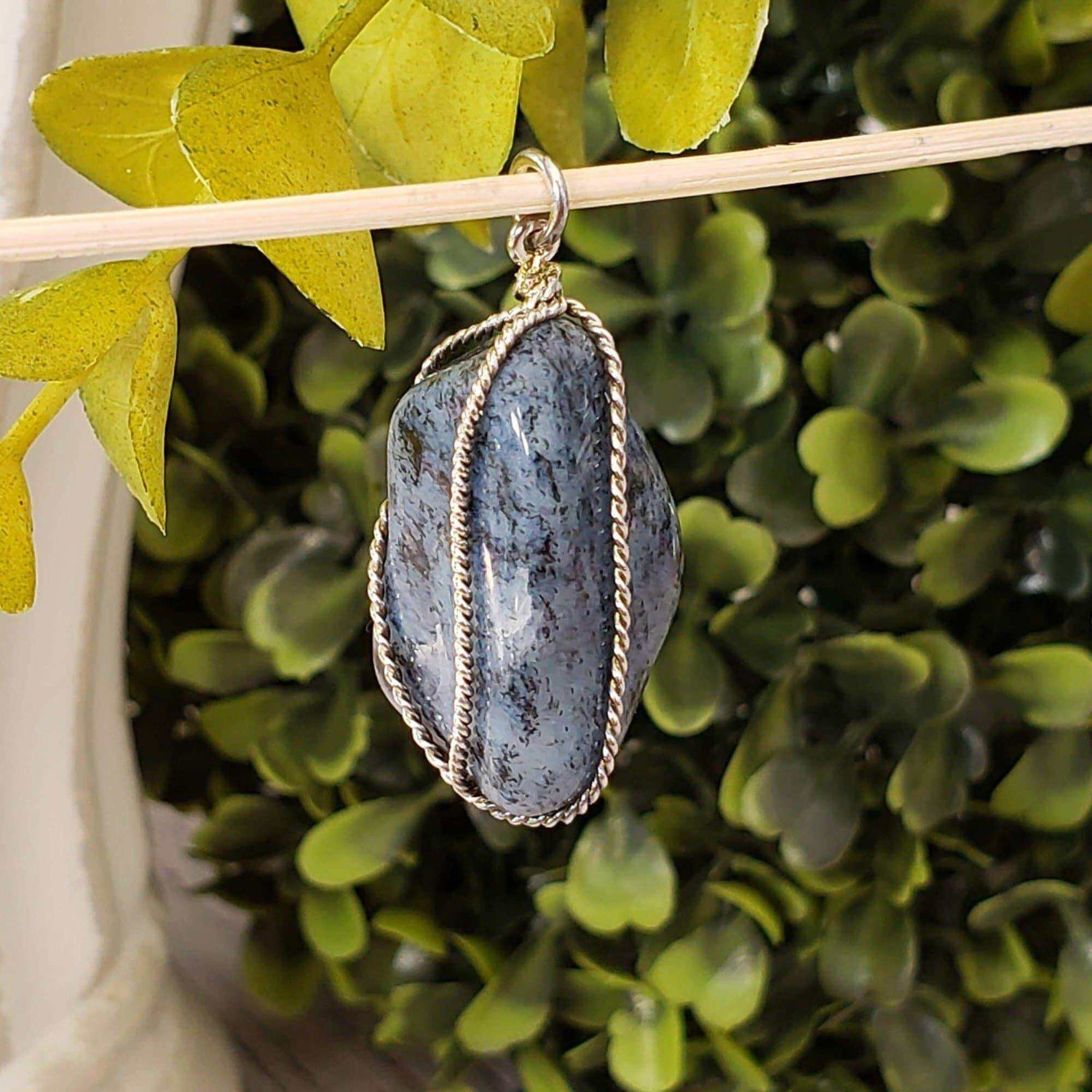
Blue agate is associated with calmness, communication, and soothing energy. It is thought to enhance self-expression and promote a sense of tranquility.
Product Type: Agate
Approx Weight (per piece): 44 carats incl. wire
Size: 31x18 mm incl. loop
Color: Pale Blue with Black Streaks
Clarity: Fine Crystal
Origin: Brazil


Product Type: Akoya Pearl (South Sea Color)
Size: 7.7mm (3.50ct)
Shape: Round Half Drilled (Imperfect)
Color: Black, Opaque, Natural Luster
Origin: Japan
Black Akoya pearls are a variety of cultured pearls grown in the Pinctada fucata oyster, primarily in Japan and China. Known for their deep, rich hues—ranging from charcoal and black to shades of blue, green, or silver—these pearls are not naturally dark but are treated through dyeing or irradiation to achieve their striking coloration.
Despite this enhancement, they retain the signature high luster and mirror-like shine that make Akoya pearls so prized. Typically ranging in size from 6 to 9 mm, with occasional specimens reaching 10 mm, black Akoya pearls offer a sophisticated twist on the classic pearl look. Their round shape and intense shine give them a dramatic edge.
Comes with a certificate of authenticity.
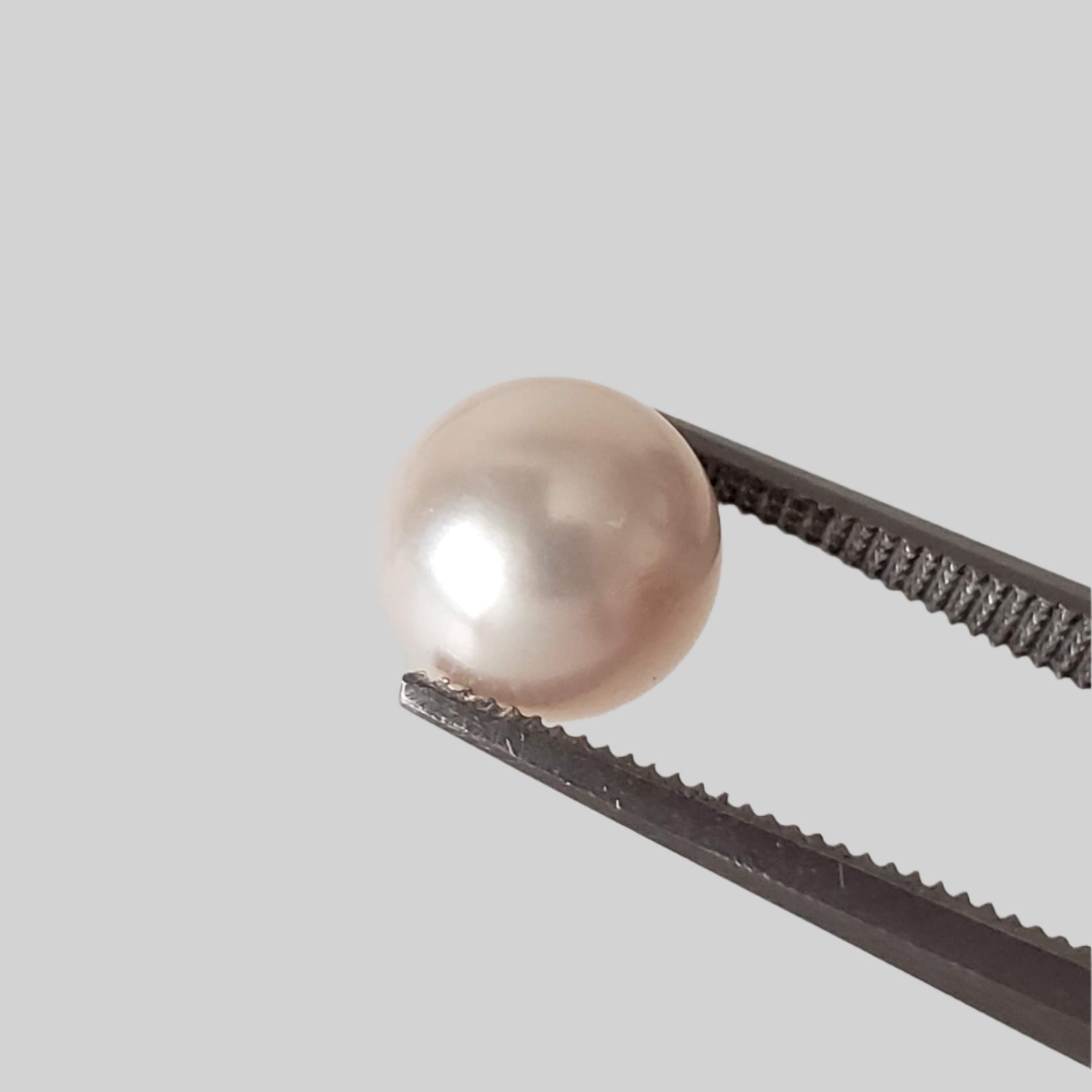
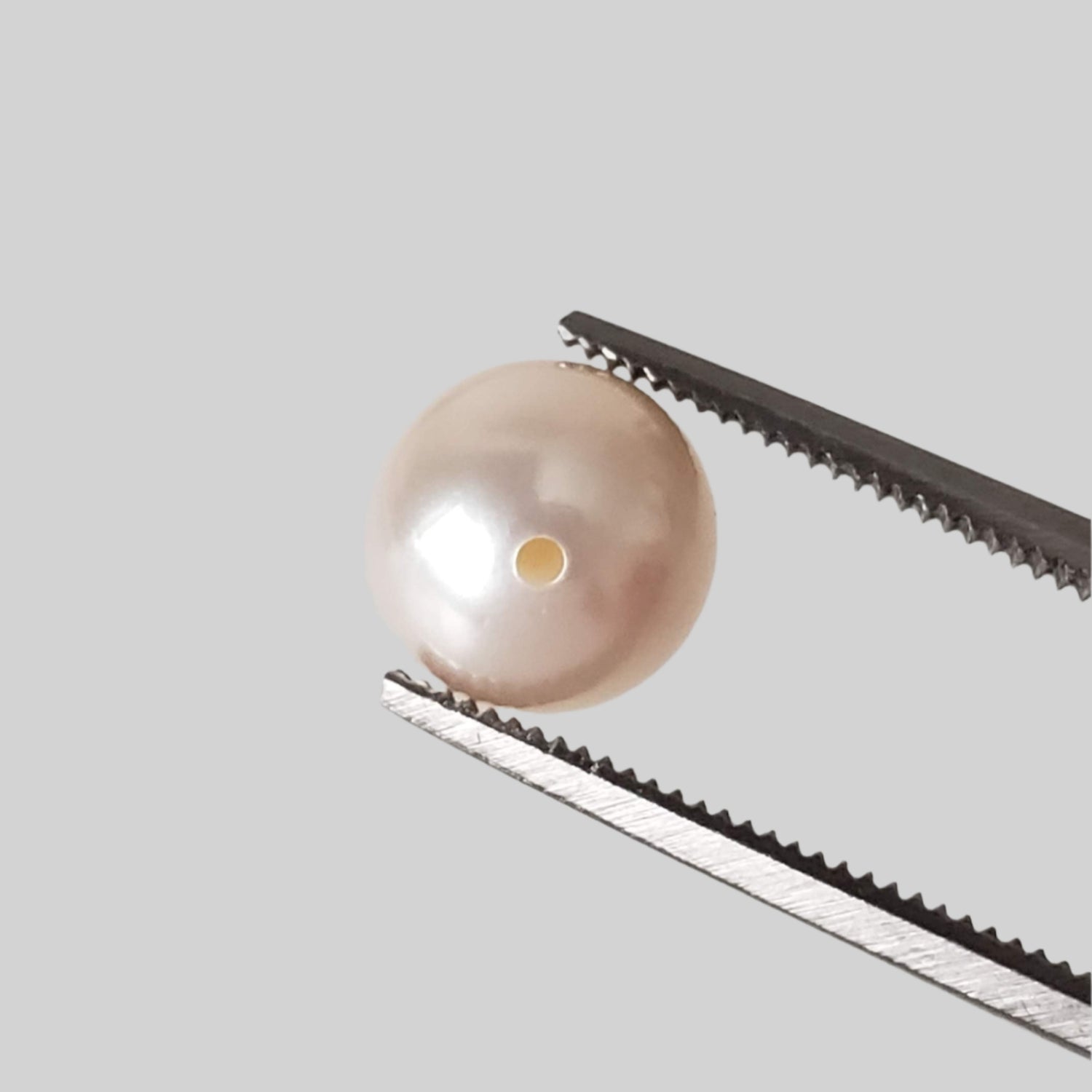
Product Type: Akoya Pearl
Size: 7.5mm (3.13 to 3.23ct)
Shape: Perfect Round
Color: White (Perfect Luster - Natural Color)
Origin: Japan
White Akoya pearls are considered the epitome of classic elegance and are often what people envision when they think of traditional pearls. Cultured in the Pinctada fucata oyster—primarily in Japan and to a lesser extent in China—Akoya pearls are celebrated for their exceptional luster and symmetry.
These pearls are typically perfectly round or near-round, with a smooth surface and a bright, mirror-like shine. Their color is usually white or cream, often enhanced by delicate overtones of rose, silver, or ivory. Akoya pearls generally range in size from 5 mm to 9 mm, though rare specimens can reach up to 10 or even 10.5 mm. The combination of their round shape, sharp luster, and classic color makes perfect round white Akoya pearls especially prized for necklaces, earrings, and bridal jewelry.
Comes with a certificate of authenticity.


The province of Québec, particularly areas like the Mont-Saint-Hilaire region, is known for producing fine mineral specimens, including albite. In pegmatites, albite often grows alongside minerals like quartz, mica, tourmaline, and spodumene. It forms in environments with slow cooling, allowing for large and well-defined crystals.
Albite is thought to help with decision-making, problem-solving, and overcoming fears of the unknown. Many believe it promotes calmness and adaptability, helping one embrace change with confidence.
Would be a beautiful addition to any new or existing collection.
Name: Albite Crystal Cluster
Specimen Size: Cabinet-Sized
Dimensions: 70x34x29 mm / 2.7x1.3x1.1 inches
Weight: 49 Grams / 1.7 Ounces
Origin: Mined in Mont-St-Hilaire, Québec

Canagem is proud to be professional member of The International Gem Society(IGS) the world's top resource for gem professionals, enthusiasts, and industry content.