



1386 products
Sort by:
1386 products


Product Type: Beryl
Approx Weight (per piece): 1.19ct
Size: 7.3x3.9mm
Shape: Round Facet
Color: Light Yellow Green
Clarity: Clean to the eye
Origin: Madagascar, Africa
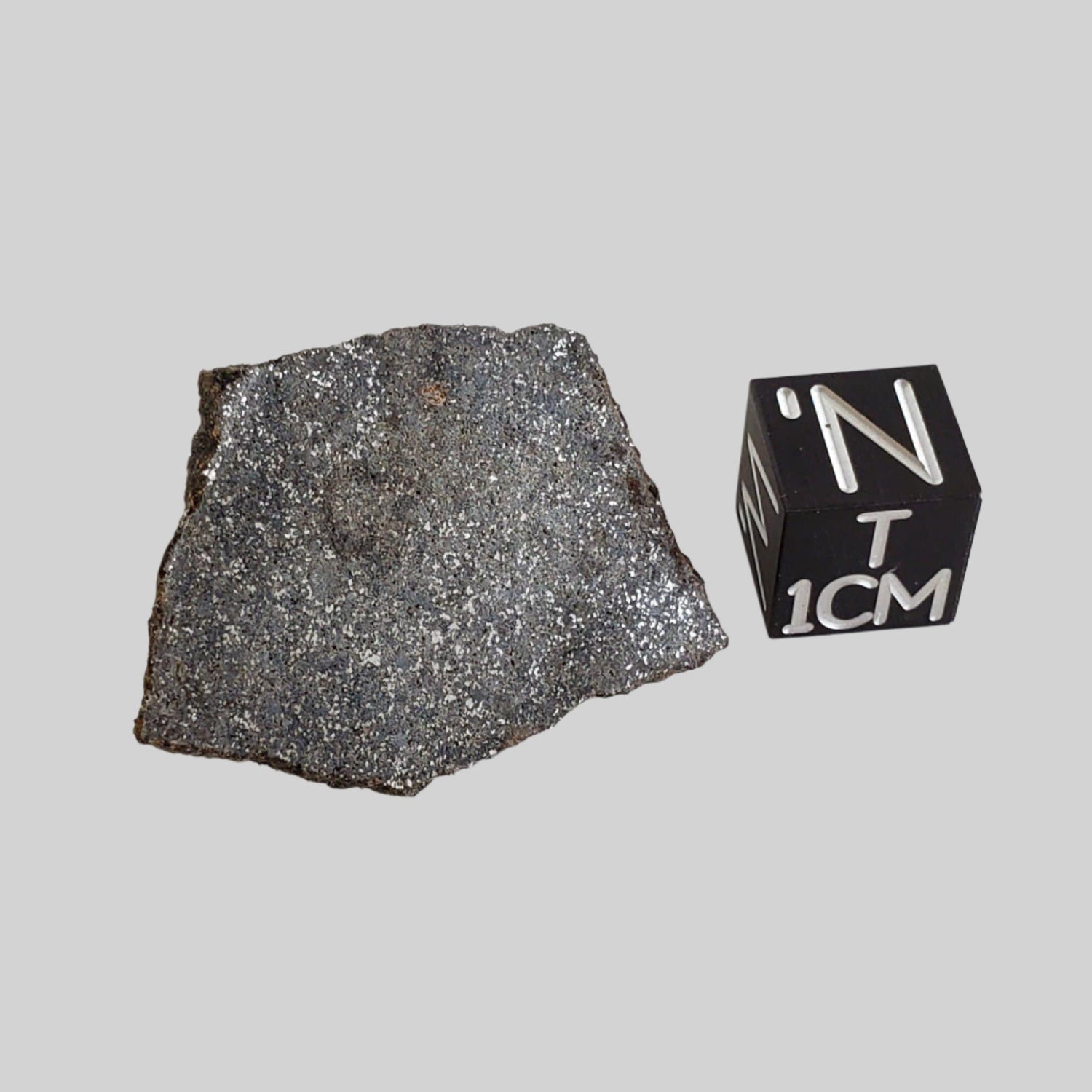
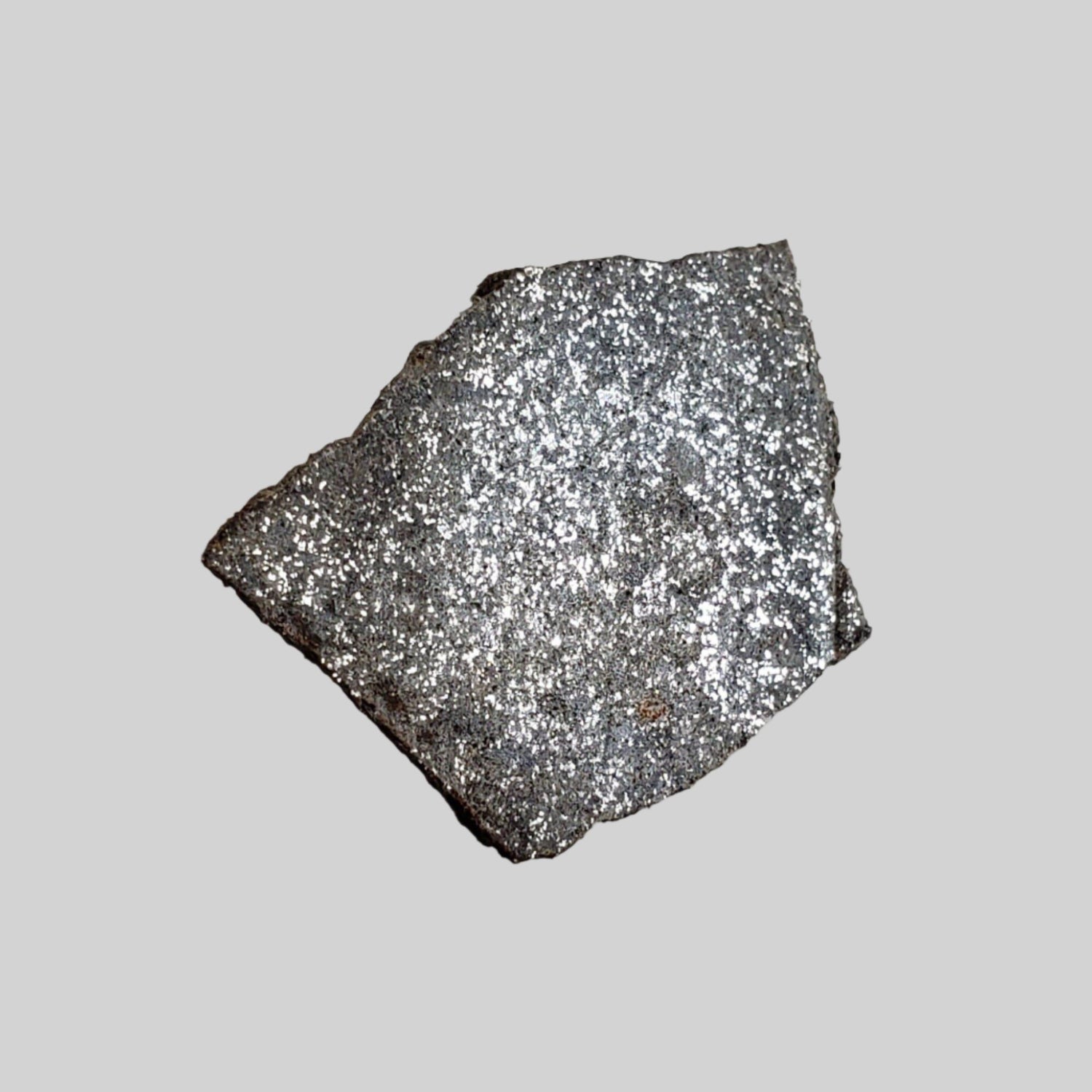
This is an incredible slice of the Big Rock Donga meteorite (MB 71) found in Nullarbor, South Australia in 1970. Just a single stone of this H6 meteorite was found - by an old trapper who used the stone to plug up a rabbit burrow to keep the rabbits from escaping! It remained on a sheep farm for many years before finally being recognised as meteoric in 1989.
The matrix is grey/green and mottled, with dark coloured chondrules, lots and lots of fine grained metal flake and dark fusion crust on some specimens. This is a very appealing, difficult to obtain meteorite which is not markedly weathered. . This rare and highly collectable H6 Chondrite is 1 of only 197 approved meteorites from South Australia. The total Mass is registered at 19 Kilograms and this is a nice piece at 3.98 grams with dimensions of 32x23x2 mm.
This piece displays very well with its polished face and would be an amazing addition to any new or existing collection with a high quality piece which is impossible to acquire. Comes with a Canagem Collection specimen card and one from origin.


This is a great looking Bilanga classified meteorite specimen weighing 4.68 grams with dimensions of 22x17x10 mm. This Achondrite Diogenite classified meteorite was observed falling in 1999 in Gnagna, Burkina Faso and is 1 of only 240 approved meteorites classified as such. The total weight of the pieces recovered is recorded as 25 kilograms.
This piece is a very desirable type of material and a great specimen all around. The specimen comes in a protective display case with label. Would be a beautiful addition to any new or existing collection. Comes with a Canagem Collection specimen card plus one from origin.


An outstanding Bixbyite crystal from Topaz Mountain, Thomas Range, Utah. This crystal has a mirror-like luster and is a good size specimen. A great example of Bixbyite with a single black cube exhibiting trioctahedral corners, a mirror-like metallic luster. It has no damage, making this a fine specimen.
Product Type: Bixbyite Crystal
Specimen Size: Thumbnail-Sized
Dimensions: Specimen: 8x7x6 mm
Box: 33x33x35
Weight: 9.7 gr / 0.3 oz (including box)
Origin: Mined at Thomas Range, Juab County, Utah USA


This is a must have 217.7 gram slice of Black Onaping Impact Fallback Breccia from the famous Sudbury Impact Structure in Ontario Canada. It's dimensions are 126x117x7 mm. Although not a meteorite, impactites are directly linked to them and their impacts and are probably going to be one of the rarest collection piece you'll ever own.
About 1.87 billion years ago, an object from space 9 kilometers in diameter, slammed into Canada a little north of Sudbury, Ontario creating the second largest impact structure on the earth. This impact was equivalent to a billion tons of TNT; an impact so great that it cracked the earth, in fact they still have earthquakes because of it today!
This specimen of Sudbury Black Onaping Breccia is a lithified fallback breccia composed of melt glass and country target rock fragments. This meteorite impact created a large mushroom cloud that fell back down to earth to create this breccia. "Bucky Ball Fullerine" with terrestrial carbon in the form of C-60 and C-70 is found in this type of Sudbury impact rock. Greenish-Blueish dust covered Tektites can also be found within its matrix. The Onaping forms in two layers, the first one is grey and second one is black.
The many mineral rich deposits and strange rock formations in such close proximity has attracted attention for 100's of years, long before its impact origin was known. Thomas Edison, for instance, built a lab on site and NASA Moonwalker "Gene" Cernan, who studied and collected geology samples as part of his pre-moon mission training.
Would be a beautiful addition to any new or existing collection. Comes with a Canagem Collection specimen card.


Howlite was discovered near Windsor, Nova Scotia in 1868 and named after Henry How, a Canadian chemist, geologist, and mineralogist. It often forms in nodules which resemble cauliflower heads. The nodules are opaque, white with gray or black veins, often showing web-like pattern. Dyed Blue Howlite is used as a turquoise substitute and is sometimes marketed as turquenite.
Howlite is said to be an extremely calming stone, which may help prevent insomnia. It is also said that Howlite teaches patience and helps to eliminate anger and strengthens positive character traits. Blue Howlite specifically, is said to aid in recalling dreams and accessing their insights.
Name: Howlite Sphere
Dimensions: 30 mm / 1.2 inches diameter
Weight: 30.8 grams / 1.1 ounces
Origin: China


Howlite was discovered near Windsor, Nova Scotia in 1868 and named after Henry How, a Canadian chemist, geologist, and mineralogist. It often forms in nodules which resemble cauliflower heads. The nodules are opaque, white with gray or black veins, often showing web-like pattern. Dyed Blue Howlite is used as a turquoise substitute and is sometimes marketed as turquenite.
Howlite is said to be an extremely calming stone, which may help prevent insomnia. It is also said that Howlite teaches patience and helps to eliminate anger and strengthens positive character traits. Blue Howlite specifically, is said to aid in recalling dreams and accessing their insights.
Name: Howlite Sphere
Dimensions: 30 mm / 1.2 inches diameter
Weight: 31.7 grams / 1.1 ounces
Origin: China


This is a fabulous specimen of bladed kyanite and quartz mined in Barra do Salinas district, Barra do Salinas, Coronel Murta, Minas Gerais, Brazil.
Kyanite is known to be one of the most attractive natural minerals in the world, frequently found with lustrous blue bladed crystals, with the intensity of color varying by location of extraction. Kyanite regularly forms fibrous, radiating crystals, as well as flattened and tabular. Some crystals form with white striations, color bands, and even multi-colored crystals, though typically found with a deep blue streak running down the middle.
Blue kyanite is often associated with clarity, communication, and energy alignment. Some believe it helps with self-expression and speaking one’s truth, making it a popular stone for those who want to improve communication or deepen their intuition.
Name: Bladed Kyanite Crystal
Specimen Size: Large Cabinet-Sized
Dimensions: 95x40x36 mm / 3.7x1.6x1.4 inches
Weight: 150 grams / 5.2 Ounces
Origin: Barra do Salinas district, Barra do Salinas, Coronel Murta, Minas Gerais, Brazil


Discover a remarkable Brachiopod fossil from the Fammenian stage of the Devonian period, sourced from the Kowala Formation in Poland’s Kielce-Lagow Syncline.
This natural specimen, measuring 16 mm and weighing approximately 2.21 grams, features exquisite pyritization within its host rock, offering valuable insight into ancient marine life and exceptional preservation for collectors and researchers alike.
Although dinosaurs are the most well-known fossil life forms, pyritized fossils are also a favorite among those familiar with Paleontology (the study of the development of life on Earth) and are found in the rocks of all continents.
Name: Brachiopod Fossil
Age: Fammenian (Devonian)
Location: Kowala Formation, Poland
Geological unit: Kielce-Lagow Syncline
Size: 2.21 gr / 0.08 oz
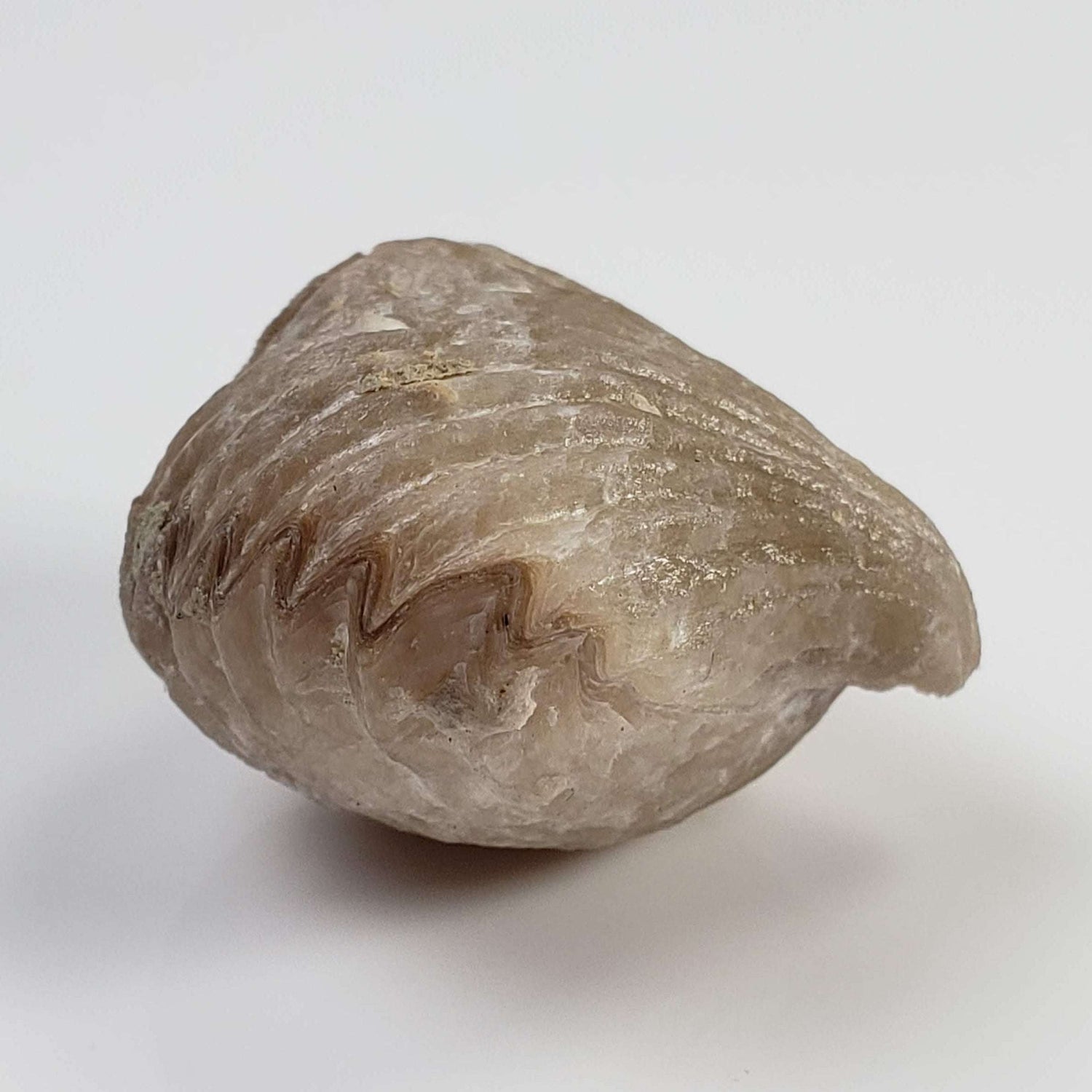
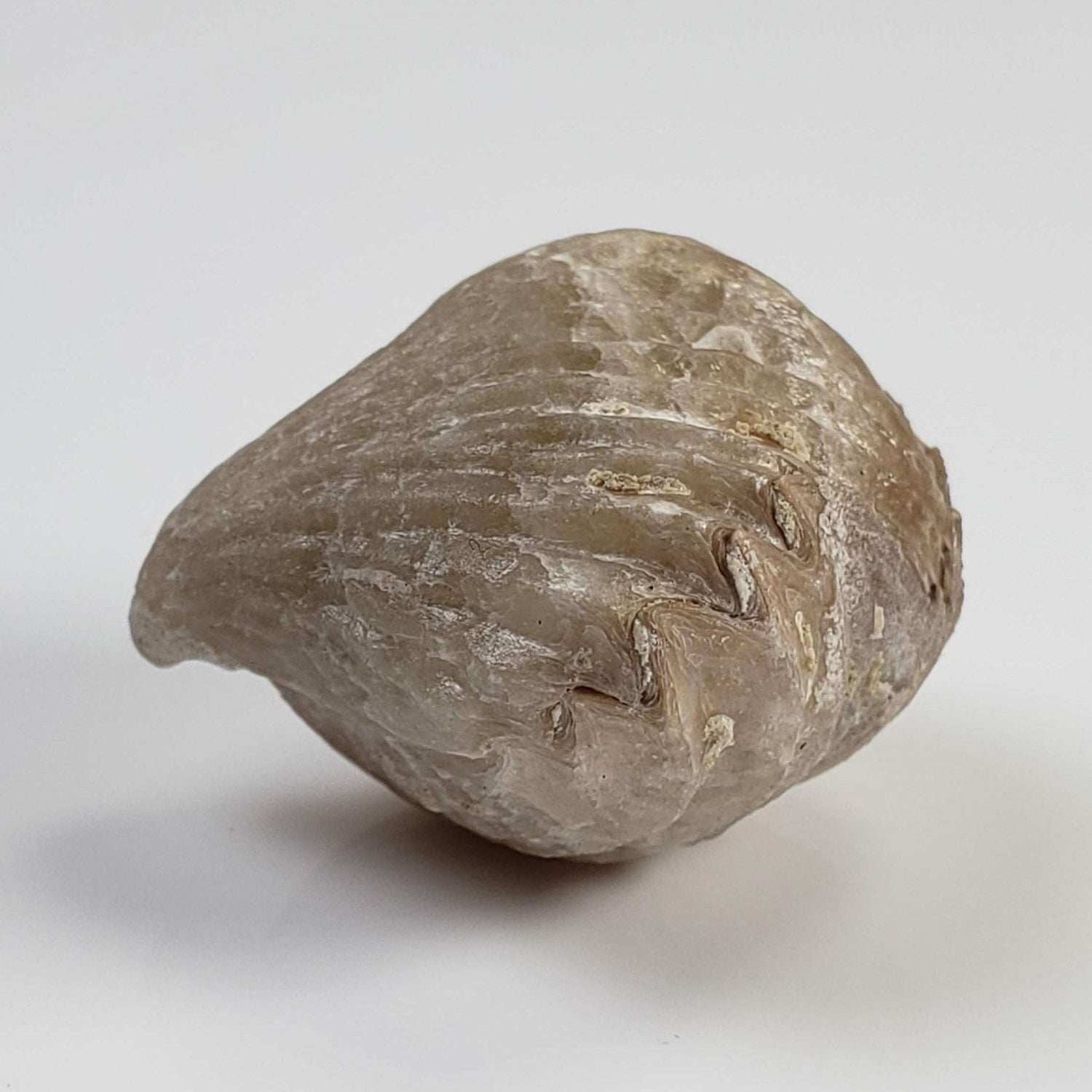
A superb example of fossilized brachiopod from Wapienno, Polanda. The high degree of preservation of the shell makes it much more special. These long articulate brachiopods are characterized by a triangular shell with a spherical profile, powerful ribs, a curved hinge line and a small umbo. The anterior margin shows a tongue like projection. Like most brachiopods, Rhynchonella was a stationary epifaunal suspension feeder.
Name: Rynchonella sp. Brachiopod
Age: Jurassic
Location: Wapienno, Poland
Dimensions: 28x24x18 mm / 1.1x0.9x0.7 inches
Weight: 12.7 grams / 0.45 oz

Canagem is proud to be professional member of The International Gem Society(IGS) the world's top resource for gem professionals, enthusiasts, and industry content.