



1386 products
Sort by:
1386 products


Product Type: Tourmaline
Product ID: TOPP2960
Approx Weight (per piece): 4.77ct
Size: 11.1mm
Shape: Trilliant Checkerboard Cut
Color: Rich Peach Pink
Clarity: SI (Slightly Included)
Origin: Brazil


Product Type: Tourmaline
Approx Weight (per piece): 5.52ct
Size: 31.8x4.8x3.6mm
Shape: Baguette Cut
Color: Dark Sea Green
Clarity: Clean to the eye
Origin: Africa
Treatment: None


Product Type: Tourmaline
Approx Weight (per piece): 3.72ct
Size: 16.6x6x3.9mm
Shape: Baguette Cut
Color: Green
Clarity: VVSI
Origin: Nigeria, Africa


Product Name: Triphane Spodumene (Canary Yellow Kunzite)
Product ID: O2645301
Approx Weight (per piece): 30.63ct
Size: 19x13mm
Shape: Baguette Cut
Color: Light Canary Yellow
Clarity: SI (Slightly Included)
Origin: Afghanistan


Product Name: Triphane Spodumene (Yellow Kunzite)
Approx Weight (per piece): 14.6 CT.
Size: 19.7x11.6 mm
Shape: Oval Cut
Color: Pale Yellow
Clarity: VSI (Very Slightly Included)
Treatment: None
Origin: Madagascar
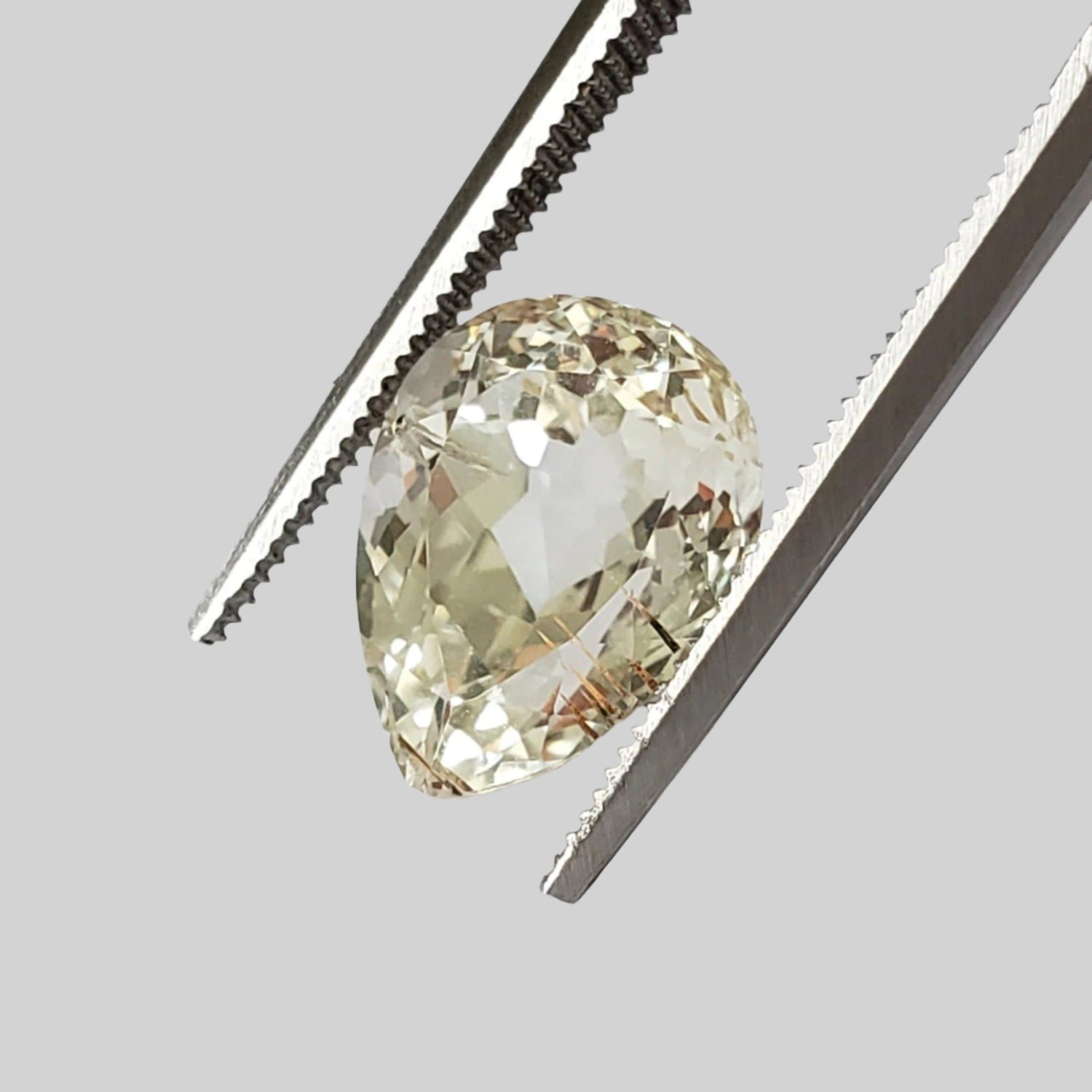
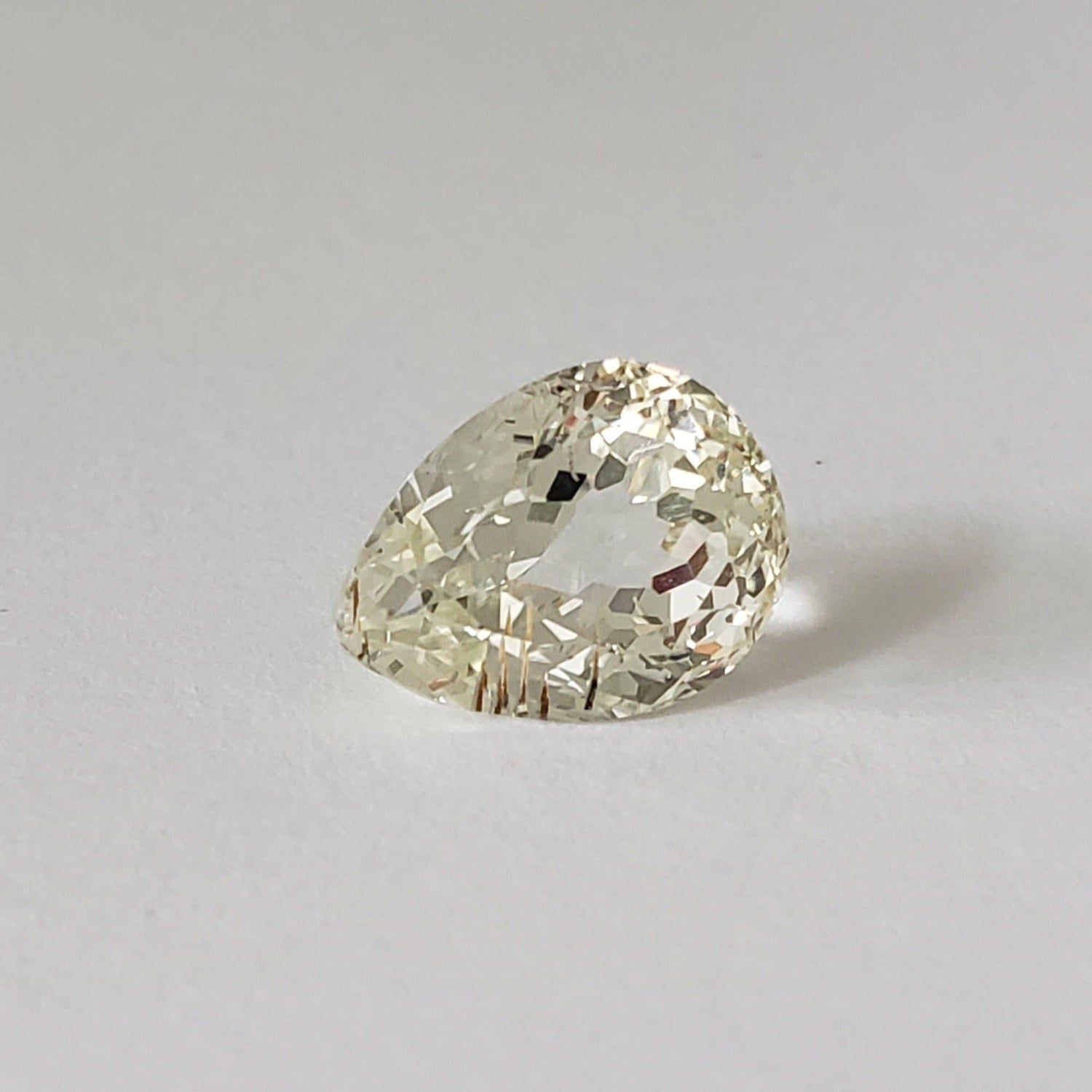
Product Name: Triphane Spodumene (Yellow Kunzite)
Approx Weight (per piece): 4.0ct
Size: 11.5x8.5mm
Shape: Pear Shape Cut
Color: Light Yellow
Clarity: SI (Slightly Included)
Origin: Afghanistan


This is a cut section of a colorful rock material of bluish-brown Triphylite from the New Hampshire area. The mine number is not available for this specimen, so it could have come from any of the Palermo mines. Superb example specimen professionally prepared and in perfect condition.
Name: Triphylite
Specimen Size: Large Cabinet-Sized
Dimensions: 111x67x35 mm / 4.4x2.6x1.4 inches
Weight: 274 Grams / 9.7 ounces
Origin: Mined in Palermo Mine, North Groton Pegmatite District, Grafton County, New Hampshire


This is a superb individual Tsarev meteorite weighing 122.9 grams. Its dimensions are 58x44x40 mm. Twenty-eight specimens of this L5 classified meteorite were found in fields. The largest mass weighs 284 kg, the smallest 761 gr with a total weight of 1.23 Tons. The greatest distance between the find sites was 6.0 km.
In 1968, amidst a global surge in conflicts, a remarkable discovery was made in a small village in Volgograd Oblast. This region, known as the primary site of the Battle of Stalingrad—one of the largest and bloodiest battles in history—yielded an extraordinary find in the quiet fields near the rural village of Tsarev.
The Tsarev meteorite, named after the Russian word for czar, is a stone meteorite responsible for one of the largest meteorite showers in Russian history. This meteorite shower occurred on December 6, 1922, but the stones were not discovered until 1968 and only recognized in 1979. The Tsarev meteorite's mineral composition matches that of ordinary chondrites, including olivine, orthopyroxene, clinopyroxene, maskelynite, calcium phosphates, nickel-iron, troilite, chromite, ilmenite, and rutile.
Academic analysis of the Tsarev meteorite reveals significant features: large grains of nickel-iron, light grey areas with well-preserved chondritic texture, and dark areas containing a matrix with olivine grains and remnants of chondrules.
This specimen would be a beautiful addition to any new or existing collection. Will come with a Canagem specimen card.


This is a superb individual Tsarev meteorite weighing 142.2 grams. Its dimensions are 71x44x29 mm. Twenty-eight specimens of this L5 classified meteorite were found in fields. The largest mass weighs 284 kg, the smallest 761 gr with a total weight of 1.23 Tons. The greatest distance between the find sites was 6.0 km.
In 1968, amidst a global surge in conflicts, a remarkable discovery was made in a small village in Volgograd Oblast. This region, known as the primary site of the Battle of Stalingrad—one of the largest and bloodiest battles in history—yielded an extraordinary find in the quiet fields near the rural village of Tsarev.
The Tsarev meteorite, named after the Russian word for czar, is a stone meteorite responsible for one of the largest meteorite showers in Russian history. This meteorite shower occurred on December 6, 1922, but the stones were not discovered until 1968 and only recognized in 1979. The Tsarev meteorite's mineral composition matches that of ordinary chondrites, including olivine, orthopyroxene, clinopyroxene, maskelynite, calcium phosphates, nickel-iron, troilite, chromite, ilmenite, and rutile.
Academic analysis of the Tsarev meteorite reveals significant features: large grains of nickel-iron, light grey areas with well-preserved chondritic texture, and dark areas containing a matrix with olivine grains and remnants of chondrules.
This specimen would be a beautiful addition to any new or existing collection. Will come with a Canagem specimen card.


This is a superb tumbled individual Tsarev meteorite weighing 38.5 grams. Its dimensions are 45x27x25 mm. Twenty-eight specimens of this L5 classified meteorite were found in fields. The largest mass weighs 284 kg, the smallest 761 gr with a total weight of 1.23 Tons. The greatest distance between the find sites was 6.0 km.
In 1968, amidst a global surge in conflicts, a remarkable discovery was made in a small village in Volgograd Oblast. This region, known as the primary site of the Battle of Stalingrad—one of the largest and bloodiest battles in history—yielded an extraordinary find in the quiet fields near the rural village of Tsarev.
The Tsarev meteorite, named after the Russian word for czar, is a stone meteorite responsible for one of the largest meteorite showers in Russian history. This meteorite shower occurred on December 6, 1922, but the stones were not discovered until 1968 and only recognized in 1979. The Tsarev meteorite's mineral composition matches that of ordinary chondrites, including olivine, orthopyroxene, clinopyroxene, maskelynite, calcium phosphates, nickel-iron, troilite, chromite, ilmenite, and rutile.
Academic analysis of the Tsarev meteorite reveals significant features: large grains of nickel-iron, light grey areas with well-preserved chondritic texture, and dark areas containing a matrix with olivine grains and remnants of chondrules.
This specimen would be a beautiful addition to any new or existing collection. Will come with a Canagem specimen card.

Canagem is proud to be professional member of The International Gem Society(IGS) the world's top resource for gem professionals, enthusiasts, and industry content.