



1577 products
Sort by:
1577 products


Discover a remarkable Brachiopod fossil from the Fammenian stage of the Devonian period, sourced from the Kowala Formation in Poland’s Kielce-Lagow Syncline.
This natural specimen, measuring 16 mm and weighing approximately 2.21 grams, features exquisite pyritization within its host rock, offering valuable insight into ancient marine life and exceptional preservation for collectors and researchers alike.
Although dinosaurs are the most well-known fossil life forms, pyritized fossils are also a favorite among those familiar with Paleontology (the study of the development of life on Earth) and are found in the rocks of all continents.
Name: Brachiopod Fossil
Age: Fammenian (Devonian)
Location: Kowala Formation, Poland
Geological unit: Kielce-Lagow Syncline
Size: 2.21 gr / 0.08 oz
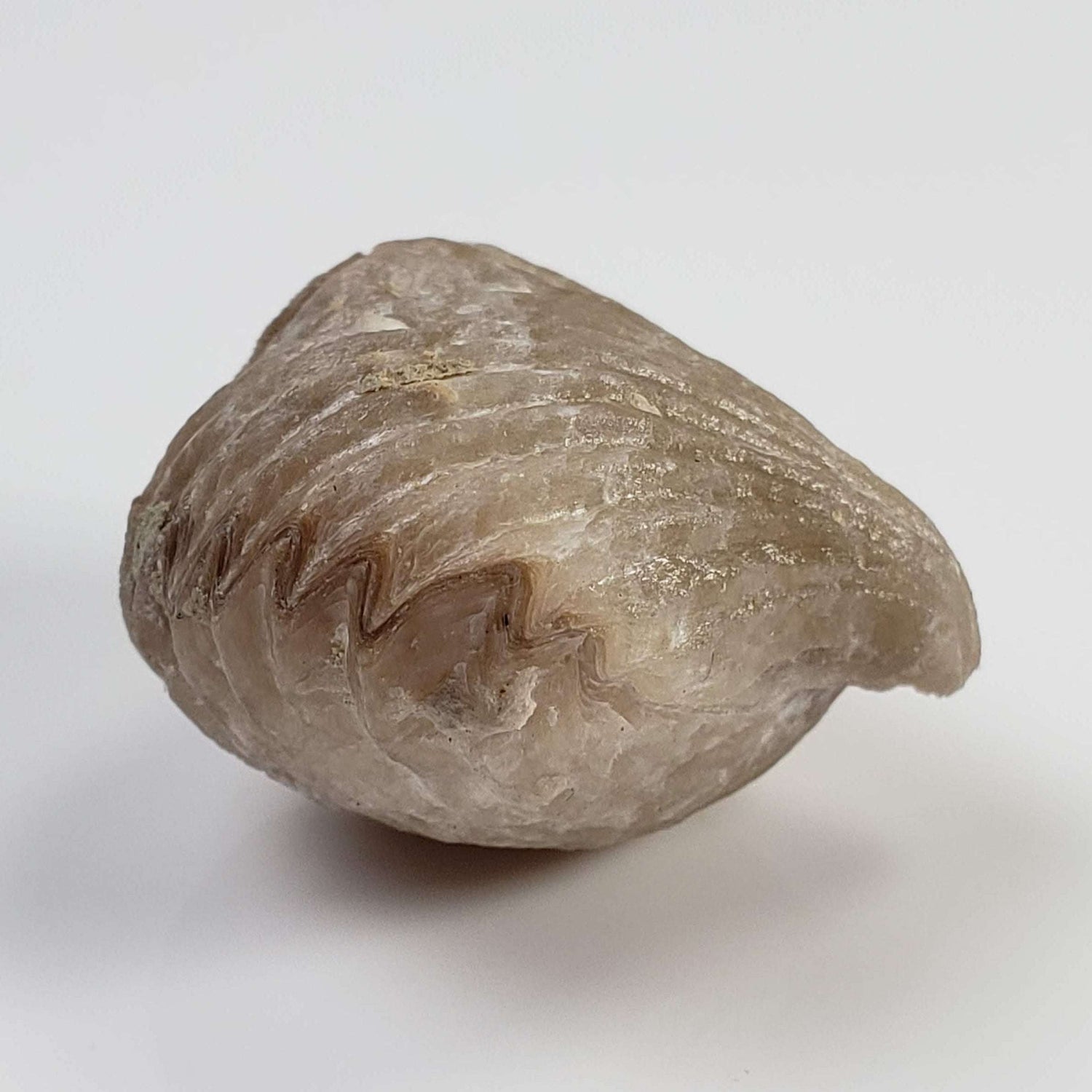
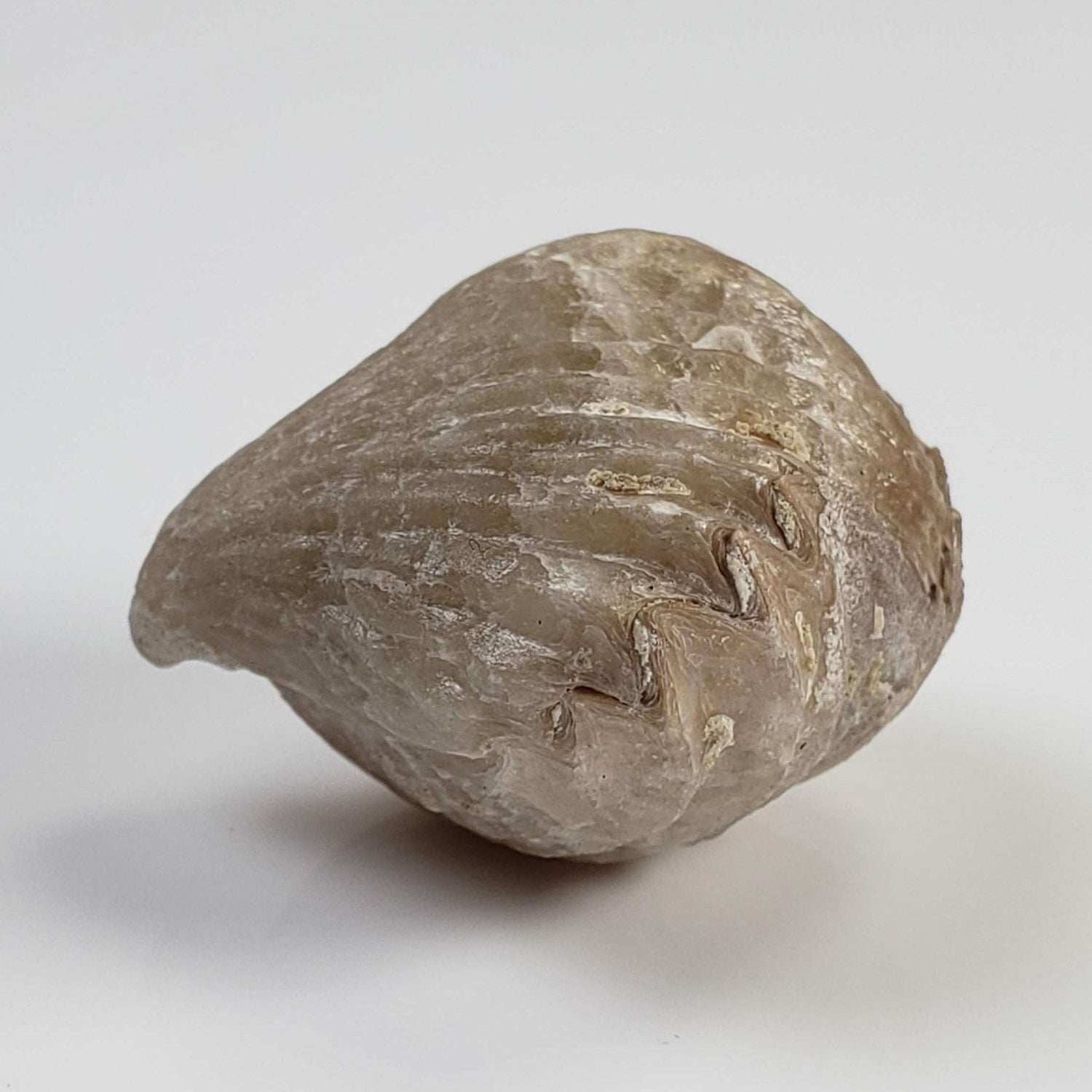
A superb example of fossilized brachiopod from Wapienno, Polanda. The high degree of preservation of the shell makes it much more special. These long articulate brachiopods are characterized by a triangular shell with a spherical profile, powerful ribs, a curved hinge line and a small umbo. The anterior margin shows a tongue like projection. Like most brachiopods, Rhynchonella was a stationary epifaunal suspension feeder.
Name: Rynchonella sp. Brachiopod
Age: Jurassic
Location: Wapienno, Poland
Dimensions: 28x24x18 mm / 1.1x0.9x0.7 inches
Weight: 12.7 grams / 0.45 oz
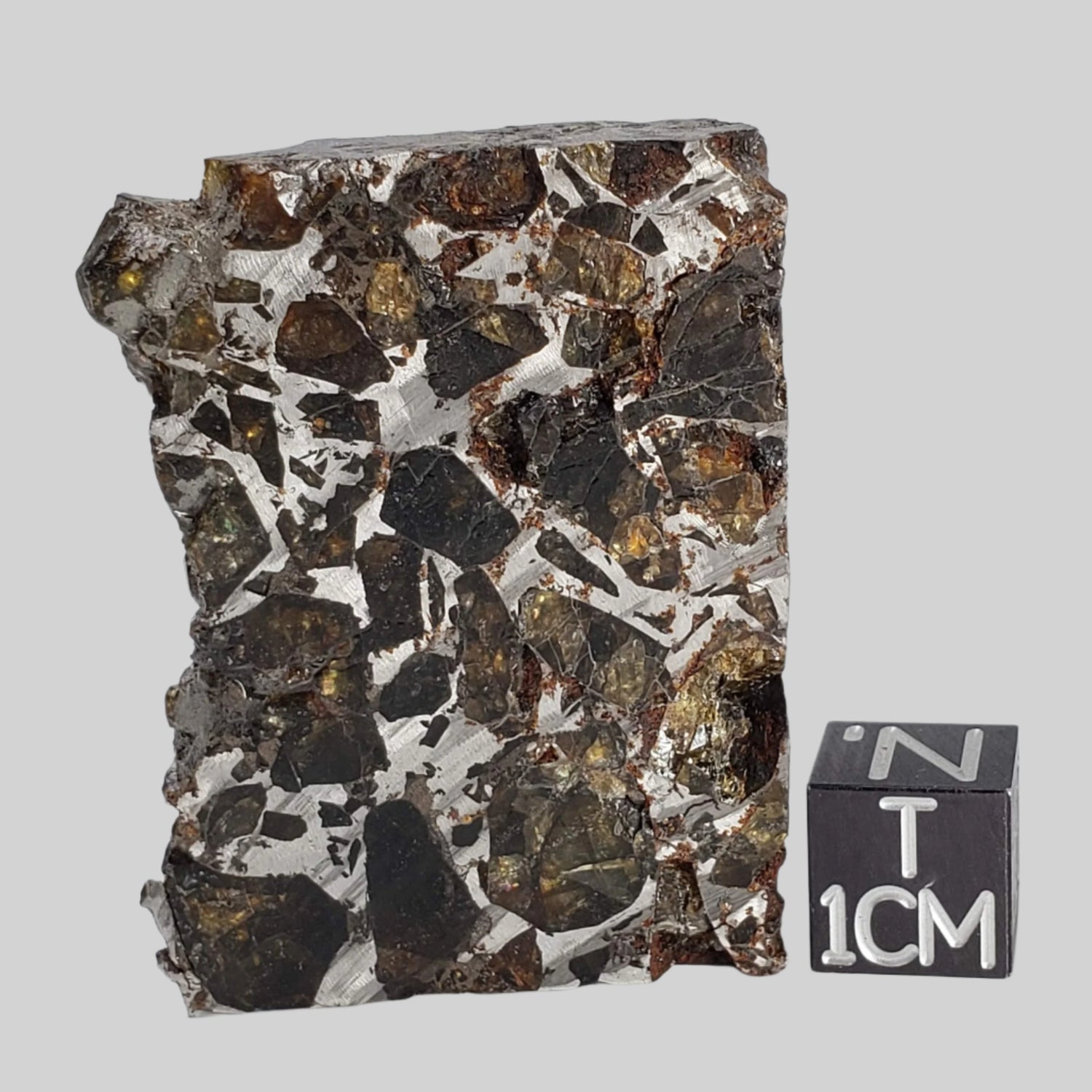
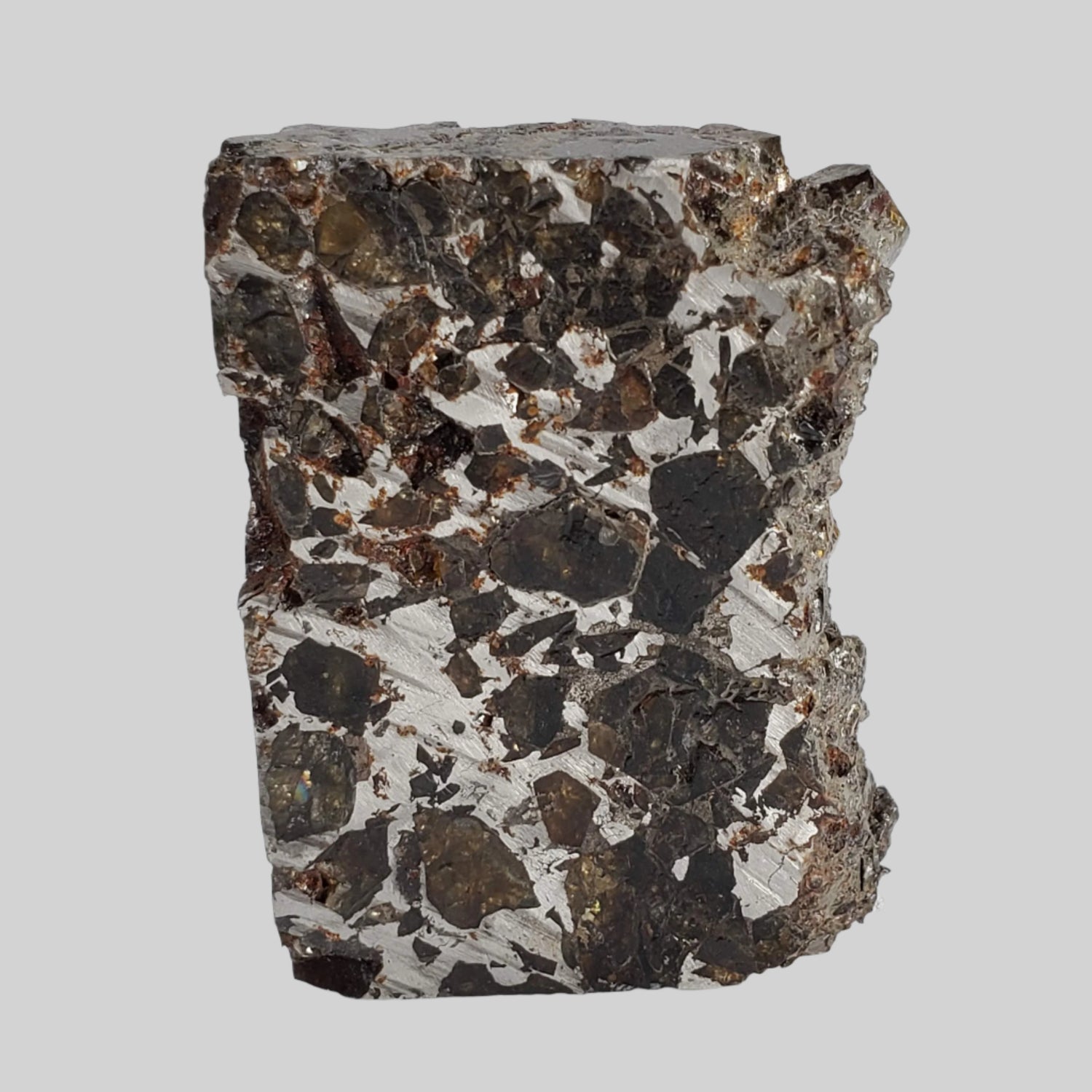
This is a fabulous 40.08 grams Brahin Pallasite stony iron classified meteorite part slice with dimensions of 42x32x7 mm. This superb meteorite was found in Minsk, Gomel Region, Belarus in 1810 and the Total Known Weight is ~ 823 kg.
This piece displays extremely well and is a highly desirable size showing great features. Would be a beautiful addition to any new or existing collection. Comes with a Canagem Collection specimen card and a metal specimen label.


This is a fabulous 7.5 grams Brahin Pallasite stony iron classified meteorite part end cut with dimensions of 31x30x6 mm. This superb meteorite was found in Minsk, Gomel Region, Belarus in 1810 and the Total Known Weight is ~ 823 kg.
This piece displays extremely well and is a highly desirable size showing great features. Would be a beautiful addition to any new or existing collection. Comes with a Canagem Collection specimen card.


Product Type: Citrine
Approx Weight (per piece): 25.7ct
Size: 25x17mm
Shape: Pear Shape Cut
Color: Brandy Color
Clarity: Clean
Origin: Brazil


This is a metallic-black, orthorhombic brookite crystal from an old collection. This is a fine specimen from the famous mines at Magnet Cove, Arkansas. It is an excellent, older material for the species and locality. The crystal comes in a Perky Box display.
Brookite is often associated with energy expansion, transformation, and heightened awareness. Some believe it helps with breaking through mental or spiritual barriers, making it a useful stone for those seeking personal growth or deeper understanding.
Name: Brookite var. Arkansite
Specimen Size: Thumbnail-Sized
Dimensions: 34x34x34 mm / 1.3x1.3x1.3 inches (incl box)
Weight: 9.8 Grams / 0.3 Ounces (incl Box)
Origin: Fisher Mountain, near Mount Ida, Arkansas, USA


The principal member of the Aragonite Group, aragonite is the second most common polymorph of natural calcium carbonate (the most common is calcite). It is significantly less widespread and abundant than calcite and is formed under a much narrower range of physiochemical conditions. It is metastable relative to calcite and often converts to calcite accompanying changes in the environment. It is nearly always a low-temperature, near surface mineral.
Name: Aragonite Sphere
Dimensions: 107 mm - 4.2 in
Weight: 1.9 kg - 4.2 lbs
Origin: China


The principal member of the Aragonite Group, aragonite is the second most common polymorph of natural calcium carbonate (the most common is calcite). It is significantly less widespread and abundant than calcite and is formed under a much narrower range of physiochemical conditions. It is metastable relative to calcite and often converts to calcite accompanying changes in the environment. It is nearly always a low-temperature, near surface mineral.
Name: Aragonite Sphere
Dimensions: 67 mm / 2.6 inches diameter
Weight: 427 grams / 15.1 ounces
Origin: China


The principal member of the Aragonite Group, aragonite is the second most common polymorph of natural calcium carbonate (the most common is calcite). It is significantly less widespread and abundant than calcite and is formed under a much narrower range of physiochemical conditions. It is metastable relative to calcite and often converts to calcite accompanying changes in the environment. It is nearly always a low-temperature, near surface mineral.
Name: Aragonite Sphere
Dimensions: 99 mm - 3.9 inches
Weight: 1.4 kg - 3.1 lbs
Origin: China


Calcite is found throughout the world in sedimentary, metamorphic, and igneous rocks. Some geologists consider it to be a "ubiquitous mineral" - one that is found everywhere. Calcite is the principal constituent of limestone and marble.
Calcite is said to be a powerful amplifier and cleanser of energy. It is believed that having calcite is a room cleans negative energies from the environment. It is also said that Calcite alleviates emotional stress and replaces it with serenity. It is believed to be a stabilizing stone, enhancing trust in oneself and strengthening the ability to overcome setbacks.
Name: Calcite crystal
Specimen Size: Cabinet-Sized
Dimensions: 65x32x40 mm / 2.6x1.3x1.6 inches
Weight: 88 Grams / 3.1 Ounces
Origin: Mumbai (Bombay), India

Canagem is proud to be professional member of The International Gem Society(IGS) the world's top resource for gem professionals, enthusiasts, and industry content.