



92 products
Sort by:
92 products


This is a rare and fantastic 18 gram Libyan Desert Glass from Kuffra, Libya, with dimensions of 44x25x19 mm.
Although its exact origin is still debated, the leading theory suggests it was formed by a high-energy event, such as a meteoric impact or airburst, that melted the desert sand directly where it lay, without being ejected into the atmosphere and re-entering. This results in different physical characteristics compared to tektites. Libyan Desert Glass is found specifically in the Great Sand Sea of the Eastern Sahara, within a more localized area spanning parts of western Egypt and eastern Libya.
This piece displays extremely well and is a quality translucent specimen. It has an aesthetic shape with a beautiful wind eroded body from the years spent in the Desert. Would be a beautiful addition to any new or existing collection. Comes with a Canagem Collection specimen card.

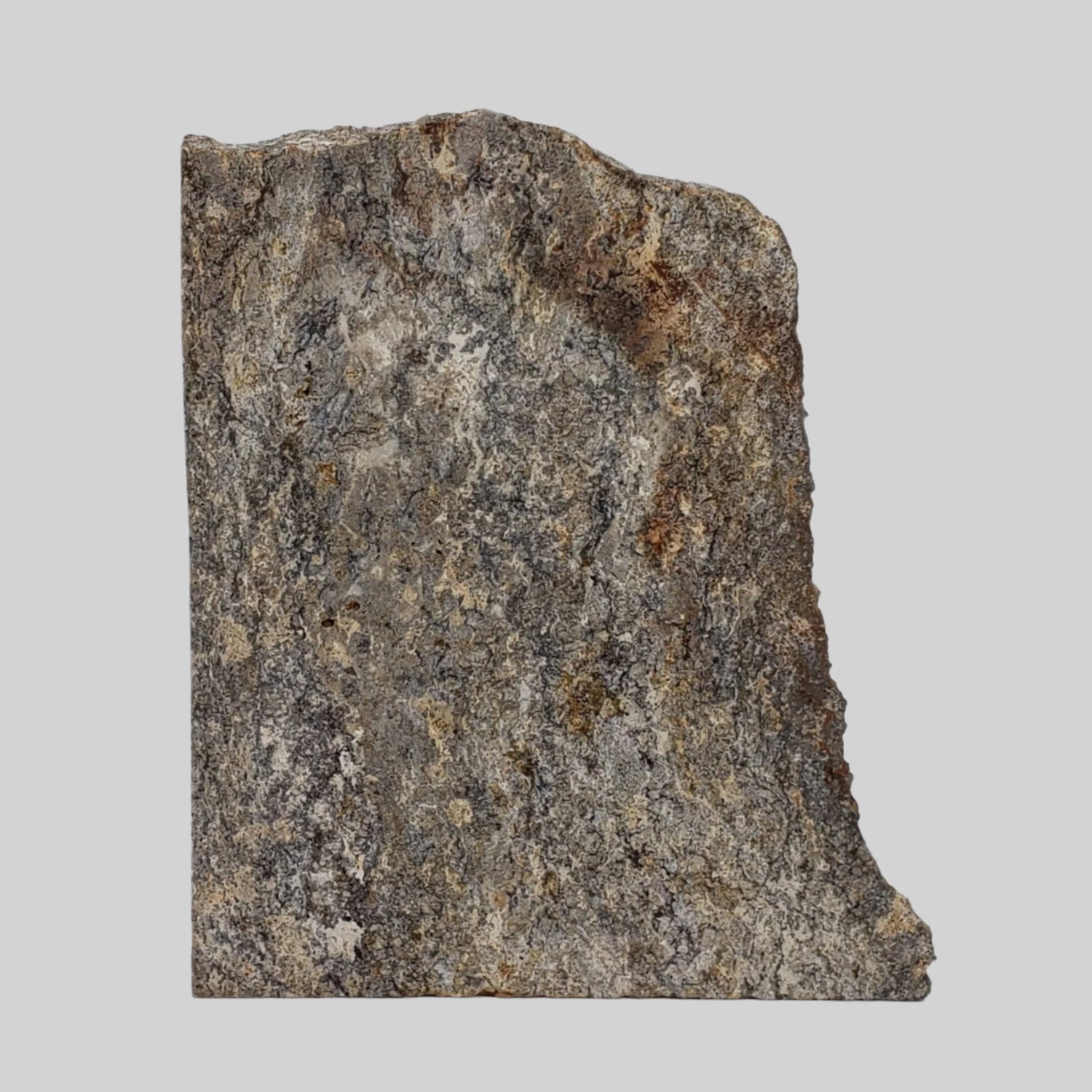
This is a must have 80.5 gram Impact Melt Rock from the Dellen Crater, north of Stokholm, Sweden. Some locals call these rocks by the name of “dellenites”, although officially they are impact melt rocks. Although not a meteorite, impactites are directly linked to them and their impacts and are probably going to be one of the rarest collection items you'll ever own. Impactite is a slag-like glassy object found on the surface of the earth, formed from rock melted by the impact of a meteorite.
The term impactite encompasses shock-metamorphosed target rocks, melts or suevites and mixtures of the two, as well as sedimentary rocks with significant impact-derived components and shocked mineral grains, tektites, anomalous geochemical signatures, etc.
This impactite was formed approx. 89 million years ago when a meteorite crashed into the earth making a round crater which is now a lake about 11 miles wide. Dellen impactites were divided into three impactite groups: (i) suevitic impact breccias with lithic and melt clasts, (ii) impact melt rocks, and (iii) shocked (parautochthonous) target rock. In turn, impact melt rocks were divided into (i) clast-rich, (ii) clast-poor, and (iii) clast-free types. The Dellenite type material was classified as clast poor impact melt breccia.
This gorgeous slice displays very well. It is amazingly light considering its mass of 87x73x6 mm. Would be a beautiful addition to any new or existing collection. Comes with a Canagem Collection specimen card.


This is a must have 26.7 gram Impact Melt Rock from the Dellen Crater, north of Stokholm, Sweden. Some locals call these rocks by the name of “dellenites”, although officially they are impact melt rocks. Although not a meteorite, impactites are directly linked to them and their impacts and are probably going to be one of the rarest collection items you'll ever own. Impactite is a slag-like glassy object found on the surface of the earth, formed from rock melted by the impact of a meteorite.
The term impactite encompasses shock-metamorphosed target rocks, melts or suevites and mixtures of the two, as well as sedimentary rocks with significant impact-derived components and shocked mineral grains, tektites, anomalous geochemical signatures, etc.
This impactite was formed approx. 89 million years ago when a meteorite crashed into the earth making a round crater which is now a lake about 11 miles wide. Dellen impactites were divided into three impactite groups: (i) suevitic impact breccias with lithic and melt clasts, (ii) impact melt rocks, and (iii) shocked (parautochthonous) target rock. In turn, impact melt rocks were divided into (i) clast-rich, (ii) clast-poor, and (iii) clast-free types. The Dellenite type material was classified as clast poor impact melt breccia.
This gorgeous slice displays very well. It is amazingly light considering its mass of 70x32x8 mm. Would be a beautiful addition to any new or existing collection. Comes with a Canagem Collection specimen card.


This is a must have 29.55 gram Impact Breccia also referred to as Suevite coming from the famous Rochechouart impact structure in South Western France, near the village of Chassenon. Although not a meteorite, impactites are directly linked to them and their impacts and are probably going to be one of the rarest collection items you'll ever own. Impactite is a slag-like glassy object found on the surface of the earth, formed from rock melted by the impact of a meteorite.
Named after the town of Rochechouart, the Rochechouart impact structure is located on the western margin of the French Massif Central near the city of Limoges, approximately 350 km (220 mi) south of Paris. Rochechouart (population about 3800) is built with rocks created or modified by the impact (impactites). Chassenon, a third of the size of Rochechouart, is also built of impactites. Impactite was used 2000 years ago for building Chassenon's monumental Roman baths of Cassinomagus.
The very fine materials (impactoclastites) are preserved forming a very fine layered horizontal deposits on top of the melt rich suevite (breccia with a debris matrix and both rock debris and melt fragments as clasts) near Chassenon.
The term impactite encompasses shock-metamorphosed target rocks, melts or suevites and mixtures of the two, as well as sedimentary rocks with significant impact-derived components and shocked mineral grains, tektites, anomalous geochemical signatures, etc. This impactite was formed 186 million years ago. This deformed rock fragments and partly molten are imbedded in a melt matrix showing typical flow structures from former melt.
This gorgeous slice displays very well with a mass of 49x48x9 mm. Would be a beautiful addition to any new or existing collection. Comes with a Canagem Collection specimen card.


Introducing our stunning Impactite Melt Rock from the Babaudus Impactite site in France. This rare and unique piece weighs 30.89 grams and measures 53x38x9 mm. It is a must-have for any collector or enthusiast.
This Babaudus Type Impact Melt Rock was formed by the intense heat and pressure of a meteorite impact. The Rochechouart Structure, where it was found, is known for producing some of the world's most beautiful and intriguing impactites.
This Impact Melt Rock is a beautiful example of the unique textures and patterns that can be found in impactites. It displays very well and would be a beautiful addition to any new or existing collection. Comes with a Canagem Collection specimen card.


Introducing our stunning Impactite Melt Rock from the Babaudus Impactite site in France. This rare and unique piece weighs 21.97 grams and measures 54x40x7 mm. It is a must-have for any collector or enthusiast.
This Babaudus Type Impact Melt Rock was formed by the intense heat and pressure of a meteorite impact. The Rochechouart Structure, where it was found, is known for producing some of the world's most beautiful and intriguing impactites.
This Impact Melt Rock is a beautiful example of the unique textures and patterns that can be found in impactites. It displays very well and would be a beautiful addition to any new or existing collection. Comes with a Canagem Collection specimen card.


This is a great 85.2 gram Impact Melt Breccia from the Sääksjärvi crater in Finland. It is amazingly light considering its mass of 95x51x15 mm. Although not a meteorite, impactites are directly linked to them and their impacts and are probably going to be one of the rarest collection item you'll ever own. Impactite is a slag-like glassy object found on the surface of the earth, formed from rock melted by the impact of a meteorite.
The term impactite encompasses shock-metamorphosed target rocks, melts or suevites and mixtures of the two, as well as sedimentary rocks with significant impact-derived components and shocked mineral grains, tektites, anomalous geochemical signatures, etc.
Sääksjärvi is a lake in Kokemäki, Satakunta, western Finland, east of the town of Pori. The lake is notable because it overlies an impact crater. The crater is 5 kilometres (3 mi) in diameter and is completely buried under the lake and is not visible at the surface. The age of the impact structure is estimated to be about 543 ± 12 Ma (million years ago), at the boundary between the Ediacaran and Cambrian periods. There are impactite rocks in the southwestern region from the crater confirming its extraterrestrial origin. At the time of its discovery, only one impact crater (Lappajärvi) was known in Finland.
Would be a beautiful addition to any new or existing collection. Comes with a Canagem Collection specimen card.


This is a must have 17 gram Impact Melt Rock from the Stac Fada Member Impact Structure, NW Scotland. It measures 65x38x4 mm. Although not a meteorite, impactites are directly linked to them and their impacts and are probably going to be one of the rarest collection items you'll ever own. Impactite is a slag-like glassy object found on the surface of the earth, formed from rock melted by the impact of a meteorite.
The term impactite encompasses shock-metamorphosed target rocks, melts or suevites and mixtures of the two, as well as sedimentary rocks with significant impact-derived components and shocked mineral grains, tektites, anomalous geochemical signatures, etc.
This beautiful Impact melt rock comes from the Stac Fada impact structure in Scotland. The structure has an estimated age of about 1.2Ga (1,200 Ma). The Stac Fada Member of the Precambrian Stoer Group in Scotland has previously been described as volcanic in origin. However, shocked quartz and biotite provide evidence for high-pressure shock metamorphism, while chromium isotope values and elevated abundances of platinum group metals and siderophile elements indicate addition of meteoritic material. Thus, the unit is reinterpreted as having an impact origin.
This gorgeous slice displays very well. Would be a beautiful addition to any new or existing collection. Comes with two a Canagem Collection specimen card.
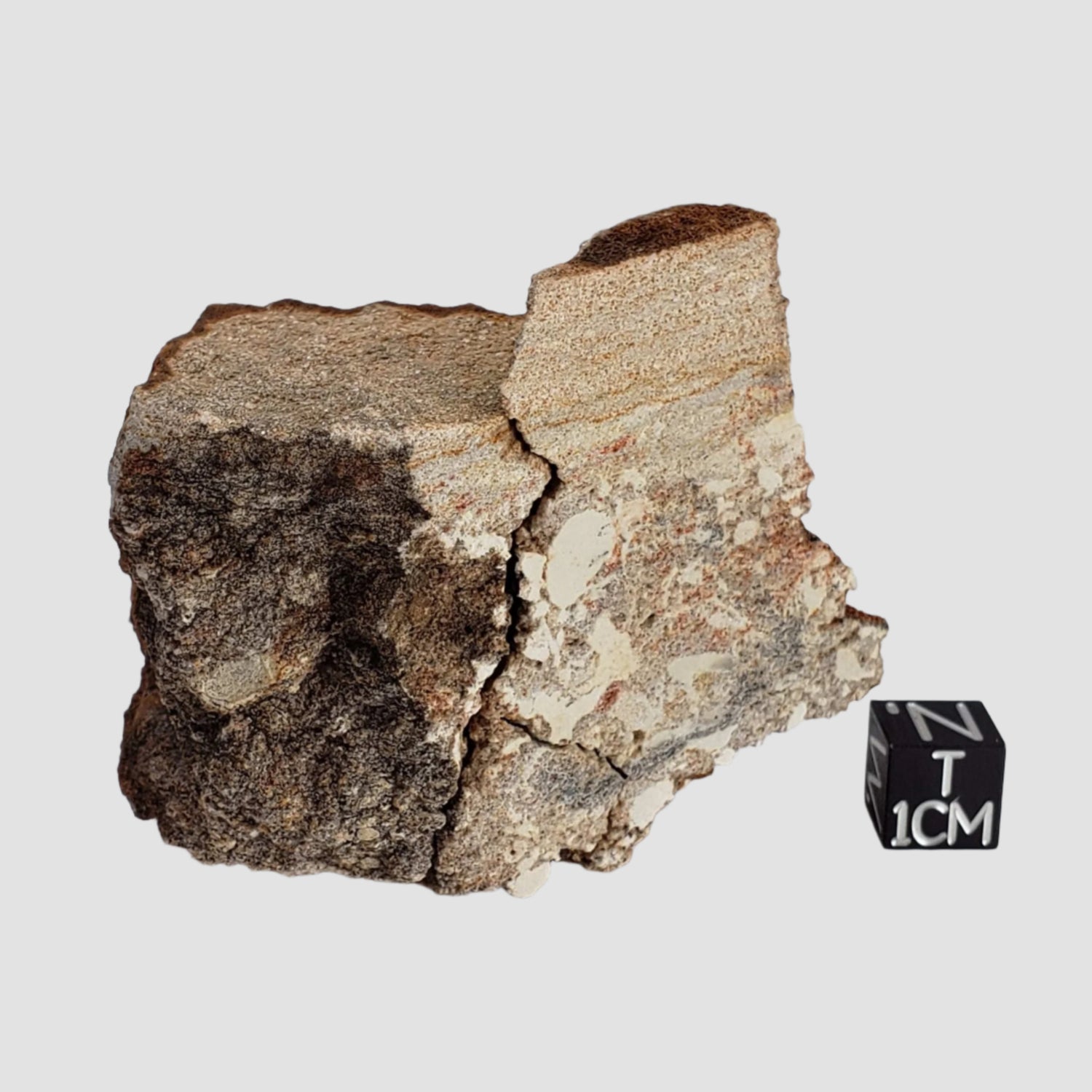
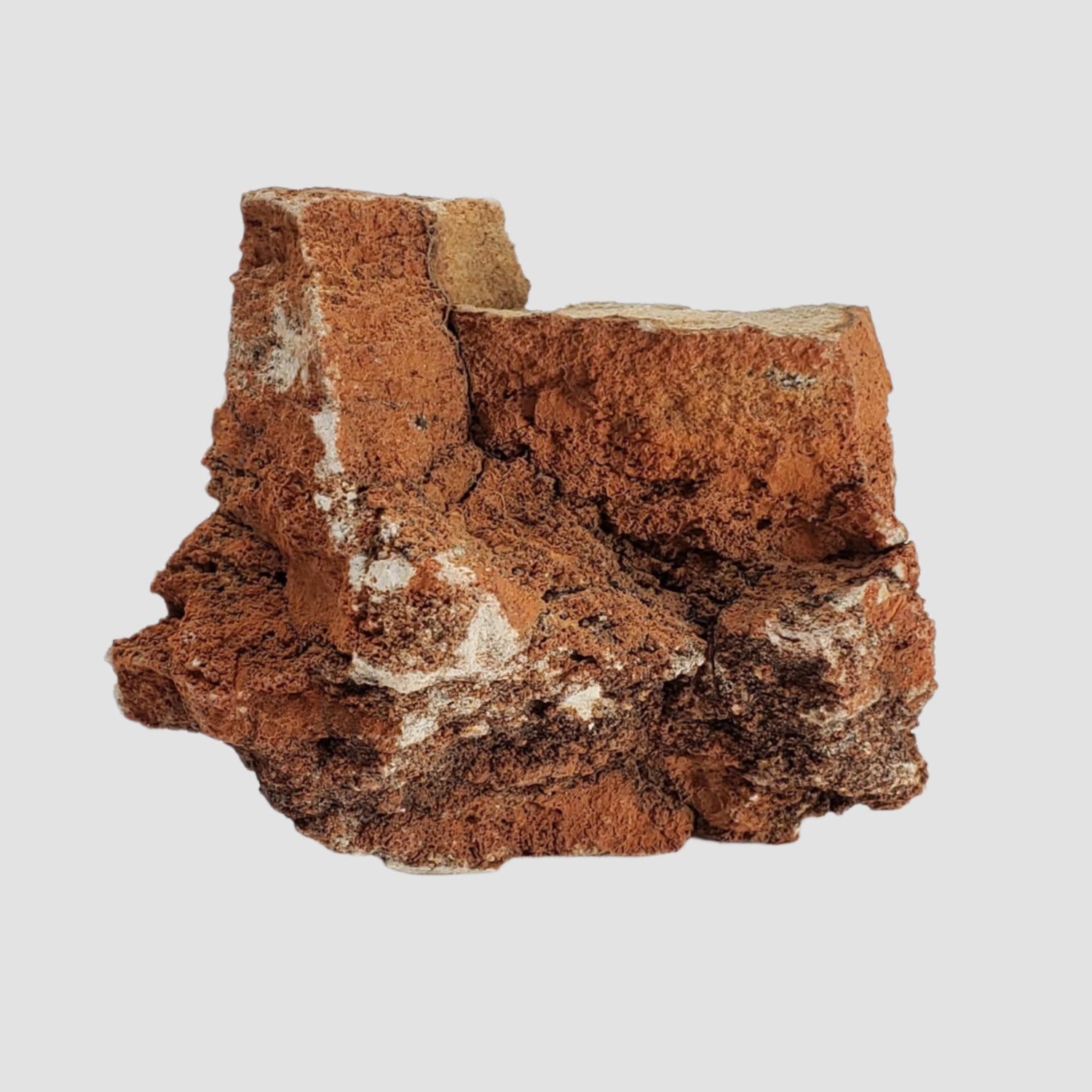
Wolfe Creek Impactite | 104.88 Grams | Impact Breccia | Closed Site | Australia
Name: Wolfe Creek [crater] This is a recognized impact crater name.
Observed fall: No
Age: <0.3 Ma
Diameter: 0.875 km
Country: Australia
Note: There is a natural fracture in the middle of the specimen which comes from the event that created it. Two parts move slightly so handle with care. Displays very well.
Here we have for you a Wolfe Creek impactite breccia specimen weighing 104.88 grams. Its dimensions are 67x53x42 mm. The exposed crater is located in Western Australia, Australia with an estimated age of < 0.3 Ma.
The impact crater is cited in the Earth Impact Database maintained by the Planetary and Space Science Centre at the University of New Brunswick, Canada. For photographs, maps, references, and other information, see the entry on the PASSC Website
These pieces are becoming difficult to acquire as the site is closed for collecting. This is a good time to get a fine specimen. Would be a beautiful addition to any new or existing collection. Comes with 2 specimen cards including a Canagem® Collection specimen card.


This is an outstanding specimen Impact Melt Glass, or "Flädle" glass, from the Lake Mien crater, 12 km (7.5 mi) southwest of the town of Tingsryd, Sweden. It weighs 39.8 grams and measures 54x49x20 mm. Although not a meteorite, impactites are directly linked to them and their impacts.
Impactite is a slag-like glassy object found on the surface of the earth, formed from rock melted by the impact of a meteorite. The term encompasses shock-metamorphosed target rocks, melts or suevites and mixtures of the two, as well as sedimentary rocks with significant impact-derived components and shocked mineral grains, tektites, anomalous geochemical signatures, etc.
This eroded crater is marked by a 5.5-km (3.4-mi) diameter circular lake named Lake Mien. The original crater rim is estimated to have been about 9 km in diameter before erosion. Its age is estimated to be 121.0 ± 2.3 million years (Early Cretaceous). This Suevitic breccia with clastic matrix and melt inclusions (black) and crystalline rock clasts (gray to white) is amazingly light considering its mass. It has a unique hollow sound when you tap it.
Would be a beautiful addition to any new or existing collection. Comes with a Canagem Collection specimen card.

Canagem is proud to be professional member of The International Gem Society(IGS) the world's top resource for gem professionals, enthusiasts, and industry content.