



41 of 273 products
Sort by:
41 of 273 products


This is a fabulous 1.24 grams Molong stony iron classified meteorite fragment. This superb meteorite was found in Ashburnham, NSW, Australia in 1912 and has a low Total Known Weight of 104 kg. This is 1 of 72 approved meteorites classified as Pallasite, PMG.
This Molong meteorite fragment is a rare 1.24-gram piece of Pallasite PMG (main chemical group) stony iron, originally part of a 230-pound mass found in 1912 near Ti Tree Creek, Ashburnham, NSW, Australia. Known for its unique iron-nickel matrix interspersed with olivine crystals, this specimen offers valuable insight into early solar system processes.
Even though the iron of this ancient meteorite has changed into Meteorite Shale due to its millions of years of exposure on earth, it still shows the beautiful pallasite structure it is famous for and will also reacts strongly to a magnet. Unlike most pallasites you see, Molong is almost all olivine crystals with just a little metal between them. The olivine crystals are semi-translucent, you can't see through them, but you can see reflections from within the crystals.
Its historical significance and scientific value make it an important addition for collectors and researchers specializing in meteoritics. Comes in a protective case with an ELKK Meteorites and a Canagem Collection specimen card.
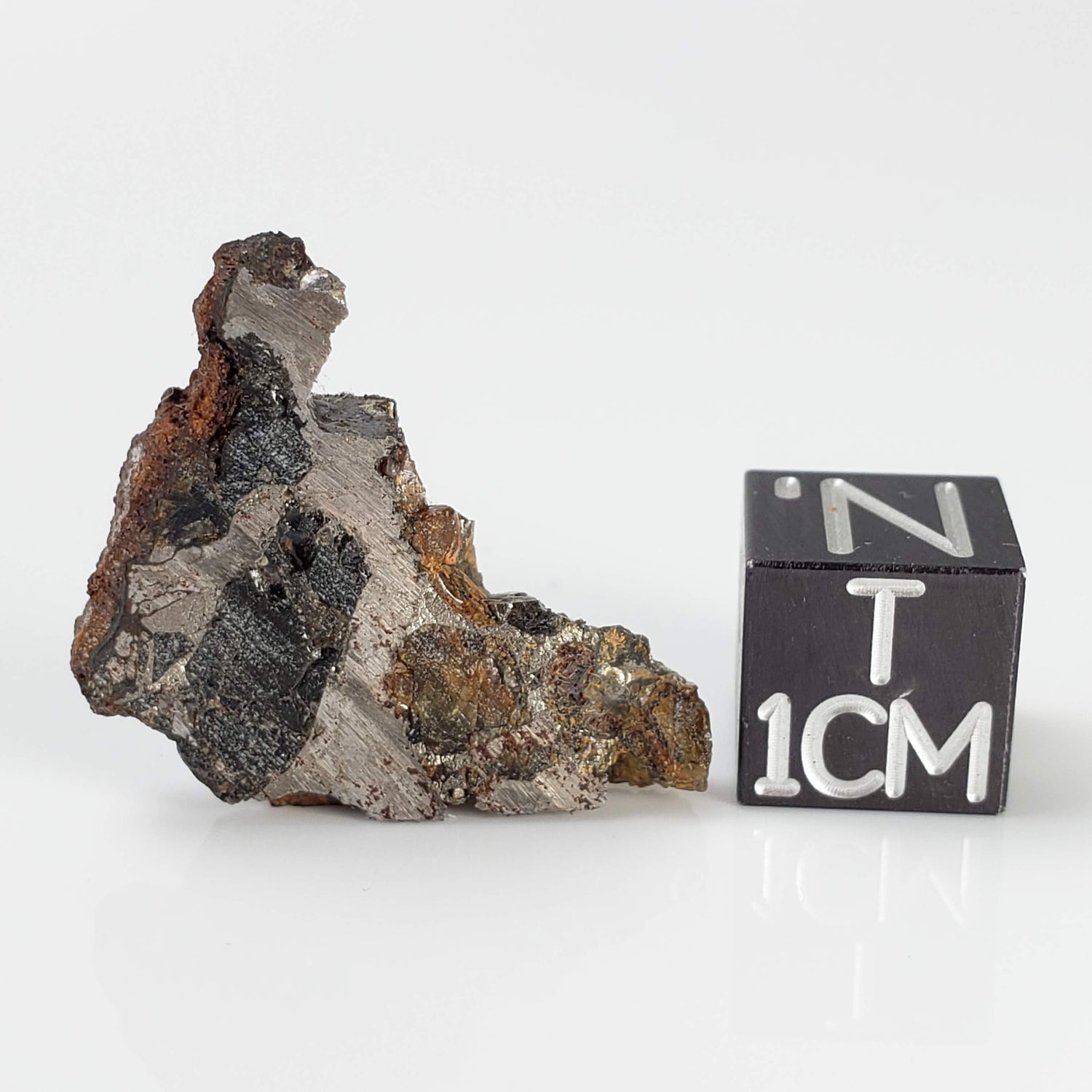
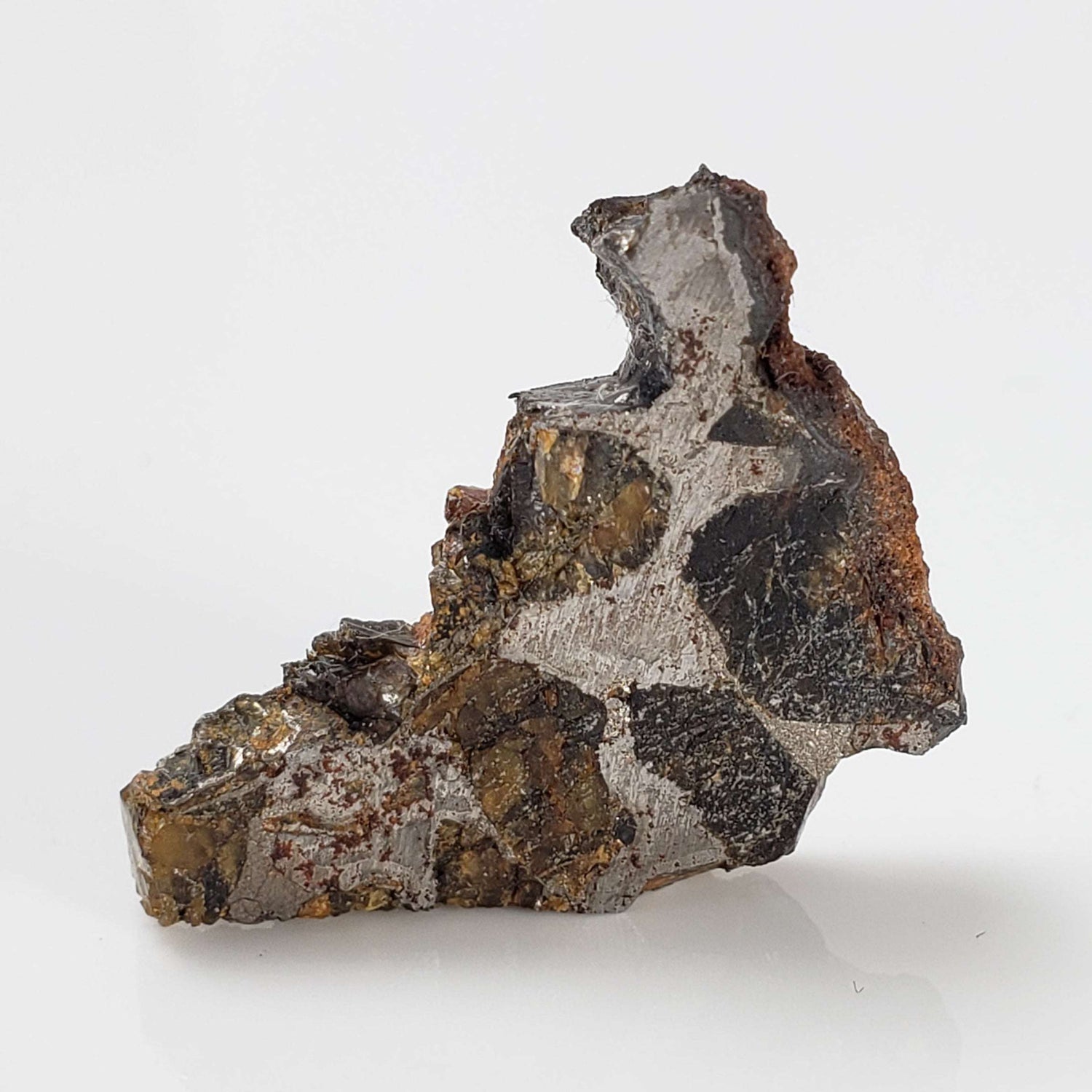
This is a nice 3.87 grams Brahin Pallasite stony iron classified meteorite part slice with dimensions 23x20x3 mm. This rare meteorite was found in Minsk, Gomel Region, Belarus in 1810 and the Total Known Weight is ~ 823 kg.
This piece displays nicely and is a desirable size showing great features. Would be a beautiful addition to any new or existing collection. Comes with a Canagem Collection specimen card.
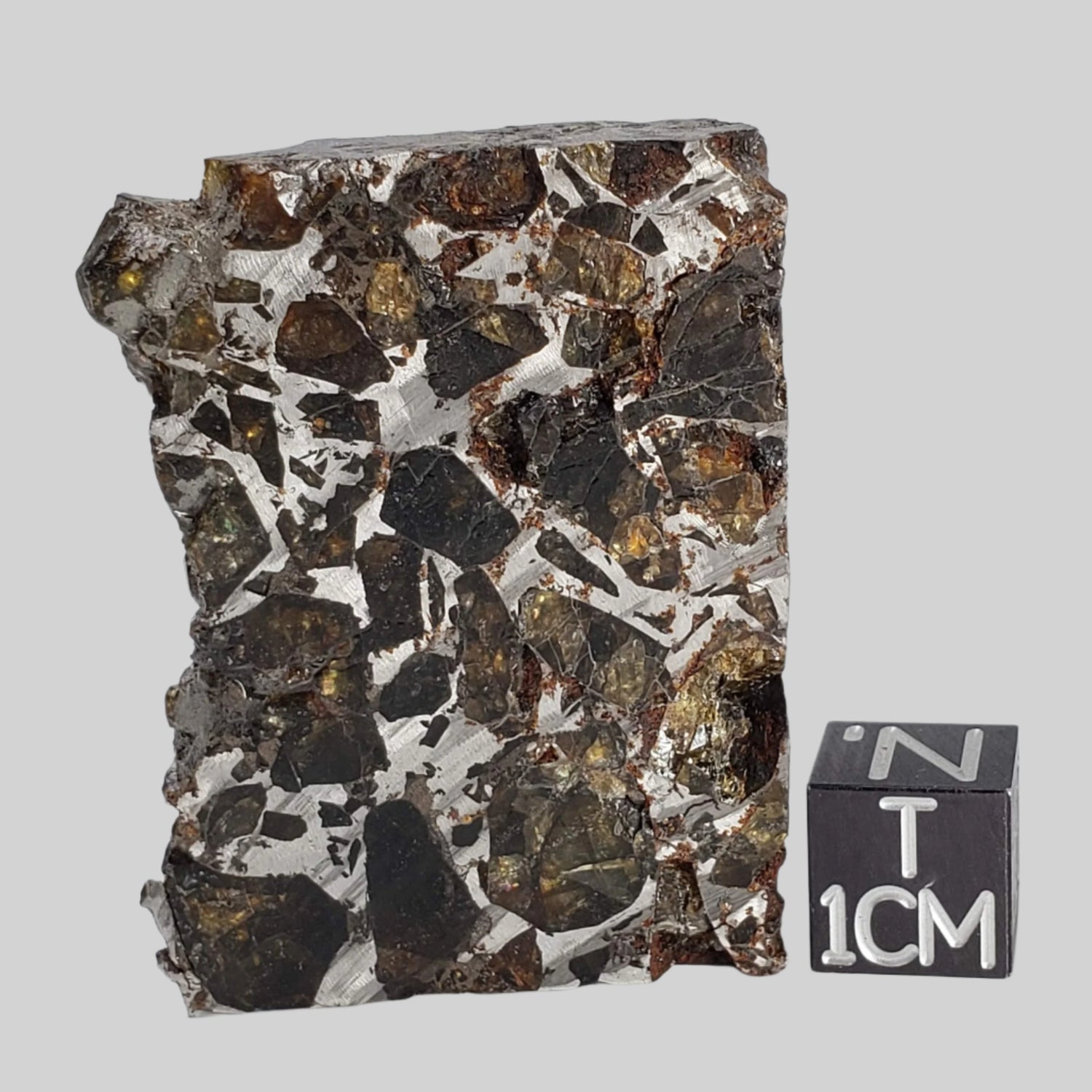
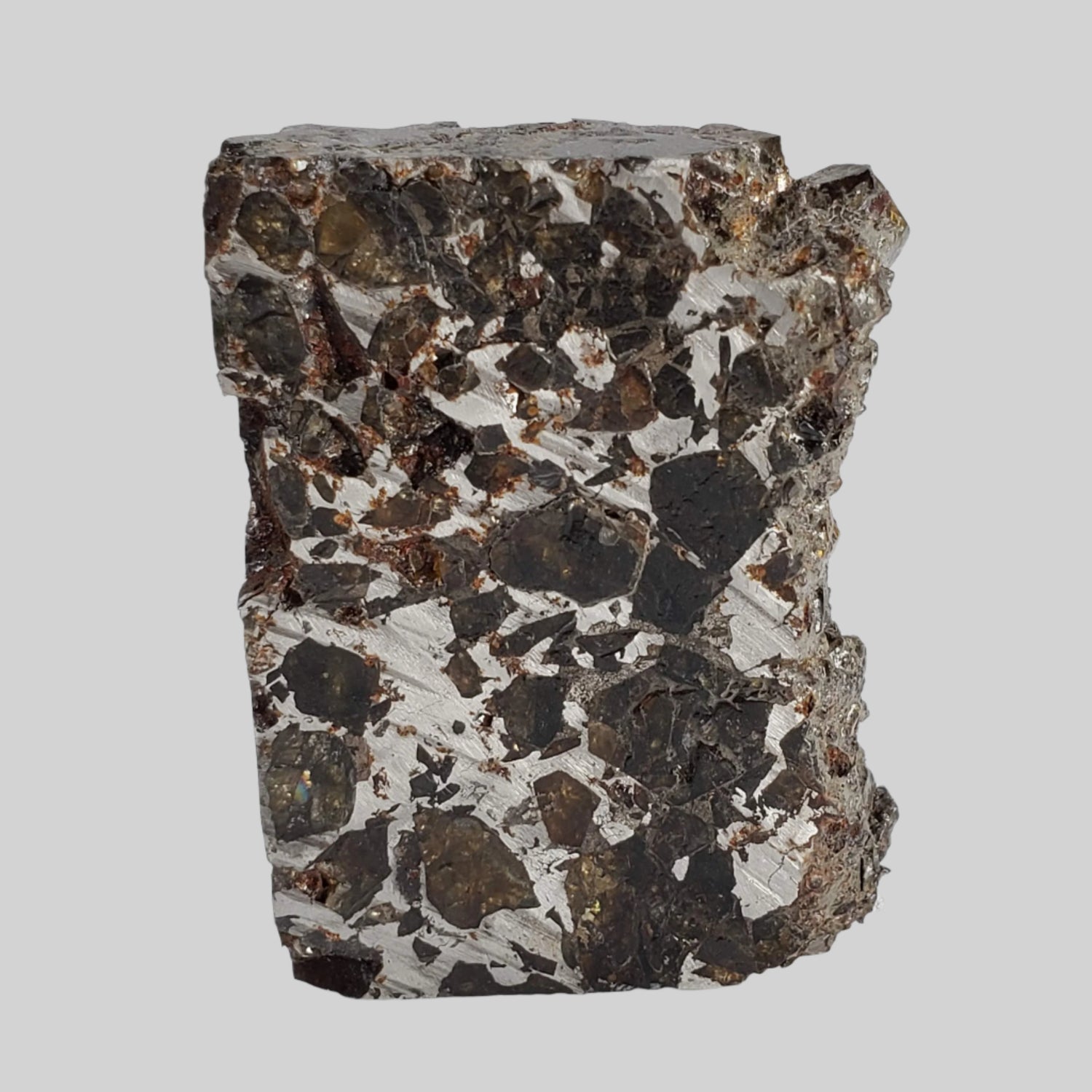
This is a fabulous 40.08 grams Brahin Pallasite stony iron classified meteorite part slice with dimensions of 42x32x7 mm. This superb meteorite was found in Minsk, Gomel Region, Belarus in 1810 and the Total Known Weight is ~ 823 kg.
This piece displays extremely well and is a highly desirable size showing great features. Would be a beautiful addition to any new or existing collection. Comes with a Canagem Collection specimen card and a metal specimen label.
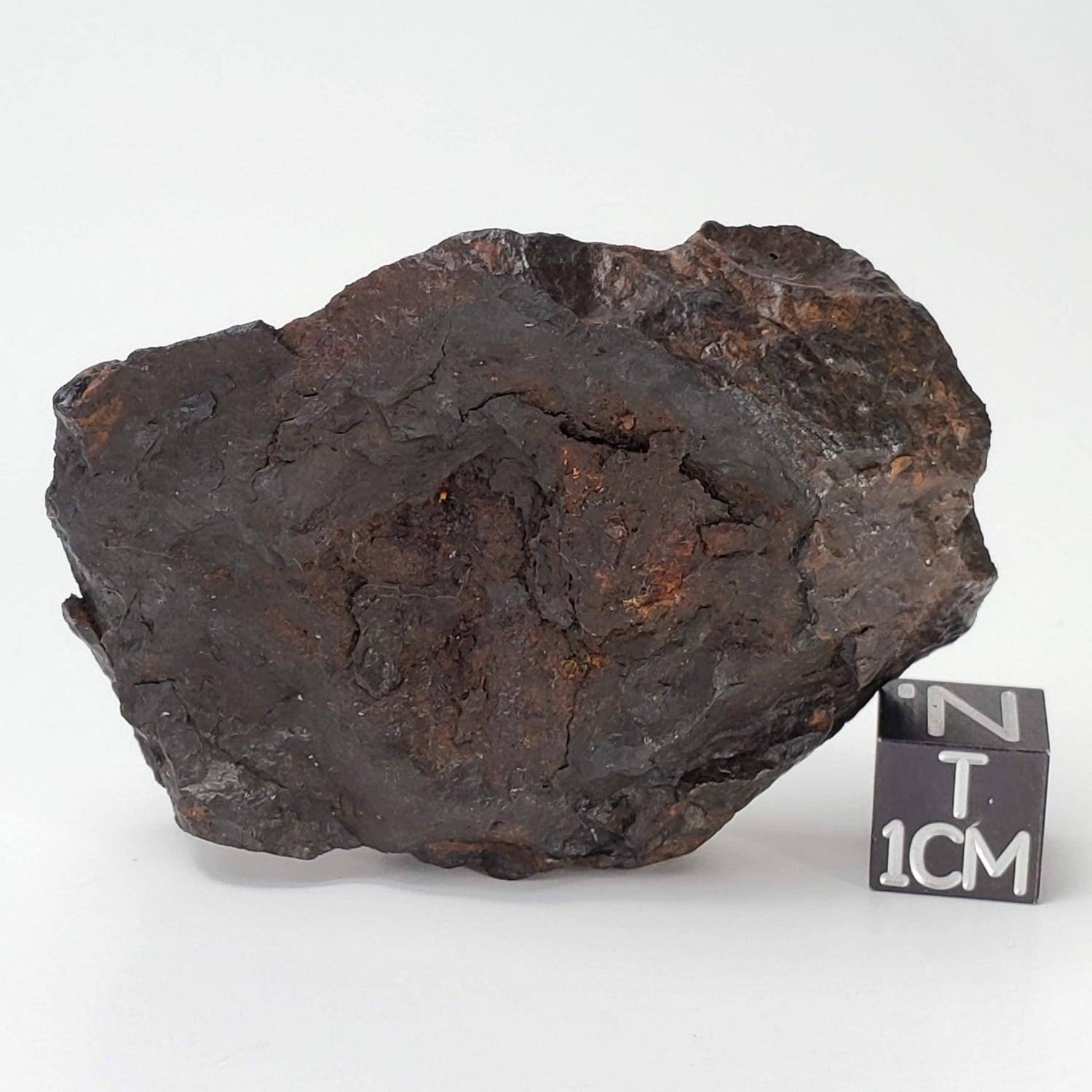
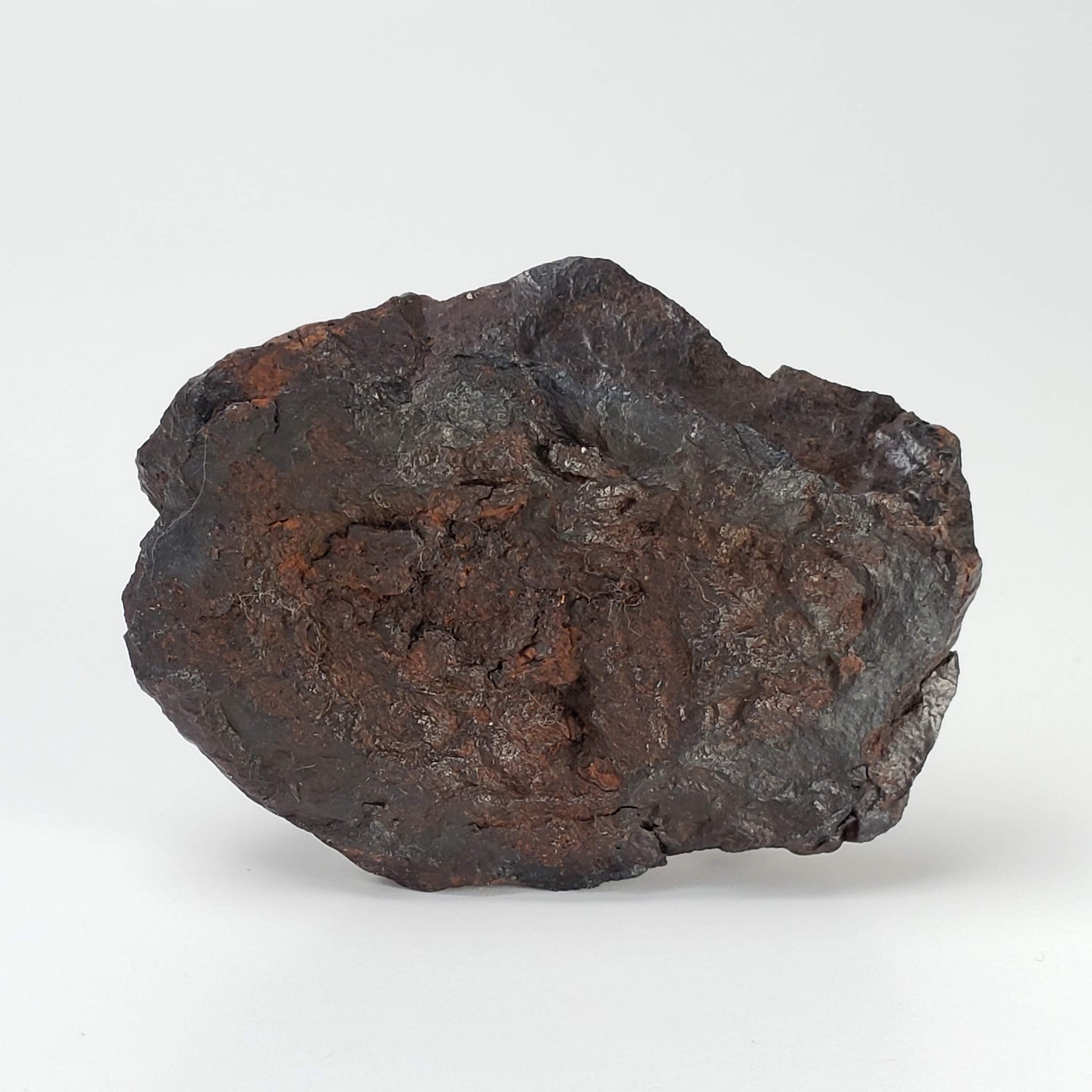
This is a superb Nantan meteorite individual specimen, directly from Guangxi, China. Its dimensions are 56x42x15 mm and it weighs 29.8 grams.
The Nantan meteorites are a must for all collectors, more so that it is now very difficult to find worthy specimen. They are a very interesting IAB-MG iron discovered in 1958 and there is an estimated 9.5 T of this material. This is 1 of 88 approved meteorites classified as Iron, IAB-MG.
Would be a beautiful addition to any new or existing collection. Comes with a Canagem Collection specimen card.
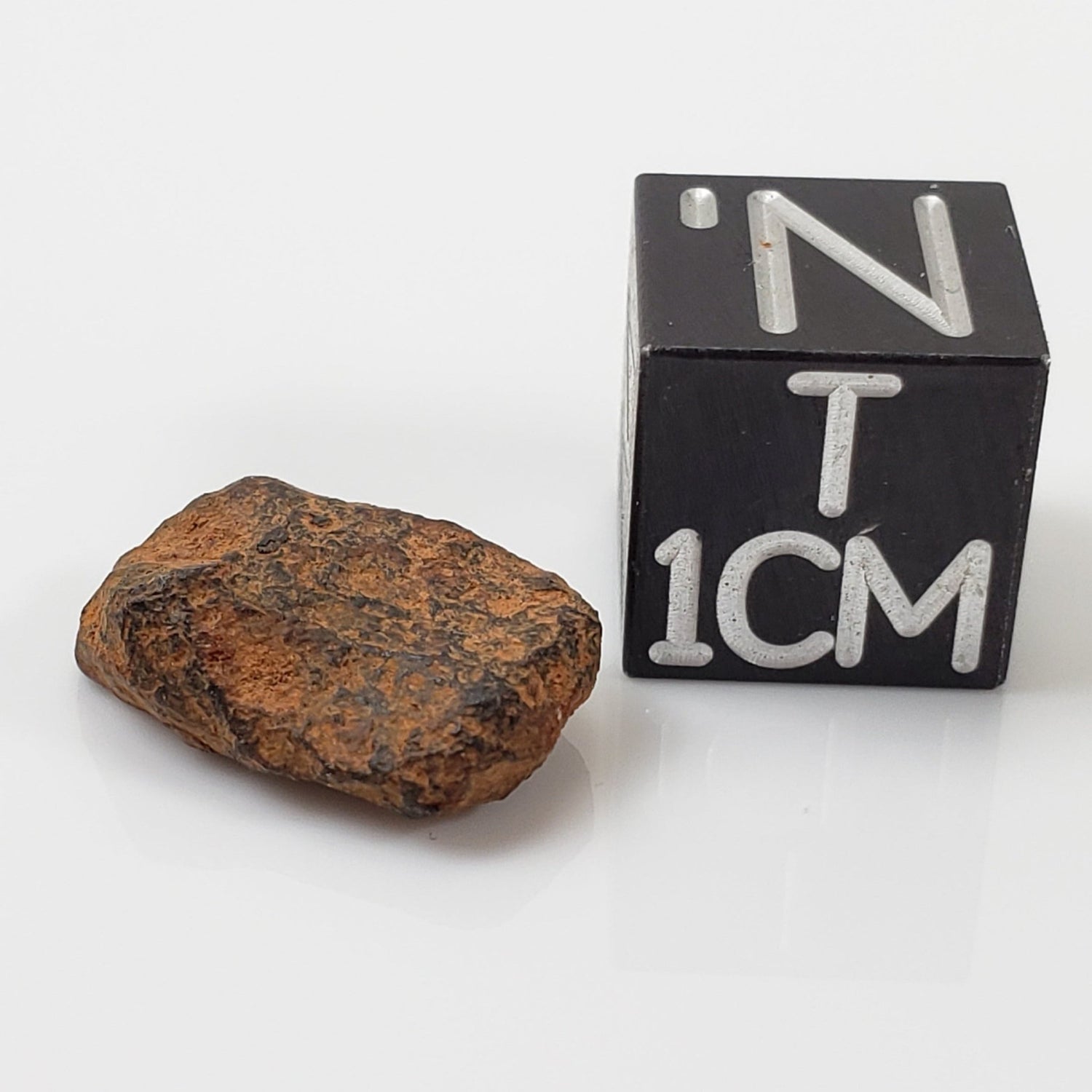
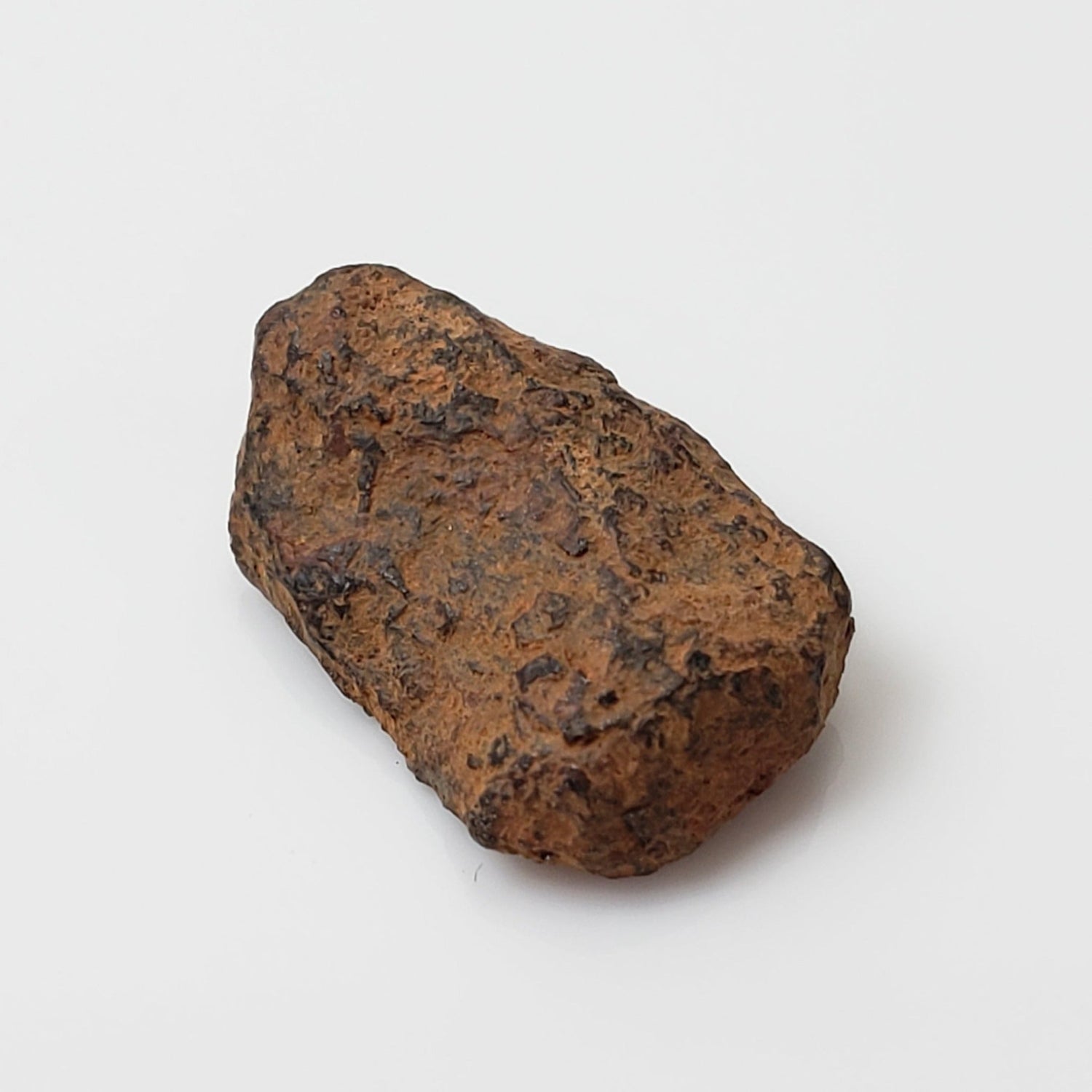
This is a stunning fragment of the very rare Veevers classified meteorite weighing 1.74 grams. This meteorite is one of only 15 associated with a crater larger than 10 meters across. The crater is about 1 million years old and is one of only 2 craters older than 50,000 years that have meteorites associated with them. This amazingly well preserved specimen measures 13x8x4 mm.
The Veevers crater is located in the Gibson Desert of Western Australia. It has a diameter of 60-80 meters across and a depth of about 6-7 meters. The crater's rim is raised 1.5m above the surrounding plain, and contains exposed rocks thrown from the center of the crater. The sides are gravelly rock with a few larger rocks mixed within. The bottom of the crater is covered with sand. Veevers is isolated in a vast, flat landscape with no other features in sight. Discovered in the mid-1970's and named by Yeates, A.N., Crowe, R.W.A. & Towner, R.R., in 1976, as The Veevers Crater in honor of Australian geologist Prof. John Veevers, for his work at mapping Western Australia.
In 1984, Dr. Carolyn and Eugene Shoemaker investigated meteorite craters and ancient impact structures throughout Australia. Their search recovered thirty-six small meteoritic fragments from the Veevers crater. Their finds totaled 298.1 grams, and included the largest found to date, 36.3g., now cleaned and coated it weighs 37.0 grams. The Veevers fragments have been described as single crystals of kamacite. Kamacite is a metallic iron with up to 7.5% nickel. Since the Shoemaker trip, more meteorite fragments have been found, bringing the total known weight to around 1 kg. The Veevers crater is naturally rich in iron-rich laterite, which makes recovery of small meteorite fragments hard. It is one of only two impact craters where group IIAB meteorites have been discovered. The other being the Sikhote-Alin craters in Eastern Siberia, Russia.
Would be an exceptional and rare addition to any new or existing collection. This historically important specimen will come with a ELKK Meteorite Collection and Canagem Collection specimen cards.


This is a fabulous 16.4 gram Sericho Pallasite Main Group meteorite, it measures 31x21x19 mm. In 2016, two brothers were searching for their camels and came across several large, dense stones west of the village of Habaswein and south of Sericho, Kenya. Though recognized as meteorites in 2016, the masses had been known to camel-herders for decades. One village elder said that as a child, he and his brothers would play on top of the stones. It is classified as an Iron Pallasite main group with low weathering and is 1 of only 68 approved meteorites classified as such, with a recovered weight of about 2.8 T.
This piece displays extremely well and is a nice size showing great features. Would be a beautiful addition to any new or existing collection. Comes with a Canagem Collection specimen card.
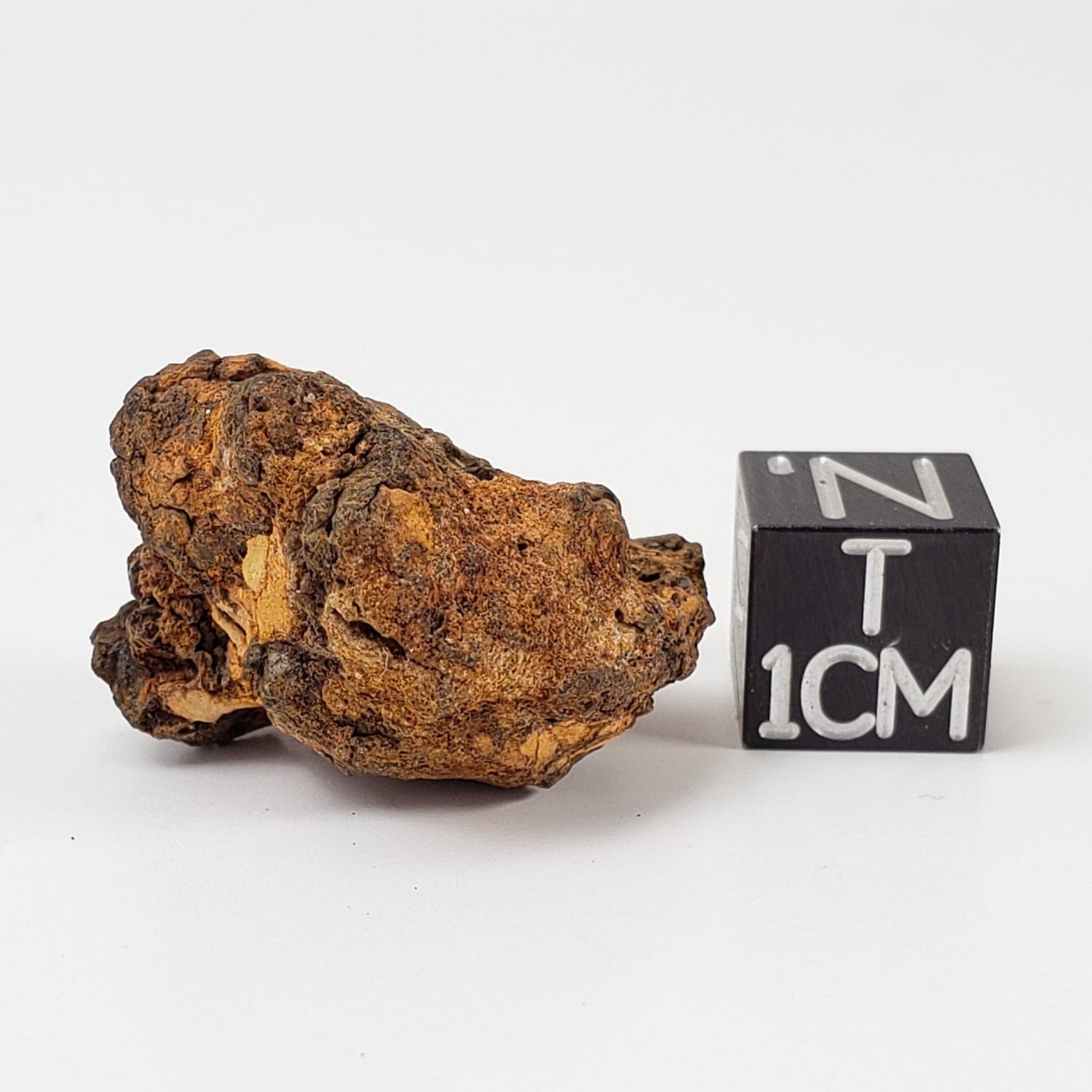
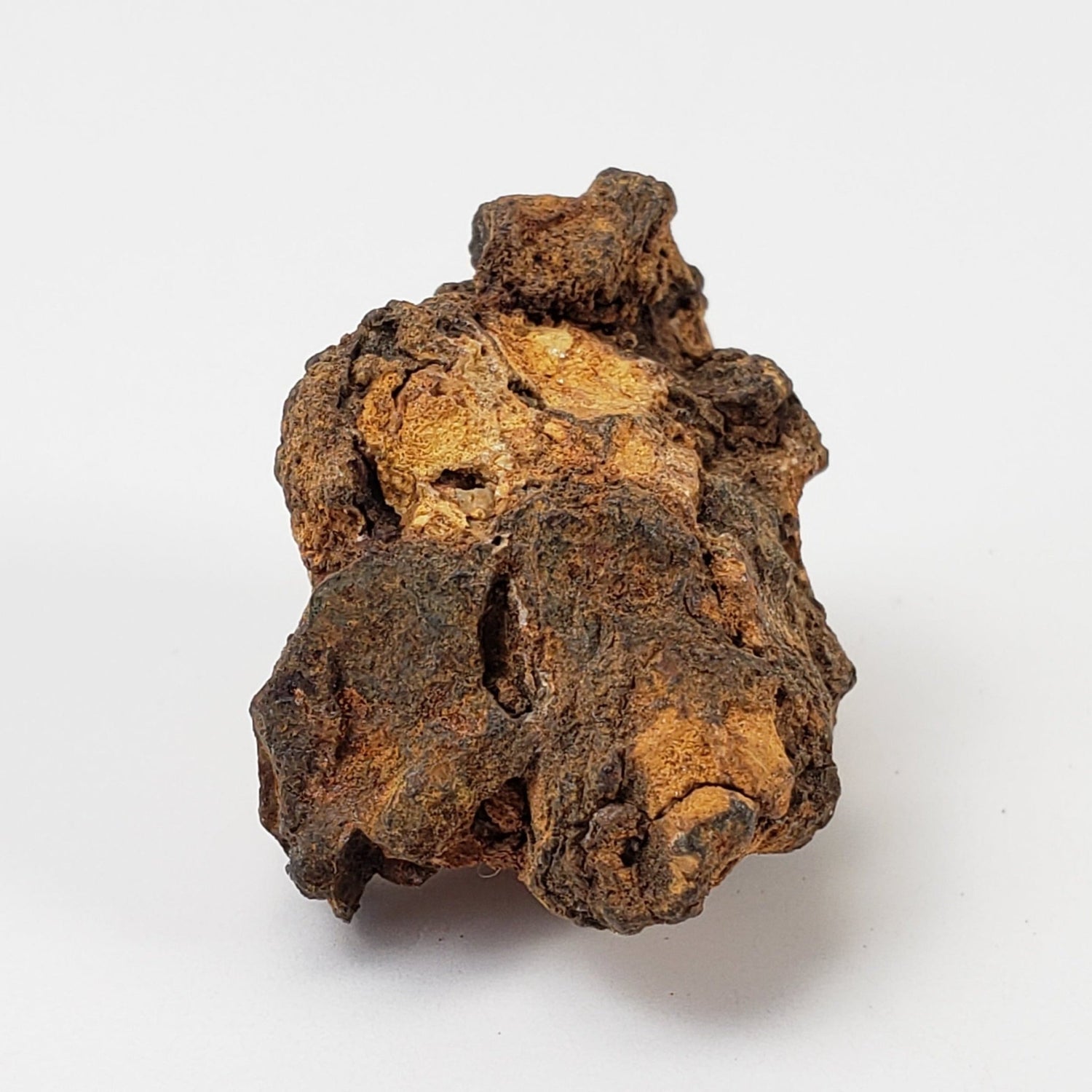
This is a fabulous 11.3 gram Sericho Pallasite Main Group meteorite, it measures 22x22x17 mm. In 2016, two brothers were searching for their camels and came across several large, dense stones west of the village of Habaswein and south of Sericho, Kenya. Though recognized as meteorites in 2016, the masses had been known to camel-herders for decades. One village elder said that as a child, he and his brothers would play on top of the stones. It is classified as an Iron Pallasite main group with low weathering and is 1 of only 68 approved meteorites classified as such, with a recovered weight of about 2.8 T.
This piece displays extremely well and is a nice size showing great features. Would be a beautiful addition to any new or existing collection. Comes with a Canagem Collection specimen card.

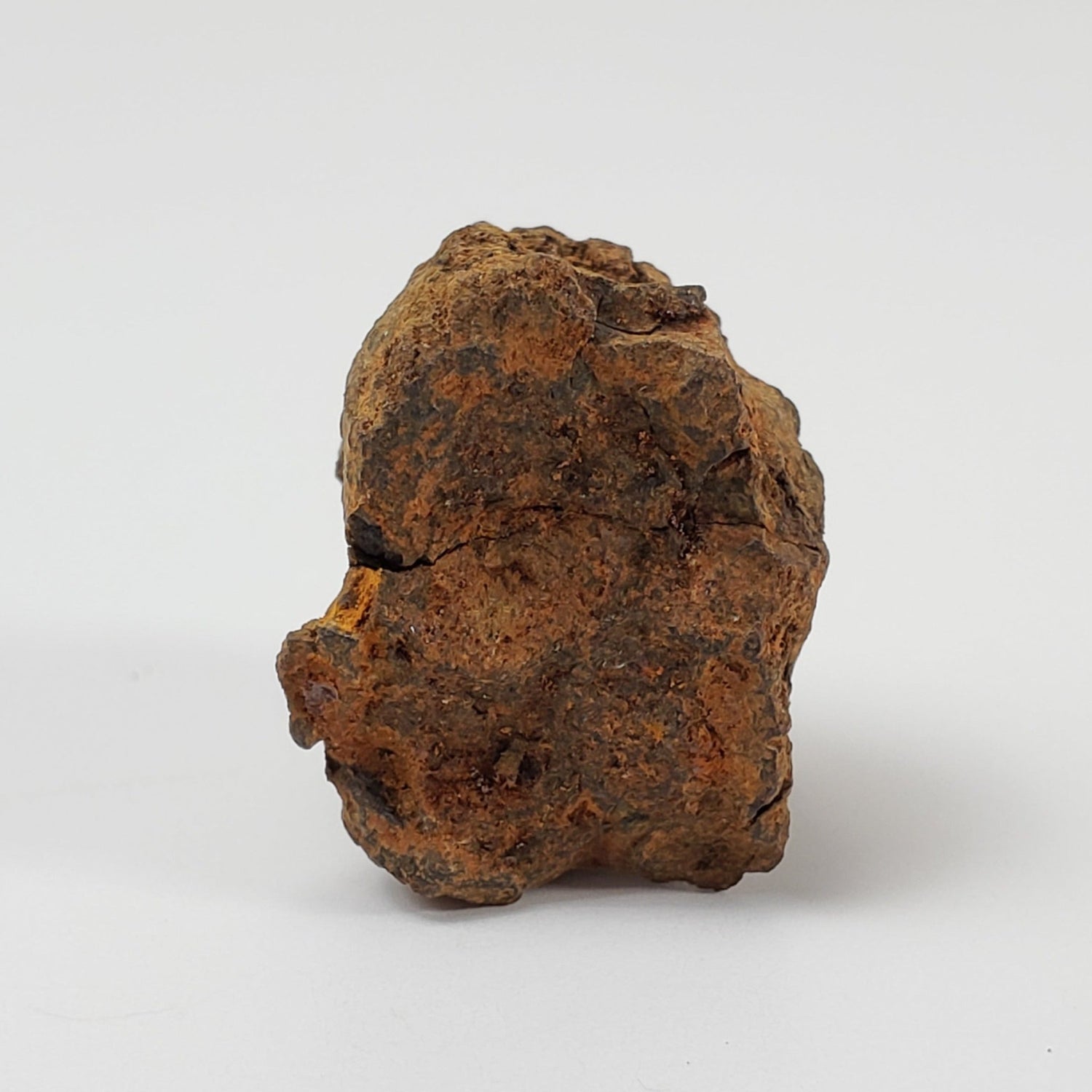
This is a fabulous 8.69 gram Sericho Pallasite Main Group meteorite, it measures 20x16x17. In 2016, two brothers were searching for their camels and came across several large, dense stones west of the village of Habaswein and south of Sericho, Kenya. Though recognized as meteorites in 2016, the masses had been known to camel-herders for decades. One village elder said that as a child, he and his brothers would play on top of the stones. It is classified as an Iron Pallasite main group with low weathering and is 1 of only 68 approved meteorites classified as such, with a recovered weight of about 2.8 T.
This piece displays extremely well and is a nice size showing great features. Would be a beautiful addition to any new or existing collection. Comes with a Canagem Collection specimen card.


This is a stunning Veevers classified meteorite weighing 2.67 grams. Mark Bostick said that the specimen was shaped like a bird claw. He traded the main mass of this amazing meteorite to TCU. This amazingly well preserved specimen measures 15x8x7 mm.
The Veevers crater is located in the Gibson Desert of Western Australia. It has a diameter of 60-80 meters across and a depth of about 6-7 meters. The crater's rim is raised 1.5m above the surrounding plain, and contains exposed rocks thrown from the center of the crater. The sides are gravelly rock with a few larger rocks mixed within. The bottom of the crater is covered with sand. Veevers is isolated in a vast, flat landscape with no other features in sight. Discovered in the mid-1970's and named by Yeates, A.N., Crowe, R.W.A. & Towner, R.R., in 1976, as The Veevers Crater in honor of Australian geologist Prof. John Veevers, for his work at mapping Western Australia.
In 1984, Dr. Carolyn and Eugene Shoemaker investigated meteorite craters and ancient impact structures throughout Australia. Their search recovered thirty-six small meteoritic fragments from the Veevers crater. Their finds totaled 298.1 grams, and included the largest found to date, 36.3g., now cleaned and coated it weighs 37.0 grams. The Veevers fragments have been described as single crystals of kamacite. Kamacite is a metallic iron with up to 7.5% nickel. Since the Shoemaker trip, more meteorite fragments have been found, bringing the total known weight to around 1 kg. The Veevers crater is naturally rich in iron-rich laterite, which makes recovery of small meteorite fragments hard. It is one of only two impact craters where group IIAB meteorites have been discovered. The other being the Sikhote-Alin craters in Eastern Siberia, Russia.
Would be an exceptional and rare addition to any new or existing collection. This historically important specimen will come in its original Mark Bostick display box and include The Mark Bostick Collection and Canagem Collection specimen cards.
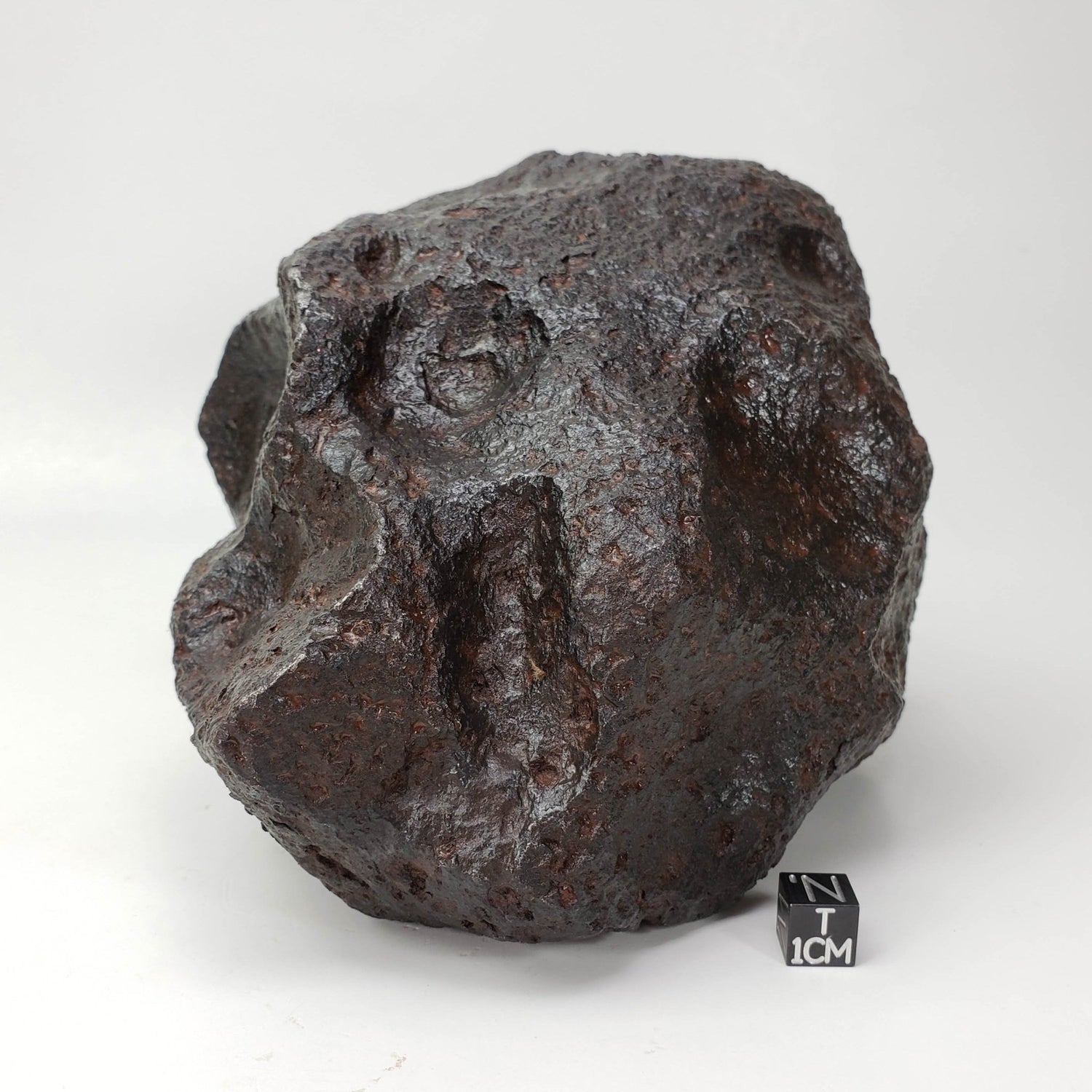

This is a beautiful sample of the famous iron meteorite Campo del Cielo (Heaven’s Field in Spanish) that was found in Chaco Province, Argentina, in 1576 by Spanish explorers. This is a solid iron individual meteorite classified as IAB Silicated. This incredible specimen has many large regmaglypts and scoops (or thumb prints).
This meteorite is classified as an Iron polycrystalline coarse octahedrite (IAB). It weighs 10 kg (22 Lbs) and measures 20.4x15.3x12.7 cm (8.0x6.0x5.0 inches).
This piece displays extremely well and is a very desirable size. It is a great example of this iron type meteorite. Comes with a Canagem Collection specimen card. Would make a beautiful addition to any collection.

Canagem is proud to be professional member of The International Gem Society(IGS) the world's top resource for gem professionals, enthusiasts, and industry content.