

📢 Notice to ALL Customers 📢
280 products
Sort by:
280 products
280 products
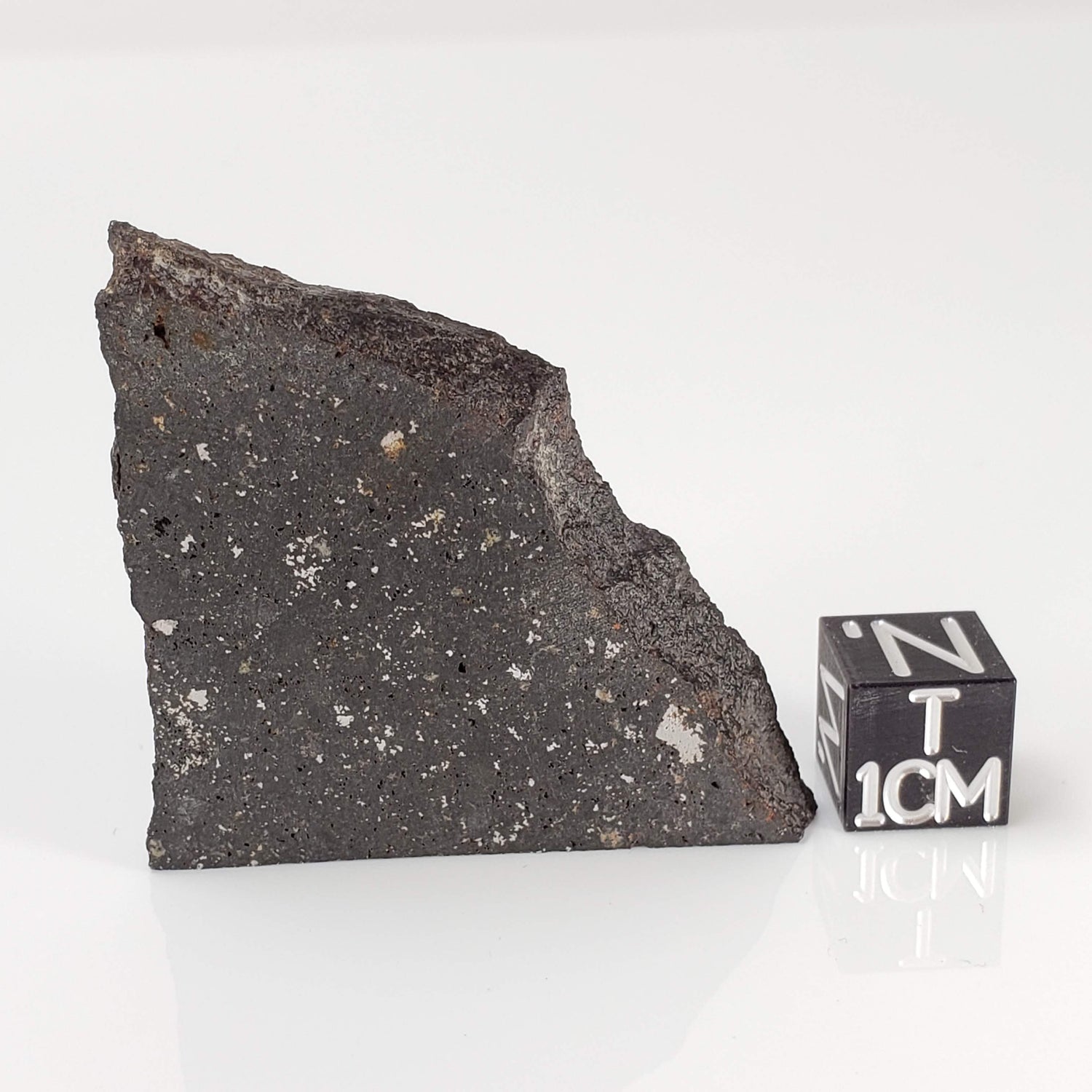

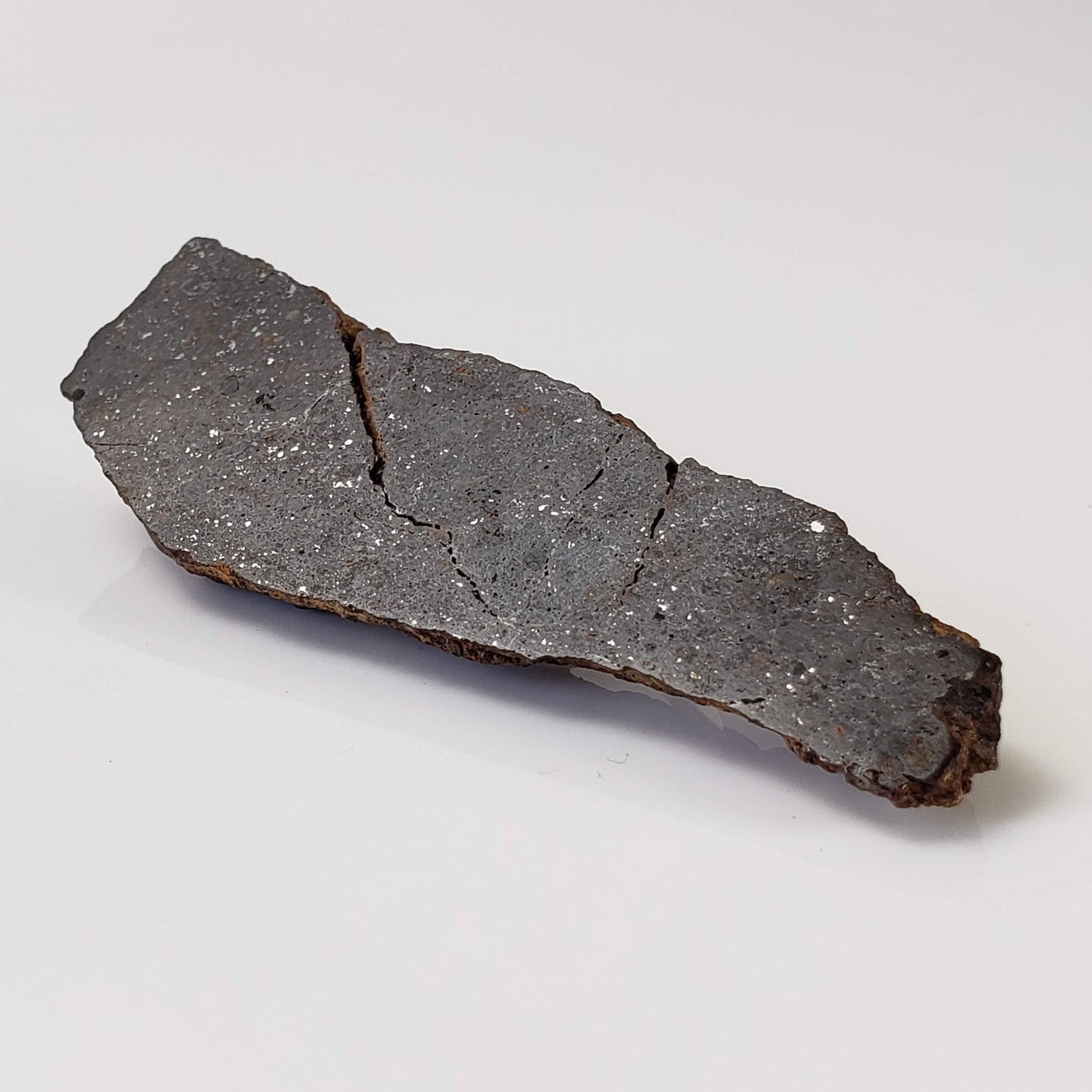
This is a superb looking slice of a Sahara Desert NWA 091 classified meteorite weighing 17.96 grams. Its dimensions are 40x39x5mm.
It is a nice dark gray color and is full of small holes (the small black specks in the pictures). It is very similar to Kimble County except a bit darker. The single piece was found in the desert in 2000 and has a total mass of only 370 grams and was classified as an L6 by UCLA. It is shock level 4 (very high) and weathering grade W2 (Low). It is highly vesiculated from a shock event.
This piece displays extremely well with its professionally finished cut face and is also a very nice size. Would be a beautiful addition to any new or existing collection. Comes with a Michael Cottingham Meteorite Collection and a Canagem Collection specimen card.
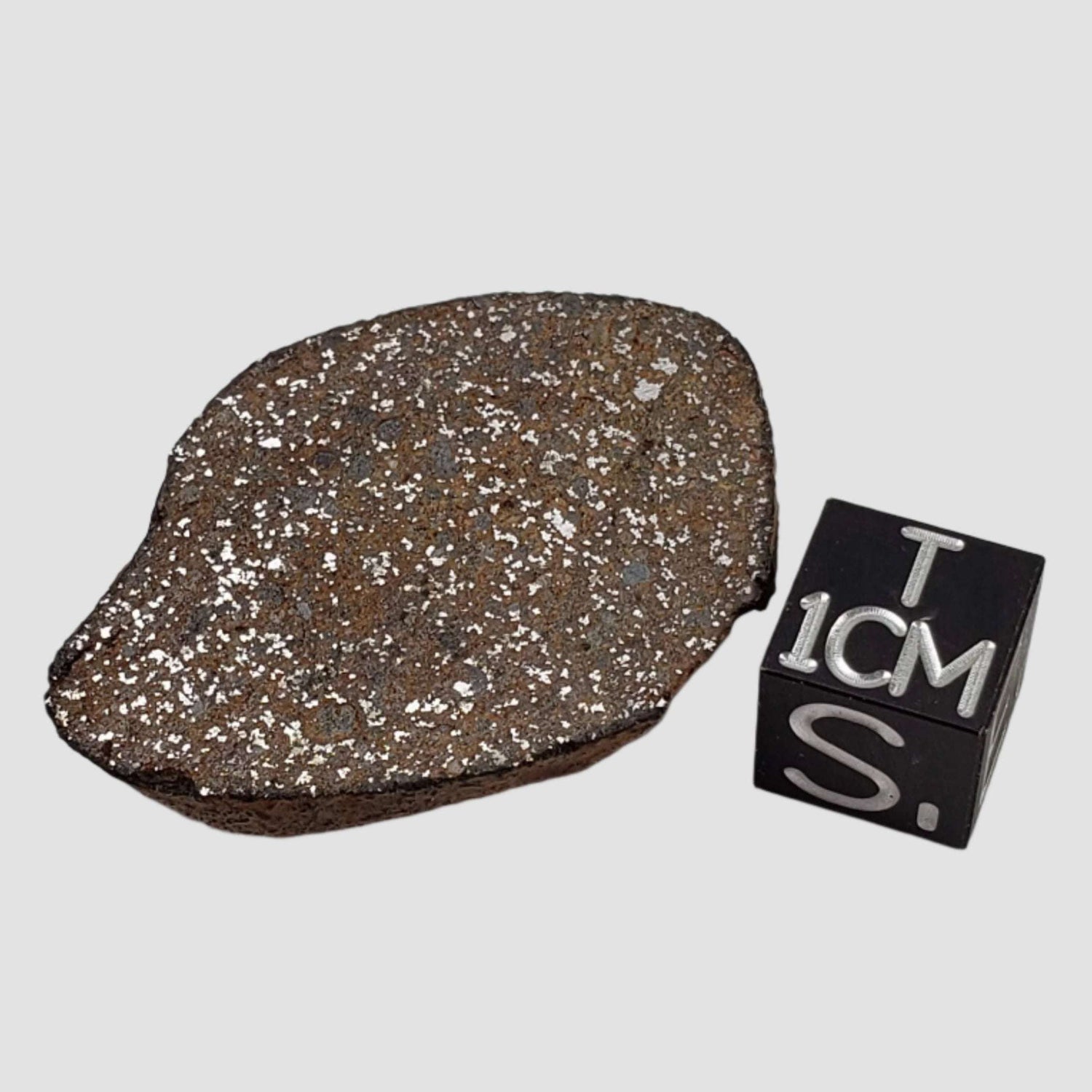
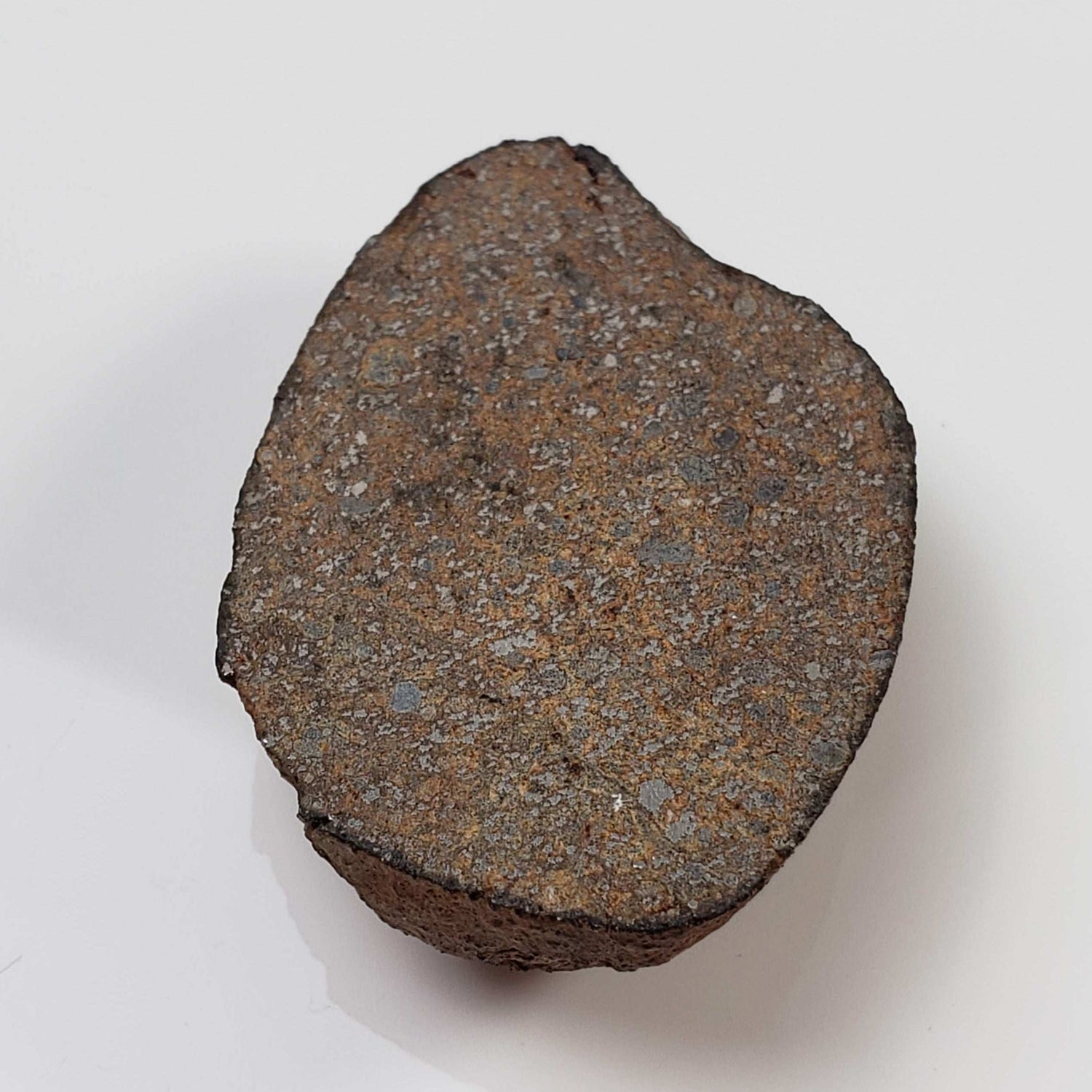
This is a great looking end cut Gao-Guenie H5 classified meteorite weighing 15.18 grams. Its dimensions are 35x25x9 mm and it has a crusted edge.
This H5 classified meteorite was observed falling at about 17:00 March 5, 1960 near the village of Gao in Africa. There is no total known weight recorded for this meteorite.
Would be a beautiful addition to any new or existing collection. Comes with an ELKK Meteorites and a Canagem Collection specimen card.
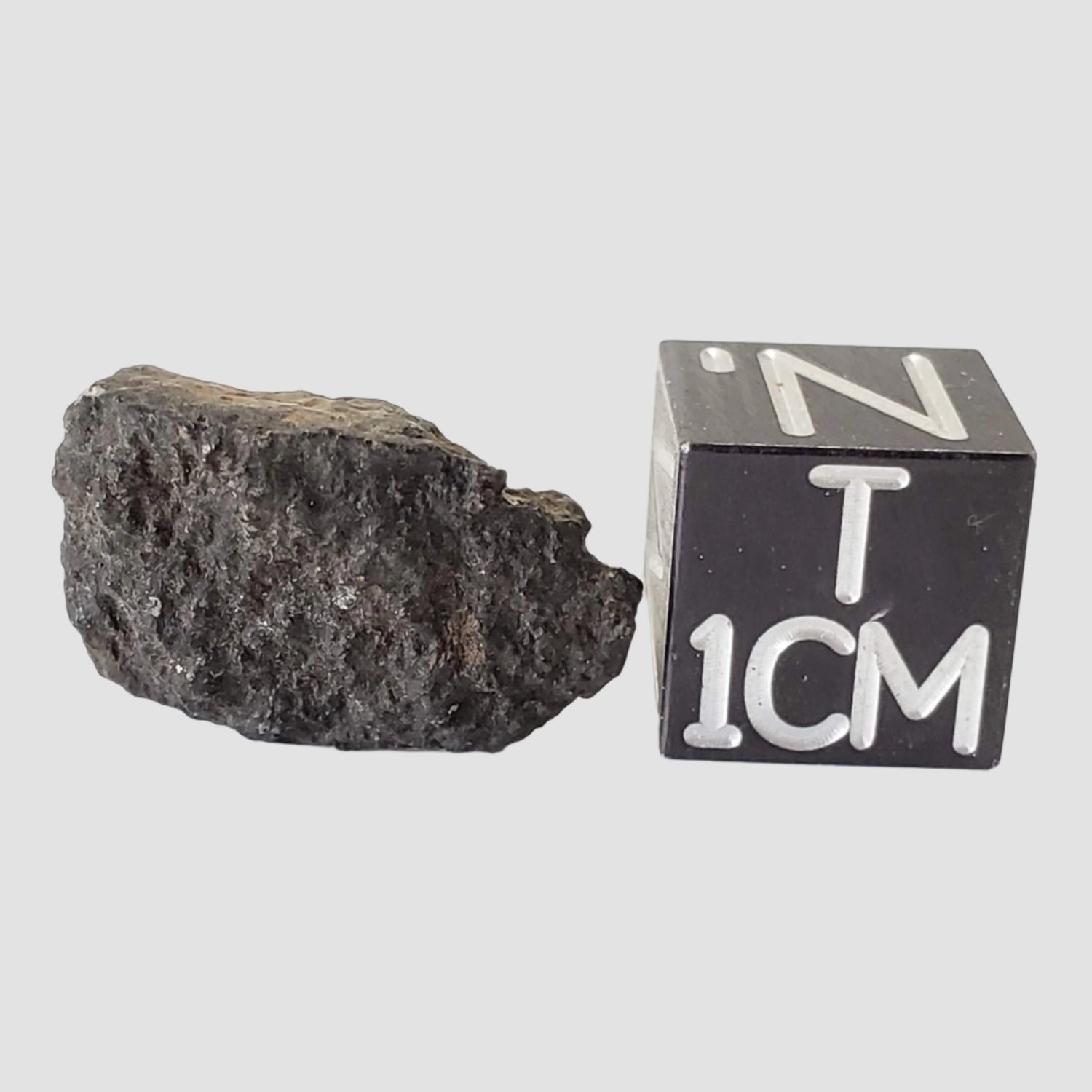
Thuathe Meteorite | 3 gr | H4-5 Chondrite | Observed Fall | Lesotho | 99% Crusted
This is a great looking fresh individual Thuathe H4-5 classified meteorite weighing 3 grams, with dimensions of 17x11x7 mm. It is 99% fusion crusted, which is the most desirable specimen state.
A meteorite travelling east to west exploded over Lesotho producing an elliptical strewn field extending 7.4 by 1.9 km (bearing: ~276°) on the westernmost lobe of the Thuathe (or Berea) Plateau, ~12 km east of the capital city of Maseru.
The explosion was accompanied by an extraordinarily loud, 15 s long noise which was heard over a large (100 km radius) area of Lesotho; the fall was eye-witnessed by several people who reported sightings of dust trails of “sparkling objects” over Lesotho and the southern part of the Free State Province of South Africa. Many villagers of Ha Ralimo, Boqate Ha Majara, and Boqate Ha Sofonia reported falls of stones close to themselves and onto their homes. The estimated total mass of recovered material is ~30 kg, including 418 stones in the 2 g to 2.4 kg mass range for a total of 24.673 kg which were collected and catalogued by A. Ashworth and David P. Ambrose
Most freshly cut slices from several stones show a homogeneous beige to light-grey lithology speckled with abundant and heterogeneously distributed (20% to, in exceptional cases, >50 vol%) metal particles; some are crosscut by dark shock veinlets and show brecciated structure with light grey matrix surrounding lighter colored, well-rounded inclusions; chondrules distinctly recognizable.
Would be a beautiful addition to any new or existing collection. Comes in a protective case, and includes a Michael Farmer Meteorites, a Mark Bostick Collection and a Canagem® Collection specimen card.


This is a rare Iron ungrouped classified Taza Northwest Africa 859 specimen, in an as found state. It weighs 3.79 grams and measures 15x11x7 mm.
The NWA 859 was found in 2001 in Taza, Morocco. A total weight of 75.3 kg of mostly small pieces was classified by UCLA as an Iron, ungrouped; it is one of 157 meteorites classified as such.
This specimen displays extremely well and would be a beautiful addition to any new or existing collection. Comes in a gem jar with a Canagem Collection specimen card.

This is an incredible Korra Korrabes meteorite end cut of 18.1 grams, it measures 68x22x9 mm. This gorgeous classified meteorite is an H3 Chondrite and part of a 22 kg stone plus 11 smaller pieces totaling ~18 kg that were found November 1996 in a dry river bed by a farmer who was searching for Gibeon irons.
People searching with metal detectors recovered hundreds of additional buried, more weathered pieces within 50 m of the original material since 2000 November, bringing the total mass to ~120–130 kg. The largest specimen was used in a garden wall until August 2000.
This amazing piece was professionally prepared and would be a beautiful addition to any new or existing collection. Comes with a Canagem Collection specimen card.
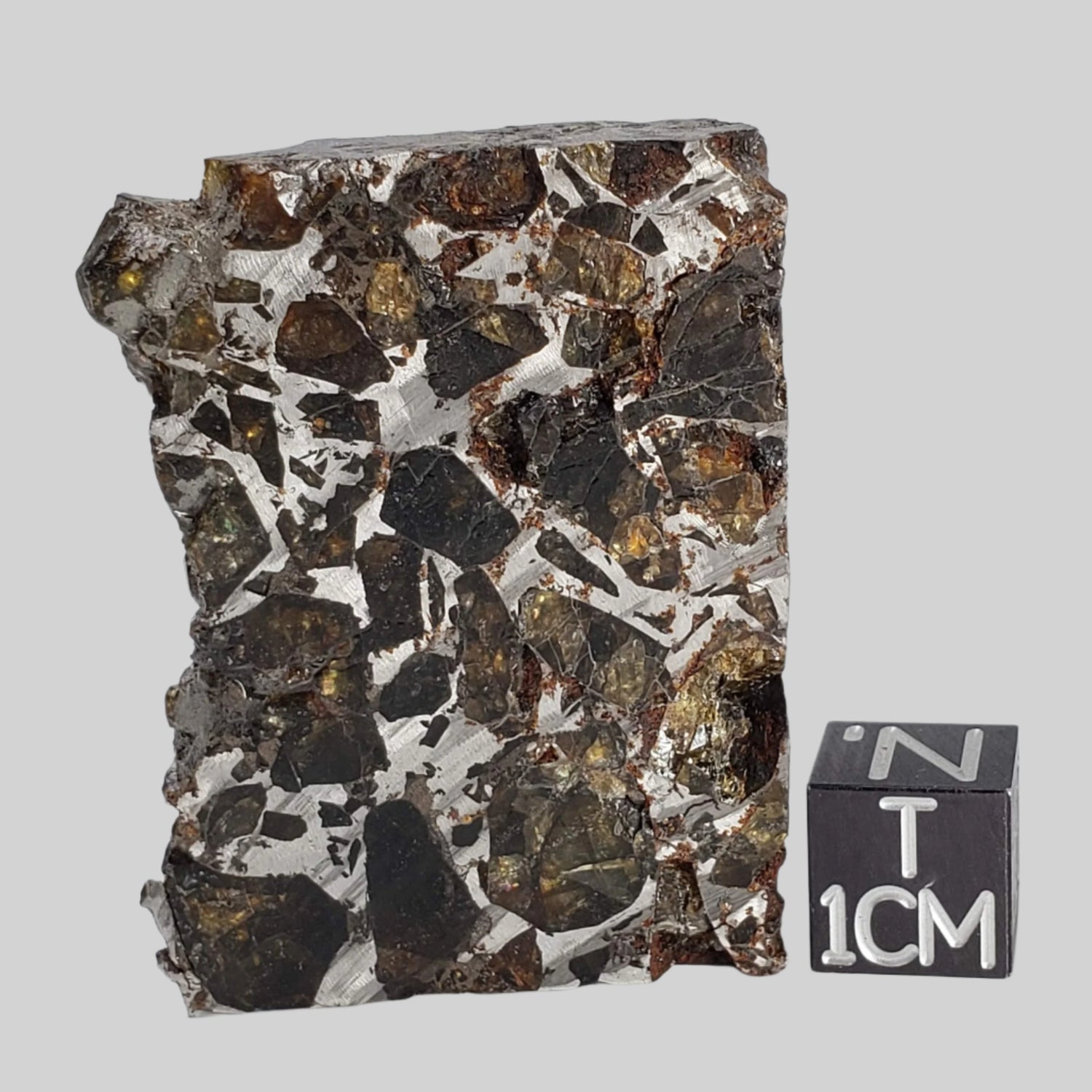
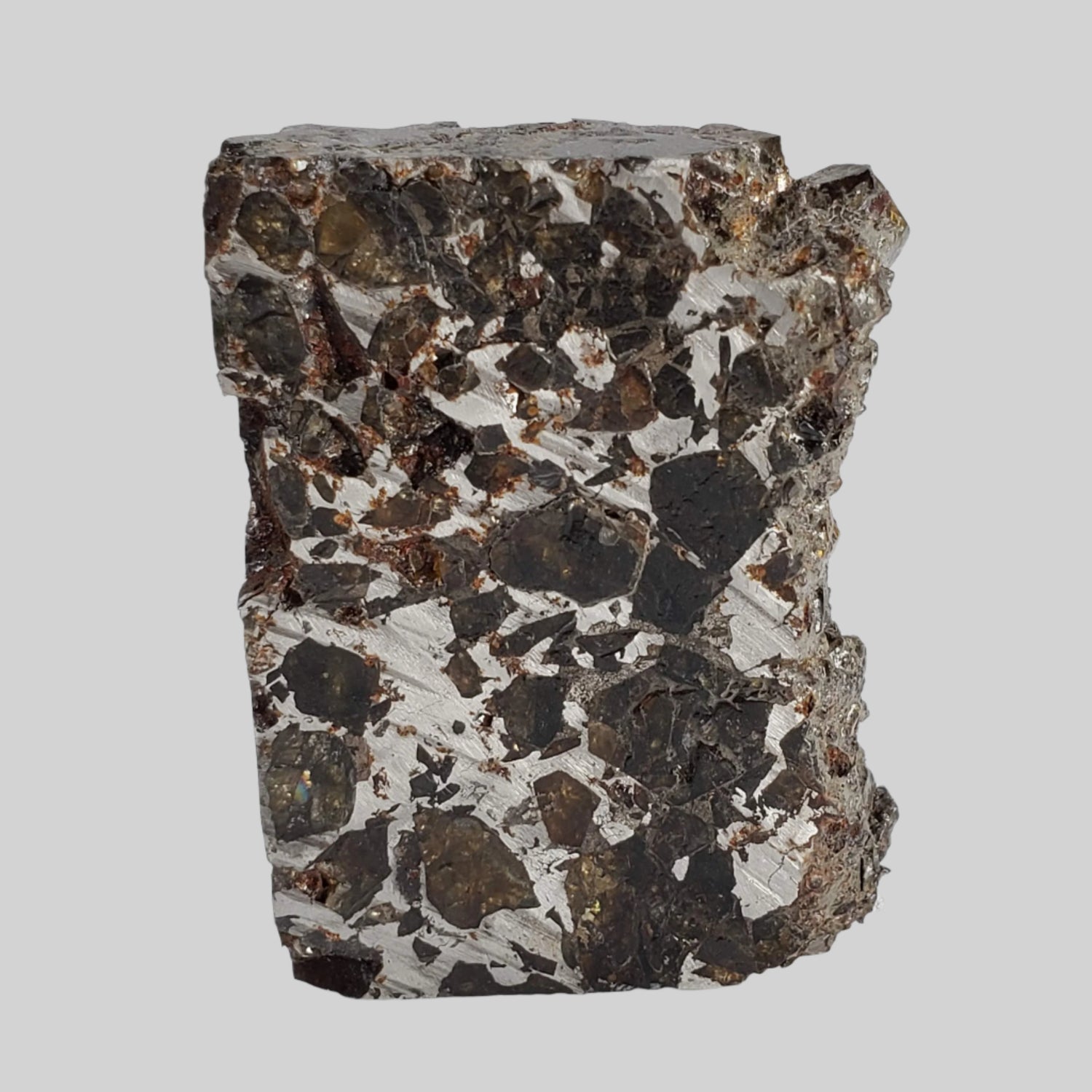
This is a fabulous 40.08 grams Brahin Pallasite stony iron classified meteorite part slice with dimensions of 42x32x7 mm. This superb meteorite was found in Minsk, Gomel Region, Belarus in 1810 and the Total Known Weight is ~ 823 kg.
This piece displays extremely well and is a highly desirable size showing great features. Would be a beautiful addition to any new or existing collection. Comes with a Canagem Collection specimen card and a metal specimen label.
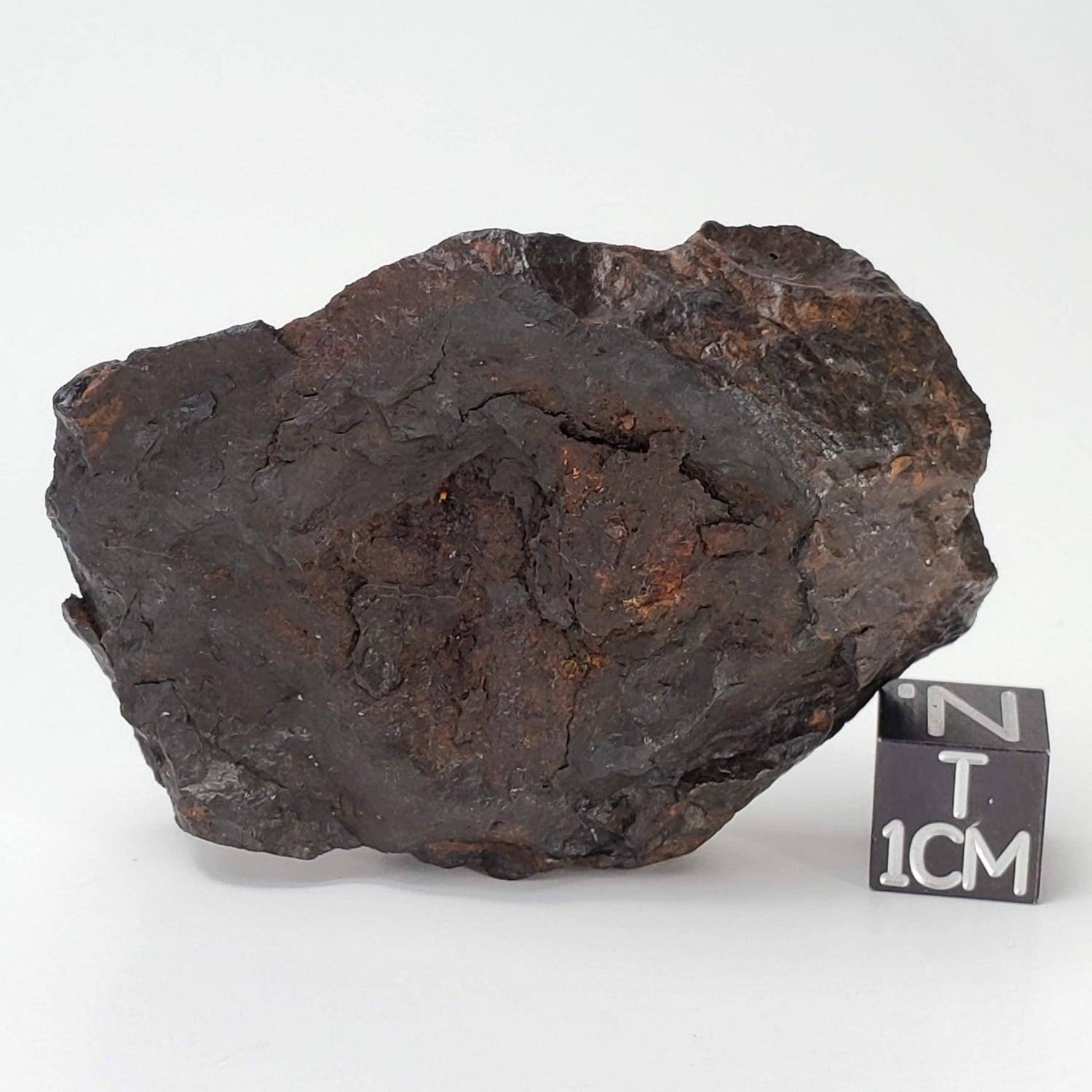
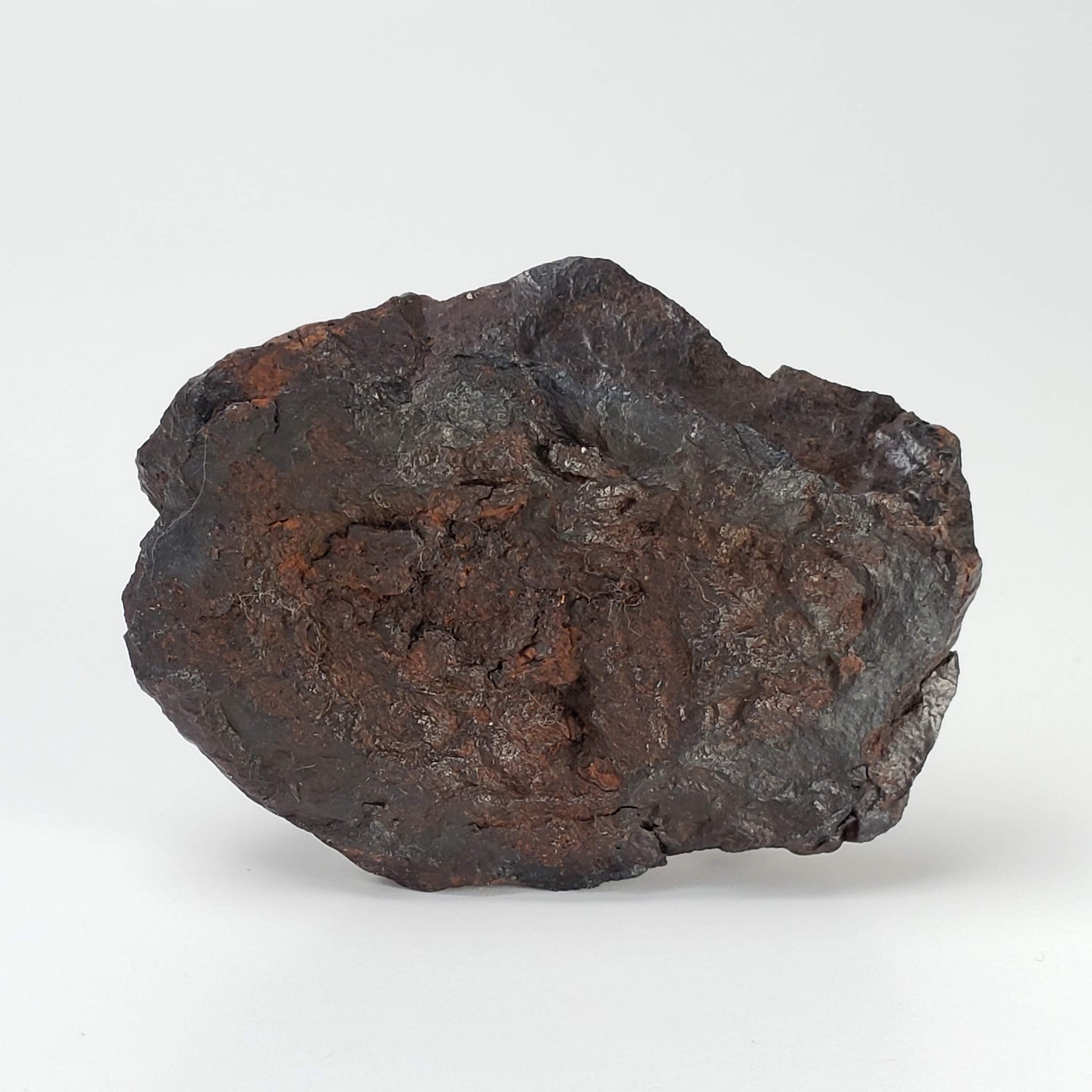
This is a superb Nantan meteorite individual specimen, directly from Guangxi, China. Its dimensions are 56x42x15 mm and it weighs 29.8 grams.
The Nantan meteorites are a must for all collectors, more so that it is now very difficult to find worthy specimen. They are a very interesting IAB-MG iron discovered in 1958 and there is an estimated 9.5 T of this material. This is 1 of 88 approved meteorites classified as Iron, IAB-MG.
Would be a beautiful addition to any new or existing collection. Comes with a Canagem Collection specimen card.
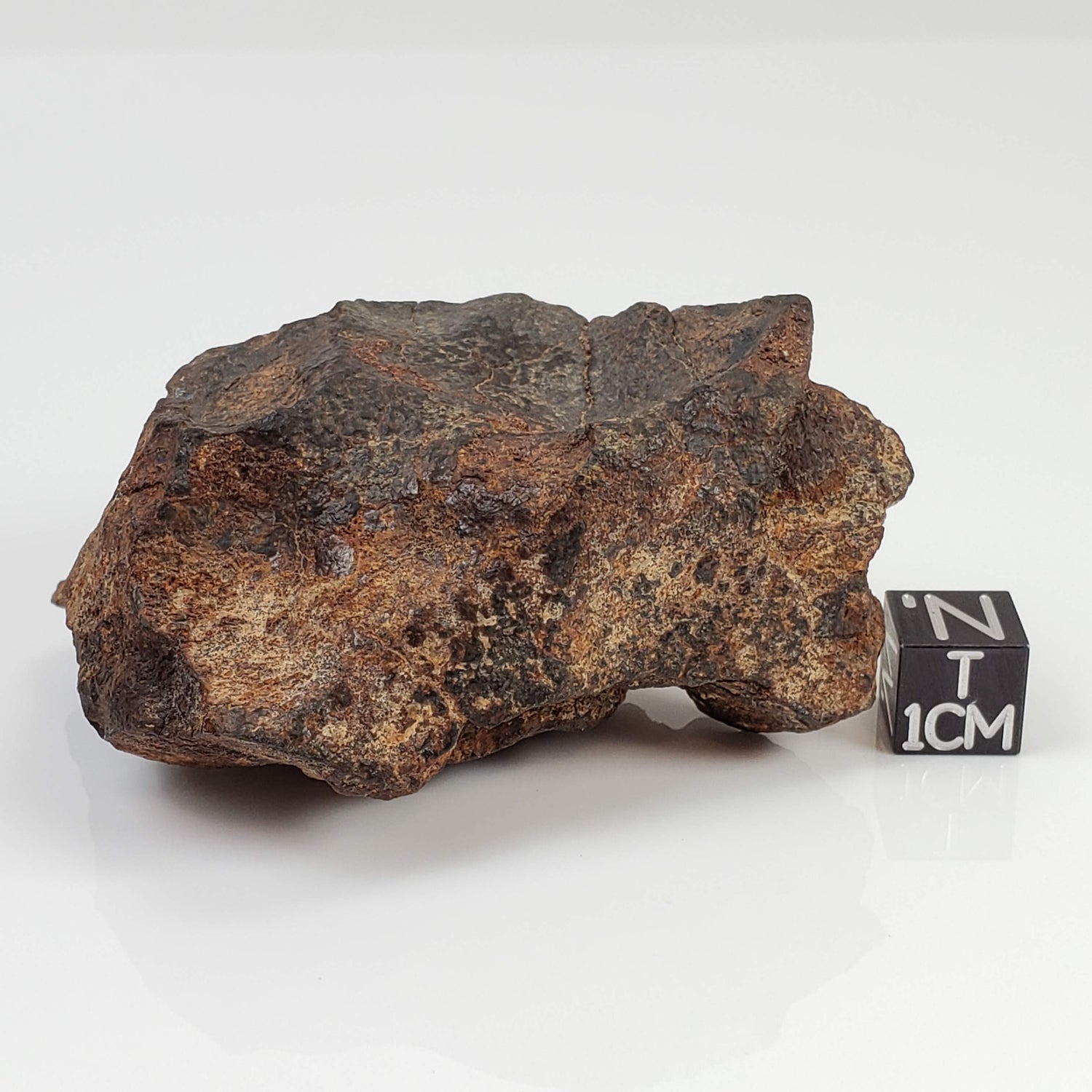
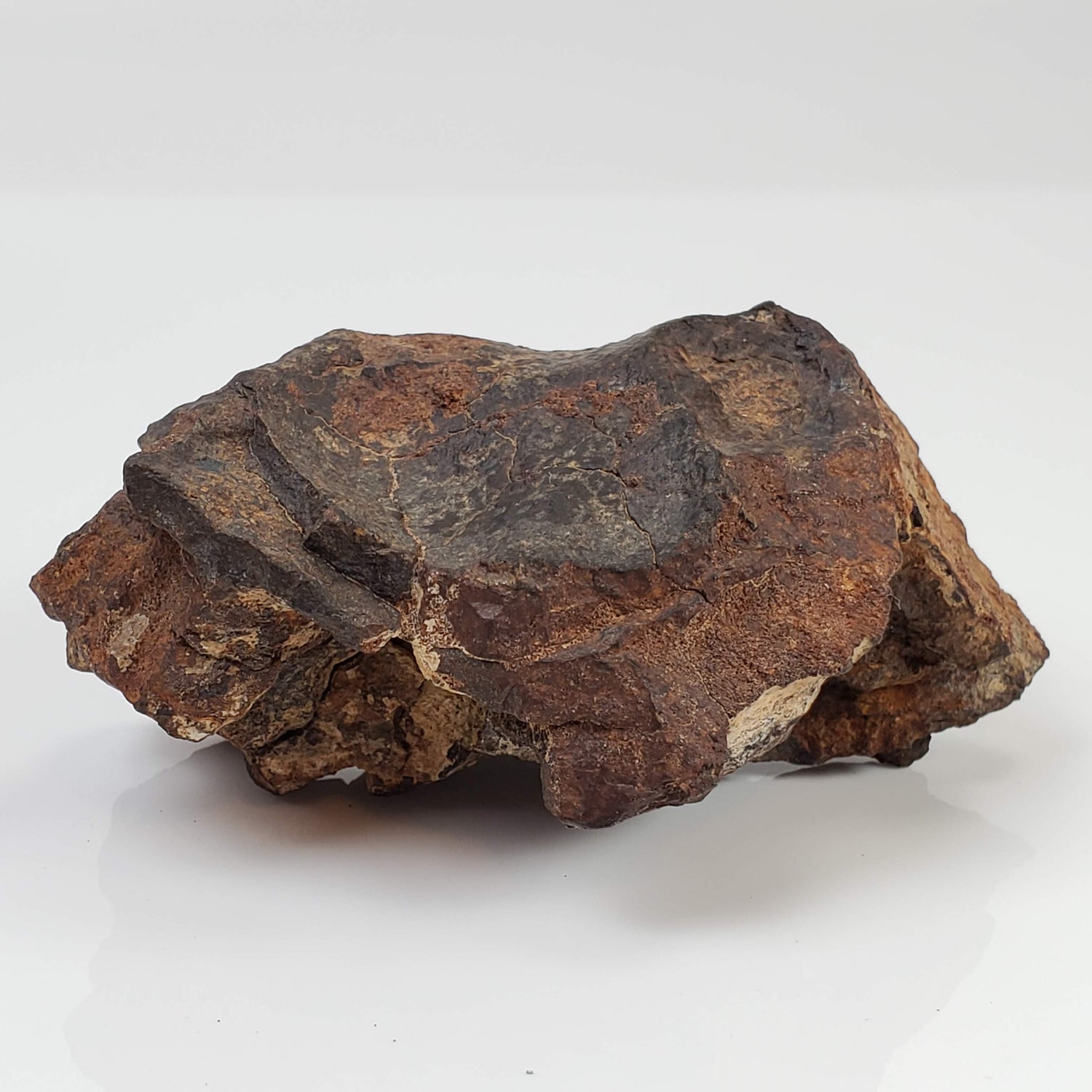
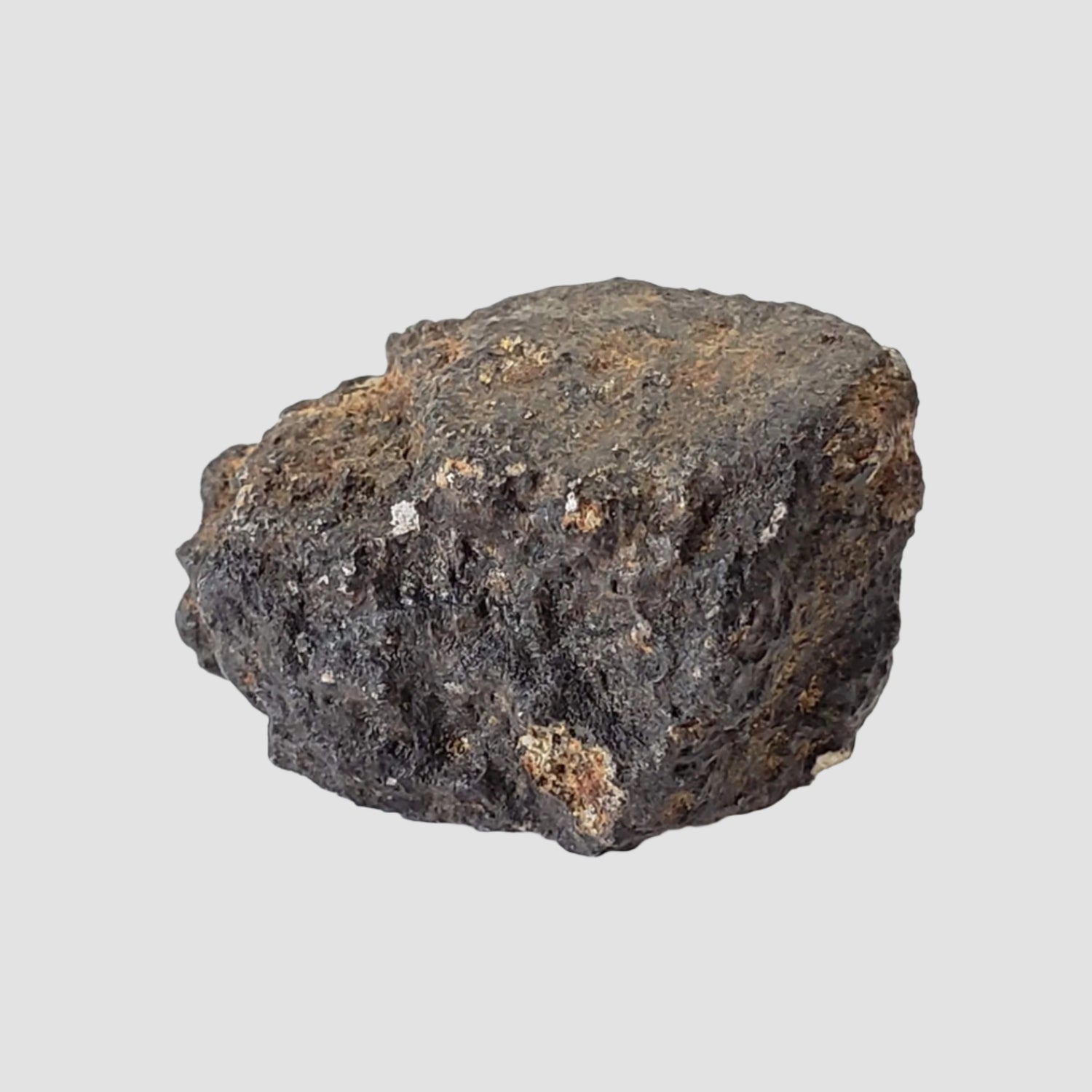
This is a nice looking individual fragment of a Sahara Desert NWA unclassified meteorite. It weighs 142.7 grams and measures 73x56x32 mm. This never classified Northwest Africa stone was found in the Sahara desert around 2000.
It's a good quality NWA meteorite individual fragment. Some weathering shows the meteorite's time spent aging in the desert. Would be a beautiful addition to any new or existing collection. Comes with a Canagem Collection specimen card.

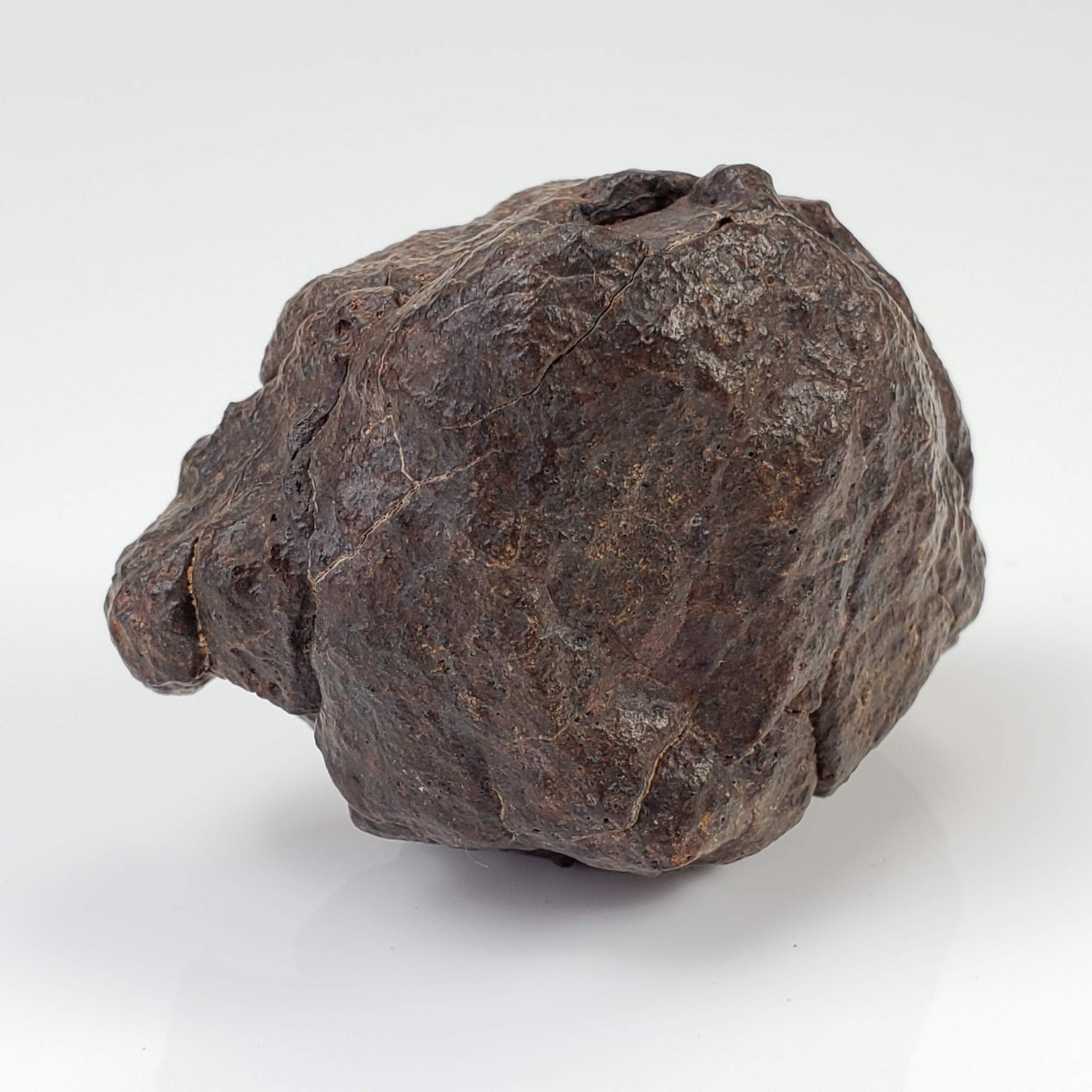
This is a nice looking individual fragment of a Sahara Desert NWA unclassified meteorite. It weighs 81.1 grams and measures 51x37x25 mm. This never classified Northwest Africa stone was found in the Sahara desert around 2000.
It's a good quality NWA meteorite individual fragment. Some weathering shows the meteorite's time spent aging in the desert. Would be a beautiful addition to any new or existing collection. Comes with a Canagem Collection specimen card.
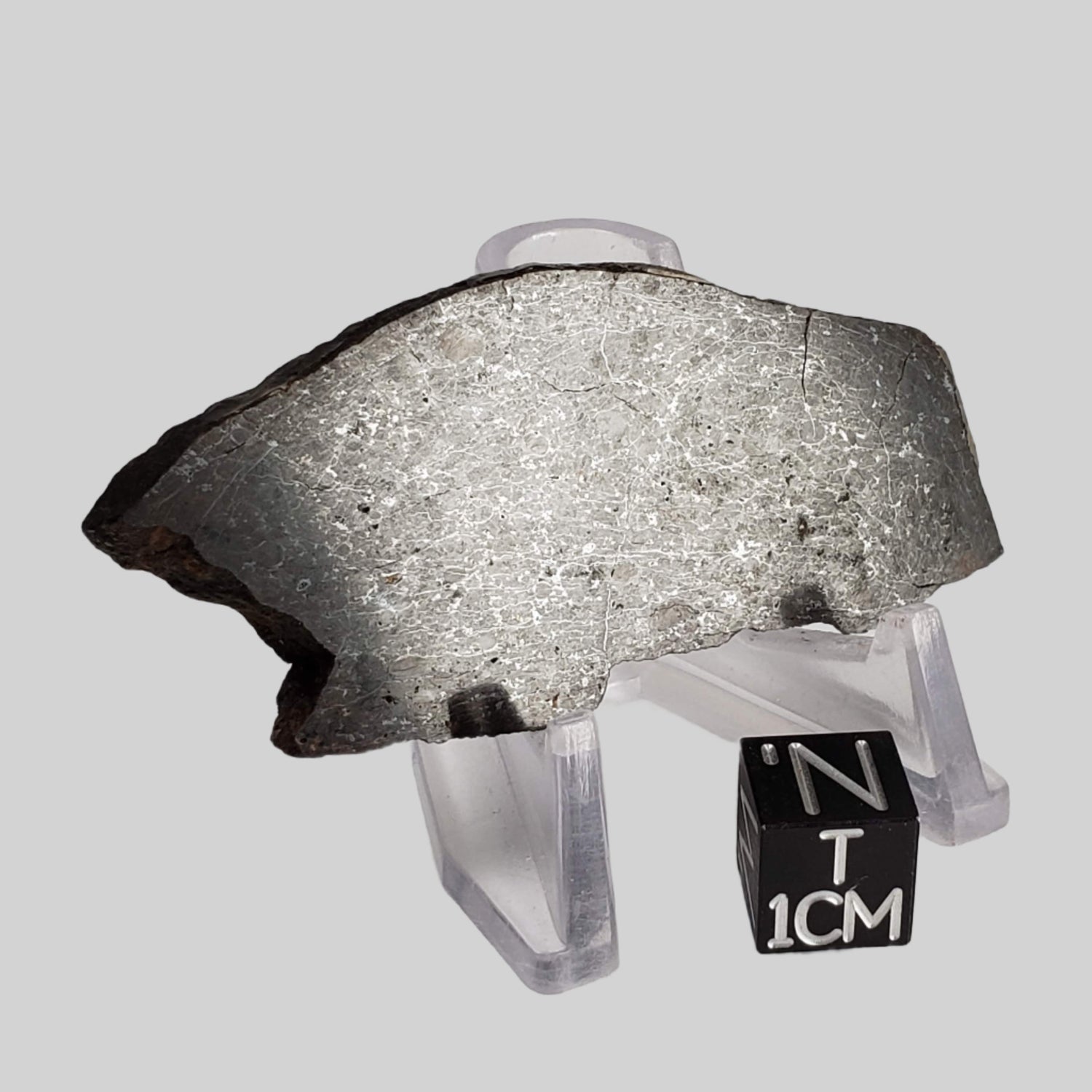
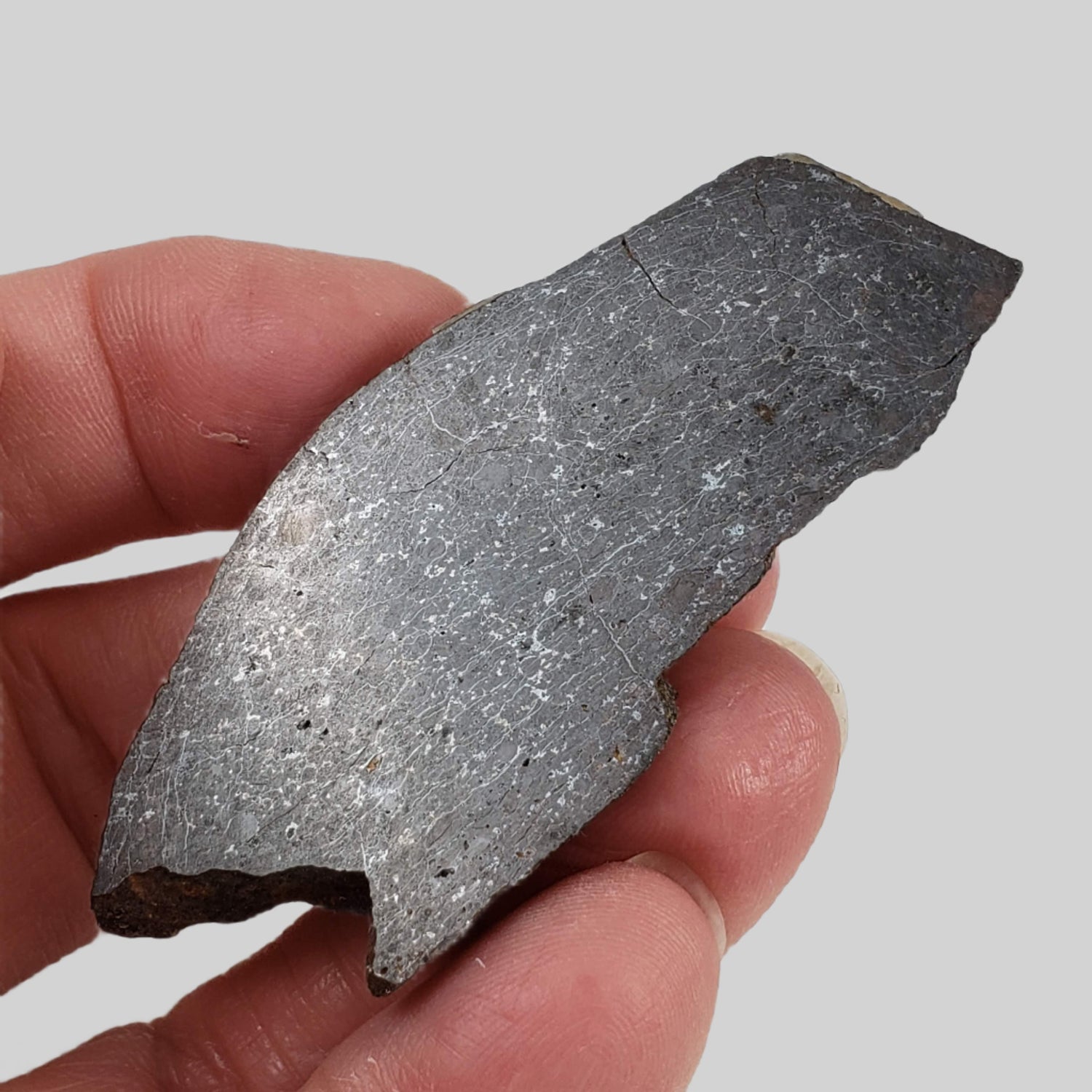
This is a great looking Dhofar 273 classified meteorite weighing 20.4 grams. Its dimensions are 62x28x5 mm. This L5 classified meteorite was found in Zufar, Oman in 2001. The total weight of the single piece recovered is recorded as 2.085 kg and the meteorite has a shock stage of 4 and weathering grade of 3. This piece displays extremely well because of its beautiful shape and is a great size.
Would be a beautiful addition to any new or existing collection. Comes with a Canagem Collection specimen card.


This is a superb individual Tsarev meteorite weighing 142.2 grams. Its dimensions are 71x44x29 mm. Twenty-eight specimens of this L5 classified meteorite were found in fields. The largest mass weighs 284 kg, the smallest 761 gr with a total weight of 1.23 Tons. The greatest distance between the find sites was 6.0 km.
In 1968, amidst a global surge in conflicts, a remarkable discovery was made in a small village in Volgograd Oblast. This region, known as the primary site of the Battle of Stalingrad—one of the largest and bloodiest battles in history—yielded an extraordinary find in the quiet fields near the rural village of Tsarev.
The Tsarev meteorite, named after the Russian word for czar, is a stone meteorite responsible for one of the largest meteorite showers in Russian history. This meteorite shower occurred on December 6, 1922, but the stones were not discovered until 1968 and only recognized in 1979. The Tsarev meteorite's mineral composition matches that of ordinary chondrites, including olivine, orthopyroxene, clinopyroxene, maskelynite, calcium phosphates, nickel-iron, troilite, chromite, ilmenite, and rutile.
Academic analysis of the Tsarev meteorite reveals significant features: large grains of nickel-iron, light grey areas with well-preserved chondritic texture, and dark areas containing a matrix with olivine grains and remnants of chondrules.
This specimen would be a beautiful addition to any new or existing collection. Will come with a Canagem specimen card.


This is a fantastic crusted 26.1 grams NWA (Northwest Africa) 869 L3-6 classified meteorite Individual found by Nomads in the Sahara Desert. The dimensions of the specimen are 46x24x16 mm.
NWA 869 classified meteorites can still be interesting and this one is for sure perfectly shaped to catch your attention. It displays a superb crust on most of its surface. Most samples are individual meteorites but some fragments (mostly >1 kg) also occur. In most cases the fusion crust has been polished or ablated by wind erosion. Many samples are more severely affected and show faces with deep wind erosion features. Fracture faces, formed by ground collision, show a typical gray-green color and sometimes visible brecciation (light and/or dark clasts).
Would be a beautiful addition to any new or existing collection. Comes with a Canagem Collection specimen card.
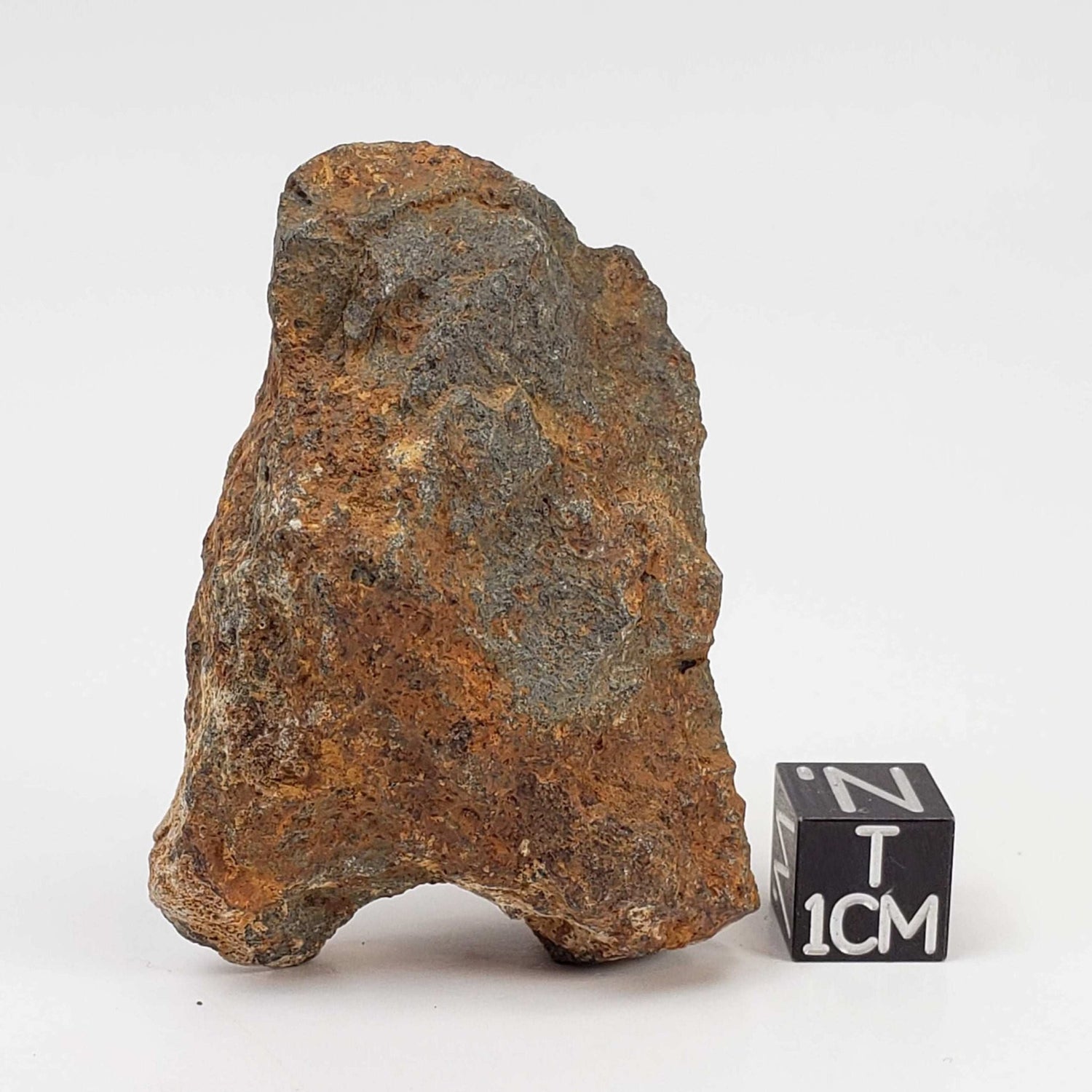
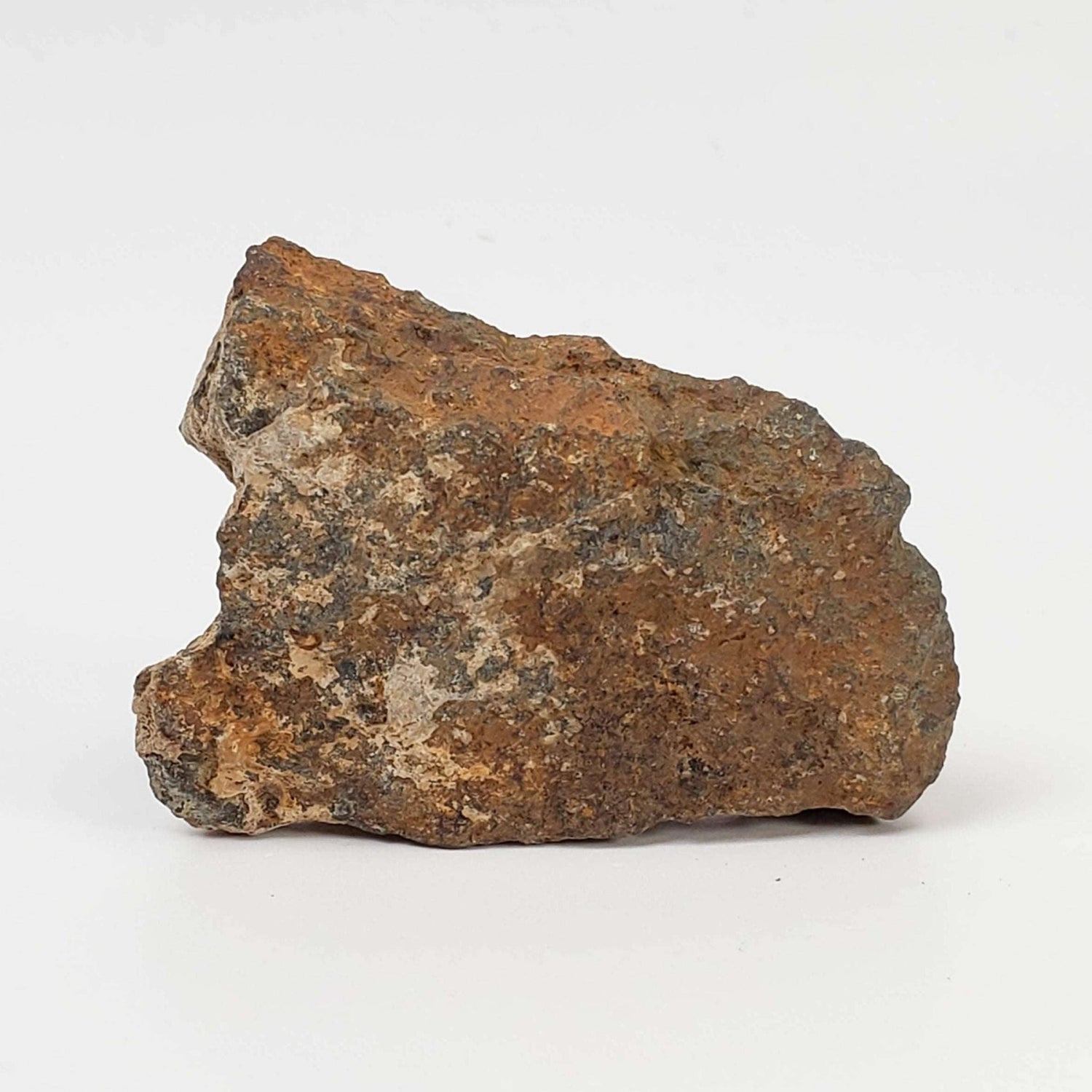
This is a superb individual Tsarev meteorite weighing 56.2 grams. Its dimensions are 53x38x18 mm. Twenty-eight specimens of this L5 classified meteorite were found in fields. The largest mass weighs 284 kg, the smallest 761 gr with a total weight of 1.23 Tons. The greatest distance between the find sites was 6.0 km.
In 1968, amidst a global surge in conflicts, a remarkable discovery was made in a small village in Volgograd Oblast. This region, known as the primary site of the Battle of Stalingrad—one of the largest and bloodiest battles in history—yielded an extraordinary find in the quiet fields near the rural village of Tsarev.
The Tsarev meteorite, named after the Russian word for czar, is a stone meteorite responsible for one of the largest meteorite showers in Russian history. This meteorite shower occurred on December 6, 1922, but the stones were not discovered until 1968 and only recognized in 1979. The Tsarev meteorite's mineral composition matches that of ordinary chondrites, including olivine, orthopyroxene, clinopyroxene, maskelynite, calcium phosphates, nickel-iron, troilite, chromite, ilmenite, and rutile.
Academic analysis of the Tsarev meteorite reveals significant features: large grains of nickel-iron, light grey areas with well-preserved chondritic texture, and dark areas containing a matrix with olivine grains and remnants of chondrules.
This specimen would be a beautiful addition to any new or existing collection. Will come with a Canagem specimen card.


This is a rare Iron ungrouped classified Taza Northwest Africa 859 specimen, in an as found state. It weighs 2.8 grams and measures 14x11x5 mm.
The NWA 859 was found in 2001 in Taza, Morocco. A total weight of 75.3 kg of mostly small pieces was classified by UCLA as an Iron, ungrouped; it is one of 157 meteorites classified as such.
This specimen displays extremely well and would be a beautiful addition to any new or existing collection. Comes in a gem jar with a Canagem Collection specimen card.


This is a superb looking Arroyo Aguiar meteorite part slice weighing 1.57 grams and measuring 16x8x3 mm. This H5 chondrite classified meteorite fell in the summer of 1950. The total weight of the single stone is 7.45 Kg.
The meteorite was seen to fall by a rancher who found it soon after. It had penetrated some 50 cm into the soil. The meteorite fell near the railway Station Arroyo Aguiar, La Capital Department, Santa Fe Province, Argentina.
Would be a beautiful addition to any new or existing collection. Will come with a Canagem Collection and a Naturalia specimen card.


This is a superb looking Arroyo Aguiar meteorite full slice weighing 11.69 grams and measuring 51x40x3 mm. This H5 chondrite classified meteorite fell in the summer of 1950. The total weight of the single stone is 7.45 Kg.
The meteorite was seen to fall by a rancher who found it soon after. It had penetrated some 50 cm into the soil. The meteorite fell near the railway Station Arroyo Aguiar, La Capital Department, Santa Fe Province, Argentina.
Would be a beautiful addition to any new or existing collection. Will come with a Canagem Collection and a Naturalia specimen card.

Canagem is proud to be professional member of The International Gem Society(IGS) the world's top resource for gem professionals, enthusiasts, and industry content.