



1573 products
Sort by:
1573 products

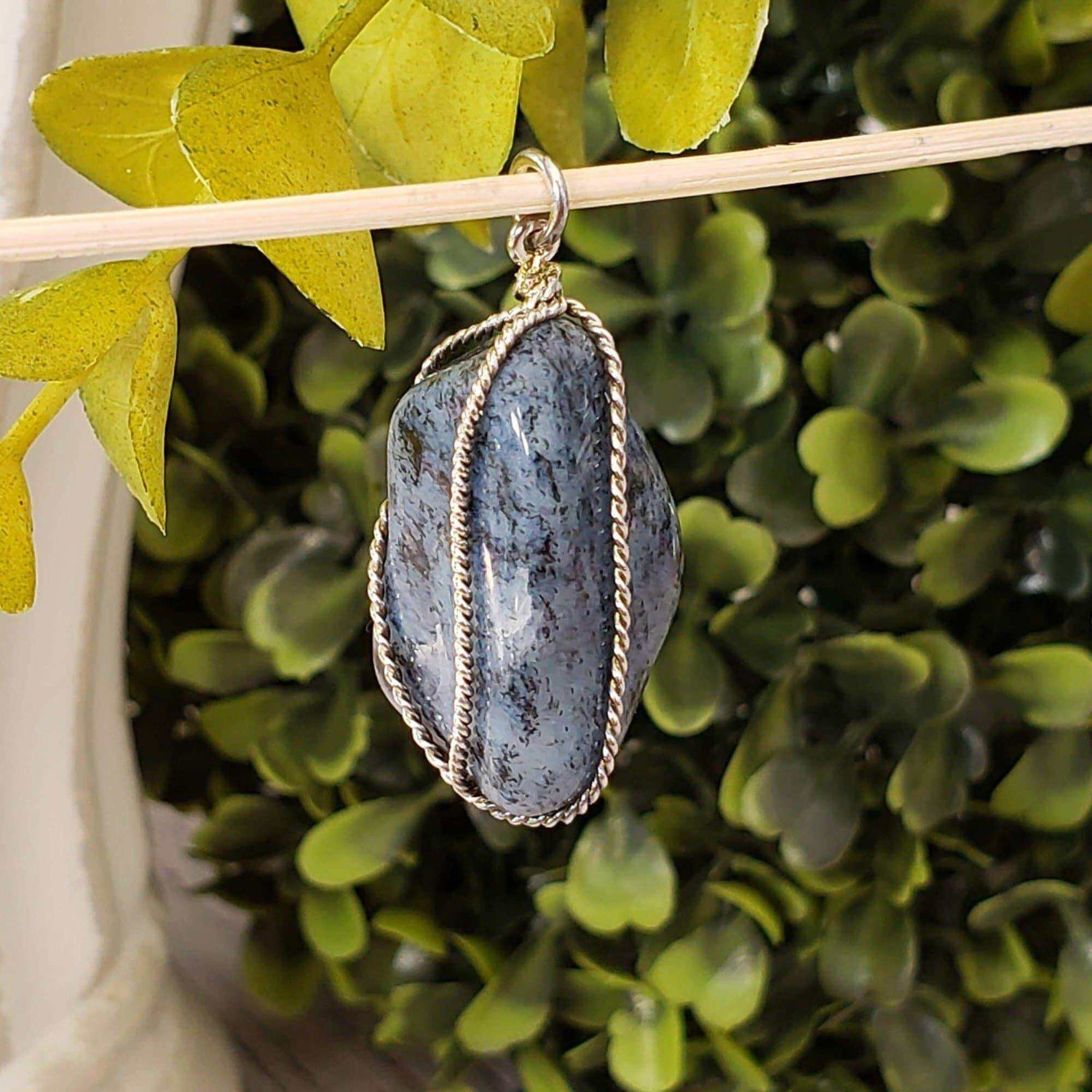
Blue agate is associated with calmness, communication, and soothing energy. It is thought to enhance self-expression and promote a sense of tranquility.
Product Type: Agate
Approx Weight (per piece): 44 carats incl. wire
Size: 31x18 mm incl. loop
Color: Pale Blue with Black Streaks
Clarity: Fine Crystal
Origin: Brazil
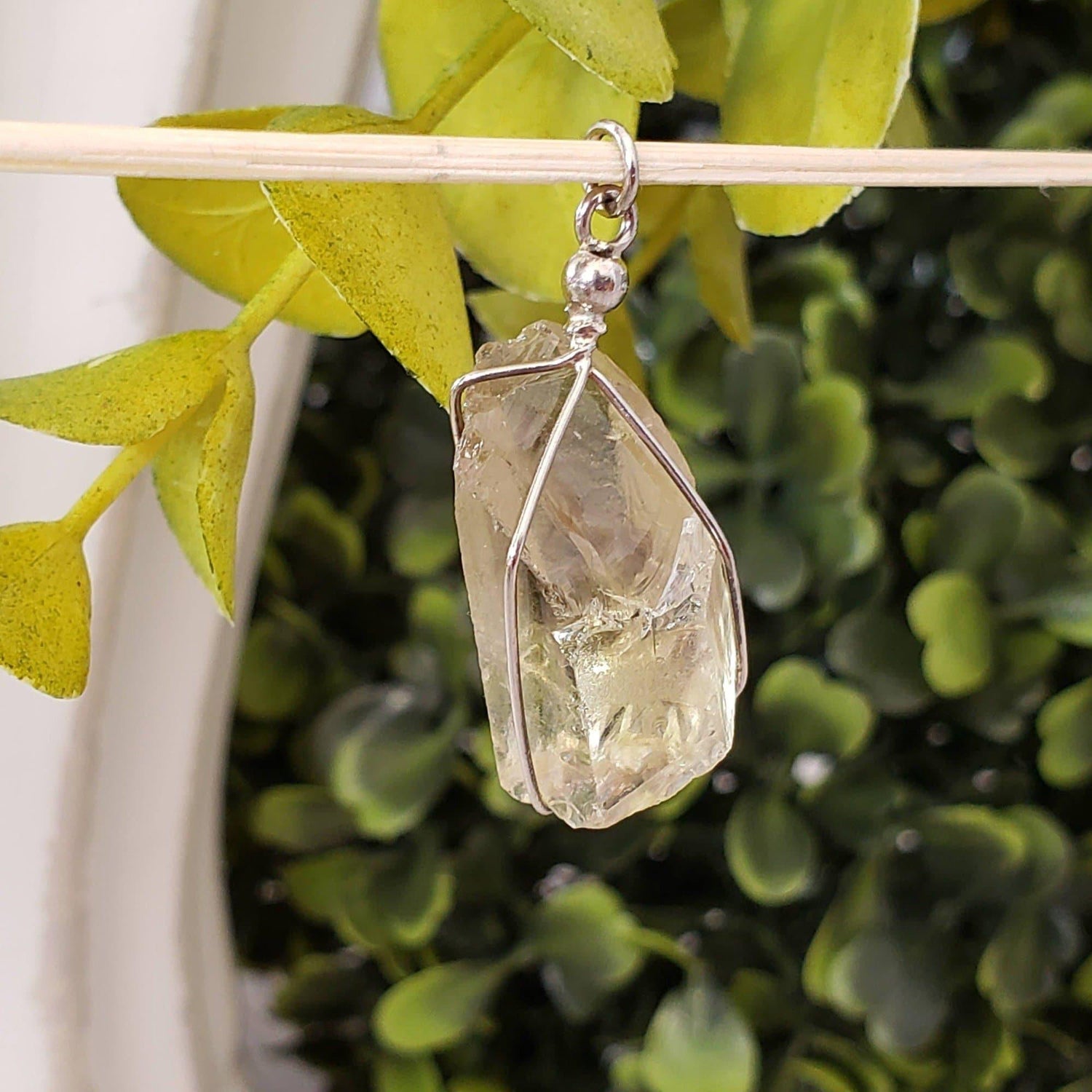
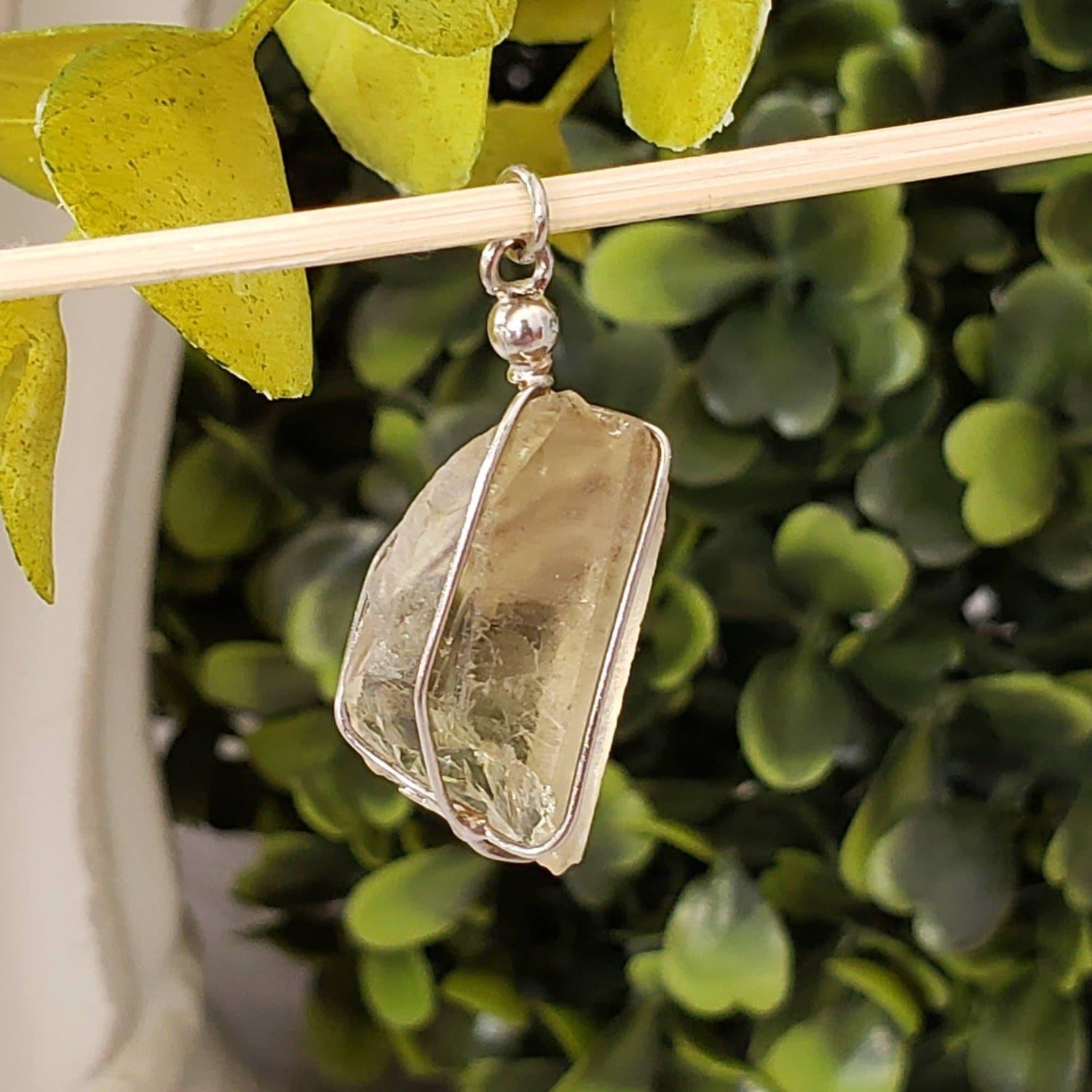
Prasiolite, also known as green amethyst, is believed to support spiritual growth, activate the heart chakra, promote healing and renewal, and offer calming and protective qualities.
Product Type: Prasiolite Crystal
Approx Weight (per piece): 20.31 carats incl. wire
Size: 29x12 mm incl. loop
Color: Nice yellow green
Clarity: Clean
Origin: Brazil


Your will receive the Smoky Quartz Pendant pictured. Quartz is a power gemstone that harmonizes and balances. It enhances energy and thoughts as well as purifying the spiritual, mental and physical. Quartz is associated with the crown chakra.
Product Type: Smoky Quartz
Approx Weight (per piece): 51.75 carats incl. wire
Size: 23x27mm incl. loop
Color: Rich Smoky Color
Clarity: Transparent, Translucent
Origin: Brazil
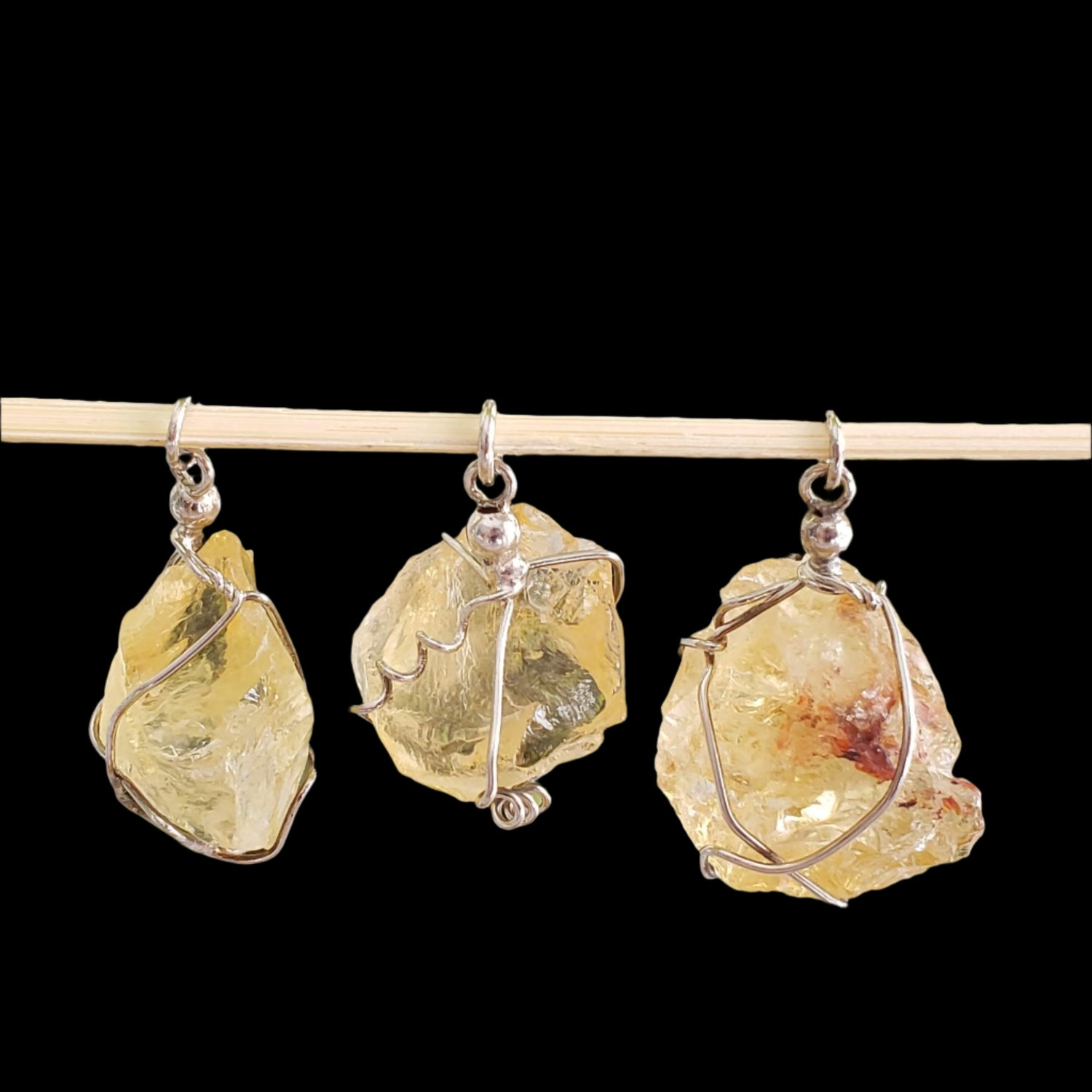
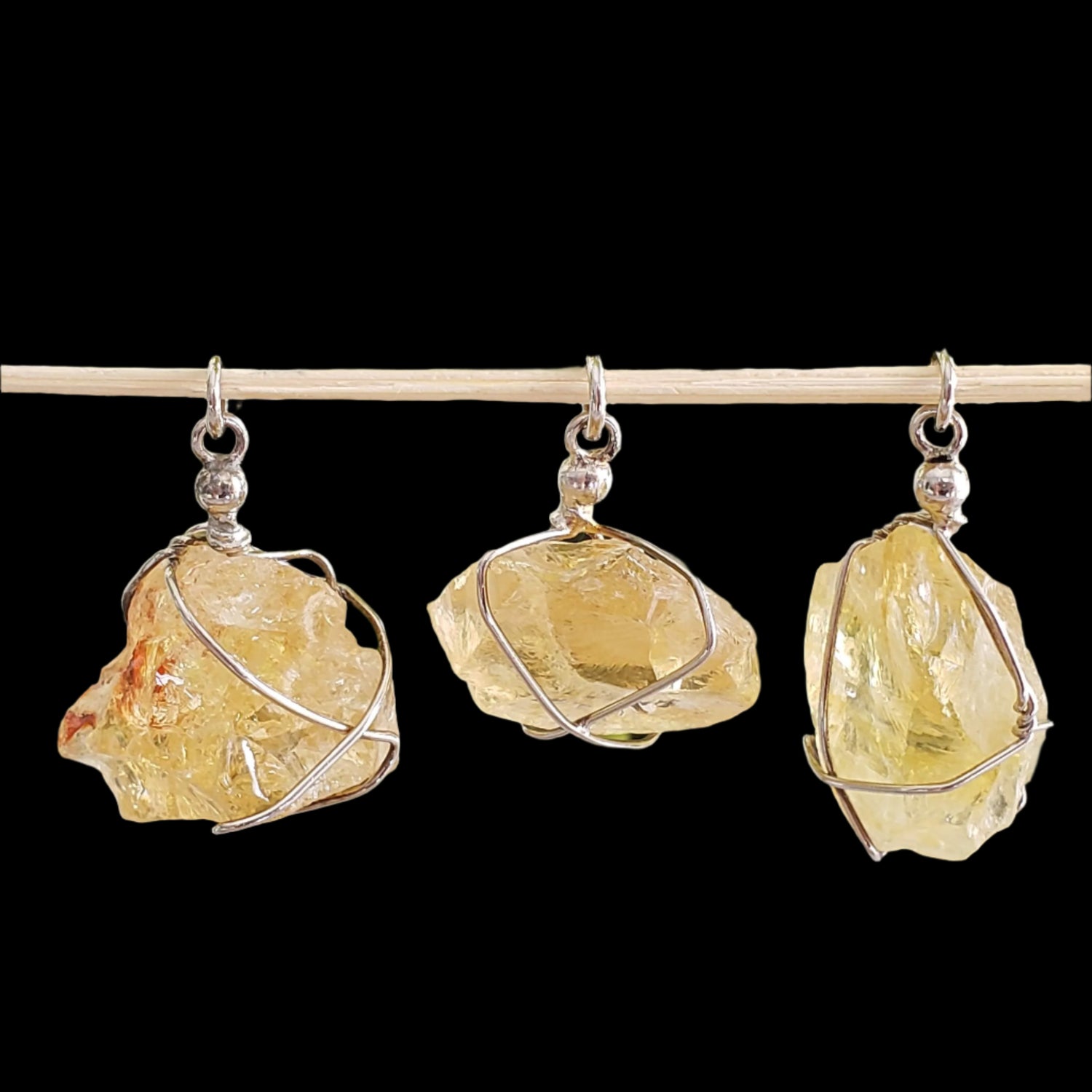
You will receive 1 of the Citrine pendants pictured. Called a "success stone", citrine is believed to promote success, enhanced mental clarity, self esteem and personal power. It is associated with the solar plexus chakra.
Product Type: Citrine Crystal
Approx Weight (per piece): 20 -28 carats incl. wire
Size: 19 - 26 mm incl. loop
Color: Yellow Golden
Clarity: Translucent tip and opaque
Origin: Brazil


You will receive 1 Amethyst pendant. Each pendant is beautiful and unique, variations in size, shape and color should be expected. Note the specimens shown in the photos represent a small selection of what we have in stock, the size, shape and color of the specimen we send will vary, but will be within the size range indicated below.
Amethyst is believed to enhance spiritual awareness, ward off negative energies, promote balance and relaxation, and improve intuitive and psychic abilities. Amethyst is also thought to enhance mental clarity and focus.
Product Type: Amethyst Crystal Wrapped In Silver Wire Pendant
Approx Weight (per piece): 19 - 24 carats incl. wire
Size: 21 - 27 mm incl. loop
Color: Bright Purple
Clarity: Transparent
Origin: Brazil


Prehnite can form prismatic, tabular, or pyramidal crystals, but usually occurs in botryoidal, reniform, stalactitic, granular, or compact habits. It is usually green in colour, but may be white, colourless, yellow, or gray. It has a colourless streak. Prehnite is transparent to translucent, with a vitreous to pearly luster. It forms in cavities in basaltic lavas.
Prehnite is said to be a stone of unconditional love and the crystal to heal the healer. Placing it in the garden is believed to help make a home into a healing sanctuary and teach one how to be in harmony with nature. A good Fung Shui stone, prehnite is said to be helpful for decluttering, helping one let go of possessions no longer needed.
Name: Prehnite Crystal Cluster
Specimen Size: Cabinet-Sized
Dimensions: 70x42x31 mm / 2.8x1.7x1.2 inches
Weight: 68 Grams / 2.4 Ounces
Origin: Mined in Mumbai (Bombay), India


Apophyllite and prehnite are beautiful minerals that are often found together in attractive mineral specimens. Apophyllite is known for its clear, white, pale green, or sometimes pink, glass-like crystals that often form sharp pyramidal or prismatic shapes. Prehnite is typically pale green to yellow-green and is commonly found in rounded, grape-like formations called botryoidal aggregates.
Apophyllite is believed to promote self-reflection and authentic self-expression, helping to reduce stress, release mental blockages, and overcome anxiety by revealing truth and facilitating the release of suppressed emotions. Prehnite is considered a stone of unconditional love, known for its healing properties, especially for healers, and is thought to bring harmony to spaces, assist in decluttering, and create a healing sanctuary, particularly when used in gardens.
Name: Apophyllite and Prehnite Cluster Crystal
Specimen Size: Cabinet-Sized
Dimensions: 67x51x35 mm / 2.6x2x1.4 inches
Weight: 85 Grams / 3 Ounces
Origin: Mined in Mumbai (Bombay), India


You will receive 1 Phantom Quartz pendant. Each pendant is beautiful and unique, variations in size, shape and color should be expected. Note the specimens shown in the photos represent a small selection of what we have in stock, the size, shape and color of the specimen we send will vary, but will be within the size range indicated below.
Quartz is a power gemstone that harmonizes and balances. It enhances energy and thoughts as well as purifying the spiritual, mental and physical. Quartz is associated with the crown chakra.
Product Name: Phantom Quartz Crystal Wrapped In Silver Wire Pendant
Approx Weight (per piece): 19 - 35 carats incl. wire
Size: 31 - 46 mm
Color: Dark Lemon Green
Clarity: Transparent
Origin: Brazil


You will receive 1 of the Clear Quartz Pendants pictured. Quartz is said to be a power gemstone that harmonizes and balances; enhancing energy and thoughts as well as purifying the spiritual, mental and physical. Quartz is associated with the crown chakra.
Product Name: Quartz Crystal Wrapped In Silver Wire Pendant
Approx Weight (per piece): 32 - 39 carats incl. wire
Size: 33 - 39 mm incl. loop
Color: White
Clarity: Transparent
Origin: Brazil


You will receive 1 Citrine Root selected from the size of your choosing. Each Citrine Root is beautiful and unique, variations in size, shape and color should be expected. Note the specimen shown in the photos represent a small selection of what we have in stock, the size, shape and color of the specimen we send will vary, but will be within the size range purchased.
Product Type: Citrine Root (Single)Approx Weight (per piece): 29ct +
Size: 25 mm and larger
Shape: Root crystal
Color: Vivid Lemon Gold
Clarity: Translucent tip and opaque
Origin: Brazil

Canagem is proud to be professional member of The International Gem Society(IGS) the world's top resource for gem professionals, enthusiasts, and industry content.