



Search results
39 results
Search results


Product Type: Tourmaline
Product ID: TOOG1737
Approx Weight (per piece): 3.51ct
Size: 12x7mm
Shape: Baguette Cut
Color: Olive Green
Clarity: Clean
Origin: Africa


Vanadinite crystals are small, hexagonal prismatic crystals that are typically red to brownish-red in color. They have a bright luster and a transparent to translucent appearance. The crystals often form in aggregates, creating intricate and interesting formations. Vanadinite would hardly be as famous if not for the outstanding locality of Mibladen, Morocco. This locality has by far produced the most outstanding crystals of beautiful color and form.
Vanadinite is believed to enhance vitality, motivation, and manifestation, while also promoting clarity, focus, and protection from negativity.
Product Type: Vanadinite Crystal On Barite
Specimen Size: Miniature-Sized
Dimensions: 45x34x23 mm / 1.8x1.3x.09 inches
Weight: 29.56 grams / 1.0 ounces
Origin: Mibladen, Morocco
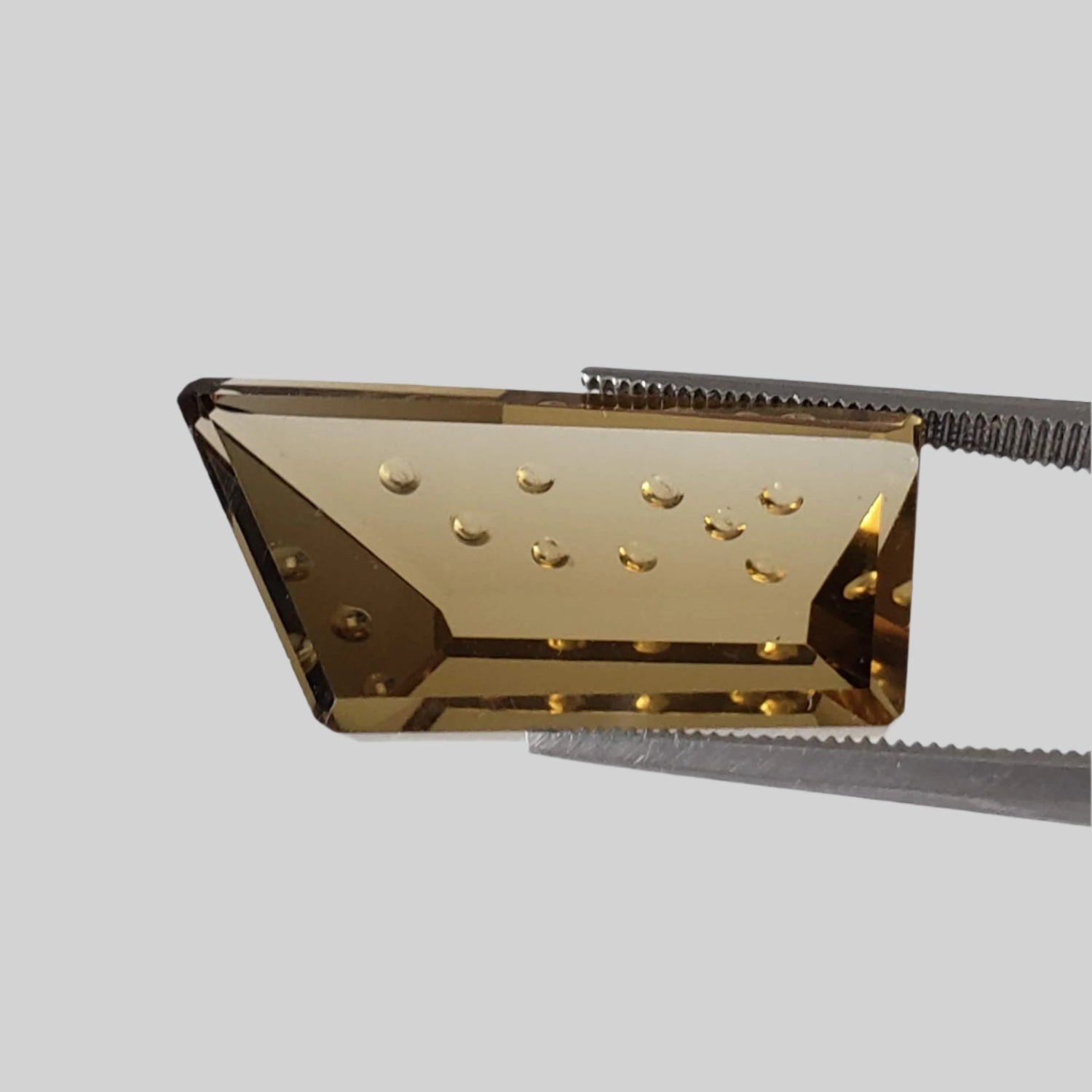
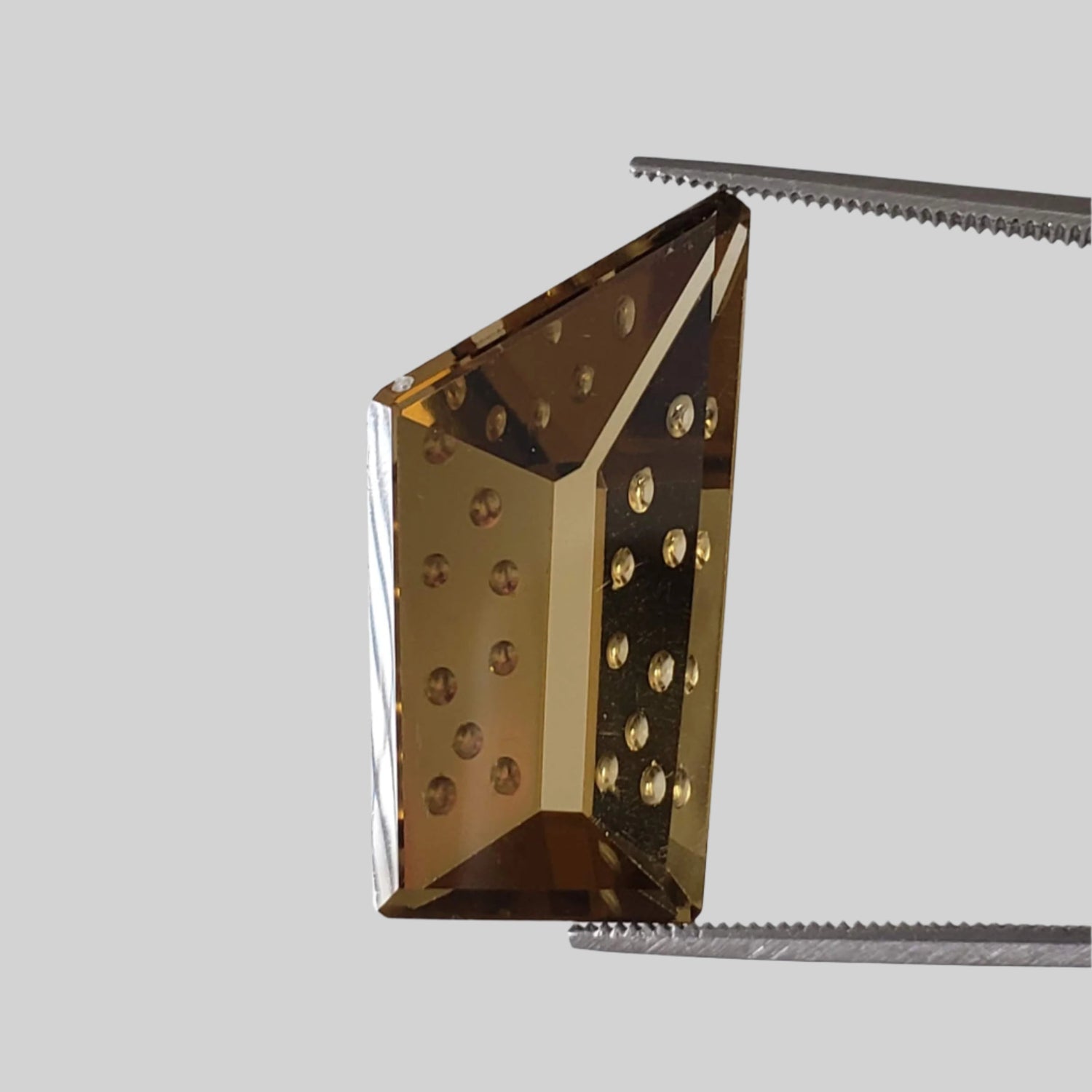
Product Type: Citrine (Oro Verde)
Approx Weight (per piece): 20.8ct
Size: 26.6x13.6mm
Shape: Fancy Laser Cut
Color: Olive Green
Clarity: Clean
Origin: Brazil


Product Type: Tourmaline
Product ID: TOOG1001
Approx Weight (per piece): 4.21ct
Size: 11.5x11mm
Shape: Heart Shape Cut
Color: Top Olive Green
Clarity: Clean to the eye
Origin: Africa


Product Type: Cherry Opal
Approx Weight (per piece): 1.2ct
Size: 9x7mm
Shape: Oval Cut
Color: Reddish Orange
Clarity: Clean
Origin: Mexico
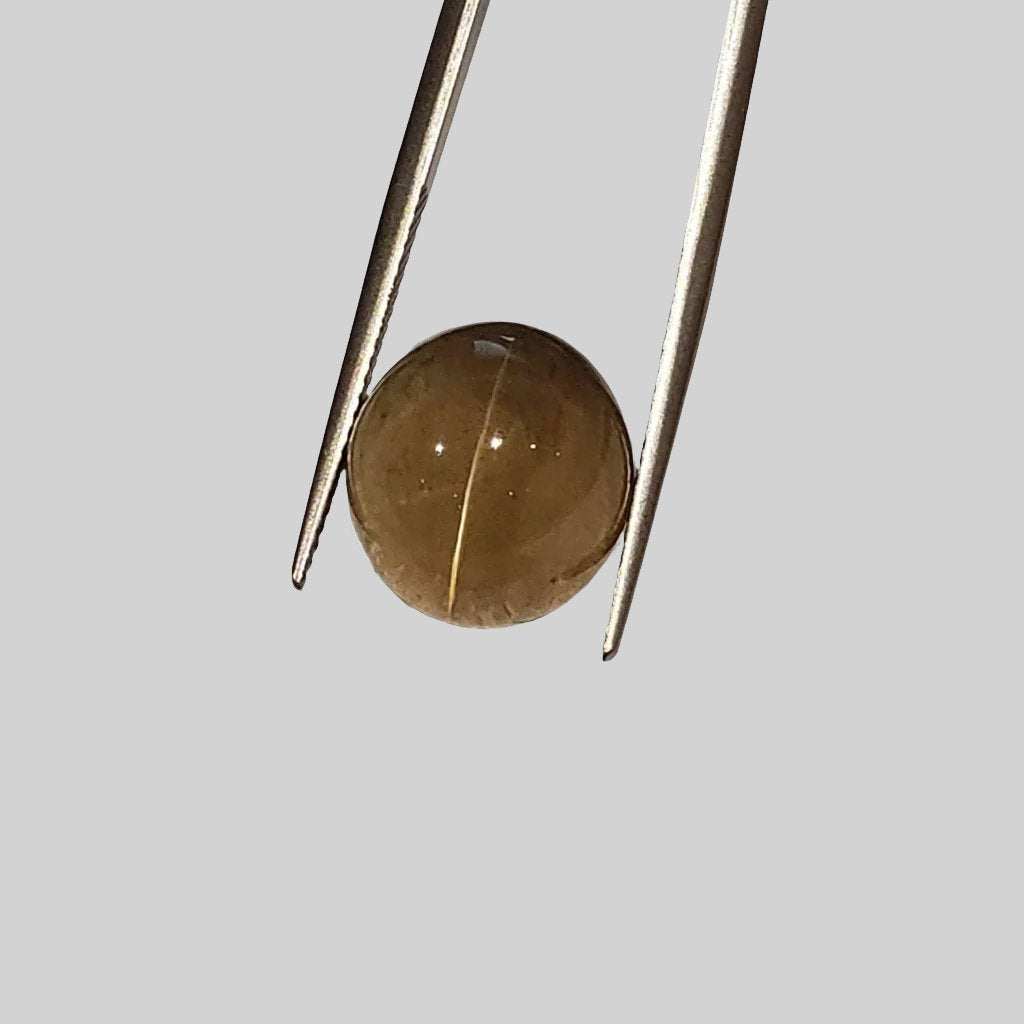
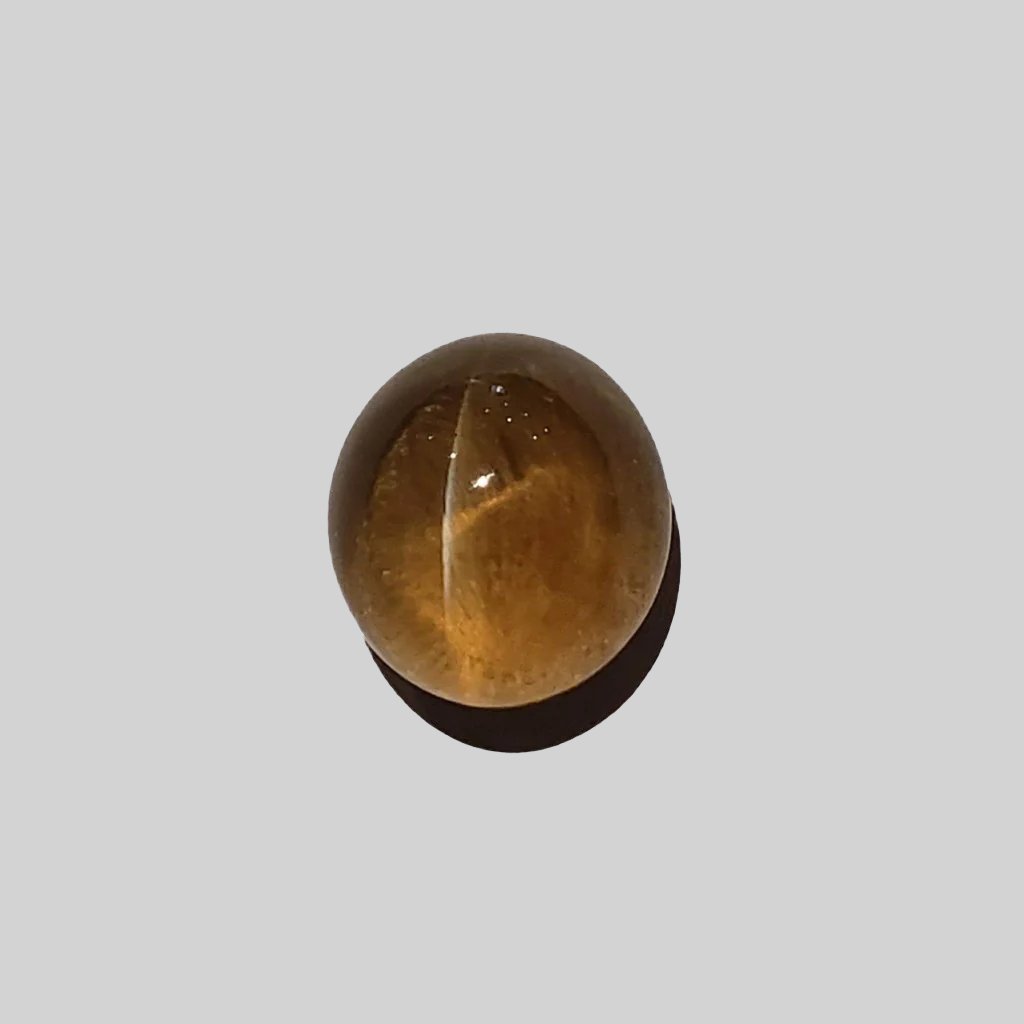
Product Type: Apatite Gemstone
Approx Weight (per piece): 12.3ct
Size: 14x13mm
Shape: Oval Cabochon
Color: Olive Green
Clarity: Fine Crystal
Origin: Africa
Apatite is a group of phosphate minerals that are commonly found in igneous, metamorphic, and sedimentary rocks. Apatite is named after the Greek word "apate," which means deceit, as it can be easily confused with other minerals due to its wide range of colors and forms. It can occur in various colors, including green, blue, yellow, brown, and violet.
Apatite is believed to possess healing properties and is associated with creativity, self-expression, and personal growth. It is thought to enhance communication skills, stimulate intellect, and promote clarity of thought.


Product Type: Citrine (Oro Verde)
Approx Weight (per piece): 10.6ct
Size: 21x10mm
Shape: Fancy Laser Cut
Color: Olive Green
Clarity: Clean
Origin: Brazil


Product Type: Oro Verde Citrine
Approx Weight (per piece): 12.2ct
Size: 16x12mm
Shape: Octagon Cut
Color: Fine Olive Green
Clarity: Eye Clean
Origin: Africa

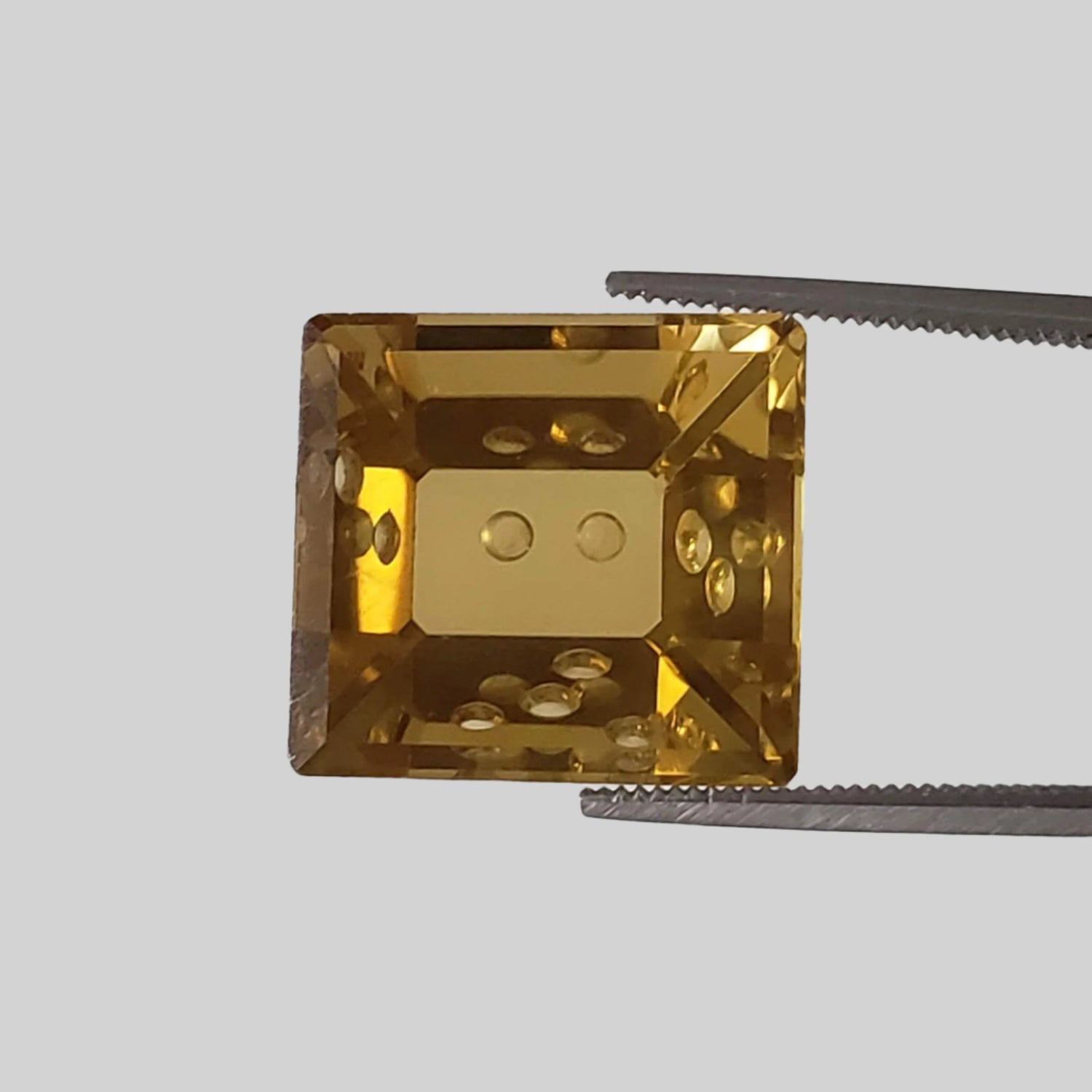
Product Type: Oro Verde Citrine
Approx Weight (per piece): 16.5ct
Size: 15x14mm
Shape: Baguette Laser Cut
Color: Olive Green
Clarity: Clean
Origin: Brazil


Color change garnet refers to a type of garnet gemstone that exhibits a distinct color change when viewed under different lighting conditions. This phenomenon is known as "alexandrite effect," named after the alexandrite gemstone, which is famous for its dramatic color shift.
Color change garnets typically appear green or bluish-green in daylight or fluorescent lighting and shift to purplish-red or reddish-purple under incandescent lighting or in the presence of candlelight. This phenomenon occurs due to the interaction of different wavelengths of light with the trace elements or impurities present in the garnet's crystal structure. The most valuable color change garnets display a strong and noticeable shift between the two primary colors.
Color Change Garnet is thought to possess qualities such as adaptability, transformation, and balance. The color shift is often likened to personal growth and the ability to navigate changing circumstances. This gemstone is believed to enhance perception and awareness, potentially offering new perspectives on situations. It's also associated with inner strength and courage, with the color shift symbolizing the ability to overcome challenges.
Product Type: Raw Color Change Garnet
Approx Weight (per piece): 2.1ct
Size: 8.0x5.8mm
Color: Color Change Olive Green to Pink
Origin: Africa
Treatment: None


This is a great looking part slice of the Ashmore Olivine-Bronzite H5 Chondrite classified meteorite. The part slice weighs 0.4 grams.
A mass of 55.4 kg was found in 1969 by Paul Caughron during deep plowing. It lay at a depth of approximately 18 inches within the soil, with its large side down and its nose up.
The specimen comes with a BA-Meteorites.de.vu and a Canagem specimen card. Would be a beautiful addition to any new or existing collection.


This is a fabulous 1.24 grams Molong stony iron classified meteorite fragment. This superb meteorite was found in Ashburnham, NSW, Australia in 1912 and has a low Total Known Weight of 104 kg. This is 1 of 72 approved meteorites classified as Pallasite, PMG.
This Molong meteorite fragment is a rare 1.24-gram piece of Pallasite PMG (main chemical group) stony iron, originally part of a 230-pound mass found in 1912 near Ti Tree Creek, Ashburnham, NSW, Australia. Known for its unique iron-nickel matrix interspersed with olivine crystals, this specimen offers valuable insight into early solar system processes.
Even though the iron of this ancient meteorite has changed into Meteorite Shale due to its millions of years of exposure on earth, it still shows the beautiful pallasite structure it is famous for and will also reacts strongly to a magnet. Unlike most pallasites you see, Molong is almost all olivine crystals with just a little metal between them. The olivine crystals are semi-translucent, you can't see through them, but you can see reflections from within the crystals.
Its historical significance and scientific value make it an important addition for collectors and researchers specializing in meteoritics. Comes in a protective case with an ELKK Meteorites and a Canagem Collection specimen card.
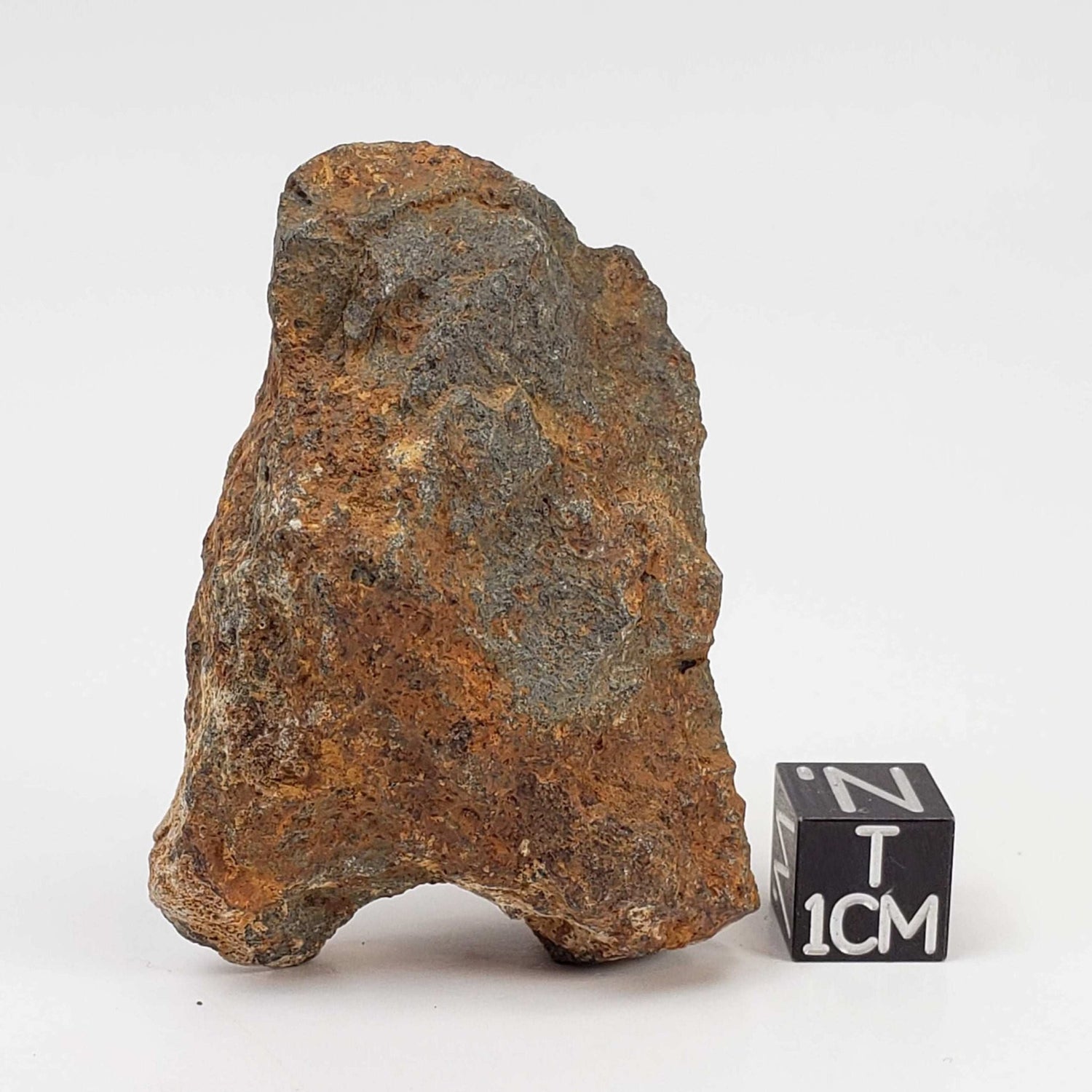
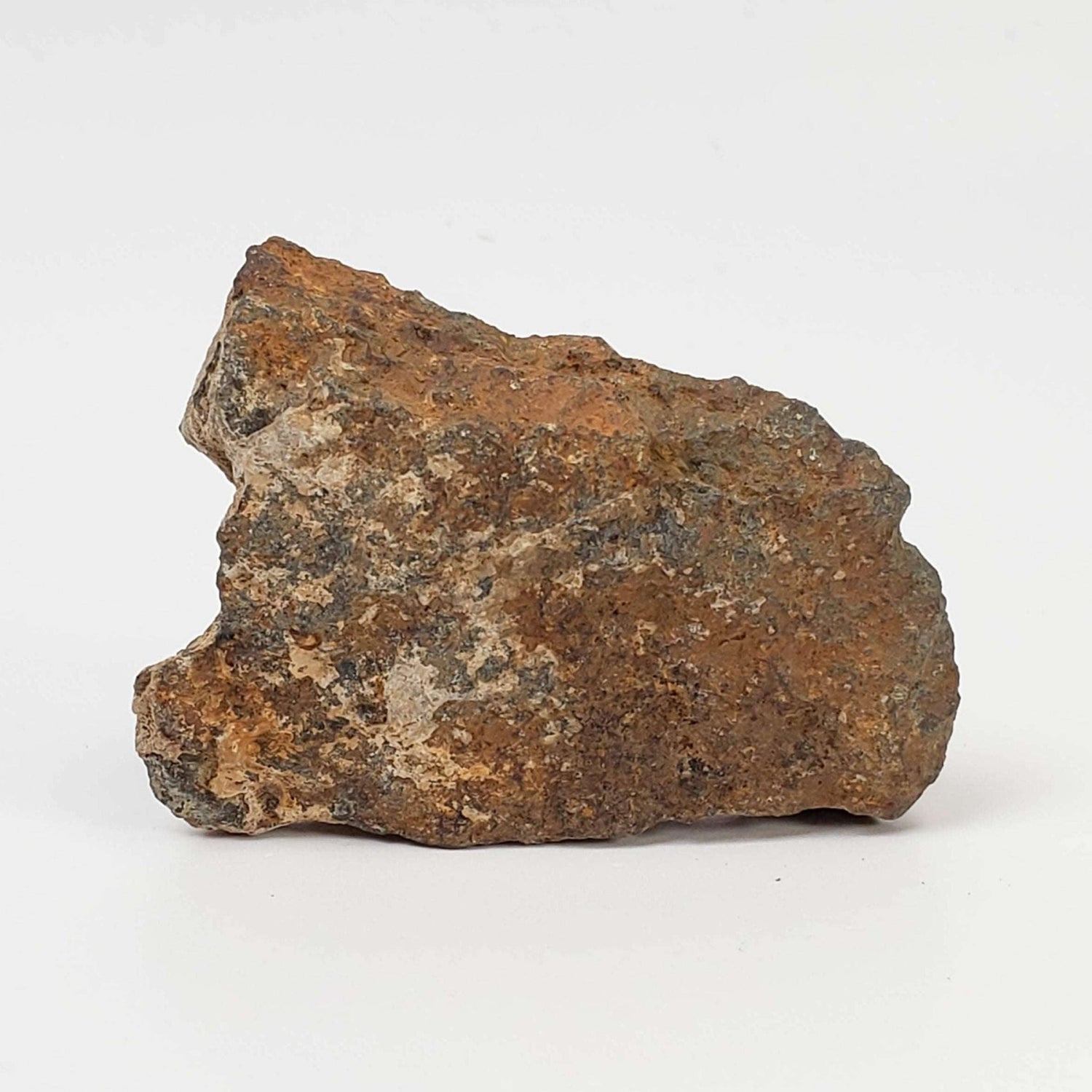
This is a superb individual Tsarev meteorite weighing 56.2 grams. Its dimensions are 53x38x18 mm. Twenty-eight specimens of this L5 classified meteorite were found in fields. The largest mass weighs 284 kg, the smallest 761 gr with a total weight of 1.23 Tons. The greatest distance between the find sites was 6.0 km.
In 1968, amidst a global surge in conflicts, a remarkable discovery was made in a small village in Volgograd Oblast. This region, known as the primary site of the Battle of Stalingrad—one of the largest and bloodiest battles in history—yielded an extraordinary find in the quiet fields near the rural village of Tsarev.
The Tsarev meteorite, named after the Russian word for czar, is a stone meteorite responsible for one of the largest meteorite showers in Russian history. This meteorite shower occurred on December 6, 1922, but the stones were not discovered until 1968 and only recognized in 1979. The Tsarev meteorite's mineral composition matches that of ordinary chondrites, including olivine, orthopyroxene, clinopyroxene, maskelynite, calcium phosphates, nickel-iron, troilite, chromite, ilmenite, and rutile.
Academic analysis of the Tsarev meteorite reveals significant features: large grains of nickel-iron, light grey areas with well-preserved chondritic texture, and dark areas containing a matrix with olivine grains and remnants of chondrules.
This specimen would be a beautiful addition to any new or existing collection. Will come with a Canagem specimen card.


This is a superb individual Tsarev meteorite weighing 60.4 grams. Its dimensions are 47x40x20 mm. Twenty-eight specimens of this L5 classified meteorite were found in fields. The largest mass weighs 284 kg, the smallest 761 gr with a total weight of 1.23 Tons. The greatest distance between the find sites was 6.0 km.
In 1968, amidst a global surge in conflicts, a remarkable discovery was made in a small village in Volgograd Oblast. This region, known as the primary site of the Battle of Stalingrad—one of the largest and bloodiest battles in history—yielded an extraordinary find in the quiet fields near the rural village of Tsarev.
The Tsarev meteorite, named after the Russian word for czar, is a stone meteorite responsible for one of the largest meteorite showers in Russian history. This meteorite shower occurred on December 6, 1922, but the stones were not discovered until 1968 and only recognized in 1979. The Tsarev meteorite's mineral composition matches that of ordinary chondrites, including olivine, orthopyroxene, clinopyroxene, maskelynite, calcium phosphates, nickel-iron, troilite, chromite, ilmenite, and rutile.
Academic analysis of the Tsarev meteorite reveals significant features: large grains of nickel-iron, light grey areas with well-preserved chondritic texture, and dark areas containing a matrix with olivine grains and remnants of chondrules.
This specimen would be a beautiful addition to any new or existing collection. Will come with a Canagem specimen card.
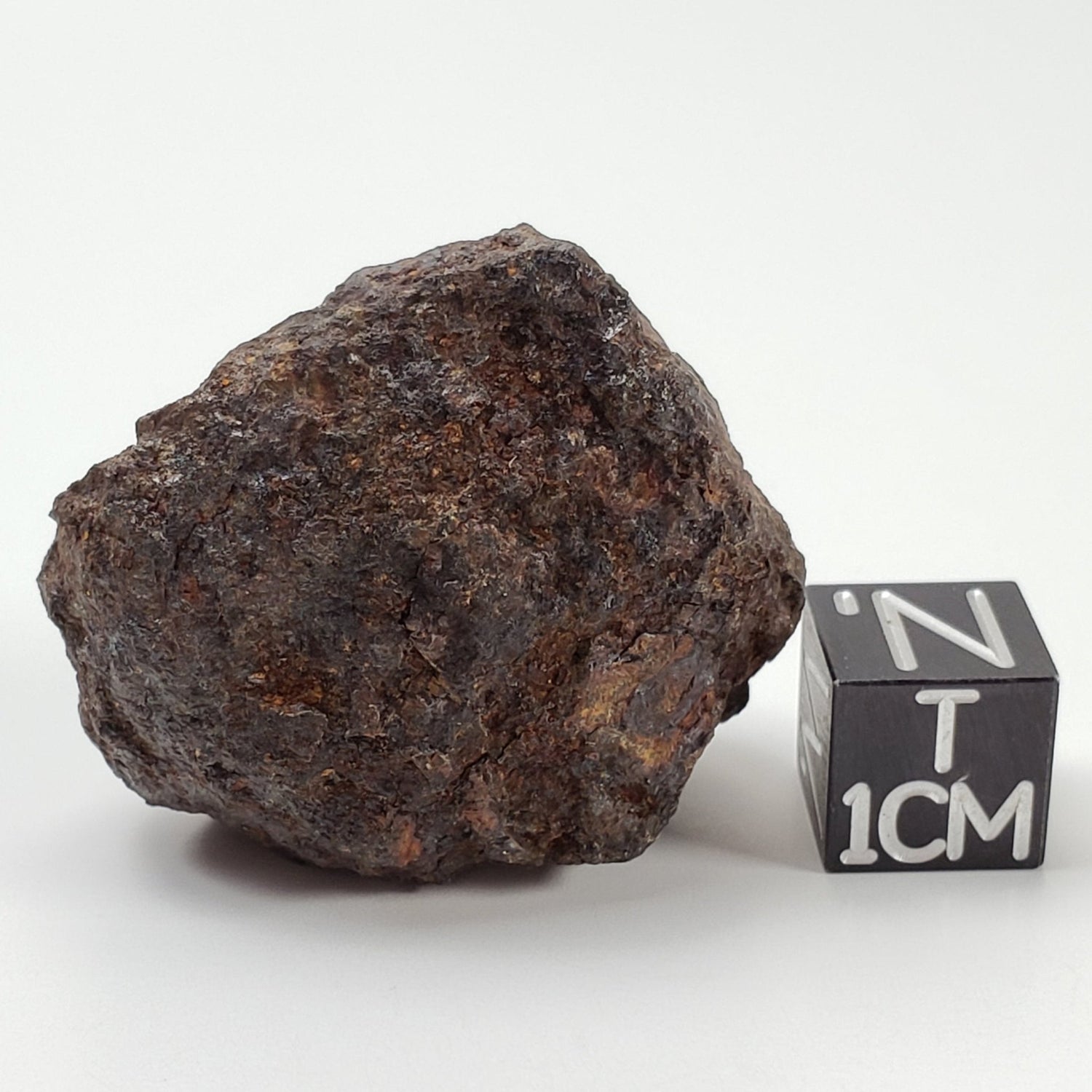
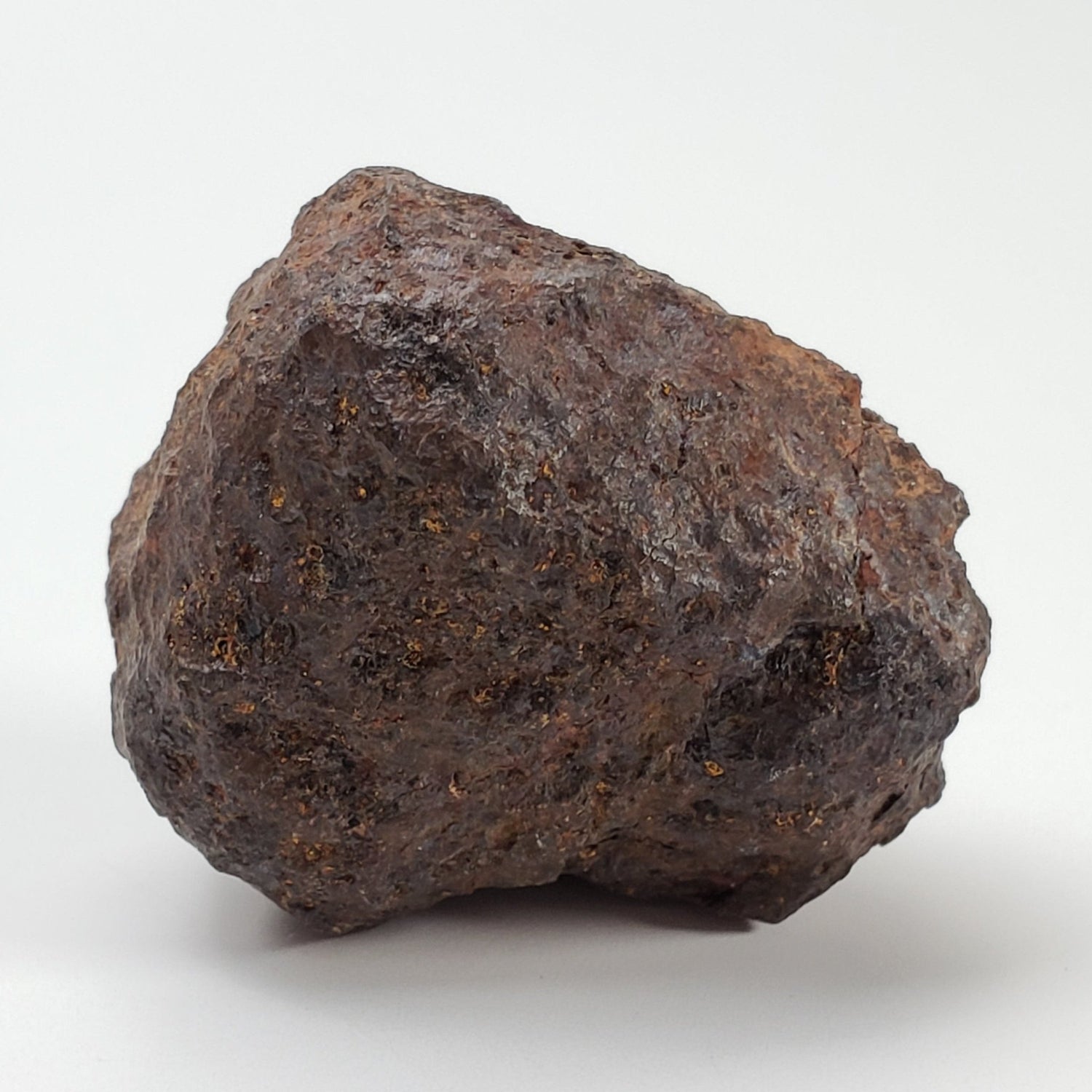
This is a superb looking Stony-iron or Mesosiderite Vaca Muerta (Dead Cow) classified meteorite weighing 40.52 grams. Its dimensions are 32x28x18 mm.
This classified meteorite was found in 1861 in the driest desert of the world called the Atacama, in Chile. Mesosiderites are formed on the surface of a parent body as a result of impacts with another body. The impact mixed broken fragments of surface eucrites with iron and olivine from deep within the body. Eucrites are believed to have come from the asteroid Vesta. Analysis has shown, however, that the Vaca Muerta eucrite inclusions are not consistent with other eucrites and possibly originated on a different parent body. Although most have a weathered exterior, they also have lots of metal inside and can be prepared and cut to show this.
This piece displays extremely well and would be a beautiful addition to any new or existing collection. Comes with a Canagem Collection specimen card.


This is a superb looking Stony-iron or Mesosiderite Vaca Muerta (Dead Cow) classified meteorite end cut weighing 5.62 grams. Its dimensions are 19x15x11 mm.
This classified meteorite was found in 1861 in the driest desert of the world called the Atacama, in Chile. Mesosiderites are formed on the surface of a parent body as a result of impacts with another body. The impact mixed broken fragments of surface eucrites with iron and olivine from deep within the body. Eucrites are believed to have come from the asteroid Vesta. Analysis has shown, however, that the Vaca Muerta eucrite inclusions are not consistent with other eucrites and possibly originated on a different parent body. Although most have a weathered exterior, they also have lots of metal inside and can be prepared and cut to show this.
This piece displays extremely well and would be a beautiful addition to any new or existing collection. Comes with ELKK Meteorites and Canagem® specimen cards.


This is a superb looking Stony-iron or Mesosiderite Vaca Muerta (Dead Cow) classified meteorite weighing 84.4 grams. Its dimensions are 49x43x28 mm.
This classified meteorite was found in 1861 in the driest desert of the world called the Atacama, in Chile. Mesosiderites are formed on the surface of a parent body as a result of impacts with another body. The impact mixed broken fragments of surface eucrites with iron and olivine from deep within the body. Eucrites are believed to have come from the asteroid Vesta. Analysis has shown, however, that the Vaca Muerta eucrite inclusions are not consistent with other eucrites and possibly originated on a different parent body. Although most have a weathered exterior, they also have lots of metal inside and can be prepared and cut to show this.
This piece displays extremely well and would be a beautiful addition to any new or existing collection. Comes with a Canagem Collection specimen card.


This is a superb individual Tsarev meteorite weighing 122.9 grams. Its dimensions are 58x44x40 mm. Twenty-eight specimens of this L5 classified meteorite were found in fields. The largest mass weighs 284 kg, the smallest 761 gr with a total weight of 1.23 Tons. The greatest distance between the find sites was 6.0 km.
In 1968, amidst a global surge in conflicts, a remarkable discovery was made in a small village in Volgograd Oblast. This region, known as the primary site of the Battle of Stalingrad—one of the largest and bloodiest battles in history—yielded an extraordinary find in the quiet fields near the rural village of Tsarev.
The Tsarev meteorite, named after the Russian word for czar, is a stone meteorite responsible for one of the largest meteorite showers in Russian history. This meteorite shower occurred on December 6, 1922, but the stones were not discovered until 1968 and only recognized in 1979. The Tsarev meteorite's mineral composition matches that of ordinary chondrites, including olivine, orthopyroxene, clinopyroxene, maskelynite, calcium phosphates, nickel-iron, troilite, chromite, ilmenite, and rutile.
Academic analysis of the Tsarev meteorite reveals significant features: large grains of nickel-iron, light grey areas with well-preserved chondritic texture, and dark areas containing a matrix with olivine grains and remnants of chondrules.
This specimen would be a beautiful addition to any new or existing collection. Will come with a Canagem specimen card.


This is a great looking NWA 1108 L6 Chondrite classified meteorite slice weighing 47.16 grams. Its dimensions are 50x31x21 mm. This L6 (S3/W2) chondrite classified meteorite was found in the Sahara Desert in 2003.
The petrography shows some metal and sulfide grains are elongated, metal and sulfide veins are also present. Chondrules are poorly defined and very recrystallized. Some plagioclase grains are 50 μm in size. A few olivine grains contain planar fractures.
The official total weight of the 25 pieces recovered is recorded as 2.8 KG. This beautiful meteorite comes from the Michael Cottingham Meteorite Collection.
Would be a beautiful addition to any new or existing collection. Comes with a Canagem Collection and a Michael Cottingham Collection specimen cards.
Recently viewed products
Featured


Canagem is proud to be professional member of The International Gem Society(IGS) the world's top resource for gem professionals, enthusiasts, and industry content.