

📢 Notice to ALL Customers 📢
Search results
951 results
Search results


This is a great looking Northwest Africa 2849 L4 classified meteorite Micro. This meteorite was found in the Sahara Desert in 2004 and the total recovered weight is recorded as a low 846 grams. It has a Shock stage of 2 and a Weathering grade of 3.
This specimen is a micromount which is great to analyze the material with a loupe or for microscope work. The specimen comes with a Canagem Collection specimen card. Would be a beautiful addition to any new or existing collection.


This is a stunning Henbury classified meteorite from the Michael Farmer Meteorites collection. It weighs 4.84 grams and measures 20x12x7mm. This Iron (IIIAB) Medium Octahedrite classified meteorite was found in the Northern Territory of Australia in 1931. So far approximately 2T of this material have been recovered. This piece displays extremely well. This Australian find is very well shaped and preserved. These pieces are becoming more difficult to acquire so this is a good time to get a fine specimen.
Henbury fell 8 miles southwest of the town of Henbury, Australia almost 10,000 years ago. RA Alderman investigated the site in May 1931 based upon Aborigine stories. He found 13 craters, the largest of which was 720 x 360 feet. Few meteorites were found in the largest three craters indicating an explosive impact. Some of the Henbury meteorites are shrapnel shaped indicating this explosive ending and some have smooth edges indicating abrasion by an atmospheric passage.
Would be a beautiful addition to any new or existing collection. Will come with a Canagem specimen card.

This is an aluminum label with all the information regarding any Sahara Desert, Africa meteorite. This flat model fits nicely in a Riker type box or our own Alder wooden boxes. An excellent way of identifying and displaying your collection of meteorites.


This is a nice looking individual fragment of a Sahara Desert NWA unclassified meteorite. It weighs 51 grams and measures 51x35x20 mm. This never classified Northwest Africa stone was found in the Sahara desert around 2000.
It's a good quality NWA meteorite individual fragment. Some weathering shows the meteorite's time spent aging in the desert. Would be a beautiful addition to any new or existing collection. Comes with a Canagem Collection specimen card.


This is a nice looking individual fragment of a Sahara Desert NWA unclassified meteorite. It weighs 60.5 grams and measures 44x32x31 mm. This never classified Northwest Africa stone was found in the Sahara desert around 2000.
It's a good quality NWA meteorite individual fragment. Some weathering shows the meteorite's time spent aging in the desert. Would be a beautiful addition to any new or existing collection. Comes with a Canagem Collection specimen card.
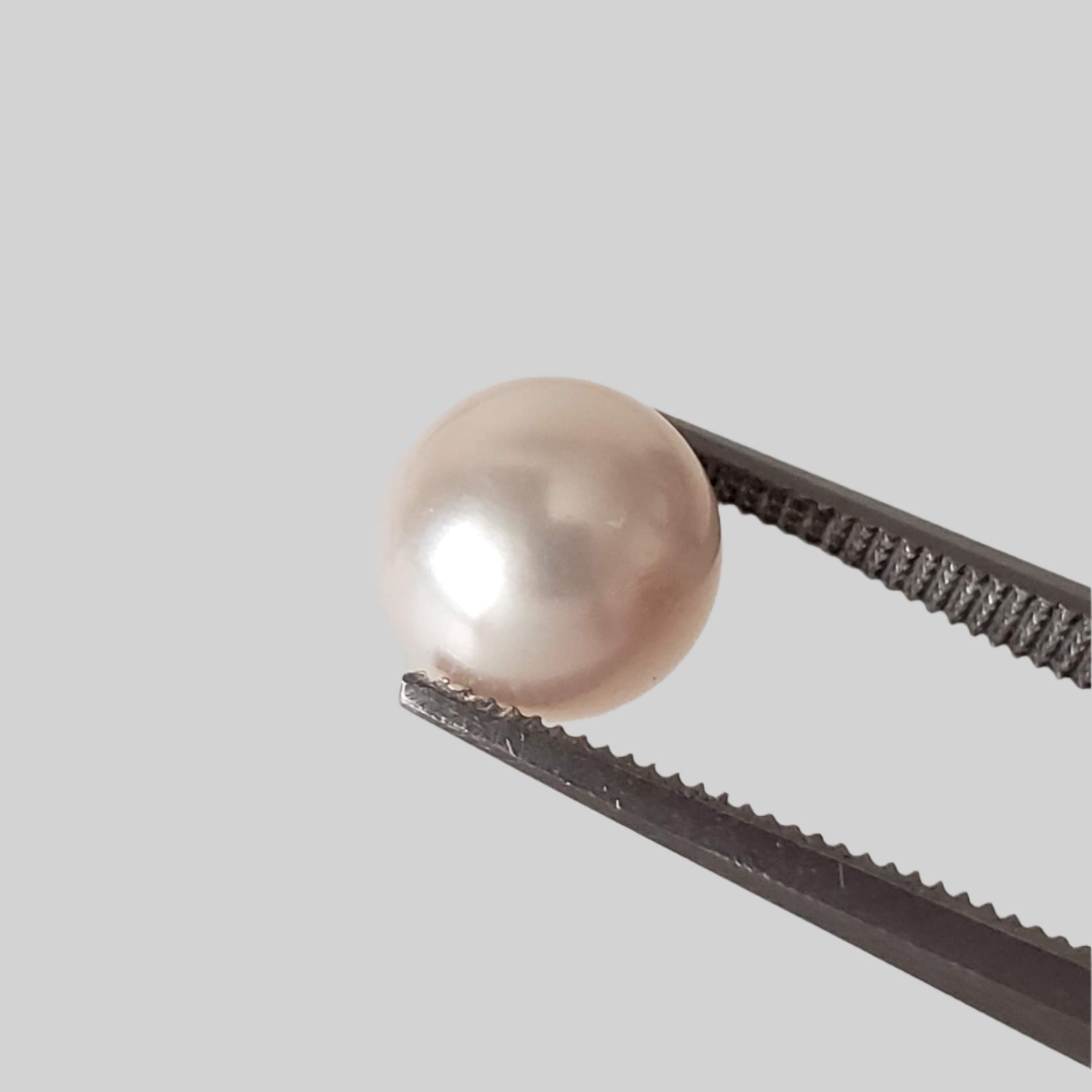
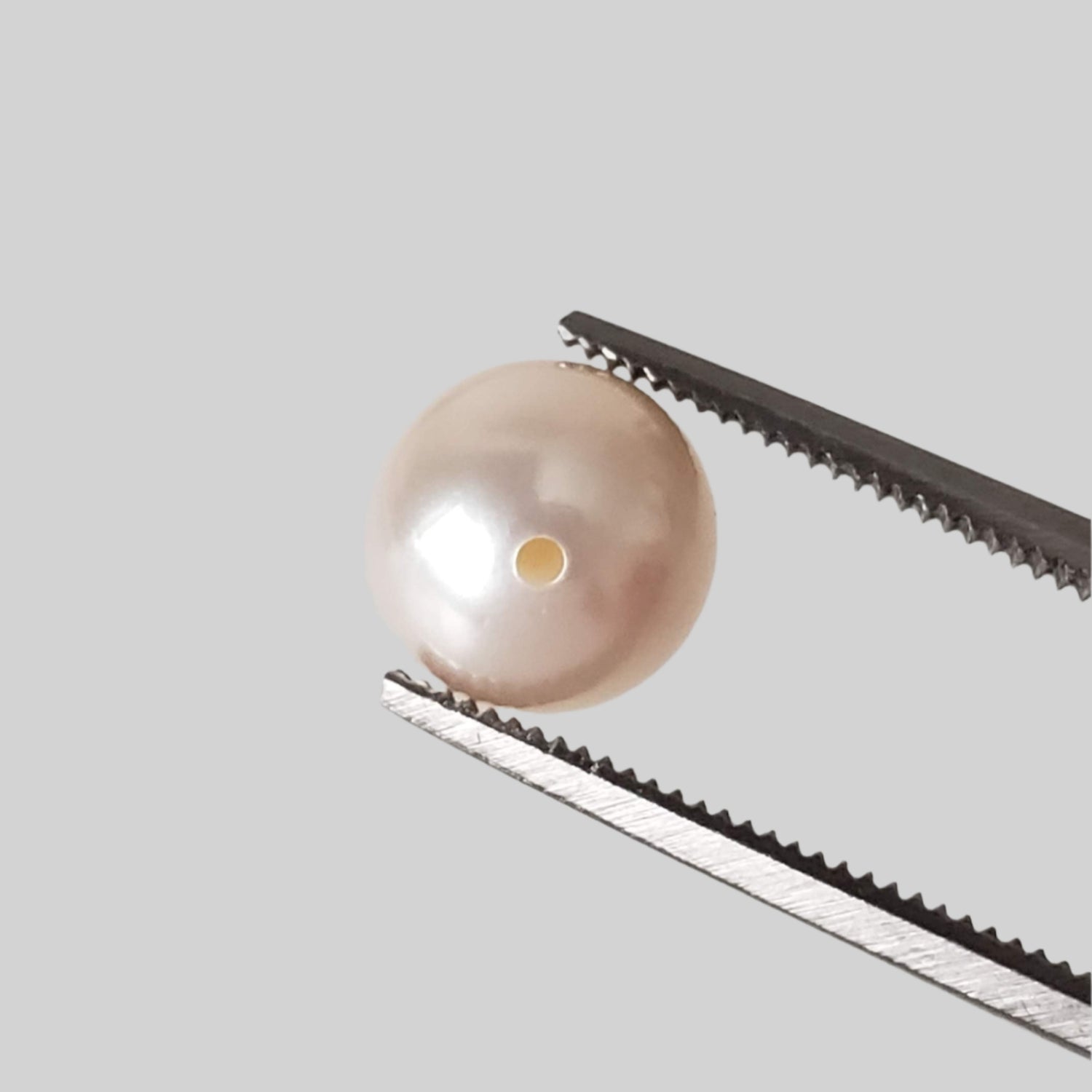
Product Type: Akoya Pearl
Size: 7.5mm (3.13 to 3.23ct)
Shape: Perfect Round
Color: White (Perfect Luster - Natural Color)
Origin: Japan
White Akoya pearls are considered the epitome of classic elegance and are often what people envision when they think of traditional pearls. Cultured in the Pinctada fucata oyster—primarily in Japan and to a lesser extent in China—Akoya pearls are celebrated for their exceptional luster and symmetry.
These pearls are typically perfectly round or near-round, with a smooth surface and a bright, mirror-like shine. Their color is usually white or cream, often enhanced by delicate overtones of rose, silver, or ivory. Akoya pearls generally range in size from 5 mm to 9 mm, though rare specimens can reach up to 10 or even 10.5 mm. The combination of their round shape, sharp luster, and classic color makes perfect round white Akoya pearls especially prized for necklaces, earrings, and bridal jewelry.
Comes with a certificate of authenticity.
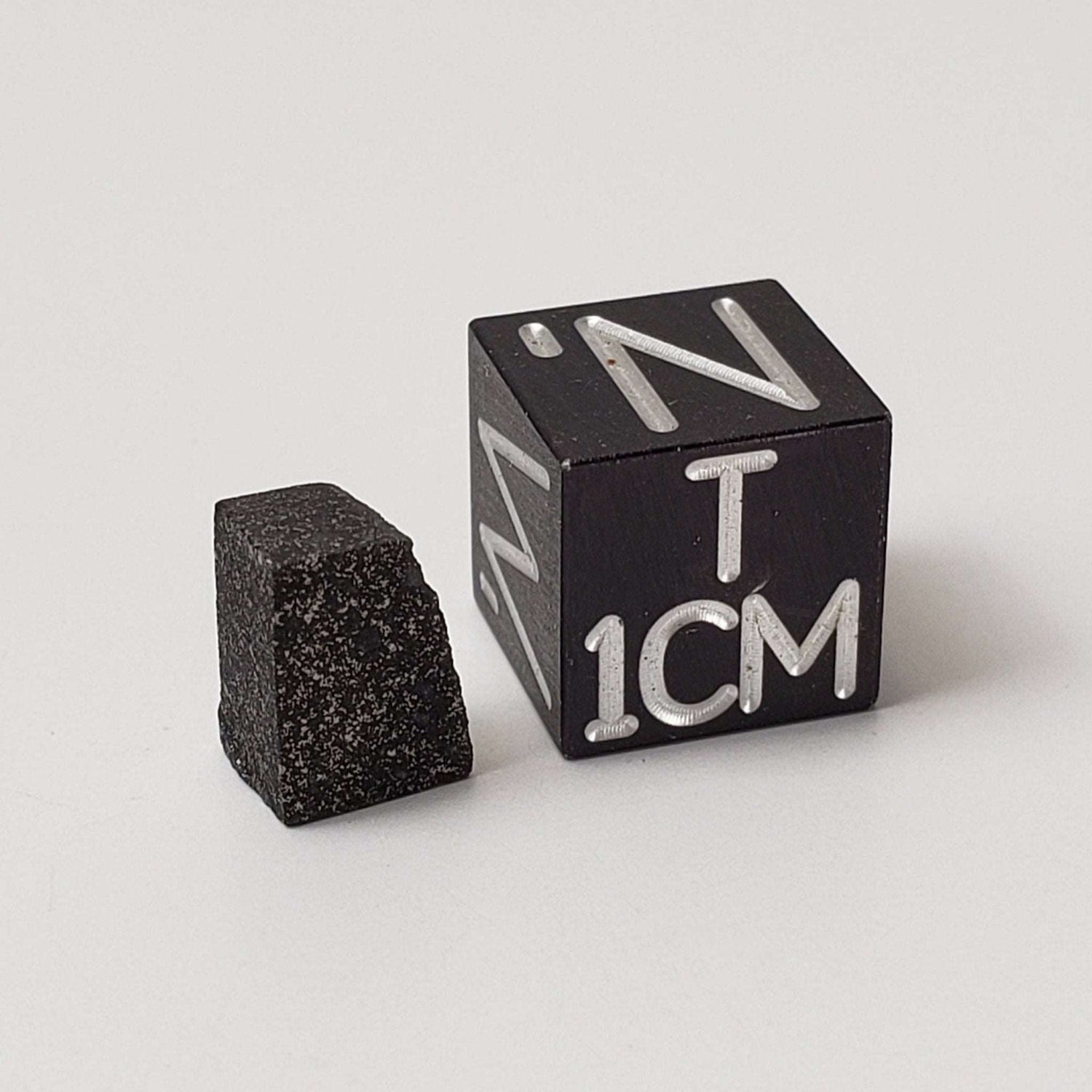
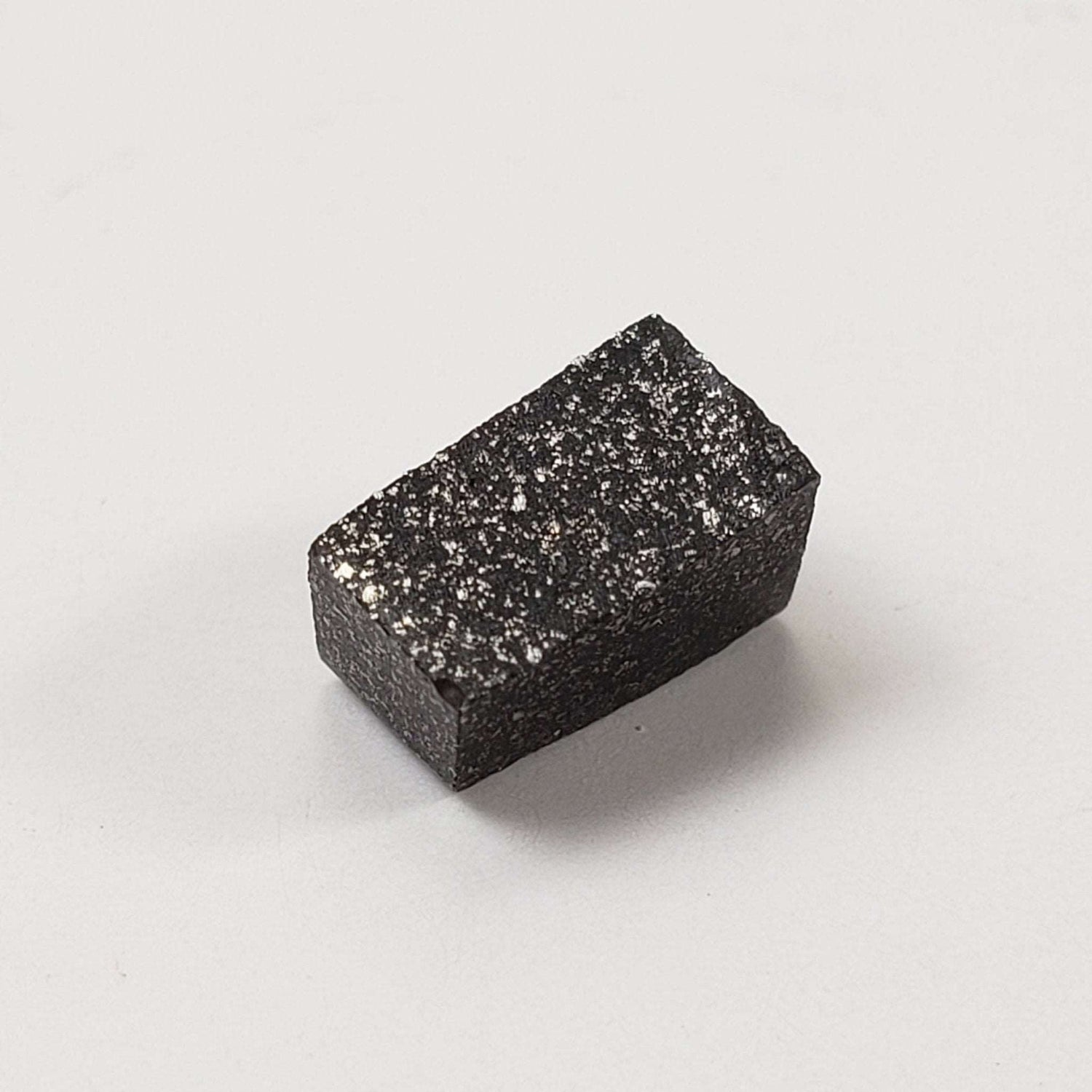
This is an incredible part slice of the Abee meteorite (MB 8) that fell in Alberta, Canada at 11:05 p.m. on June 9th 1952. It took five days to find it in a wheat field belonging to Mr. Harry Buryn. It is located in the community of Abee, Alberta, Canada in Thorhild County, along the Canadian National Railway and Highway 63, 16 km north of Thorhild and 49 km from Boyle.
This rare and highly collectable EH4 Enstatite chondrite is 1 of only 21 approved meteorites classified as such, 1 of 3 being an observed fall and only 1 of 5 not found in Antarctica. The total Mass is registered at 107 Kilograms in one stone recovered from a 6 ft (1.8 m) deep crater. This is a great specimen at 0.6 grams.
This piece of the hard to acquire Abee meteorite is a high quality specimen that would make an amazing addition to any new or existing collection. Comes with a Michael Cottingham Meteorites and a Canagem Collection specimen card.


This is a fine part slice specimen of the Northwest Africa (NWA) 2845 meteorite found in the Sahara Desert in 2004. This nice collectible H4 chondrite consists of a brecciated matrix with light and dark clasts and is characterized by abundant chondrules and metal flakes. The total Mass is registered at 546 grams from a single stone. The Shock stage is recorded at 3 and the Weathering grade is 2. This is a nice piece weighing 3.7 grams with dimensions of 32x23x2 mm.
This piece displays very well and would be a beautiful addition to any new or existing collection. This specimen is housed in a display box and comes with a Canagem Collection specimen card.


Here we have for you a superb looking Dhofar 020 classified meteorite weighing 73.5 grams. Its dimensions are 46x33x43 mm. Found 10 March 2000 in Dhofar, Oman, in the Arabian Peninsula this H4/5 classified chondrite has a TKW of 256 Kg with a shock stage of S4 and weathering grade of W3 by the Russian Academy of Sciences, USSR.
The following is an excerpt from Mark Bostick's review of this meteorite: "Dhofar 020 is a ordinary stone chondrite meteorite. The meteorite is high in free metal and therefore falls in the H class. S4 tells it is highly shocked. Slices of the meteorite, show veins of the cosmic impact created mineral Ringwoodite, although fractures in the stone tend to hide this some. It almost appears to me to have splinted upon impact. The meteorite falls in 4-5 petrology class, a reference to how metamorphed the meteorite is from its original state. This is judged by studying a thin section of the meteorite, most visually at the chondrules, a feature unique to stone meteorite. In a thin section under polarized light, pyroxene chondrules seem more common then their olivine pair. Still some regions in the meteorite show scattered patches of bright olivine inclusions. These are fairly rare, at least on my thin section, and most of the meteorite's olivine and pyroxene, some of the easier things to see in a thin section, appear to have went through a metamorphism, and have "melted" into the matrix and are at times undistinguishable."
This piece displays extremely well showing a beautiful crust, superb shape and good size. Would be a beautiful addition to any new or existing collection. Comes with a Canagem Collection specimen card.
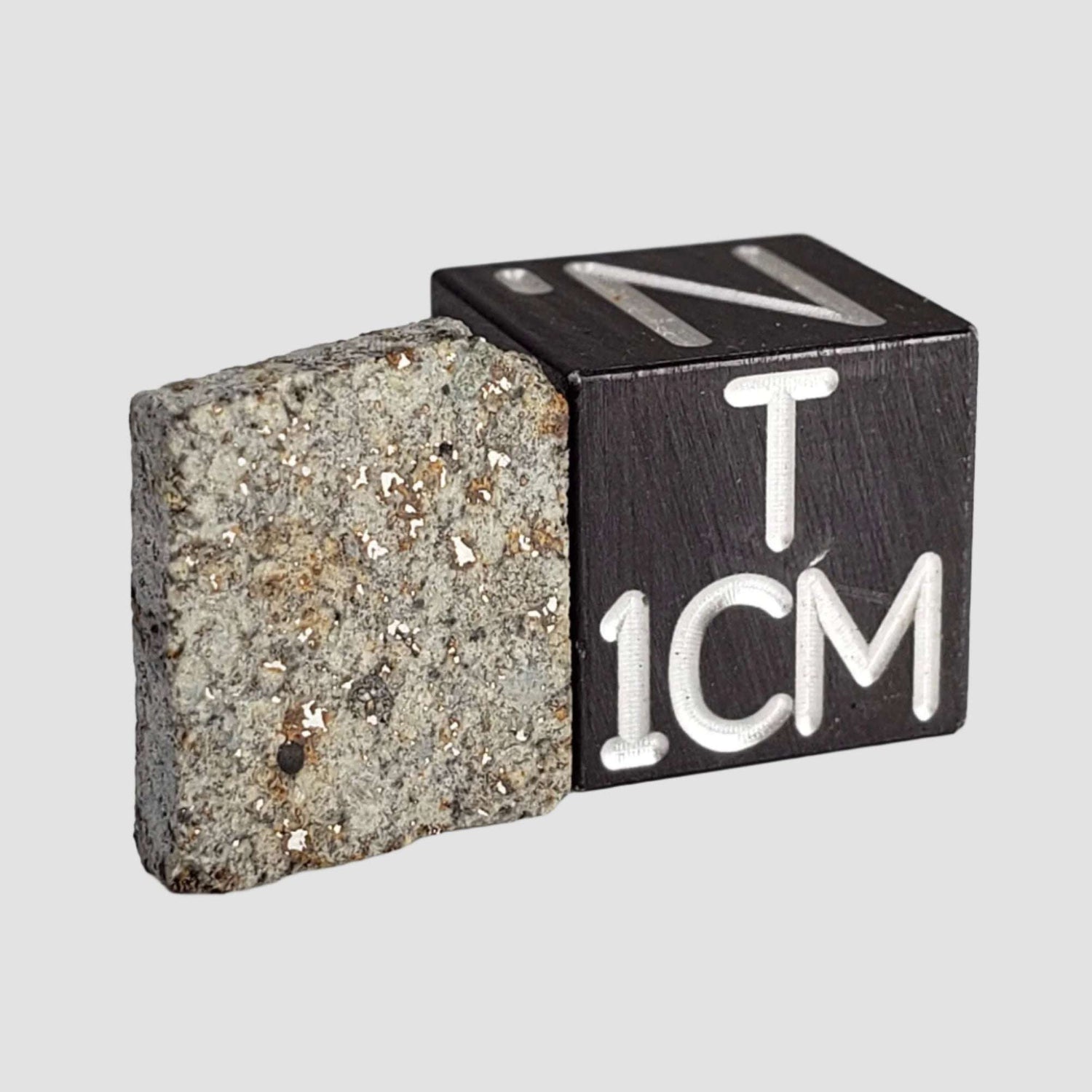

This is a great looking part slice of the Kabo H4 classified meteorite. It weighs 0.75 grams and measures 11x9x2 mm. The Kabo meteorite fell on April 25, 1971, at about 4:30 p.m. local time (1530 GMT), in Kabo, Gwarzo District, Kano State, Nigeria. The total known weight of the meteorite is 13.4 kg.
The shower occurred on a Sunday afternoon while farmers were in their fields. Sound directions and crater asymmetry indicated that the meteorite approached from the west. "Thunder-like sounds were heard consecutively and these were followed by the inclined descent of a reddish object with trails of cloudy smoke following it". During the following week the District Head collected the specimens and forwarded them to the Emir of Kano. One specimen was recovered in two pieces of about 3 kg each, one stone weighed over 5 kg, one almost 3 kg, and the smallest 0.9 kg.
The specimen comes with a Michael Cottingham Collection and a Canagem Collection specimen card. Would be a beautiful addition to any new or existing collection.

This is an aluminum label with all the information regarding the Suizhou, China meteorite. This flat model fits nicely in a Riker type box or our own Alder wooden boxes. An excellent way of identifying and displaying your collection of meteorites.

This is an aluminum label with all the information regarding the Saratov, Russia meteorite. This flat model fits nicely in a Riker type box or our own Alder wooden boxes. An excellent way of identifying and displaying your collection of meteorites.
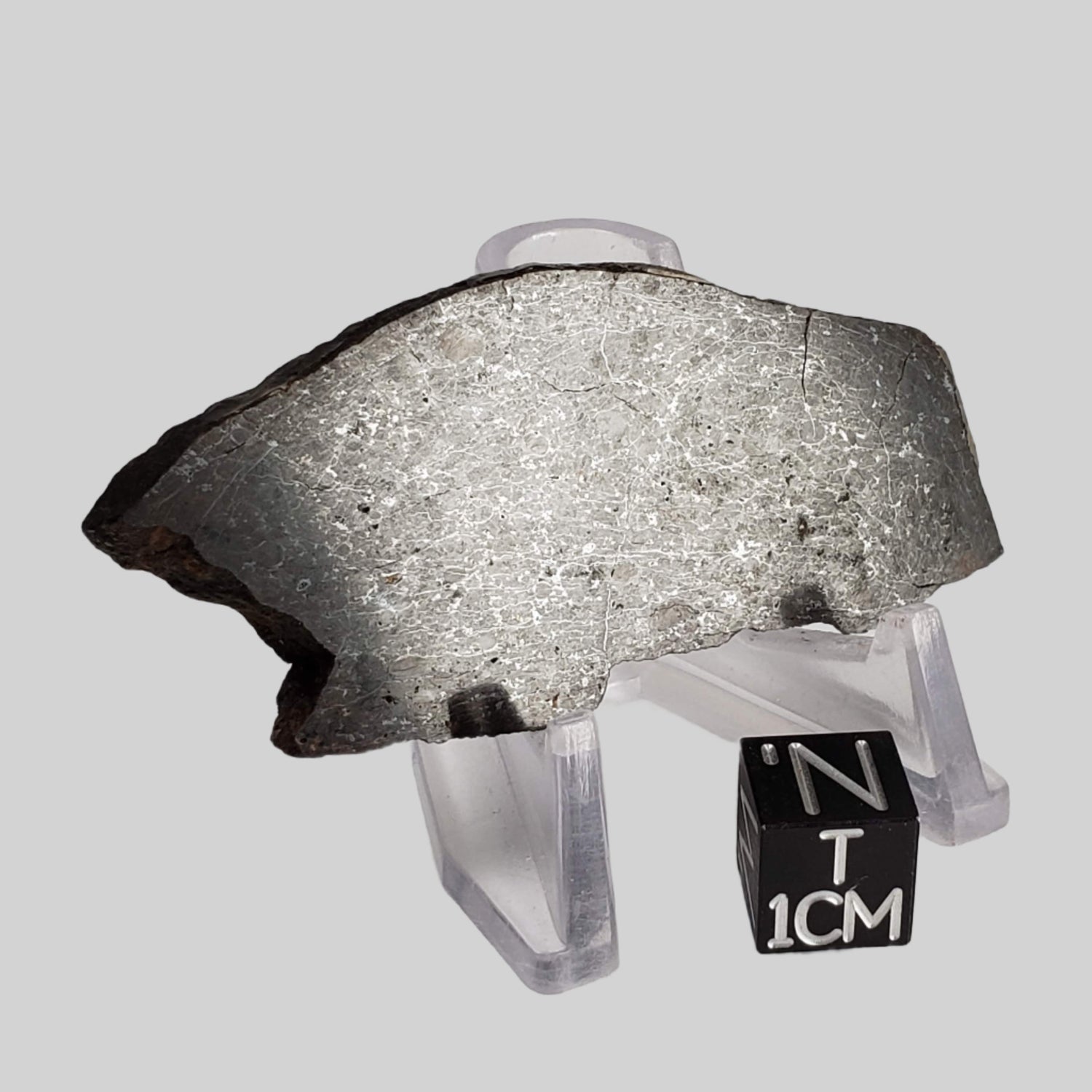
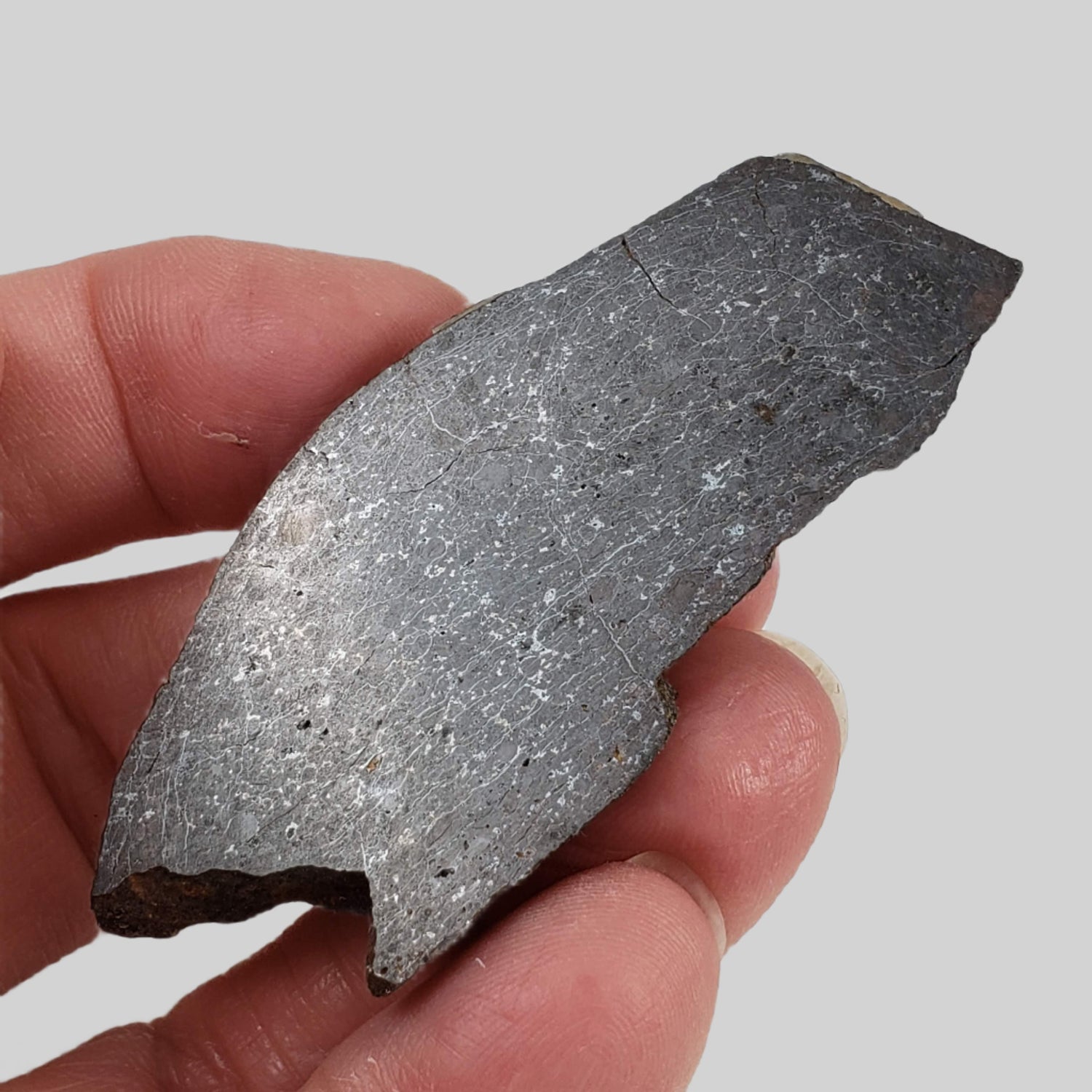
This is a great looking Dhofar 273 classified meteorite weighing 20.4 grams. Its dimensions are 62x28x5 mm. This L5 classified meteorite was found in Zufar, Oman in 2001. The total weight of the single piece recovered is recorded as 2.085 kg and the meteorite has a shock stage of 4 and weathering grade of 3. This piece displays extremely well because of its beautiful shape and is a great size.
Would be a beautiful addition to any new or existing collection. Comes with a Canagem Collection specimen card.


This is a great looking part slice of Northwest Africa 2849 L4 classified meteorite. It weighs 5.5 grams and measures 27x22x6 mm. This meteorite was found in the Sahara Desert in 2004 and the total recovered weight is recorded as a low 846 grams. It has a Shock stage of 2 and a Weathering grade of 3.
This is a very good quality L4 classified meteorite part slice and is unusually consisting of a chocolate brown mottled matrix with large inclusions and chondrules. This meteorite is quite friable and porous.
This specimen will come protected in a protective case and include a Canagem Collection specimen card. Would be a beautiful addition to any new or existing collection.


This is a fabulous 16.2 gram Sericho Pallasite Main Group meteorite, it measures 28x26x17. In 2016, two brothers were searching for their camels and came across several large, dense stones west of the village of Habaswein and south of Sericho, Kenya. Though recognized as meteorites in 2016, the masses had been known to camel-herders for decades. One village elder said that as a child, he and his brothers would play on top of the stones. It is classified as an Iron Pallasite main group with low weathering and is 1 of only 68 approved meteorites classified as such, with a recovered weight of about 2.8 T.
This piece displays extremely well and is a nice size showing great features. Would be a beautiful addition to any new or existing collection. Comes with a Canagem Collection specimen card.

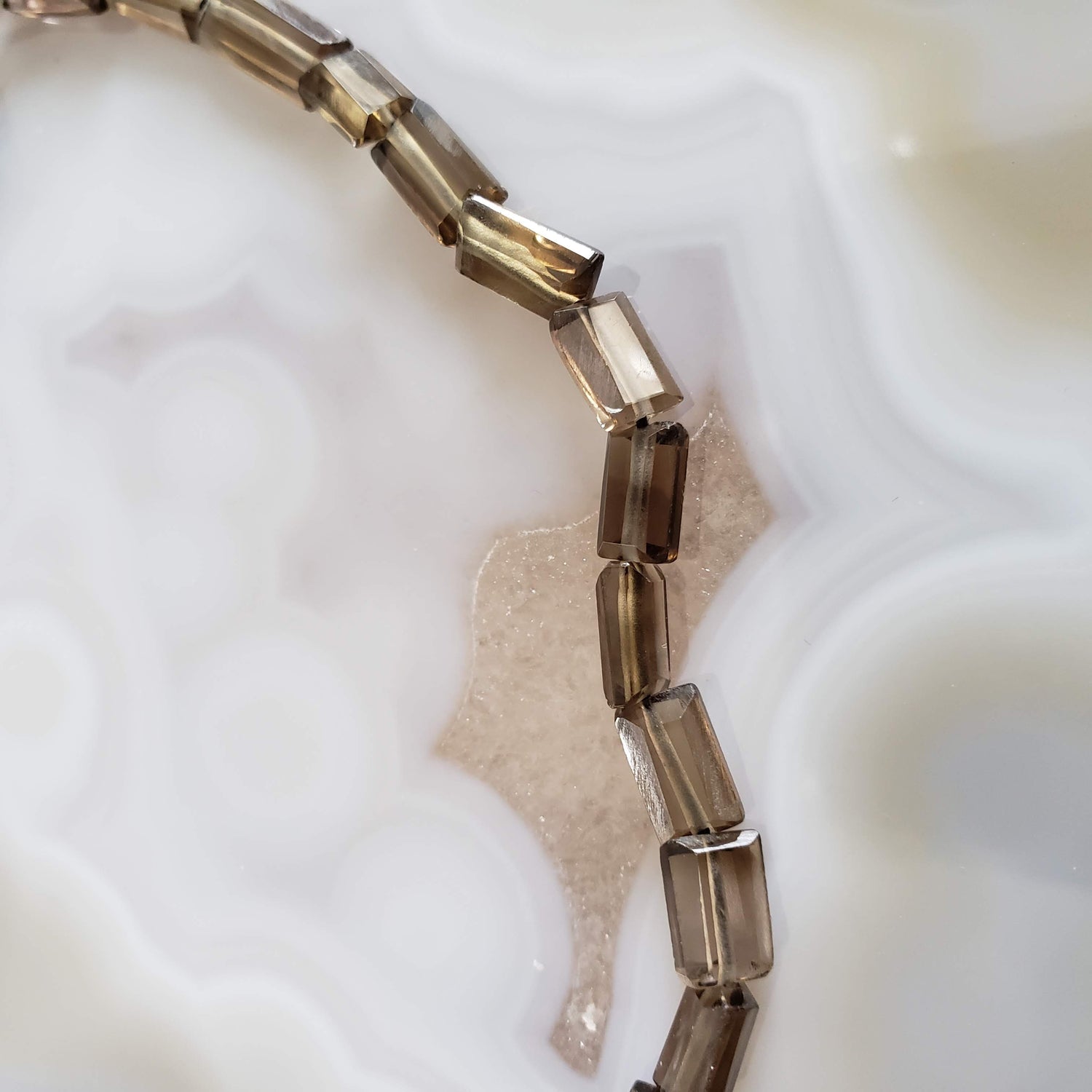
This is a strand of Smoky Quartz beads with an overall length of 39 cm (15.3 inches). The individual gemstone beads are rectangular in shape and range in size from 7x3 to 12x3 mm. In total, the bead strand contains over 54ct of natural Smoky Quartz beads.
Product Type: Smoky Quartz Beads
Approx Weight (per Strand): 54.4ct
Bead Size: 7x3 to 12x3 mm
Strand Length: 39 cm / 15.3 Inches
Shape: Rectangular Shape
Color: Medium Brown
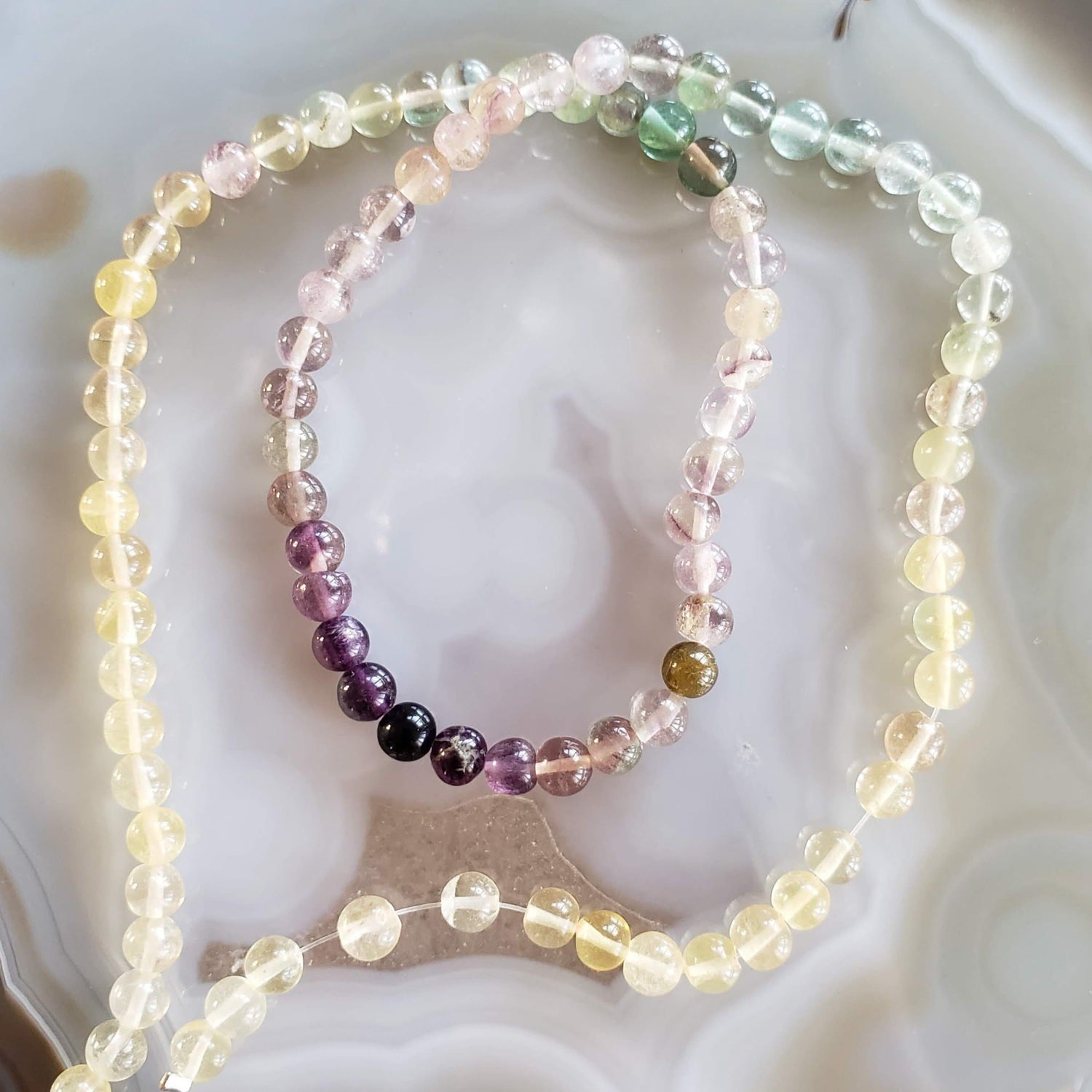
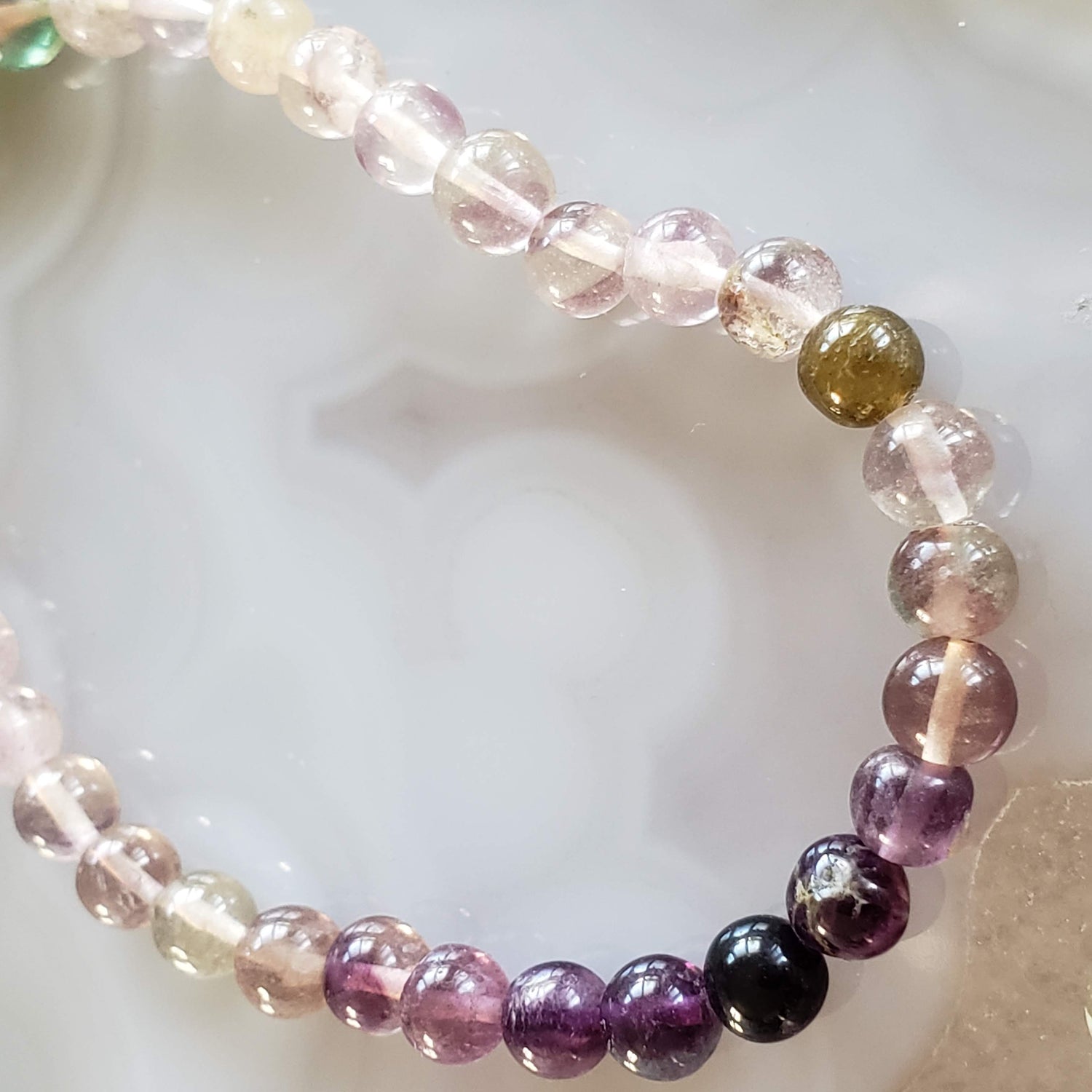
This is a strand of multicolor Fluorite beads with an overall length of 41 cm (16 inches). The individual gemstone beads are round in shape and range in size from 4.5 to 5 mm. In total, the bead strand contains over 78ct of natural Fluorite beads.
Product Type: Fluorite Beads
Approx Weight (per Strand): 78.1ct
Bead Size: 4.5 to 5 mm
Strand Length: 41 cm / 16 inches
Shape: Round
Color: Multicolor


This is a great looking Bereba classified meteorite specimen weighing .19 gram. A single stone weighing 18 kilograms was observed falling on June 27, 1924 at 3:30pm in Burkina Faso This Eucrite-mmict classified meteorite and is 1 of only 304 approved meteorites classified as such. This is a very difficult fall to acquire.
It is recognized as a monomict breccia, providing significant insight into the geological history of the asteroid 4 Vesta, from which it is believed to originate.
This piece is a very desirable type of material and a great specimen all around. The specimen comes in a protective display case. Would be a beautiful addition to any new or existing collection. Comes with a Canagem Collection specimen card plus one from origin.


This is a cute Lapis Lazuli carved elephant pendant with gold plated accents. The elephant trunk is upward-pointed which is said to bring energy, luck, prosperity and kindness.
Lapis lazuli is a vivid blue metamorphic rock and a gemstone that has been prized for its intense color and historical significance for thousands of years. It's composed of lazurite (for the blue color), calcite, sodalite, and pyrite. It is the presence of pyrite that causes the gold-colored flecks or veins in the stone. Lapis lazuli has a moderate hardness, typically ranging from 5 to 5.5 on the Mohs scale. High-quality lapis lazuli has been historically sourced from mines in Afghanistan; however, other deposits are found in countries such as Russia, Chile, Italy, and the United States.
Lapis lazuli has been used for various purposes throughout history. It has been highly prized for ornamental and decorative purposes, including as a gemstone in jewelry and art. The ancient Egyptians used lapis lazuli in the creation of jewelry, amulets, and cosmetics. The pigment ultramarine, derived from lapis lazuli, was highly valued by Renaissance painters.
Lapis lazuli is believed to promote self-awareness and mental clarity.
Product Type: Lapis Lazuli Pendant
Weight : 35.8ct
Size: 31x26mm
Origin: Afghanistan
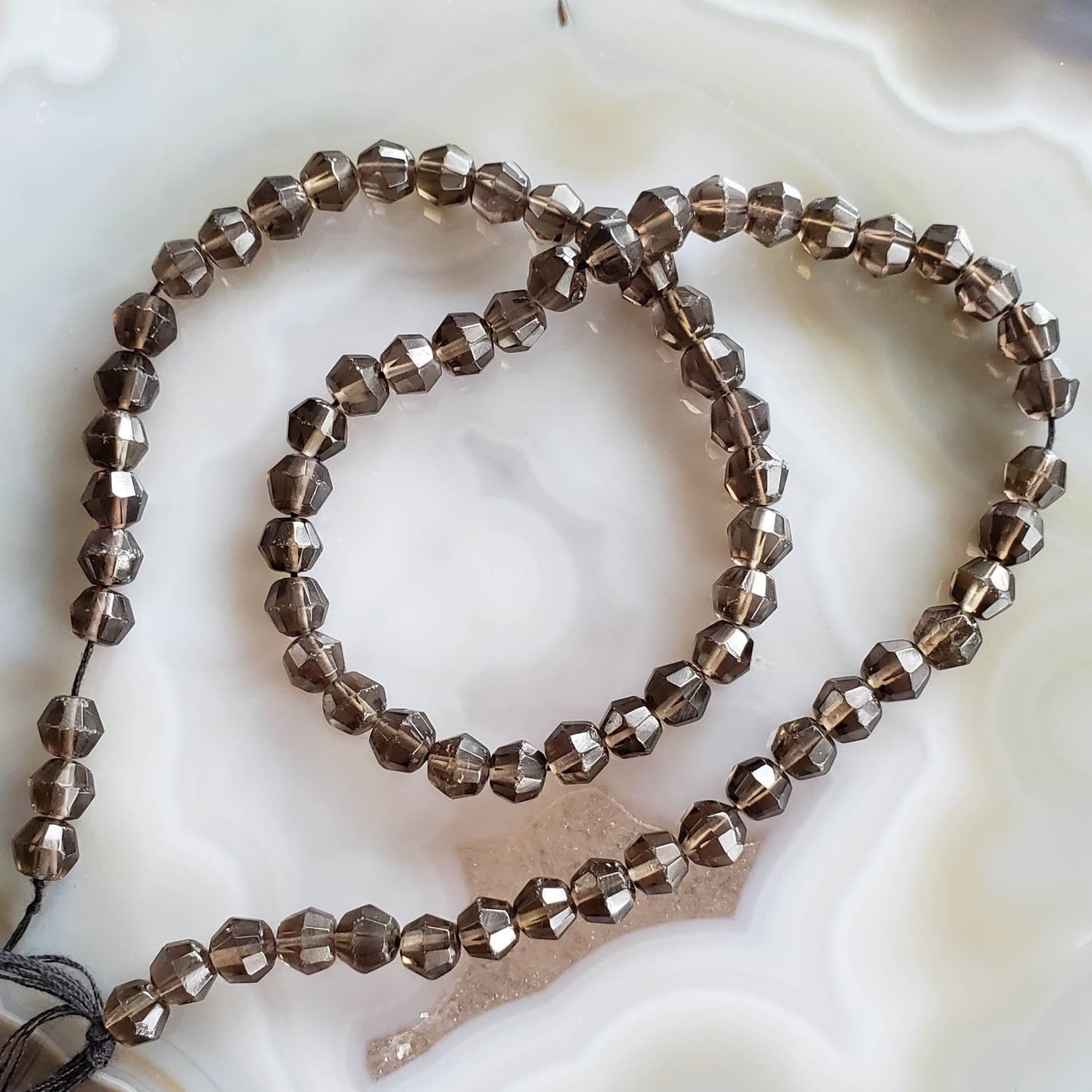

This is a strand of Smoky Quartz beads with an overall length of 38 cm (15 inches). The individual gemstone beads are bicone shaped and are 5.5m in size. In total, the bead strand contains over 78ct of natural Smoky Quartz beads.
Product Type: Smoky Quartz Beads
Approx Weight (per Strand): 78.1ct
Bead Size: 5.5 mm
Strand Length: 38 cm / 15 Inches
Shape: Bicone Shape
Color: Dark Brown
Recently viewed products
Featured


Canagem is proud to be professional member of The International Gem Society(IGS) the world's top resource for gem professionals, enthusiasts, and industry content.