



173 of 273 products
Sort by:
173 of 273 products

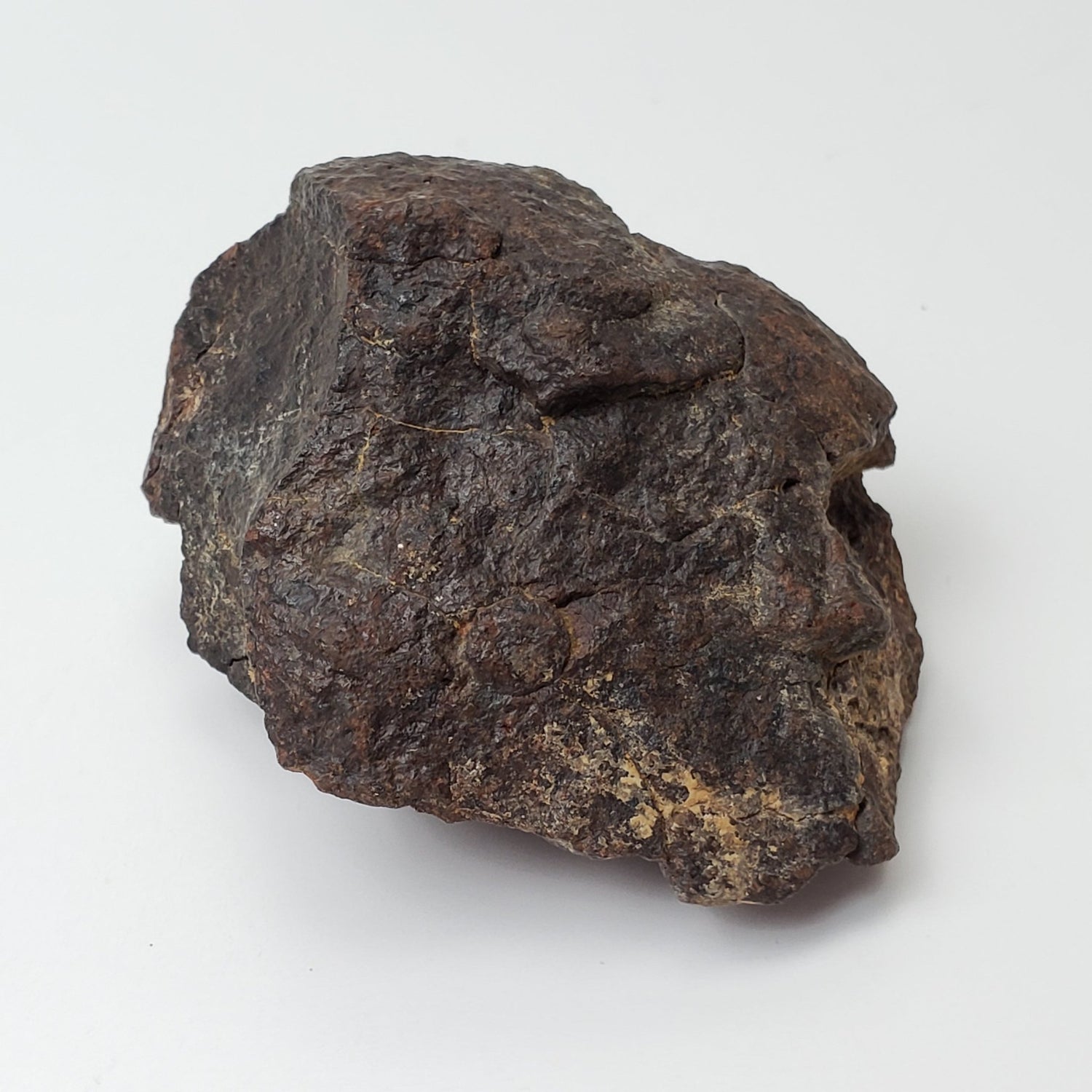
This is a superb looking Dhofar 221 classified meteorite weighing 100.3 grams. Its dimensions are 61x48x30 mm. This L5 classified meteorite was found in Zufar, Oman in 2000. The total weight of the 100's of pieces recovered is recorded as a low 3.54 kg and the meteorite has a shock stage of 3 and weathering grade of 3.
This piece displays extremely well because of its beautiful crust, superb shape and is a good size. Would be a beautiful addition to any new or existing collection. Comes with a Canagem Collection specimen card.


This is a superb looking fragment of the Columbus classified meteorite weighing 4.57 grams. Its dimensions are 18x15x10 mm. This rare H5 classified meteorite was found in Luna County, New Mexico USA in 1997. The total weight of the stones recovered is recorded as a minuscule 165 grams.
Here's what the finder, Michael Cottingham told us: "This is the Meteorite that started it all for me! My wife and I were out looking for meteorites on a dry lake bed in Southern New Mexico and I found one! This was a new meteorite discovery and it only took me 300 hours of searching to find my First One! The COLUMBUS Meteorite was found by me in January of 1997. It was Classified by A. Rubin at UCLA as a H5 Chondrite. It was found near Columbus, Luna County, New Mexico and the Total Known Weight is ONLY 184 grams. Very Rare indeed."
This piece is part of America's history and is 1 of 228 approved meteorites from that location. Would be a beautiful addition to any new or existing collection. Comes with a Michael Cottingham Meteorites and a Canagem Collection specimen cards.


Here we have for you a superb looking Dhofar 020 classified meteorite weighing 49.8 grams. Its dimensions are 68x32x20 mm. Found 10 March 2000 in Dhofar, Oman, in the Arabian Peninsula this H4/5 classified chondrite has a TKW of 256 Kg with a shock stage of S4 and weathering grade of W3 by the Russian Academy of Sciences, USSR.
The following is an excerpt from Mark Bostick's review of this meteorite: "Dhofar 020 is a ordinary stone chondrite meteorite. The meteorite is high in free metal and therefore falls in the H class. S4 tells it is highly shocked. Slices of the meteorite, show veins of the cosmic impact created mineral Ringwoodite, although fractures in the stone tend to hide this some. It almost appears to me to have splinted upon impact. The meteorite falls in 4-5 petrology class, a reference to how metamorphed the meteorite is from its original state. This is judged by studying a thin section of the meteorite, most visually at the chondrules, a feature unique to stone meteorite. In a thin section under polarized light, pyroxene chondrules seem more common then their olivine pair. Still some regions in the meteorite show scattered patches of bright olivine inclusions. These are fairly rare, at least on my thin section, and most of the meteorite's olivine and pyroxene, some of the easier things to see in a thin section, appear to have went through a metamorphism, and have "melted" into the matrix and are at times undistinguishable."
This piece displays extremely well showing a beautiful crust, superb shape and good size. Would be a beautiful addition to any new or existing collection. Comes with a Canagem Collection specimen card.
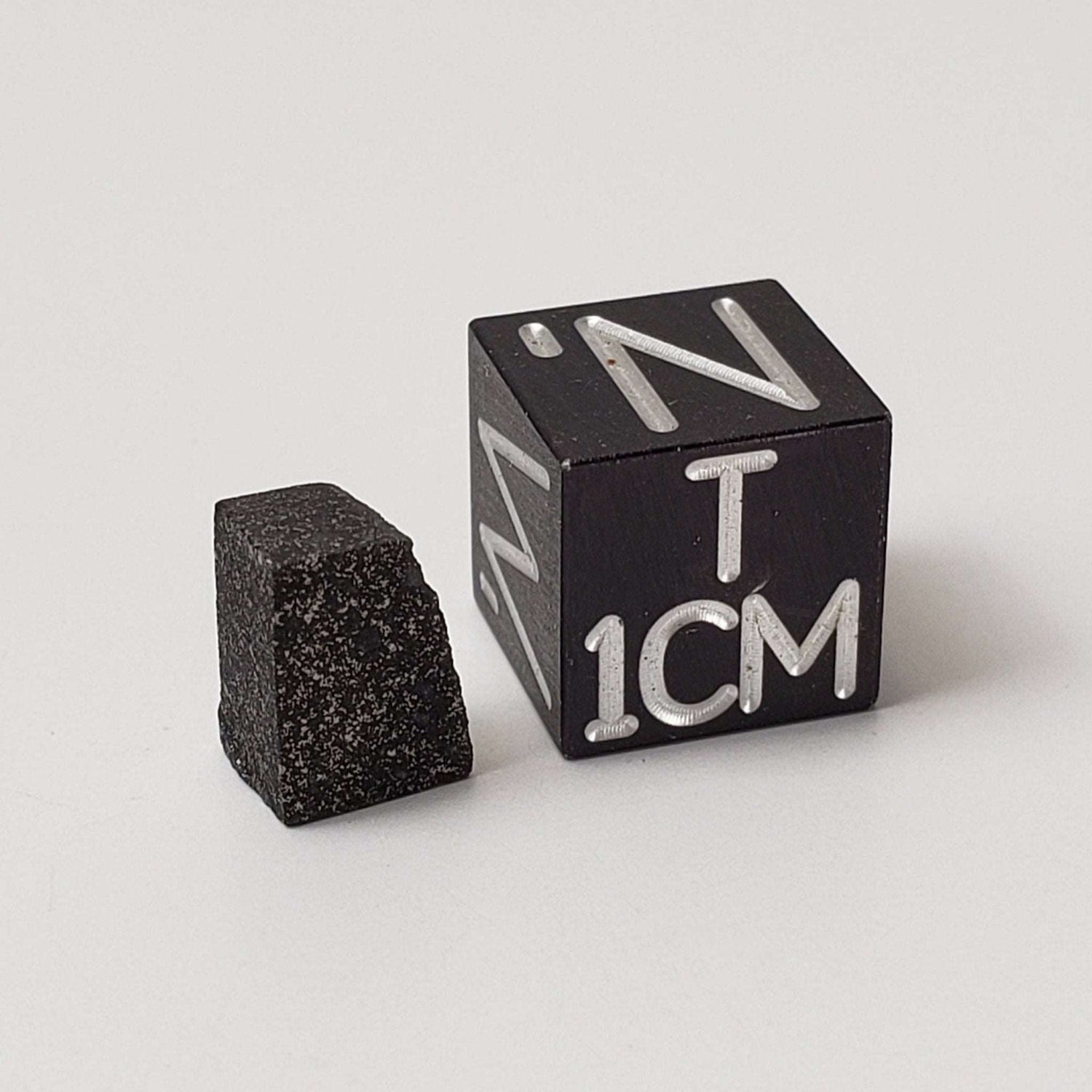
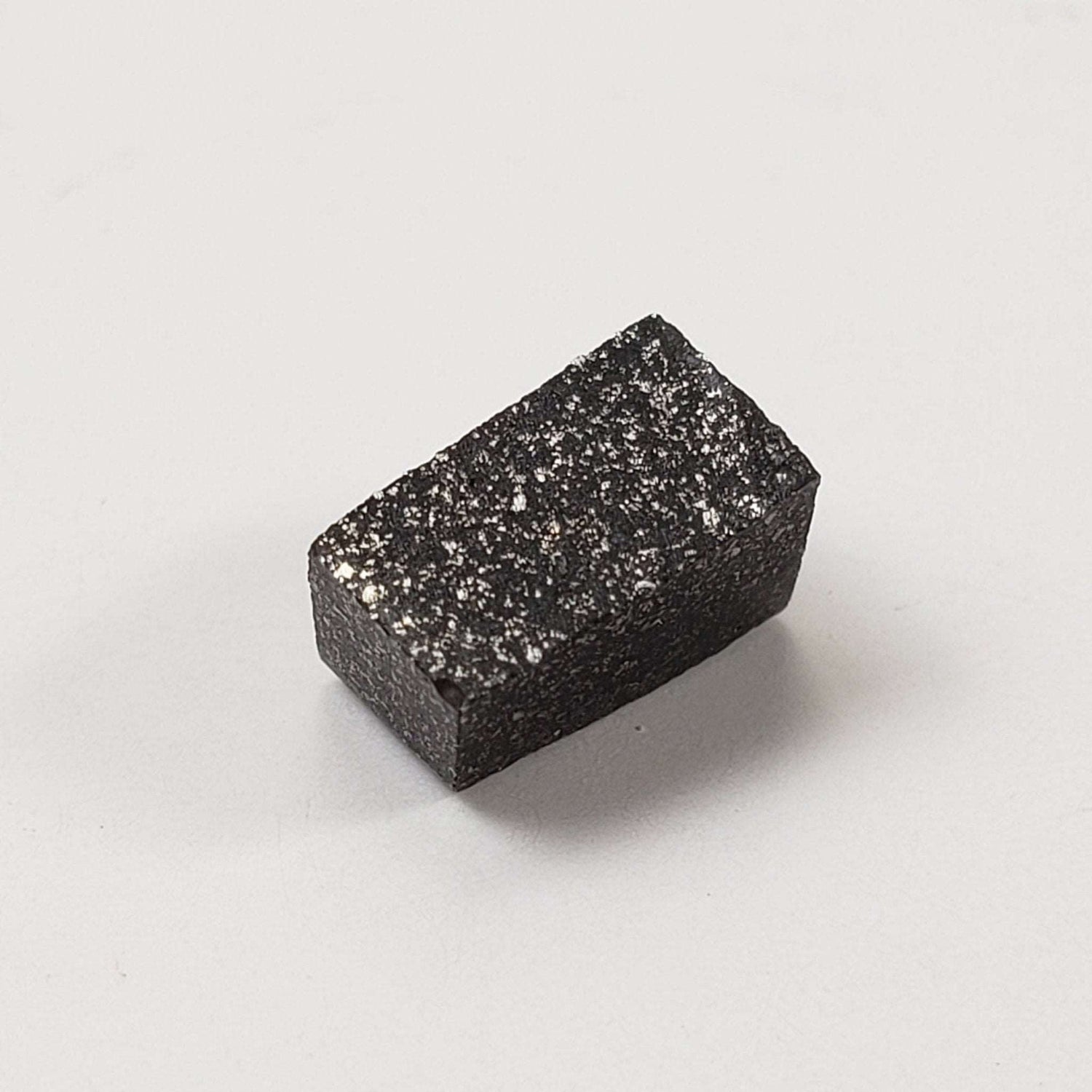
This is an incredible part slice of the Abee meteorite (MB 8) that fell in Alberta, Canada at 11:05 p.m. on June 9th 1952. It took five days to find it in a wheat field belonging to Mr. Harry Buryn. It is located in the community of Abee, Alberta, Canada in Thorhild County, along the Canadian National Railway and Highway 63, 16 km north of Thorhild and 49 km from Boyle.
This rare and highly collectable EH4 Enstatite chondrite is 1 of only 21 approved meteorites classified as such, 1 of 3 being an observed fall and only 1 of 5 not found in Antarctica. The total Mass is registered at 107 Kilograms in one stone recovered from a 6 ft (1.8 m) deep crater. This is a great specimen at 0.6 grams.
This piece of the hard to acquire Abee meteorite is a high quality specimen that would make an amazing addition to any new or existing collection. Comes with a Michael Cottingham Meteorites and a Canagem Collection specimen card.


Here we have for you a superb looking Dhofar 020 classified meteorite weighing 40.3 grams. Its dimensions are 56x37x14 mm. Found 10 March 2000 in Dhofar, Oman, in the Arabian Peninsula this H4/5 classified chondrite has a TKW of 256 Kg with a shock stage of S4 and weathering grade of W3 by the Russian Academy of Sciences, USSR.
The following is an excerpt from Mark Bostick's review of this meteorite: "Dhofar 020 is a ordinary stone chondrite meteorite. The meteorite is high in free metal and therefore falls in the H class. S4 tells it is highly shocked. Slices of the meteorite, show veins of the cosmic impact created mineral Ringwoodite, although fractures in the stone tend to hide this some. It almost appears to me to have splinted upon impact. The meteorite falls in 4-5 petrology class, a reference to how metamorphed the meteorite is from its original state. This is judged by studying a thin section of the meteorite, most visually at the chondrules, a feature unique to stone meteorite. In a thin section under polarized light, pyroxene chondrules seem more common then their olivine pair. Still some regions in the meteorite show scattered patches of bright olivine inclusions. These are fairly rare, at least on my thin section, and most of the meteorite's olivine and pyroxene, some of the easier things to see in a thin section, appear to have went through a metamorphism, and have "melted" into the matrix and are at times undistinguishable."
This piece displays extremely well showing a beautiful crust, superb shape and good size. Would be a beautiful addition to any new or existing collection. Comes with a Canagem Collection specimen card.
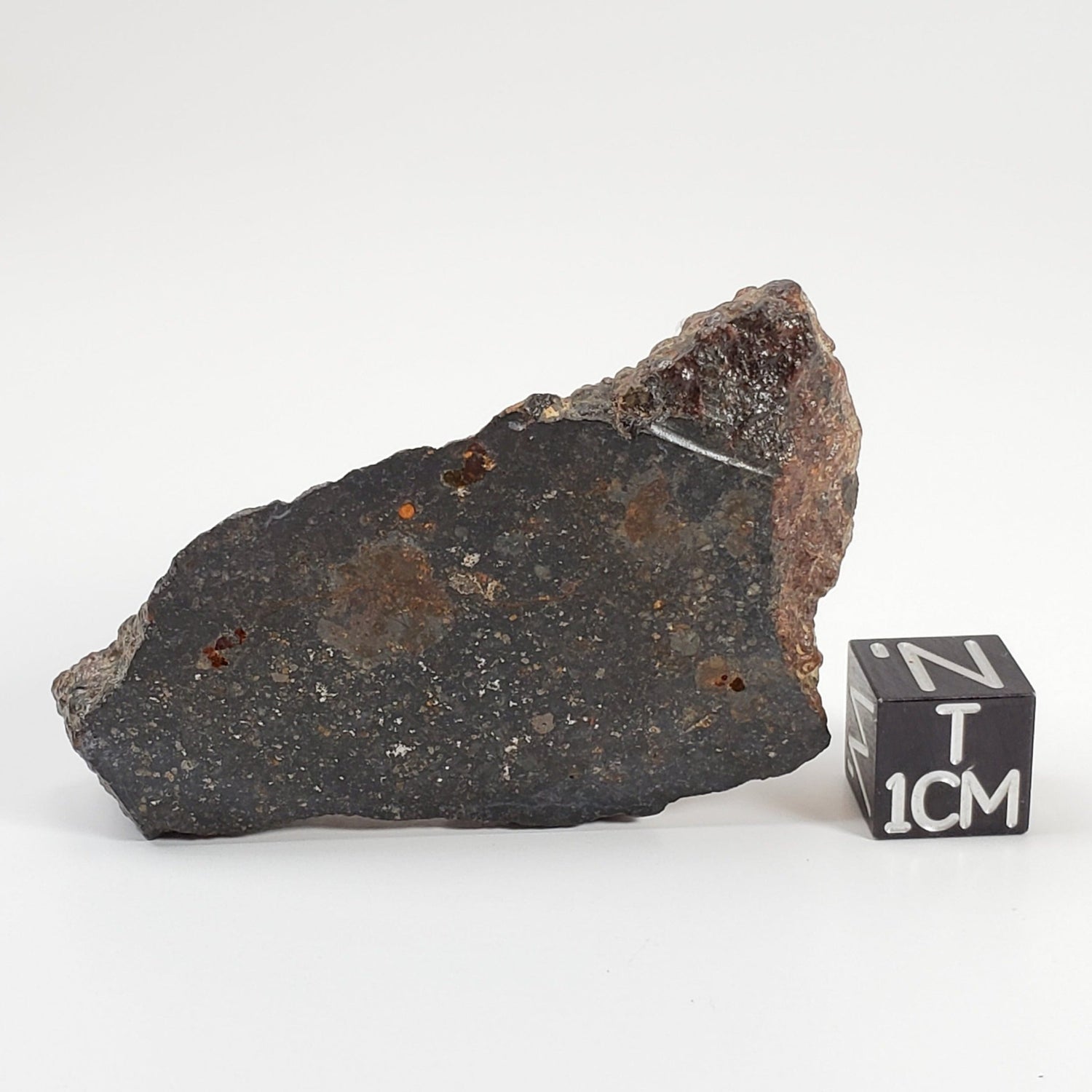
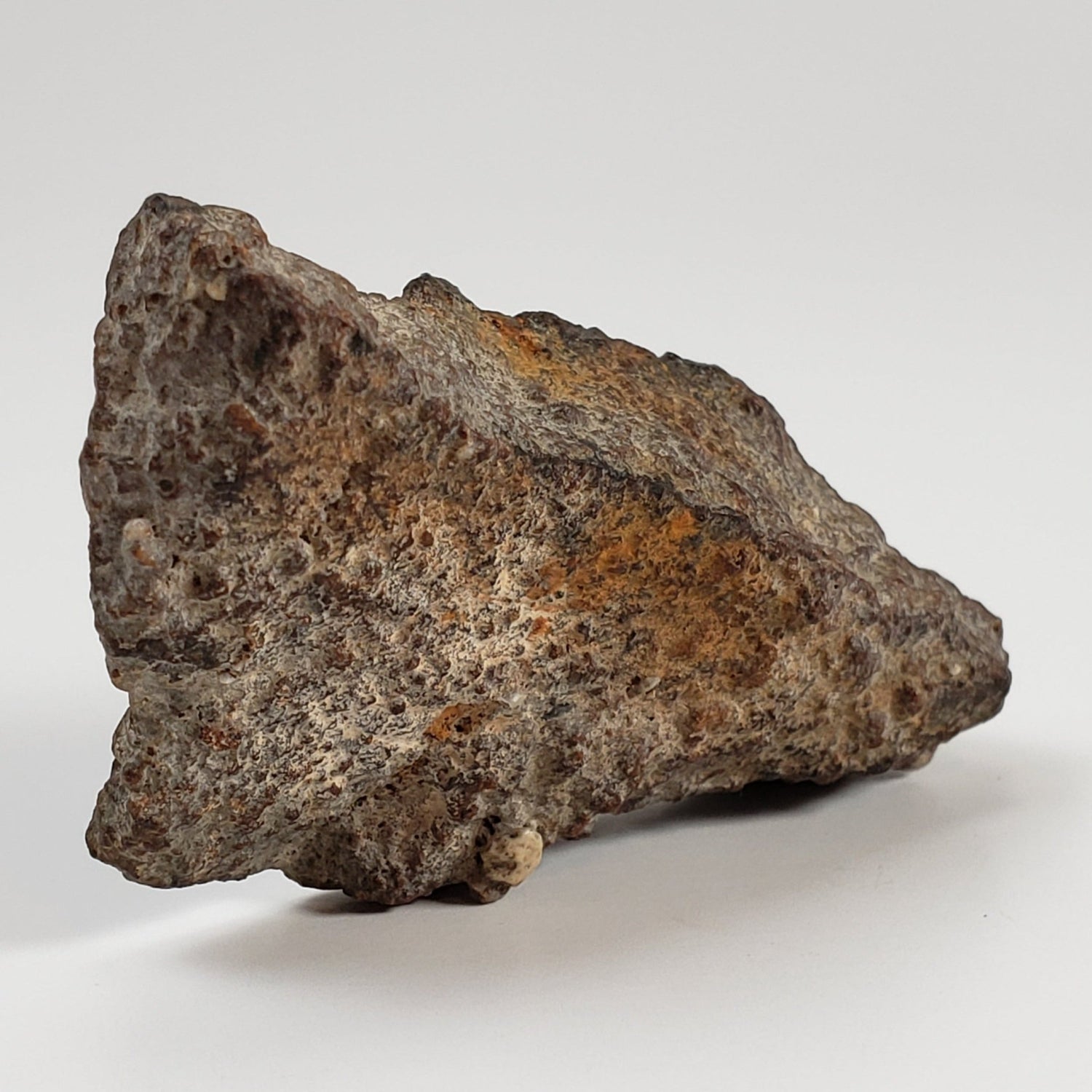
This is a fabulous Ghubara meteorite end cut from the Michael Cottingham Collection, weighing 36.12 grams and measuring 56x30x14 mm. It was found in Oman, Southern Arabia in 1954 and is classified as an L5 Stony Black Chondrite.
This piece displays extremely well with a high gloss finish and would be a beautiful addition to any new or existing collection. Comes with a Michael Cottingham Collection and a Canagem Collection specimen card.


This is a superb looking Spade meteorite part slice weighing 0.8 gram. This H6 chondrite classified meteorite was found in 2000 and has a total weight of 8.86 Kg.
This single mass of 8.86 kg was found in a grass field by Mr. J. Talbert while farming. The classification and mineralogy performed by R. Jones, UNM and A. Rubin, UCLA, determined it to be an annealed impact melt rock. It has a shock stage of S2 and a moderate weathering grade of W2.
Would be a beautiful addition to any new or existing collection. Will come with a Canagem Collection specimen card.


This is a great looking H5 classified meteorite and a great looking professionally prepared full slice, this excellent specimen weighs 15.88 grams and represents the Capot Rey meteorite found in 2004 in Niger. The total know weight of the find is at 38 Kilograms with a shock stage of S2 and weathering degree of W1. This full slice measures 55x32x3 mm.
Many stony fragments totalling 38 kg were found by by G. Moreau in the erg Capot-Rey, Ténéré du Tafassasset, Niger. The stones define an elliptical strewn-field measuring 7x3.5 km, with a NE-SW major axis. The largest fragment weighs 2 kg.
Would be a beautiful addition to any new or existing collection. A great display piece, it comes with a Gi-Po-de Collection and a Canagem Collection specimen card.
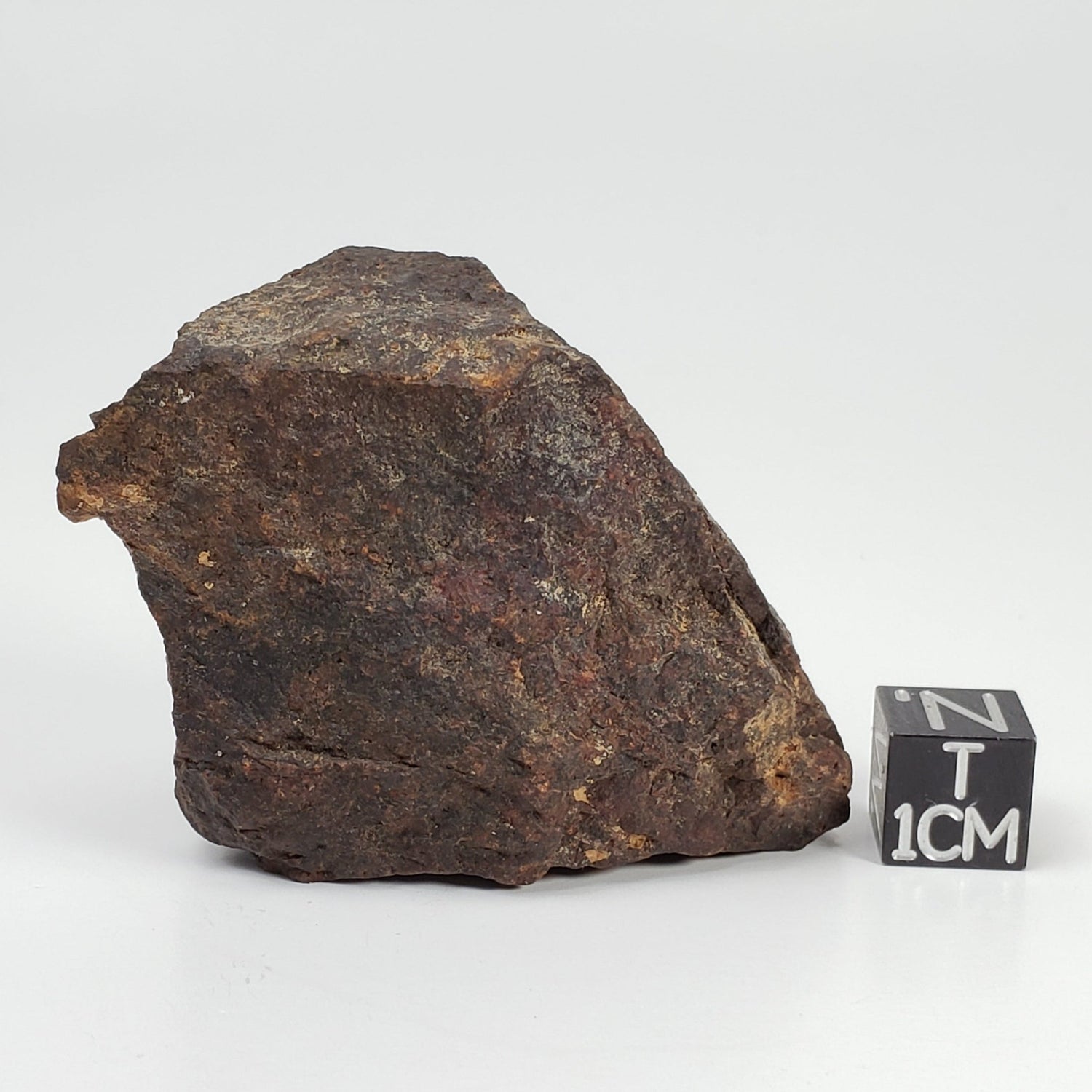
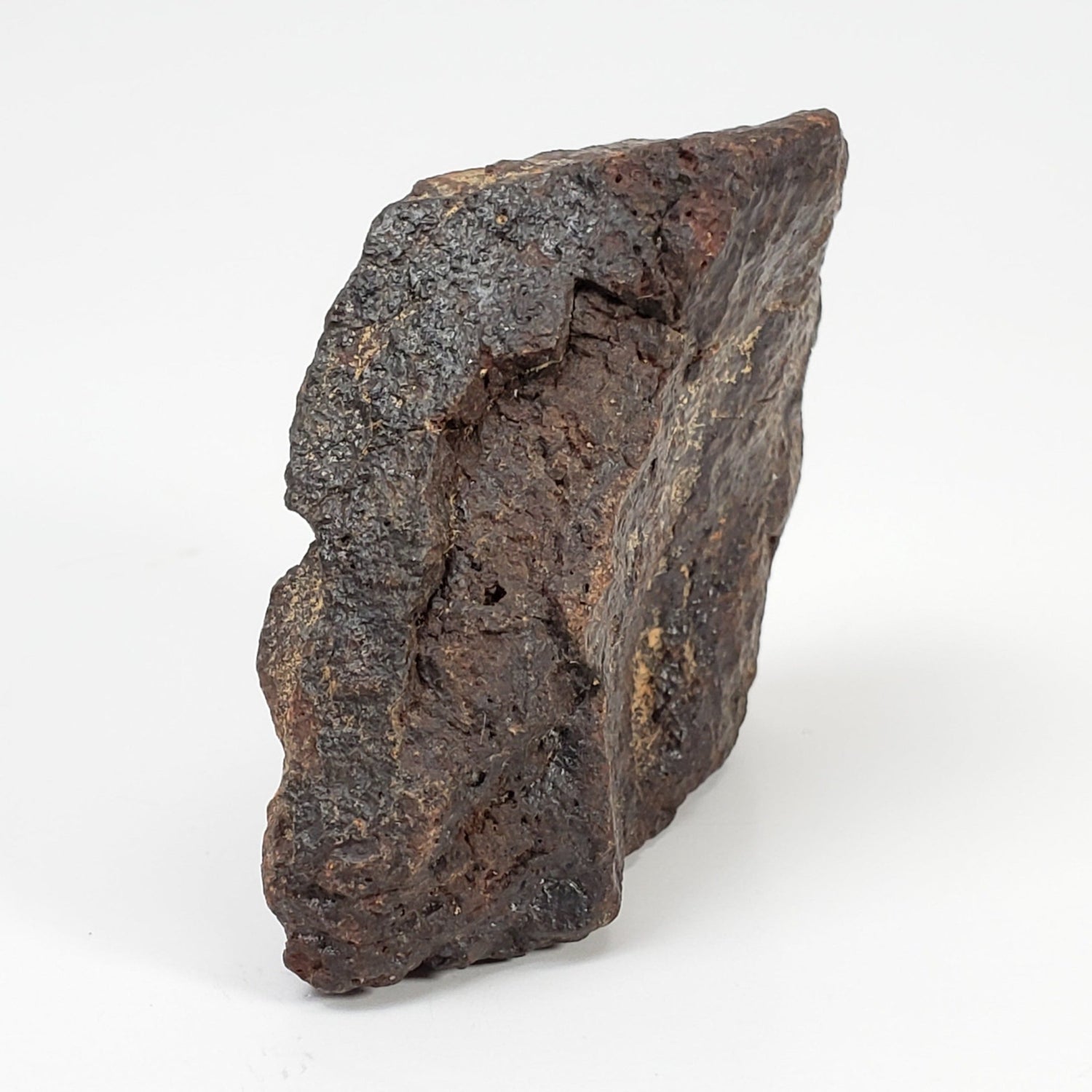
This is a superb looking Dhofar 221 classified meteorite weighing 66.8 grams. Its dimensions are 61x43x17 mm. This L5 classified meteorite was found in Zufar, Oman in 2000 and is 1 of 3003 approved meteorites classified as such. The total weight of the 100's of pieces recovered is recorded as a low 3.54 kg and the meteorite has a shock stage of 3 and weathering grade of 3.
This piece displays extremely well because of its beautiful crust, superb shape and is a good size. Would be a beautiful addition to any new or existing collection. Comes with a Canagem Collection specimen card.
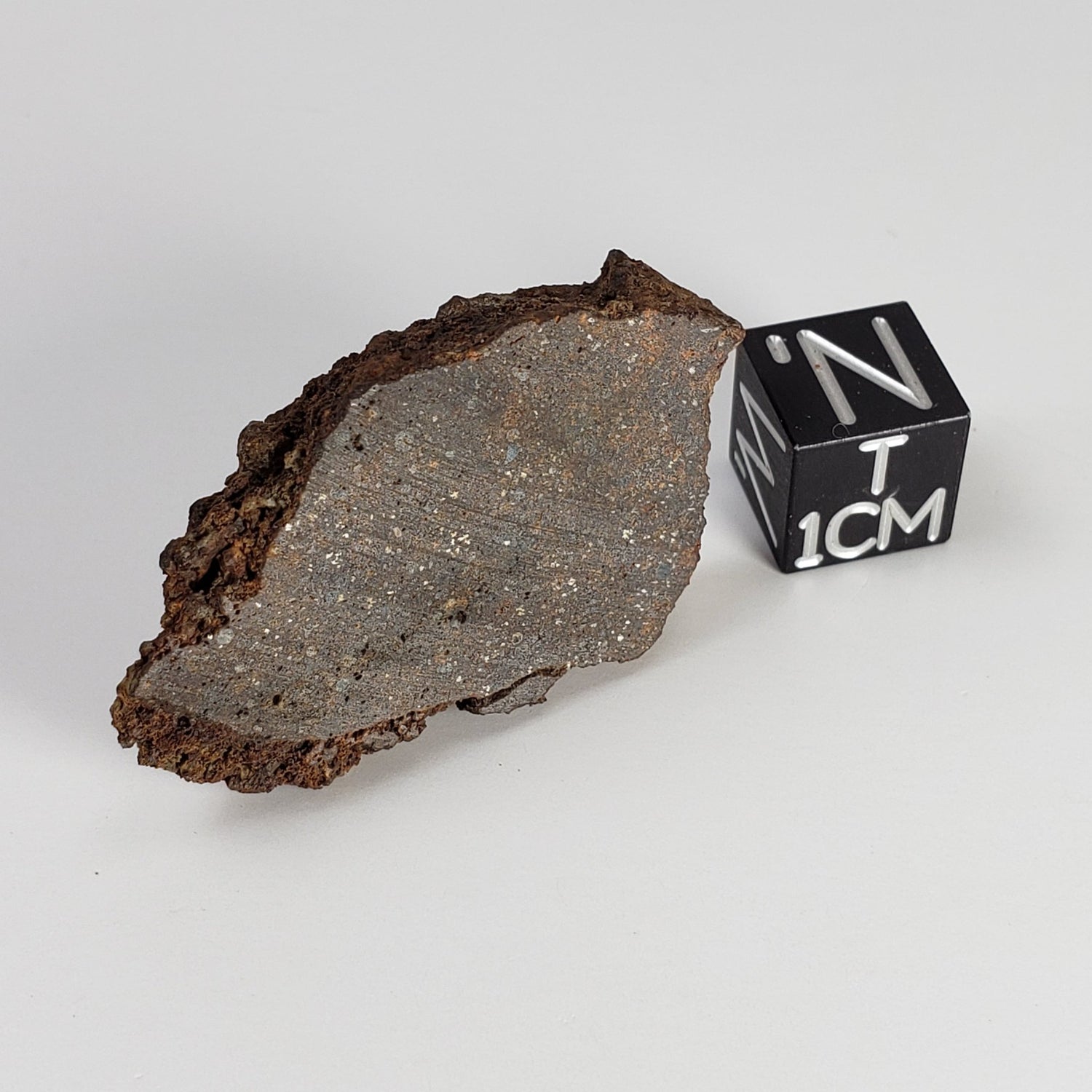
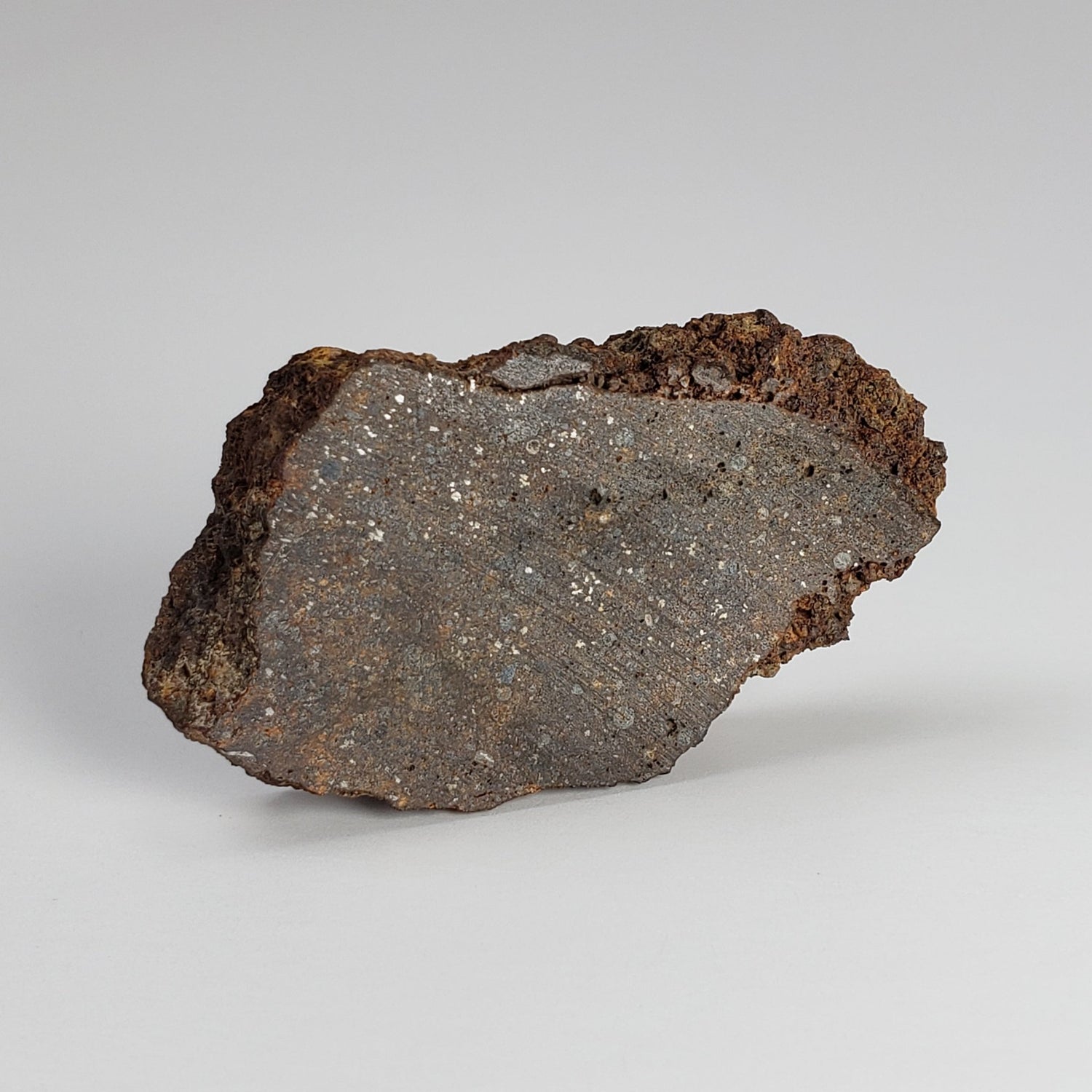
This is an incredible Korra Korrabes meteorite slice of 11.1 grams, it measures 37x22x7 mm. This gorgeous classified meteorite is an H3 Chondrite and part of a 22 kg stone plus 11 smaller pieces totaling ~18 kg that were found November 1996 in a dry river bed by a farmer who was searching for Gibeon irons.
People searching with metal detectors recovered hundreds of additional buried, more weathered pieces within 50 m of the original material since 2000 November, bringing the total mass to ~120–130 kg. The largest specimen was used in a garden wall until August 2000.
This amazing piece was professionally prepared and would be a beautiful addition to any new or existing collection. Comes with a Baitylia Meteorite Collection and a Canagem Collection specimen card.

Canagem is proud to be professional member of The International Gem Society(IGS) the world's top resource for gem professionals, enthusiasts, and industry content.