

📢 Notice to ALL Customers 📢
280 products
Sort by:
280 products
280 products

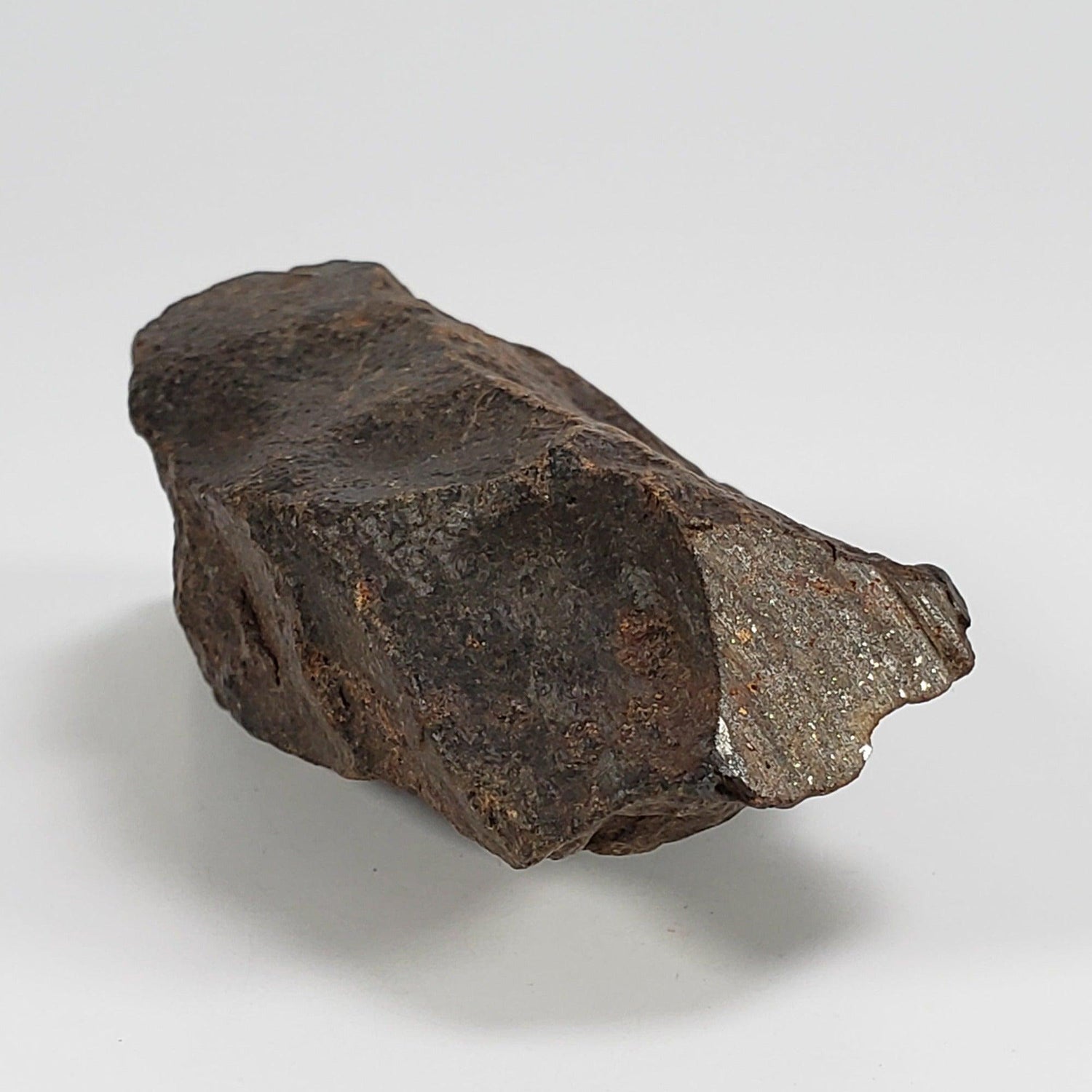
Here we have for you a nice looking individual cut fragment of a Sahara Desert NWA unclassified meteorite weighing 107 grams. Its dimensions are 72x42x28mm. This never classified North West Africa stone was found in the Sahara desert around 2000.
It's a good quality individual fragment NWA meteorite specimen. Some weathering shows the meteorite's time spent aging in the desert. Would be a beautiful addition to any new or existing collection. Comes with a Canagem Collection specimen card.


Here we have for you a nice looking individual fragment of a Sahara Desert NWA unclassified meteorite weighing 41.6 grams. Its dimensions are 62x23x20mm. This never classified North West Africa stone was found in the Sahara desert around 2000.
It's a good quality individual fragment NWA meteorite specimen. Some weathering shows the meteorite's time spent aging in the desert. Would be a beautiful addition to any new or existing collection. Comes with a Canagem Collection specimen card.
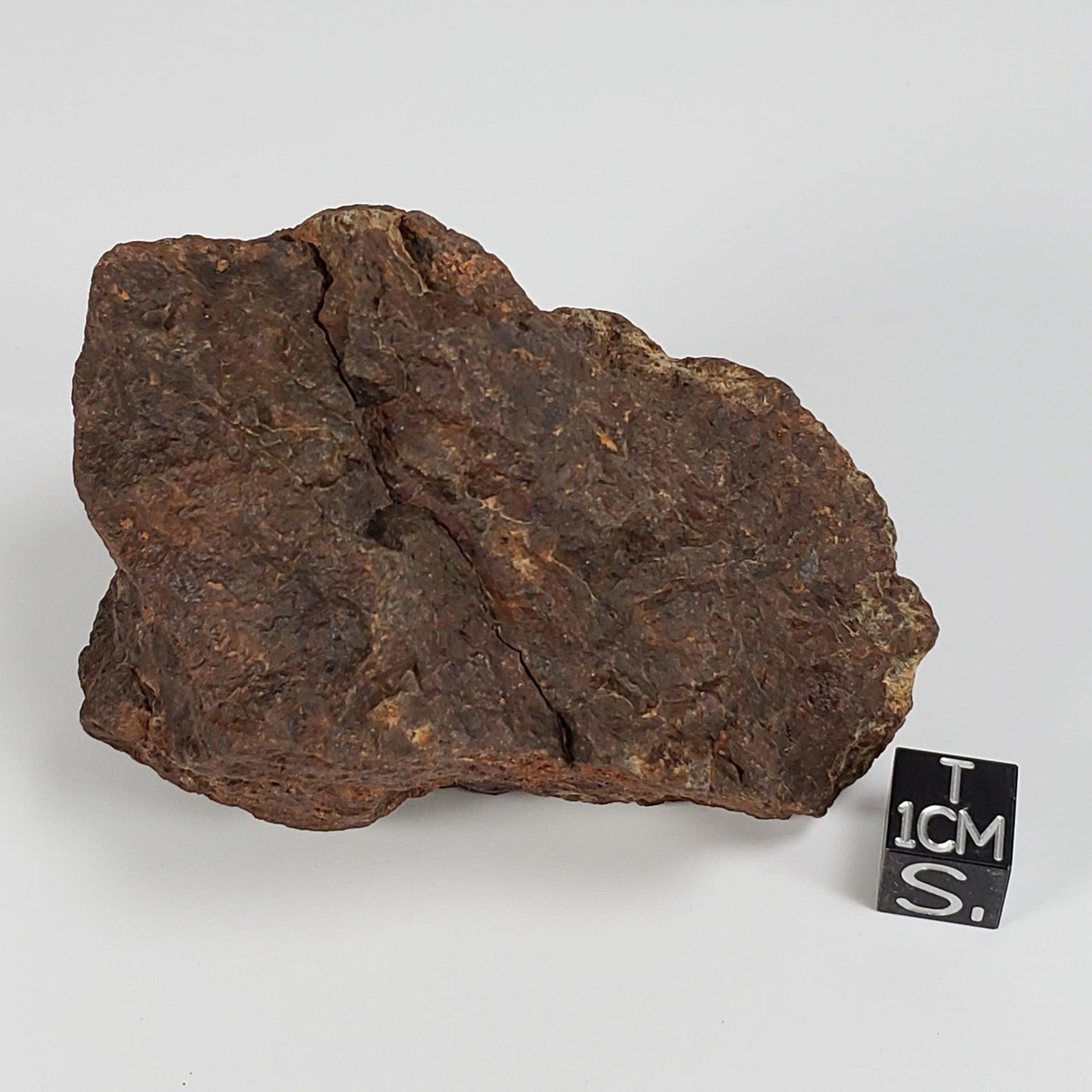
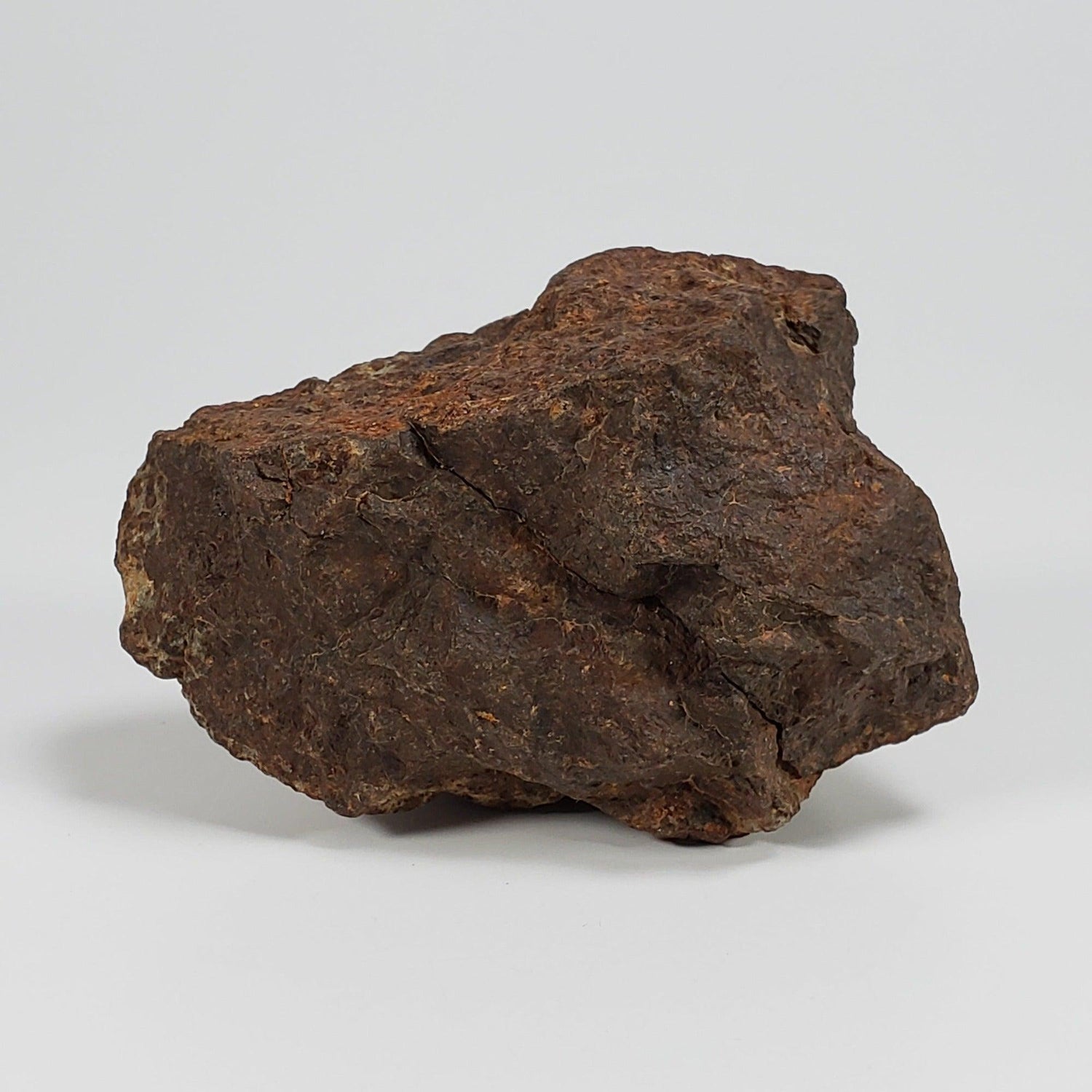
Here we have for you a nice looking individual fragment of a Sahara Desert NWA unclassified meteorite weighing 234.5 grams. Its dimensions are 76x50x55mm. This never classified North West Africa stone was found in the Sahara desert around 2000.
It's a good quality individual fragment NWA meteorite specimen. Some weathering shows the meteorite's time spent aging in the desert. Would be a beautiful addition to any new or existing collection. Comes with a Canagem Collection specimen card.


Here we have for you a nice looking individual fragment of a Sahara Desert NWA unclassified meteorite weighing 49.4 grams. Its dimensions are 66x28x19mm. This never classified North West Africa stone was found in the Sahara desert around 2000.
It's a good quality individual fragment NWA meteorite specimen. Some weathering shows the meteorite's time spent aging in the desert. Would be a beautiful addition to any new or existing collection. Comes with a Canagem Collection specimen card.


Here we have for you a nice looking individual cut fragment of a Sahara Desert NWA unclassified meteorite weighing 184 grams. Its dimensions are 77x62x28mm. This never classified North West Africa stone was found in the Sahara desert around 2000.
It's a good quality individual fragment NWA meteorite specimen. Some weathering shows the meteorite's time spent aging in the desert. Would be a beautiful addition to any new or existing collection. Comes with a Canagem Collection specimen card.


This is a superb looking Stony-iron or Mesosiderite Vaca Muerta (Dead Cow) classified meteorite weighing 84.4 grams. Its dimensions are 49x43x28 mm.
This classified meteorite was found in 1861 in the driest desert of the world called the Atacama, in Chile. Mesosiderites are formed on the surface of a parent body as a result of impacts with another body. The impact mixed broken fragments of surface eucrites with iron and olivine from deep within the body. Eucrites are believed to have come from the asteroid Vesta. Analysis has shown, however, that the Vaca Muerta eucrite inclusions are not consistent with other eucrites and possibly originated on a different parent body. Although most have a weathered exterior, they also have lots of metal inside and can be prepared and cut to show this.
This piece displays extremely well and would be a beautiful addition to any new or existing collection. Comes with a Canagem Collection specimen card.
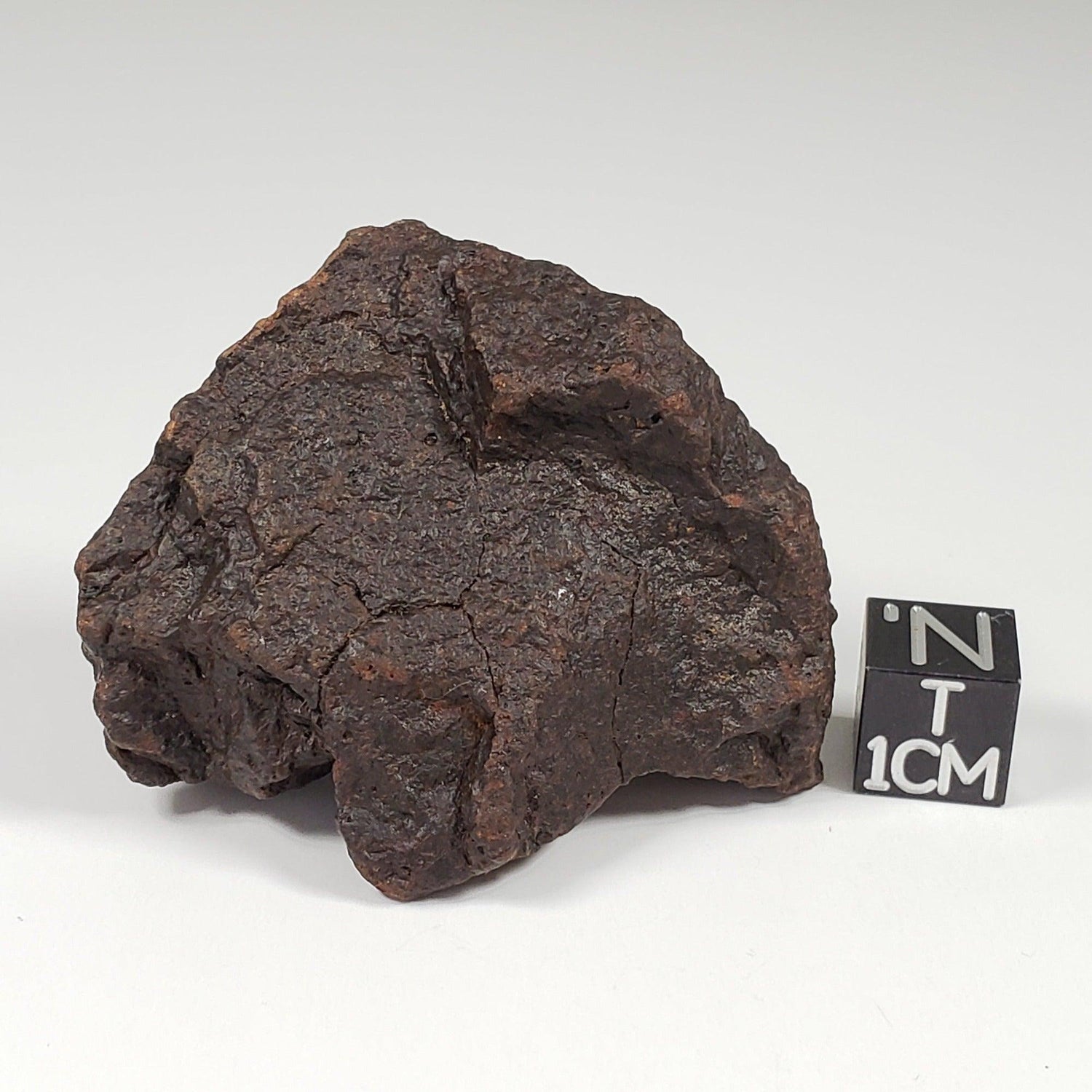
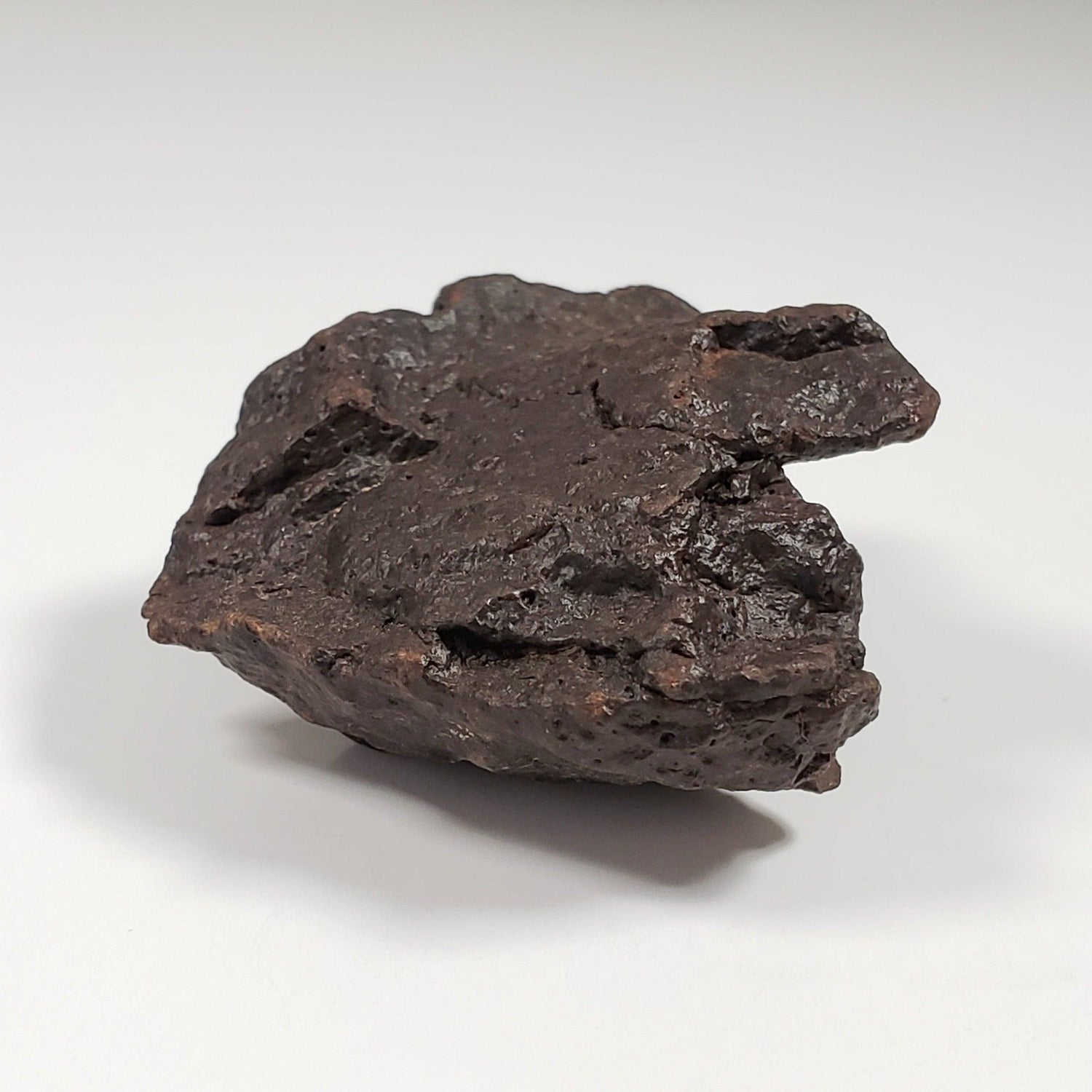
This is a superb looking Dhofar 221 classified meteorite weighing 52.5 grams. Its dimensions are 51x45x23 mm. This L5 classified meteorite was found in Zufar, Oman in 2000 and is 1 of 3003 approved meteorites classified as such. The total weight of the 100's of pieces recovered is recorded as a low 3.54 kg and the meteorite has a shock stage of 3 and weathering grade of 3.
This piece displays extremely well because of its beautiful crust, superb shape and is a good size. Would be a beautiful addition to any new or existing collection. Comes with a Canagem Collection specimen card.


This is a great looking meteorite collection in a Riker style box containing individual specimens selected for you. From Guangxi, China you have a Nantan meteorite specimen; from Kenya you'll find a Sericho specimen and from the Northwest Africa a NWA 4293. The Riker collection box is approximately 85x110x23mm (3.3x4.3x.9 inch).
You will receive 1 Riker box containing the above meteorite specimens. Note that the photos provided are representative, so you may not receive the exact pictured specimen; however, you will receive one of each of the specimen listed above of the same or higher value and similar characteristics.
The Nantan meteorites are a must for all collectors, more so that it is now very difficult to find worthy specimen. They are a very interesting IAB-MG iron discovered in 1958 and there is an estimated 9.5 T of this material. This is 1 of 88 approved meteorites classified as Iron, IAB-MG.
The individual Northwest Africa or NWA 4293 formerly known as NQ10 is an H6 chondrite found in the Sahara desert in 2005 and is one of 5854 approved meteorites classified as such. This fascinating meteorite was mainly found as small individuals and the total weight of the 100's of pieces recovered is recorded as a low 25 kg. The meteorite has a shock stage of 4 and weathering grade of 2.
Then this Stony-iron or Mesosiderite Vaca Muerta (Dead Cow) classified meteorite was found in 1861 in the driest desert of the world called the Atacama, Chile. Although most have a weathered exterior, they also have lots of metal inside. Classified as a Mesosiderite A1 is 1 of only 7 approved meteorites classified as such, with a recovered weight of about 3.83 T.
Each specimen shows very well and is a perfect size to proudly display in your collection. Also included is a stand for the Riker box and a Canagem Collection specimen card for each meteorite. Would be a beautiful addition to any new or existing collection.
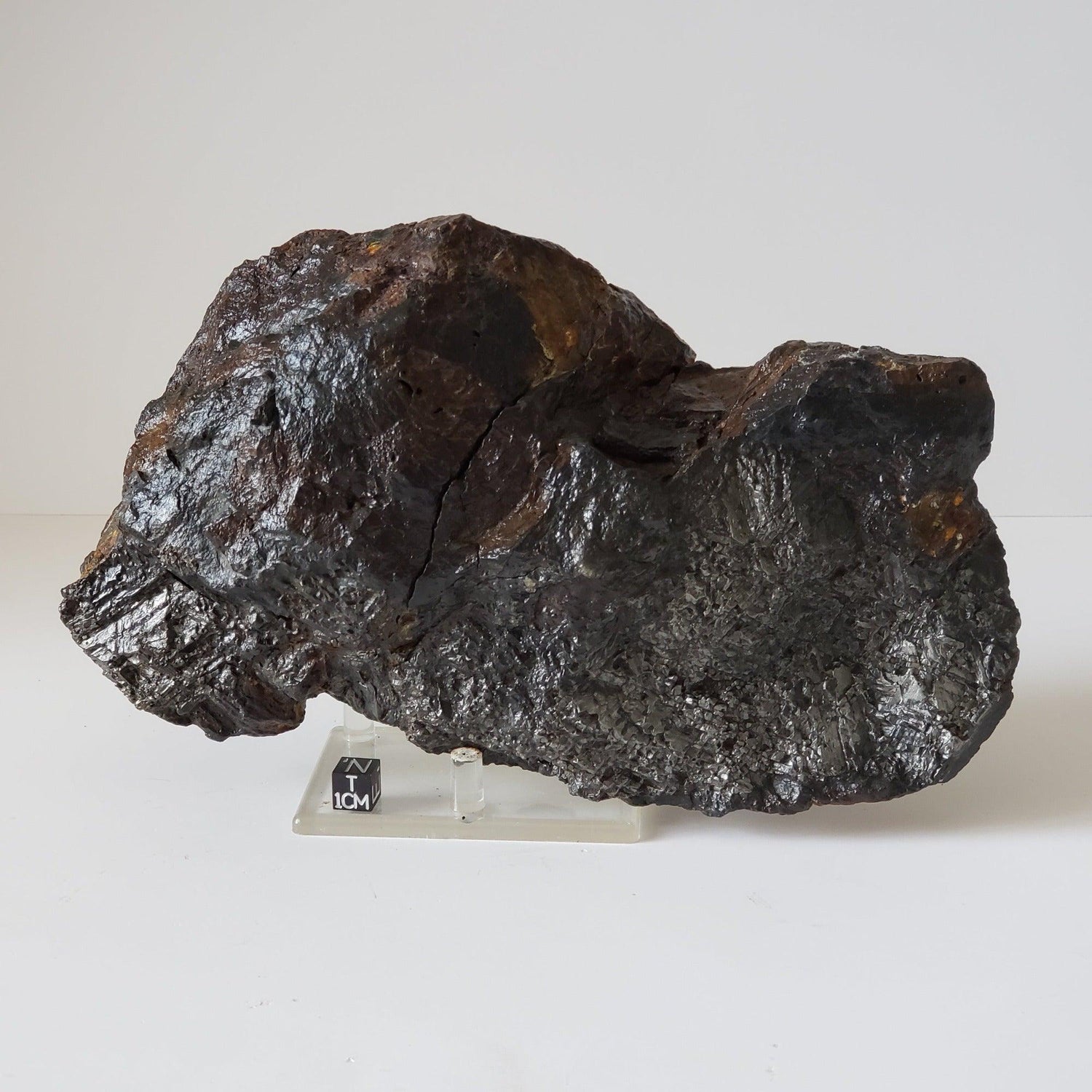

Nantan Meteorite | 6.6 KG | Rare Museum Grade | IAB-MG Iron | Guangxi China
This is a unique and rare museum grade 6.6 Kg (14.5 lbs) Nantan meteorite directly from Guangxi, China. Its dimensions are 23.5X14X9.5 cm (9.25x5.5x3.75 in.).
The Nantan meteorites, named "One of the oldest objects anywhere on Earth", are a must for all collectors, more so that it is now impossible to find worthy specimen. At about 4.5 billion years old, the Nantan meteorite is as ancient as the Earth itself. They are a very interesting IAB-MG iron discovered in 1958, although thought to have fallen in 1516. There is an estimated 9.5 T of this amazing space voyageur. This is 1 of 88 approved meteorites classified as Iron, IAB-MG.
Would be a beautiful addition to any new or existing collection. Comes with a Canagem Collection specimen card.
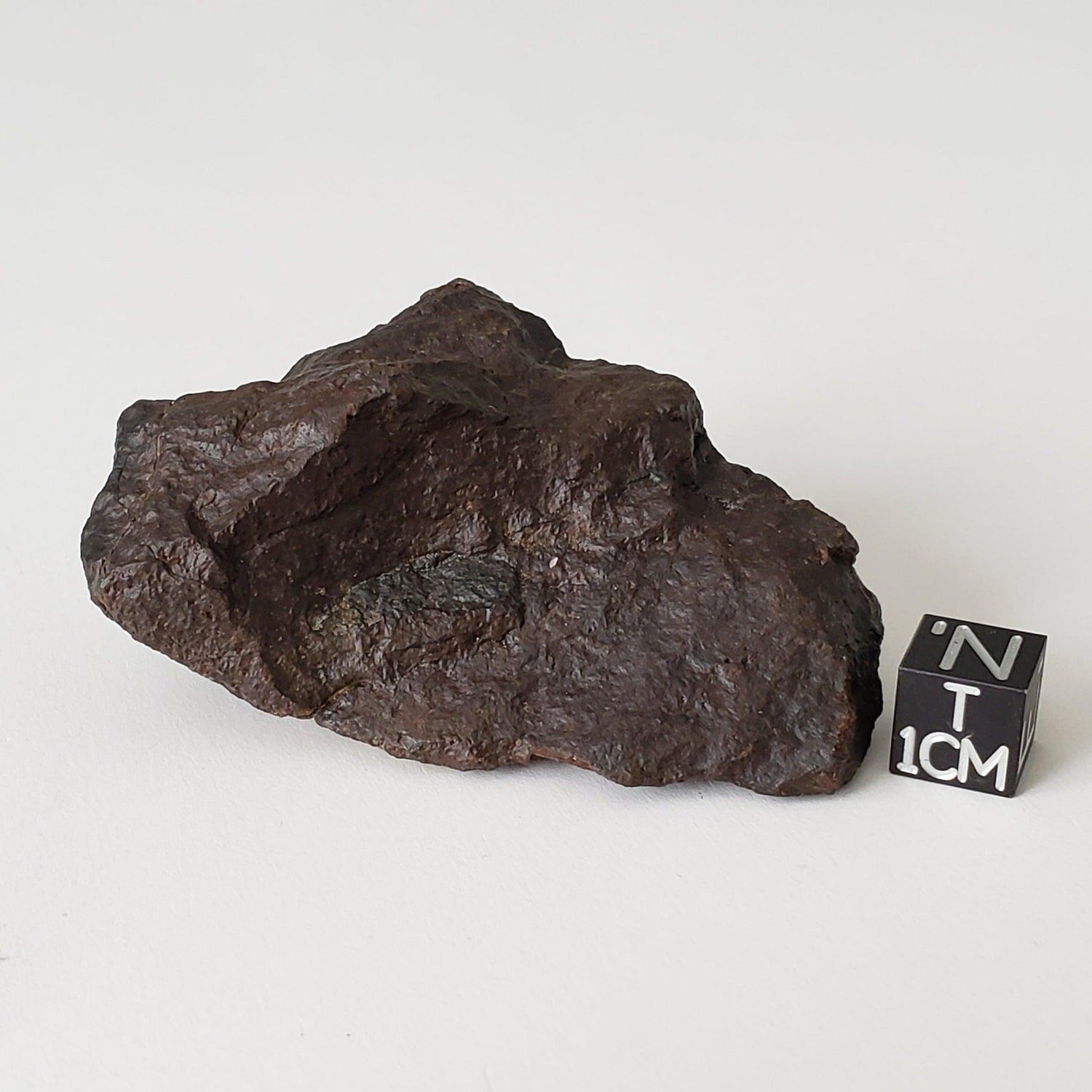
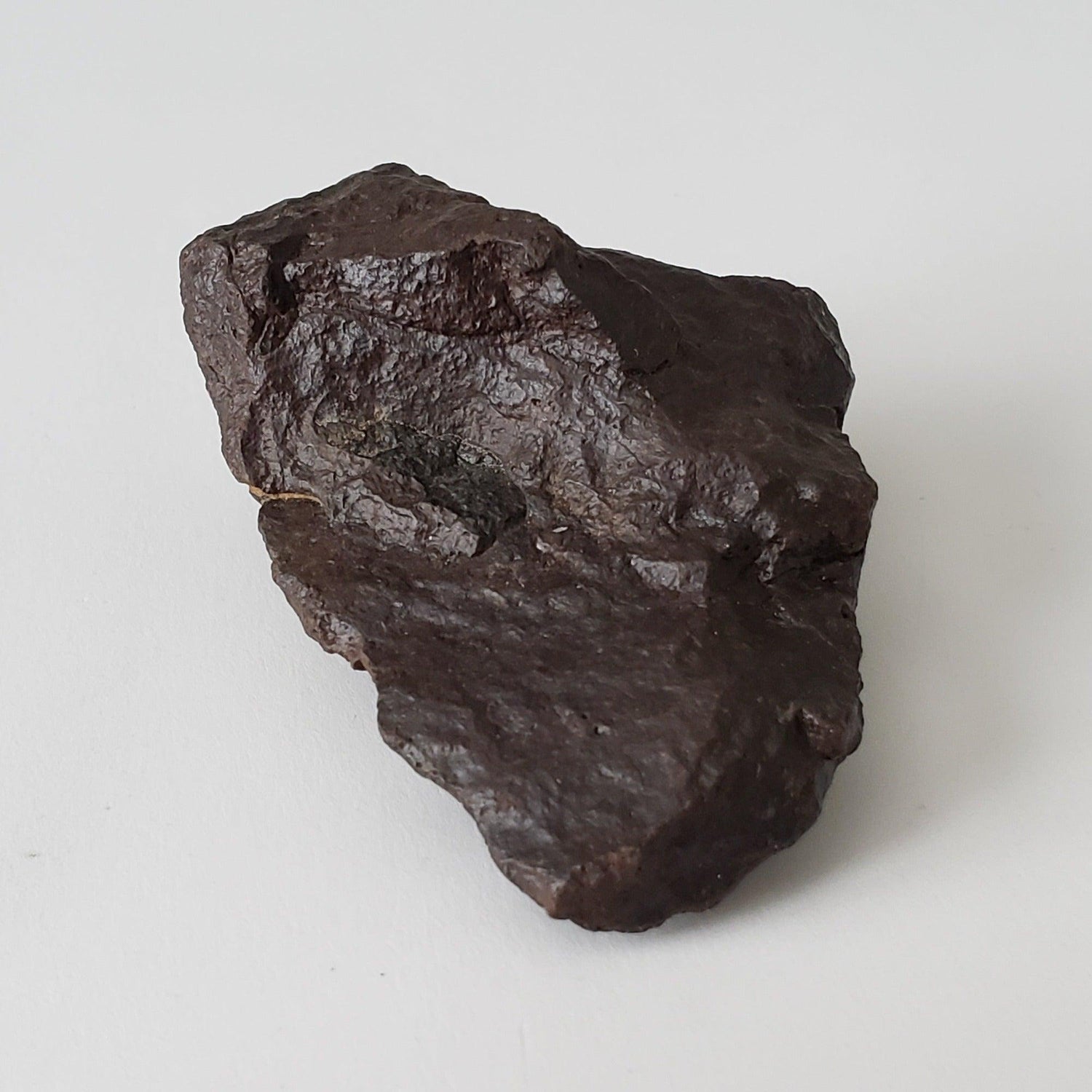
Here we have for you a superb looking Dhofar 020 classified meteorite weighing 103.75 grams. Its dimensions are 67x49x32 mm. Found 10 March 2000 in Dhofar, Oman, in the Arabian Peninsula this H4/5 classified chondrite has a TKW of 256 Kg with a shock stage of S4 and weathering grade of W3 by the Russian Academy of Sciences, USSR.
The following is an excerpt from Mark Bostick's review of this meteorite: "Dhofar 020 is a ordinary stone chondrite meteorite. The meteorite is high in free metal and therefore falls in the H class. S4 tells it is highly shocked. Slices of the meteorite, show veins of the cosmic impact created mineral Ringwoodite, although fractures in the stone tend to hide this some. It almost appears to me to have splinted upon impact. The meteorite falls in 4-5 petrology class, a reference to how metamorphed the meteorite is from its original state. This is judged by studying a thin section of the meteorite, most visually at the chondrules, a feature unique to stone meteorite. In a thin section under polarized light, pyroxene chondrules seem more common then their olivine pair. Still some regions in the meteorite show scattered patches of bright olivine inclusions. These are fairly rare, at least on my thin section, and most of the meteorite's olivine and pyroxene, some of the easier things to see in a thin section, appear to have went through a metamorphism, and have "melted" into the matrix and are at times undistinguishable."
This piece displays extremely well showing a beautiful crust, superb shape and good size. Would be a beautiful addition to any new or existing collection. Comes with a Canagem Collection specimen card.


This is an incredible Korra Korrabes meteorite end cut of 24.1 grams, it measures 37x27x22 mm. This gorgeous classified meteorite is an H3 Chondrite and part of a 22 kg stone plus 11 smaller pieces totaling ~18 kg that were found November 1996 in a dry river bed by a farmer who was searching for Gibeon irons.
People searching with metal detectors recovered hundreds of additional buried, more weathered pieces within 50 m of the original material since 2000 November, bringing the total mass to ~120–130 kg. The largest specimen was used in a garden wall until August 2000.
This amazing piece was professionally prepared and would be a beautiful addition to any new or existing collection. Comes with a Canagem Collection specimen card.
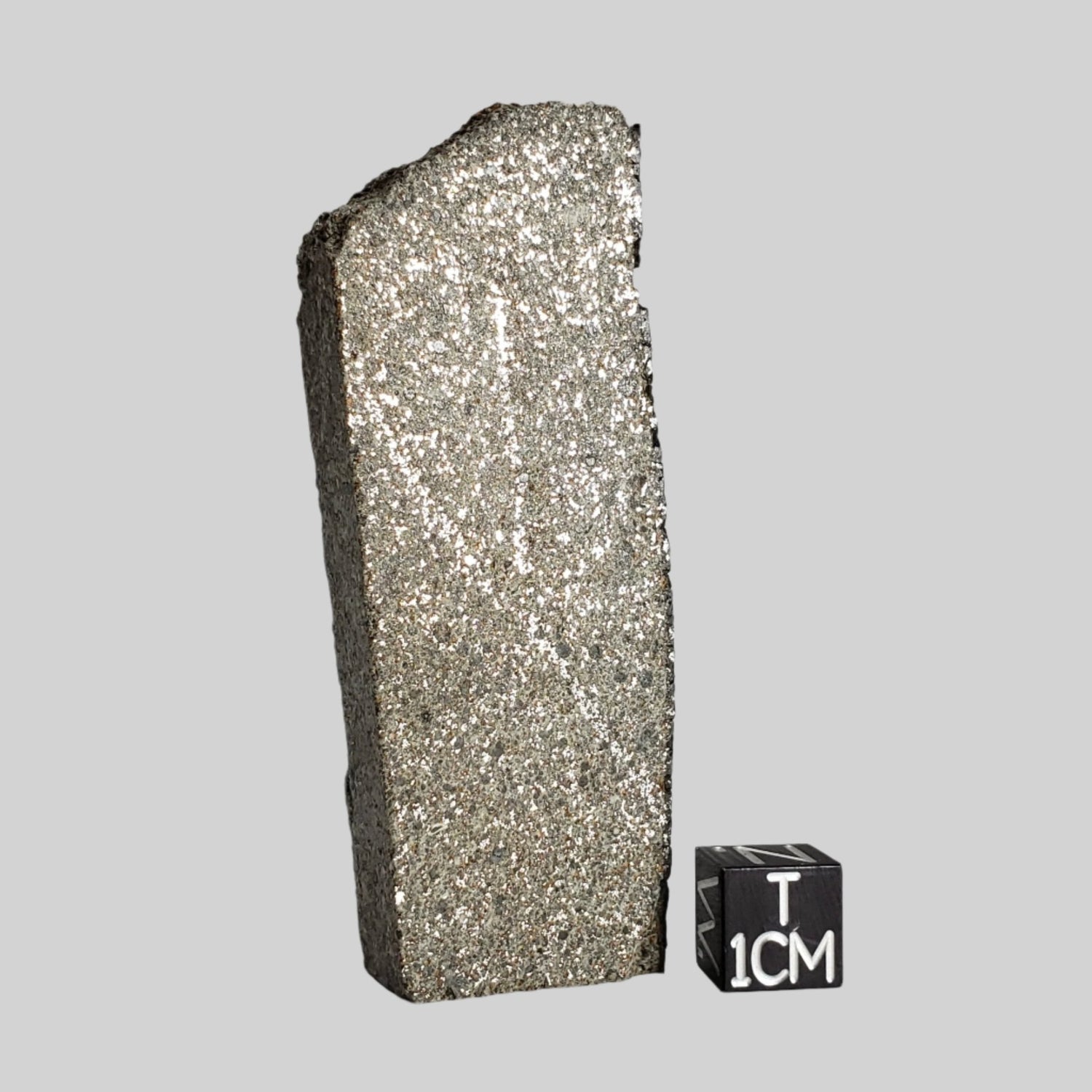
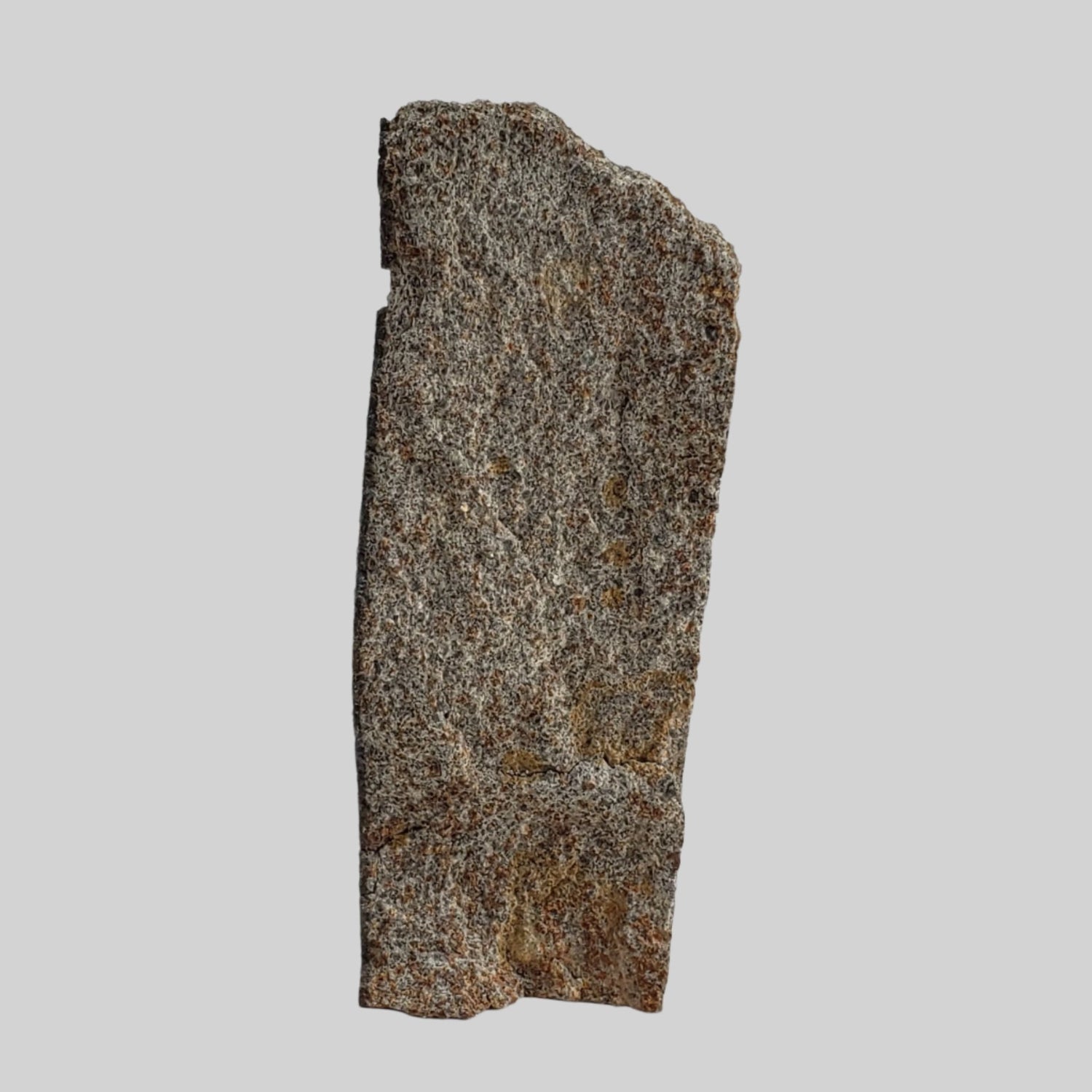
This is a great looking H5 classified El Hammami meteorite and is one of the freshest meteorites we have ever seen. This excellent specimen weighs 46.1g and measures 71x28x13 mm.
The specimen has gorgeous fusion crust along one edge. The interior is a beautiful grey color with abundant metallic flakes and tiny chondrules. Two nice metal veins run through this specimen.
A great display piece, it comes with a metal display label. Would be a beautiful addition to any new or existing collection. Will also come with a Canagem® Collection specimen card.
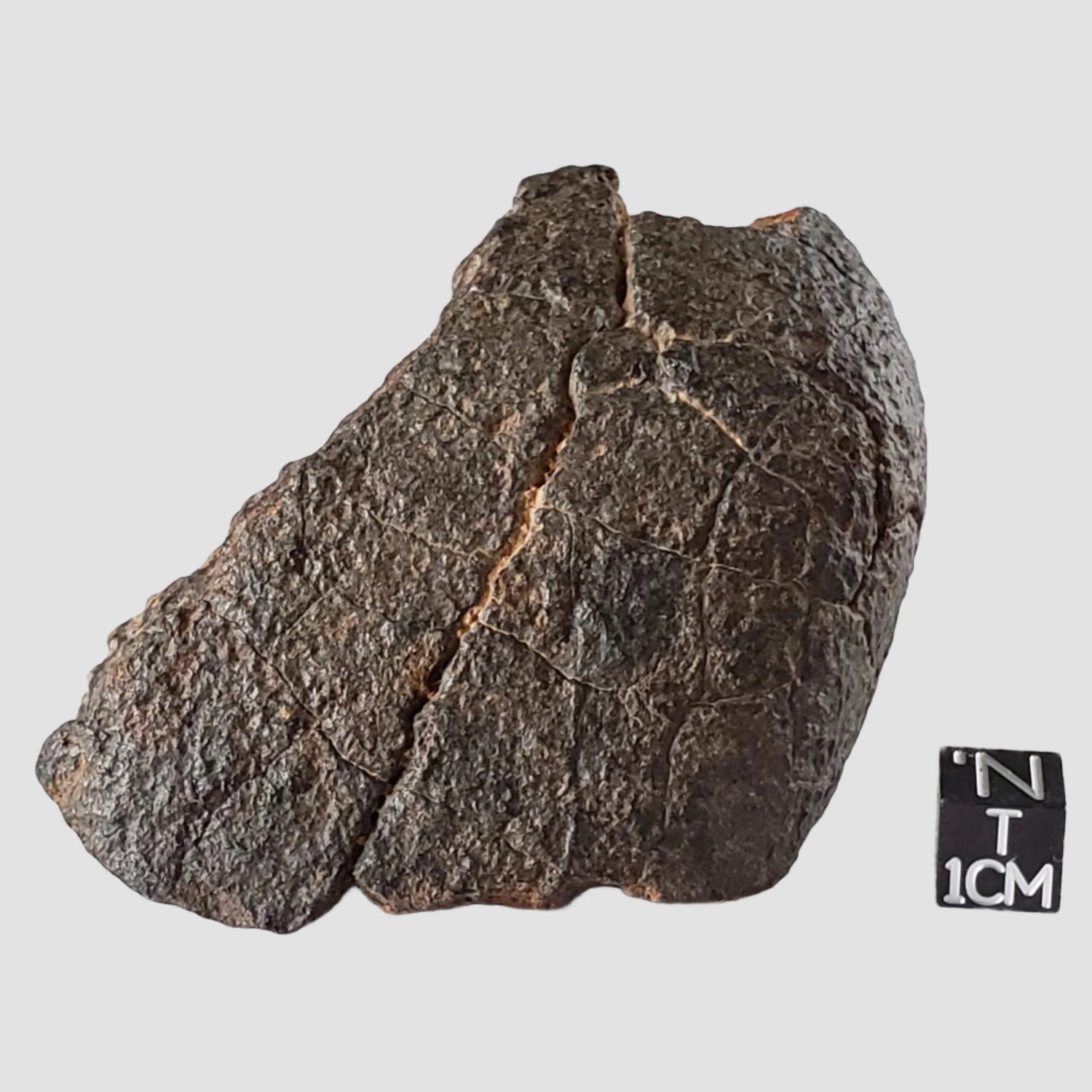
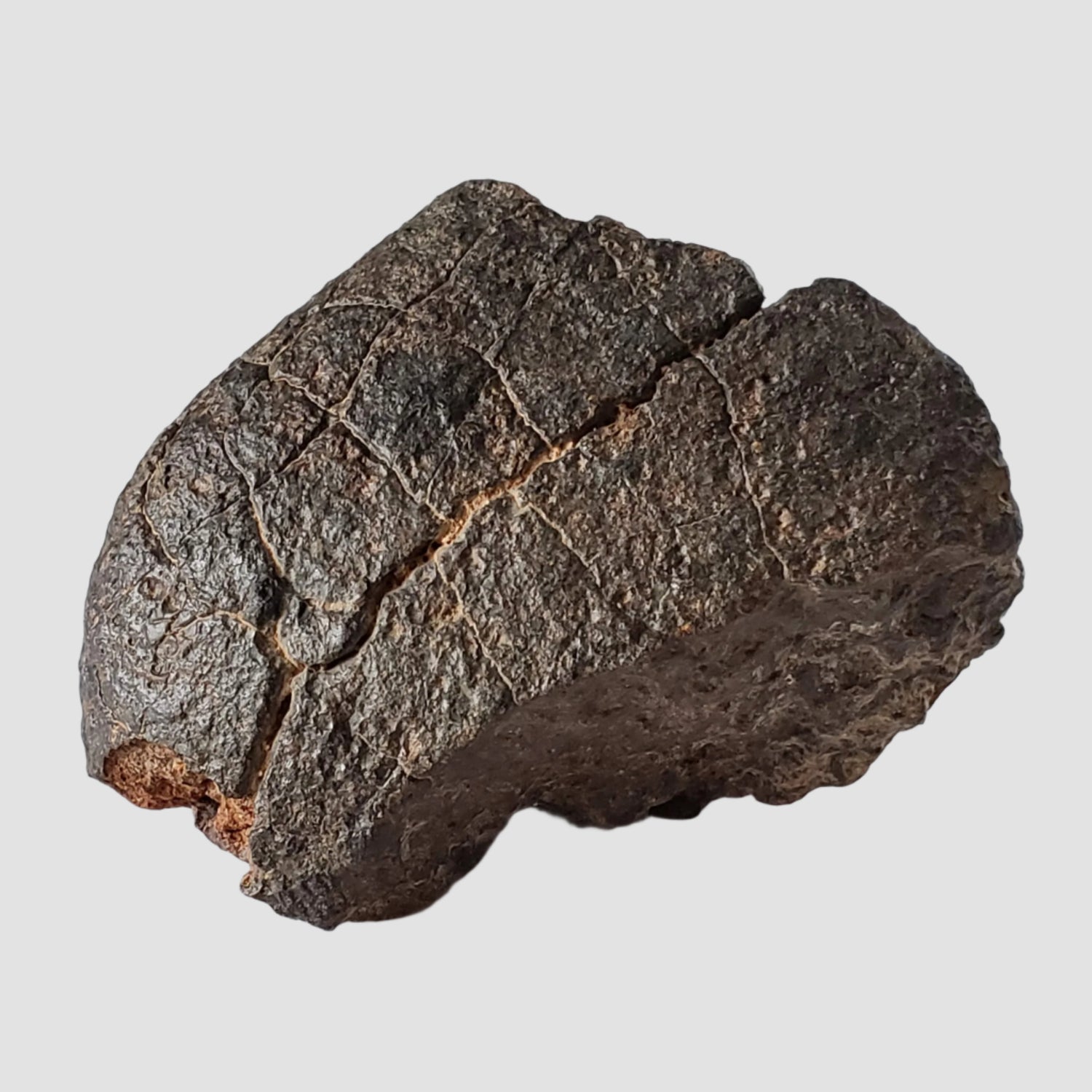
Here we have for you a great looking individual cut fragment of a Sahara Desert NWA unclassified meteorite weighing 309.6 grams. Its dimensions are 86x58x52mm. This never classified North West Africa stone was found in the Sahara desert around 2000.
It's a good quality individual fragment NWA meteorite specimen. Some weathering shows the meteorite's time spent aging in the desert. Would be a beautiful addition to any new or existing collection. Comes with a Canagem Collection specimen card.


This is a great looking Russian Sikhote-Alin classified meteorite weighing 26.2 grams. Its dimensions are 34x22x11 mm. This Iron (IIAB) Coarsest Octahedrite classified meteorite was recovered in Russia after the fall of February 12, 1947.
So far approximately 23 tons of this material have been recovered. This piece displays extremely well and is a very desirable size. These specimens are known as shrapnel specimens, ripped and torn edges reminiscent of bomb shrapnel. They broke due to atmospheric pressure and/or mid-air collisions, and possibly explosive fragmentation upon impact. These pieces are a good example of the shrapnel type Sikhote-Alin.
Would be a beautiful addition to any new or existing collection. Comes with a Canagem Collection specimen card.
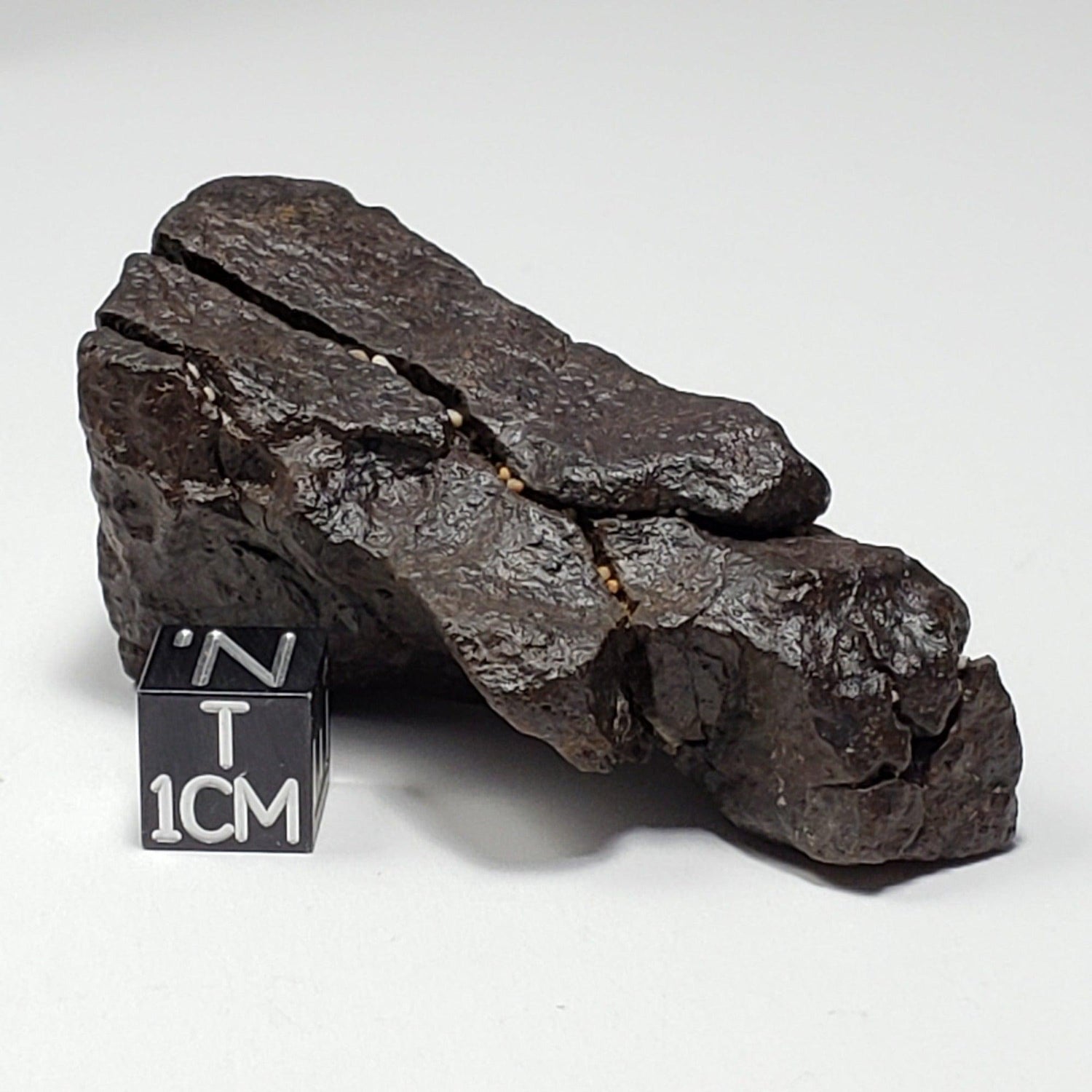

Here we have for you a superb looking Dhofar 020 classified meteorite weighing 82.14 grams. Its dimensions are 70x32x32 mm. Found 10 March 2000 in Dhofar, Oman, in the Arabian Peninsula this H4/5 classified chondrite has a TKW of 256 Kg with a shock stage of S4 and weathering grade of W3 by the Russian Academy of Sciences, USSR.
The following is an excerpt from Mark Bostick's review of this meteorite: "Dhofar 020 is a ordinary stone chondrite meteorite. The meteorite is high in free metal and therefore falls in the H class. S4 tells it is highly shocked. Slices of the meteorite, show veins of the cosmic impact created mineral Ringwoodite, although fractures in the stone tend to hide this some. It almost appears to me to have splinted upon impact. The meteorite falls in 4-5 petrology class, a reference to how metamorphed the meteorite is from its original state. This is judged by studying a thin section of the meteorite, most visually at the chondrules, a feature unique to stone meteorite. In a thin section under polarized light, pyroxene chondrules seem more common then their olivine pair. Still some regions in the meteorite show scattered patches of bright olivine inclusions. These are fairly rare, at least on my thin section, and most of the meteorite's olivine and pyroxene, some of the easier things to see in a thin section, appear to have went through a metamorphism, and have "melted" into the matrix and are at times undistinguishable."
This piece displays extremely well showing a beautiful crust, superb shape and good size. Would be a beautiful addition to any new or existing collection. Comes with a Canagem Collection specimen card.


This is a superb looking Dhofar 221 classified meteorite weighing 16.73 grams. Its dimensions are 39x32x14 mm. This L5 classified meteorite was found in Zufar, Oman in 2000. The total weight of the 100's of pieces recovered is recorded as a low 3.54 kg and the meteorite has a shock stage of 3 and weathering grade of 3.
This piece displays extremely well because of its beautiful crust, superb shape and is a good size. Would be a beautiful addition to any new or existing collection. Comes with a Canagem Collection specimen card.

Canagem is proud to be professional member of The International Gem Society(IGS) the world's top resource for gem professionals, enthusiasts, and industry content.