

📢 Notice to ALL Customers 📢
280 products
Sort by:
280 products
280 products


This is a superb whole specimen of the famous Northwest Africa 2965 meteorite weighing 49.85 grams. This is a beautiful specimen from the Thomas Phillips Meteorite Collection.
Its dimensions are 54x43x19 mm. This North West Africa was classified originally as an Enstatite EL6/7, then later as an EL3 and finally an EL-Melt Rock meteorite which was found along with the rest of the total mass of more than 100 Kilograms in the Algerian Desert in August 2005. This is one of the oldest meteorites on our planet in terms of terrestrial age and has been referred to as a fossil meteorite.
This Enstatite chondrite shock Level is minimal and weathering varies from 2 to 5. This piece displays extremely well and if cut would show a completely recrystallized enstatite chondrite with polygonal to irregular grain outlines. The grain size varies from 0.02 to 0.7 mm. Round, curved, blocky objects contain coarser-grained orthopyroxene than in the matrix. No relict chondrules were observed.
This hard to acquire piece displays very well with its prehistoric look. As highlighted in the photos, there are grains of sand still wedged into one of the crevices of the specimen. This rare and quality specimen would make an amazing addition to any new or existing collection. Comes with specimen card.


Here we have for you a nice looking individual fragment of a Sahara Desert NWA unclassified meteorite weighing 49.04 grams. Its dimensions are 46x40x24 mm. This never classified North West Africa stone was found in the Sahara desert around 2000.
It's a good quality individual fragment NWA meteorite specimen. Some weathering shows the meteorite's time spent aging in the desert. As highlighed in the photos, there are grains of sand still wedged in the crevices of the specimen. Would be a beautiful addition to any new or existing collection. Comes with a Canagem Collection specimen card.


This is a superb whole specimen of the famous Northwest Africa 2965 meteorite weighing 50.46 grams. This is a beautiful specimen from the Thomas Phillips Meteorite Collection.
Its dimensions are 42x40x20 mm. This North West Africa was classified originally as an Enstatite EL6/7, then later as an EL3 and finally an EL-Melt Rock meteorite which was found along with the rest of the total mass of more than 100 Kilograms in the Algerian Desert in August 2005. This is one of the oldest meteorites on our planet in terms of terrestrial age and has been referred to as a fossil meteorite.
This Enstatite chondrite shock level is minimal and weathering varies from 2 to 5. This piece displays extremely well and if cut would show a completely recrystallized enstatite chondrite with polygonal to irregular grain outlines. The grain size varies from 0.02 to 0.7 mm. Round, curved, blocky objects contain coarser-grained orthopyroxene than in the matrix. No relict chondrules were observed.
This hard to acquire piece displays very well with its prehistoric look and this rare and quality specimen would make an amazing addition to any new or existing collection. Comes with specimen card.


Here we have for you a nice looking end cut of a Sahara Desert NWA unclassified meteorite weighing 277.38 grams. Its dimensions are 86x64x37mm. This never classified North West Africa stone was found in the Sahara desert around 2000.
It's a good quality cut NWA meteorite specimens showing interesting internal structure (L5?) and somewhat attractive with a mottled interior with chondrules and metallic flakes. Some weathering shows the meteorite's time spent aging in the desert. Displays nicely with a ground and rough polished without a mirror finish.
Would be a beautiful addition to any new or existing collection. Comes with a Canagem Collection specimen card.


This is a superb looking individual cut fragment of the Gold Basin meteorite weighing 24.22 grams. Its dimensions are 39x27x23 mm. This L4 classified meteorite was first found in Mojave, Arizona in 1995.
This piece looks fantastic, showing a fusion crust and is a very desirable size perfect to show in class or at a science show.
Would be a beautiful addition to any new or existing collection. Will come with a Canagem Collection specimen card.


This is a beautiful sample of the famous iron meteorite Campo del Cielo (Heaven’s Field in Spanish) that was found in Chaco Province, Argentina, in 1576 by Spanish explorers. This is a solid iron individual meteorite classified as IAB Silicated. This incredible specimen has many large regmaglypts and scoops (or thumb prints).
This meteorite is classified as an Iron polycrystalline coarse octahedrite (IAB). It weighs 7.4 Kg (16.4 Lbs) and measures 19x14x11 cm (7.5x5.5x4.3 inches).
This piece displays extremely well and is a very desirable size. It is a great example of this iron type meteorite. Comes with a Canagem Collection specimen card. Would make a beautiful addition to any collection.
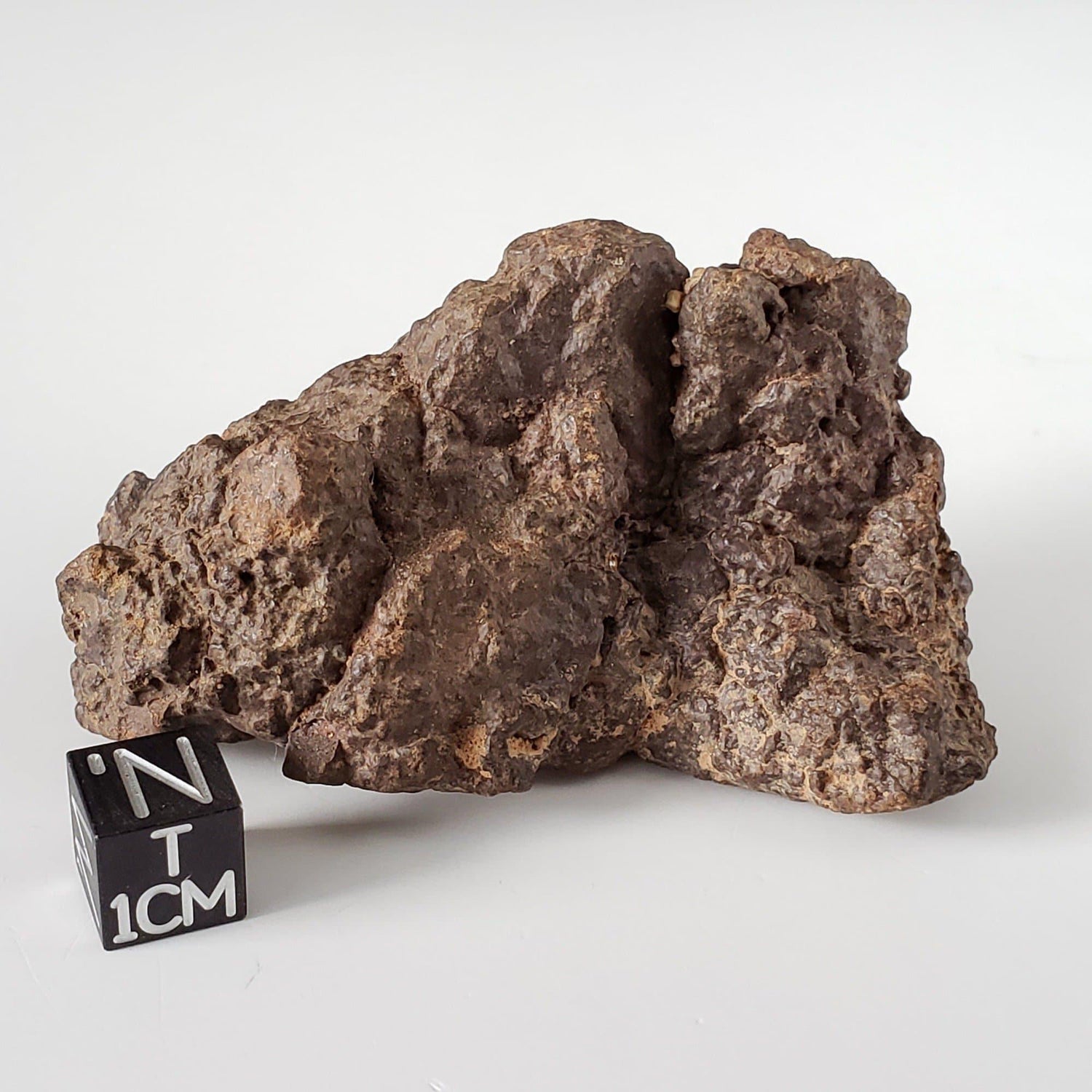

Here we have for you a nice looking individual fragment of a Sahara Desert NWA unclassified meteorite weighing 110.70 grams. Its dimensions are 66x40x27 mm. This never classified North West Africa stone was found in the Sahara desert around 2000.
It's a good quality individual fragment NWA meteorite specimen. Some weathering shows the meteorite's time spent aging in the desert. As highlighed in the photos, there are grains of sand still wedged into one of the crevices of the specimen. Would be a beautiful addition to any new or existing collection. Comes with a Canagem Collection specimen card.


Here we have for you a nice looking individual fragment of a Sahara Desert NWA unclassified meteorite weighing 46.03 grams. Its dimensions are 41x33x22mm. This never classified North West Africa stone was found in the Sahara desert around 2000.
It's a good quality individual fragment NWA meteorite specimen. Some weathering shows the meteorite's time spent aging in the desert. Would be a beautiful addition to any new or existing collection. Comes with a Canagem Collection specimen card.


Here we have for you a nice looking individual fragment of a Sahara Desert NWA unclassified meteorite weighing 108.23 grams. Its dimensions are 67x55x35mm. This never classified North West Africa stone was found in the Sahara desert around 2000.
It's a good quality individual fragment NWA meteorite specimen. Some weathering shows the meteorite's time spent aging in the desert. Would be a beautiful addition to any new or existing collection. Comes with a Canagem Collection specimen card.


Here we have for you a nice looking end cut of a Sahara Desert NWA unclassified meteorite weighing 164.9 grams. Its dimensions are 70x51x23mm. This never classified North West Africa stone was found in the Sahara desert around 2000.
It's a good quality cut NWA meteorite specimens showing interesting internal structure (L5?) and somewhat attractive with a mottled interior with chondrules and metallic flakes. Some weathering shows the meteorite's time spent aging in the desert. Displays nicely with a ground and rough polished without a mirror finish.
Would be a beautiful addition to any new or existing collection. Comes with a Canagem Collection specimen card.
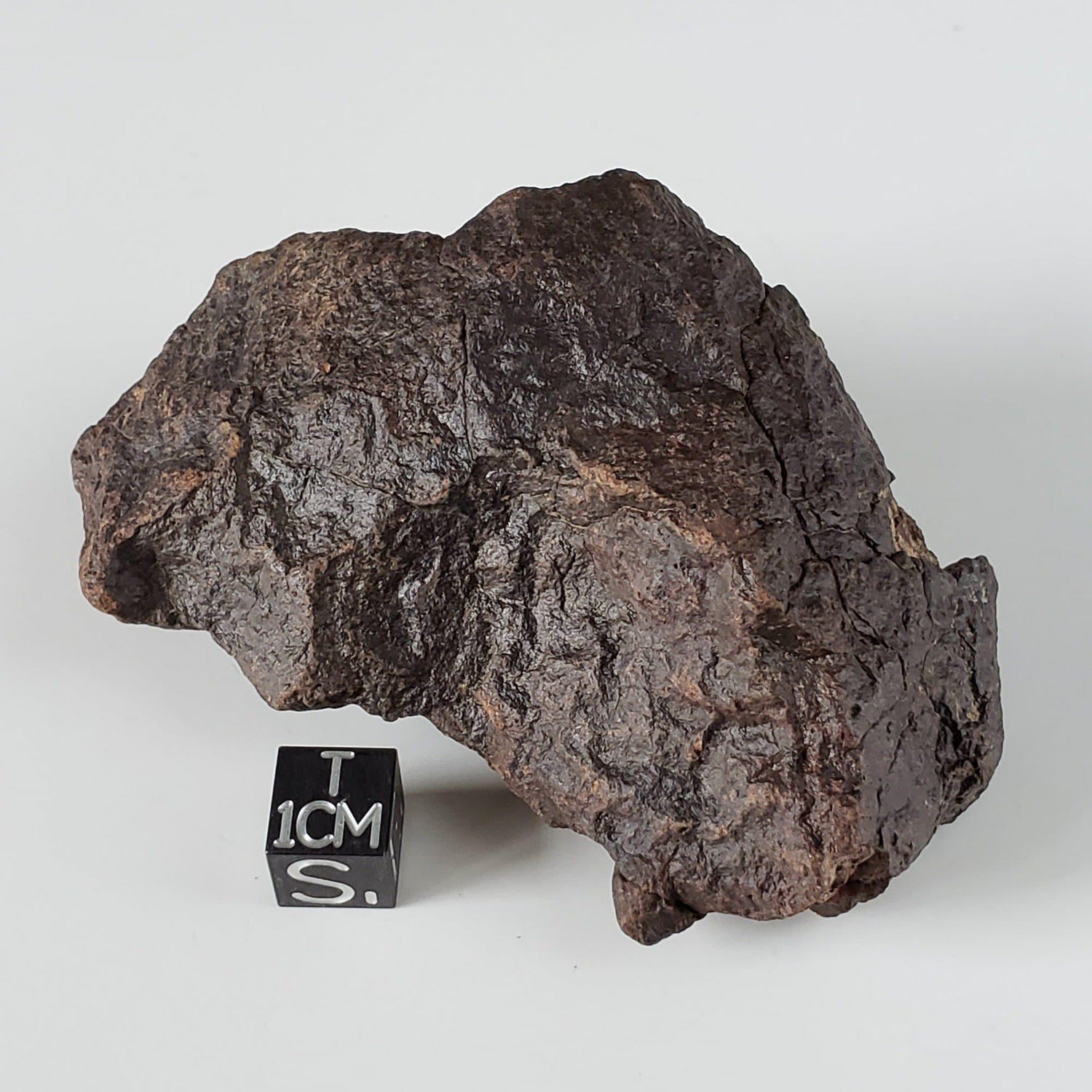
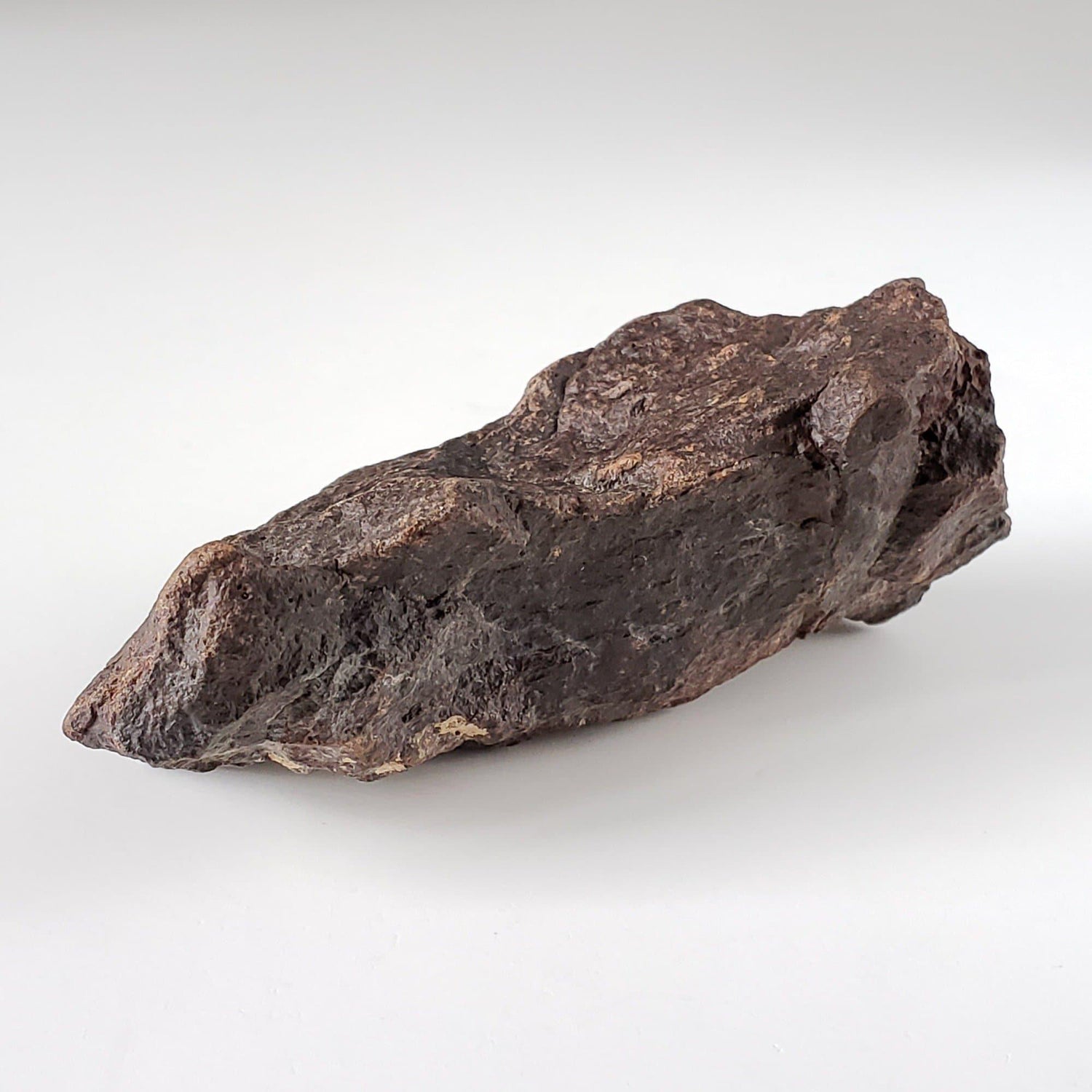
This is a superb looking Dhofar 221 classified meteorite weighing 170.5 grams. Its dimensions are 87x49x30 mm. This L5 classified meteorite was found in Zufar, Oman in 2000 and is 1 of 3003 approved meteorites classified as such. The total weight of the 100's of pieces recovered is recorded as a low 3.54 kg and the meteorite has a shock stage of 3 and weathering grade of 3.
This piece displays extremely well because of its beautiful crust, superb shape and is a good size. Would be a beautiful addition to any new or existing collection. Comes with a Canagem Collection specimen card.


Here we have for you a nice looking end cut of a Sahara Desert NWA unclassified meteorite weighing 60 grams. Its dimensions are 54x27x22 mm. This never classified North West Africa stone was found in the Sahara desert around 2000.
It's a good quality cut NWA meteorite specimens showing interesting internal structure (L5?) and somewhat attractive with a mottled interior with chondrules and metallic flakes. Some weathering shows the meteorite's time spent aging in the desert. Displays nicely with a ground and rough polished without a mirror finish.
Would be a beautiful addition to any new or existing collection. Comes with a Canagem Collection specimen card.

This is an aluminum label with all the information regarding the Juvinas, France meteorite. This flat model fits nicely in a Riker type box or our own Alder wooden boxes. An excellent way of identifying and displaying your collection of meteorites.

This is an aluminum label with all the information regarding the Estherville, Iowa, USA meteorite. This flat model fits nicely in a Riker type box or our own Alder wooden boxes. An excellent way of identifying and displaying your collection of meteorites.

This is an aluminum label with all the information regarding the Cumberland Falls, Kentucky, USA meteorite. This flat model fits nicely in a Riker type box or our own Alder wooden boxes. An excellent way of identifying and displaying your collection of meteorites.

This is an aluminum label with all the information regarding the Saratov, Russia meteorite. This flat model fits nicely in a Riker type box or our own Alder wooden boxes. An excellent way of identifying and displaying your collection of meteorites.

Canagem is proud to be professional member of The International Gem Society(IGS) the world's top resource for gem professionals, enthusiasts, and industry content.