

📢 Notice to ALL Customers 📢
280 products
Sort by:
280 products
280 products
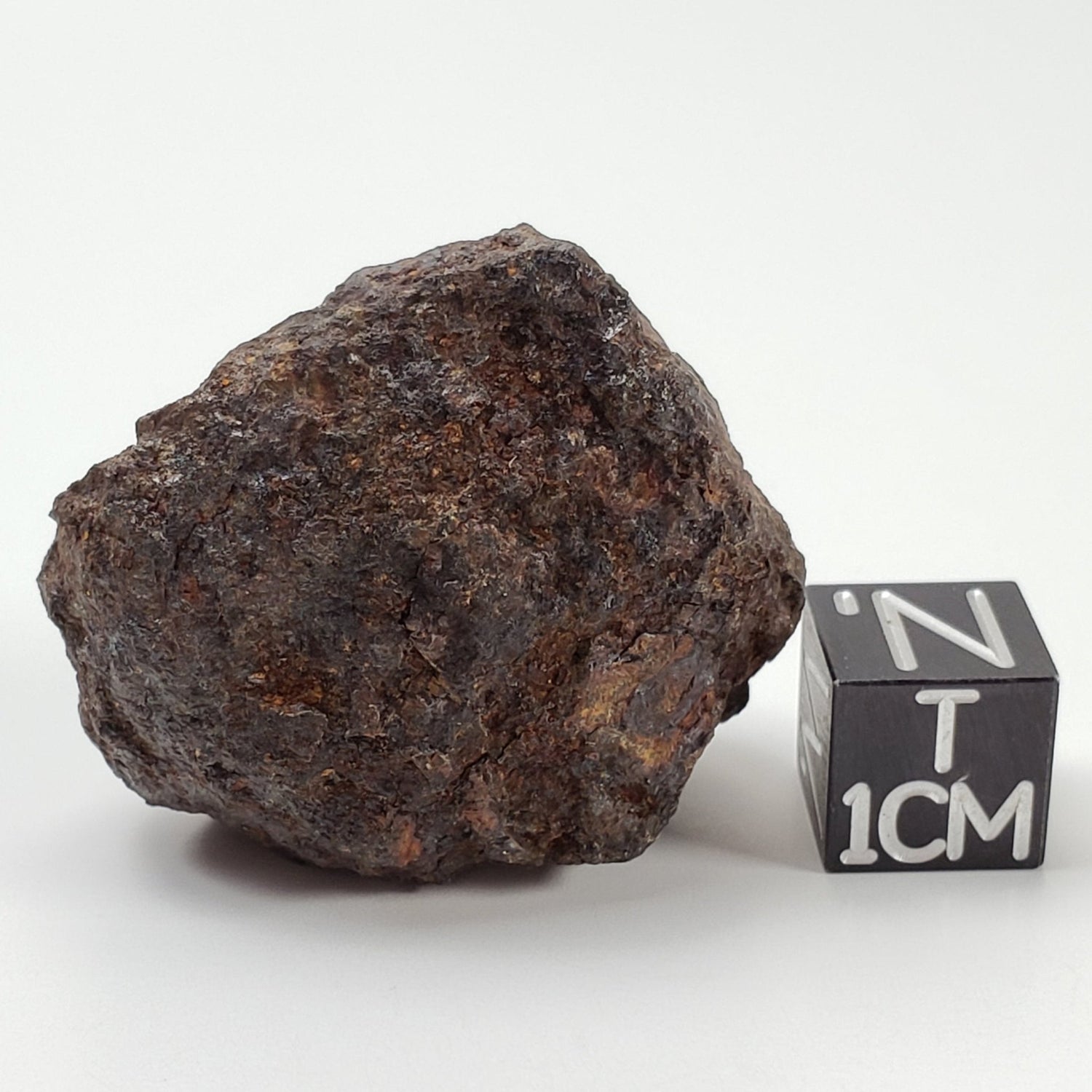
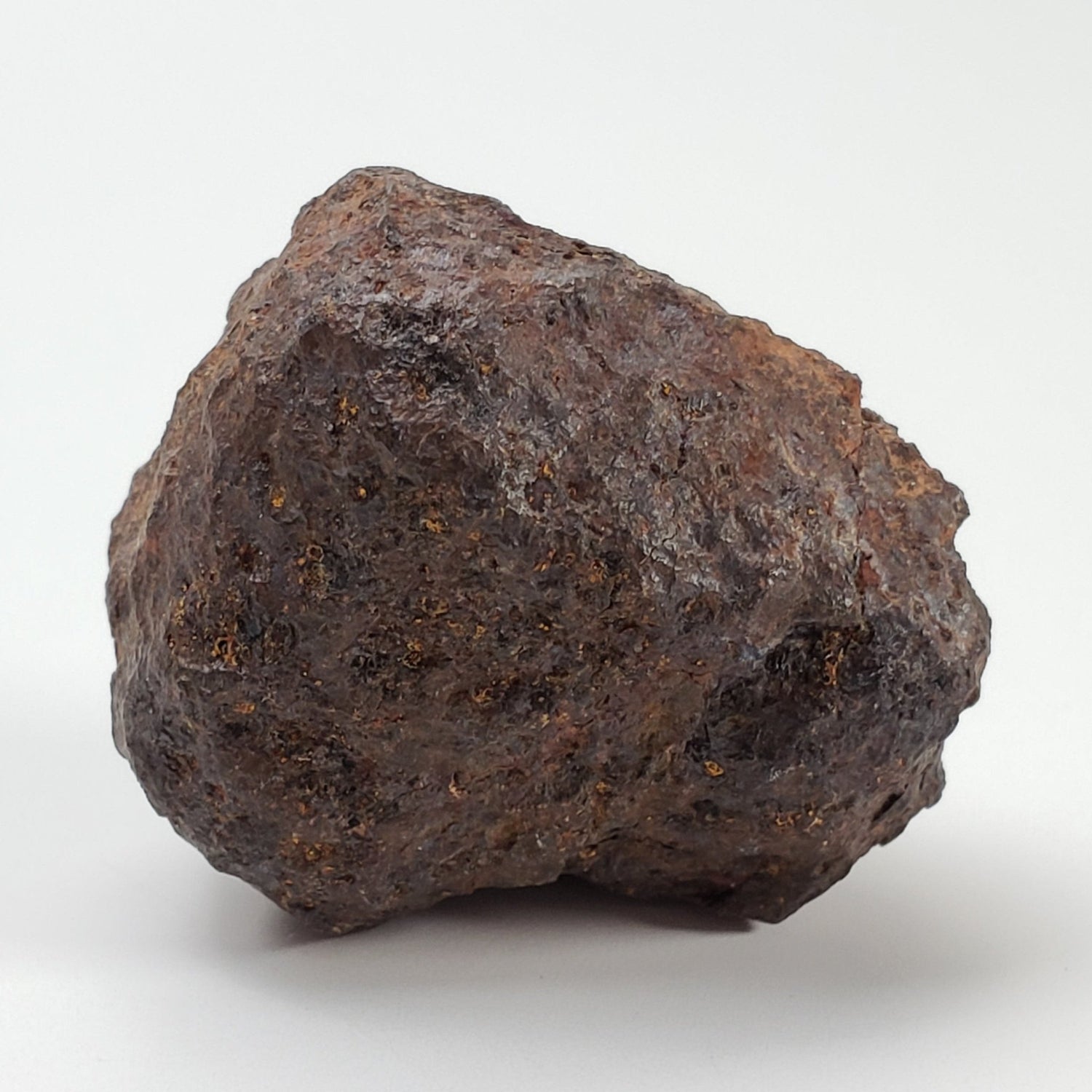
This is a superb looking Stony-iron or Mesosiderite Vaca Muerta (Dead Cow) classified meteorite weighing 40.52 grams. Its dimensions are 32x28x18 mm.
This classified meteorite was found in 1861 in the driest desert of the world called the Atacama, in Chile. Mesosiderites are formed on the surface of a parent body as a result of impacts with another body. The impact mixed broken fragments of surface eucrites with iron and olivine from deep within the body. Eucrites are believed to have come from the asteroid Vesta. Analysis has shown, however, that the Vaca Muerta eucrite inclusions are not consistent with other eucrites and possibly originated on a different parent body. Although most have a weathered exterior, they also have lots of metal inside and can be prepared and cut to show this.
This piece displays extremely well and would be a beautiful addition to any new or existing collection. Comes with a Canagem Collection specimen card.


Here we have for you a nice looking end cut of a Sahara Desert NWA unclassified meteorite weighing 82.84 grams. Its dimensions are 57x45x28mm. This never classified North West Africa stone was found in the Sahara desert around 2000.
It's a good quality cut NWA meteorite specimens showing interesting internal structure (L5?) and somewhat attractive with a mottled interior with chondrules and metallic flakes. Some weathering shows the meteorite's time spent aging in the desert. Displays nicely with a ground and rough polished without a mirror finish.
Would be a beautiful addition to any new or existing collection. Comes with a Canagem Collection specimen card.

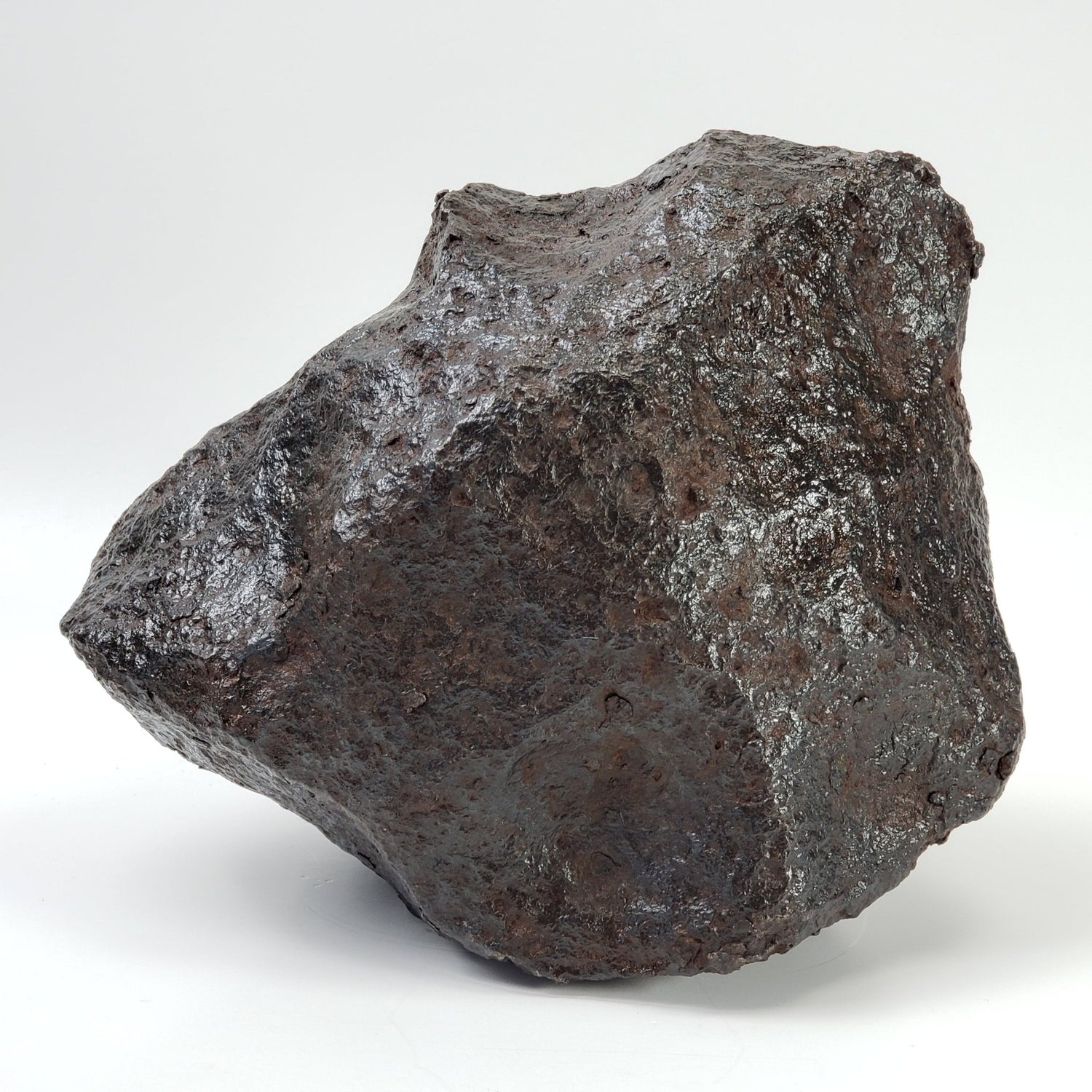
Campo del Cielo Meteorite | Massive 11.7 KG | Iron IAB-MG | Regmaglypts
This is a beautiful sample of the famous iron meteorite Campo del Cielo (Heaven’s Field in Spanish) that was found in Chaco Province, Argentina, in 1576 by Spanish explorers. This is an outstanding specimen with many nice large regmaglypts and scoops – great “thumb prints” complete individual solid iron classified as IAB Silicated.
This meteorite is classified as an Iron polycrystalline coarse octahedrite (IAB). This piece weighs 11.7 Kg (25.8 Lbs) and measures approximately 19x15x15 cm (7.5x6x6 inches).
This piece displays extremely well and is a very desirable size. It is a great example of this iron type meteorite. Comes with a Canagem Collection specimen card. Would make a beautiful addition to any collection.


Here we have for you a nice looking individual of a Sahara Desert NWA unclassified meteorite weighing 295.67 grams. Its dimensions are 91x47x60mm. This never classified North West Africa stone was found in the Sahara desert around 2000.
It's a good quality individual NWA meteorite specimen. Some weathering shows the meteorite's time spent aging in the desert. Would be a beautiful addition to any new or existing collection. Comes with a Canagem Collection specimen card.
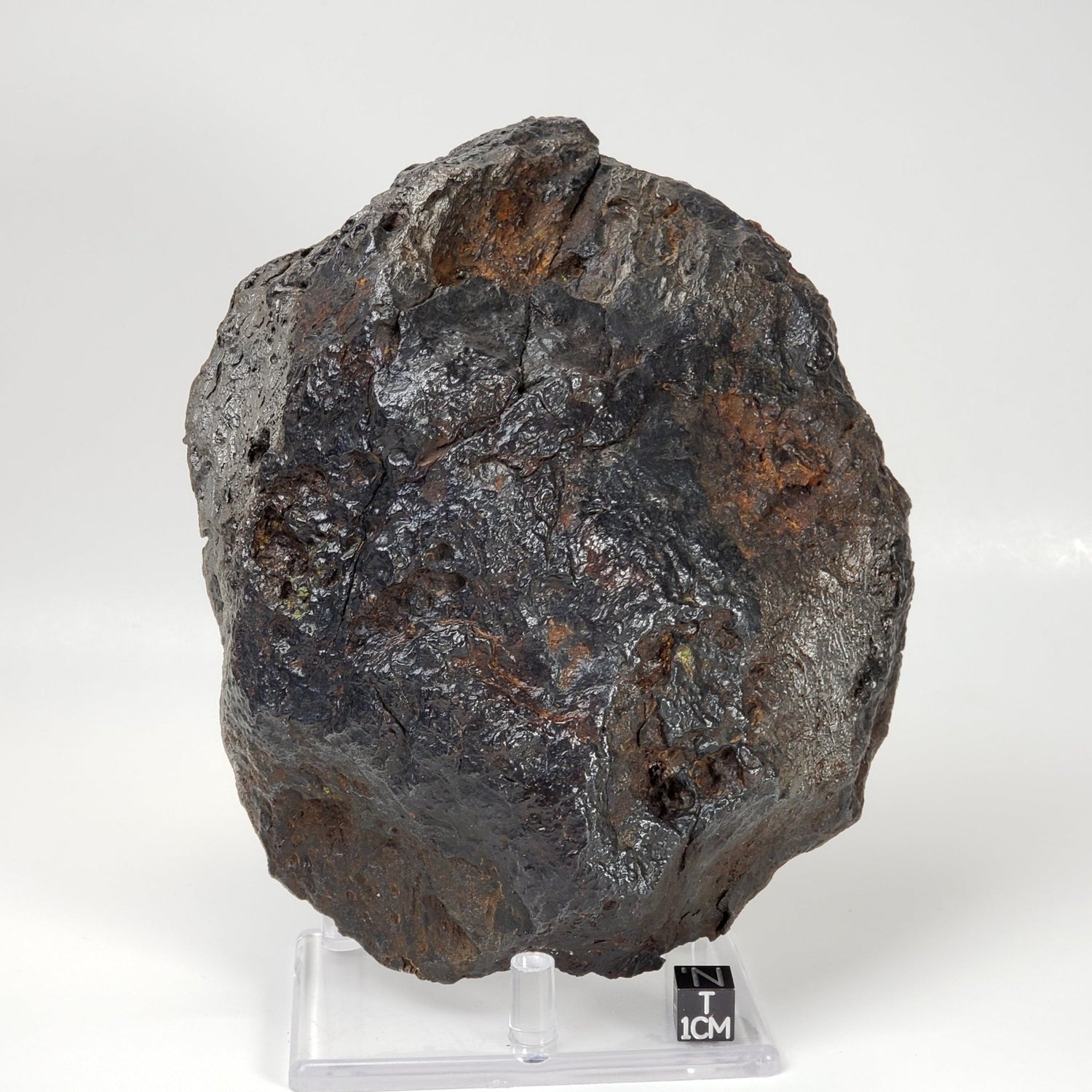
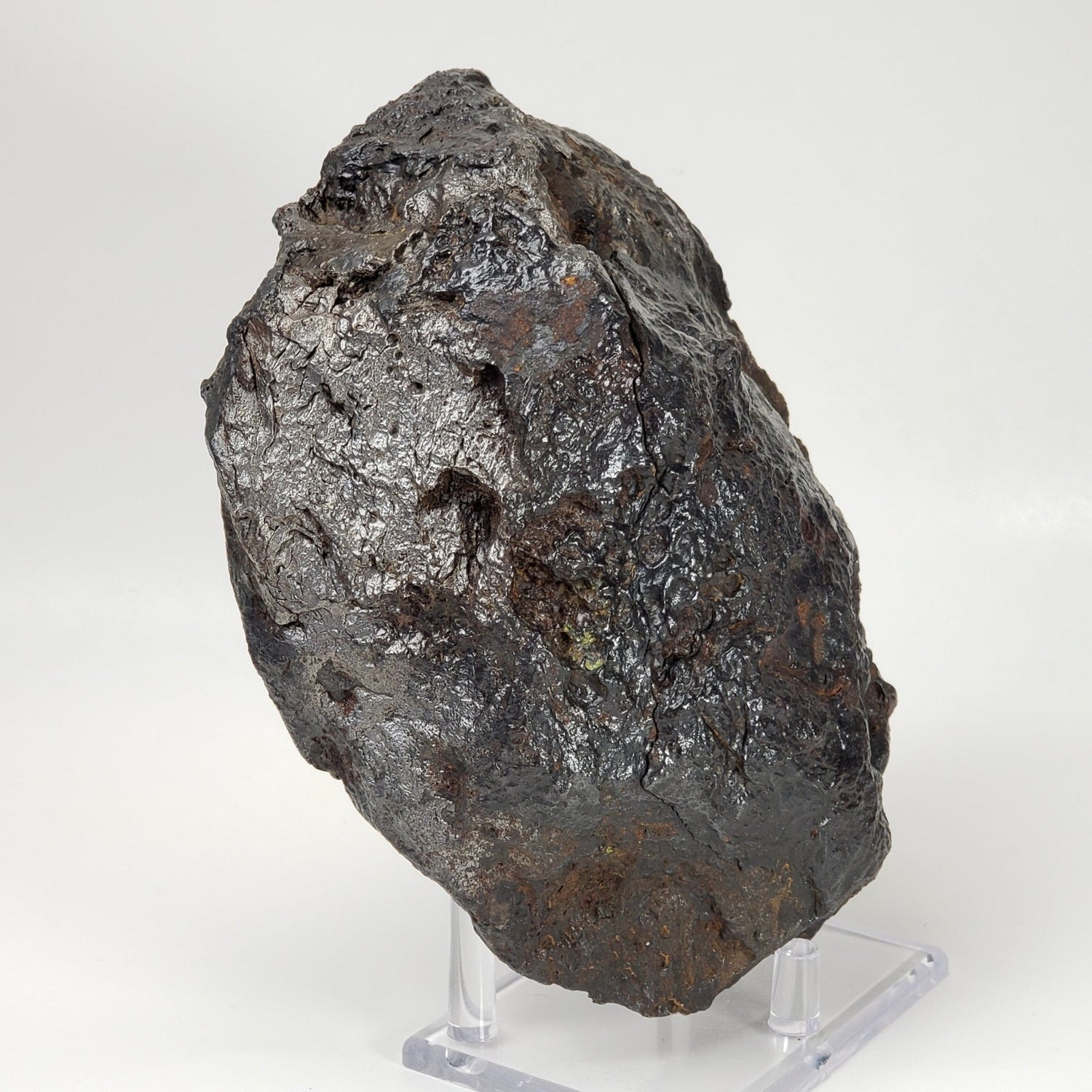
Nantan Meteorite | 4.2 KG | Rare Large Specimen | IAB-MG Iron | Guangxi China
This is a great looking 4.2 Kg (9.2 lbs) Nantan meteorite individual directly from Guangxi, China. Its dimensions are 17x15x7.5 cm (6.7x6x3 inches).
The Nantan meteorites are a must for all collectors, more so that it is now very difficult to find worthy specimen. They are a very interesting IAB-MG iron discovered in 1958 and there is an estimated 9.5 T of this material. This is 1 of 88 approved meteorites classified as Iron, IAB-MG.
Would be a beautiful addition to any new or existing collection. Comes with a Canagem Collection specimen card.


Here we have for you a nice looking end cut of a Sahara Desert NWA unclassified meteorite weighing 147.64 grams. Its dimensions are 41x38x49mm. This never classified North West Africa stone was found in the Sahara desert around 2000.
It's a good quality cut NWA meteorite specimens showing interesting internal structure (L5?) and somewhat attractive with a mottled interior with chondrules and metallic flakes. Some weathering shows the meteorite's time spent aging in the desert. Displays nicely with a ground and rough polished without a mirror finish.
Would be a beautiful addition to any new or existing collection. Comes with a Canagem Collection specimen card.


Here we have for you a nice looking end cut of a Sahara Desert NWA unclassified meteorite weighing 95 grams. Its dimensions are 59x41x29mm. This never classified North West Africa stone was found in the Sahara desert around 2000.
It's a good quality cut NWA meteorite specimens showing interesting internal structure (L5?) and somewhat attractive with a mottled interior with chondrules and metallic flakes. Some weathering shows the meteorite's time spent aging in the desert. Displays nicely with a ground and rough polished without a mirror finish.
Would be a beautiful addition to any new or existing collection. Comes with a Canagem Collection specimen card.


Here we have for you a nice looking end cut of a Sahara Desert NWA unclassified meteorite weighing 153.87 grams. Its dimensions are 73x44x49mm. This never classified North West Africa stone was found in the Sahara desert around 2000.
It's a good quality cut NWA meteorite specimens showing interesting internal structure (L5?) and somewhat attractive with a mottled interior with chondrules and metallic flakes. Some weathering shows the meteorite's time spent aging in the desert. Displays nicely with a ground and rough polished without a mirror finish.
Would be a beautiful addition to any new or existing collection. Comes with a Canagem Collection specimen card.


The NWA 267 meteorite fragment offered here is in as found condition. It weighs 10.8 grams, with dimensions of 31x22x16 mm. The meteorite will come with two specimen description cards including a signed "The Mark Bostick Collection" card.
This meteorite was once a pile of weathered unclassified meteorite fragments brought to the 2000 Denver show by a Moroccan fossil dealer. These fragments, 73.9 kg. worth, where purchased by Canadian meteorite dealer Dean Bessey, who was told the following on the meteorites: "A nomad found an area with a lot of unusual strange stones near the Morocco/Algeria border. He brought one to a fossil dealer and asked: "I hear that you will pay money for stones like this". After shaking his head in disbelief at a positive response, the nomad gathered up all his camels, wives and children and brought them into the desert to search over his personal strewn field." Or at least that is how the story goes.
Many thousands of stones, 73.9 kilograms, were recovered, most of these fragments under 20 grams. Then 356 grams and a thin section of the meteorite was donated to the Vernadaky Institute of Geochemistry and Analytical Chemistry, part of the Russian Academy of Sciences, Moscow, where it was classified by M. Ivanova. This meteorite, an ordinary stone chondrite, H4 class has a Shock Rating of 2 and a Weathering Grade of 2-3 and the classification information was published in Meteoritical Bulletin 85.
While the stone did not get a heavy weathering grade, very few specimens show any crust. This meteorite is believed to have come from the Hebe class asteroids. I've included an informational photo of a NWA 267 Meteorite thin section which are used in earth geology, and in meteorites to identify the minerals in them. The photo shows a large imperfect elongated chondrule. Chondrules are unique features to meteorites. The chondrule shown is composed of mostly pyroxene and the bright colored minerals scattered throughout the thin section is mostly olivine.
One of the fun facts is that the NWA 267 was also the first meteorite ever minted onto a real legal tender coin. The National Bank of Liberia made 999 of these $10.00 Silver coins in 2004. The meteorite used in the coin, was supplied by Mark Bostick himself and his name and signature came on the certificate with the coin. The provided images of the coin shows a nomad on a camel on the obverse. A meteorite is falling through the star filled sky in the background. Reverse of coin has a seal of the Liberia Government and notes its value. We include 2 specimen cards but unfortunately the thin section and coin used in the ad are NOT included!


This is a fabulous Ghubara meteorite whole fragment weighing 78.4 grams and measuring 60x42x24mm. This classified meteorite was found in Oman, Southern Arabia in 1954 and is classified as an L5 Stony Black Chondrite.
This piece displays extremely well and is a very desirable size, it would be a beautiful addition to any new or existing collection. Comes with a Canagem Collection specimen card.


This is a fabulous Ghubara meteorite whole fragment weighing 74 grams and measuring 46x37x24mm. This meteorite was found in Oman, Southern Arabia in 1954 and is classified as an L5 Stony Black Chondrite.
This piece displays extremely well and is a very desirable size, it would be a beautiful addition to any new or existing collection. Comes with a Canagem Collection specimen card.
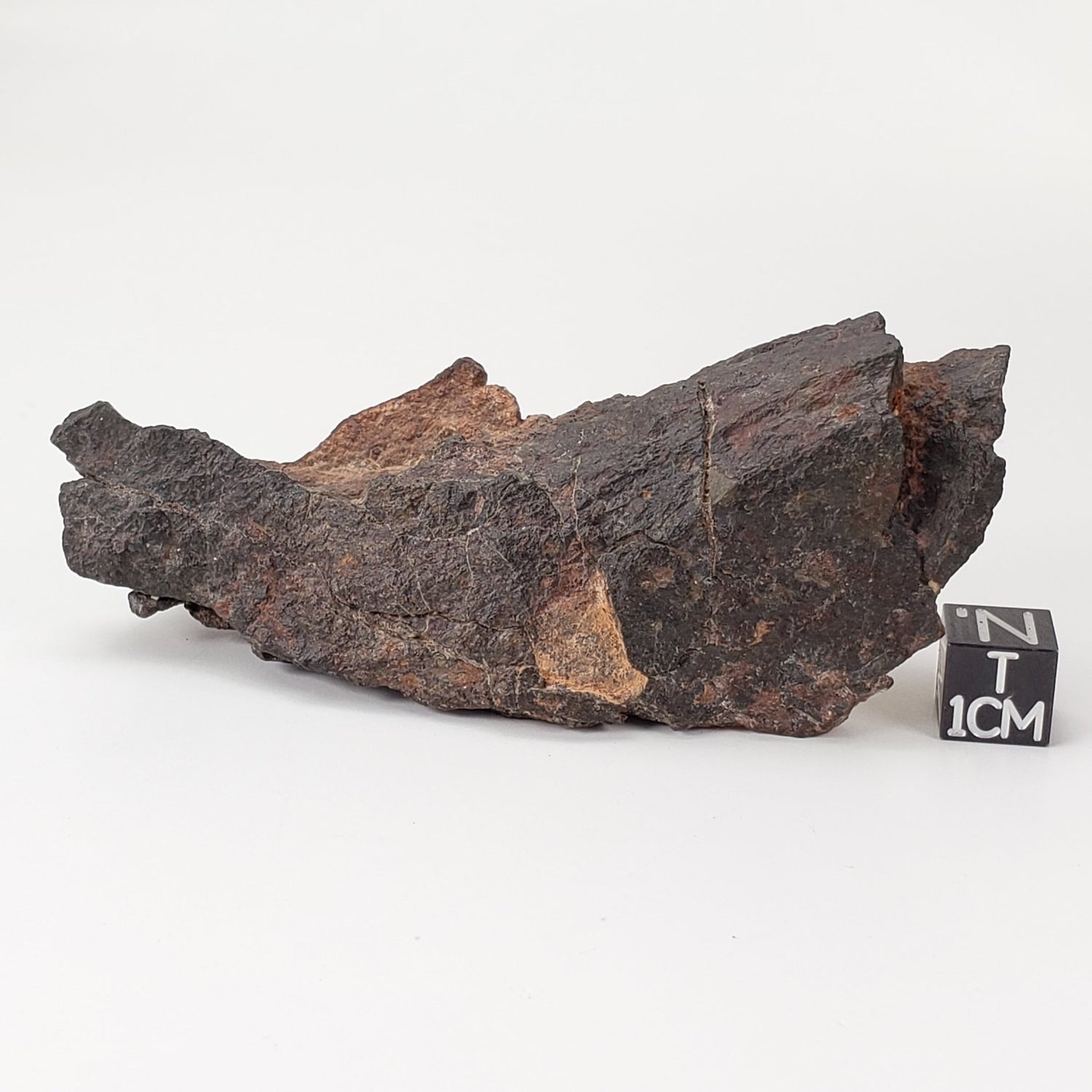
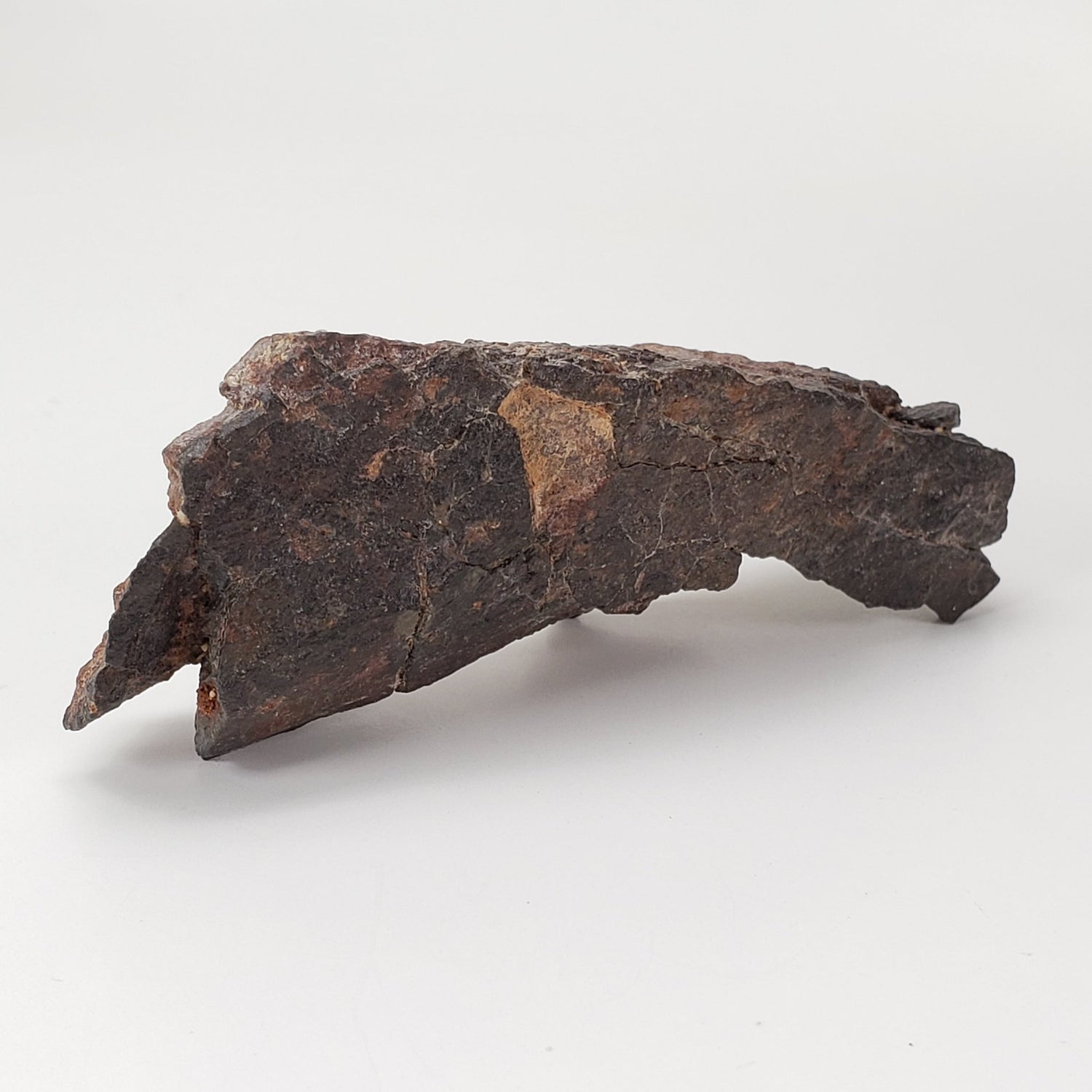
This is a fabulous fresh Ghubara meteorite whole fragment, weighing 115 grams and measuring 91x39x22mm . This meteorite was found in Oman, Southern Arabia in 1954 and is classified as an L5 Stony Black Chondrite.
This piece displays extremely well and is a very desirable size showing multiple characteristics of its time spent in space until it came crashing to earth. Would be a beautiful addition to any new or existing collection. Comes with a Canagem Collection specimen card.


This is a great looking Bilanga classified meteorite specimen weighing 4.68 grams with dimensions of 22x17x10 mm. This Achondrite Diogenite classified meteorite was observed falling in 1999 in Gnagna, Burkina Faso and is 1 of only 240 approved meteorites classified as such. The total weight of the pieces recovered is recorded as 25 kilograms.
This piece is a very desirable type of material and a great specimen all around. The specimen comes in a protective display case with label. Would be a beautiful addition to any new or existing collection. Comes with a Canagem Collection specimen card plus one from origin.
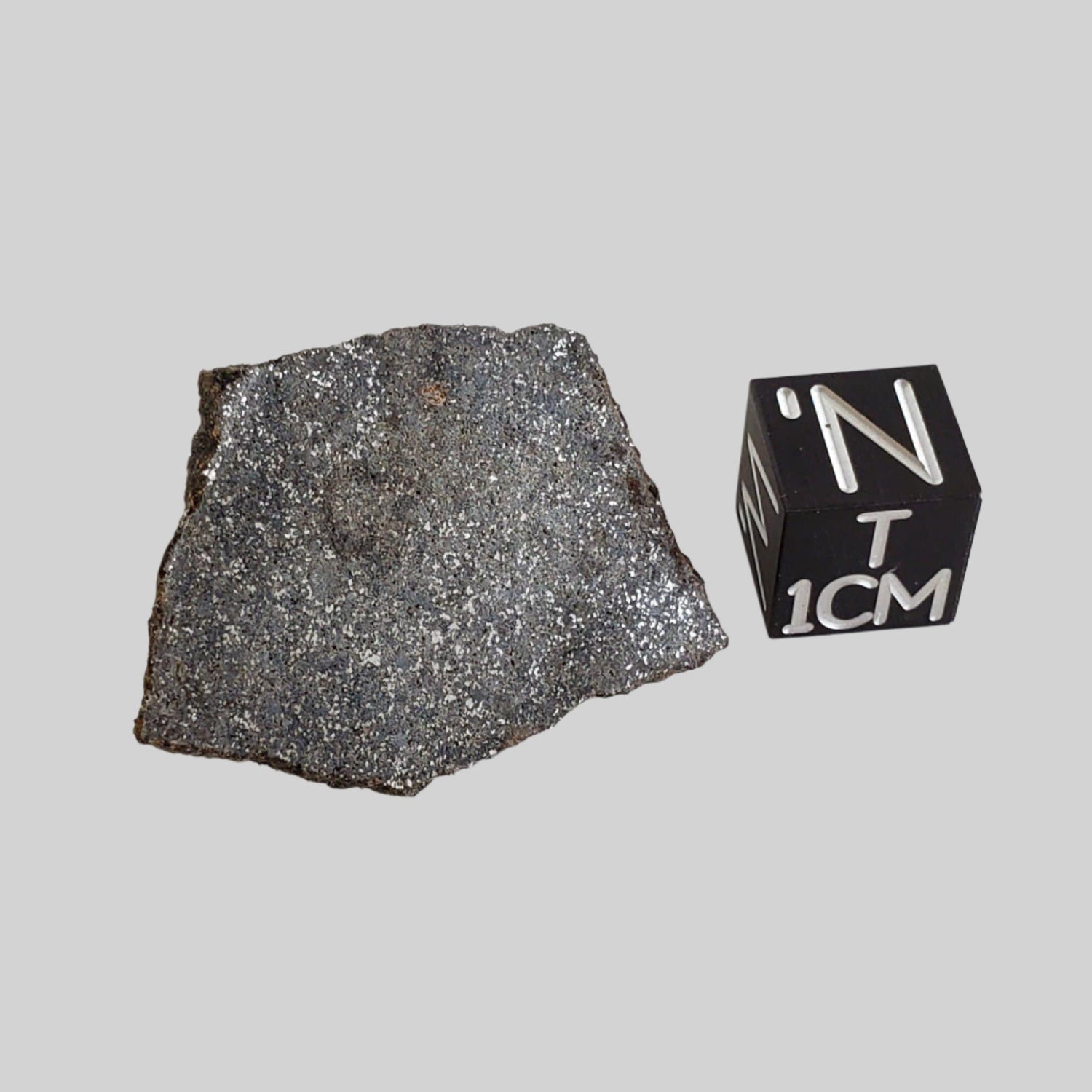
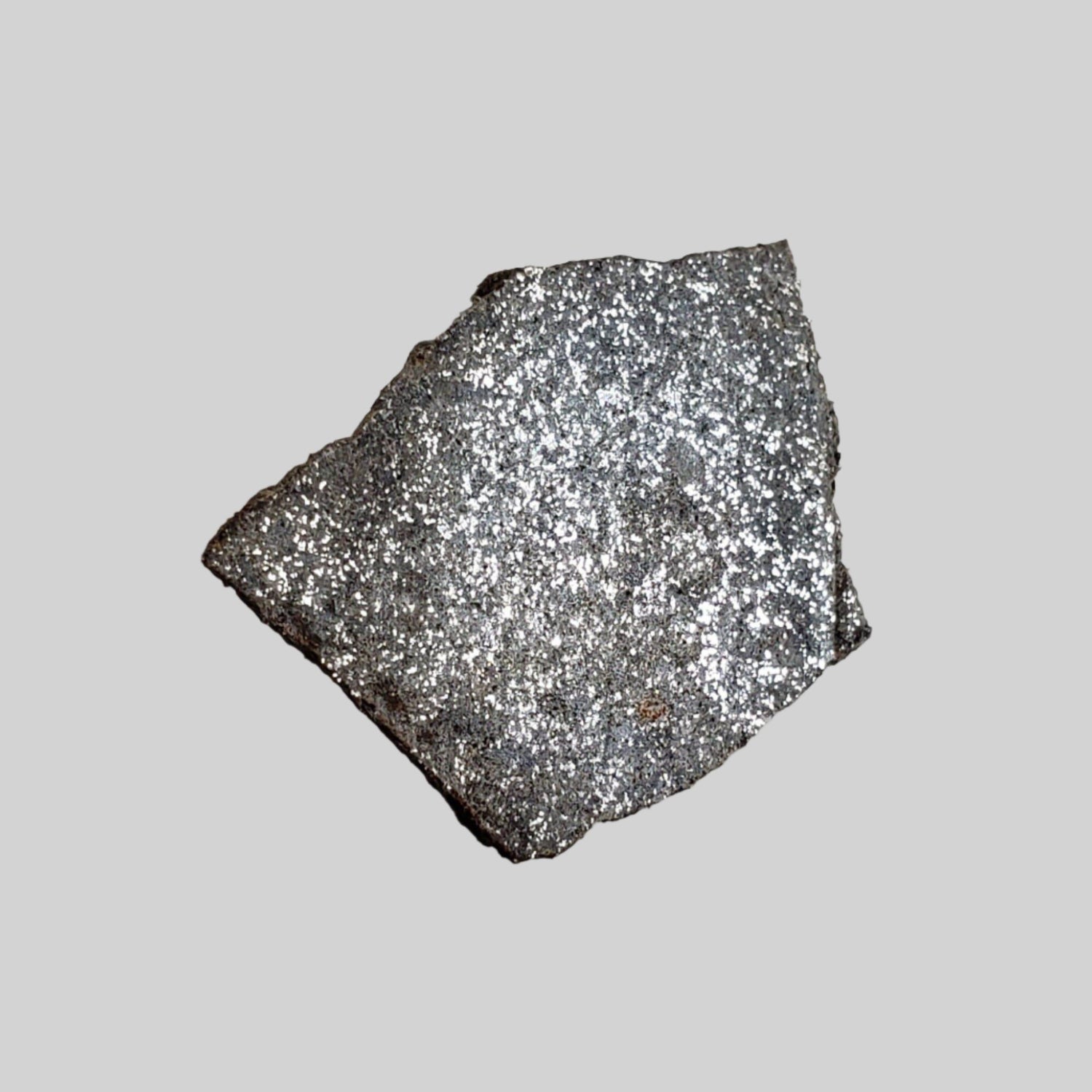
This is an incredible slice of the Big Rock Donga meteorite (MB 71) found in Nullarbor, South Australia in 1970. Just a single stone of this H6 meteorite was found - by an old trapper who used the stone to plug up a rabbit burrow to keep the rabbits from escaping! It remained on a sheep farm for many years before finally being recognised as meteoric in 1989.
The matrix is grey/green and mottled, with dark coloured chondrules, lots and lots of fine grained metal flake and dark fusion crust on some specimens. This is a very appealing, difficult to obtain meteorite which is not markedly weathered. . This rare and highly collectable H6 Chondrite is 1 of only 197 approved meteorites from South Australia. The total Mass is registered at 19 Kilograms and this is a nice piece at 3.98 grams with dimensions of 32x23x2 mm.
This piece displays very well with its polished face and would be an amazing addition to any new or existing collection with a high quality piece which is impossible to acquire. Comes with a Canagem Collection specimen card and one from origin.
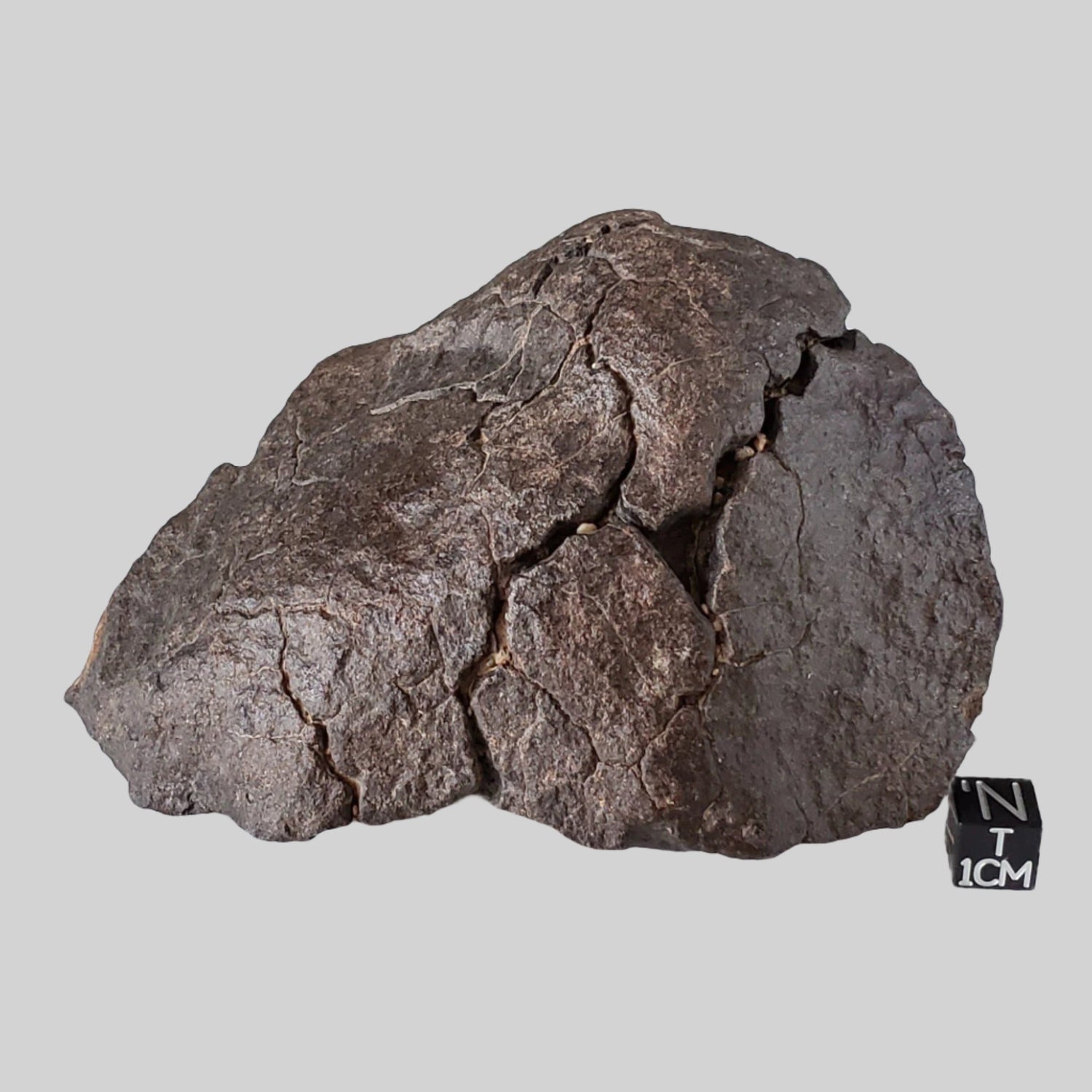
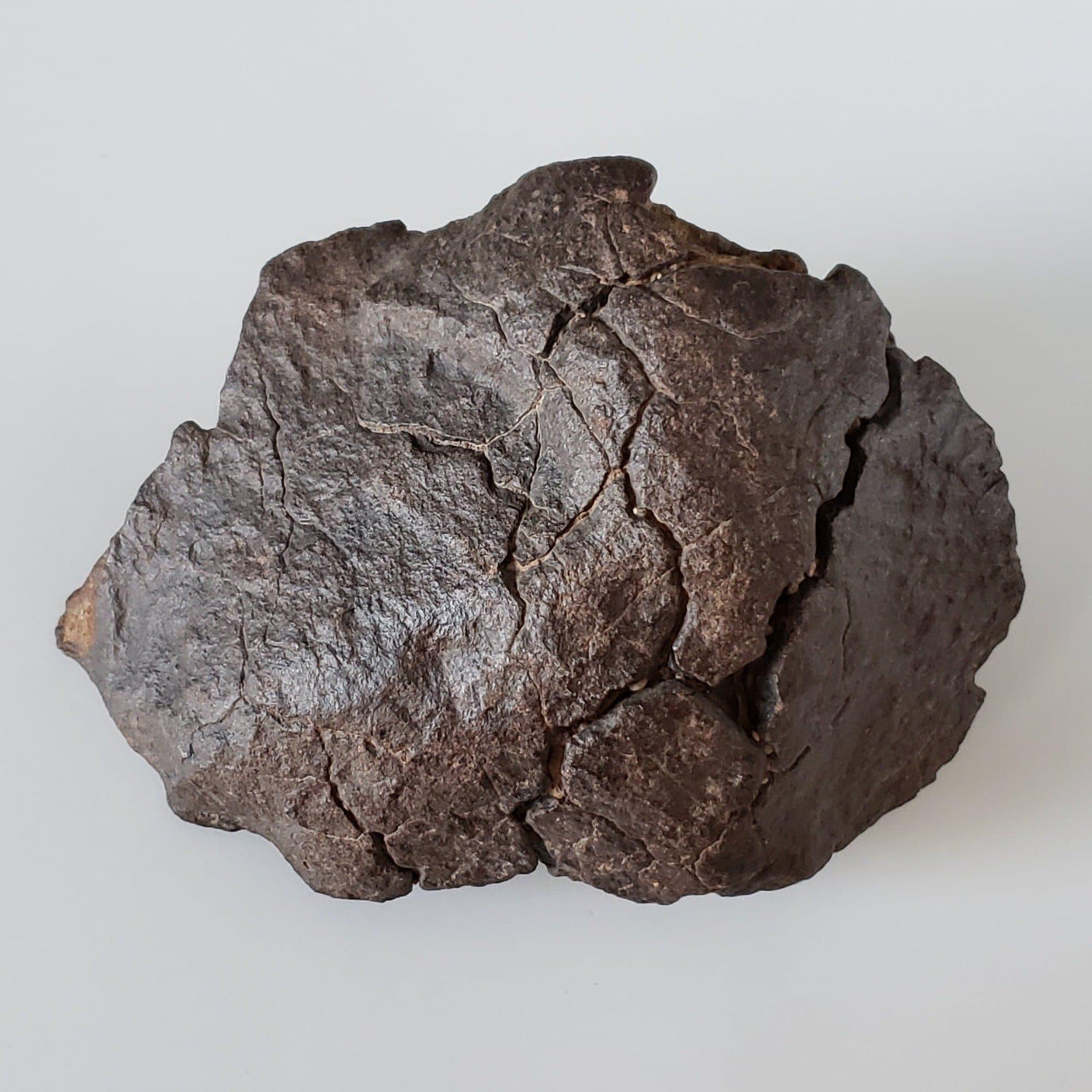
NWA 4528 Meteorite | 727 Gr | Individual Fragment | H5 Chondrite | Sahara Desert
This a superb "shocked" individual fragment Sahara Desert NWA 4528 meteorite weighing 727 grams. Its dimensions are 130x83x57 mm. This North West Africa H5 Classified meteorite was found in the desert in September 2006, along with the other 59 pieces for a total mass of 240 Kg .
The shock stage is at level 2 and the weathering grade of 2/3 means it is in very good condition. Although a common classification of material it shows very well.
This piece displays extremely well, it has size and presence showing a nice crust and patina from years of rest in the desert. It would be a beautiful addition to any new or existing collection. Comes with two specimen cards from the Canagem Collection and The Hupé Collection.

This is an aluminum label with all the information regarding any Sahara Desert, Africa meteorite. This flat model fits nicely in a Riker type box or our own Alder wooden boxes. An excellent way of identifying and displaying your collection of meteorites.

Canagem is proud to be professional member of The International Gem Society(IGS) the world's top resource for gem professionals, enthusiasts, and industry content.