



1573 products
Sort by:
1573 products


This is an excellent specimen from the world renowned location that is Mount-Saint Hilaire. This beautiful crystal would be a great addition to any new or existing collection.
Name: Rhodochrosite
Specimen Size: Thumbnail-Sized
Dimensions: Specimen 14x9x7 mm
Box 33x33
Weight: 2.5 Grams / 12.7ct
Origin: Mined in Poudrette Quarry, Mont-Saint-Hilaire, Québec, Canada
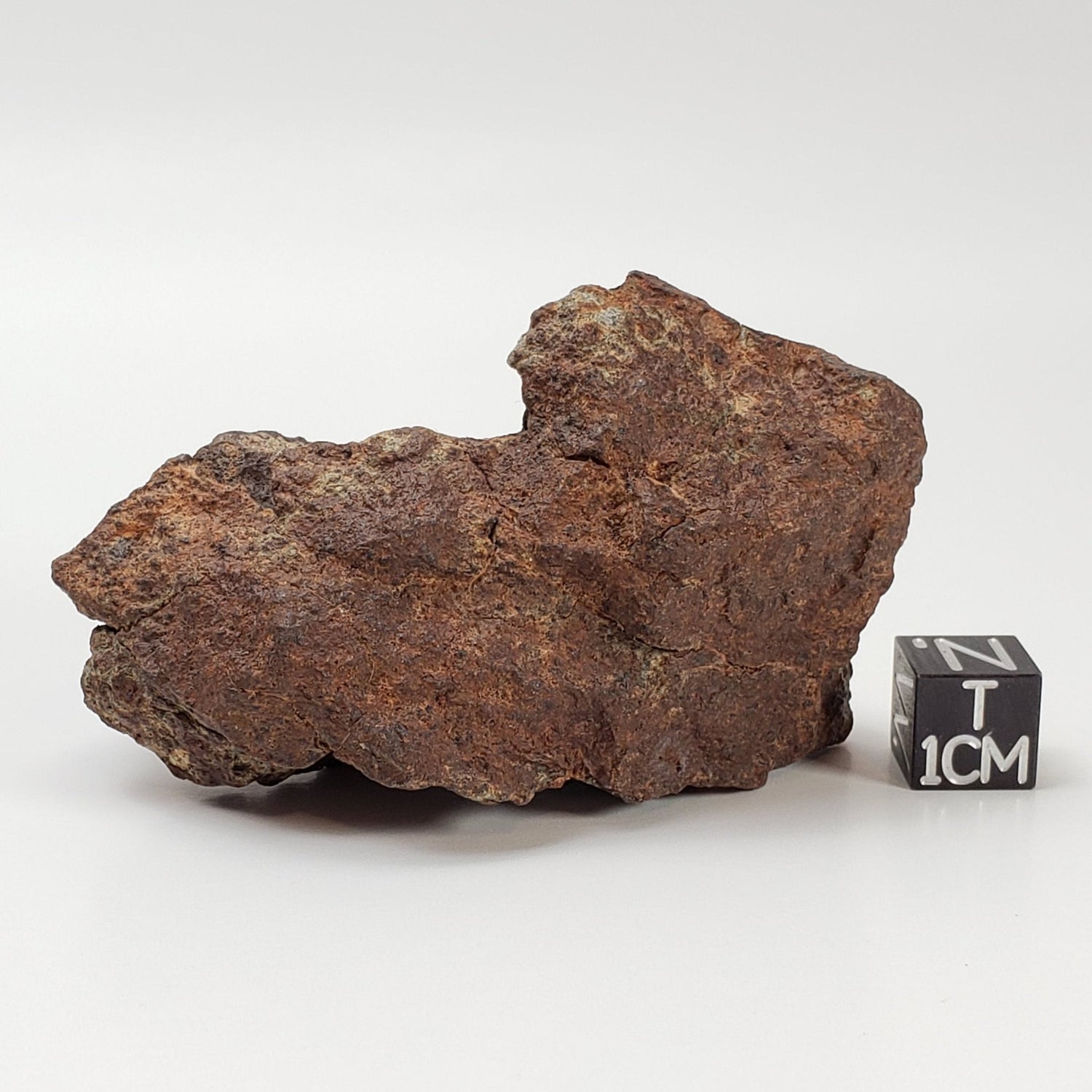
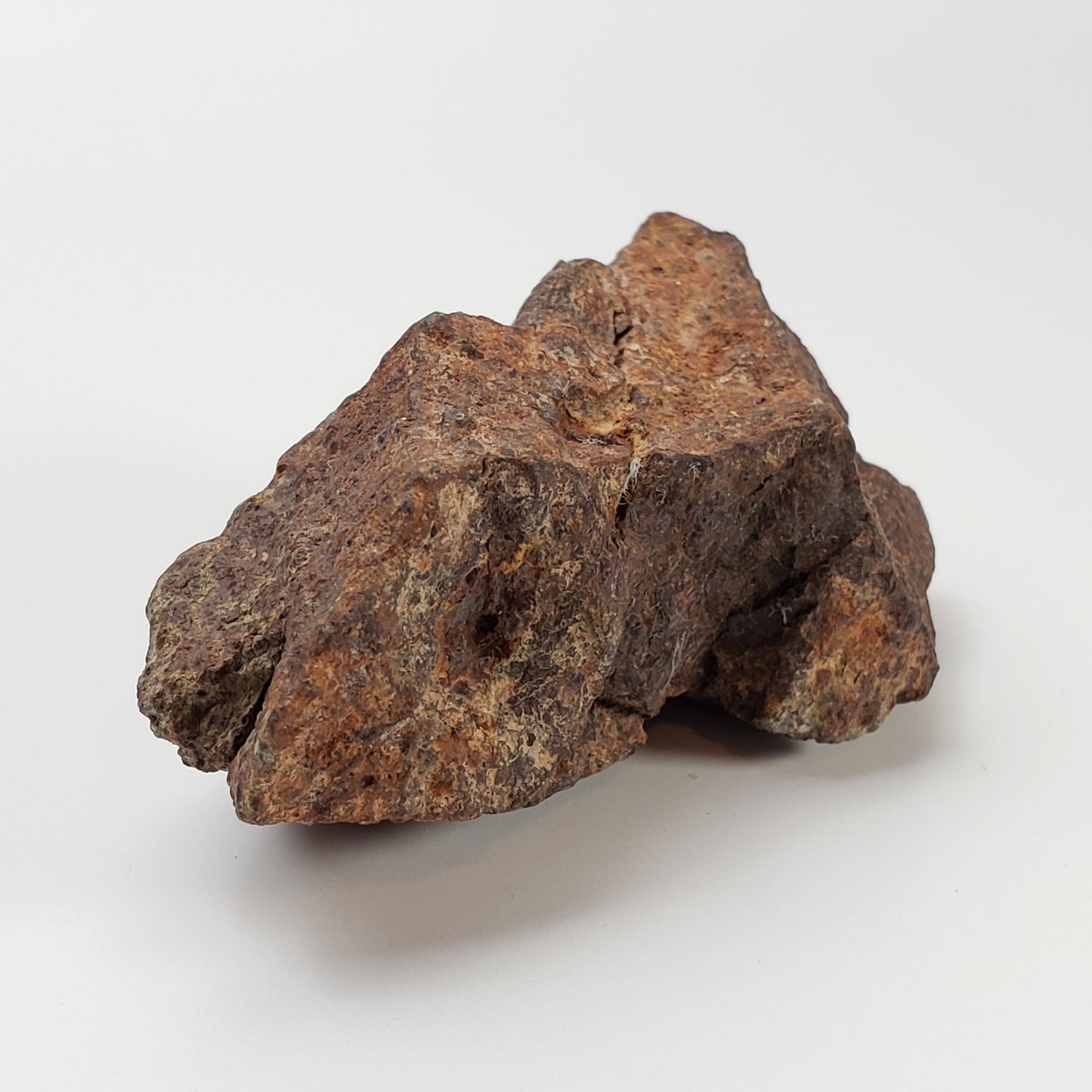
Here we have for you a nice looking individual fragment of a Sahara Desert NWA unclassified meteorite weighing 121.6 grams. Its dimensions are 71x42x32 mm. This never classified North West Africa stone was found in the Sahara desert around 2000.
It's a good quality individual fragment NWA meteorite specimen. Some weathering shows the meteorite's time spent aging in the desert. Would be a beautiful addition to any new or existing collection. Comes with a Canagem Collection specimen card.
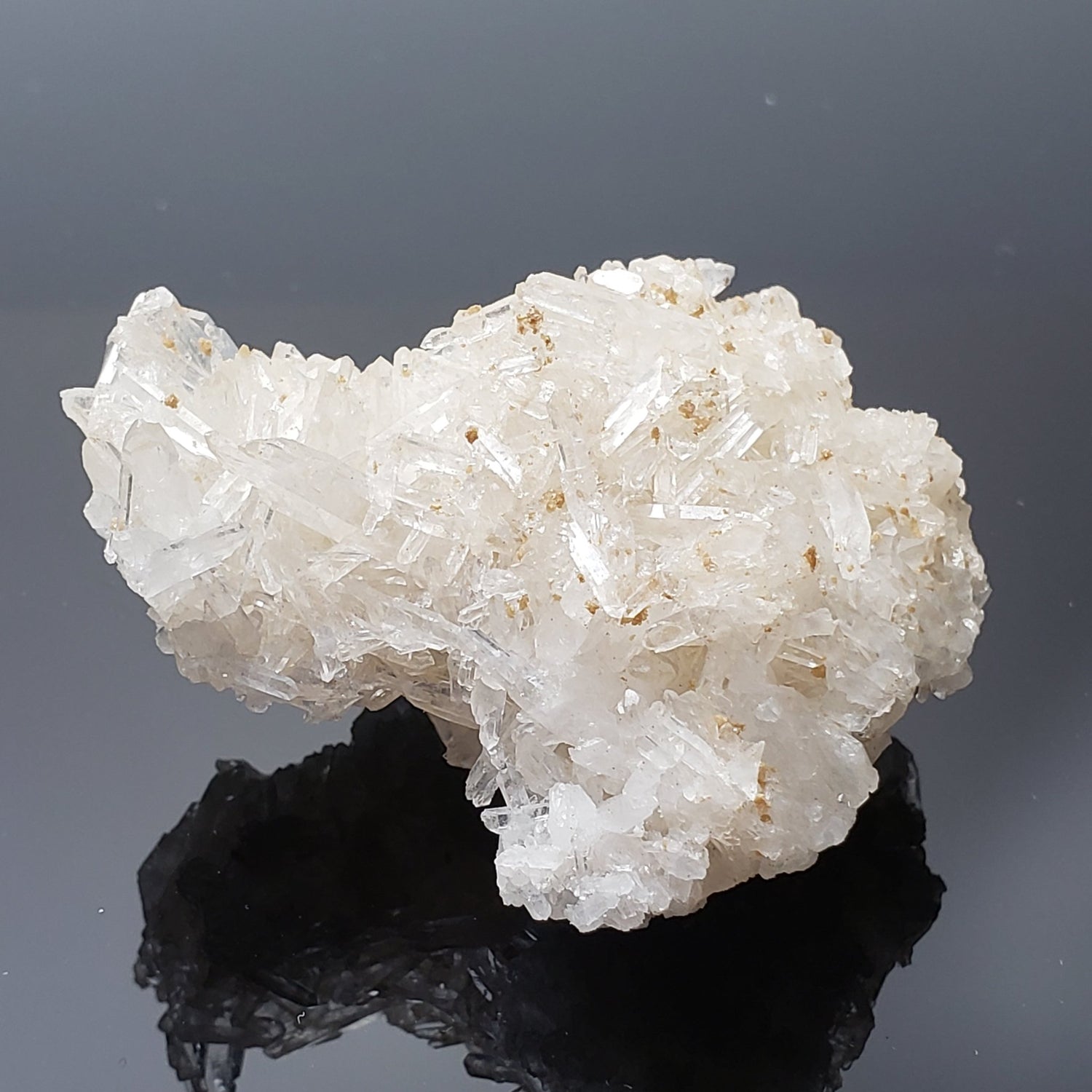
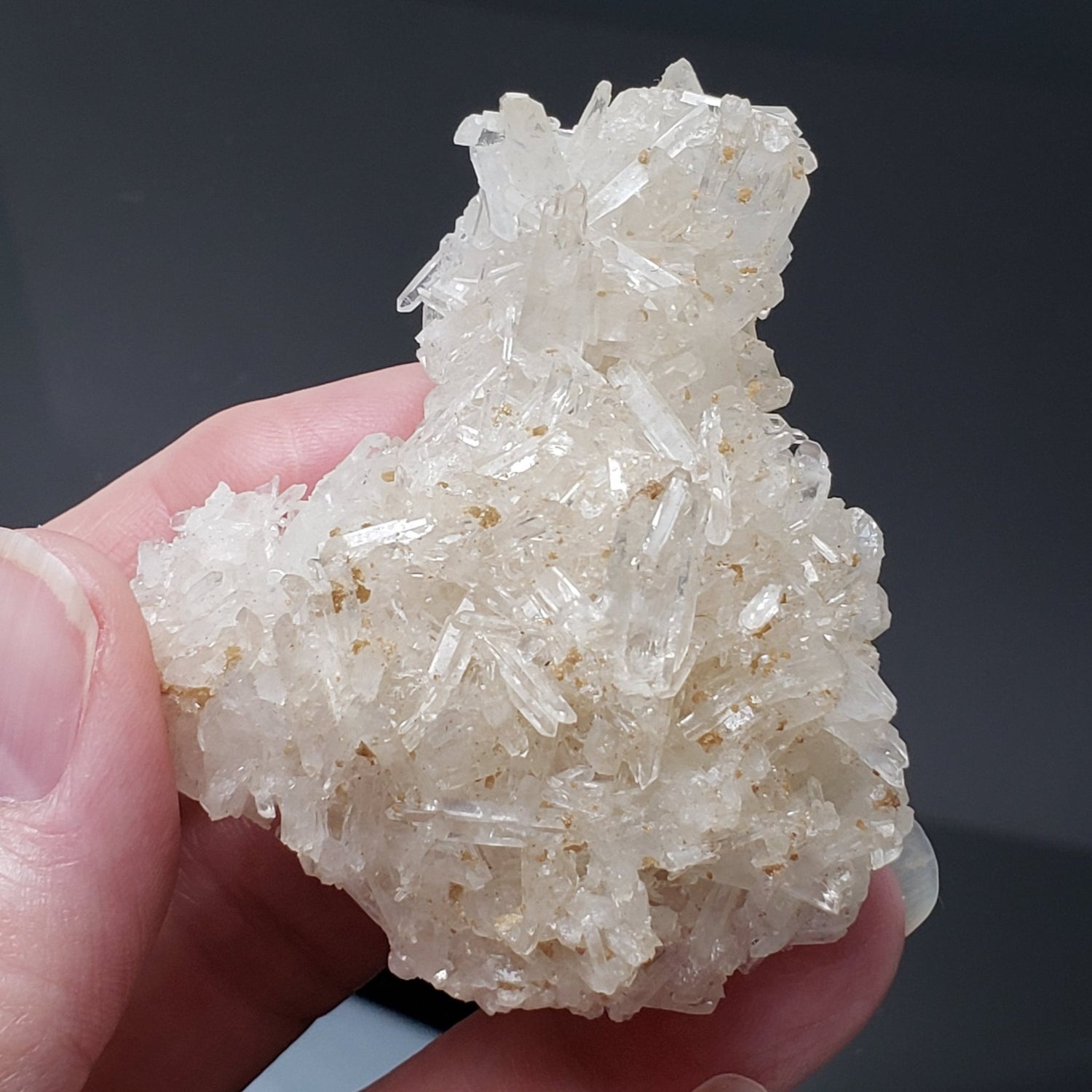
Quartz crystals are among the most abundant and well-known minerals on Earth. It belongs to the hexagonal crystal system, and typically forms six-sided prismatic crystals with a pointed termination. Its crystals can be colorless or exhibit a wide range of colors. The color variations are often due to the presence of impurities or trace elements during the crystal's formation. Quartz is transparent to translucent.
Quartz from this quarry is known as the best of its kind. These specimens have a unique brightness and surface sparkle preferred by collectors around the world. The crystals are intergrown with many others in jackstraw groups which are not attached to matrix: giving you an unlikely-looking floater specimen. The specimen is in very good condition.
Name: Solution Quartz
Specimen Size: Cabinet-Sized
Dimensions: 63x53x35 mm / 2.5x2.1x1.4 inches
Weight: 69.4 Grams / 2.4 Ounces
Origin: Jeffrey Quarry, North Little Rock, Arkansas, USA
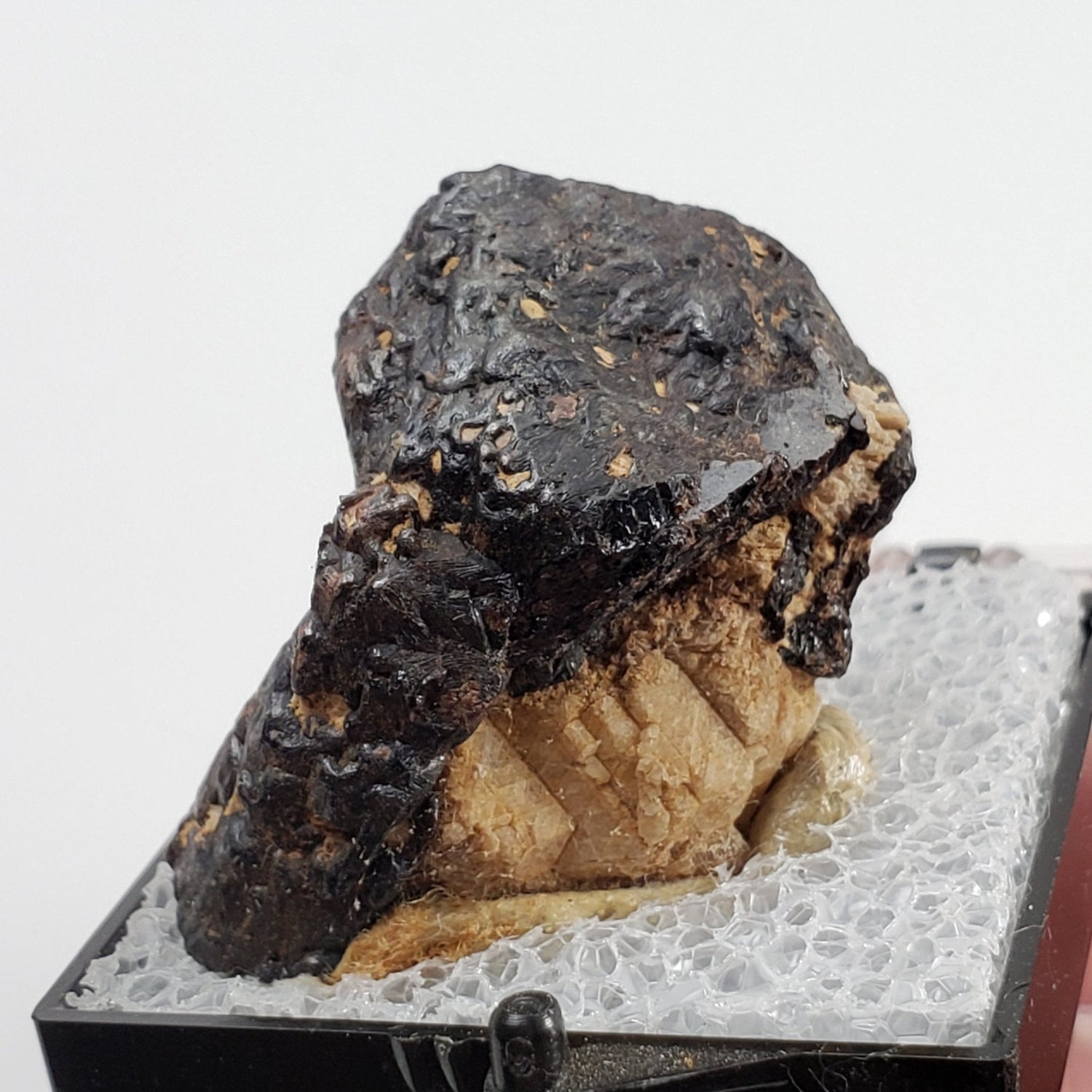
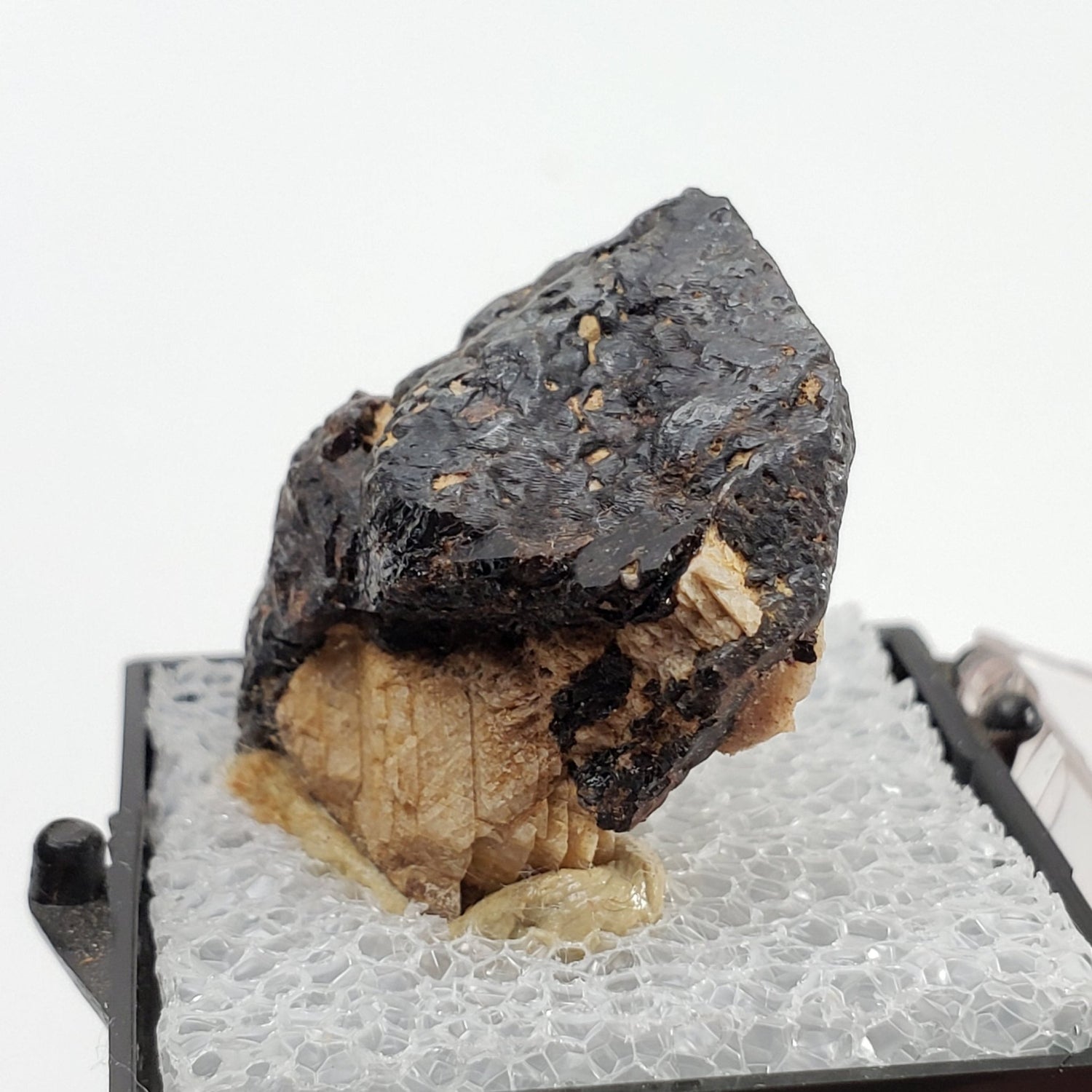
Name: Titanite var. Sphene
Specimen Size: Thumbnail-Sized
Dimensions: Specimen 28x14 mm / 1.1x0.5 inches
Specimen Box 33x33 mm / 1.3x1.3 inches
Weight: 20.9 Grams / 0.7 Ounces (including box)
Origin: Mined in Faraday Twp, Bancroft, Ontario, Canada


Pseudomorphs are mineral specimens that have the external shape of one mineral but are composed of another. The pseudomorph goethite after marcasite forms when marcasite is exposed to oxidizing conditions and starts to oxidize and break down. As the marcasite breaks down, goethite replaces it in the crystal structure, preserving the shape of the original marcasite crystal. The resulting specimen appears as a marcasite crystal, but is actually composed of goethite.
The Farafra Oasis, in the White Desert, has been known for a number of years to deliver incredible pseudomorph specimens. The pseudomorphs occur within the Cretaceous Khoman Chalk, from which the White Desert derives its name.
These specimens are remarkable for their relatively sharp marcasite crystal forms in aesthetic crystal clusters. They are in excellent condition. This collector's specimen is unique, of great quality and ready for display.
Name: Goethite After Marcasite Pseudomorph
Specimen Size: Miniature-Sized Specimen
Dimensions: 35x22x20 mm / 1.4x0.9x0.8 inches
Weight: 17 grams / 0.6 ounces
Origin: White Desert, Farafra Oasis, Egypt
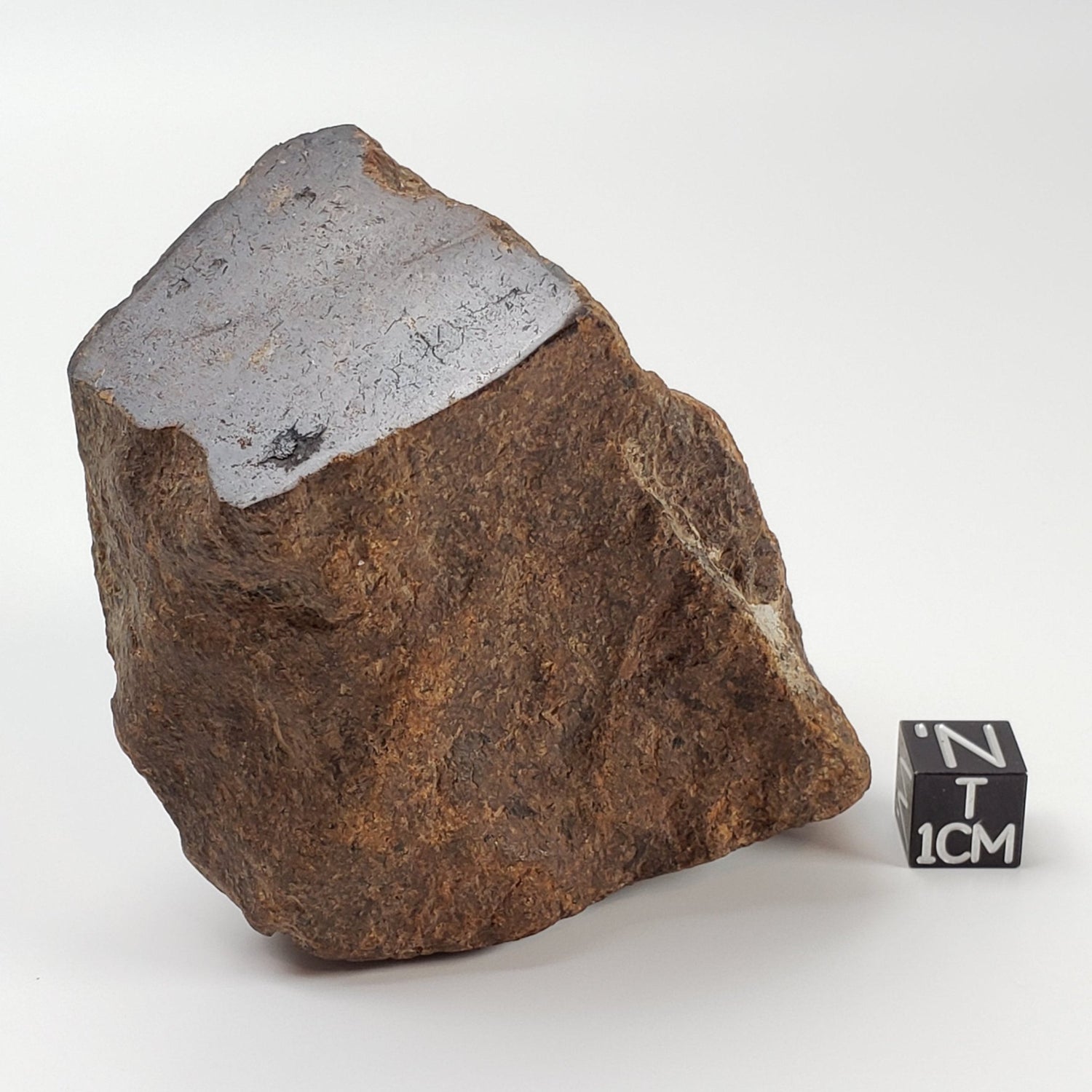
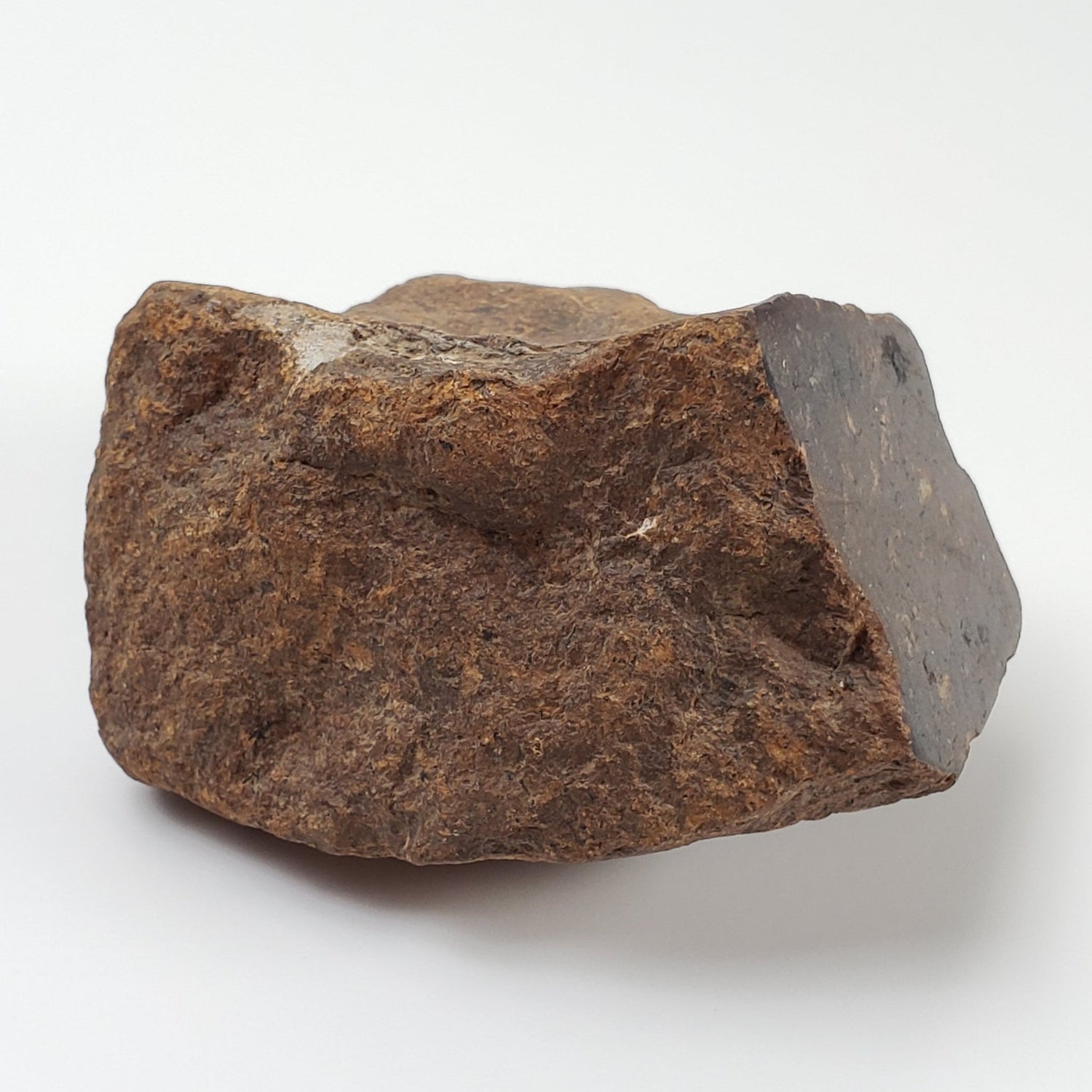
Here we have for you a nice looking individual cut fragment of a Sahara Desert NWA unclassified meteorite weighing 298.8 grams. Its dimensions are 70x65x45mm. This never classified North West Africa stone was found in the Sahara desert around 2000.
It's a good quality individual cut fragment NWA meteorite specimen. Some weathering shows the meteorite's time spent aging in the desert. Would be a beautiful addition to any new or existing collection. Comes with a Canagem Collection specimen card.


This is a must have 40.8 gram Impact Breccia, also referred to as Suevite, from the famous Rochechouart impact structure in South Western France, near the village of Chassenon. Although not a meteorite, impactites are directly linked to them and their impacts and are probably going to be one of the rarest collection items you'll ever own. Impactite is a slag-like glassy object found on the surface of the earth, formed from rock melted by the impact of a meteorite.
Named after the town of Rochechouart, the Rochechouart impact structure is located on the western margin of the French Massif Central near the city of Limoges, approximately 350 km (220 mi) south of Paris. Rochechouart (population about 3800) is built with rocks created or modified by the impact (impactites). Chassenon, a third of the size of Rochechouart, is also built of impactites. Impactite was used 2000 years ago for building Chassenon's monumental Roman baths of Cassinomagus.
The very fine materials (impactoclastites) are preserved forming a very fine layered horizontal deposits on top of the melt rich suevite (breccia with a debris matrix and both rock debris and melt fragments as clasts) near Chassenon.
The term impactite encompasses shock-metamorphosed target rocks, melts or suevites and mixtures of the two, as well as sedimentary rocks with significant impact-derived components and shocked mineral grains, tektites, anomalous geochemical signatures, etc. This impactite was formed 186 million years ago. This deformed rock fragments and partly molten are imbedded in a melt matrix showing typical flow structures from former melt.
This gorgeous end cut displays very well with a mass of 50x46x18 mm. Would be a beautiful addition to any new or existing collection. Comes with a Canagem Collection specimen card.
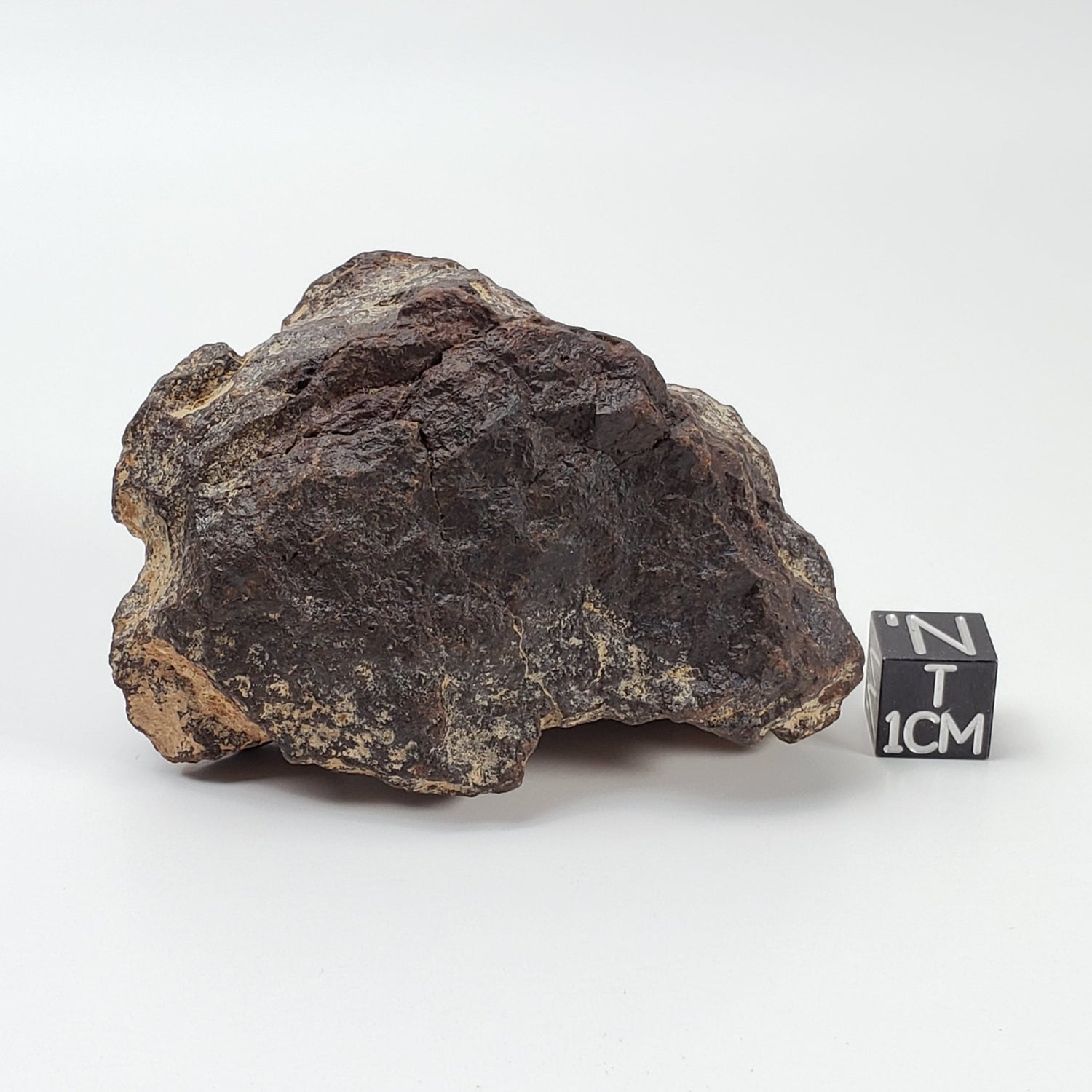
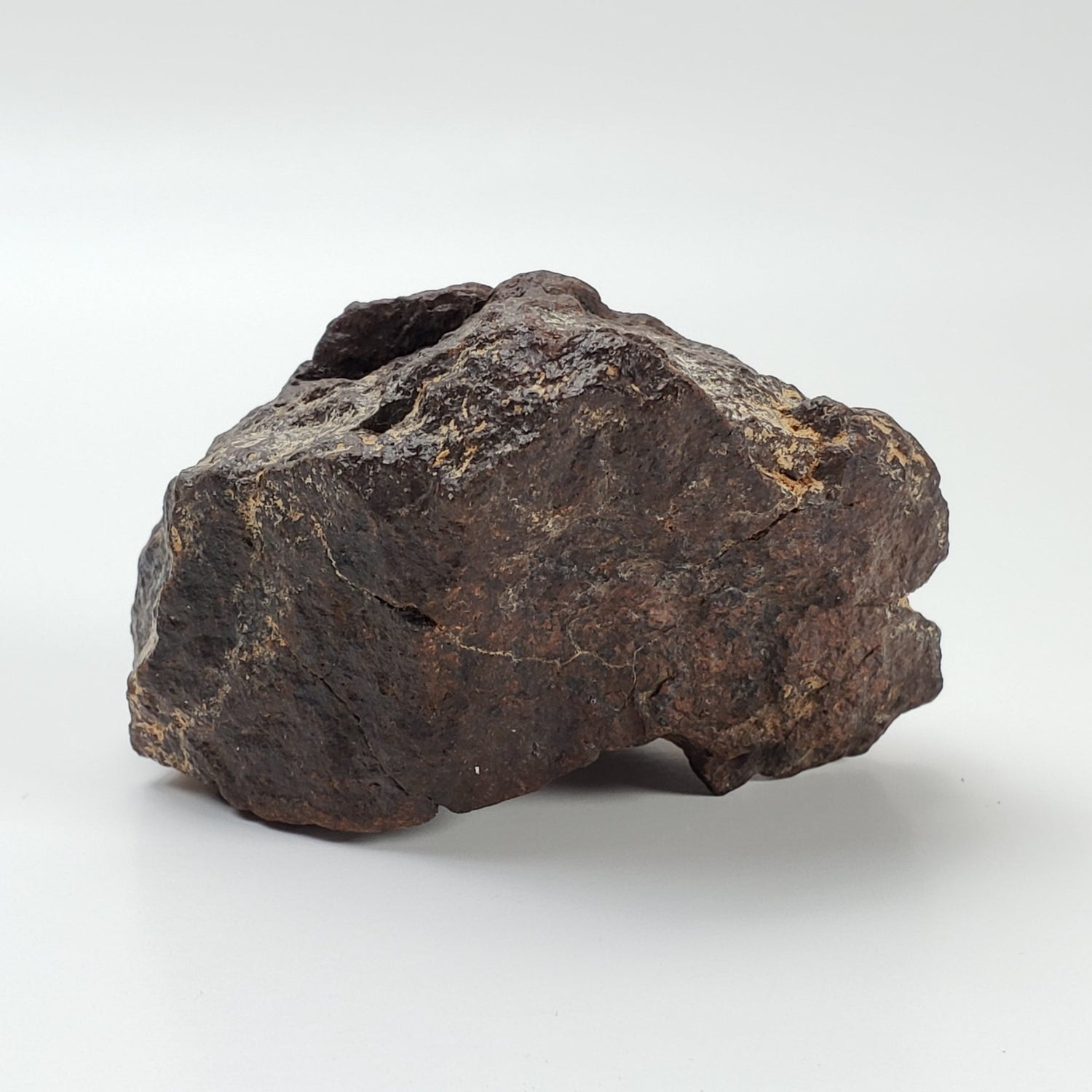
This is a superb Dhofar 221 classified meteorite weighing 142.8 grams and measuring 66x50x38 mm. This L5 classified meteorite was found in Zufar, Oman in 2000; it has a shock stage of 3 and weathering grade of 3. The total weight of the 100's of pieces recovered is recorded as a low 3.54 kg.
This piece displays extremely well because of its beautiful crust, superb shape and size. Would be a beautiful addition to any new or existing collection. Comes with a Canagem Collection specimen card.
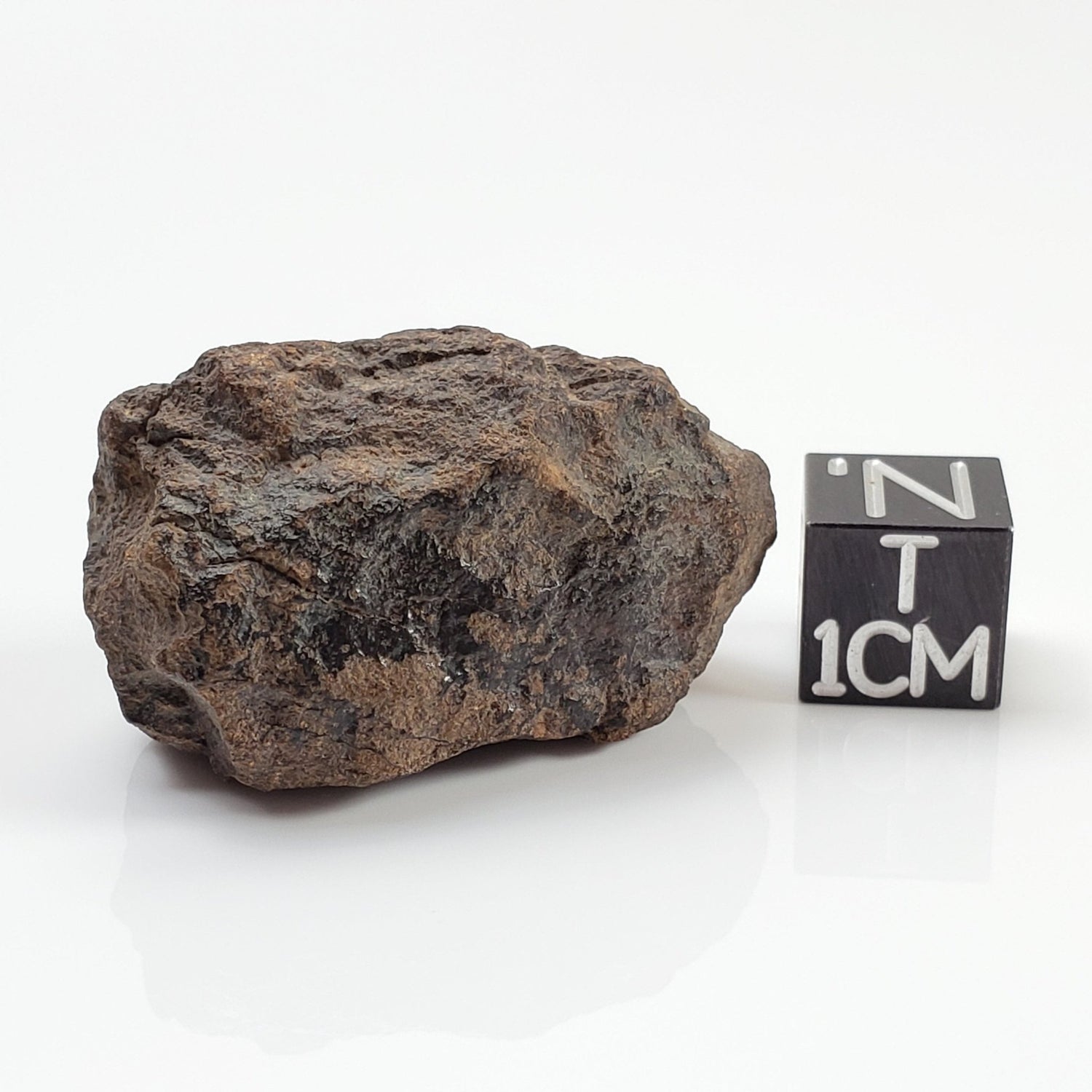
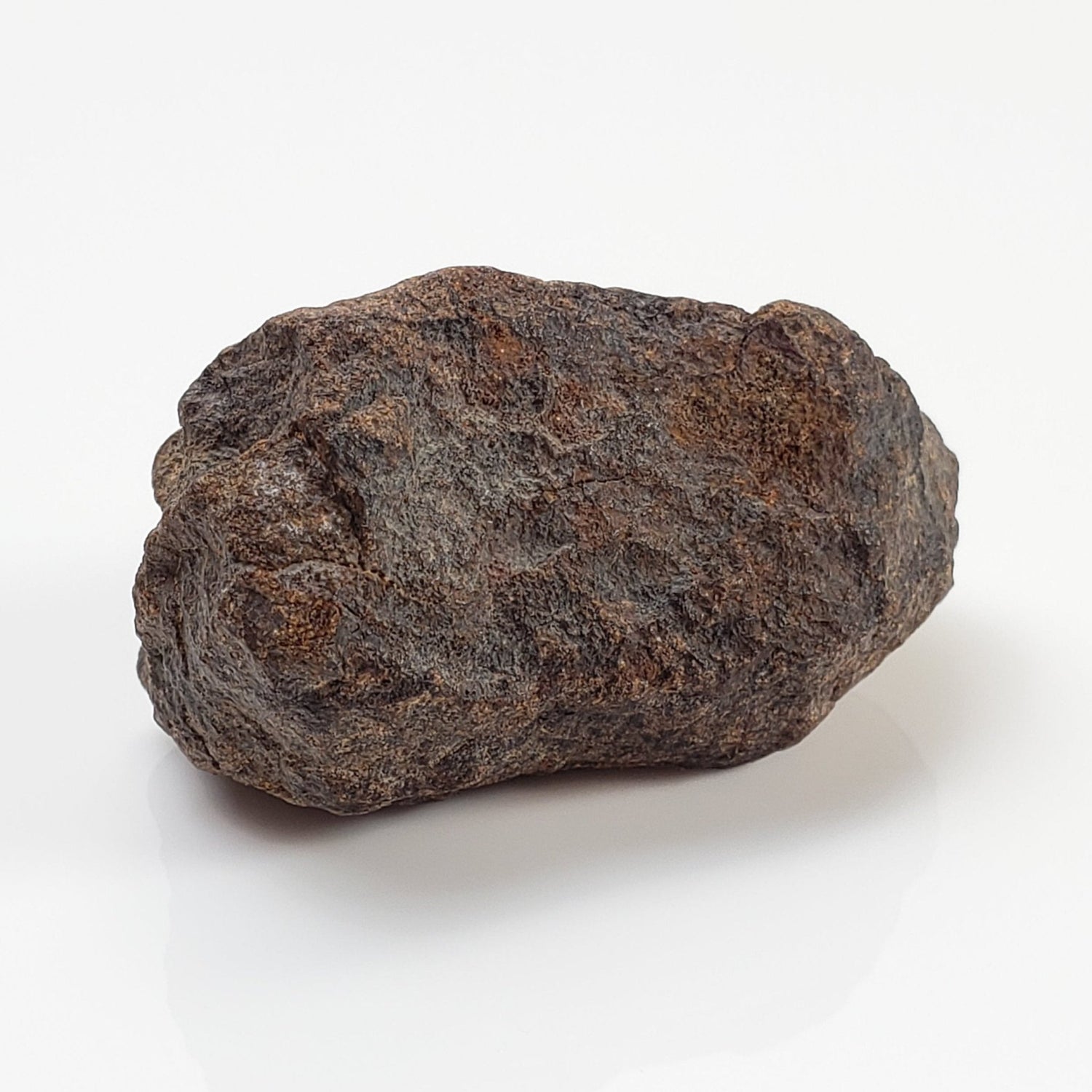
This is a superb whole specimen of the famous Northwest Africa 2965 meteorite weighing 20.6 grams. This is a beautiful specimen from the Thomas Phillips Meteorite Collection.
Its dimensions are 34x20x20 mm. This North West Africa was classified originally as an Enstatite EL6/7, then later as an EL3 and finally an EL-Melt Rock meteorite which was found along with the rest of the total mass of more than 100 Kilograms in the Algerian Desert in August 2005. This is one of the oldest meteorites on our planet in terms of terrestrial age and has been referred to as a fossil meteorite.
This Enstatite chondrite shock Level is minimal and weathering varies from 2 to 5. This piece displays extremely well and if cut would show a completely recrystallized enstatite chondrite with polygonal to irregular grain outlines. The grain size varies from 0.02 to 0.7 mm. Round, curved, blocky objects contain coarser-grained orthopyroxene than in the matrix. No relict chondrules were observed.
This hard to acquire piece displays very well with its prehistoric look. This rare and quality specimen would make an amazing addition to any new or existing collection. Comes with specimen card.
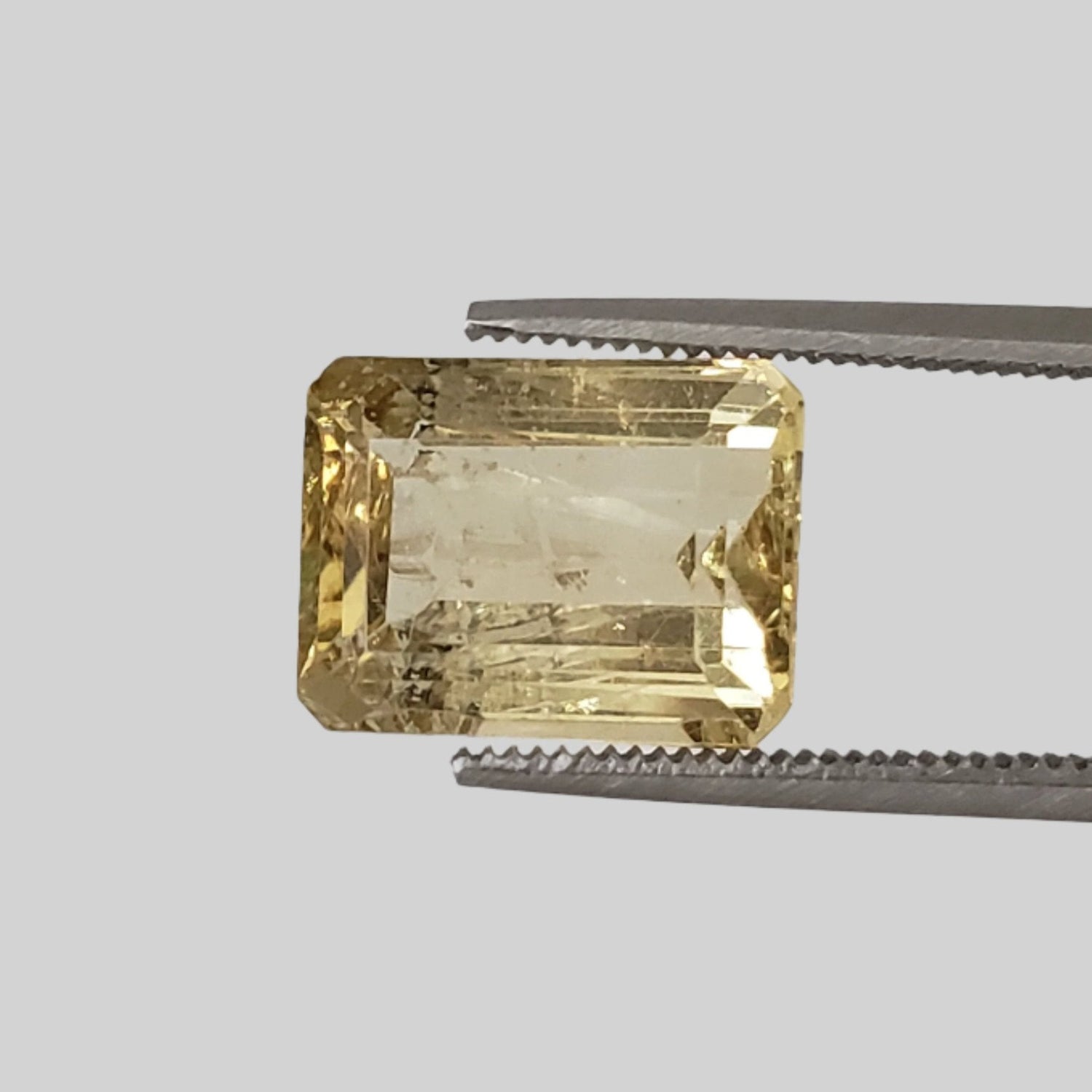
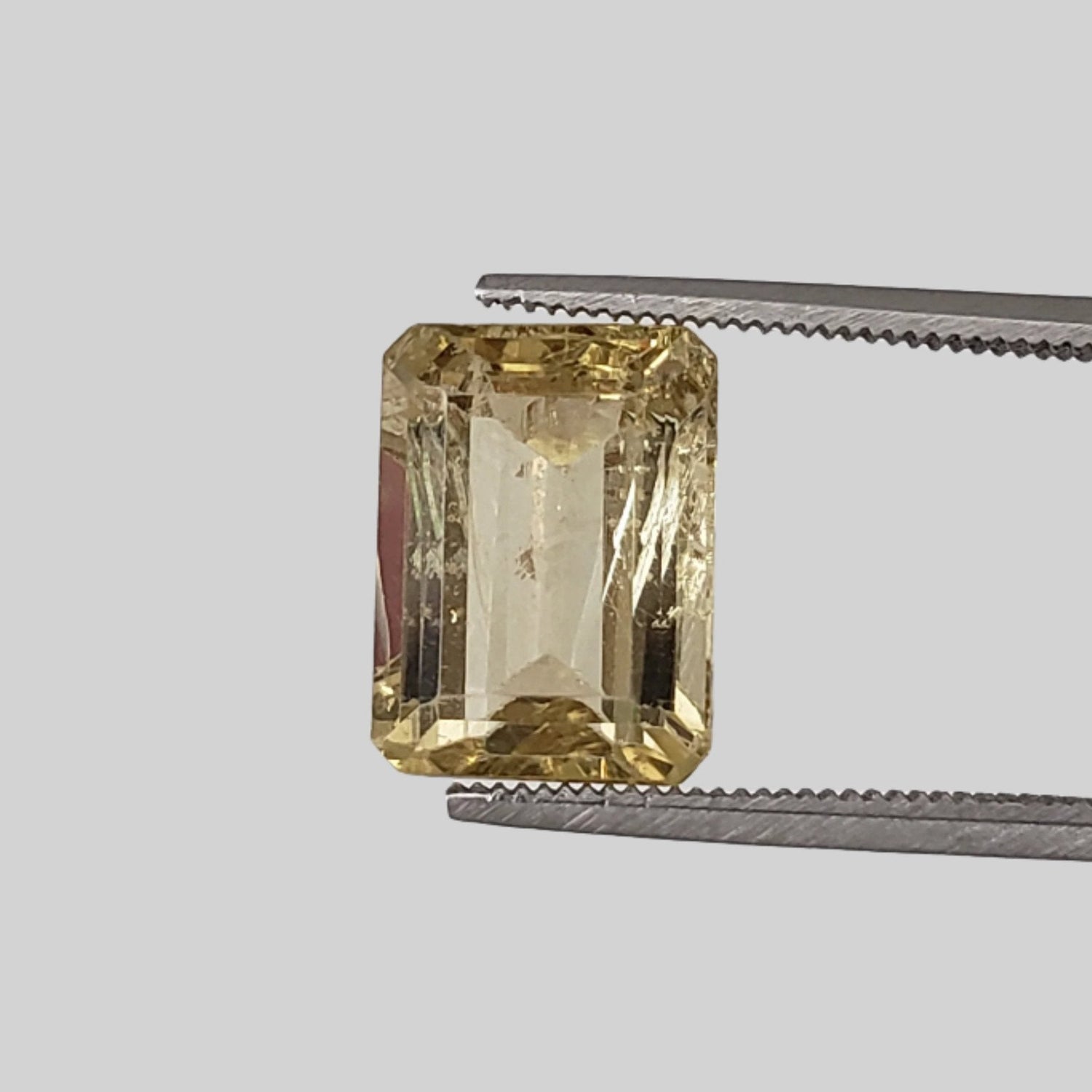
Product Type: Apatite
Approx Weight (per piece): 5.0ct
Size: 11x8.3mm
Shape: Octagon Cut
Color: Lemon Yellow
Clarity: VSI (Very Slightly Included)
Origin: Africa
Treatment: None
Apatite is a group of phosphate minerals that are commonly found in igneous, metamorphic, and sedimentary rocks. Apatite is named after the Greek word "apate," which means deceit, as it can be easily confused with other minerals due to its wide range of colors and forms. It can occur in various colors, including green, blue, yellow, brown, and violet.
Apatite is believed to possess healing properties and is associated with creativity, self-expression, and personal growth. It is thought to enhance communication skills, stimulate intellect, and promote clarity of thought.

Canagem is proud to be professional member of The International Gem Society(IGS) the world's top resource for gem professionals, enthusiasts, and industry content.