



1573 products
Sort by:
1573 products


This is a superb looking fragment of the Columbus classified meteorite weighing 3.83 grams. Its dimensions are 16x13x12 mm. This rare H5 classified meteorite was found in Luna County, New Mexico USA in 1997. The total weight of the stones recovered is recorded as a minuscule 165 grams.
Here's what the finder, Michael Cottingham told us: "This is the Meteorite that started it all for me! My wife and I were out looking for meteorites on a dry lake bed in Southern New Mexico and I found one! This was a new meteorite discovery and it only took me 300 hours of searching to find my First One! The COLUMBUS Meteorite was found by me in January of 1997. It was Classified by A. Rubin at UCLA as a H5 Chondrite. It was found near Columbus, Luna County, New Mexico and the Total Known Weight is ONLY 184 grams. Very Rare indeed."
This piece is part of America's history and is 1 of 228 approved meteorites from that location. Would be a beautiful addition to any new or existing collection. Comes with a Michael Cottingham Meteorites and a Canagem Collection specimen card.
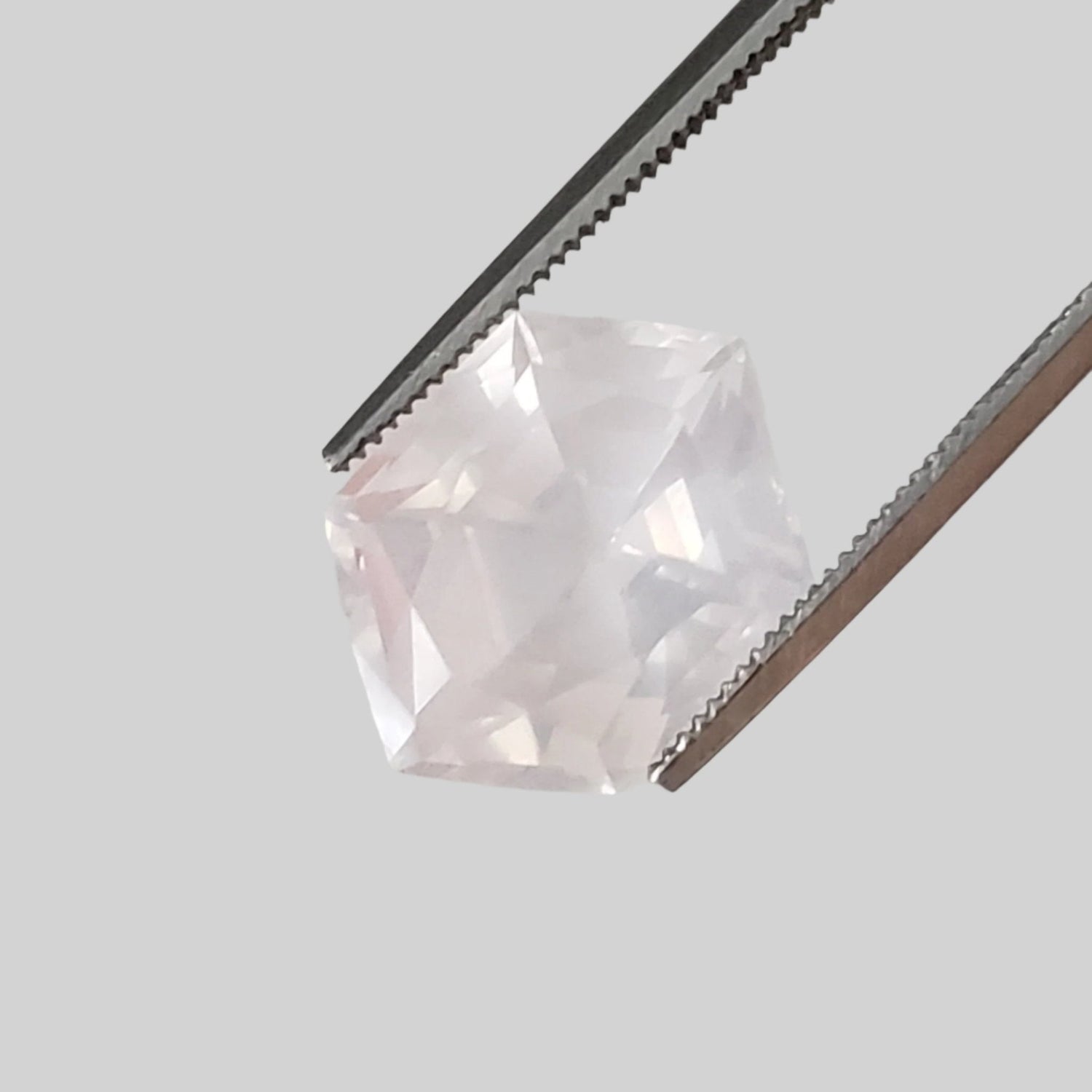
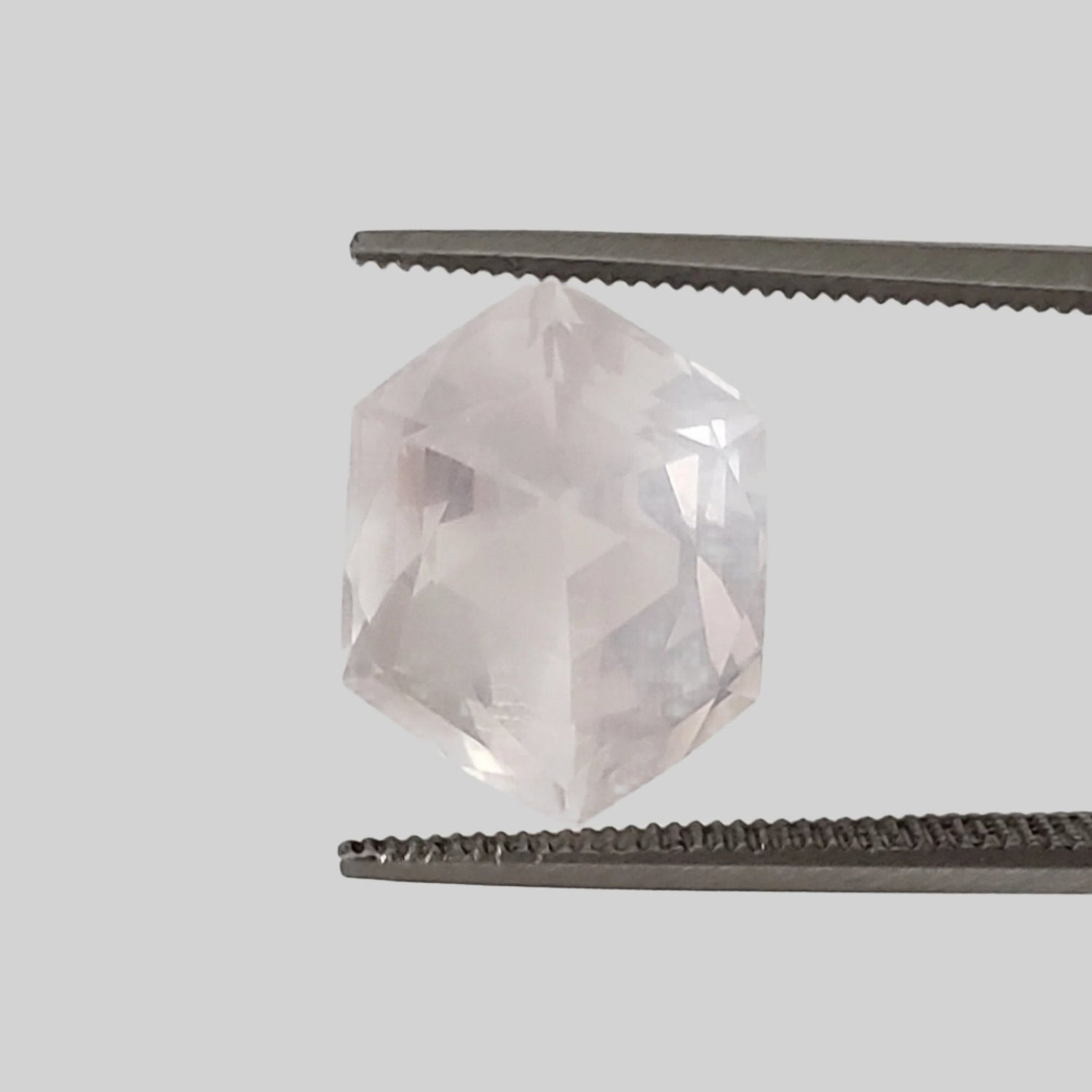
Product Type: Rose Quartz
Approx Weight (per Lot): 5.7ct
Size: 13.5x10x8.5mm
Shape: Modified Hexagon Cut
Color: Pale Pink
Clarity: VSI (Very Slightly Included)
Origin: Madagascar
Treatment: None

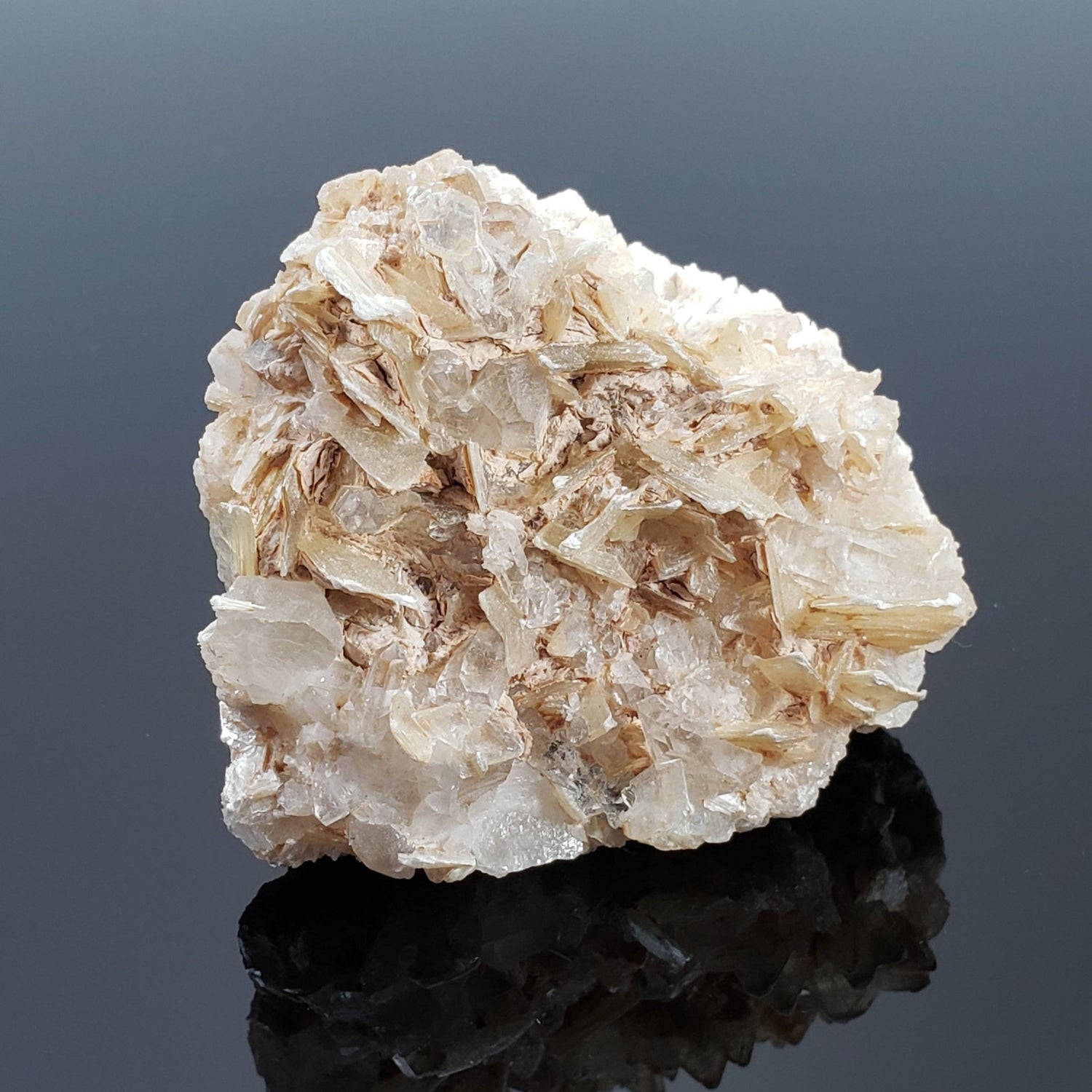
This is a specimen of Star Mica or Muscovite and Quartz cluster. These clusters show crystals that grow in sheets or book formations. It is silvery gold with good transparency when held up to the light. The name Muscovite comes from the term Muscovy Glass which was a name for the thick sheets of Mica used as a substitute for glass Russia. The name Mica is derived from the Greek word that means to split.
On this nice specimen, the matrix faces are covered with beautiful golden yellow point stars of muscovite mica, a typical shape for this rare mica formation. The stars are the result of twinning; the points show a bit of wear but this does not detract from the beauty of such a piece.
Name: Star Mica - Muscovite with Quartz
Specimen Size: Miniature-Sized
Dimensions: 47x43x25 mm / 1.8x1.7x1.0 inches
Weight: 48 Grams / 1.7 ounces
Origin: Mined in Minas Gerais, Brazil
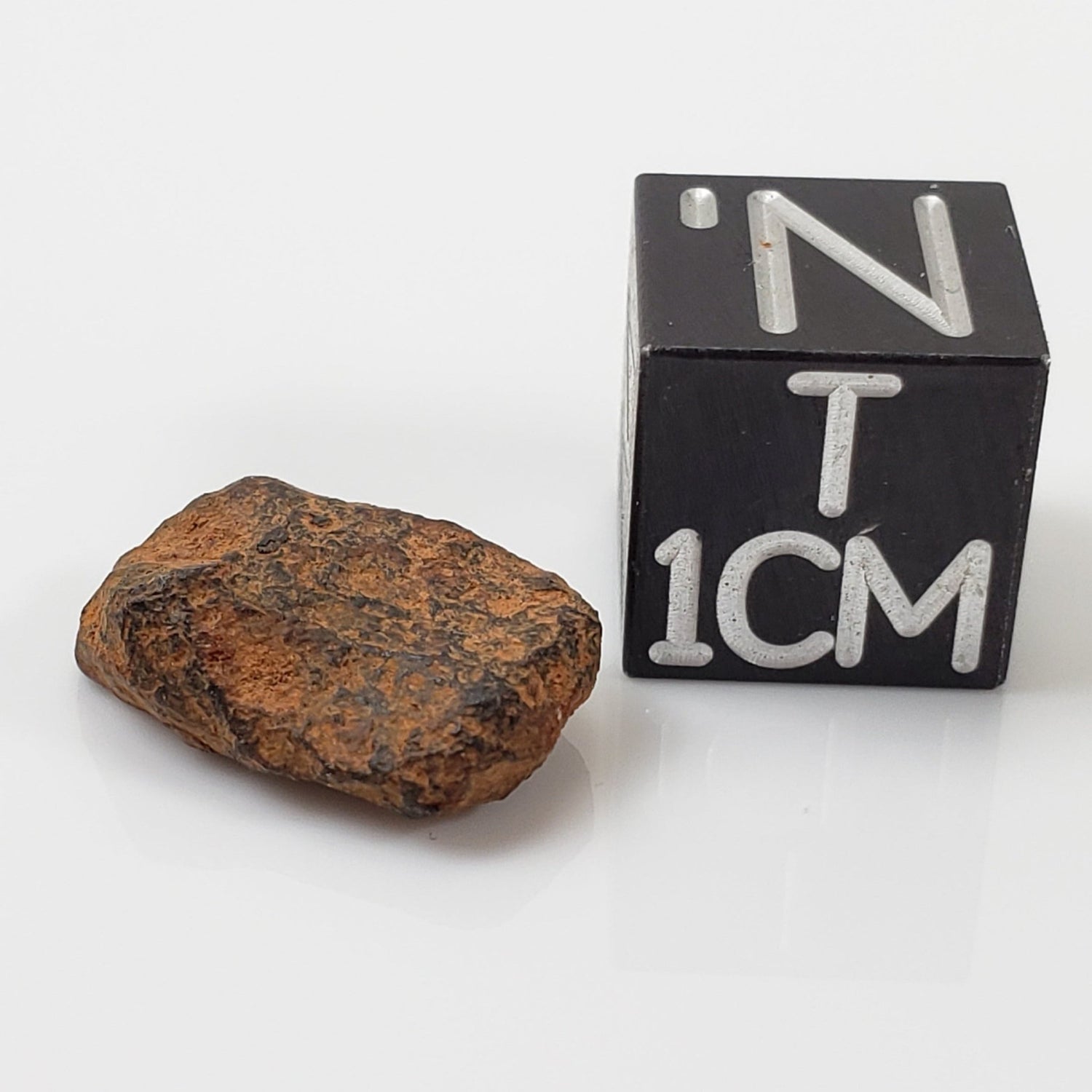
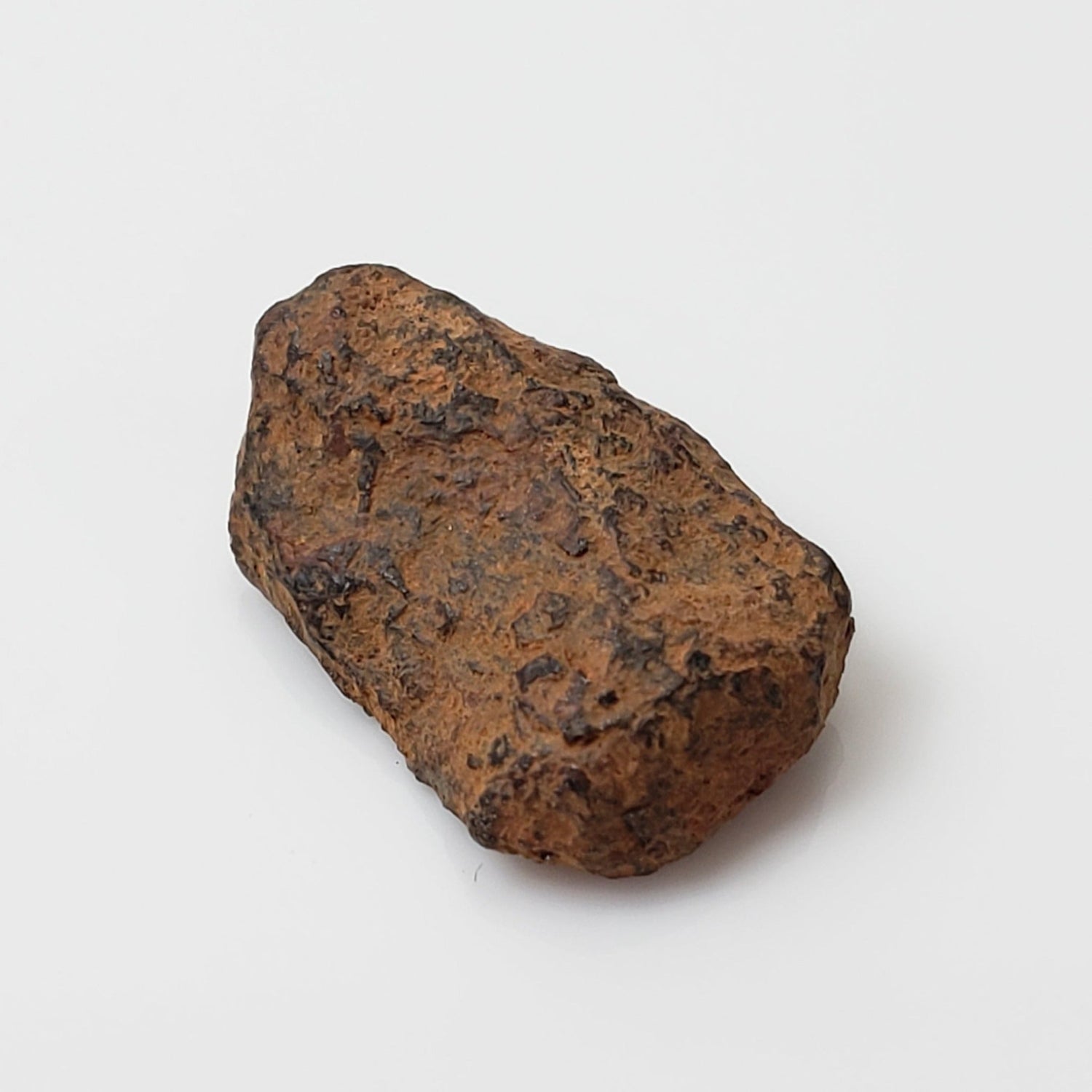
This is a stunning fragment of the very rare Veevers classified meteorite weighing 1.74 grams. This meteorite is one of only 15 associated with a crater larger than 10 meters across. The crater is about 1 million years old and is one of only 2 craters older than 50,000 years that have meteorites associated with them. This amazingly well preserved specimen measures 13x8x4 mm.
The Veevers crater is located in the Gibson Desert of Western Australia. It has a diameter of 60-80 meters across and a depth of about 6-7 meters. The crater's rim is raised 1.5m above the surrounding plain, and contains exposed rocks thrown from the center of the crater. The sides are gravelly rock with a few larger rocks mixed within. The bottom of the crater is covered with sand. Veevers is isolated in a vast, flat landscape with no other features in sight. Discovered in the mid-1970's and named by Yeates, A.N., Crowe, R.W.A. & Towner, R.R., in 1976, as The Veevers Crater in honor of Australian geologist Prof. John Veevers, for his work at mapping Western Australia.
In 1984, Dr. Carolyn and Eugene Shoemaker investigated meteorite craters and ancient impact structures throughout Australia. Their search recovered thirty-six small meteoritic fragments from the Veevers crater. Their finds totaled 298.1 grams, and included the largest found to date, 36.3g., now cleaned and coated it weighs 37.0 grams. The Veevers fragments have been described as single crystals of kamacite. Kamacite is a metallic iron with up to 7.5% nickel. Since the Shoemaker trip, more meteorite fragments have been found, bringing the total known weight to around 1 kg. The Veevers crater is naturally rich in iron-rich laterite, which makes recovery of small meteorite fragments hard. It is one of only two impact craters where group IIAB meteorites have been discovered. The other being the Sikhote-Alin craters in Eastern Siberia, Russia.
Would be an exceptional and rare addition to any new or existing collection. This historically important specimen will come with a ELKK Meteorite Collection and Canagem Collection specimen cards.
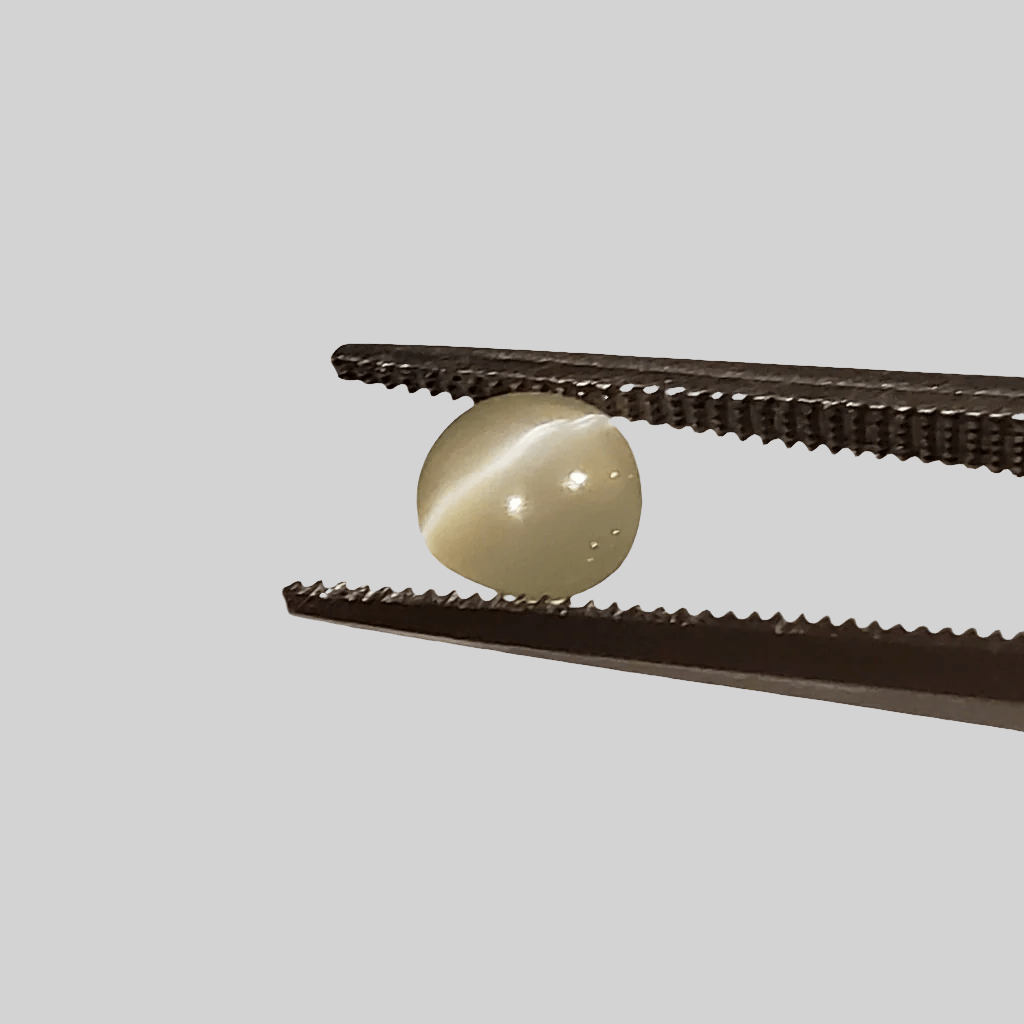

Product Type: Chrysoberyl Cats Eye
Approx Weight (per piece): 0.8ct
Size: 5mm
Shape: Round Cabochon
Color: Green
Clarity: Fine Crystal
Origin: Madagascar
The distinctive "cat's eye" effect in this Chrysoberyl is caused by the reflection of light off parallel needle-like inclusions within the crystal. When the gem is cut en cabochon, a concentrated, bright band of light appears to move across the surface as the stone is rotated.
Cat's Eye Chrysoberyl comes in various colors, such as green, yellow, and golden-brown. It is a durable gemstone, scoring 8.5 on the Mohs scale of hardness, making it suitable for various types of jewelry. Significant sources of Cat's Eye Chrysoberyl include Sri Lanka, Brazil, India, Myanmar, and Madagascar.
Cat's Eye Chrysoberyl is believed to possess metaphysical properties associated with protection, intuition, and good fortune. Some traditions consider it a talisman for enhancing insight and awareness.
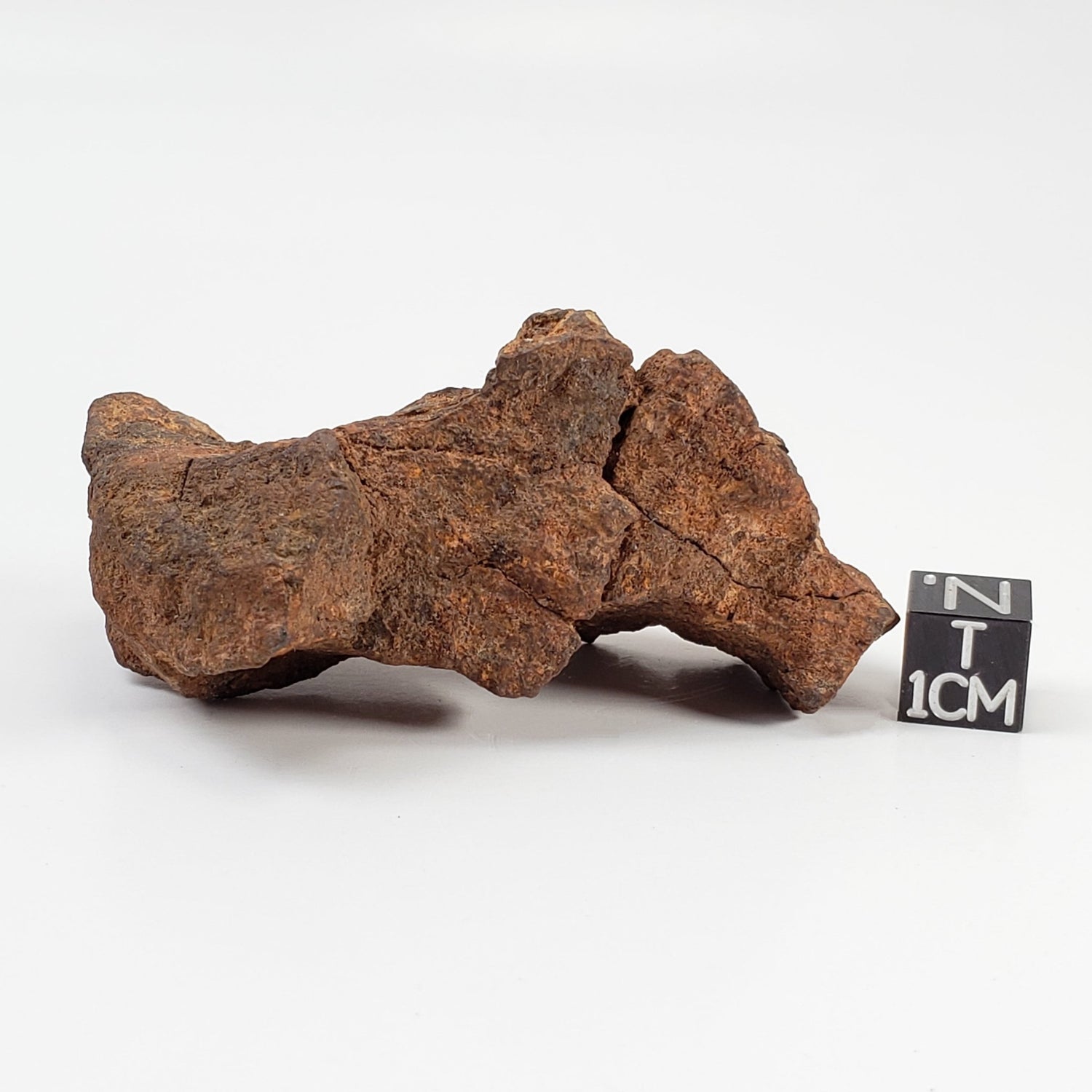
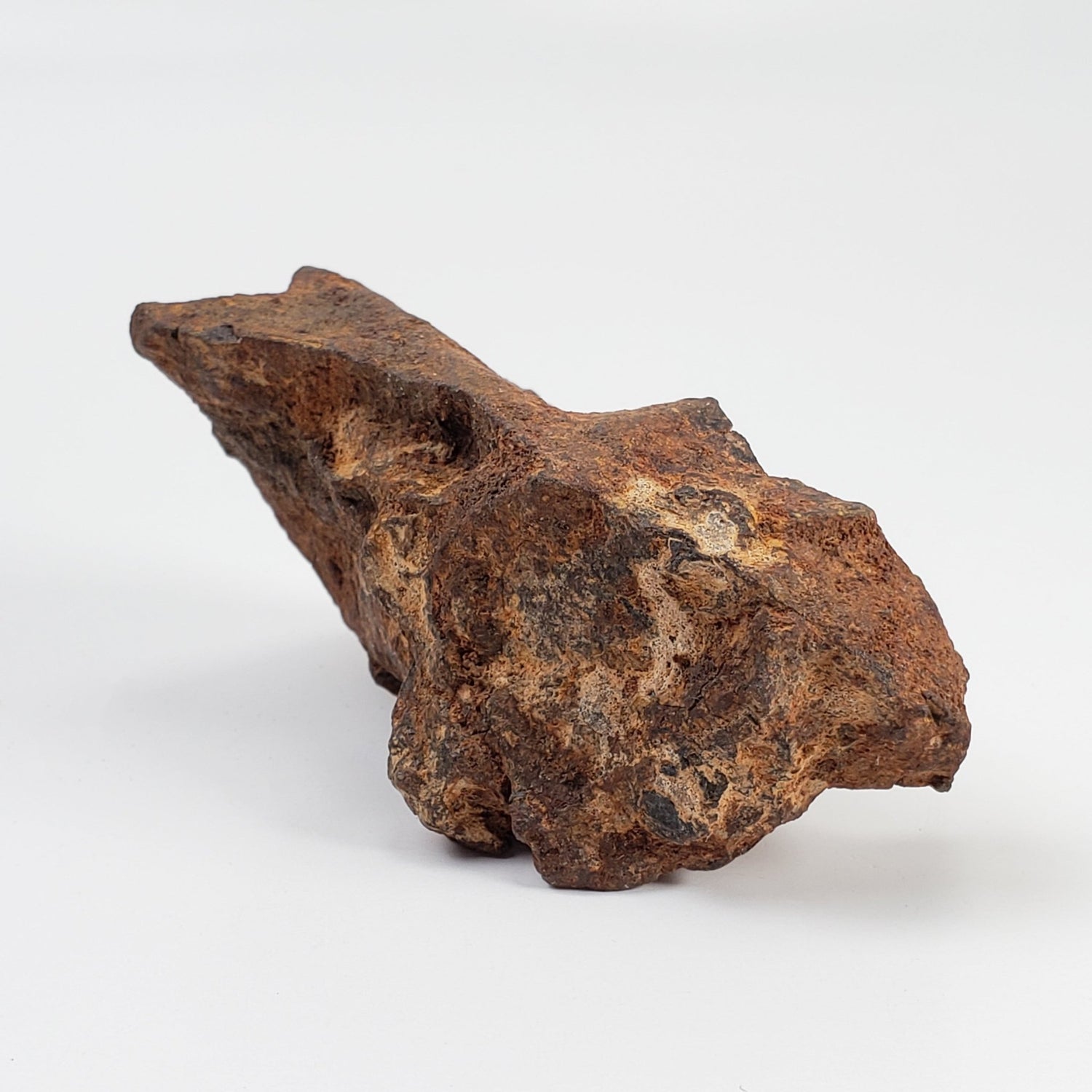
Here we have for you a nice looking individual fragment of a Sahara Desert NWA unclassified meteorite weighing 86.5 grams. Its dimensions are 73x43x34 mm. This never classified North West Africa stone was found in the Sahara desert around 2000.
It's a good quality individual fragment NWA meteorite specimen. Some weathering shows the meteorite's time spent aging in the desert. Would be a beautiful addition to any new or existing collection. Comes with a Canagem Collection specimen card.


This is a fabulous 16.4 gram Sericho Pallasite Main Group meteorite, it measures 31x21x19 mm. In 2016, two brothers were searching for their camels and came across several large, dense stones west of the village of Habaswein and south of Sericho, Kenya. Though recognized as meteorites in 2016, the masses had been known to camel-herders for decades. One village elder said that as a child, he and his brothers would play on top of the stones. It is classified as an Iron Pallasite main group with low weathering and is 1 of only 68 approved meteorites classified as such, with a recovered weight of about 2.8 T.
This piece displays extremely well and is a nice size showing great features. Would be a beautiful addition to any new or existing collection. Comes with a Canagem Collection specimen card.


Here we have for you a large 51 grams superbly shaped Indochinite Tektite from Maoming City, Guangdong Province, China. Although not a meteorite, tektite is directly linked to them or their impacts, just consider its age of around 780,000 years old.
Tektite can still be interesting because of the persistent mystery has that resisted clear explanations of their creation for generations of geologists. Dimensions are 47x38x32 mm.
This piece displays very well and is a very nice size showing multiple characteristics of its origin. Would be a beautiful addition to any new or existing collection. Comes with a Canagem Collection specimen card.

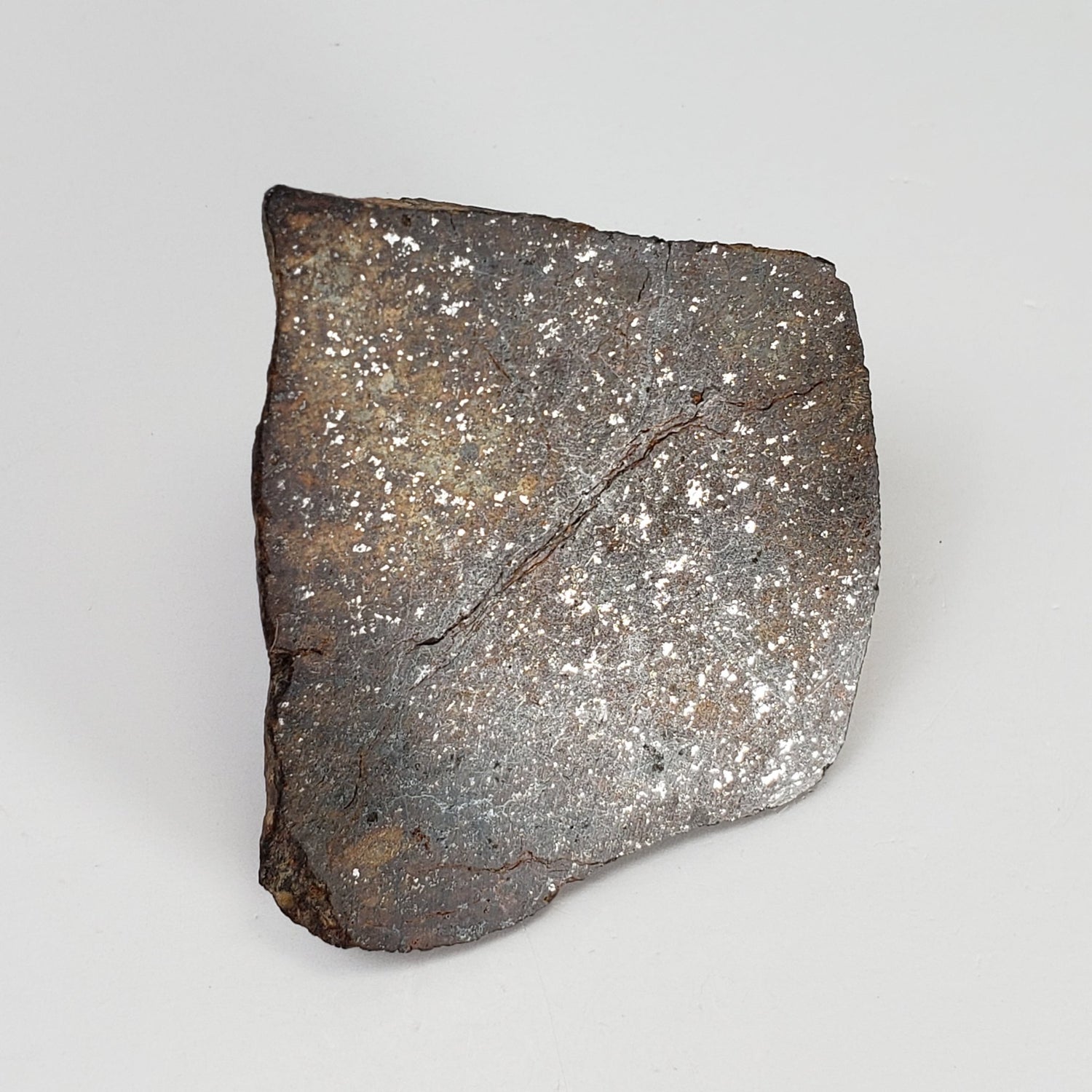
Here we have for you a nice looking end cut of a Sahara Desert NWA unclassified meteorite weighing 82 grams. Its dimensions are 54x47x20mm. This never classified Northwest Africa stone was found in the Sahara Desert around 2000.
It's a good quality cut NWA meteorite specimen showing interesting internal structure (L5?) and attractive mottled interior with chondrules and metallic flakes. Some weathering shows the meteorite's time spent aging in the desert.
Would be a beautiful addition to any new or existing collection. Comes with a Canagem Collection specimen card.


Product Type: Chrysoberyl Cats Eye
Approx Weight (per piece): 1.1ct
Size: 5.5mm
Shape: Round Cabochon
Color: Fine Lime Green
Clarity: Fine Crystal
Origin: Madagascar
The distinctive "cat's eye" effect in this Chrysoberyl is caused by the reflection of light off parallel needle-like inclusions within the crystal. When the gem is cut en cabochon, a concentrated, bright band of light appears to move across the surface as the stone is rotated.
Cat's Eye Chrysoberyl comes in various colors, such as green, yellow, and golden-brown. It is a durable gemstone, scoring 8.5 on the Mohs scale of hardness, making it suitable for various types of jewelry. Significant sources of Cat's Eye Chrysoberyl include Sri Lanka, Brazil, India, Myanmar, and Madagascar.
Cat's Eye Chrysoberyl is believed to possess metaphysical properties associated with protection, intuition, and good fortune. Some traditions consider it a talisman for enhancing insight and awareness.

Canagem is proud to be professional member of The International Gem Society(IGS) the world's top resource for gem professionals, enthusiasts, and industry content.