



1508 products
Sort by:
1508 products


Product Type: Sapphire
Approx Weight (per piece): 0.78ct
Size: 5.5mm
Shape: Flower Shape Diamond Cut
Color: Blue
Clarity: Clean
Origin: Sri Lanka (formerly Ceylon)


The Fluorapatite crystal sits nearly vertically in the orange pink calcite and is terminated on one side. It has a nice luster and lovely colored hues. Would be a beautiful addition to any new or existing collection.
Name: Orange Calcite vein with Red/Green Fluorapatite crystal
Specimen Size: Large Cabinet-Sized
Dimensions: 146x102x63 mm / 5.7x4x2.5 inches
Weight: 1.32 KG / 2 lbs 14 ounces
Origin: The famous Western Quebec Location, Yates Mine, Otter Lake, Canada


Name: Zoned Amethyst
Specimen Size: Large Cabinet-Sized
Dimensions: 190x58x43 mm / 7.5x2.3x1.7 inches
Weight: 700 Grams / 1 lb 8 ounces
Origin: Mined in Thunder Bay, Ontario, Canada
This is a complete large zoned amethyst quartz crystals from Thunder Bay Ontario area. It features chevrons of deep purple color followed by bands of lavender and white, a quality lapidary material.
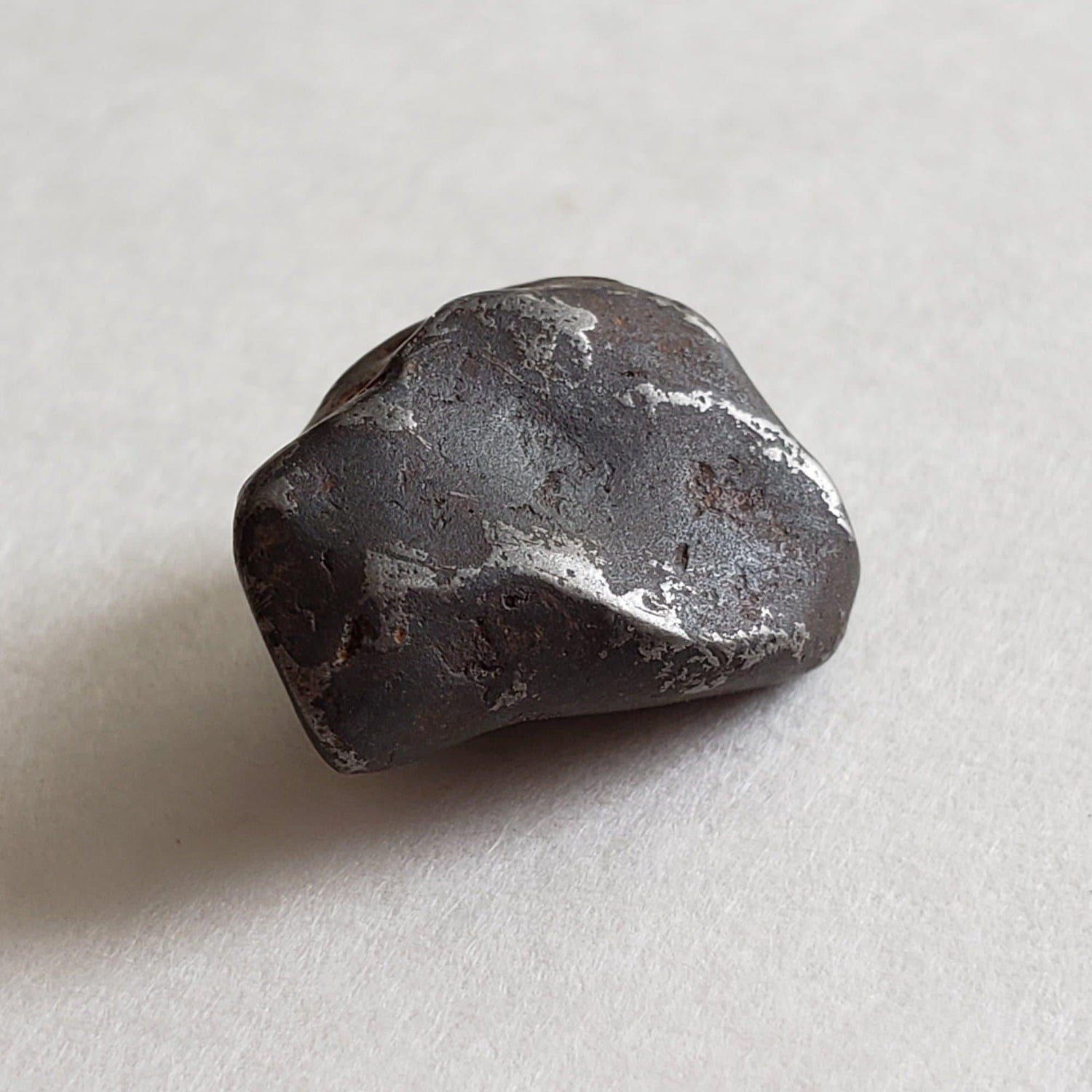
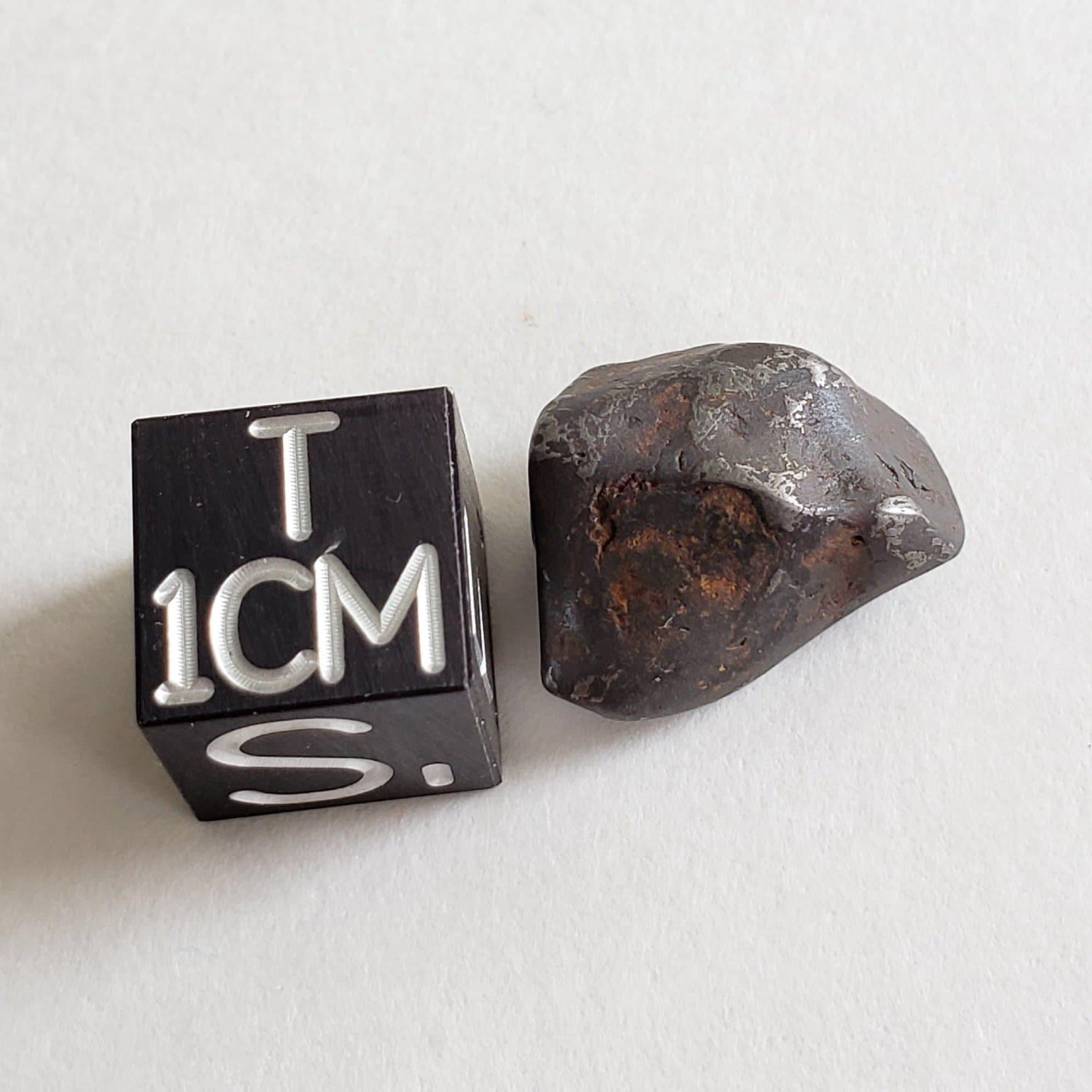
This is a stunning Canyon Diablo classified meteorite specimen weighing 4.52 grams. Its dimensions are 12x8x4 mm. This Iron (IAB-MG) classified meteorite was found in Arizona in 1891. So far approximately 30 T of this material have been recovered.
The crater it formed is world famous and is known as Meteor Crater. It is an Arizona Meteorite and one that is a must have for any collection. The Canyon Diablo has been closed to hunting for many years so these pieces are becoming more difficult to acquire and this is a good time to get a fine specimen.
Would make a beautiful addition to any new or existing collection. Comes with a specimen card.
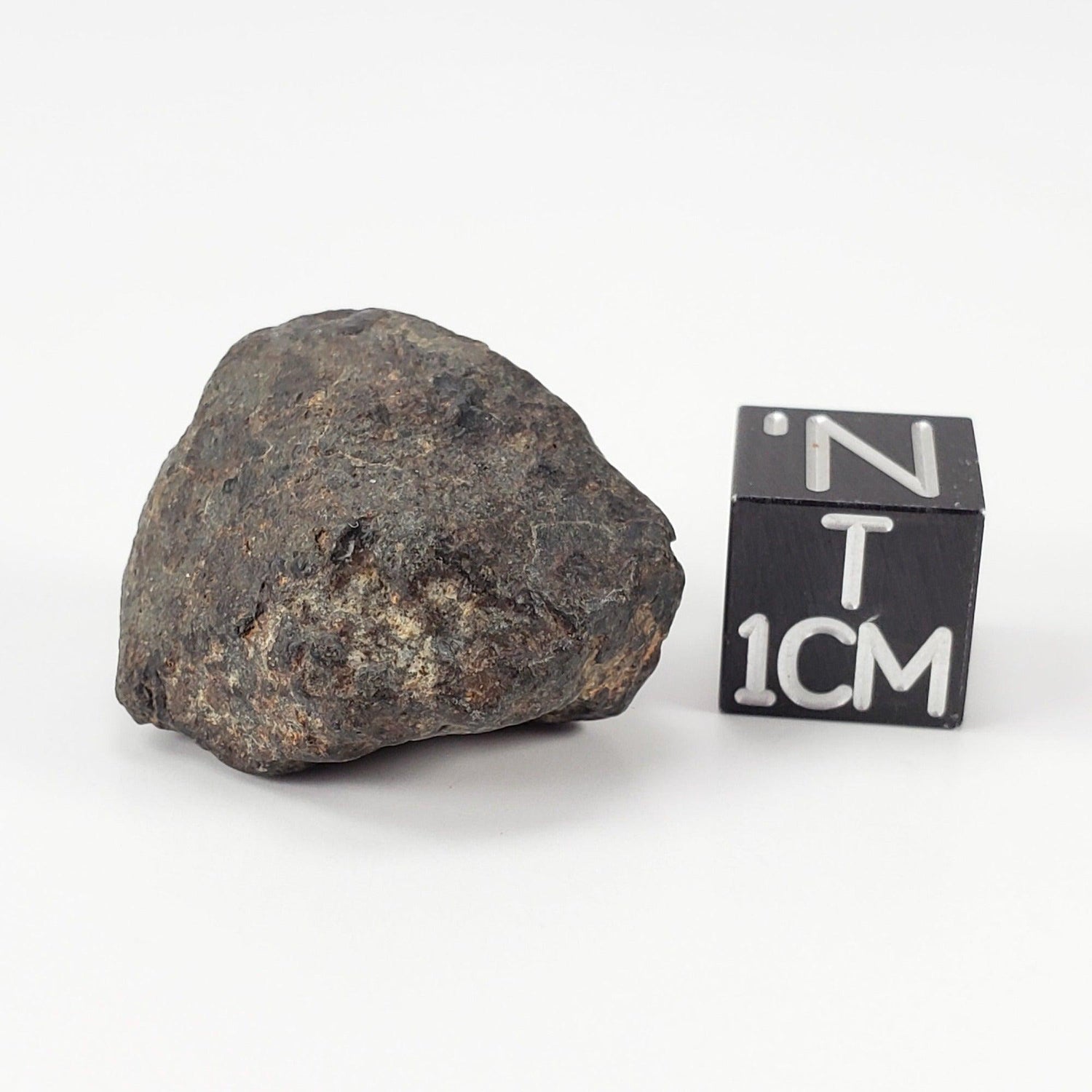
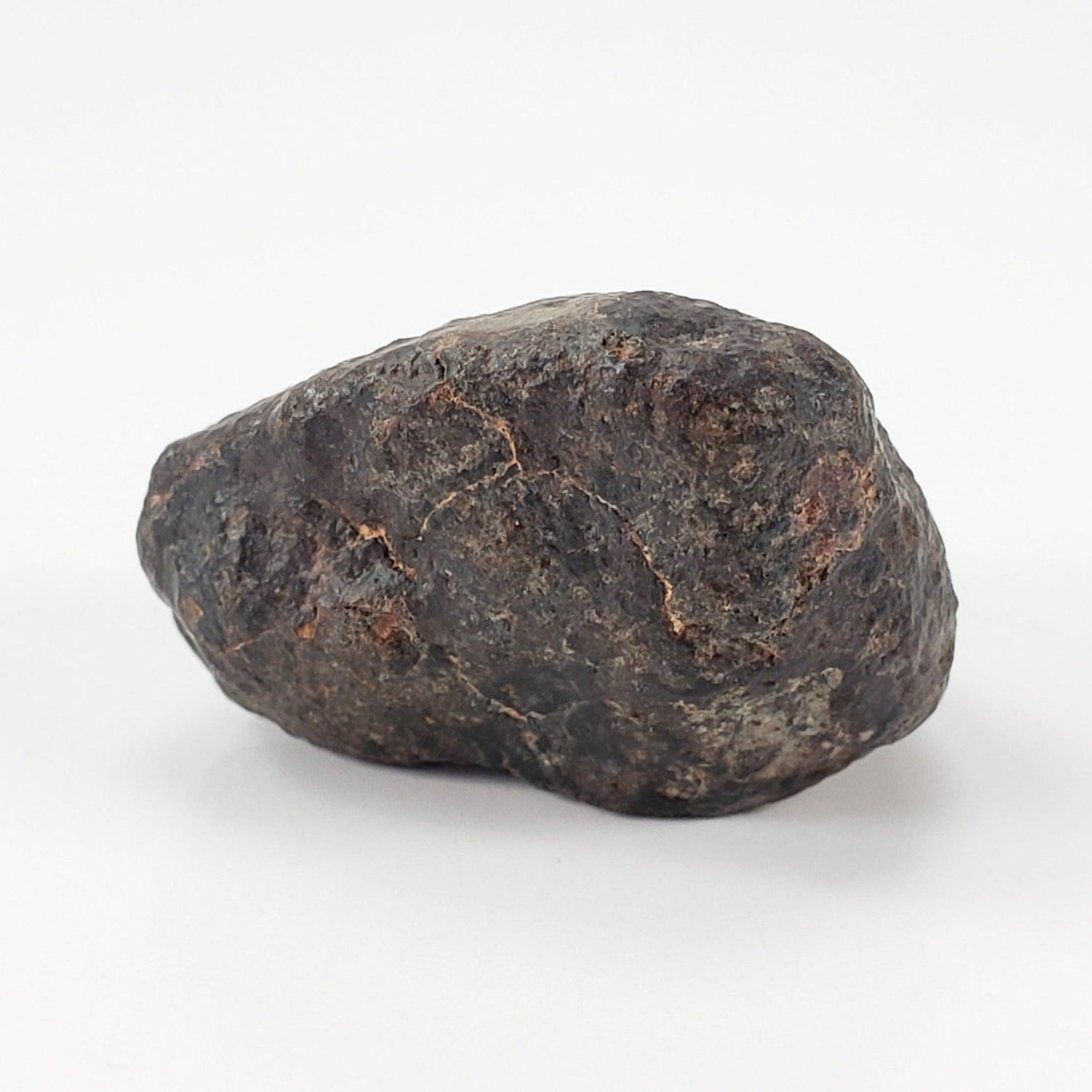
This is a fantastic crusted 9.43 grams NWA (Northwest Africa) 869 L3-6 classified meteorite Individual found by Nomads in the Sahara Desert. The dimensions of the specimen are 20x17x12 mm. This specimen comes from the Hupé Collection.
NWA 869 classified meteorites can still be interesting and this one is for sure perfectly shaped to catch your attention. It displays a superb crust on most of its surface. Most samples are individual meteorites but some fragments (mostly >1 kg) also occur. In most cases the fusion crust has been polished or ablated by wind erosion. Many samples are more severely affected and show faces with deep wind erosion features. Fracture faces, formed by ground collision, show a typical gray-green color and sometimes visible brecciation (light and/or dark clasts).
Would be a beautiful addition to any new or existing collection. Comes with a Canagem Collection specimen card.
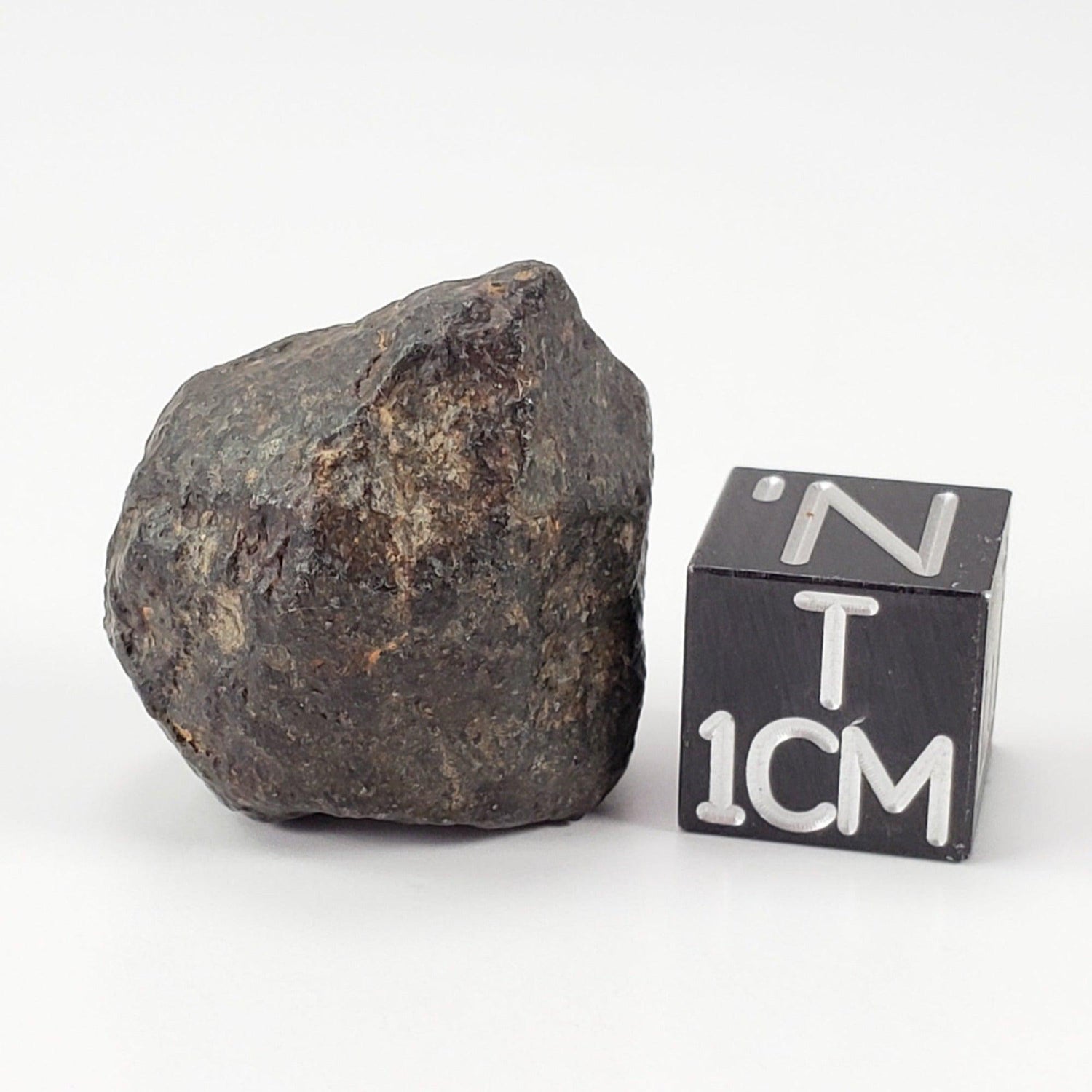
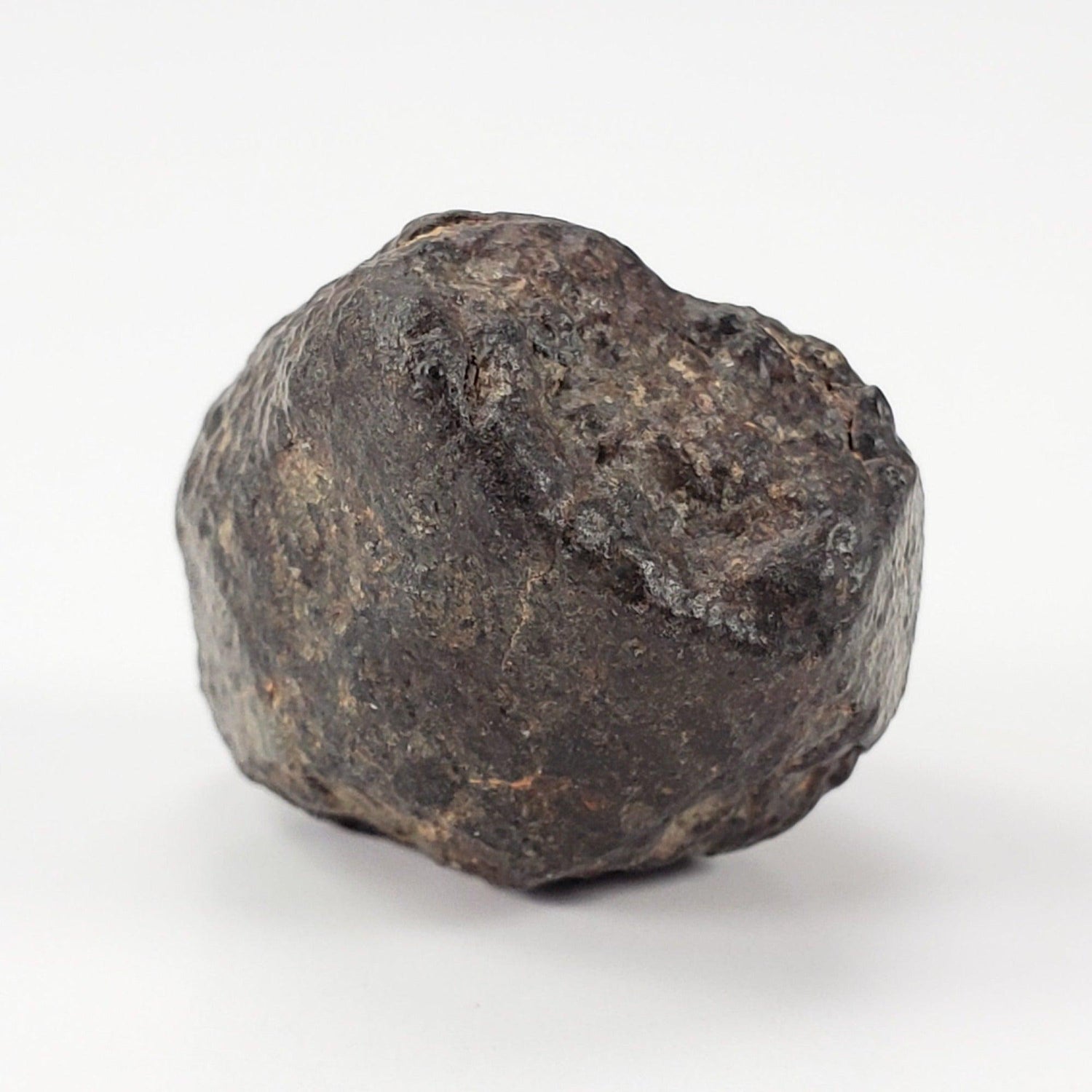
This is a fantastic crusted 9 grams NWA (Northwest Africa) 869 L3-6 classified meteorite Individual found by Nomads in the Sahara Desert. The dimensions of the specimen are 18x16x11 mm. This specimen comes from the Hupé Collection.
NWA 869 classified meteorites can still be interesting and this one is for sure perfectly shaped to catch your attention. It displays a superb crust on most of its surface. Most samples are individual meteorites but some fragments (mostly >1 kg) also occur. In most cases the fusion crust has been polished or ablated by wind erosion. Many samples are more severely affected and show faces with deep wind erosion features. Fracture faces, formed by ground collision, show a typical gray-green color and sometimes visible brecciation (light and/or dark clasts).
Would be a beautiful addition to any new or existing collection. Comes with a Canagem Collection specimen card.
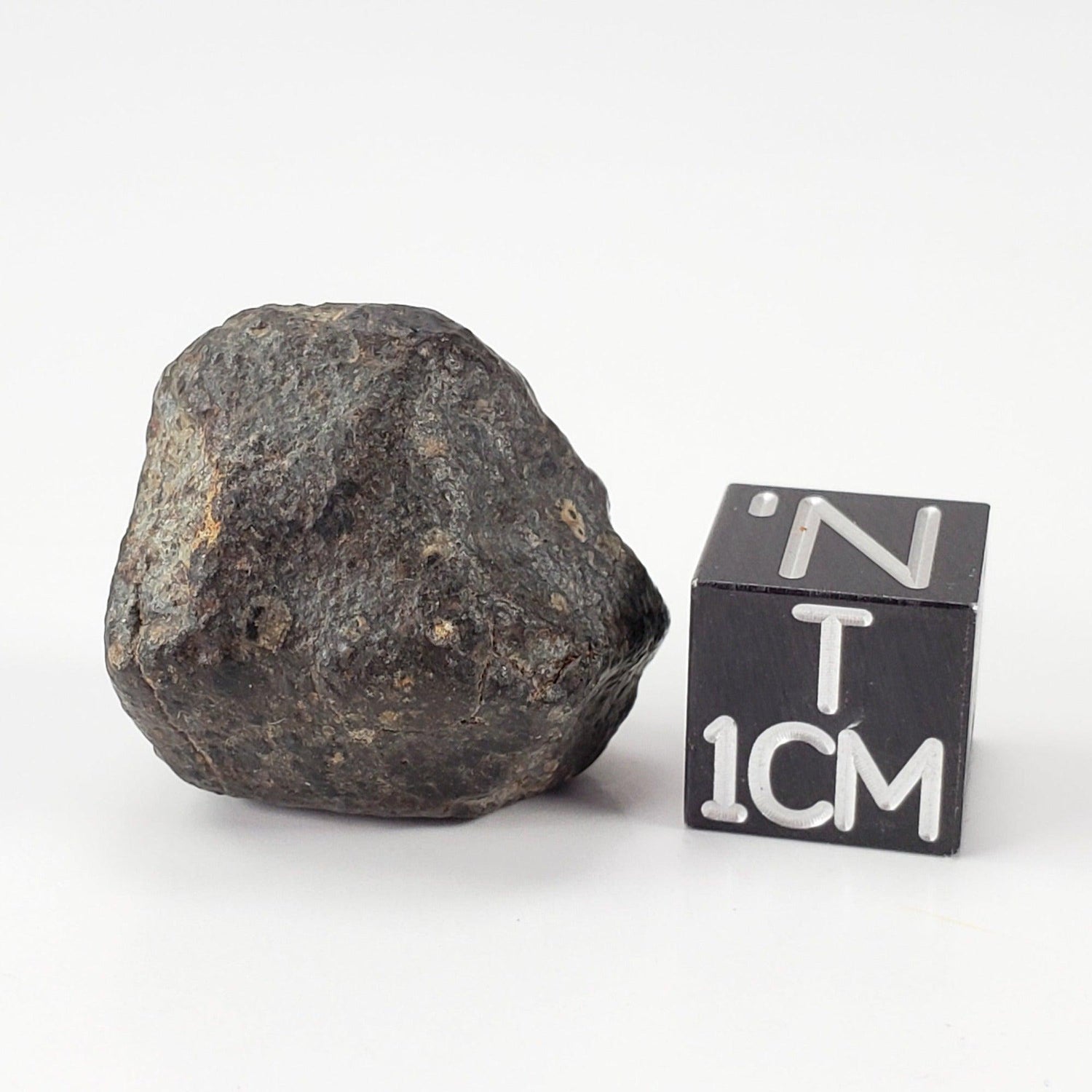
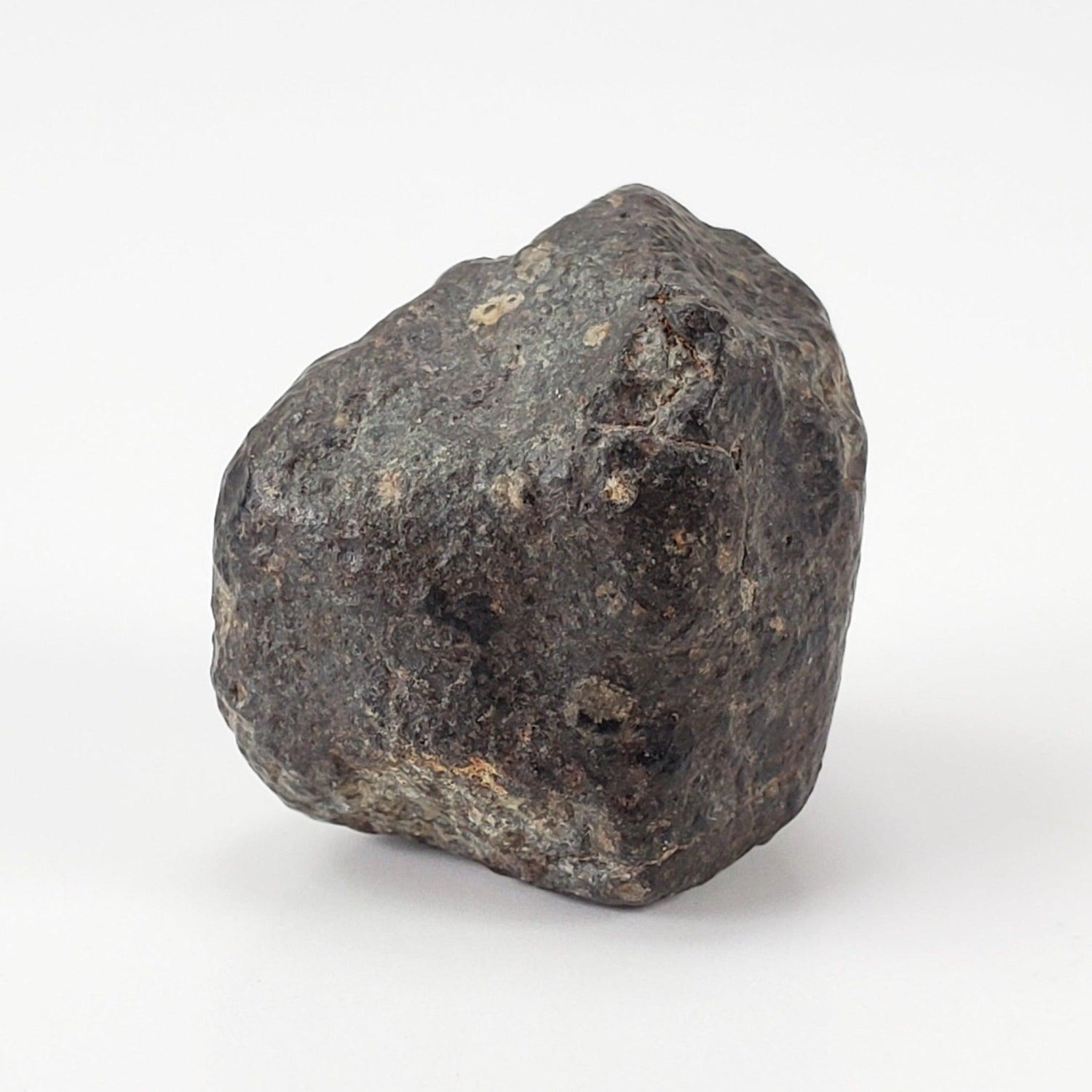
This is a fantastic crusted 9.56 grams NWA (Northwest Africa) 869 L3-6 classified meteorite Individual found by Nomads in the Sahara Desert. The dimensions of the specimen are 18x10x15 mm. This specimen comes from the Hupé Collection.
NWA 869 classified meteorites can still be interesting and this one is for sure perfectly shaped to catch your attention. It displays a superb crust on most of its surface. Most samples are individual meteorites but some fragments (mostly >1 kg) also occur. In most cases the fusion crust has been polished or ablated by wind erosion. Many samples are more severely affected and show faces with deep wind erosion features. Fracture faces, formed by ground collision, show a typical gray-green color and sometimes visible brecciation (light and/or dark clasts).
Would be a beautiful addition to any new or existing collection. Comes with a Canagem Collection specimen card.


This is a rare and fantastic 5.64 gram Libyan Desert Glass from Kuffra, Libya, with dimensions of 23x20x18 mm.
Although its exact origin is still debated, the leading theory suggests it was formed by a high-energy event, such as a meteoric impact or airburst, that melted the desert sand directly where it lay, without being ejected into the atmosphere and re-entering. This results in different physical characteristics compared to tektites. Libyan Desert Glass is found specifically in the Great Sand Sea of the Eastern Sahara, within a more localized area spanning parts of western Egypt and eastern Libya.
This piece displays extremely well and is a quality translucent specimen. It has an aesthetic shape with a beautiful wind eroded body from the years spent in the Desert. Would be a beautiful addition to any new or existing collection. Comes with a Canagem Collection specimen card.


This is a rare and fantastic 13.02 gram Libyan Desert Glass Tektite from Kuffra, Libya, with dimensions of 30x24x15 mm. Although not a meteorite, tektite is directly linked to their impacts; just consider its age of around 780,000 years old.
Tektite is interesting because of the persistent mystery that has resisted clear explanations of their creation for generations of geologists.
This piece displays extremely well and is a quality translucent specimen worthy of only the best collections. It has an aesthetic shape with a beautiful wind eroded body from the years spent in the Desert. Would be a beautiful addition to any new or existing collection. Comes with a Canagem Collection specimen card.
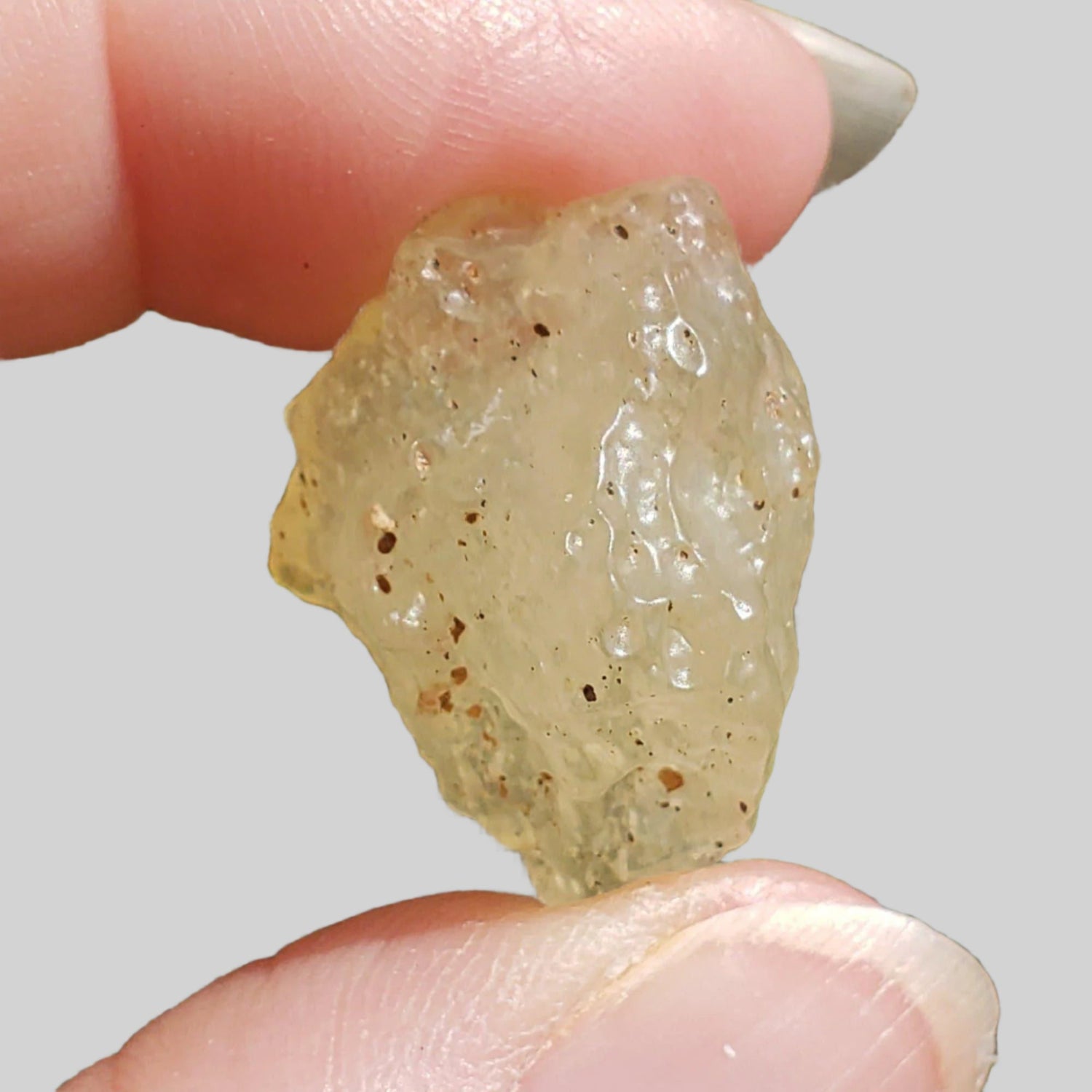
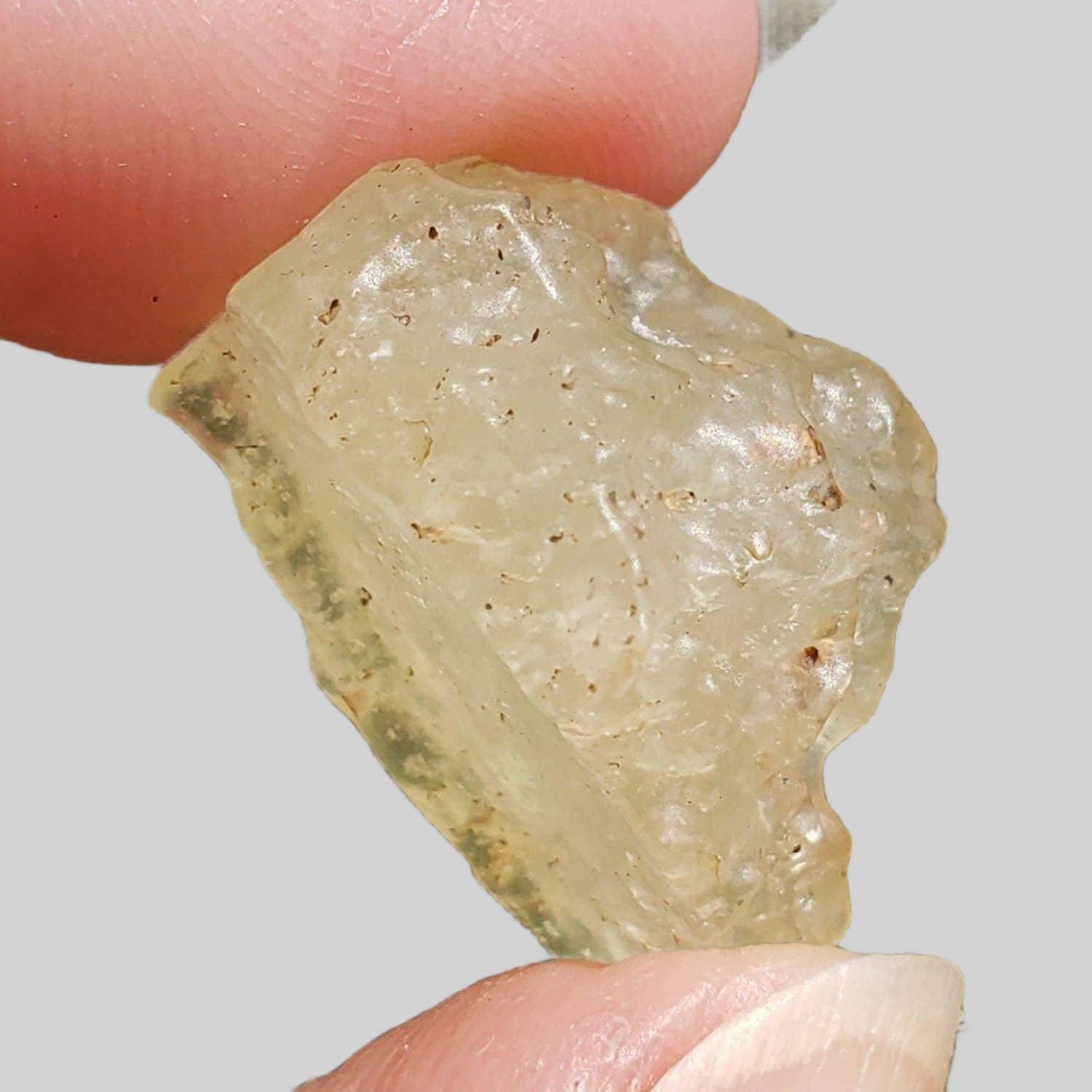
This is a rare and fantastic 5.81 gram Libyan Desert Glass from Kuffra, Libya, with dimensions of 24x16x17 mm.
Although its exact origin is still debated, the leading theory suggests it was formed by a high-energy event, such as a meteoric impact or airburst, that melted the desert sand directly where it lay, without being ejected into the atmosphere and re-entering. This results in different physical characteristics compared to tektites. Libyan Desert Glass is found specifically in the Great Sand Sea of the Eastern Sahara, within a more localized area spanning parts of western Egypt and eastern Libya.
This piece displays extremely well and is a quality translucent specimen. It has an aesthetic shape with a beautiful wind eroded body from the years spent in the Desert. Would be a beautiful addition to any new or existing collection. Comes with a Canagem Collection specimen card.

Canagem is proud to be professional member of The International Gem Society(IGS) the world's top resource for gem professionals, enthusiasts, and industry content.