

📢 Notice to ALL Customers 📢
Search results
943 results
Search results


This is a 6 piece lot of natural included quartz points. The combined weight of the lot is 39.3 grams and they measure between 24-30mm.
Quartz crystals are among the most abundant and well-known minerals on Earth. It belongs to the hexagonal crystal system, and typically forms six-sided prismatic crystals with a pointed termination. Its crystals can be colorless or exhibit a wide range of colors. The color variations are often due to the presence of impurities or trace elements during the crystal's formation. Quartz is transparent to translucent.
Quartz is considered a “master healer.” It's said to amplify energy by absorbing, storing, releasing, and regulating it. It's also said to aid concentration and memory. Physically, clear crystals are claimed to help stimulate the immune system and balance out your entire body.
Quartz is also said to be a power gemstone that harmonizes and balances; enhancing energy and thoughts as well as purifying the spiritual, mental and physical. Quartz is associated with the crown chakra.


Product Type: Grossular Mali Garnet
Approx Weight (per piece): 13.28ct
Size: 17.5x10mm
Shape: Briolette
Color: Lime Green
Clarity: Transparent
Origin: Africa
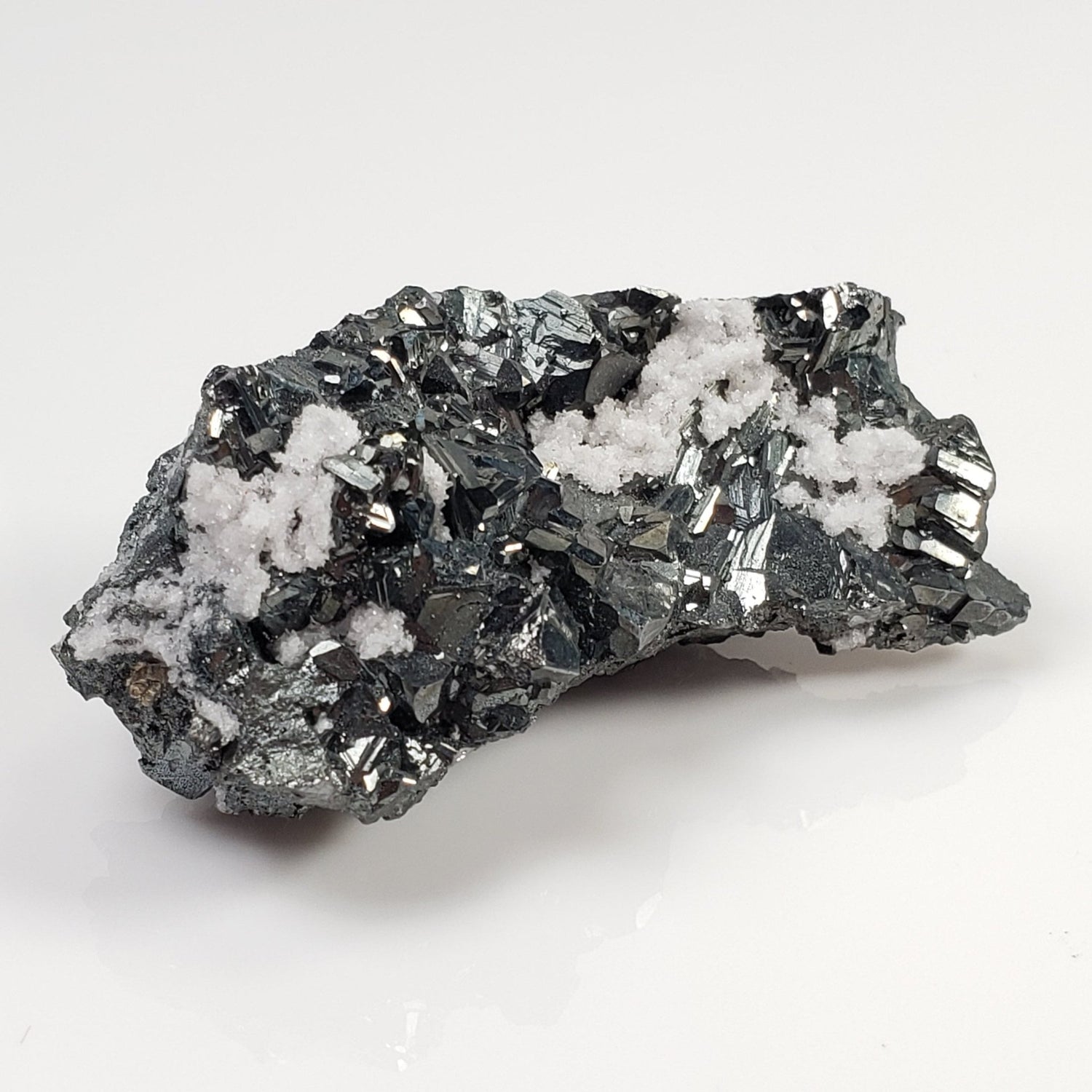
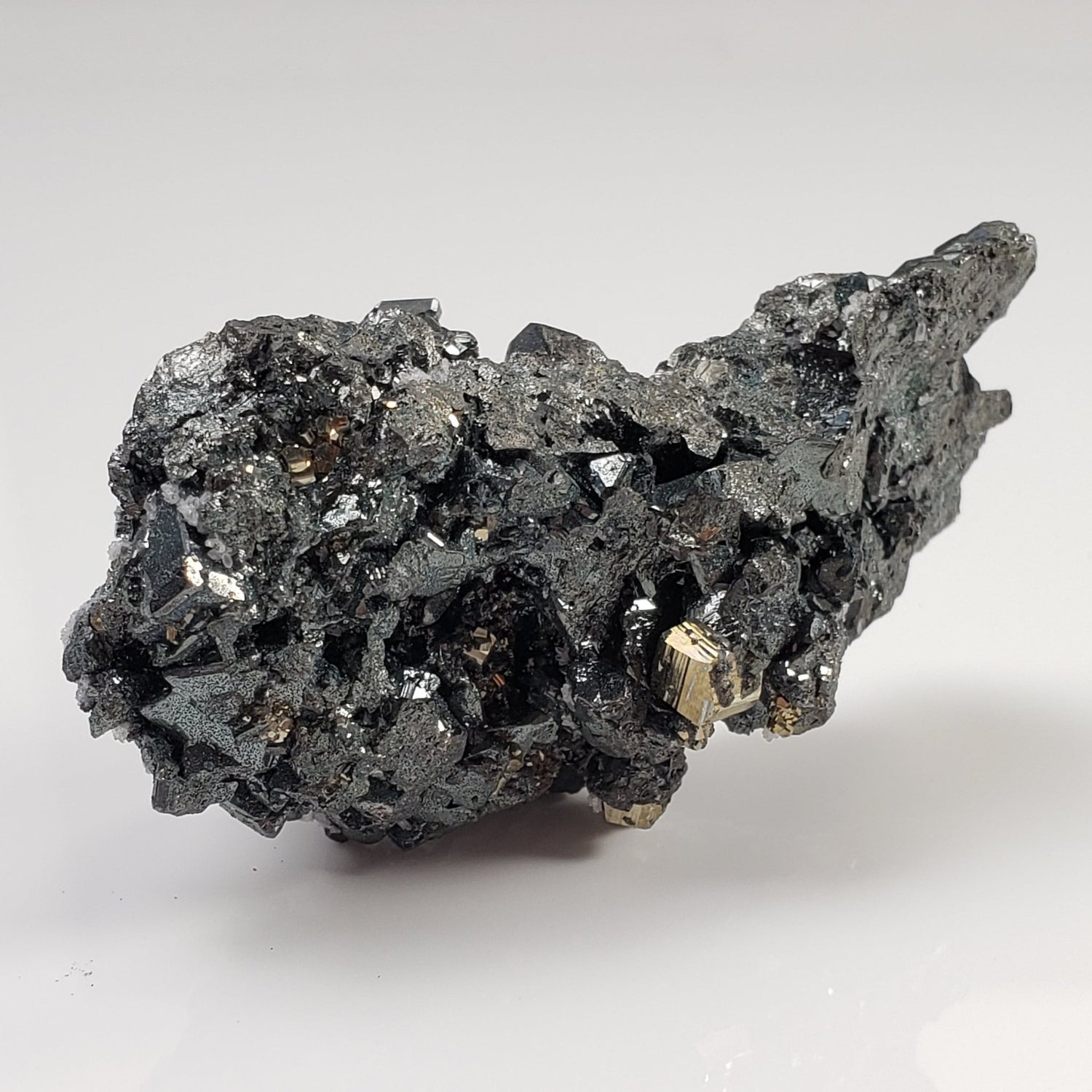
This crystal features a combination of Tetrahedrite, Pyrite and Calcite. It is a beautiful crystal with well defined metallic tetrahedrite crystals and calcite on one side and less defined tetrahedrite with pyrite cubes on the other.
Tetrahedrite is believed to promote emotional healing and provide a protective shield against negativity. It is thought to enhance creativity and clarity, helping individuals connect with their inner selves.
This top specimen is in very good condition. Would be a beautiful addition to any new or existing collection.
Name: Tetrahedrite, Pyrite, and Calcite Crystal Cluster
Specimen Size: Miniature-Sized
Dimensions: 56x36x21 mm / 2.2x1.4x0.8 inches
Weight: 43.8 Grams / 1.5 oz
Origin: Mined in Lima, Peru


Apophyllite and prehnite are beautiful minerals that are often found together in attractive mineral specimens. Apophyllite is known for its clear, white, pale green, or sometimes pink, glass-like crystals that often form sharp pyramidal or prismatic shapes. Prehnite is typically pale green to yellow-green and is commonly found in rounded, grape-like formations called botryoidal aggregates.
Apophyllite is believed to promote self-reflection and authentic self-expression, helping to reduce stress, release mental blockages, and overcome anxiety by revealing truth and facilitating the release of suppressed emotions. Prehnite is considered a stone of unconditional love, known for its healing properties, especially for healers, and is thought to bring harmony to spaces, assist in decluttering, and create a healing sanctuary, particularly when used in gardens.
Name: Apophyllite and Prehnite Cluster Crystal
Specimen Size: Cabinet-Sized
Dimensions: 67x51x35 mm / 2.6x2x1.4 inches
Weight: 85 Grams / 3 Ounces
Origin: Mined in Mumbai (Bombay), India
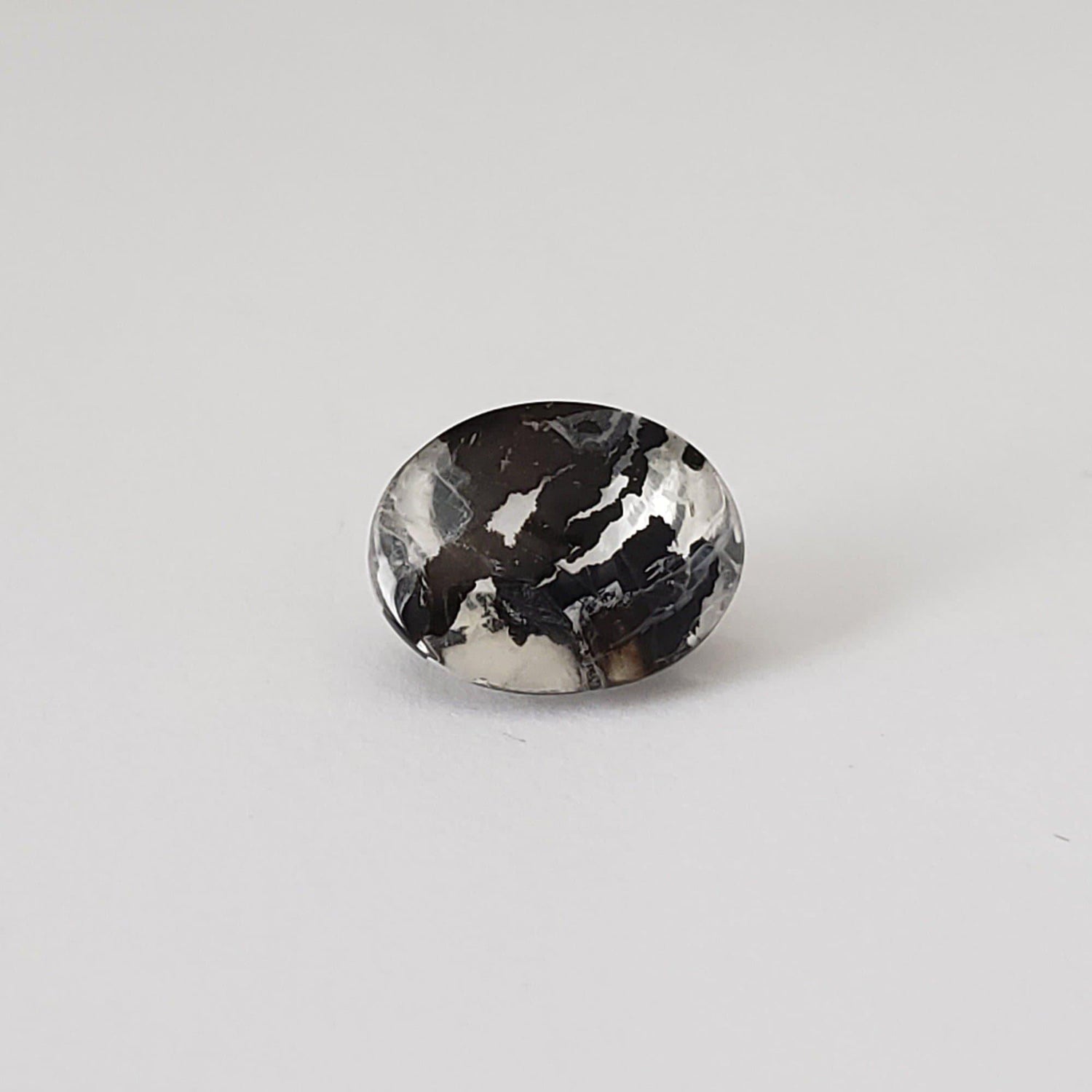
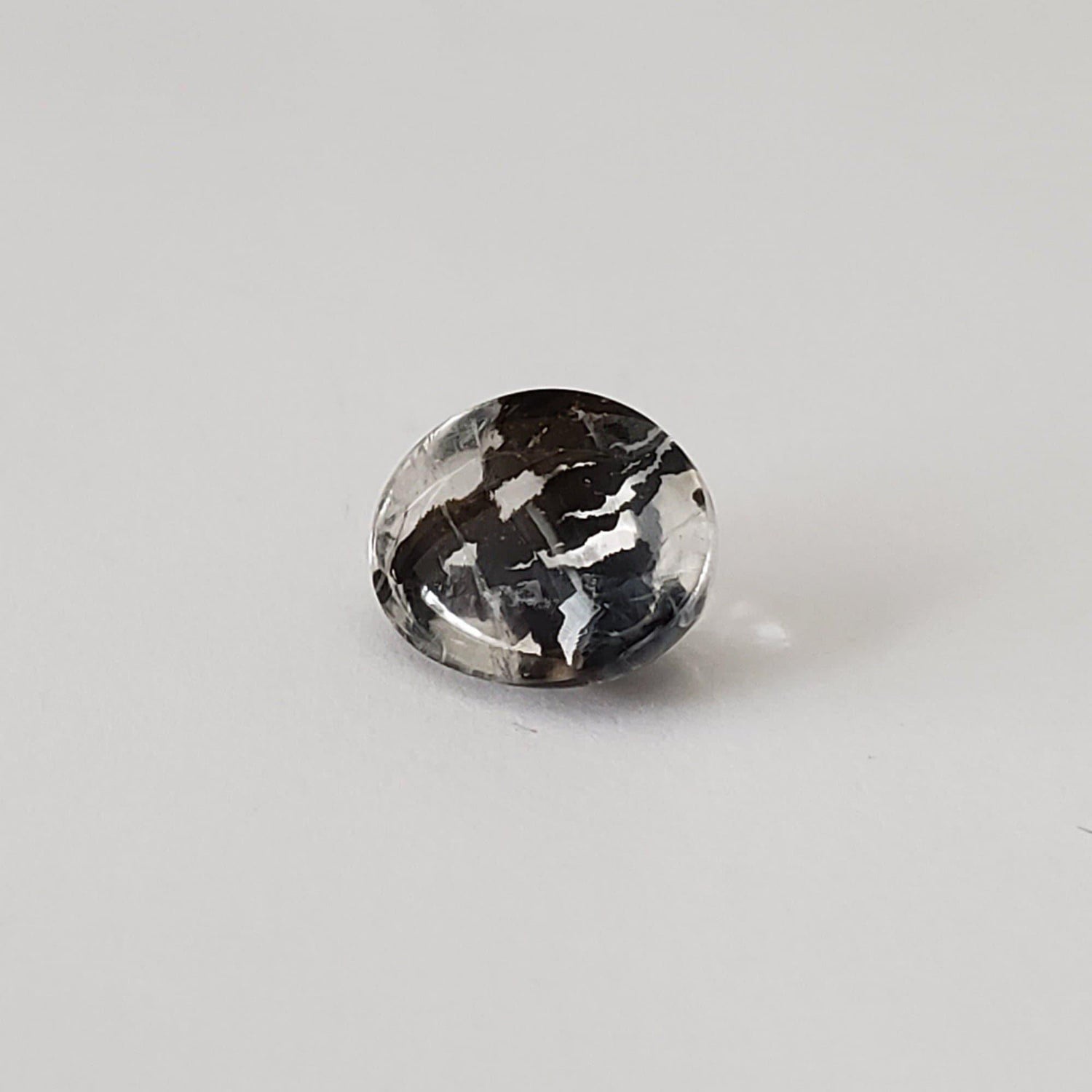
Product Type: Dendritic Quartz
Approx Weight (per piece): 3.83ct
Size: 11.2x9mm
Shape: Oval Cabochon Buff Top
Color: White with Fossilized Plants
Clarity: Transparent
Origin: Brazil


Chrome diopside is a vibrant green variety of diopside, its deep green color comes from the presence of chromium, which gives it a hue similar to emerald or tsavorite garnet. It often forms as transparent to translucent crystals with a glassy luster.
Chrome diopside is believed to promote emotional healing, compassion, and connection to nature. Some consider it a stone that supports personal growth and creativity, while also helping to release stress and negative emotions.
Product Type: Chrome Diopside (Rough)
Approx Weight (per piece): 8.23ct
Size: 17x7.5 mm
Shape: Rough
Color: Deep Green
Clarity: Transparent
Origin: Africa
Treatment: None


Product Type: Tourmalinated Quartz
Approx Weight (per piece): 13.3ct
Size: 17x13mm
Shape: Octagon Cut
Color: Colorless
Clarity: Tourmalinated Clear
Origin: Brazil
Treatment: Natural - No known treatment
The appearance of Tourmalinated Quartz is characterized by clear or milky quartz with dark, thread-like, or needle-shaped inclusions of black tourmaline running through the stone. These inclusions can vary in density, giving each piece a distinct and unique appearance.
Tourmalinated Quartz is a crystal that combines the properties of Clear Quartz and Black Tourmaline. It is believed to offer strong protection by shielding against negative energies and enhancing the grounding and balancing effects of Black Tourmaline. The crystal is thought to amplify intentions and promote emotional healing. It may also support spiritual connection, chakra alignment, and provide emotional support during challenging times.


Product Type: Zircon
Approx Weight (per piece): 1.7ct
Size: 7.0mm
Shape: Round Cut
Color: Golden Orange
Clarity: Clean
Origin: Cambodia
Zircon comes in a variety of colors, including blue, yellow, green, brown, and red, and is renowned for its exceptional brilliance. It is found in many locations worldwide, including Sri Lanka, Myanmar, Cambodia, and Australia. Some of the oldest zircon crystals have been dated to be over 4 billion years old, making them among the oldest minerals on Earth.
Zircon has a hardness of 6.5 to 7.5 on the Mohs scale, making it durable enough for use in various types of jewelry. However, care should be taken to avoid sharp blows and extreme temperatures.
Zircon is associated with promoting spiritual growth, mental clarity, and prosperity. It is also thought to enhance self-confidence and provide protection.
It's important to note the distinction between natural zircon and cubic zirconia. Natural zircon is a genuine gemstone, while cubic zirconia is a synthetic material often used as a diamond simulant.


Product Type: Fluorite
Approx Weight (per piece): 14.43 Ct.
Size: 18.5x12 mm
Shape: Carved Cabochon
Color: Multi-Color Green, purple
Clarity: Opaque
Origin: Brazil
Fluorite comes in many colors. Deep purple (it's most famous), sky blue, sea green, sunny yellow, and crystal clear. There are rarer colors of pink, reddish orange (rose) and even black. Fluorite is very attractive and in demand. It is easy to see why fluorite earns the reputation as "The Most Colorful Mineral in the World".
Because Fluorite comes in a wide range of colours, it is often said that it contains something of all other gemstones in it. According to folklore, it is the home of rainbows.
Fluorite is said to increase concentration and foster mental balance. Nicknamed the "genius stone" fluorite is believed to be excellent for study and work areas. It helps the mind stay focused on the task at hand.


Product Type: Smoky Quartz
Product ID: QZSM8684
Approx Weight (per piece): 6.8 - 7.7ct
Size: 16x12mm
Shape: Pear Shape cut
Color: Smoky Color
Clarity: Clean
Origin: Brazil


Product Type: Bi-Color Citrine
Approx Weight (per piece): 124.13ct
Size: 46x22mm
Shape: Octagon Cut
Color: Lemon Yellow and Black
Clarity: Clean
Origin: Brazil


This is a 20.0tcw lot of beautiful natural purple-yellow bi-color Ametrine from Bolivia. There are 6 unheated and untreated pieces that range in size from approximately 8x6 - 12x11 mm. This is the exact lot that you will receive.
Ametrine is a gemstone that is a combination of amethyst and citrine, which are both varieties of quartz. It displays a beautiful blend of purple and yellow colors due to the presence of iron impurities. The name "ametrine" is derived from the combination of "amethyst" and "citrine." Ametrine is relatively rare compared to other gemstones and is mainly found in Bolivia, although it can also be found in smaller quantities in Brazil, Uruguay, and India.
Ametrine combines the calming and spiritual properties of amethyst with the energizing and uplifting qualities of citrine. This combination is thought to promote balance, harmony, and mental clarity. Ametrine is also associated with creativity, confidence, and overall well-being.


Product Type: Lemon Quartz
Product ID: PRYL8686
Approx Weight (per piece): 8.55ct
Size: 15.5x9.5mm
Shape: Baguette Cut
Color: Greenish Yellow
Clarity: Clean
Origin: Brazil


Prehnite can form prismatic, tabular, or pyramidal crystals, but usually occurs in botryoidal, reniform, stalactitic, granular, or compact habits. It is usually green in colour, but may be white, colourless, yellow, or gray. It has a colourless streak. Prehnite is transparent to translucent, with a vitreous to pearly luster. Prehnite forms in cavities in basaltic lavas.
Apophyllite is a mineral known for its distinctive crystal formations, often occurring in clusters with a unique beauty. Its crystals are usually colorless or white, allowing them to be transparent or translucent. Although, some specimens may exhibit a greenish, yellowish, or pinkish tint due to the presence of impurities.
Apophyllite is believed to have a calming effect, and to effectively reduce stress, releasing mental blockages and negative thought patterns. Apophyllite is also said to release suppressed emotion, to overcome anxiety, worries and fears. It calms apprehensions and allows uncertainty to be tolerated.
Prehnite is often considered a stone of unconditional love and is said to have the ability to heal those in the role of healers themselves. Placing it in a garden is believed to transform a home into a healing sanctuary and impart a sense of harmony with nature. As a valuable Feng Shui stone, prehnite is thought to assist in decluttering, enabling individuals to let go of possessions that are no longer necessary.
Name: Apophyllite and Prehnite Cluster
Specimen Size: Miniature-Sized
Dimensions: 57x59x36 mm / 2.2x2.3x1.4 inches
Weight: 84 Grams / 2.8 Ounces
Origin: Mined in Mumbai (Bombay), India


Product Type: Sapphire
Product ID: SPYL9719
Approx Weight (per piece): 1.58ct
Size: 8.7x6mm
Shape: Oval Cut
Color: Vibrant Yellow
Clarity: Clean to the eye
Origin: Africa


Product Type: Sphene
Product ID: SNCY98131
Approx Weight (per piece): 0.20ct
Size: 4x3mm
Shape: Oval Cut
Color: Greenish Canary Yellow
Clarity: Included
Origin: Madagascar


Product Type: Apatite
Approx Weight (per piece): 2.74ct
Size: 12x6.4mm
Shape: Pear Shape Cut
Color: Lemon Yellow
Clarity: Transparent
Origin: Mexico
Treatment: None
Apatite is a group of phosphate minerals that are commonly found in igneous, metamorphic, and sedimentary rocks. Apatite is named after the Greek word "apate," which means deceit, as it can be easily confused with other minerals due to its wide range of colors and forms. It can occur in various colors, including green, blue, yellow, brown, and violet.
Apatite is believed to possess healing properties and is associated with creativity, self-expression, and personal growth. It is thought to enhance communication skills, stimulate intellect, and promote clarity of thought.


This a beautiful green Fluorite cluster from China's Donghai Mine in Jiangsu Province - a location that's well known for producing stunning fluorite with exceptional clarity and a vibrant green colour.
Donghai Mine, Jiangsu Province, China, is located within the Sulu ultrahigh-pressure metamorphic belt, one of the world's most geologically significant regions. Formed during the collision of two ancient continental plates hundreds of millions of years ago, the area contains rocks that were buried deep within the Earth before being uplifted to the surface. Later hydrothermal activity deposited mineral-rich veins throughout the region, creating exceptional crystals of quartz, fluorite, calcite, and other minerals.
Today, Donghai is internationally recognized as one of China's premier mineral-producing districts. In addition to quartz, the district is well known for its beautifully crystallized fluorite and calcite, valued for their vibrant colors, transparency, and excellent crystal form. Specimens from Donghai are prized not only for their beauty but also for the remarkable geological history they represent.
This is a lovely piece that would make a great addition to any collection.
Name: Green Fluorite Cluster
Specimen Size: Large Cabinet-Sized
Dimensions: 225x140x110 mm / 8.9s5.5x4.33 inches
Weight: 2.3 kg / 5.1 lbs
Location: Donghai Mine, Jiangsu Province, China

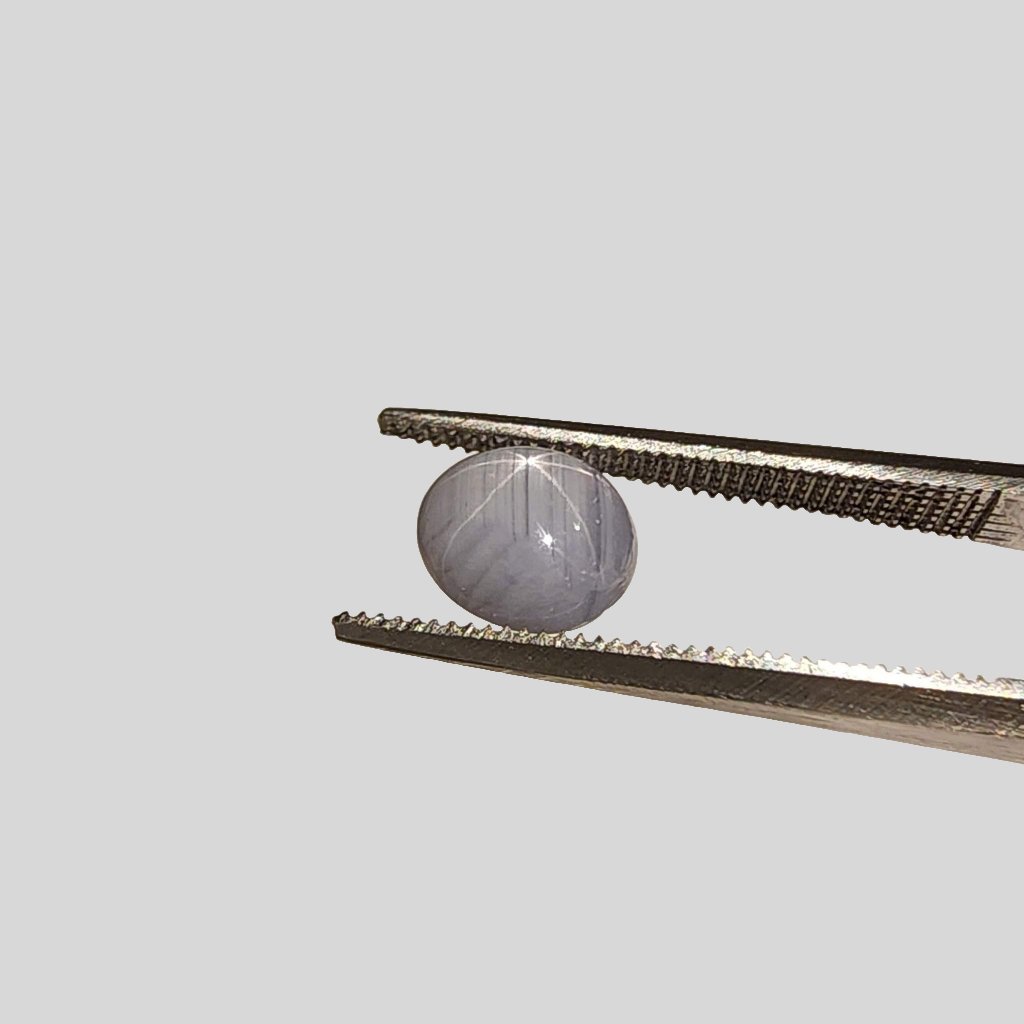
Product Type: Star Sapphire
Approx Weight (per piece): 1.7ct
Size: 6.7x6.1mm
Shape: Oval Cabochon
Color: Fine Pale Blue
Clarity: Transparent Sharp 6 Rays Star
Origin: Myanmar (Burma)
Treatment: None


Product Type: Sky Blue Topaz
Product ID: TZSB04979
Approx Weight (per piece): 0.25ct
Size: 5x3mm
Shape: Pear Shape Cut
Color: Fine Sky Blue
Clarity: Clean
Origin: Africa
Recently viewed products
Featured


Canagem is proud to be professional member of The International Gem Society(IGS) the world's top resource for gem professionals, enthusiasts, and industry content.