

📢 Notice to ALL Customers 📢
Search results
945 results
Search results

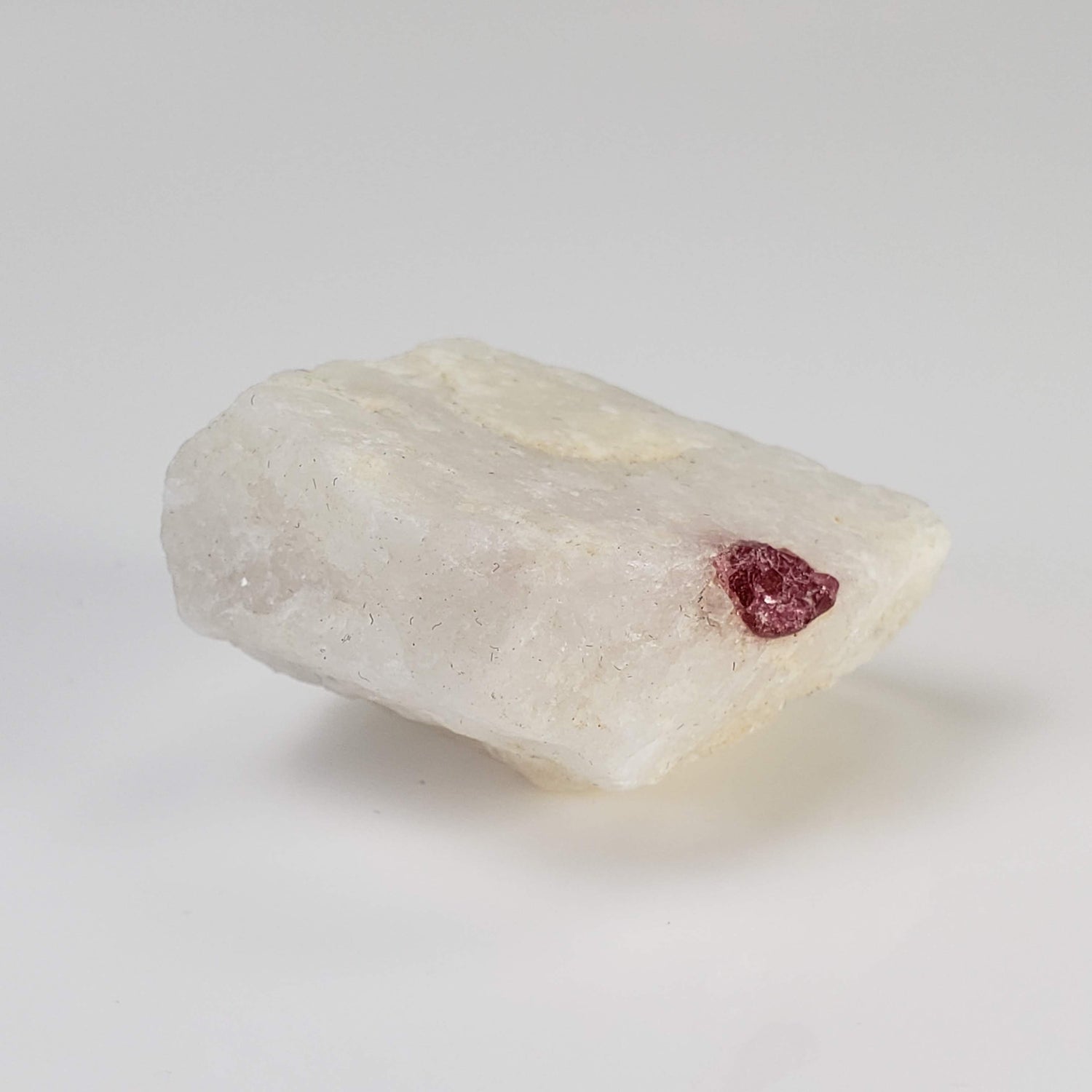
This is a beautiful Spinel crystal in marble host from Myanmar (Burma). Spinel comes in a variety of colors, including red, pink, blue, purple, orange, and black. It is often mistaken for other gemstones due to its resemblance to rubies and sapphires, especially red spinel, which historically has been confused with ruby.
Spinel is found in various regions around the world, including Myanmar (formerly Burma), Sri Lanka, Tanzania, Madagascar, Vietnam, and Afghanistan. Myanmar, in particular, is known for producing some of the finest red spinel gemstones.
Spinel is associated with vitality, rejuvenation, and inspiration. It is believed to promote energy, strength, and positive transformation.
Name: Spinel Crystal In Host (marble matrix)
Specimen Size: Miniature-Sized
Dimensions: 42x34x19 mm / 1.6x1.3x0.7 inches
Weight: 35.8 grams / 1.3 ounces / 179 ct
Origin: Mogok, Myanmar (Burma)


Product Type: Prehnite
Product ID: PRGN2300
Approx Weight (per piece): 0.95ct
Size: 7.5x6mm
Shape: Oval Cut
Color: Bright Apple Green
Clarity: VSI (Very Slightly Included)
Origin: Australia


Prehnite can form prismatic, tabular, or pyramidal crystals, but usually occurs in botryoidal, reniform, stalactitic, granular, or compact habits. It is usually green in colour, but may be white, colourless, yellow, or gray. It has a colourless streak. Prehnite is transparent to translucent, with a vitreous to pearly luster. It forms in cavities in basaltic lavas.
Prehnite is said to be a stone of unconditional love and the crystal to heal the healer. Placing it in the garden is believed to help make a home into a healing sanctuary and teach one how to be in harmony with nature. A good Fung Shui stone, prehnite is said to be helpful for decluttering, helping one let go of possessions no longer needed.
Name: Prehnite Crystal Cluster
Specimen Size: Cabinet-Sized
Dimensions: 70x42x31 mm / 2.8x1.7x1.2 inches
Weight: 68 Grams / 2.4 Ounces
Origin: Mined in Mumbai (Bombay), India


Prehnite can form prismatic, tabular, or pyramidal crystals, but usually occurs in botryoidal, reniform, stalactitic, granular, or compact habits. It is usually green in colour, but may be white, colourless, yellow, or gray. It has a colourless streak. Prehnite is transparent to translucent, with a vitreous to pearly luster. It forms in cavities in basaltic lavas.
Prehnite is said to be a stone of unconditional love and the crystal to heal the healer. Placing it in the garden is believed to help make a home into a healing sanctuary and teach one how to be in harmony with nature. A good Fung Shui stone, prehnite is said to be helpful for decluttering, helping one let go of possessions no longer needed.
Name: Prehnite Crystal Cluster
Specimen Size: Cabinet-Sized
Dimensions: 75x40x29 mm / 2.9x1.6x1.1 inches
Weight: 94 Grams / 3.3 Ounces
Origin: Mined in Mumbai (Bombay), India
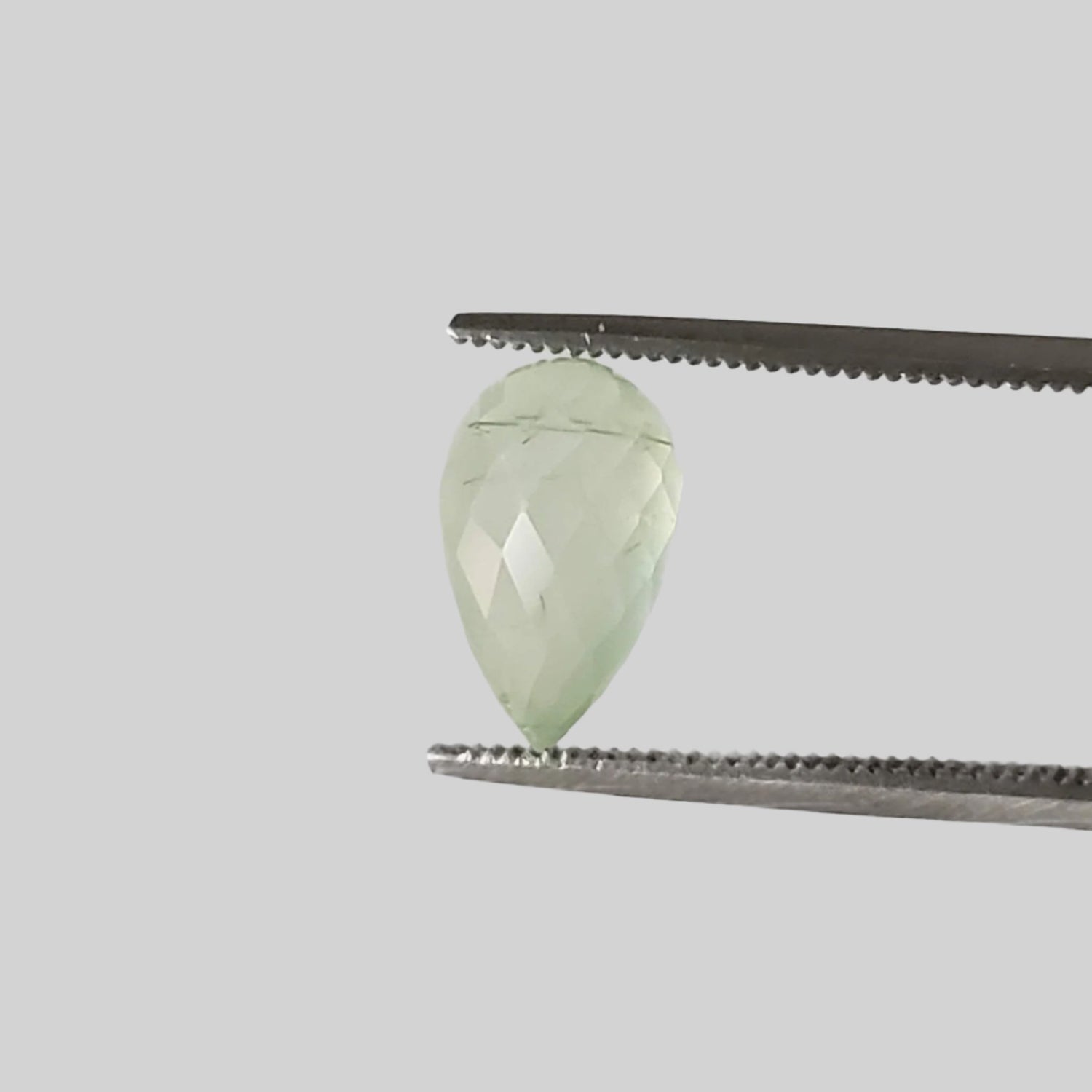
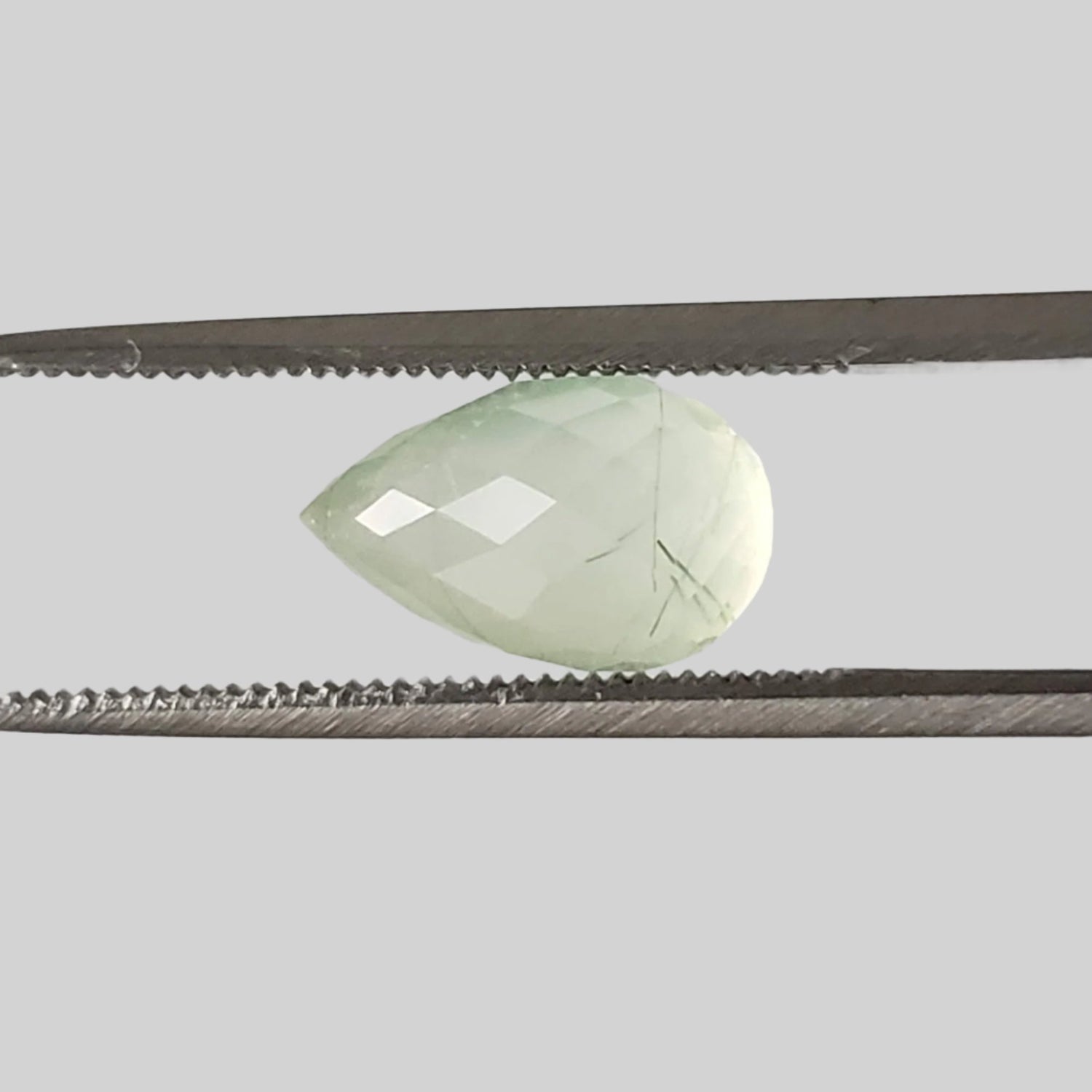
Product Type: Green Garnet
Approx Weight (per piece): 3.0ct
Size: 10.5x6.5mm
Shape: Briolette
Color: Light Green
Clarity: Transparent
Origin: Africa
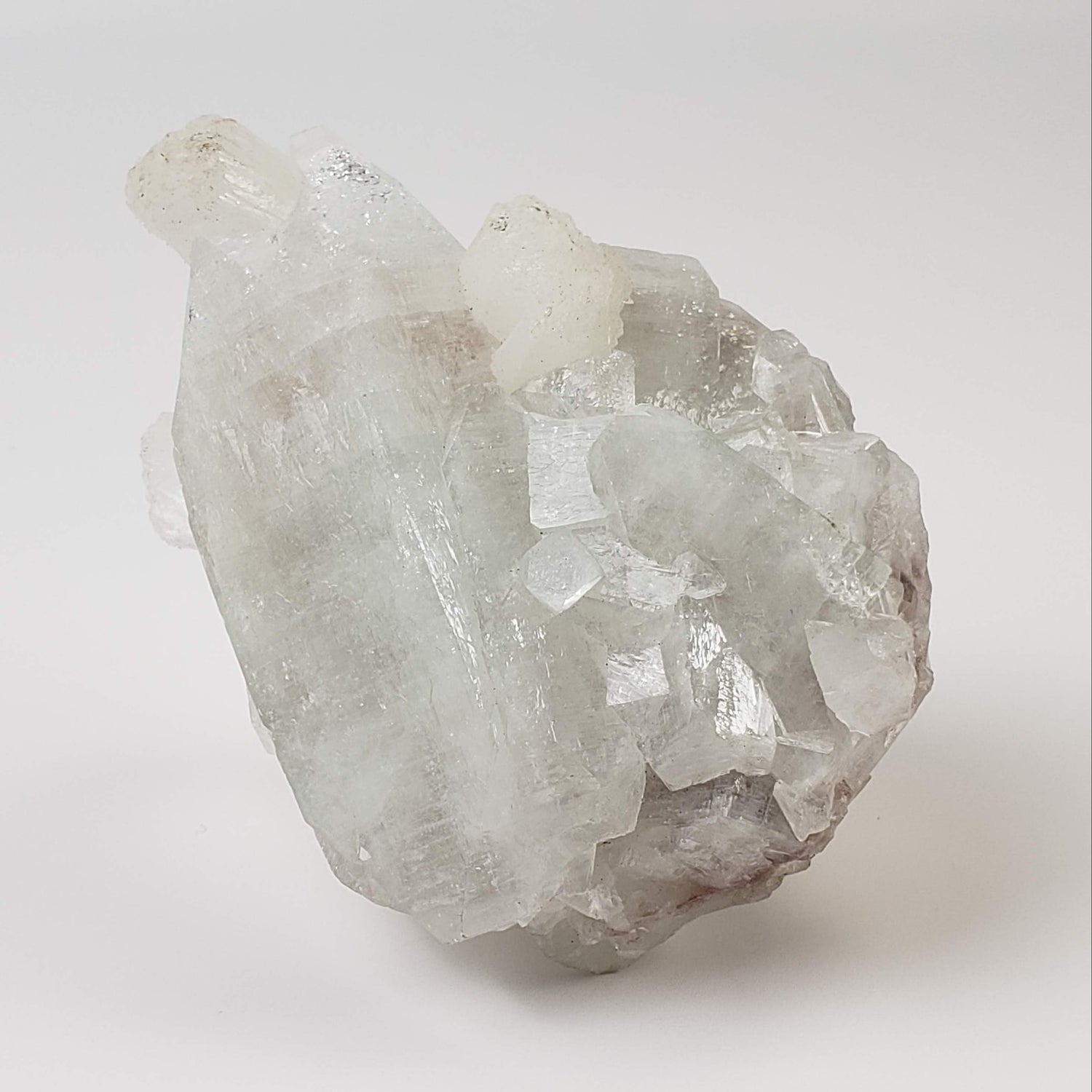
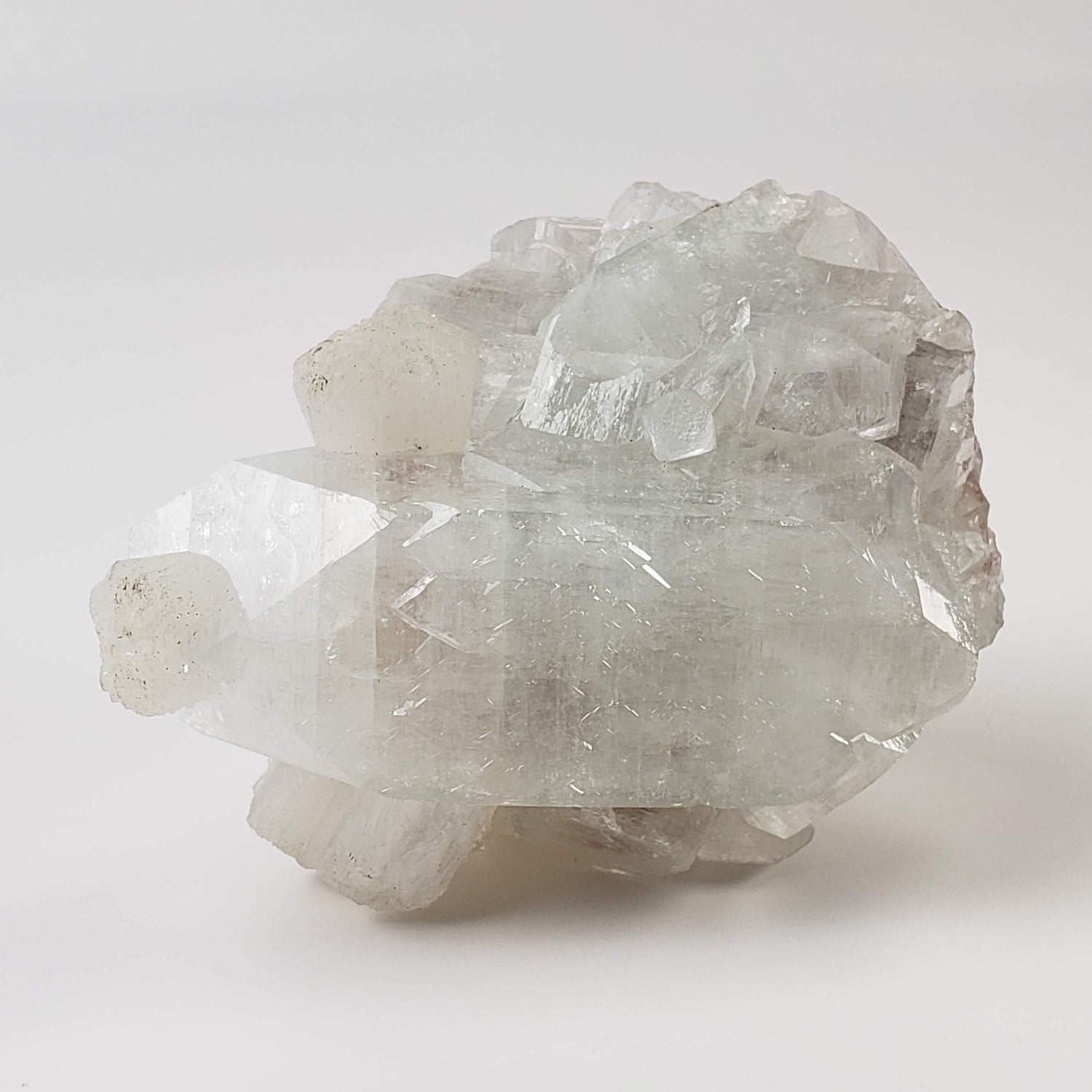
This is a very nice specimen combining large white Stilbite and clear Apophyllite crystals on a Quartz druze.
Stilbite is a zeolite mineral appreciated for its delicate crystal formations and pastel hues, ranging from colorless to white, yellow, pink, and peach. It forms distinctive tabular crystals with a bowtie or butterfly shape and exhibits a vitreous to pearly luster. Commonly found in cavities in volcanic rocks, stilbite is associated with other zeolite minerals. It is valued for its aesthetic appeal and is believed by some to have calming energy, supporting spiritual growth and emotional healing.
One of the distinguishing features of apophyllite is its ability to form well-defined crystals with a pyramid-like shape. These crystals often exhibit a prismatic or pseudo-cubic habit and have a vitreous luster. Apophyllite is transparent to translucent and is commonly found in colorless or white varieties, although it can also occur in shades of green, pink, yellow, or brown.
Name: Apophyllite, Stilbite and Quartz Crystals
Specimen Size: Cabinet-Sized
Dimensions: 89x63x57 mm / 3.5x2.5x2.25 inches
Weight: 270 Grams / 9.5 Ounces
Details: Mined in Jalgaon, India


Product Type: Sphene
Approx Weight (per piece): 0.75ct
Size: 7x5mm
Shape: Oval Cut
Color: Lime Green
Clarity: Included
Origin: Madagascar


Product Type: Fluorite
Approx Weight (per piece): 12.46 Ct.
Size: 18.5x12 mm
Shape: Carved Cabochon
Color: Multi-Color Green, purple
Clarity: Opaque
Origin: Brazil
Fluorite comes in many colors. Deep purple (it's most famous), sky blue, sea green, sunny yellow, and crystal clear. There are rarer colors of pink, reddish orange (rose) and even black. Fluorite is very attractive and in demand. It is easy to see why fluorite earns the reputation as "The Most Colorful Mineral in the World".
Because Fluorite comes in a wide range of colours, it is often said that it contains something of all other gemstones in it. According to folklore, it is the home of rainbows.
Fluorite is said to increase concentration and foster mental balance. Nicknamed the "genius stone" fluorite is believed to be excellent for study and work areas. It helps the mind stay focused on the task at hand.
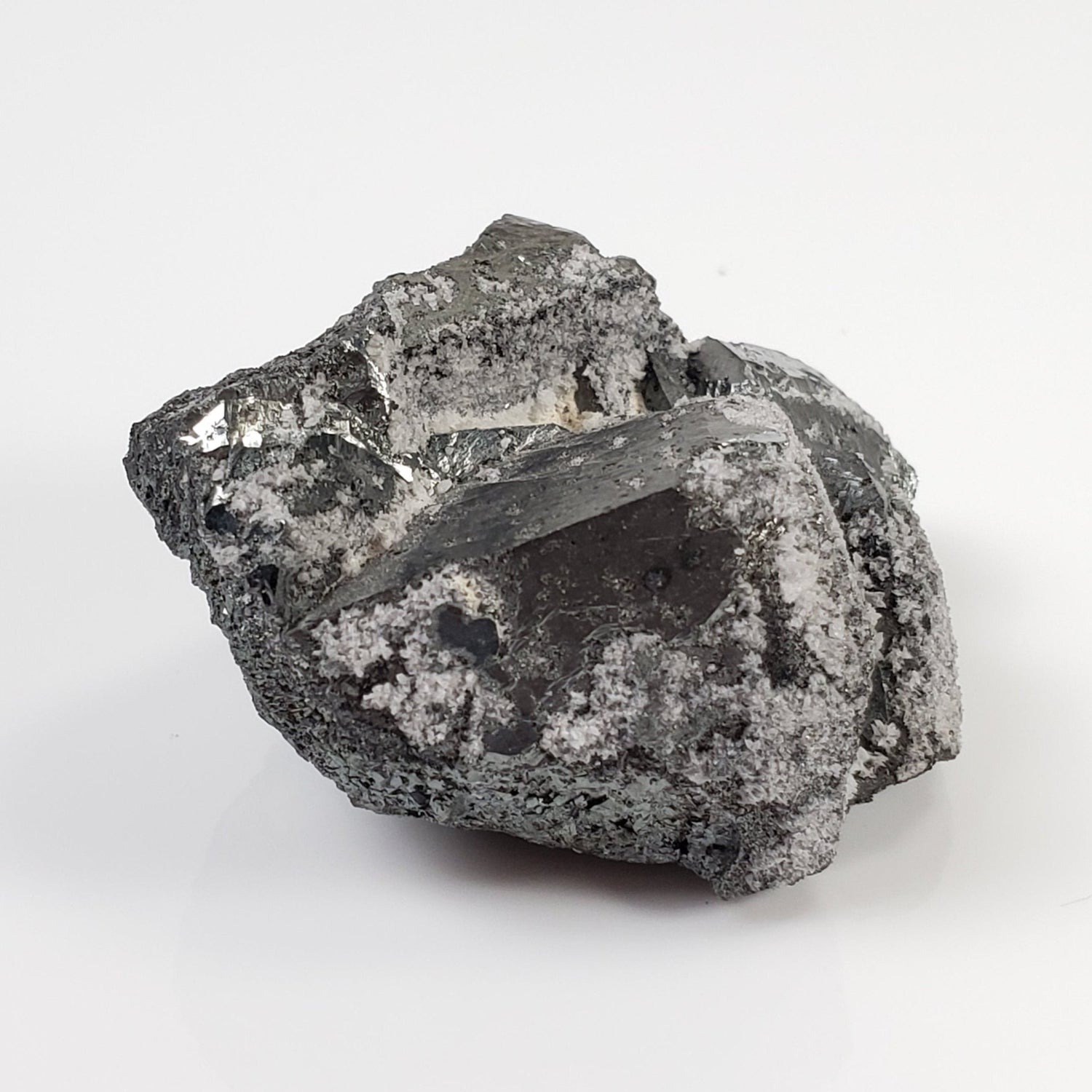
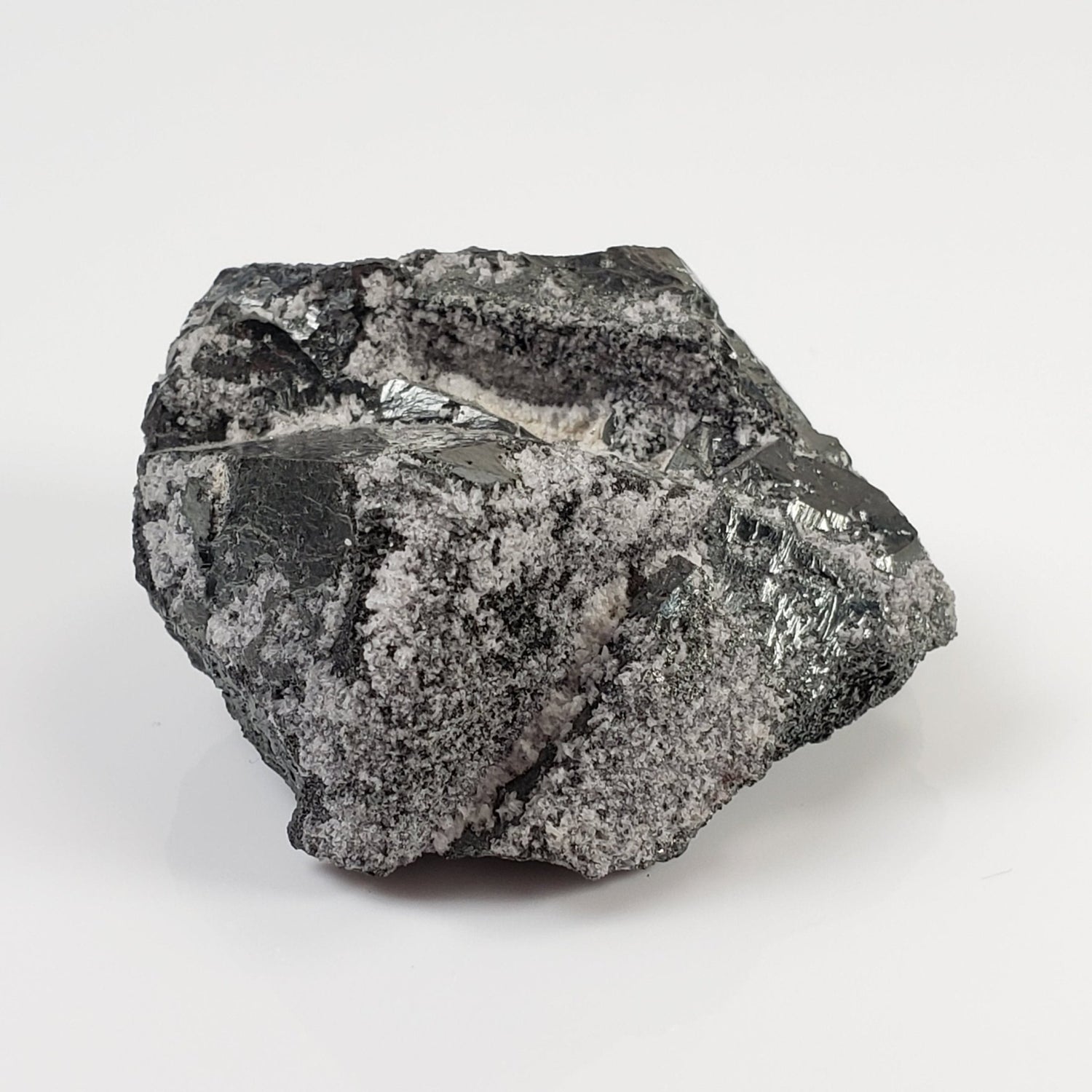
This beautiful cluster combines tetrahedrite and calcite crystals. Tetrahedrite crystals are fascinating minerals known for their distinctive tetrahedral shape and shiny, metallic luster. It typically forms in well-defined tetrahedral crystals, which can be grouped in clusters. The color range includes shades of metallic gray, black, and sometimes reddish hues due to the presence of copper and other trace elements. Tetrahedrite is commonly found in hydrothermal veins and is often associated with other minerals such as quartz, galena, and sphalerite.
Tetrahedrite is believed to promote emotional healing and provide a protective shield against negativity. It is thought to enhance creativity and clarity, helping individuals connect with their inner selves.
This top specimen is in very good condition. Would be a beautiful addition to any new or existing collection.
Name: Tetrahedrite and Calcite Crystal Cluster
Specimen Size: Miniature-Sized
Dimensions: 43x37x20 mm / 1.7x1.5x0.8 inches
Weight: 63.8 Grams / 2.2 oz
Origin: Mined in Lima, Peru


Product Type: Sphene
Approx Weight (per piece): 0.37ct
Size: 5x4mm
Shape: Oval Cut
Color: Lime Green
Clarity: Included
Origin: Madagascar


Product Type: Prehnite
Approx Weight (per piece): 1.00ct
Size: 7.5x6mm
Shape: Oval Cut
Color: Apple Green
Clarity: SI (Slightly Included)
Origin: Australia


Product Type: Tourmaline
Product ID: TOOG2789
Approx Weight (per piece): 1.29CT.
Size: 7.5x5.5mm
Shape: Oval Cut
Color: Golden Olive
Clarity: Clean
Origin: Africa


Product Type: Diamond in Blue Topaz
Approx Weight (per piece): 1.30ct
Size: 6mm
Shape: Cushion Cut - Square
Color: Sky Blue
Clarity: Clean
Origin: Africa


Product Type: Druzy Titanium (Irish Dream)
Approx Weight (per piece): 7.02ct
Size: 15mm
Shape: Round Tablet
Color: Rainbow Druzy
Clarity: Opaque
Origin: U.S.A.
Titanium druzy gemstones are a dazzling and vibrant variety of druzy quartz that has been enhanced with a metallic coating of titanium. Druzy refers to the natural formation of tiny crystals on the surface of a mineral, giving it a sparkling, sugar-like appearance. When they druzy quartz is coated with titanium, it creates a shimmering, multicolored effect with hues of blue, purple, gold, green, and sometimes pink.


Tetrahedrite crystals are fascinating minerals known for their distinctive tetrahedral shape and shiny, metallic luster. It typically forms in well-defined tetrahedral crystals, which can be grouped in clusters. The color range includes shades of metallic gray, black, and sometimes reddish hues due to the presence of copper and other trace elements. Tetrahedrite is commonly found in hydrothermal veins and is often associated with other minerals such as quartz, galena, and sphalerite.
Tetrahedrite is believed to promote emotional healing and provide a protective shield against negativity. It is thought to enhance creativity and clarity, helping individuals connect with their inner selves.
This top specimen is in very good condition. Would be a beautiful addition to any new or existing collection.
Name: Tetrahedrite Crystal Cluster
Specimen Size: Miniature Cabinet-Sized
Dimensions: 59x40x15 mm / 2.3x1.6x0.6 inches
Weight: 30.8 Grams / 1.1 oz
Origin: Mined in Lima, Peru


Apophyllite and prehnite are beautiful minerals that are often found together in attractive mineral specimens. Apophyllite is known for its clear, white, pale green, or sometimes pink, glass-like crystals that often form sharp pyramidal or prismatic shapes. Prehnite is typically pale green to yellow-green and is commonly found in rounded, grape-like formations called botryoidal aggregates.
Apophyllite is believed to promote self-reflection and authentic self-expression, helping to reduce stress, release mental blockages, and overcome anxiety by revealing truth and facilitating the release of suppressed emotions. Prehnite is considered a stone of unconditional love, known for its healing properties, especially for healers, and is thought to bring harmony to spaces, assist in decluttering, and create a healing sanctuary, particularly when used in gardens.
Name: Apophyllite and Prehnite Crystal Cluster
Specimen Size: Cabinet-Sized
Dimensions: 74x52x40 mm / 2.9x2.0x1.6 inches
Weight: 138 Grams / 4.9 Ounces
Origin: Mined in Mumbai (Bombay), India


This Calcite Crystal sphere has a very desirable golden color with great definition and an outstanding pattern. The Septarians were formed during the Cretaceous period, 50 to 70 million years ago when the Gulf of Mexico reached what is now Southern Utah.
Decomposing sea life killed by volcanic eruptions were chemically attracted to the sediment around them and formed mud balls. As the ocean receded, the balls were left to dry and crack, trapping decomposed calcite from the shells and crystals formed. A thin wall of calcite was transformed into aragonite separating the bentonite heavy clay exteriors from the calcite centers.
Because of this phenomenon, the nodules are called septarians. The name Septarian is derived from the Latin name, Septem, meaning seven. The fact is that the mud balls cracked with 7 points in every direction, thereby creating this beautiful design. Septarians are composed of Calcite (The Yellow Centers), Aragonite (The Brown Lines) and the Outer Grey Rock is Limestone. Occasionally the fossil or some of the fossils which started the formation of the rock is noticeable in the rock.
Would be a beautiful addition to any new or existing collection.
Name: Septarian Calcite Sphere
Dimensions: 92 mm - 3.6 inches
Weight: 1.09 kg - 2.4 lbs
Origin: China


Product Type: Cats Eye Tourmaline
Product ID: TOCE6906
Approx Weight (per piece): 14.46ct
Size: 15.3x13.1mm
Shape: Oval Cabochon
Color: Deep Forest Green
Clarity: Translucent
Origin: Africa
Treatment: None


Prehnite can form prismatic, tabular, or pyramidal crystals, but usually occurs in botryoidal, reniform, stalactitic, granular, or compact habits. It is usually green in colour, but may be white, colourless, yellow, or gray. It has a colourless streak. Prehnite is transparent to translucent, with a vitreous to pearly luster. It forms in cavities in basaltic lavas.
Prehnite is said to be a stone of unconditional love and the crystal to heal the healer. Placing it in the garden is believed to help make a home into a healing sanctuary and teach one how to be in harmony with nature. A good Fung Shui stone, prehnite is said to be helpful for decluttering, helping one let go of possessions no longer needed.
Name: Prehnite Crystal Cluster
Specimen Size: Cabinet-Sized
Dimensions: 65x71x25 mm / 2.5x2.8x1 inches
Weight: 74 Grams / 2.6 Ounces
Origin: Mined in Mumbai (Bombay), India


Product Type: Rutilated Quartz
Approx Weight (per piece): 15.7ct
Size: 17.5x17.8mm
Shape: Trilliant Cut
Color: Clear White with Golden Needles
Clarity: Transparent
Origin: Brazil
Rutilated Quartz is a beautiful variety of Quartz that contains needle-like inclusions of the mineral Rutile. These golden, coppery, or silver-colored needle inclusions create unique patterns within the Quartz.
Rutilated Quartz is thought to amplify energy, enhance clarity and intuition, facilitate spiritual connection, provide protection, and promote healing and manifestation.
Recently viewed products
Featured


Canagem is proud to be professional member of The International Gem Society(IGS) the world's top resource for gem professionals, enthusiasts, and industry content.