



Search results
123 results
Search results


Product Type: Tourmaline
Approx Weight (per lot): 0.71tcw
Size: 4x2mm
Shape: Marquise Cut
Color: Rich Green
Clarity: Clean
Origin: Africa


Product Type: Idocrase | Vesuvianite
Approx Weight (per piece): 0.85ct
Size: 7x5mm
Shape: Oval Cut
Color: Amazing Green
Clarity: Clean
Treatment: None
Origin: Canada


Product Type: Lemon Quartz
Product ID: PRYL4561
Approx Weight (per piece): 13.80ct
Size: 18x11mm
Shape: Baguette Cut
Color: Rich Lime Green
Clarity: Clean
Origin: Brazil


Product Type: Chrysoberyl Cats Eye
Approx Weight (per piece): 1.5ct
Size: 7.5x6.5mm
Shape: Oval Cabochon
Color: Amber Green Cats Eye
Clarity: Transparent
Origin: Africa
Treatment: Cat's Eye Chrysoberyl is typically untreated. The chatoyancy is a natural occurrence caused by inclusions within the crystal.
The distinctive "cat's eye" effect in this Chrysoberyl is caused by the reflection of light off parallel needle-like inclusions within the crystal. When the gem is cut en cabochon, a concentrated, bright band of light appears to move across the surface as the stone is rotated.
Cat's Eye Chrysoberyl comes in various colors, with green, yellow, and golden-brown being common. The most valuable specimens often exhibit a honey or honey-green color. It is a durable gemstone, scoring 8.5 on the Mohs scale of hardness, making it suitable for various types of jewelry.
Significant sources of Cat's Eye Chrysoberyl include Sri Lanka, Brazil, India, Myanmar, and Madagascar. Sri Lankan stones, in particular, are renowned for their exceptional cat's eye effects.
Cat's Eye Chrysoberyl is believed to possess metaphysical properties associated with protection, intuition, and good fortune. Some traditions consider it a talisman for enhancing insight and awareness.


Product Type: Tsavorite
Approx Weight (per piece): 0.006ct
Size: 1.0mm
Shape: Round Cut
Color: Green
Clarity: SI (Slightly Included)
Origin: Tanzania
Treatment: None
Tsavorite is a variety of the garnet family, specifically a green grossular garnet. Its color ranges from a vivid green to an intense greenish-blue. Tsavorite was first discovered in the 1960s in Tanzania and was later found in Kenya. Due to its scarcity, it is considered one of the rarest and most valuable garnets.
Tsavorite is relatively durable with a hardness of 7 to 7.5 on the Mohs scale. This makes it suitable for various types of jewelry, though care should be taken to avoid exposure to extreme heat or harsh chemicals.
Tsavorite is associated with prosperity, abundance, and vitality. Some consider it a stone of growth and regeneration, both in the physical and spiritual sense.
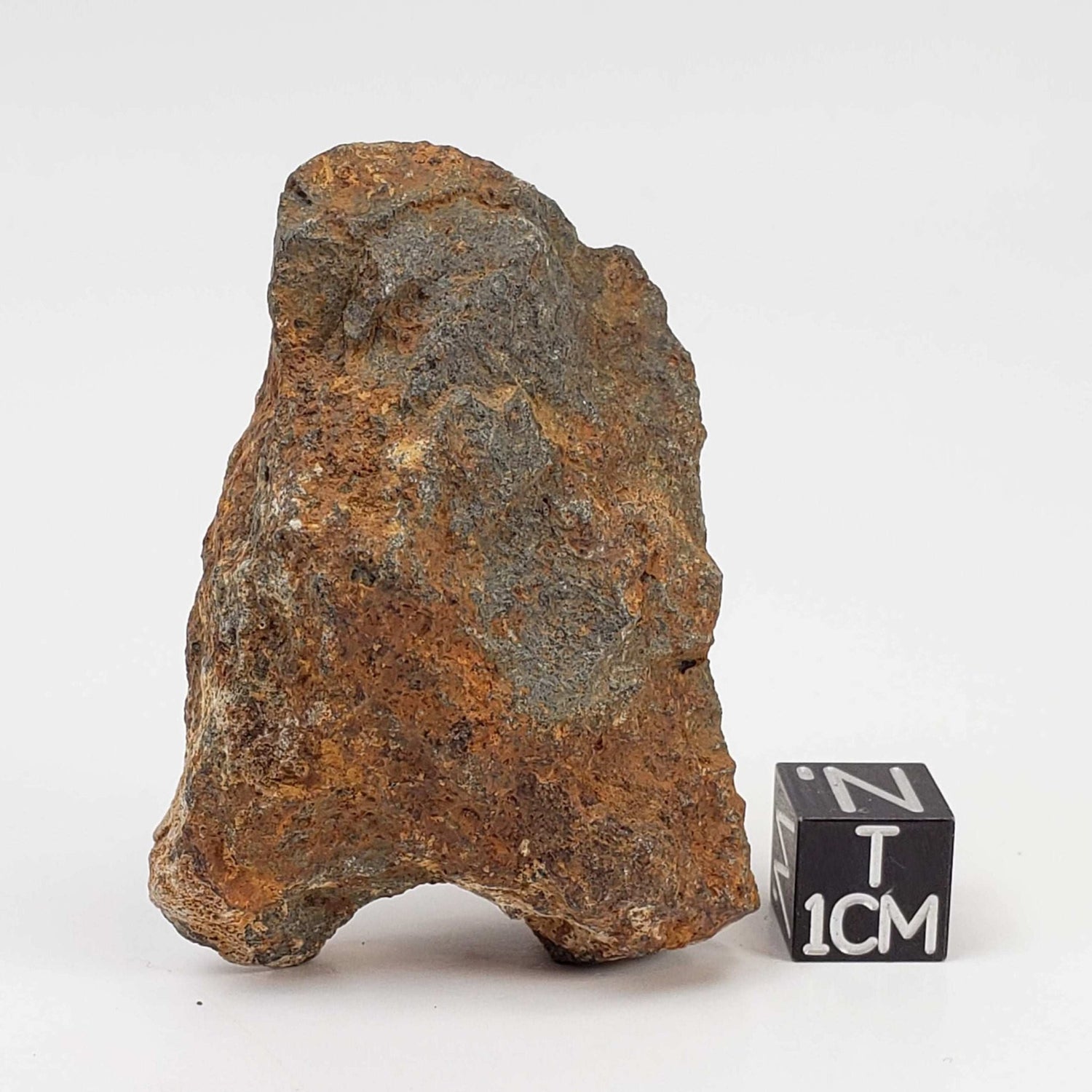
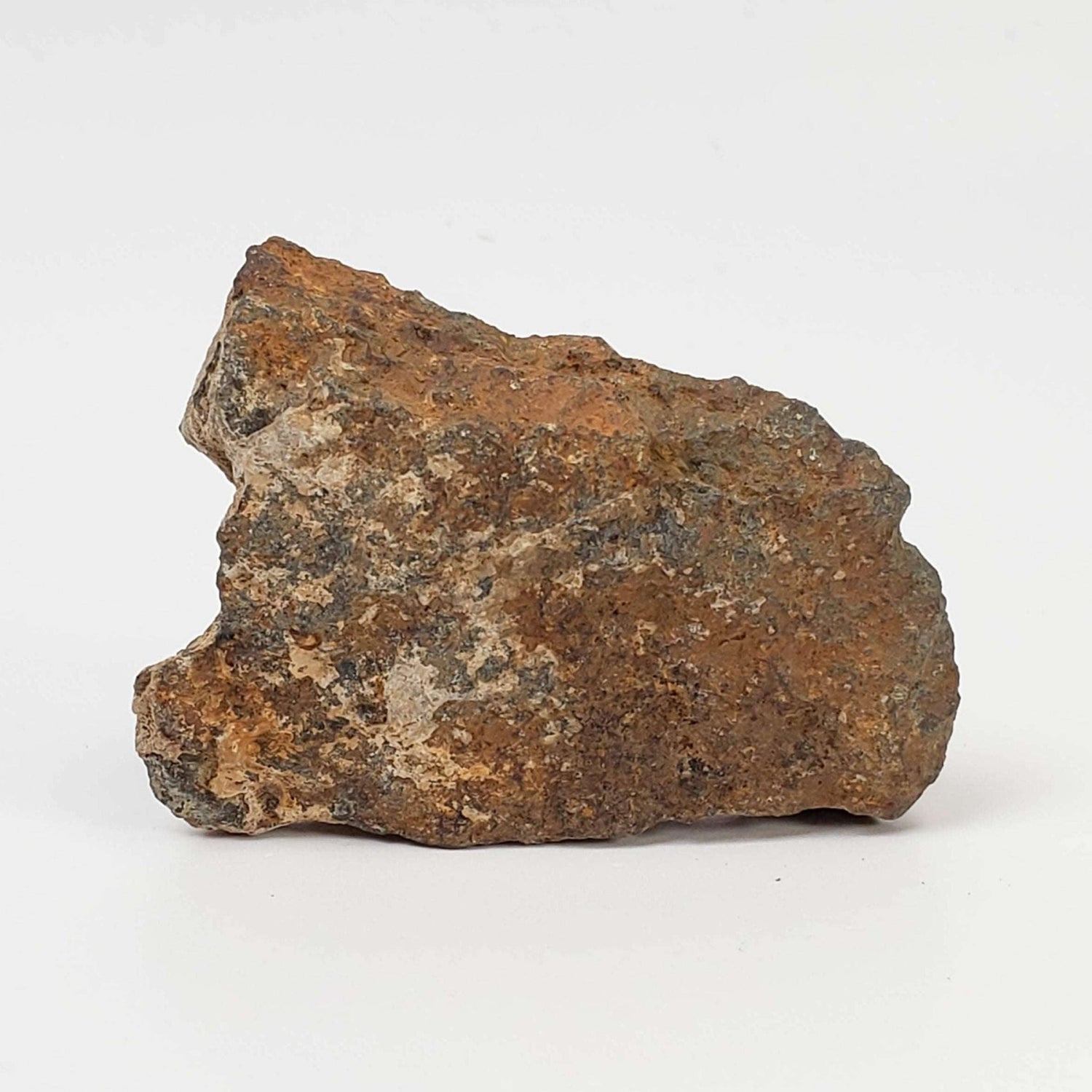
This is a superb individual Tsarev meteorite weighing 56.2 grams. Its dimensions are 53x38x18 mm. Twenty-eight specimens of this L5 classified meteorite were found in fields. The largest mass weighs 284 kg, the smallest 761 gr with a total weight of 1.23 Tons. The greatest distance between the find sites was 6.0 km.
In 1968, amidst a global surge in conflicts, a remarkable discovery was made in a small village in Volgograd Oblast. This region, known as the primary site of the Battle of Stalingrad—one of the largest and bloodiest battles in history—yielded an extraordinary find in the quiet fields near the rural village of Tsarev.
The Tsarev meteorite, named after the Russian word for czar, is a stone meteorite responsible for one of the largest meteorite showers in Russian history. This meteorite shower occurred on December 6, 1922, but the stones were not discovered until 1968 and only recognized in 1979. The Tsarev meteorite's mineral composition matches that of ordinary chondrites, including olivine, orthopyroxene, clinopyroxene, maskelynite, calcium phosphates, nickel-iron, troilite, chromite, ilmenite, and rutile.
Academic analysis of the Tsarev meteorite reveals significant features: large grains of nickel-iron, light grey areas with well-preserved chondritic texture, and dark areas containing a matrix with olivine grains and remnants of chondrules.
This specimen would be a beautiful addition to any new or existing collection. Will come with a Canagem specimen card.

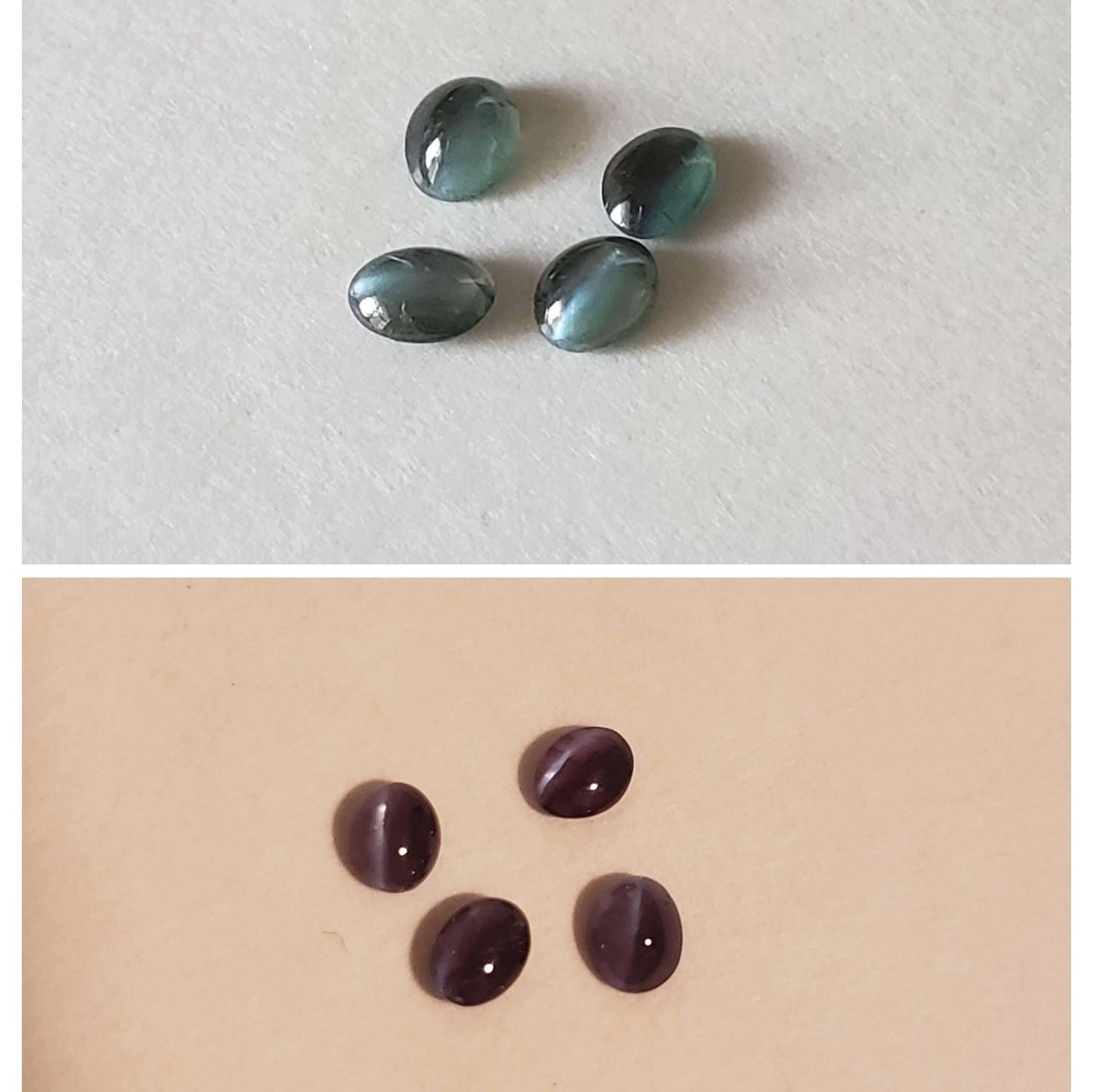
Product Type: Alexandrite Cats Eye
Product ID: ACGP91682
Approx Weight (per piece): 0.25ct
Size: 4x3mm
Shape: Oval Cabochon
Color: Change Green to Purple*
Clarity: VSI (Very Slightly Included)
Origin: India
Treatment: None
*Color change is achieved using incandescent light.
Alexandrite is a rare gemstone that belongs to the chrysoberyl family of minerals. It is primarily known for its ability to change color from green in daylight or fluorescent light to red or purplish-red under incandescent light. Alexandrite Cats Eye is an extraordinary gemstone that displays both the color-changing properties of Alexandrite and the cat's eye effect.
Alexandrite is believed to aid in personal transformation and balance, enhance intuition and insight, provide protection and grounding, attract luck and prosperity, and facilitate emotional healing.
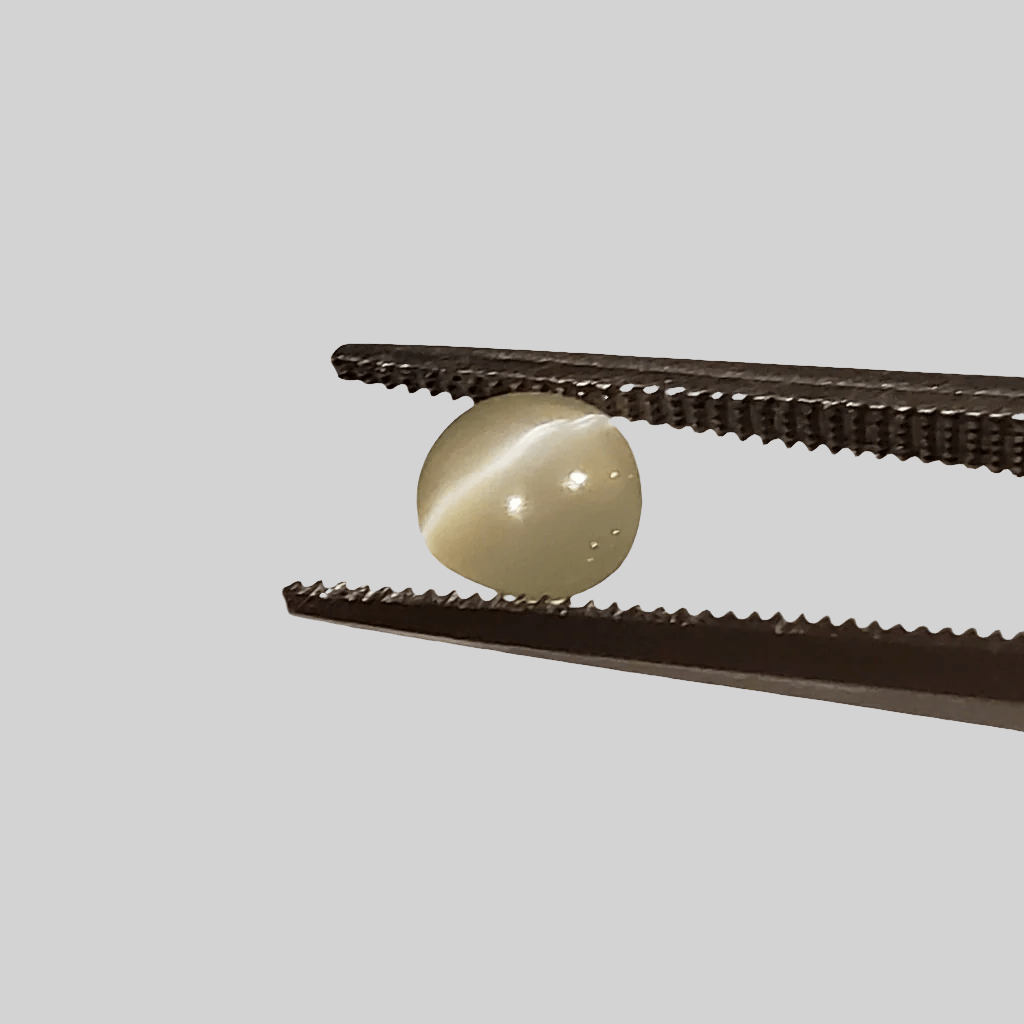

Product Type: Chrysoberyl Cats Eye
Approx Weight (per piece): 0.8ct
Size: 5mm
Shape: Round Cabochon
Color: Green
Clarity: Fine Crystal
Origin: Madagascar
The distinctive "cat's eye" effect in this Chrysoberyl is caused by the reflection of light off parallel needle-like inclusions within the crystal. When the gem is cut en cabochon, a concentrated, bright band of light appears to move across the surface as the stone is rotated.
Cat's Eye Chrysoberyl comes in various colors, such as green, yellow, and golden-brown. It is a durable gemstone, scoring 8.5 on the Mohs scale of hardness, making it suitable for various types of jewelry. Significant sources of Cat's Eye Chrysoberyl include Sri Lanka, Brazil, India, Myanmar, and Madagascar.
Cat's Eye Chrysoberyl is believed to possess metaphysical properties associated with protection, intuition, and good fortune. Some traditions consider it a talisman for enhancing insight and awareness.


This is a superb individual Tsarev meteorite weighing 142.2 grams. Its dimensions are 71x44x29 mm. Twenty-eight specimens of this L5 classified meteorite were found in fields. The largest mass weighs 284 kg, the smallest 761 gr with a total weight of 1.23 Tons. The greatest distance between the find sites was 6.0 km.
In 1968, amidst a global surge in conflicts, a remarkable discovery was made in a small village in Volgograd Oblast. This region, known as the primary site of the Battle of Stalingrad—one of the largest and bloodiest battles in history—yielded an extraordinary find in the quiet fields near the rural village of Tsarev.
The Tsarev meteorite, named after the Russian word for czar, is a stone meteorite responsible for one of the largest meteorite showers in Russian history. This meteorite shower occurred on December 6, 1922, but the stones were not discovered until 1968 and only recognized in 1979. The Tsarev meteorite's mineral composition matches that of ordinary chondrites, including olivine, orthopyroxene, clinopyroxene, maskelynite, calcium phosphates, nickel-iron, troilite, chromite, ilmenite, and rutile.
Academic analysis of the Tsarev meteorite reveals significant features: large grains of nickel-iron, light grey areas with well-preserved chondritic texture, and dark areas containing a matrix with olivine grains and remnants of chondrules.
This specimen would be a beautiful addition to any new or existing collection. Will come with a Canagem specimen card.


This is a superb individual Tsarev meteorite weighing 60.4 grams. Its dimensions are 47x40x20 mm. Twenty-eight specimens of this L5 classified meteorite were found in fields. The largest mass weighs 284 kg, the smallest 761 gr with a total weight of 1.23 Tons. The greatest distance between the find sites was 6.0 km.
In 1968, amidst a global surge in conflicts, a remarkable discovery was made in a small village in Volgograd Oblast. This region, known as the primary site of the Battle of Stalingrad—one of the largest and bloodiest battles in history—yielded an extraordinary find in the quiet fields near the rural village of Tsarev.
The Tsarev meteorite, named after the Russian word for czar, is a stone meteorite responsible for one of the largest meteorite showers in Russian history. This meteorite shower occurred on December 6, 1922, but the stones were not discovered until 1968 and only recognized in 1979. The Tsarev meteorite's mineral composition matches that of ordinary chondrites, including olivine, orthopyroxene, clinopyroxene, maskelynite, calcium phosphates, nickel-iron, troilite, chromite, ilmenite, and rutile.
Academic analysis of the Tsarev meteorite reveals significant features: large grains of nickel-iron, light grey areas with well-preserved chondritic texture, and dark areas containing a matrix with olivine grains and remnants of chondrules.
This specimen would be a beautiful addition to any new or existing collection. Will come with a Canagem specimen card.


This is a superb looking Stony-iron or Mesosiderite Vaca Muerta (Dead Cow) classified meteorite end cut weighing 5.62 grams. Its dimensions are 19x15x11 mm.
This classified meteorite was found in 1861 in the driest desert of the world called the Atacama, in Chile. Mesosiderites are formed on the surface of a parent body as a result of impacts with another body. The impact mixed broken fragments of surface eucrites with iron and olivine from deep within the body. Eucrites are believed to have come from the asteroid Vesta. Analysis has shown, however, that the Vaca Muerta eucrite inclusions are not consistent with other eucrites and possibly originated on a different parent body. Although most have a weathered exterior, they also have lots of metal inside and can be prepared and cut to show this.
This piece displays extremely well and would be a beautiful addition to any new or existing collection. Comes with ELKK Meteorites and Canagem® specimen cards.


This beautiful sphere was polished from natural Siberian Jade. Beautifully blended green, black and white colors makes this sphere look very attractive. Jade is a well known stone throughout the world and has been highly regarded since ancient times in many cultures.
Name: Jade Sphere crystal
Dimensions: 50.25 mm / 2 inches
Weight: 180.3 Grams / 6.36 oz
Origin: Russia
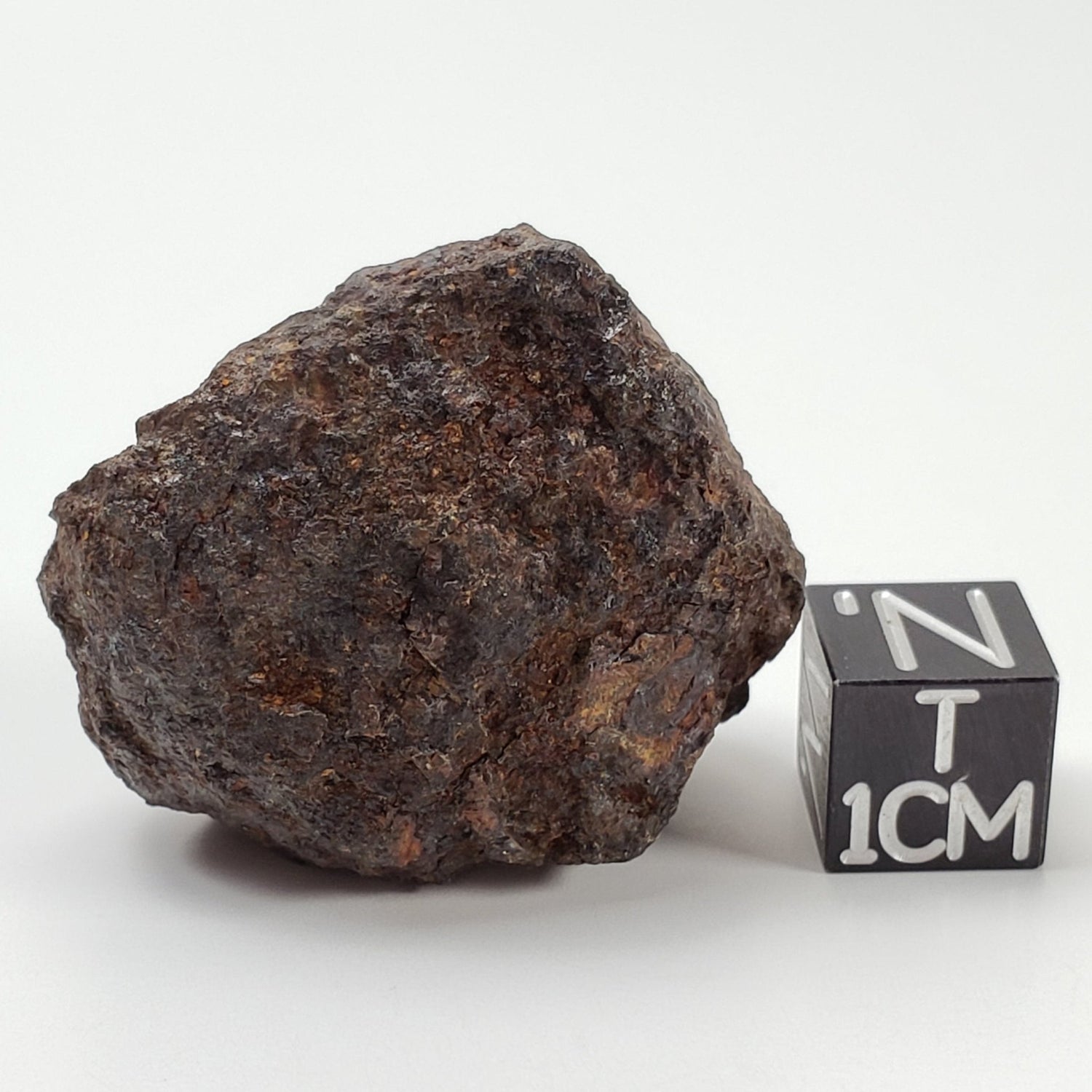
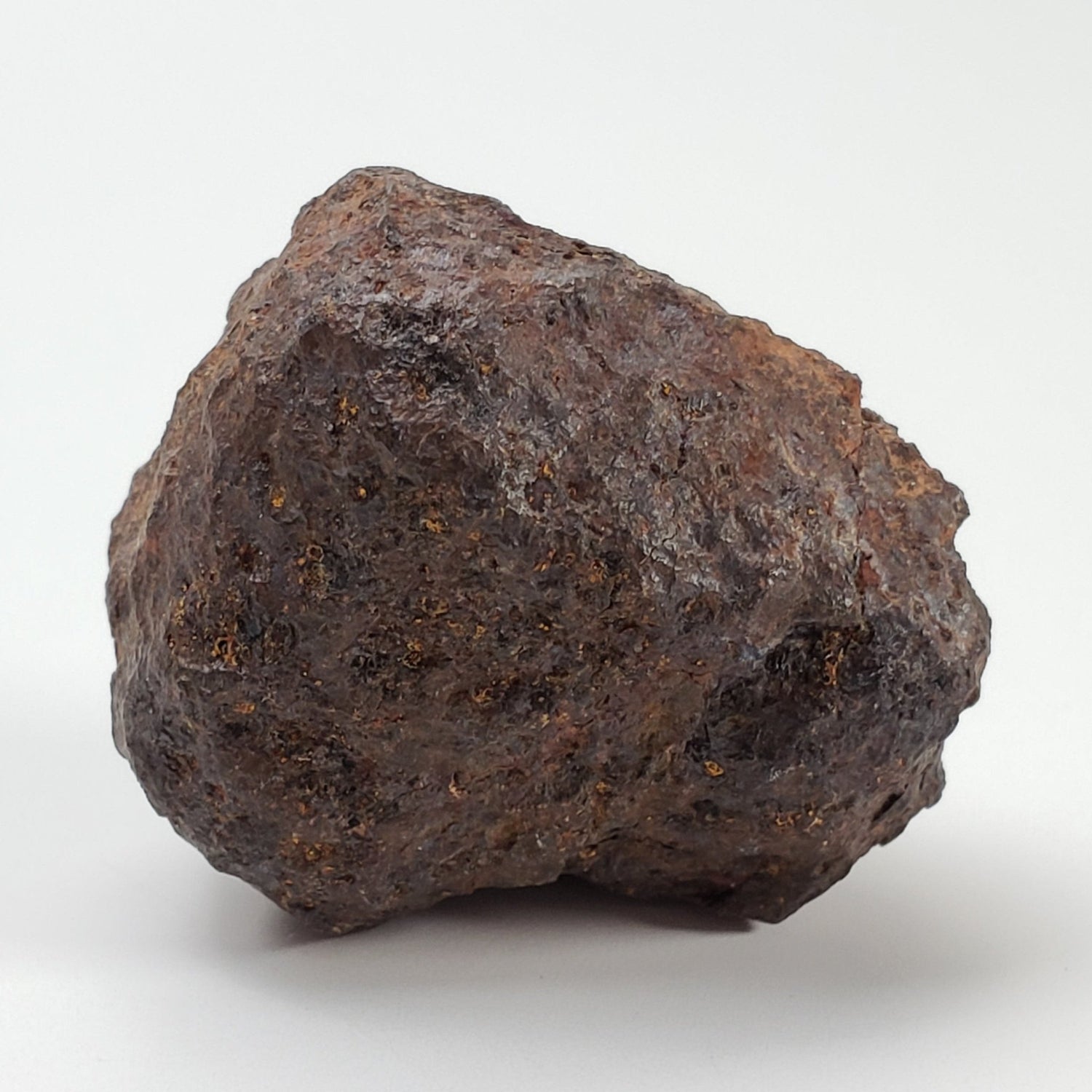
This is a superb looking Stony-iron or Mesosiderite Vaca Muerta (Dead Cow) classified meteorite weighing 40.52 grams. Its dimensions are 32x28x18 mm.
This classified meteorite was found in 1861 in the driest desert of the world called the Atacama, in Chile. Mesosiderites are formed on the surface of a parent body as a result of impacts with another body. The impact mixed broken fragments of surface eucrites with iron and olivine from deep within the body. Eucrites are believed to have come from the asteroid Vesta. Analysis has shown, however, that the Vaca Muerta eucrite inclusions are not consistent with other eucrites and possibly originated on a different parent body. Although most have a weathered exterior, they also have lots of metal inside and can be prepared and cut to show this.
This piece displays extremely well and would be a beautiful addition to any new or existing collection. Comes with a Canagem Collection specimen card.
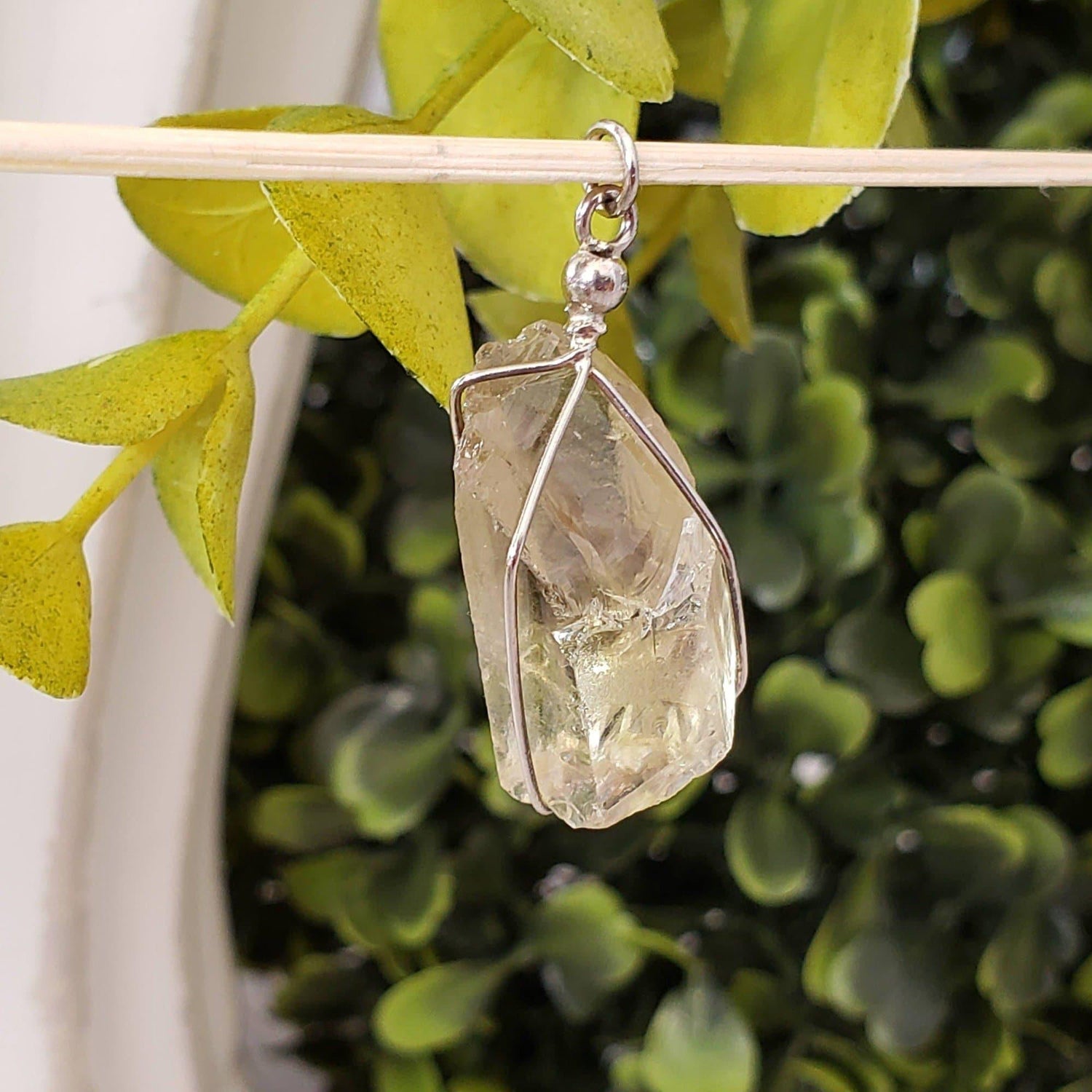
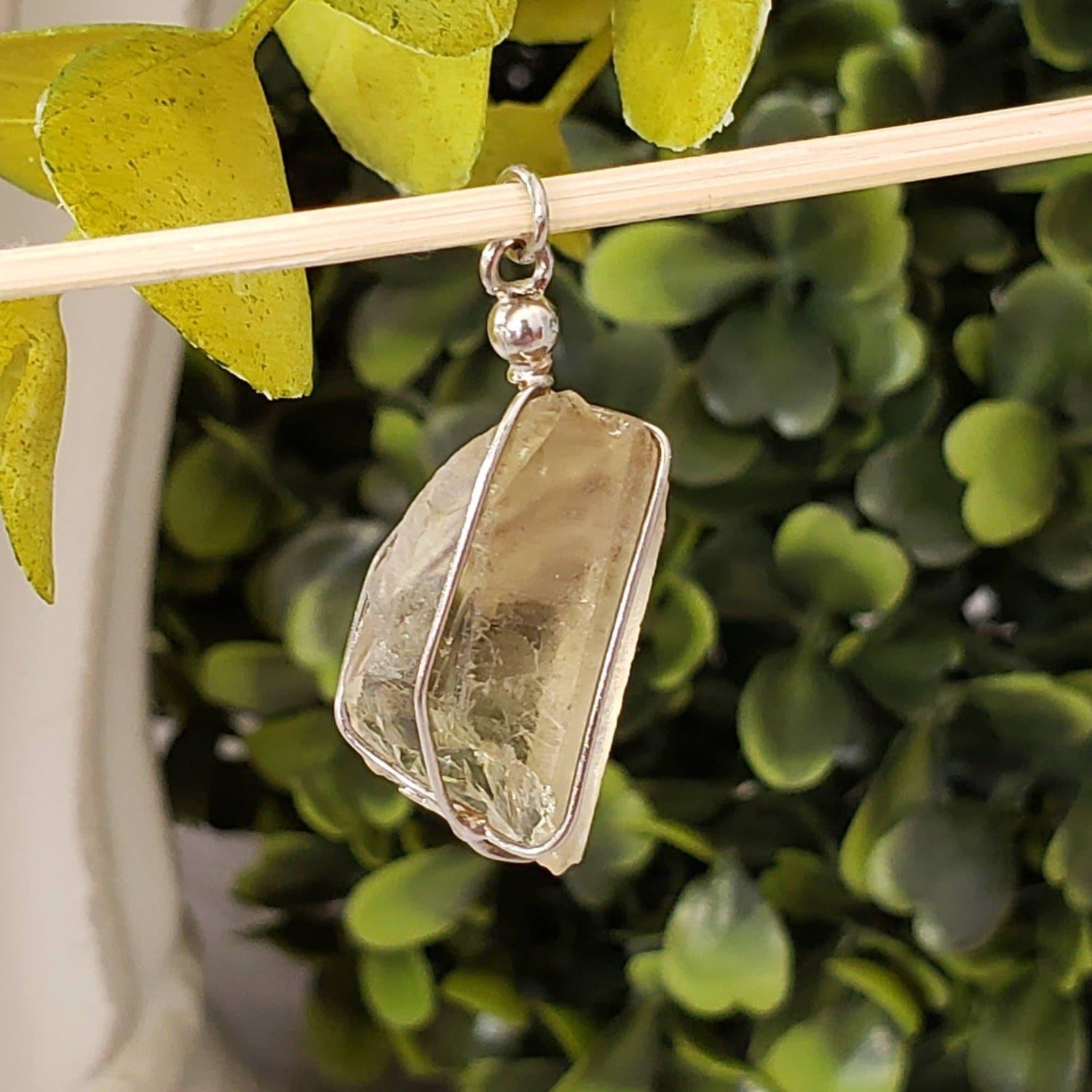
Prasiolite, also known as green amethyst, is believed to support spiritual growth, activate the heart chakra, promote healing and renewal, and offer calming and protective qualities.
Product Type: Prasiolite Crystal
Approx Weight (per piece): 20.31 carats incl. wire
Size: 29x12 mm incl. loop
Color: Nice yellow green
Clarity: Clean
Origin: Brazil


This is a fabulous 1.24 grams Molong stony iron classified meteorite fragment. This superb meteorite was found in Ashburnham, NSW, Australia in 1912 and has a low Total Known Weight of 104 kg. This is 1 of 72 approved meteorites classified as Pallasite, PMG.
This Molong meteorite fragment is a rare 1.24-gram piece of Pallasite PMG (main chemical group) stony iron, originally part of a 230-pound mass found in 1912 near Ti Tree Creek, Ashburnham, NSW, Australia. Known for its unique iron-nickel matrix interspersed with olivine crystals, this specimen offers valuable insight into early solar system processes.
Even though the iron of this ancient meteorite has changed into Meteorite Shale due to its millions of years of exposure on earth, it still shows the beautiful pallasite structure it is famous for and will also reacts strongly to a magnet. Unlike most pallasites you see, Molong is almost all olivine crystals with just a little metal between them. The olivine crystals are semi-translucent, you can't see through them, but you can see reflections from within the crystals.
Its historical significance and scientific value make it an important addition for collectors and researchers specializing in meteoritics. Comes in a protective case with an ELKK Meteorites and a Canagem Collection specimen card.


This is a superb looking Stony-iron or Mesosiderite Vaca Muerta (Dead Cow) classified meteorite weighing 84.4 grams. Its dimensions are 49x43x28 mm.
This classified meteorite was found in 1861 in the driest desert of the world called the Atacama, in Chile. Mesosiderites are formed on the surface of a parent body as a result of impacts with another body. The impact mixed broken fragments of surface eucrites with iron and olivine from deep within the body. Eucrites are believed to have come from the asteroid Vesta. Analysis has shown, however, that the Vaca Muerta eucrite inclusions are not consistent with other eucrites and possibly originated on a different parent body. Although most have a weathered exterior, they also have lots of metal inside and can be prepared and cut to show this.
This piece displays extremely well and would be a beautiful addition to any new or existing collection. Comes with a Canagem Collection specimen card.


Approx Weight : 47 grams / 1.7 ounces
Size: 39x39x27 mm / 1.5x1.5x1.1 inches
Shape: Pyramid
Color: Greens, Blues, Reds
Clarity: Translucent
Origin: Brazil
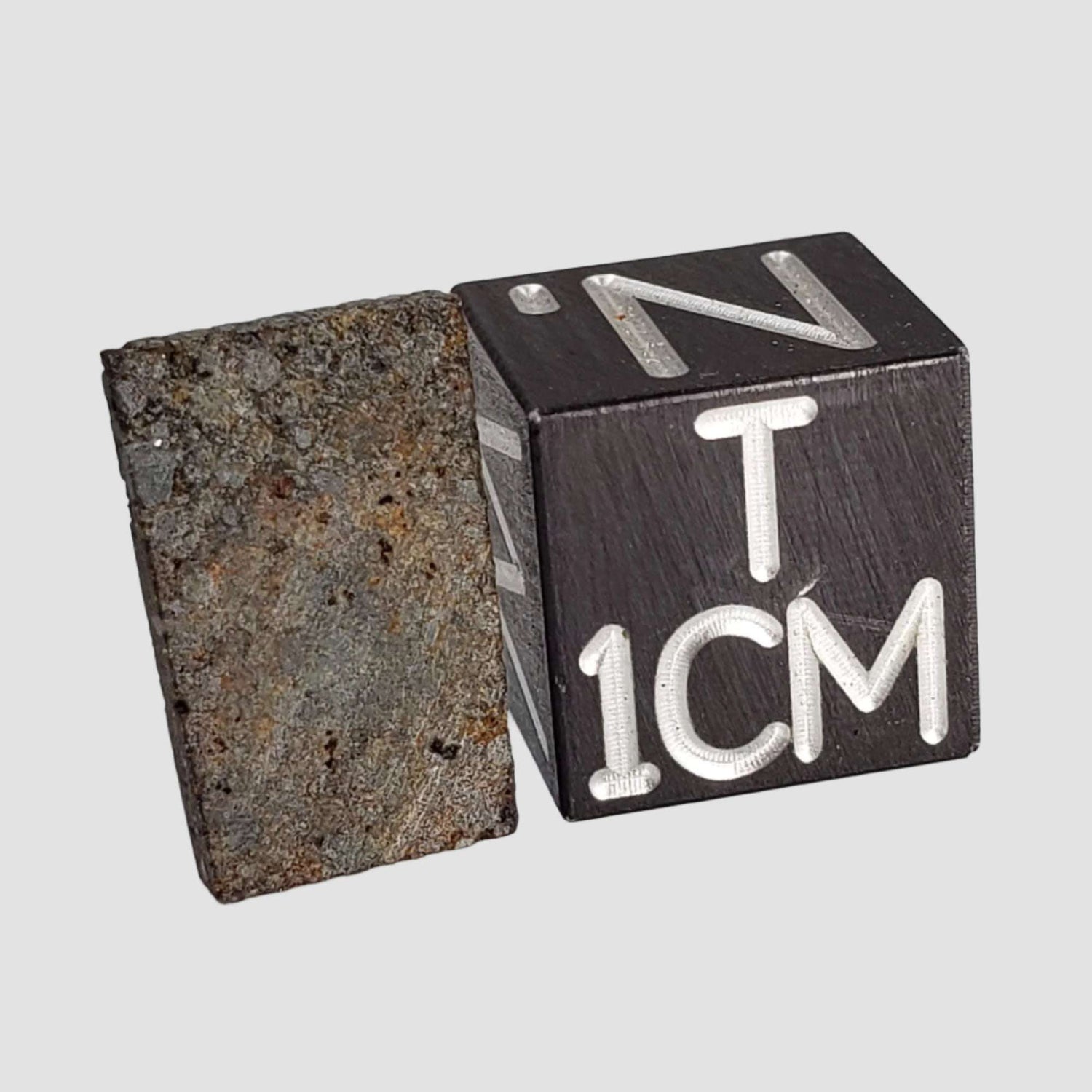

This is a great looking part slice of the Cole Creek H5 Chondrite classified meteorite. The slice weighs 0.45 grams and measures 12x7x1 mm.
A mass of 16.3 kg was found January 1, 1991 by Clay Fowler; it was exposed about two feet below the surface in an old road cut. The cavity from which the stone was removed is covered by a thin layer of undisturbed modern soil, inspection of the find site by V. L. Souders, Institute of Agriculture and Natural Resources, University of Nebraska, Lincoln, Nebraska, USA. Olivine Fa18.5, analysis and classification, A. Brearly, Dept. of Geology and Institute of Meteoritics, University of New Mexico, Albuquerque, New Mexico 87131, USA. Information by A. W. Struempler, Chadron State College, Chadron, Nebraska 69337, USA, where also the main mass is located.
The specimen comes with a BA-Meteorites.de.vu and a Canagem specimen card plus a professional metal label. Would be a beautiful addition to any new or existing collection.


This is a superb individual Tsarev meteorite weighing 122.9 grams. Its dimensions are 58x44x40 mm. Twenty-eight specimens of this L5 classified meteorite were found in fields. The largest mass weighs 284 kg, the smallest 761 gr with a total weight of 1.23 Tons. The greatest distance between the find sites was 6.0 km.
In 1968, amidst a global surge in conflicts, a remarkable discovery was made in a small village in Volgograd Oblast. This region, known as the primary site of the Battle of Stalingrad—one of the largest and bloodiest battles in history—yielded an extraordinary find in the quiet fields near the rural village of Tsarev.
The Tsarev meteorite, named after the Russian word for czar, is a stone meteorite responsible for one of the largest meteorite showers in Russian history. This meteorite shower occurred on December 6, 1922, but the stones were not discovered until 1968 and only recognized in 1979. The Tsarev meteorite's mineral composition matches that of ordinary chondrites, including olivine, orthopyroxene, clinopyroxene, maskelynite, calcium phosphates, nickel-iron, troilite, chromite, ilmenite, and rutile.
Academic analysis of the Tsarev meteorite reveals significant features: large grains of nickel-iron, light grey areas with well-preserved chondritic texture, and dark areas containing a matrix with olivine grains and remnants of chondrules.
This specimen would be a beautiful addition to any new or existing collection. Will come with a Canagem specimen card.


This is a superb individual Tsarev meteorite weighing 45.7 grams. Its dimensions are 52x24x23 mm. Twenty-eight specimens of this L5 classified meteorite were found in fields. The largest mass weighs 284 kg, the smallest 761 gr with a total weight of 1.23 Tons. The greatest distance between the find sites was 6.0 km.
In 1968, amidst a global surge in conflicts, a remarkable discovery was made in a small village in Volgograd Oblast. This region, known as the primary site of the Battle of Stalingrad—one of the largest and bloodiest battles in history—yielded an extraordinary find in the quiet fields near the rural village of Tsarev.
The Tsarev meteorite, named after the Russian word for czar, is a stone meteorite responsible for one of the largest meteorite showers in Russian history. This meteorite shower occurred on December 6, 1922, but the stones were not discovered until 1968 and only recognized in 1979. The Tsarev meteorite's mineral composition matches that of ordinary chondrites, including olivine, orthopyroxene, clinopyroxene, maskelynite, calcium phosphates, nickel-iron, troilite, chromite, ilmenite, and rutile.
Academic analysis of the Tsarev meteorite reveals significant features: large grains of nickel-iron, light grey areas with well-preserved chondritic texture, and dark areas containing a matrix with olivine grains and remnants of chondrules.
This specimen would be a beautiful addition to any new or existing collection. Will come with a Canagem specimen card.
Recently viewed products
Featured


Canagem is proud to be professional member of The International Gem Society(IGS) the world's top resource for gem professionals, enthusiasts, and industry content.