

Sort by:
1724 products
1724 products

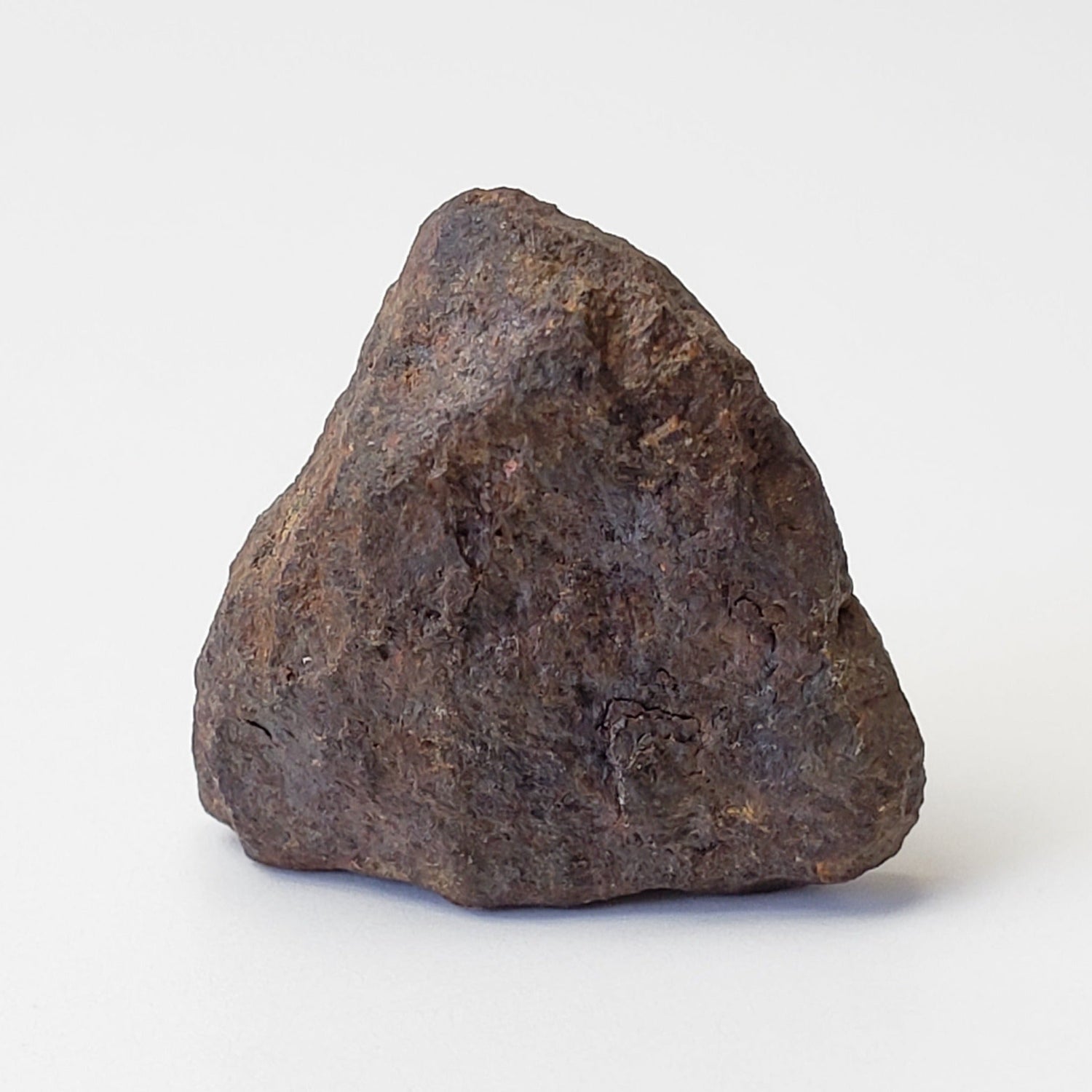
Vaca Muerta Meteorite | 3.12 Grams | End Cut | Rare Eucrite Nodule | Chile
$54.00 CAD
Unit price perVaca Muerta Meteorite | 3.12 Grams | End Cut | Rare Eucrite Nodule | Chile
$54.00 CAD
Unit price perHere we have for you a superb end cut of the famous Vaca Muerta (Dead Cow) classified meteorite weighing 3.12 grams. Its dimensions are 20x19x5 mm.
This classified meteorite was found in 1861 in the driest desert of the world called the Atacama, in Chile. Mesosiderites are formed on the surface of a parent body as a result of impacts with another body. The impact mixed broken fragments of surface eucrites with iron and olivine from deep within the body. Eucrites are believed to have come from the asteroid Vesta.
Analysis has shown, however, that the Vaca Muerta eucrite inclusions are not consistent with other eucrites and possibly originated on a different parent body. This particular specimen is a cut of a eucrite nodule with none of the typical mesosiderite of Vaca Muerta.
This rare specimen displays extremely well and would be a beautiful addition to any new or existing collection. Comes with an ELKK Meteorites and a Canagem® specimen card.


Vaca Muerta Meteorite | 34 Grams | Individual | Mesosiderite A1 | Famous | Chile
$384.00 CAD
Unit price perVaca Muerta Meteorite | 34 Grams | Individual | Mesosiderite A1 | Famous | Chile
$384.00 CAD
Unit price perHere we have for you a superb looking Stony-iron or Mesosiderite Vaca Muerta (Dead Cow) classified meteorite weighing 34 grams. Its dimensions are 34x24x26 mm.
This classified meteorite was found in 1861 in the driest desert of the world called the Atacama, in Chile. Mesosiderites are formed on the surface of a parent body as a result of impacts with another body. The impact mixed broken fragments of surface eucrites with iron and olivine from deep within the body. Eucrites are believed to have come from the asteroid Vesta. Analysis has shown, however, that the Vaca Muerta eucrite inclusions are not consistent with other eucrites and possibly originated on a different parent body. Although most have a weathered exterior, they also have lots of metal inside and can be prepared and cut to show this.
This piece displays extremely well and would be a beautiful addition to any new or existing collection. Comes with a Canagem® specimen card.
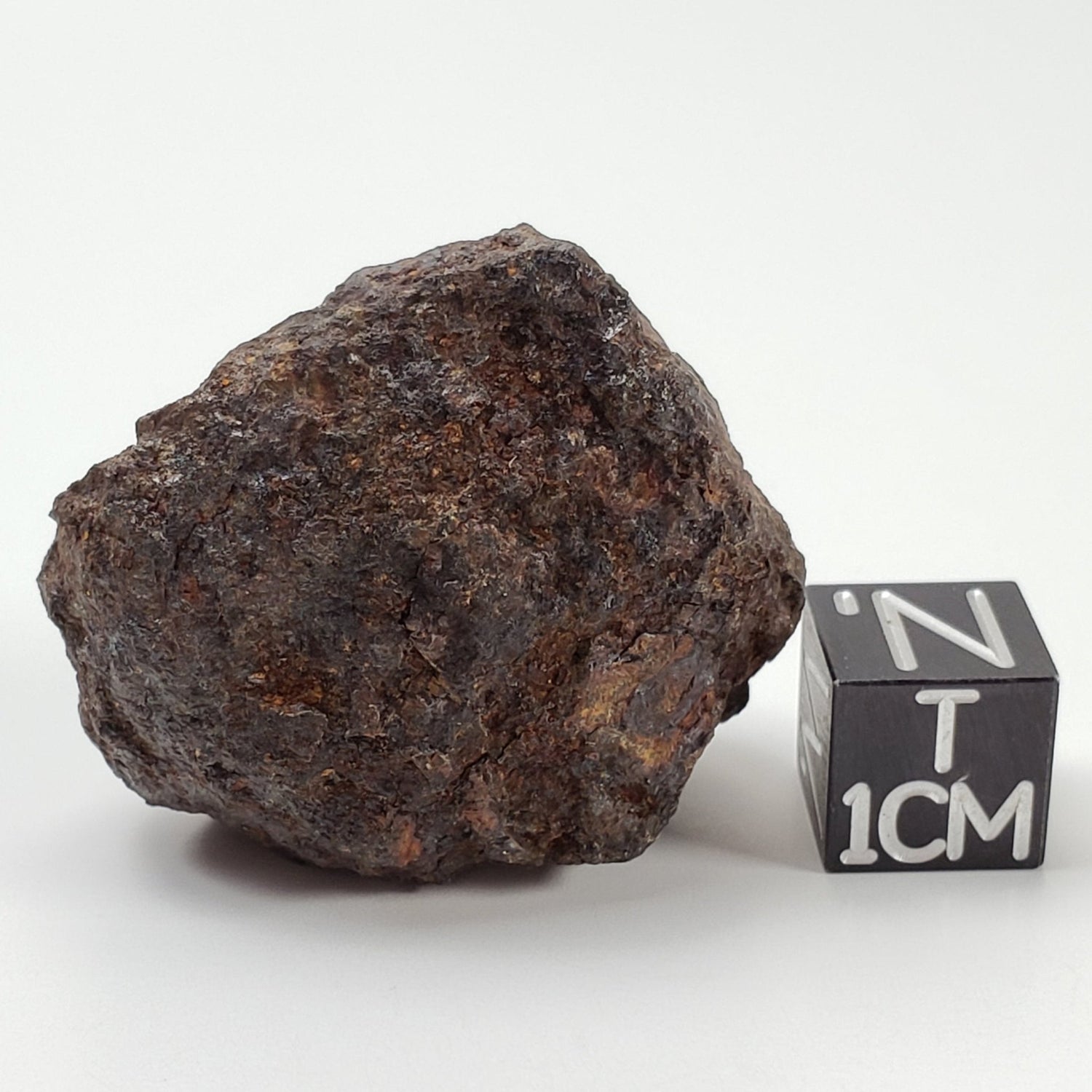
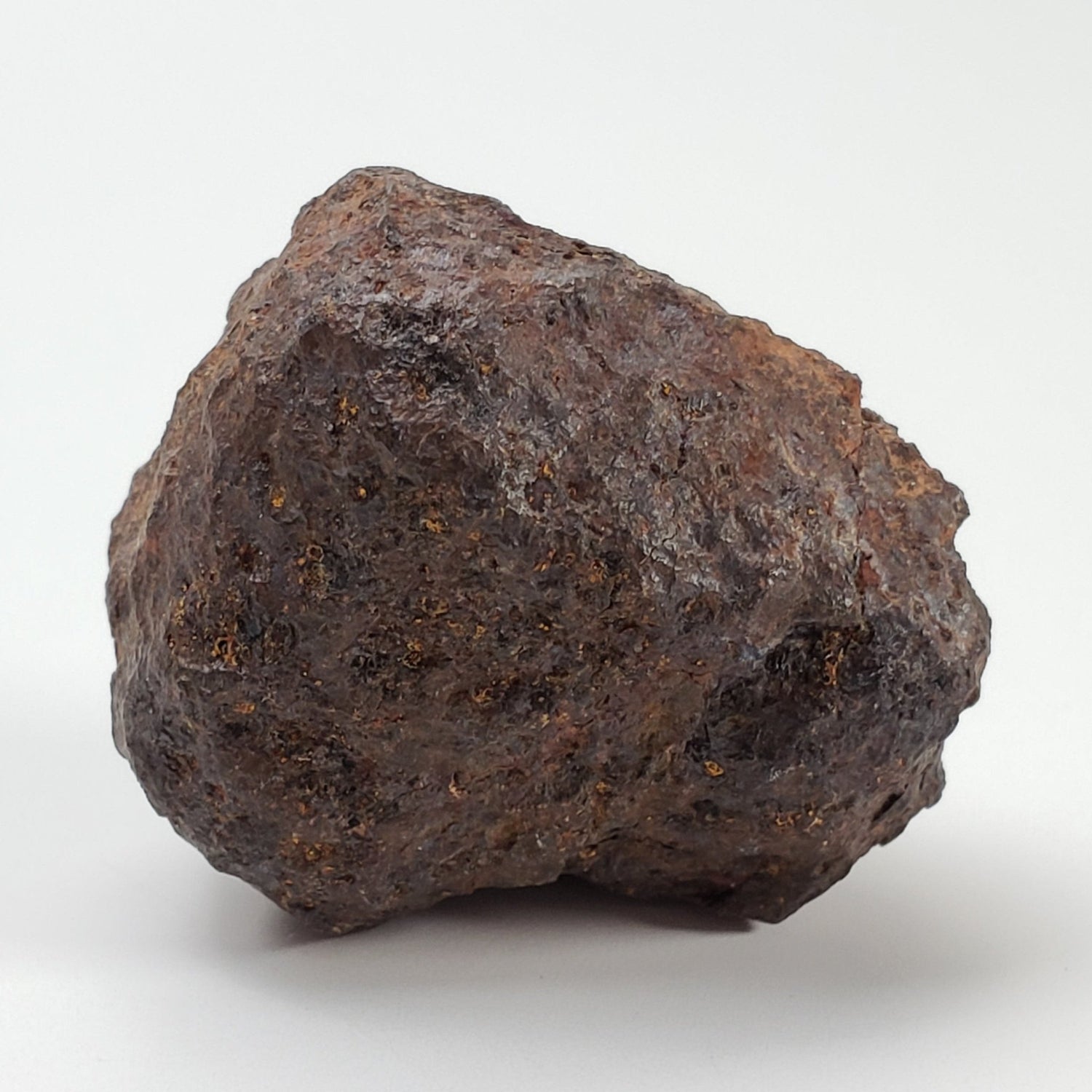
Vaca Muerta Meteorite | 40.52 Grams | Individual | Mesosiderite A1 | Chile
$456.00 CAD
Unit price perVaca Muerta Meteorite | 40.52 Grams | Individual | Mesosiderite A1 | Chile
$456.00 CAD
Unit price perThis is a superb looking Stony-iron or Mesosiderite Vaca Muerta (Dead Cow) classified meteorite weighing 40.52 grams. Its dimensions are 32x28x18 mm.
This classified meteorite was found in 1861 in the driest desert of the world called the Atacama, in Chile. Mesosiderites are formed on the surface of a parent body as a result of impacts with another body. The impact mixed broken fragments of surface eucrites with iron and olivine from deep within the body. Eucrites are believed to have come from the asteroid Vesta. Analysis has shown, however, that the Vaca Muerta eucrite inclusions are not consistent with other eucrites and possibly originated on a different parent body. Although most have a weathered exterior, they also have lots of metal inside and can be prepared and cut to show this.
This piece displays extremely well and would be a beautiful addition to any new or existing collection. Comes with a Canagem Collection specimen card.


This is a superb looking Stony-iron or Mesosiderite Vaca Muerta (Dead Cow) classified meteorite weighing 5.2 grams. Its dimensions are 26x12x9 mm.
This classified meteorite was found in 1861 in the driest desert of the world called the Atacama, in Chile. Mesosiderites are formed on the surface of a parent body as a result of impacts with another body. The impact mixed broken fragments of surface eucrites with iron and olivine from deep within the body. Eucrites are believed to have come from the asteroid Vesta. Analysis has shown, however, that the Vaca Muerta eucrite inclusions are not consistent with other eucrites and possibly originated on a different parent body. Although most have a weathered exterior, they also have lots of metal inside and can be prepared and cut to show this.
This piece displays extremely well and would be a beautiful addition to any new or existing collection. Comes with a BA-Meteorites (Dr. Bernhard Brinker, Mineralogist and Martin Altmann, IMCA #3825) and a Canagem Collection specimen card.


This is a superb looking Stony-iron or Mesosiderite Vaca Muerta (Dead Cow) classified meteorite end cut weighing 5.62 grams. Its dimensions are 19x15x11 mm.
This classified meteorite was found in 1861 in the driest desert of the world called the Atacama, in Chile. Mesosiderites are formed on the surface of a parent body as a result of impacts with another body. The impact mixed broken fragments of surface eucrites with iron and olivine from deep within the body. Eucrites are believed to have come from the asteroid Vesta. Analysis has shown, however, that the Vaca Muerta eucrite inclusions are not consistent with other eucrites and possibly originated on a different parent body. Although most have a weathered exterior, they also have lots of metal inside and can be prepared and cut to show this.
This piece displays extremely well and would be a beautiful addition to any new or existing collection. Comes with ELKK Meteorites and Canagem® specimen cards.


Vaca Muerta Meteorite | 84.4 Grams | Individual | Mesosiderite A1 | Chile
$944.00 CAD
Unit price perVaca Muerta Meteorite | 84.4 Grams | Individual | Mesosiderite A1 | Chile
$944.00 CAD
Unit price perThis is a superb looking Stony-iron or Mesosiderite Vaca Muerta (Dead Cow) classified meteorite weighing 84.4 grams. Its dimensions are 49x43x28 mm.
This classified meteorite was found in 1861 in the driest desert of the world called the Atacama, in Chile. Mesosiderites are formed on the surface of a parent body as a result of impacts with another body. The impact mixed broken fragments of surface eucrites with iron and olivine from deep within the body. Eucrites are believed to have come from the asteroid Vesta. Analysis has shown, however, that the Vaca Muerta eucrite inclusions are not consistent with other eucrites and possibly originated on a different parent body. Although most have a weathered exterior, they also have lots of metal inside and can be prepared and cut to show this.
This piece displays extremely well and would be a beautiful addition to any new or existing collection. Comes with a Canagem Collection specimen card.


Vanadinite crystals are small, hexagonal prismatic crystals that are typically red to brownish-red in color. They have a bright luster and a transparent to translucent appearance. The crystals often form in aggregates, creating intricate and interesting formations. Vanadinite would hardly be as famous if not for the outstanding locality of Mibladen, Morocco. This locality has by far produced the most outstanding crystals of beautiful color and form.
Vanadinite is believed to enhance vitality, motivation, and manifestation, while also promoting clarity, focus, and protection from negativity.
Product Type: Vanadinite Crystal On Barite
Specimen Size: Miniature-Sized
Dimensions: 45x34x23 mm / 1.8x1.3x.09 inches
Weight: 29.56 grams / 1.0 ounces
Origin: Mibladen, Morocco
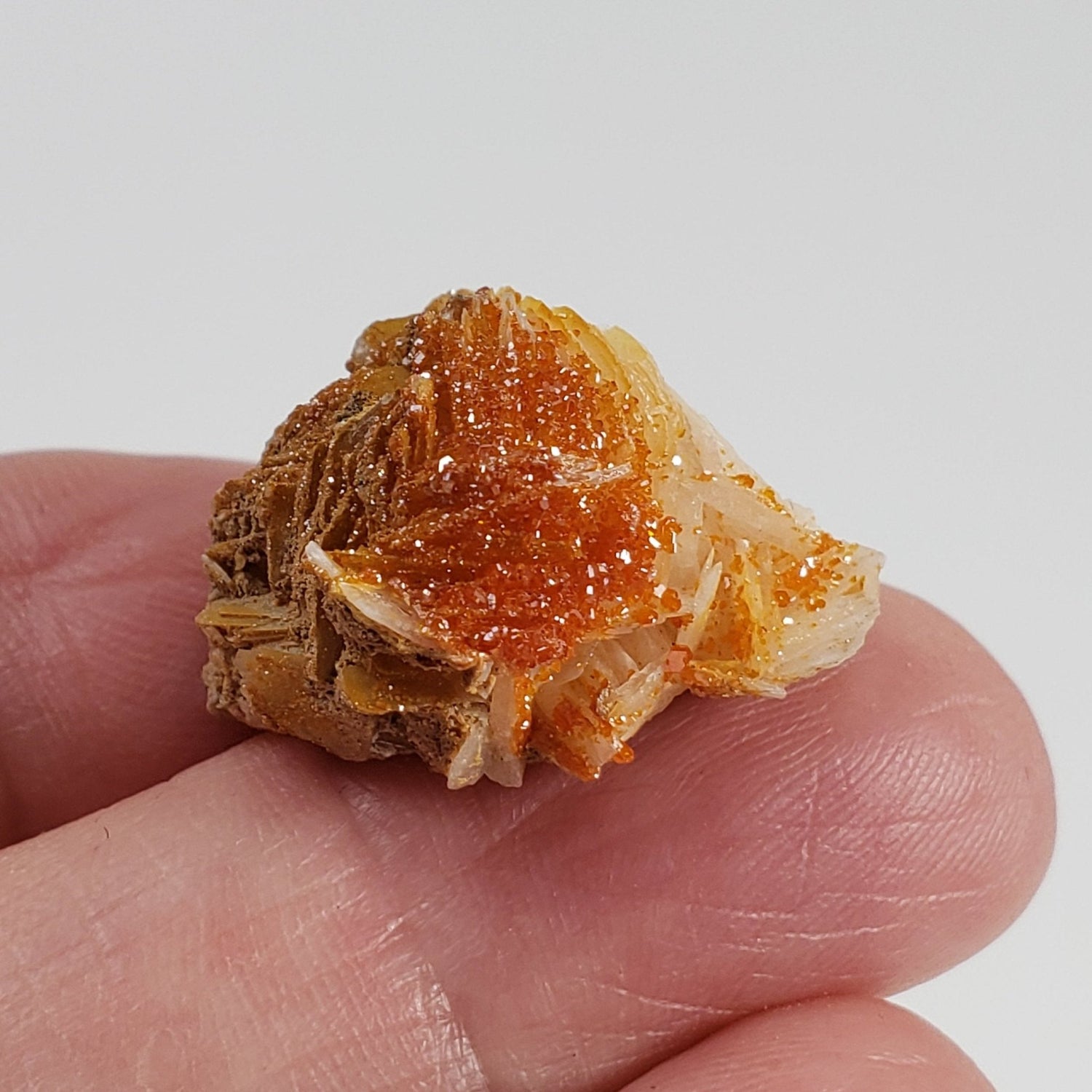
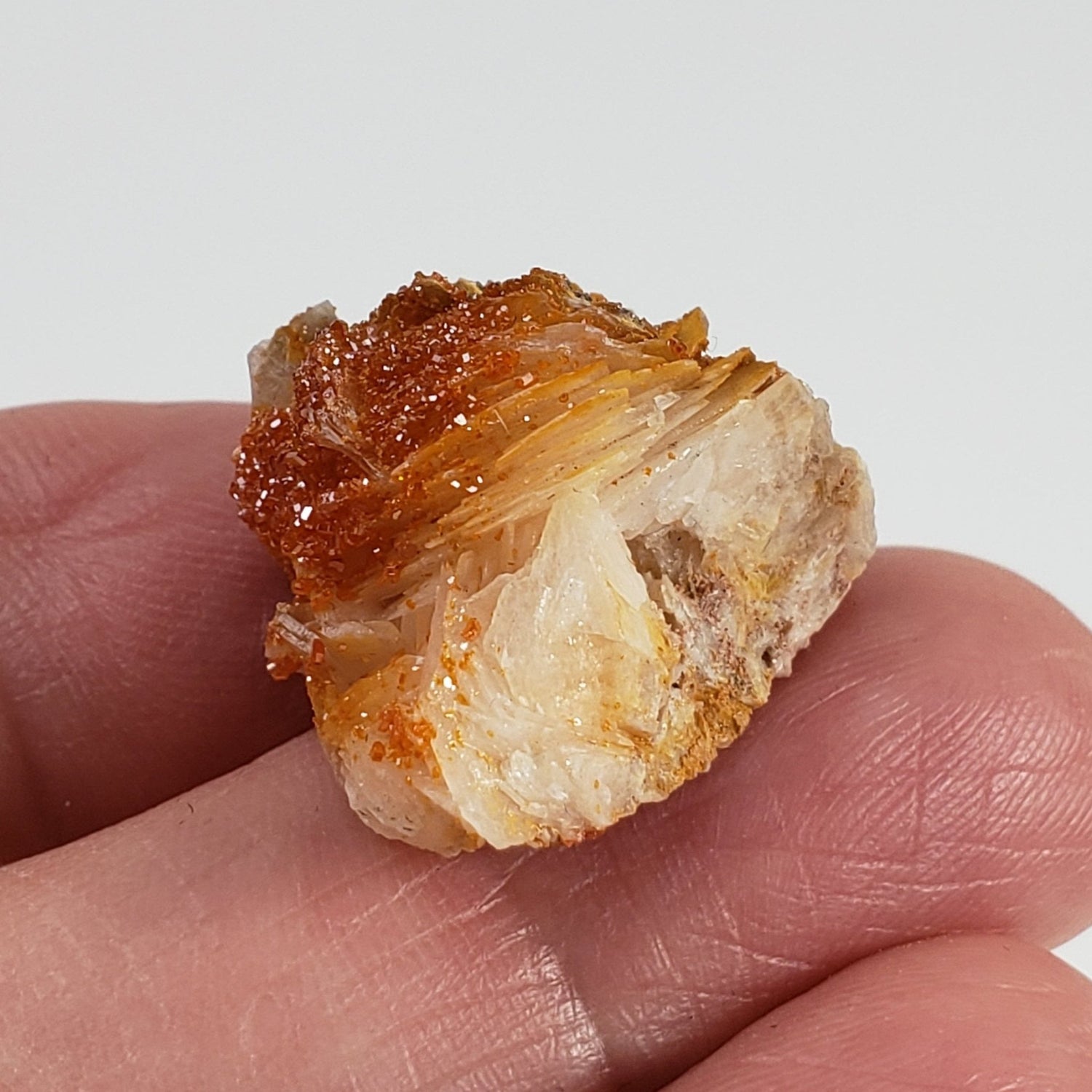
Vanadinite crystals are small, hexagonal prismatic crystals that are typically red to brownish-red in color. They have a bright luster and a transparent to translucent appearance. The crystals often form in aggregates, creating intricate and interesting formations. Vanadinite would hardly be as famous if not for the outstanding locality of Mibladen, Morocco. This locality has by far produced the most outstanding crystals of beautiful color and form.
Vanadinite is believed to enhance vitality, motivation, and manifestation, while also promoting clarity, focus, and protection from negativity.
Product Type: Vanadinite Crystal On Barite
Specimen Size: Thumbnail-Sized
Dimensions: 24x21x14 mm / 0.9x0.8x0.5 inches
Weight: 10.2 grams / 0.3 ounces
Origin: Mibladen, Morocco


Vanadinite crystals are small, hexagonal prismatic crystals that are typically red to brownish-red in color. They have a bright luster and a transparent to translucent appearance. The crystals often form in aggregates, creating intricate and interesting formations. Vanadinite would hardly be as famous if not for the outstanding locality of Mibladen, Morocco. This locality has by far produced the most outstanding crystals of beautiful color and form.
Vanadinite is believed to enhance vitality, motivation, and manifestation, while also promoting clarity, focus, and protection from negativity.
Product Type: Vanadinite Crystal On Barite
Specimen Size: Thumbnail-Sized
Dimensions: 25x25x19 mm / 1.0x1.0x0.7 inches
Weight: 16.3 grams / 0.6 ounces
Origin: Mibladen, Morocco


Vanadinite crystals are small, hexagonal prismatic crystals that are typically red to brownish-red in color. They have a bright luster and a transparent to translucent appearance. The crystals often form in aggregates, creating intricate and interesting formations. Vanadinite would hardly be as famous if not for the outstanding locality of Mibladen, Morocco. This locality has by far produced the most outstanding crystals of beautiful color and form.
Vanadinite is believed to enhance vitality, motivation, and manifestation, while also promoting clarity, focus, and protection from negativity.
Product Type: Vanadinite Crystal On Barite
Specimen Size: Miniature-Sized
Dimensions: 34x32x21 mm / 1.3x1.2x0.8 inches
Weight: 28.2 grams / 1.0 ounces
Origin: Mibladen, Morocco


Vanadinite crystals are small, hexagonal prismatic crystals that are typically red to brownish-red in color. They have a bright luster and a transparent to translucent appearance. The crystals often form in aggregates, creating intricate and interesting formations. Vanadinite would hardly be as famous if not for the outstanding locality of Mibladen, Morocco. This locality has by far produced the most outstanding crystals of beautiful color and form.
Vanadinite is believed to enhance vitality, motivation, and manifestation, while also promoting clarity, focus, and protection from negativity.
Product Type: Vanadinite Crystal On Barite
Specimen Size: Miniature-Sized
Dimensions: 66x22x19 mm / 2.6x0.9x0.7 inches
Weight: 37.8 grams / 1.3 ounces
Origin: Mibladen, Morocco


Variscite on Quartz Matrix Crystal | Rare Mineral | 38 grams | Wiśniówka Wielka, Poland
$43.00 CAD
Unit price perVariscite on Quartz Matrix Crystal | Rare Mineral | 38 grams | Wiśniówka Wielka, Poland
$43.00 CAD
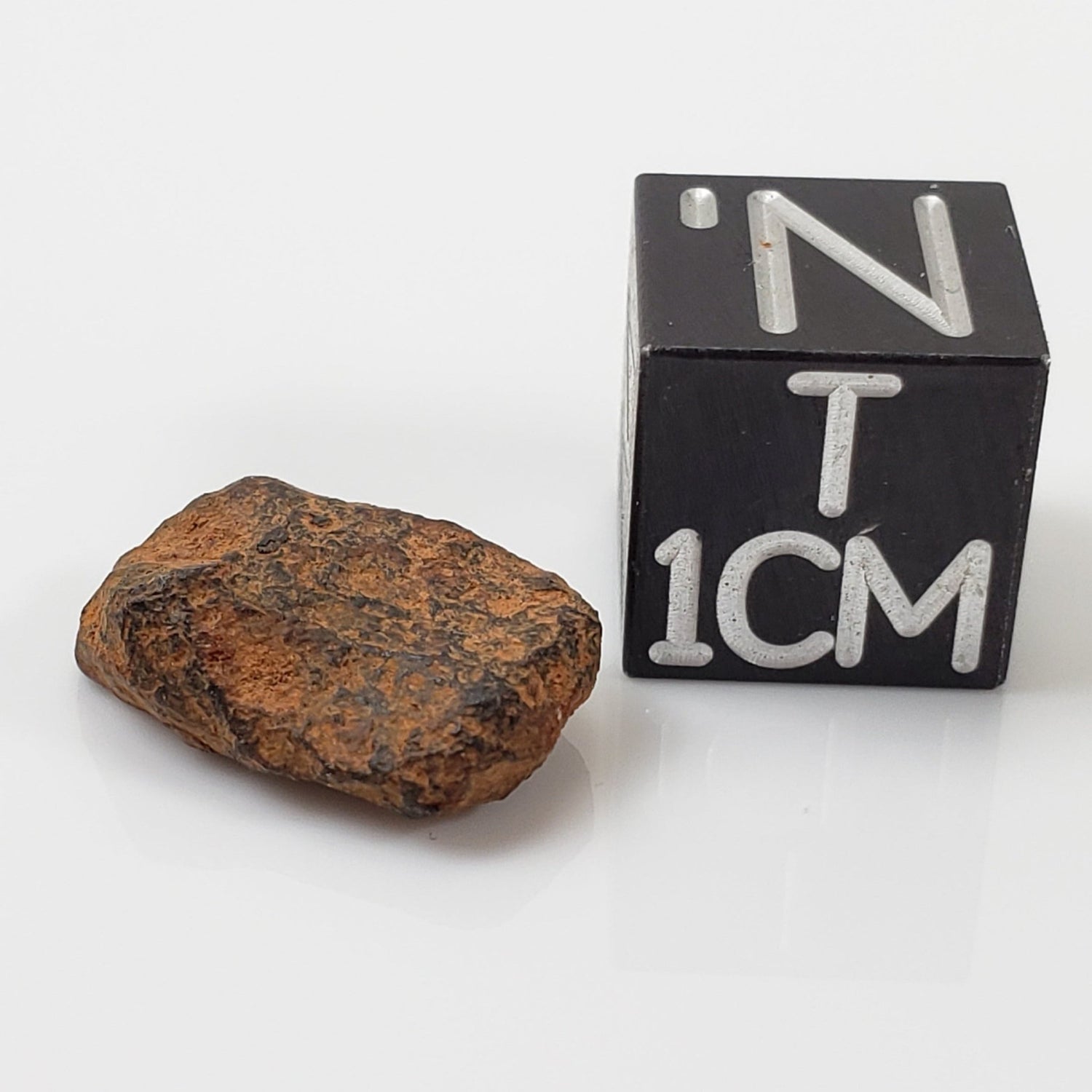
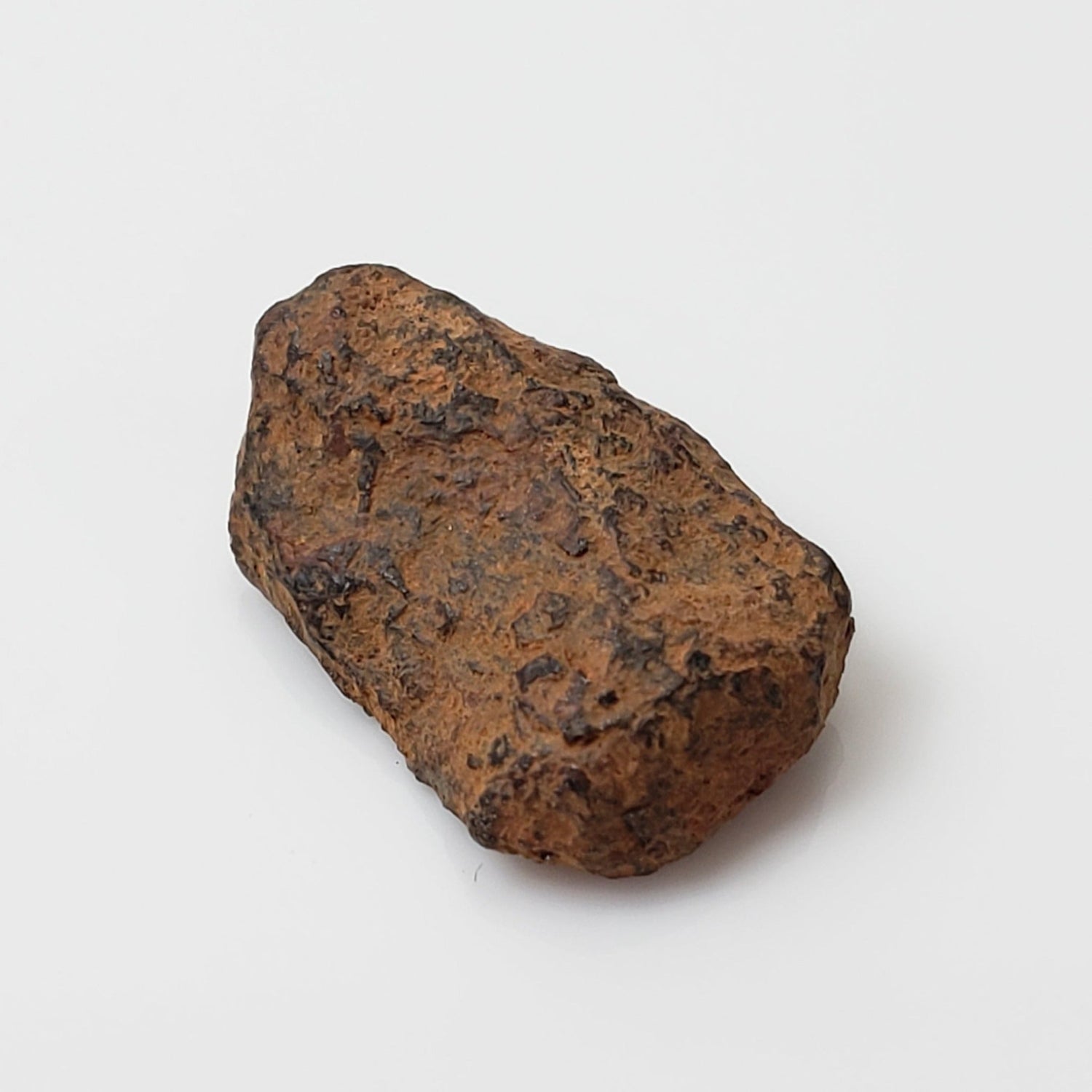
Unit price perAwesome variscite ball on quartz matrix with good luster. From a rare location Wiśniówka Wielka in Poland. Wisniowka is a village located near Kielce in Holly Cross Mountains. Cambrian quarzite sandstones occur there. Trace fossils of trilobite Olenus rarus Orlovskii as well as Diplocraterion and Bergaueria perata can be found in this area. Wiśniówka Wielka is also a well known locality of beautiful crystals of Variscite and Wavellite
This is a quality specimen and would be a beautiful addition to any new or existing rock collection.
Name: Variscite and Quartz
Specimen Size: Miniature-Sized
Dimensions: 47x42x21 mm / 1.8x1.6x0.8 inches
Weight: 38 grams / 1.3 oz
Origin: Wiśniówka Wielka, Kielce County, Świętokrzyskie Voivodeship, Poland
Veevers Meteorite | Rare Large 1.74 Gr | Individual | Iron IIAB | Australia
$132.00 CAD
Unit price perVeevers Meteorite | Rare Large 1.74 Gr | Individual | Iron IIAB | Australia
$132.00 CAD
Unit price perThis is a stunning fragment of the very rare Veevers classified meteorite weighing 1.74 grams. This meteorite is one of only 15 associated with a crater larger than 10 meters across. The crater is about 1 million years old and is one of only 2 craters older than 50,000 years that have meteorites associated with them. This amazingly well preserved specimen measures 13x8x4 mm.
The Veevers crater is located in the Gibson Desert of Western Australia. It has a diameter of 60-80 meters across and a depth of about 6-7 meters. The crater's rim is raised 1.5m above the surrounding plain, and contains exposed rocks thrown from the center of the crater. The sides are gravelly rock with a few larger rocks mixed within. The bottom of the crater is covered with sand. Veevers is isolated in a vast, flat landscape with no other features in sight. Discovered in the mid-1970's and named by Yeates, A.N., Crowe, R.W.A. & Towner, R.R., in 1976, as The Veevers Crater in honor of Australian geologist Prof. John Veevers, for his work at mapping Western Australia.
In 1984, Dr. Carolyn and Eugene Shoemaker investigated meteorite craters and ancient impact structures throughout Australia. Their search recovered thirty-six small meteoritic fragments from the Veevers crater. Their finds totaled 298.1 grams, and included the largest found to date, 36.3g., now cleaned and coated it weighs 37.0 grams. The Veevers fragments have been described as single crystals of kamacite. Kamacite is a metallic iron with up to 7.5% nickel. Since the Shoemaker trip, more meteorite fragments have been found, bringing the total known weight to around 1 kg. The Veevers crater is naturally rich in iron-rich laterite, which makes recovery of small meteorite fragments hard. It is one of only two impact craters where group IIAB meteorites have been discovered. The other being the Sikhote-Alin craters in Eastern Siberia, Russia.
Would be an exceptional and rare addition to any new or existing collection. This historically important specimen will come with a ELKK Meteorite Collection and Canagem Collection specimen cards.


Veevers Meteorite | Rare Large 2.67 Gr | Individual | Iron IIAB | Australia
$197.00 CAD
Unit price perVeevers Meteorite | Rare Large 2.67 Gr | Individual | Iron IIAB | Australia
$197.00 CAD
Unit price perThis is a stunning Veevers classified meteorite weighing 2.67 grams. Mark Bostick said that the specimen was shaped like a bird claw. He traded the main mass of this amazing meteorite to TCU. This amazingly well preserved specimen measures 15x8x7 mm.
The Veevers crater is located in the Gibson Desert of Western Australia. It has a diameter of 60-80 meters across and a depth of about 6-7 meters. The crater's rim is raised 1.5m above the surrounding plain, and contains exposed rocks thrown from the center of the crater. The sides are gravelly rock with a few larger rocks mixed within. The bottom of the crater is covered with sand. Veevers is isolated in a vast, flat landscape with no other features in sight. Discovered in the mid-1970's and named by Yeates, A.N., Crowe, R.W.A. & Towner, R.R., in 1976, as The Veevers Crater in honor of Australian geologist Prof. John Veevers, for his work at mapping Western Australia.
In 1984, Dr. Carolyn and Eugene Shoemaker investigated meteorite craters and ancient impact structures throughout Australia. Their search recovered thirty-six small meteoritic fragments from the Veevers crater. Their finds totaled 298.1 grams, and included the largest found to date, 36.3g., now cleaned and coated it weighs 37.0 grams. The Veevers fragments have been described as single crystals of kamacite. Kamacite is a metallic iron with up to 7.5% nickel. Since the Shoemaker trip, more meteorite fragments have been found, bringing the total known weight to around 1 kg. The Veevers crater is naturally rich in iron-rich laterite, which makes recovery of small meteorite fragments hard. It is one of only two impact craters where group IIAB meteorites have been discovered. The other being the Sikhote-Alin craters in Eastern Siberia, Russia.
Would be an exceptional and rare addition to any new or existing collection. This historically important specimen will come in its original Mark Bostick display box and include The Mark Bostick Collection and Canagem Collection specimen cards.


Vesuvianite Crystal | 10.74 Gr | Green and Mauve | Closed Jeffrey Mine | Asbestos, Québec
$119.00 CAD
Unit price perVesuvianite Crystal | 10.74 Gr | Green and Mauve | Closed Jeffrey Mine | Asbestos, Québec
$119.00 CAD
Unit price perThis amazing specimen of Vesuvianite was collected in the now closed Jeffery Mine in Asbestos, Québec, Canada. The specimen is made up of a combination of green and mauve vesuvianite crystals also named violet manganoan vesuvianite. It is a large specimen in good condition. A great addition to any collection!
Vesuvianite was first discovered on Mount Vesuvius in Italy in the 18th century, hence its name. It typically occurs as a green, brown, yellow, or blue-green crystal, and is often found in metamorphic and igneous rocks. The alternate name, Idocrase, is from the Greek eidos “form”, and krasis “mixture”, because Vesuvianite often appears to combine the crystal forms of other minerals. It is used as a gemstone.
Name: Vesuvianite Crystal
Specimen Size: Miniature-Sized
Dimensions: 34x20x13 mm / 1.3x0.8x0.5 inches
Weight: 10.74 grams / 0.4 ounces
Origin: Mined in Jeffery Mine, Asbestos, Québec, Canada


Vesuvianite Crystal | 14.8 Gr | Closed Jeffrey Mine | Asbestos, Québec, Canada
$131.00 CAD
Unit price perVesuvianite Crystal | 14.8 Gr | Closed Jeffrey Mine | Asbestos, Québec, Canada
$131.00 CAD
Unit price perThis specimen of Vesuvianite was collected in the now closed Jeffery Mine, Asbestos, Québec, Canada. The specimen is made up of a combination of green and mauve vesuvianite crystals also named violet manganoan vesuvianite. It is in good condition. A great addition to any collection!
Vesuvianite was first discovered on Mount Vesuvius in Italy in the 18th century, hence its name. It typically occurs as a green, brown, yellow, or blue-green crystal, and is often found in metamorphic and igneous rocks. The alternate name, Idocrase, is from the Greek eidos “form”, and krasis “mixture”, because Vesuvianite often appears to combine the crystal forms of other minerals. It is used as a gemstone.
Name: Vesuvianite Crystal
Specimen Size: Miniature-Sized
Dimensions: 41x18x14 mm / 1.6x0.7x0.5 inches
Weight: 14.8 grams / 0.5 ounces
Origin: Mined in Jeffery Mine, Asbestos, Québec, Canada

Canagem is proud to be professional member of The International Gem Society(IGS) the world's top resource for gem professionals, enthusiasts, and industry content.