

📢 Notice to ALL Customers 📢
225 products
Sort by:
225 products
225 products


This is a great looking Russian Sikhote-Alin classified meteorite weighing 34.77 grams. Its dimensions are 34x20X17 mm. This Iron (IIAB) Coarsest Octahedrite classified meteorite was recovered in Russia after the fall of February 12, 1947.
So far approximately 23 tons of this material have been recovered. This piece displays extremely well and is a very desirable size. These specimens are known as shrapnel specimens, ripped and torn edges reminiscent of bomb shrapnel. They broke due to atmospheric pressure and/or mid-air collisions, and possibly explosive fragmentation upon impact. These pieces are a good example of the shrapnel type Sikhote-Alin.
Would be a beautiful addition to any new or existing collection. Comes with a Canagem Collection specimen card.


This is a superb Nantan meteorite individual specimen, directly from Guangxi, China. Its dimensions are 69x40x24 mm and it weighs 150 grams.
The Nantan meteorites are a must for all collectors, more so that it is now very difficult to find worthy specimen. They are a very interesting IAB MG iron discovered in 1958 and there is an estimated 9.5 T of this material. This is 1 of 88 approved meteorites classified as Iron, IAB-MG.
Would be a beautiful addition to any new or existing collection. Comes with a Canagem Collection specimen card.


Obsidian is a naturally occurring volcanic glass formed when lava extruded from a volcano cools rapidly with minimal crystal growth. Pure obsidian is usually dark in appearance, though the color varies depending on the impurities present. Iron and other transition elements may give the obsidian a dark brown to black color.
Most black obsidians contain nano inclusions of magnetite, an iron oxide. Very few samples of obsidian are nearly colorless. In some stones, the inclusion of small, white, radially clustered crystals (spherulites) of the mineral cristobalite in the black glass produce a blotchy or snowflake pattern (snowflake obsidian).
Name: Obsidian Sphere
Dimensions: 116 mm - 4.57 in
Weight: 2.186 kg - 4 lbs 13 oz
Origin: China


The principal member of the Aragonite Group, aragonite is the second most common polymorph of natural calcium carbonate (the most common is calcite). It is significantly less widespread and abundant than calcite and is formed under a much narrower range of physiochemical conditions. It is metastable relative to calcite and often converts to calcite accompanying changes in the environment. It is nearly always a low-temperature, near surface mineral.
Name: Aragonite Sphere
Dimensions: 104 mm - 4.1 inches
Weight: 1.71 kg - 3 lbs 23 oz
Origin: China


Here we have for you a nice looking individual fragment of a Sahara Desert NWA unclassified meteorite weighing 210.8 grams. Its dimensions are 113x42x34mm. This never classified North West Africa stone was found in the Sahara desert around 2000.
It's a good quality individual fragment NWA meteorite specimen. Some weathering shows the meteorite's time spent aging in the desert. Would be a beautiful addition to any new or existing collection. Comes with a Canagem Collection specimen card.


Here we have for you a nice looking end cut of a Sahara Desert NWA unclassified meteorite weighing 224 grams. Its dimensions are 59x58x37mm. This never classified North West Africa stone was found in the Sahara desert around 2000.
It's a good quality cut NWA meteorite specimens showing interesting internal structure (L5?) and somewhat attractive with a mottled interior with chondrules and metallic flakes. Some weathering shows the meteorite's time spent aging in the desert. Displays nicely with a ground and rough polished without a mirror finish.
Would be a beautiful addition to any new or existing collection. Comes with a Canagem Collection specimen card.
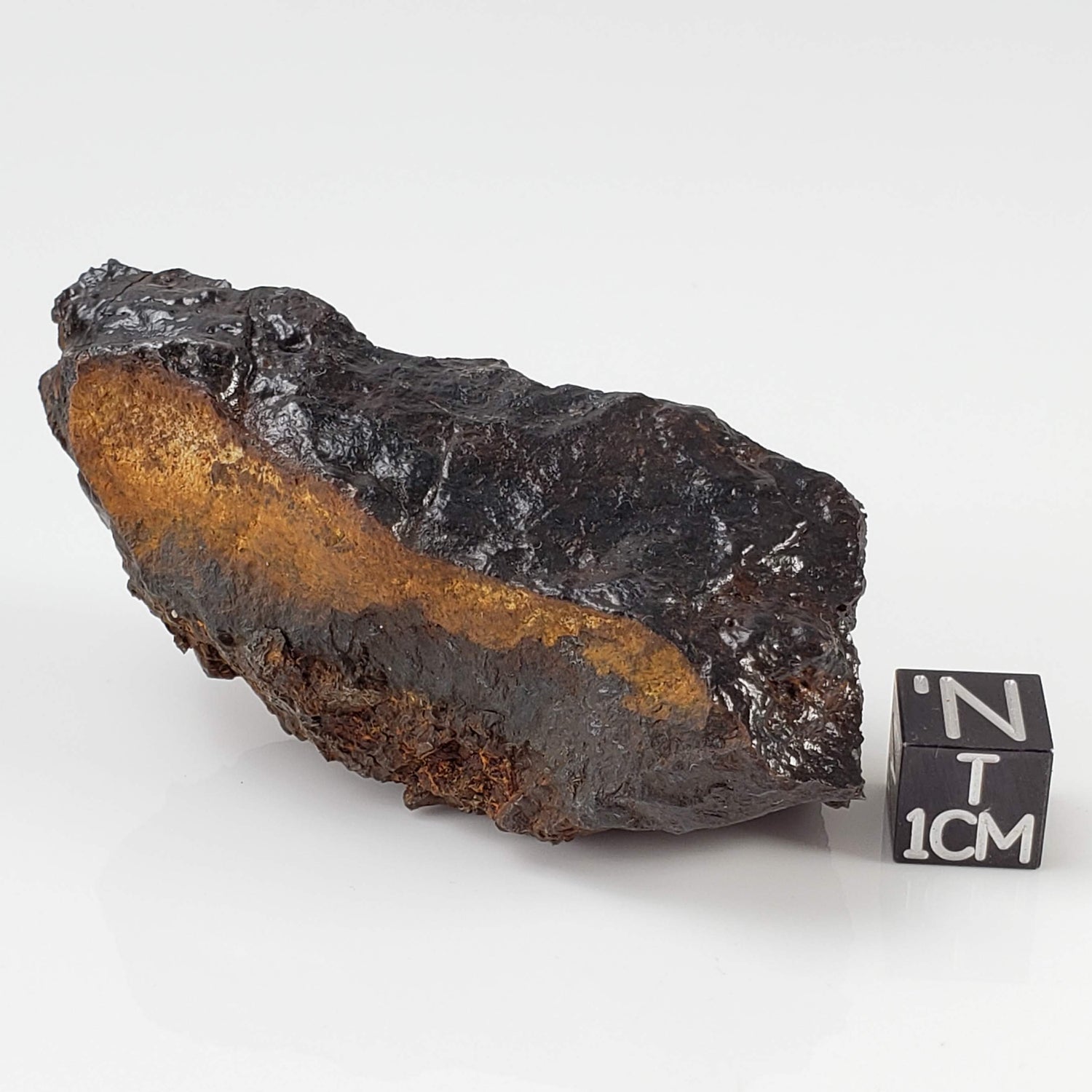
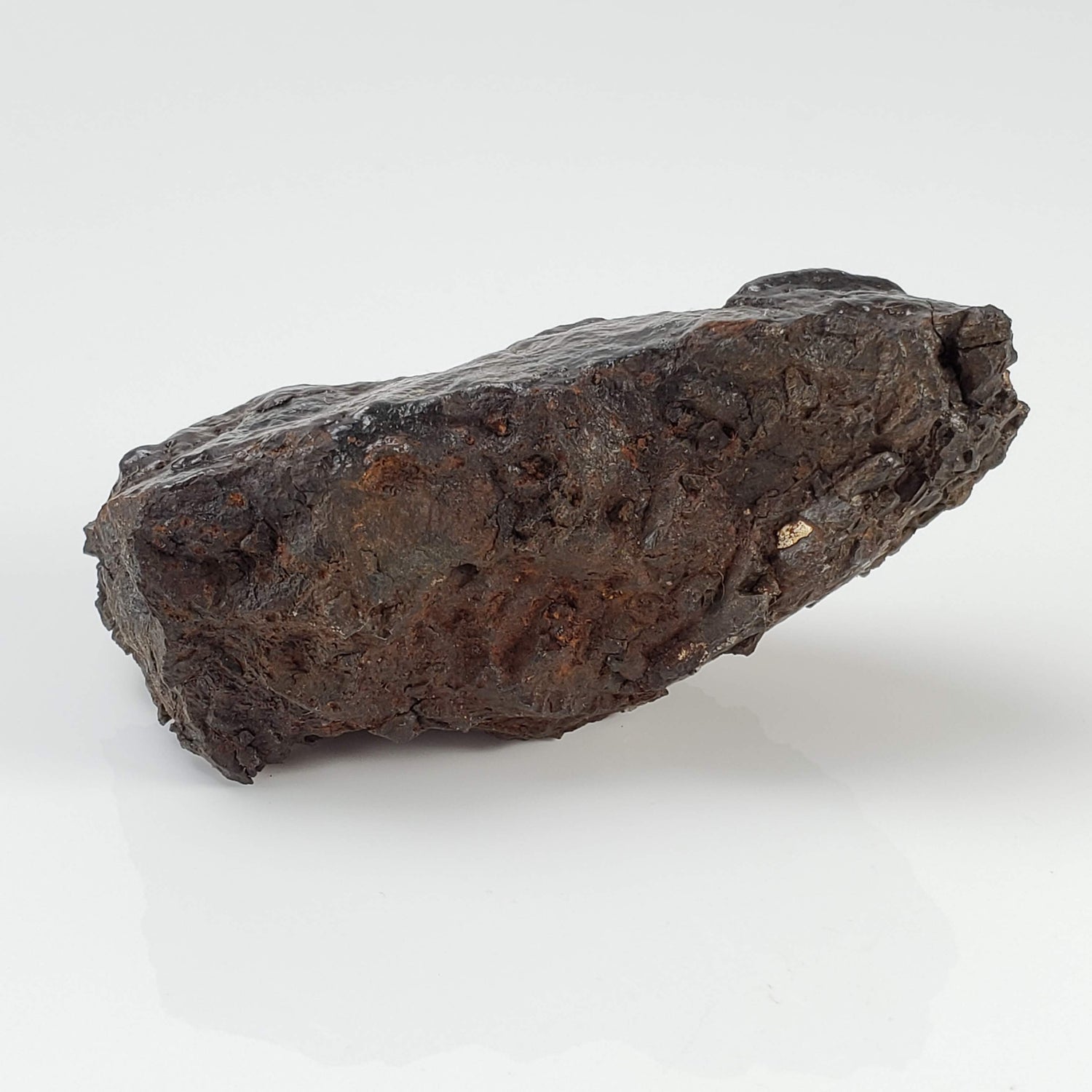
This is a superb Nantan meteorite individual specimen, directly from Guangxi, China. Its dimensions are 69x26x32 mm and it weighs 157.3 grams
The Nantan meteorites are a must for all collectors, more so that it is now very difficult to find worthy specimen. They are a very interesting IAB-MG iron discovered in 1958 and there is an estimated 9.5 T of this material. This is 1 of 88 approved meteorites classified as Iron, IAB-MG.
Would be a beautiful addition to any new or existing collection. Comes with a Canagem Collection specimen card.


This is a Manganite specimen from the classical or first location of discovery in Ilfeld, Nordhausen, Harz Mts, Thuringia, Germany. This collector's specimen is unique and of great quality. This specimen of Manganite is distinctive enough to show its true identity and is a beautiful and interesting specimen for display.
Manganite is an attractive and interesting mineral that is a pleasure to own over the years. This World class specimen will come with a Canagem Collection and a NetMine Minerals specimen cards.
Name: Manganite
Specimen Size: Large Cabinet-Sized
Dimensions: 120x100x68 mm / 4.7x3.9x2.7 inches
Weight: 1.2 Kg / 2 lbs 10 ounces
Origin: Mined in Ilfeld, Nordhausen, Harz Mts, Thuringia, Germany
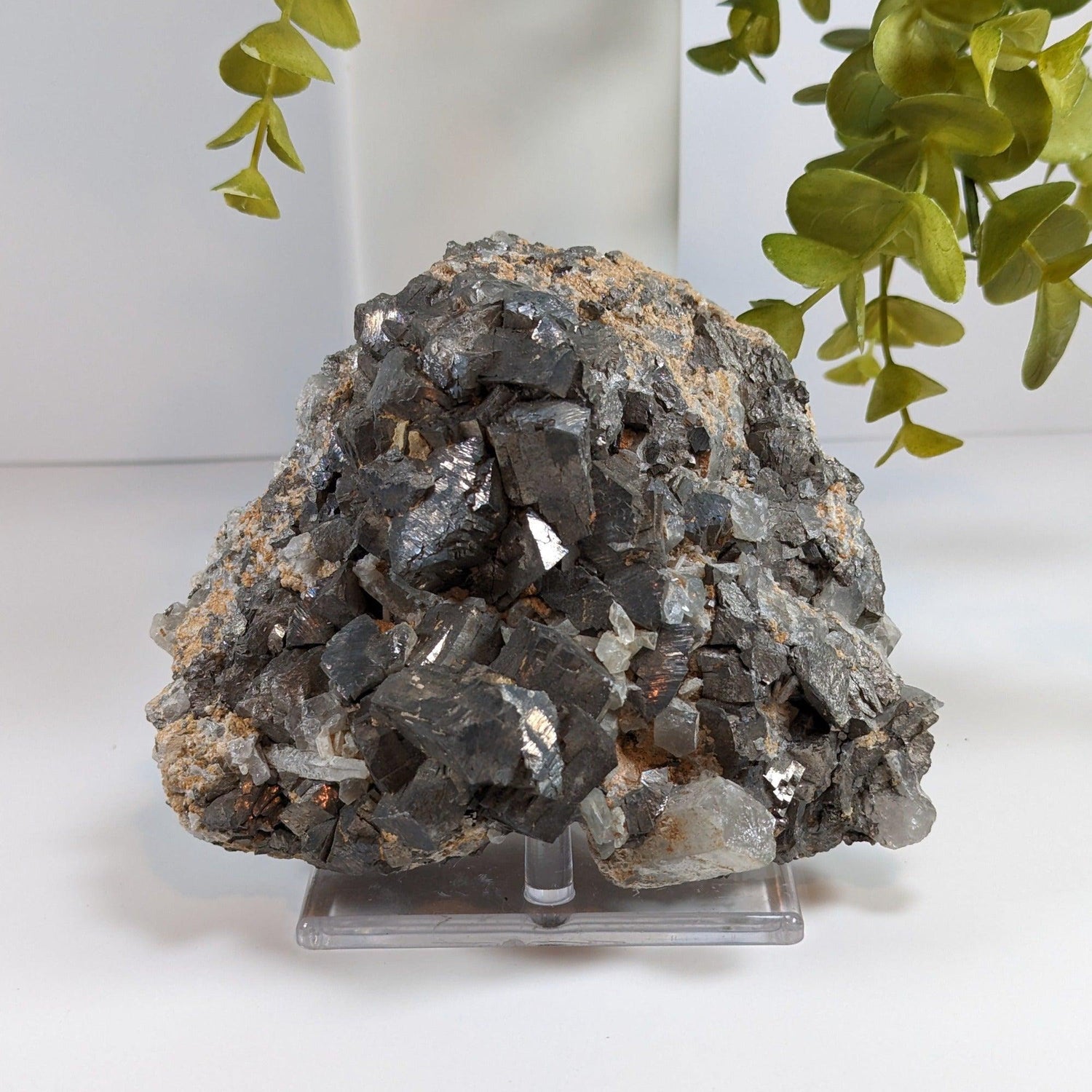
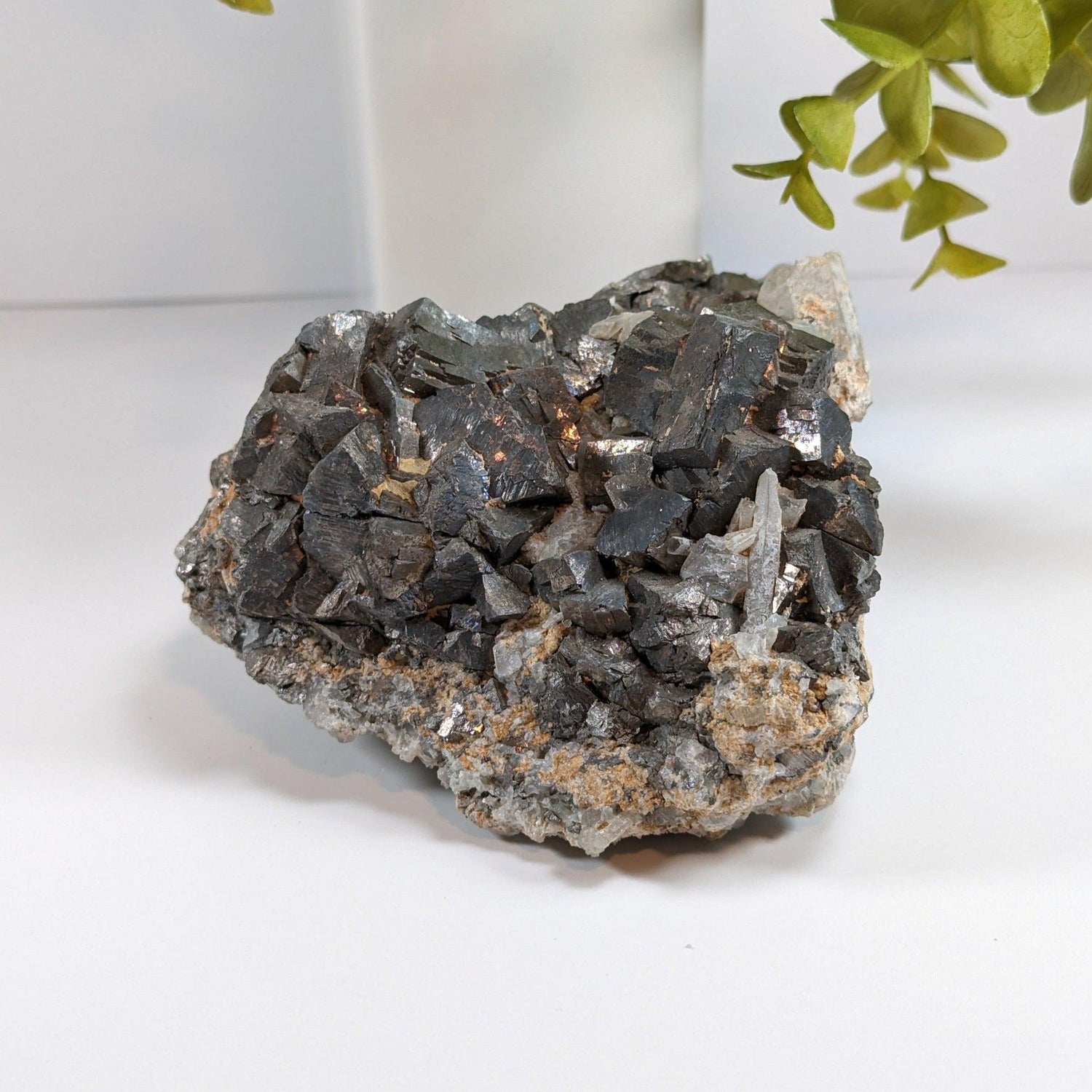
This top specimen is covered with huge pyrite interlocked cubes with quartz crystals and galena. This specimen is in very good condition. Would be a beautiful addition to any new or existing collection.
Name: Pyrite, Quartz and Galena Crystal Cluster
Specimen Size: Large Cabinet-Sized
Dimensions: 131x123x79 mm / 5.2x4.8x3.1 inches
Weight: 1,456 Grams / 3 lbs 3 oz
Origin: Mined in Peru
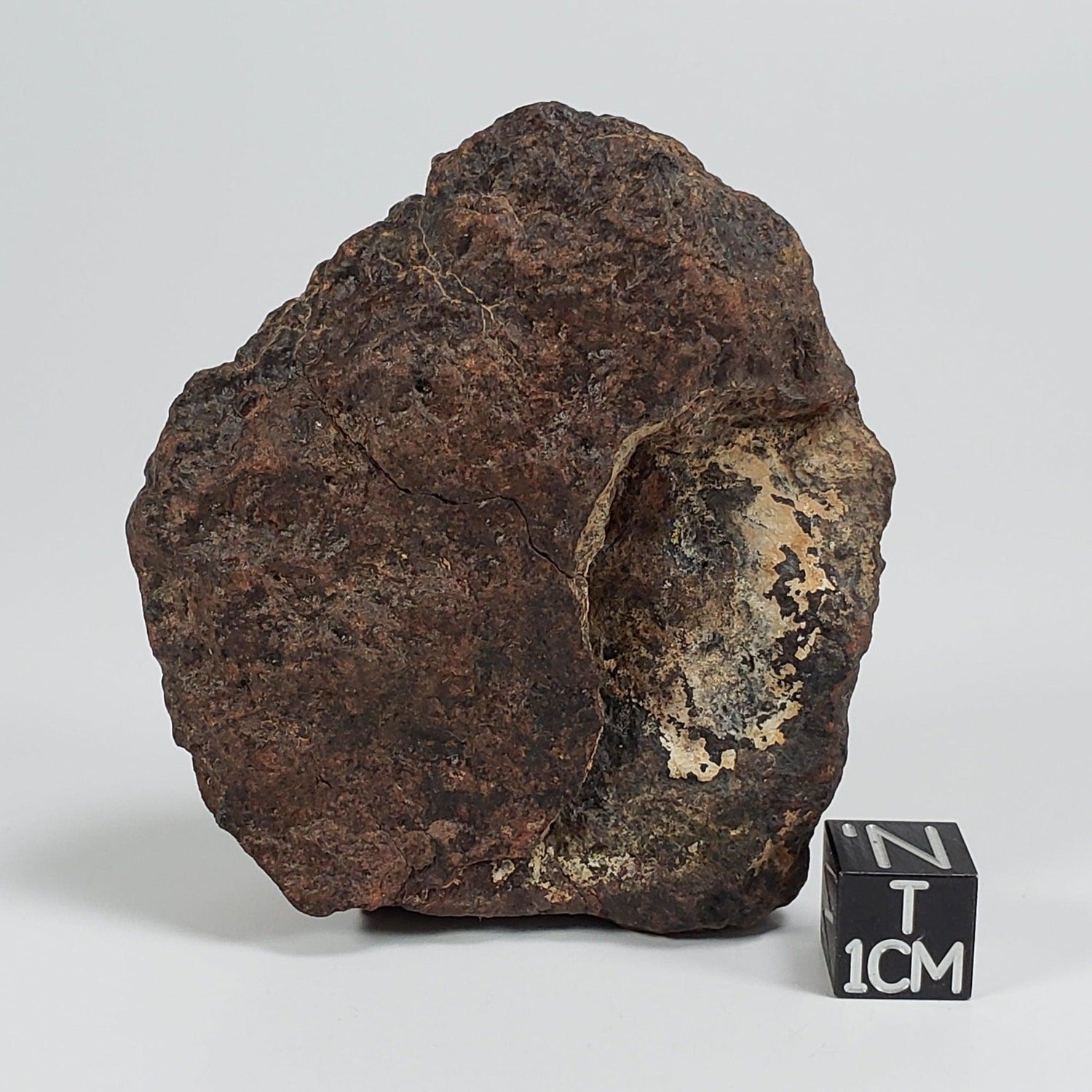
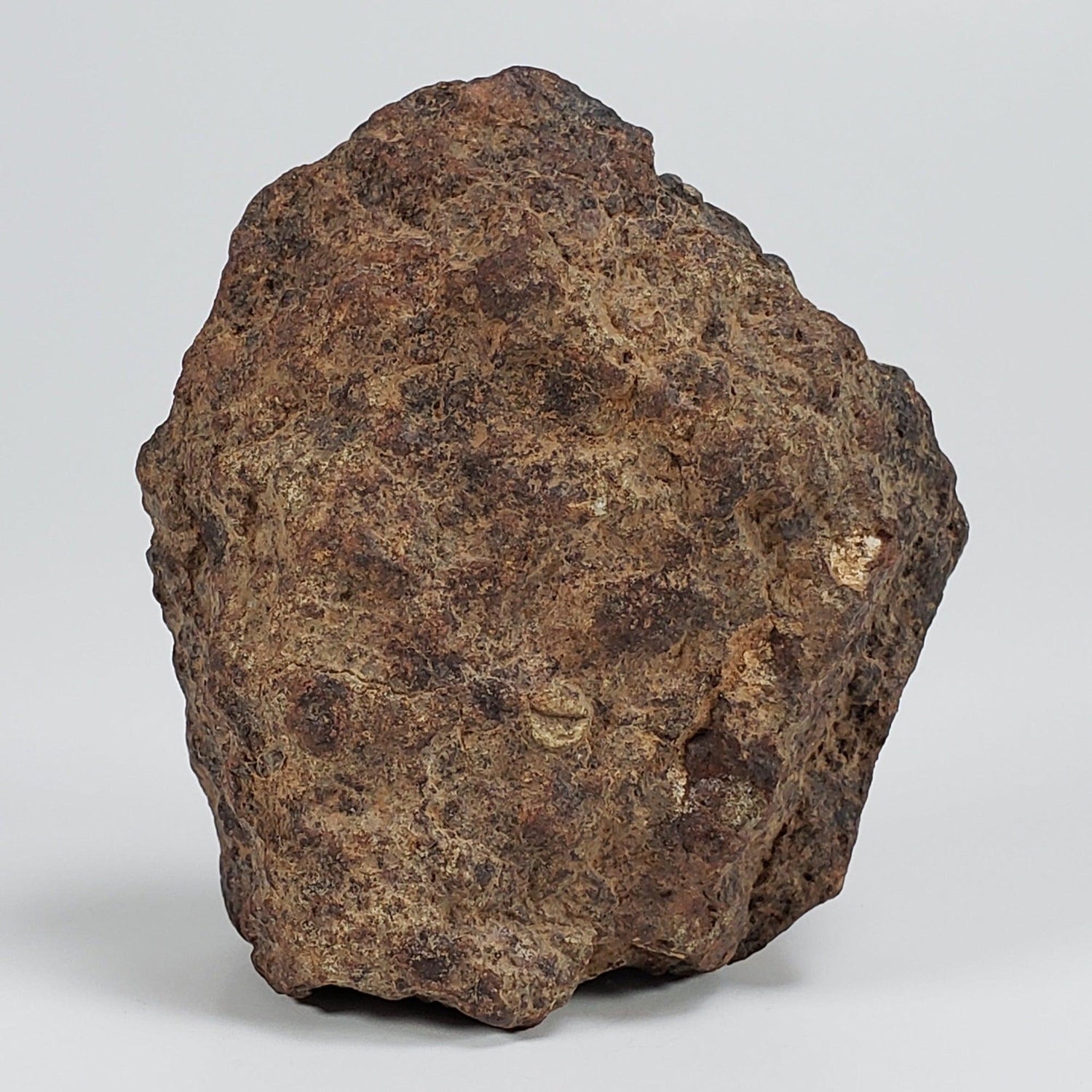
Here we have for you a nice looking individual cut fragment of a Sahara Desert NWA unclassified meteorite weighing 140.7 grams. Its dimensions are 65x57x24mm. This never classified North West Africa stone was found in the Sahara desert around 2000.
It's a good quality individual fragment NWA meteorite specimen. Some weathering shows the meteorite's time spent aging in the desert. Would be a beautiful addition to any new or existing collection. Comes with a Canagem Collection specimen card.
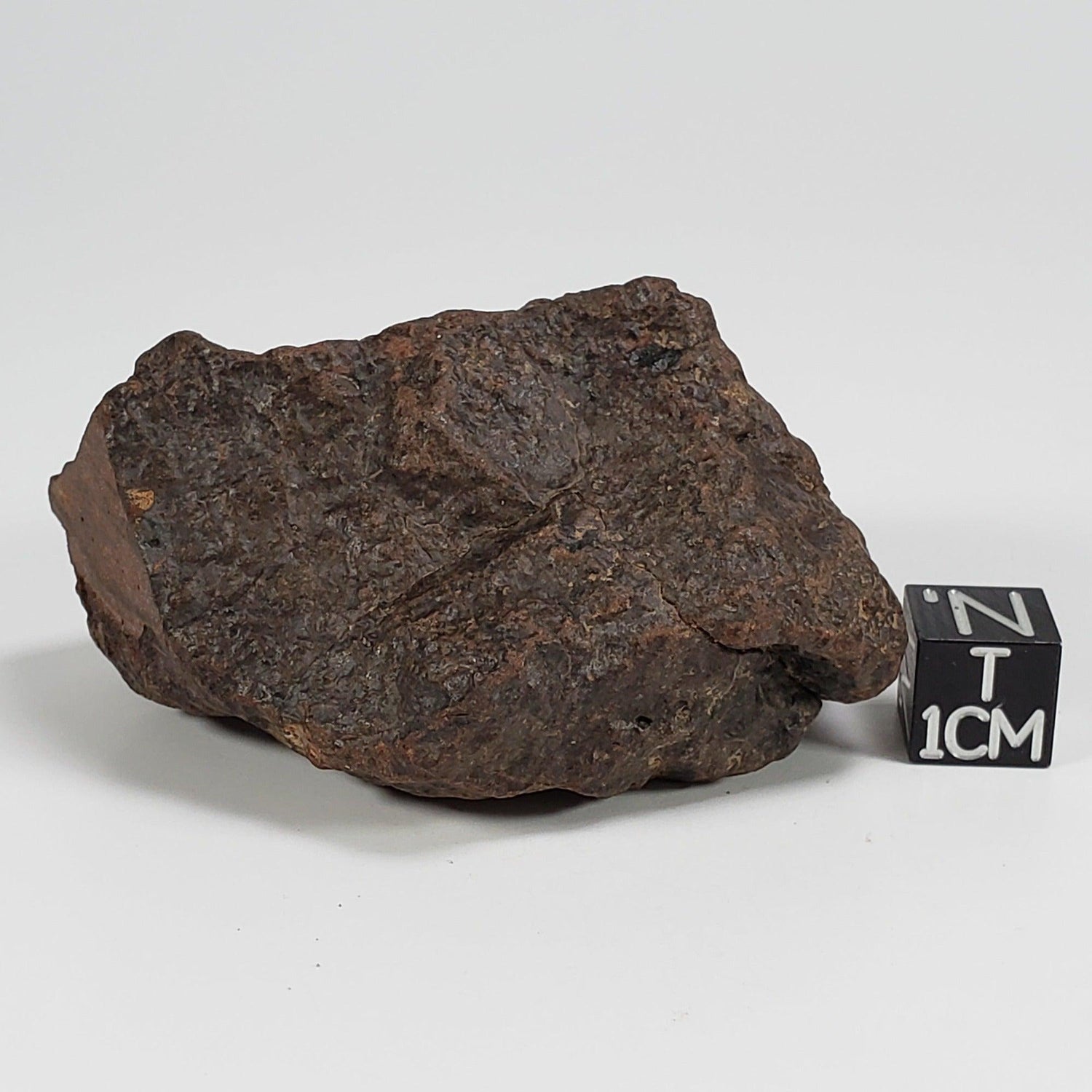
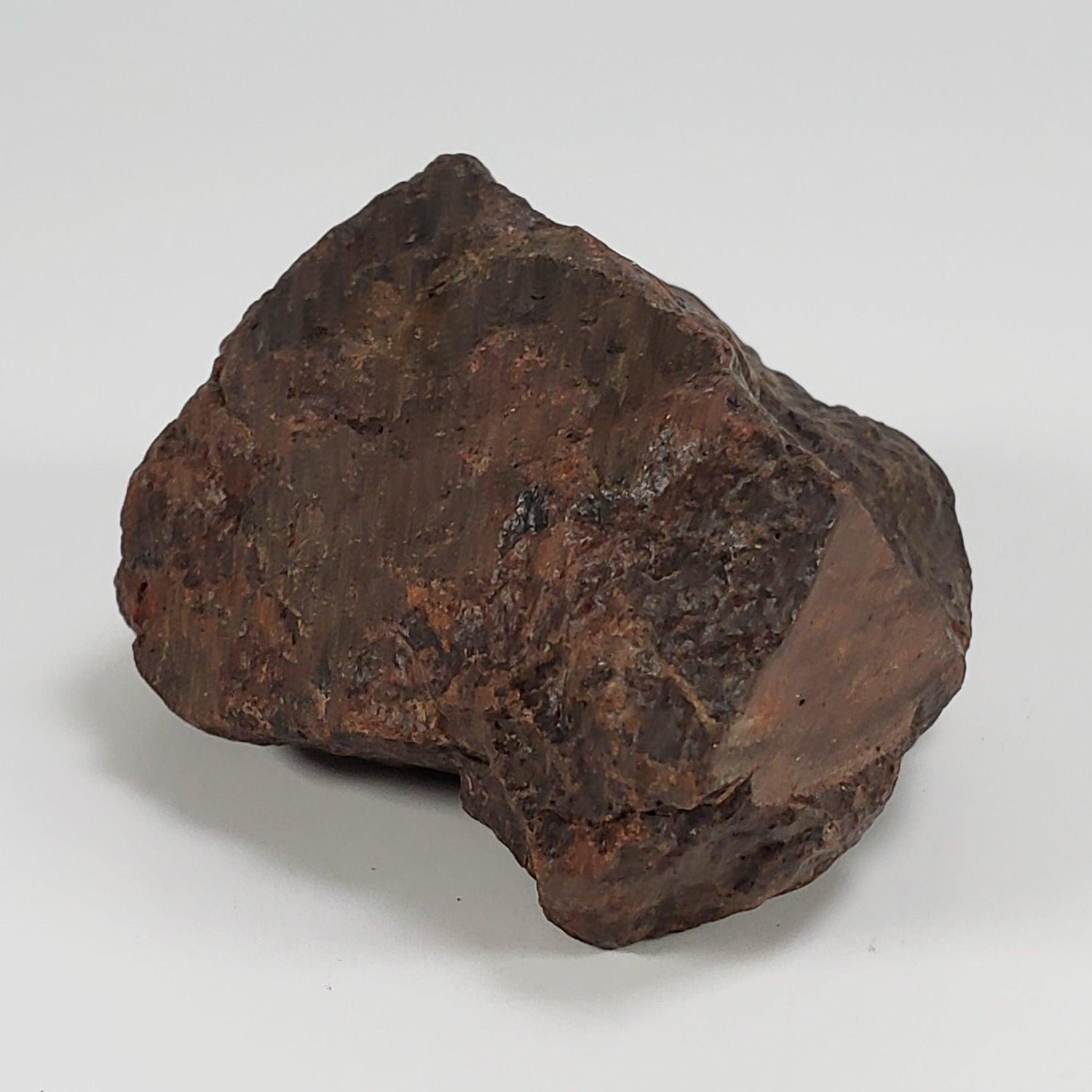
Here we have for you a nice looking individual cut fragment of a Sahara Desert NWA unclassified meteorite weighing 124.3 grams. Its dimensions are 63x51x36mm. This never classified North West Africa stone was found in the Sahara desert around 2000.
It's a good quality individual fragment NWA meteorite specimen. Some weathering shows the meteorite's time spent aging in the desert. Would be a beautiful addition to any new or existing collection. Comes with a Canagem Collection specimen card.

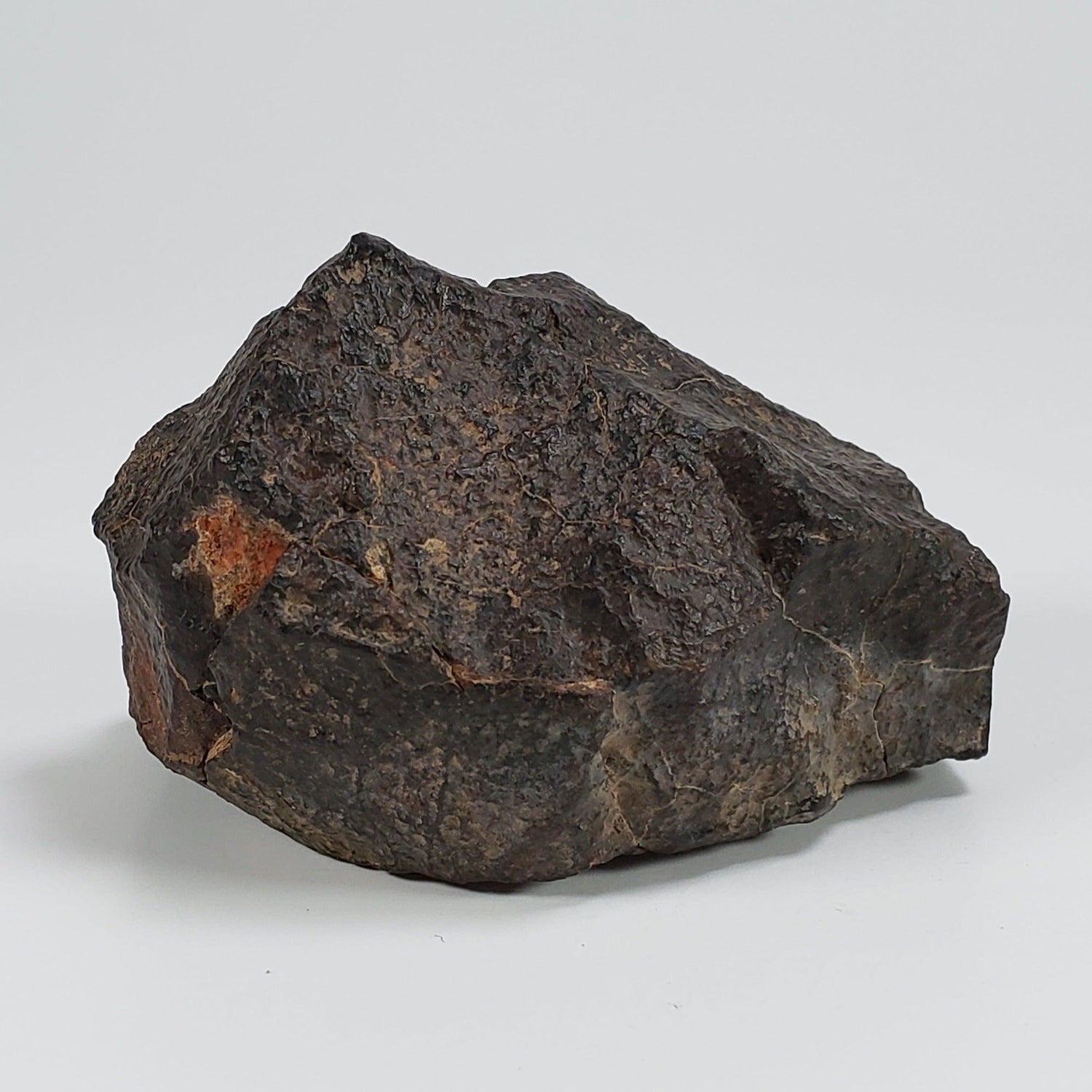
Here we have for you a nice looking individual cut fragment of a Sahara Desert NWA unclassified meteorite weighing 186 grams. Its dimensions are 71x48x44mm. This never classified North West Africa stone was found in the Sahara desert around 2000.
It's a good quality individual fragment NWA meteorite specimen. Some weathering shows the meteorite's time spent aging in the desert. Would be a beautiful addition to any new or existing collection. Comes with a Canagem Collection specimen card.
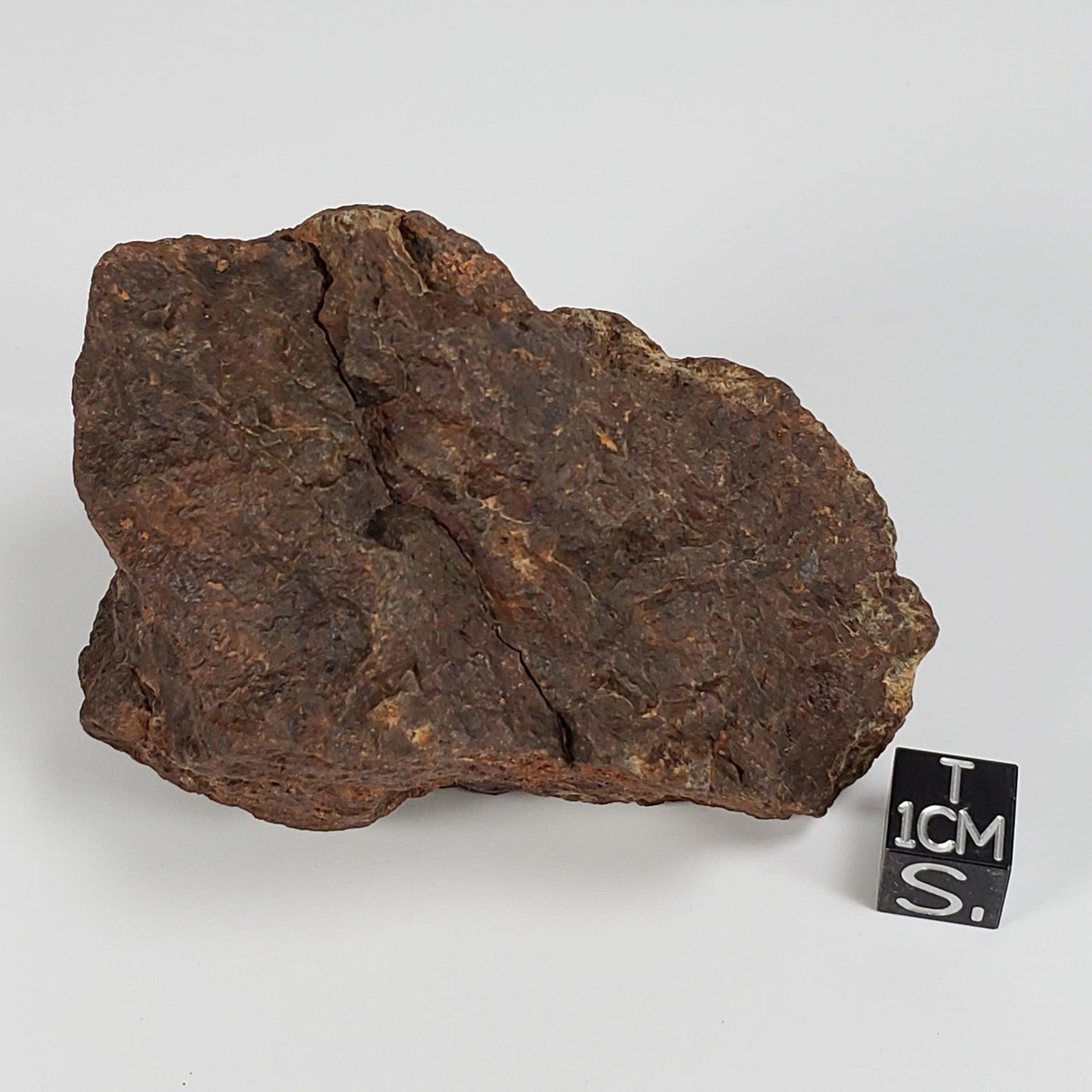
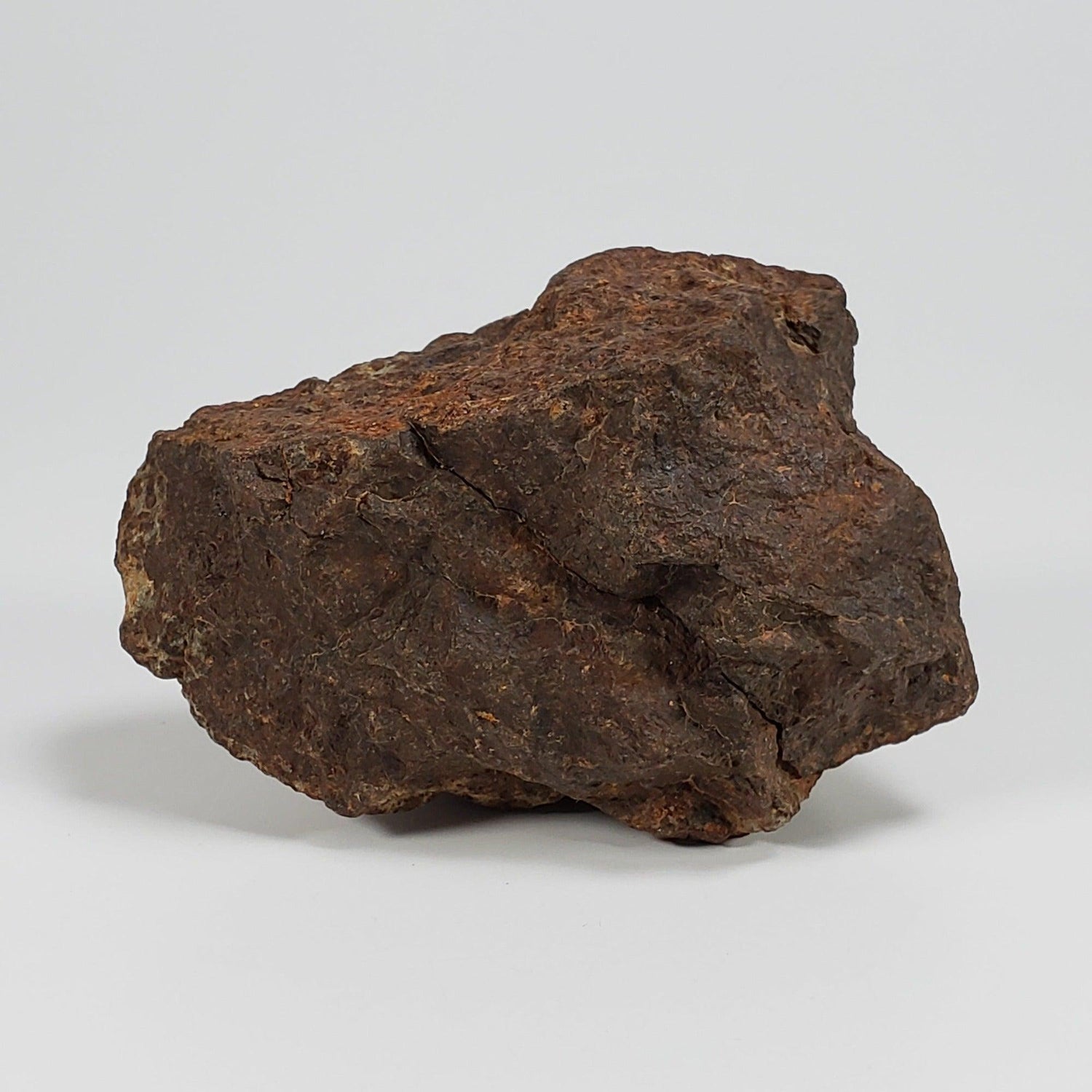
Here we have for you a nice looking individual fragment of a Sahara Desert NWA unclassified meteorite weighing 234.5 grams. Its dimensions are 76x50x55mm. This never classified North West Africa stone was found in the Sahara desert around 2000.
It's a good quality individual fragment NWA meteorite specimen. Some weathering shows the meteorite's time spent aging in the desert. Would be a beautiful addition to any new or existing collection. Comes with a Canagem Collection specimen card.


Here we have for you a nice looking individual cut fragment of a Sahara Desert NWA unclassified meteorite weighing 184 grams. Its dimensions are 77x62x28mm. This never classified North West Africa stone was found in the Sahara desert around 2000.
It's a good quality individual fragment NWA meteorite specimen. Some weathering shows the meteorite's time spent aging in the desert. Would be a beautiful addition to any new or existing collection. Comes with a Canagem Collection specimen card.

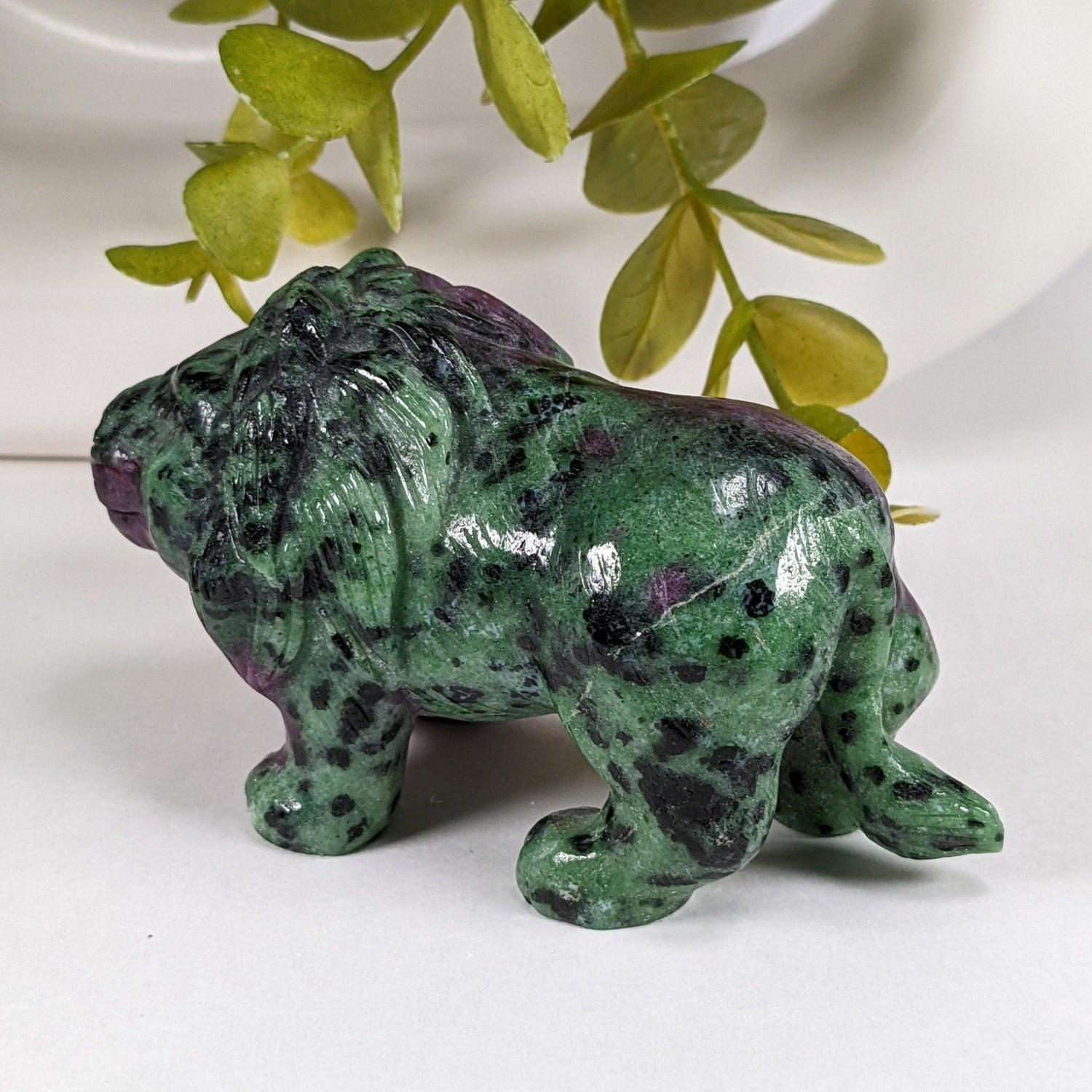
This colorful carved gemstone sculpture, utilizing the naturally occurring maroon ruby and pale green zoisite combination, depicts a mighty lion. The artist from Thailand has sculpted the lion in a set position providing some nice detail and optimizing the color for the shape of the sculpture.
Ruby is the second hardest stone after diamond so few artists have managed to successfully work this mineral since it requires a very advanced technique for carving and polishing. This carving reflects the artist's hard work to show the beauty of both the stone and the subject. A must have in your collection.
Name: Ruby Zoisite
Specimen Size: Cabinet-Sized
Dimensions: 98x60x44 mm / 3.9x2.4x1.7 inches
Weight: 302.6 grams / 10.8 ounces / 1530.5ct
Origin: Mined in Tanzania
Treatment: None, all natural


This hand selected polished Fluorite Slab is beautiful and colorful! It is polished on both sides with raw edges.
Fluorite comes in many colors. Deep purple (it's most famous), sky blue, sea green, sunny yellow, and crystal clear. There are rarer colors of pink, reddish orange (rose) and even black. Fluorite is very attractive and in demand. It is easy to see why fluorite earns the reputation as "The Most Colorful Mineral in the World".
Because Fluorite comes in such a wide range of colours, it is often said that it contains something of all other gemstones in it. According to folklore, it is the home of rainbows.
Fluorite is said to increase concentration and foster mental balance. Nicknamed the "genius stone" fluorite is believed to be excellent for study and work areas. It helps the mind stay focused on the task at hand.
Name: Fluorite
Specimen Size: Large Cabinet-Sized
Dimensions: 200x107x13 mm / 7.9x4.2x0.5 inches
Weight: 146.9 Grams / 5.2 oz
Origin: Durango, Mexico

Canagem is proud to be professional member of The International Gem Society(IGS) the world's top resource for gem professionals, enthusiasts, and industry content.