

📢 Notice to ALL Customers 📢
225 products
Sort by:
225 products
225 products
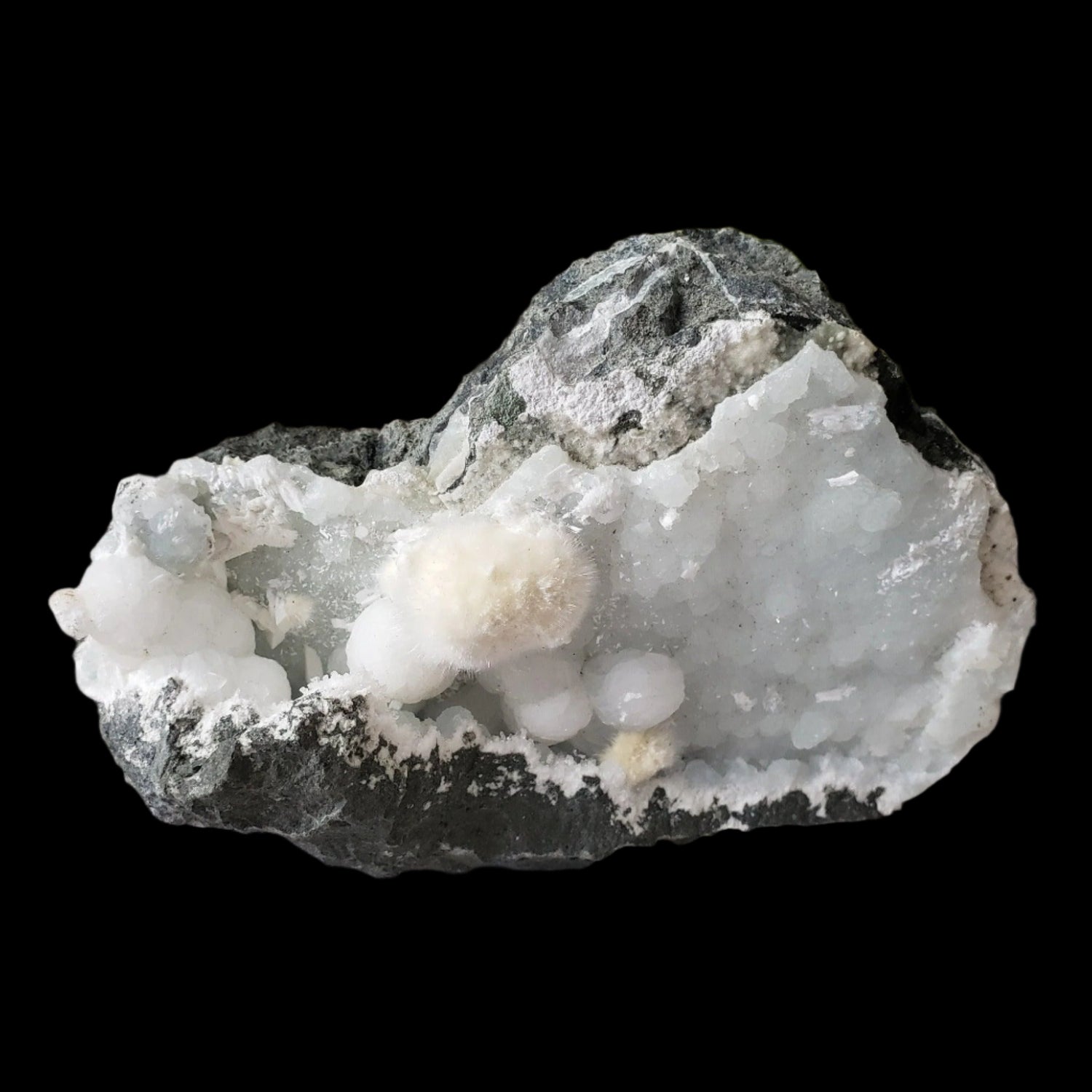
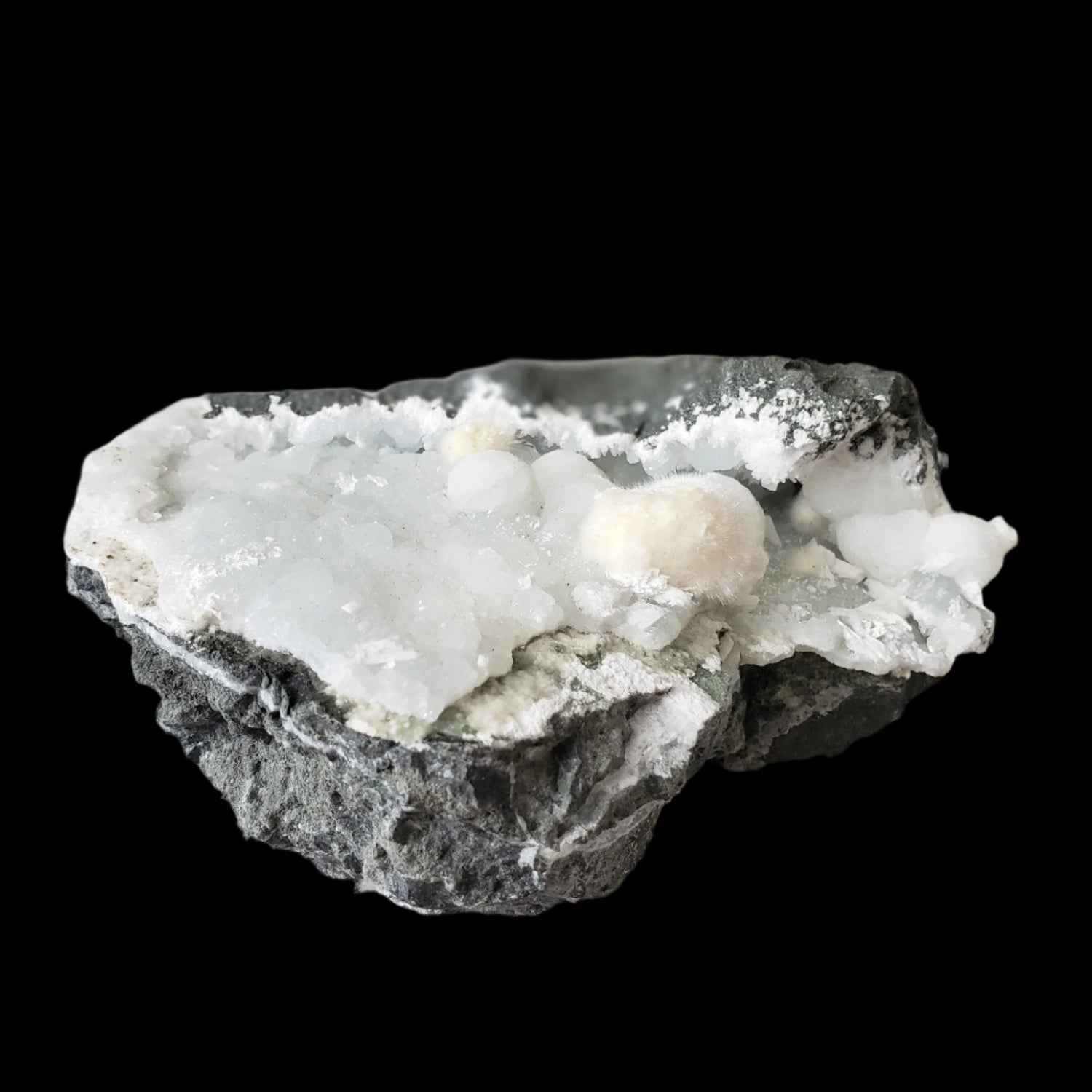
This is an amazing, large cluster of Okenite, Laumontite and Gyrolite on Green Prehnite Geode Crystal from Dindoshi Quarry, Mumbai, India. This is a high quality geode with outstanding, perfect okenite spheres, tons of Prehnite and awesome Laumontite crystals. Since this is a geode type specimen all of the okenite hairs are perfectly intact with no damage to any crystal. Would be a beautiful addition to any collection.
Name: Okenite, Laumontite and Gyrolite on Green Prehnite Geode Crystal
Specimen Size: Large Cabinet-Sized
Dimensions: 151x111x61 mm / 5.9x4.4x2.4 inches
Weight: 1.13 kg / 2 lbs 7 oz
Origin: Mined in Dindoshi Quarry, Mumbai, India


This is a superb looking Stony-iron or Mesosiderite Vaca Muerta (Dead Cow) classified meteorite weighing 84.4 grams. Its dimensions are 49x43x28 mm.
This classified meteorite was found in 1861 in the driest desert of the world called the Atacama, in Chile. Mesosiderites are formed on the surface of a parent body as a result of impacts with another body. The impact mixed broken fragments of surface eucrites with iron and olivine from deep within the body. Eucrites are believed to have come from the asteroid Vesta. Analysis has shown, however, that the Vaca Muerta eucrite inclusions are not consistent with other eucrites and possibly originated on a different parent body. Although most have a weathered exterior, they also have lots of metal inside and can be prepared and cut to show this.
This piece displays extremely well and would be a beautiful addition to any new or existing collection. Comes with a Canagem Collection specimen card.
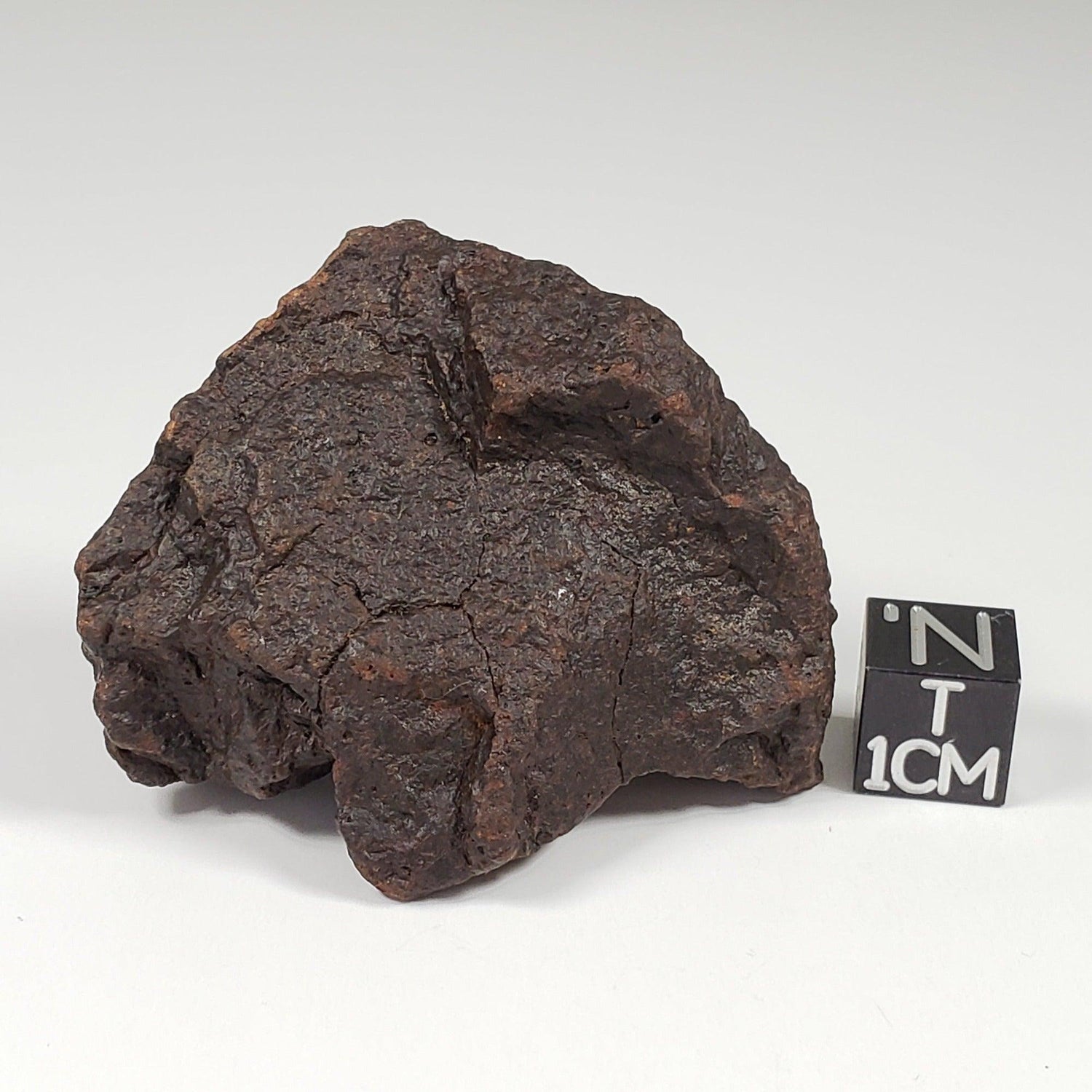
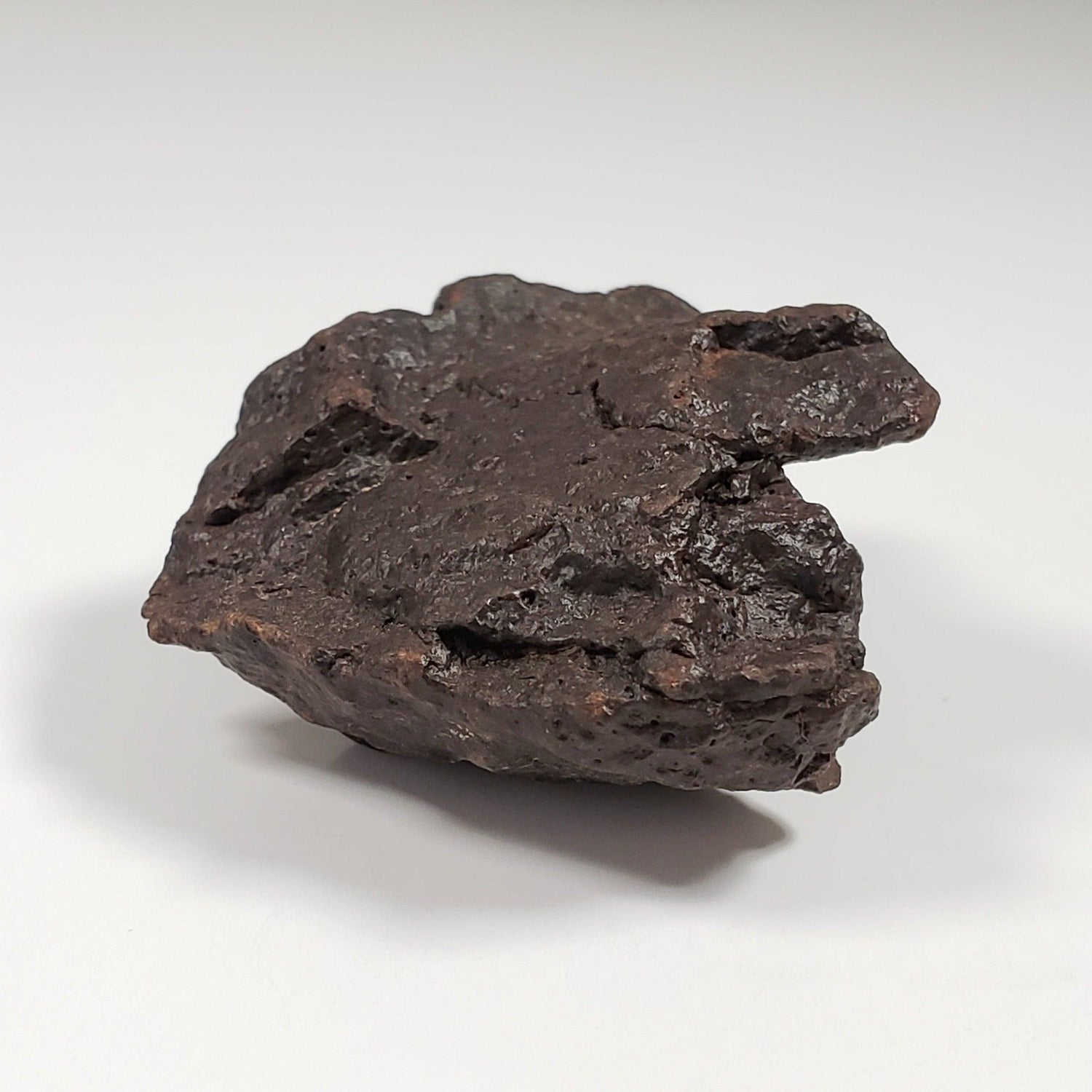
This is a superb looking Dhofar 221 classified meteorite weighing 52.5 grams. Its dimensions are 51x45x23 mm. This L5 classified meteorite was found in Zufar, Oman in 2000 and is 1 of 3003 approved meteorites classified as such. The total weight of the 100's of pieces recovered is recorded as a low 3.54 kg and the meteorite has a shock stage of 3 and weathering grade of 3.
This piece displays extremely well because of its beautiful crust, superb shape and is a good size. Would be a beautiful addition to any new or existing collection. Comes with a Canagem Collection specimen card.
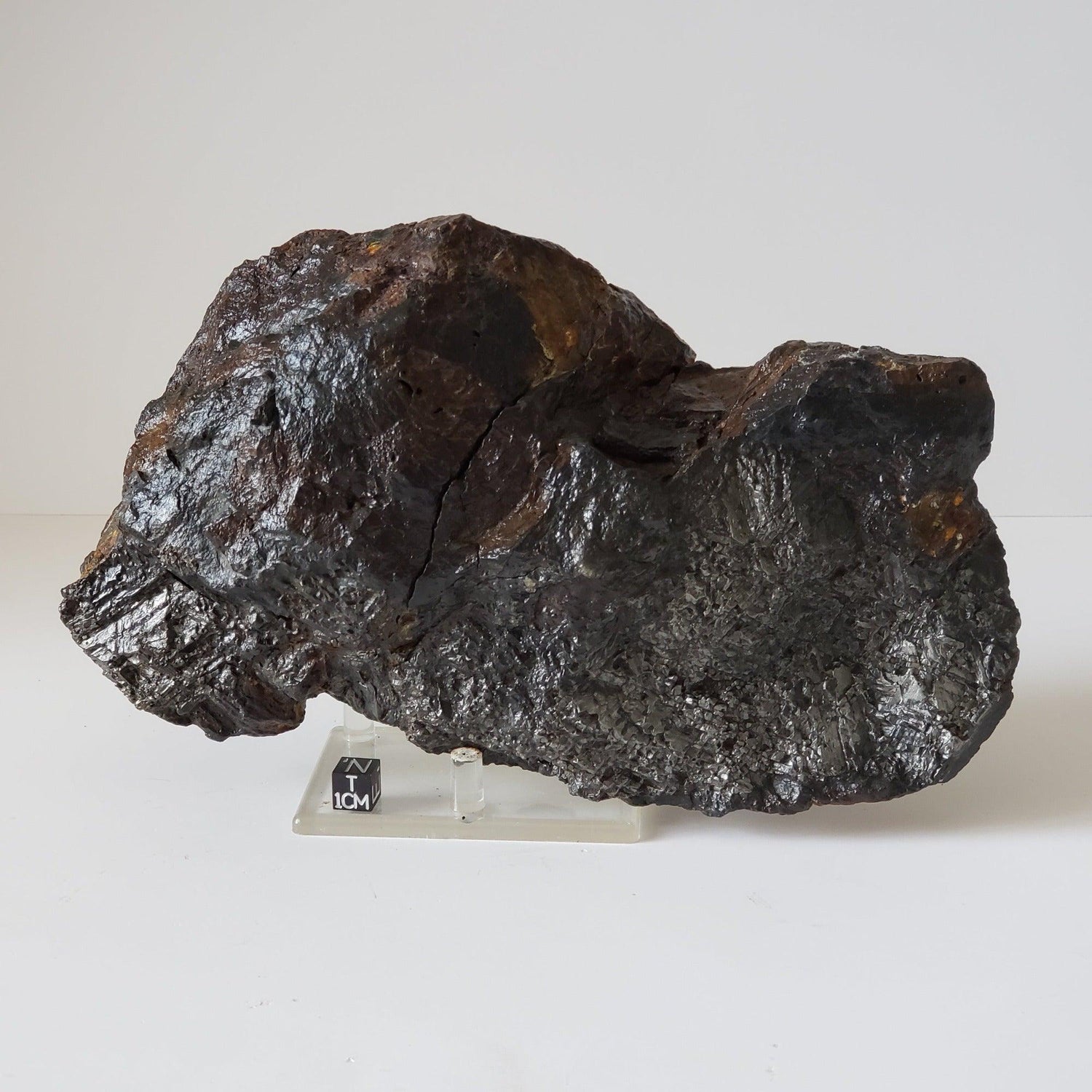

Nantan Meteorite | 6.6 KG | Rare Museum Grade | IAB-MG Iron | Guangxi China
This is a unique and rare museum grade 6.6 Kg (14.5 lbs) Nantan meteorite directly from Guangxi, China. Its dimensions are 23.5X14X9.5 cm (9.25x5.5x3.75 in.).
The Nantan meteorites, named "One of the oldest objects anywhere on Earth", are a must for all collectors, more so that it is now impossible to find worthy specimen. At about 4.5 billion years old, the Nantan meteorite is as ancient as the Earth itself. They are a very interesting IAB-MG iron discovered in 1958, although thought to have fallen in 1516. There is an estimated 9.5 T of this amazing space voyageur. This is 1 of 88 approved meteorites classified as Iron, IAB-MG.
Would be a beautiful addition to any new or existing collection. Comes with a Canagem Collection specimen card.
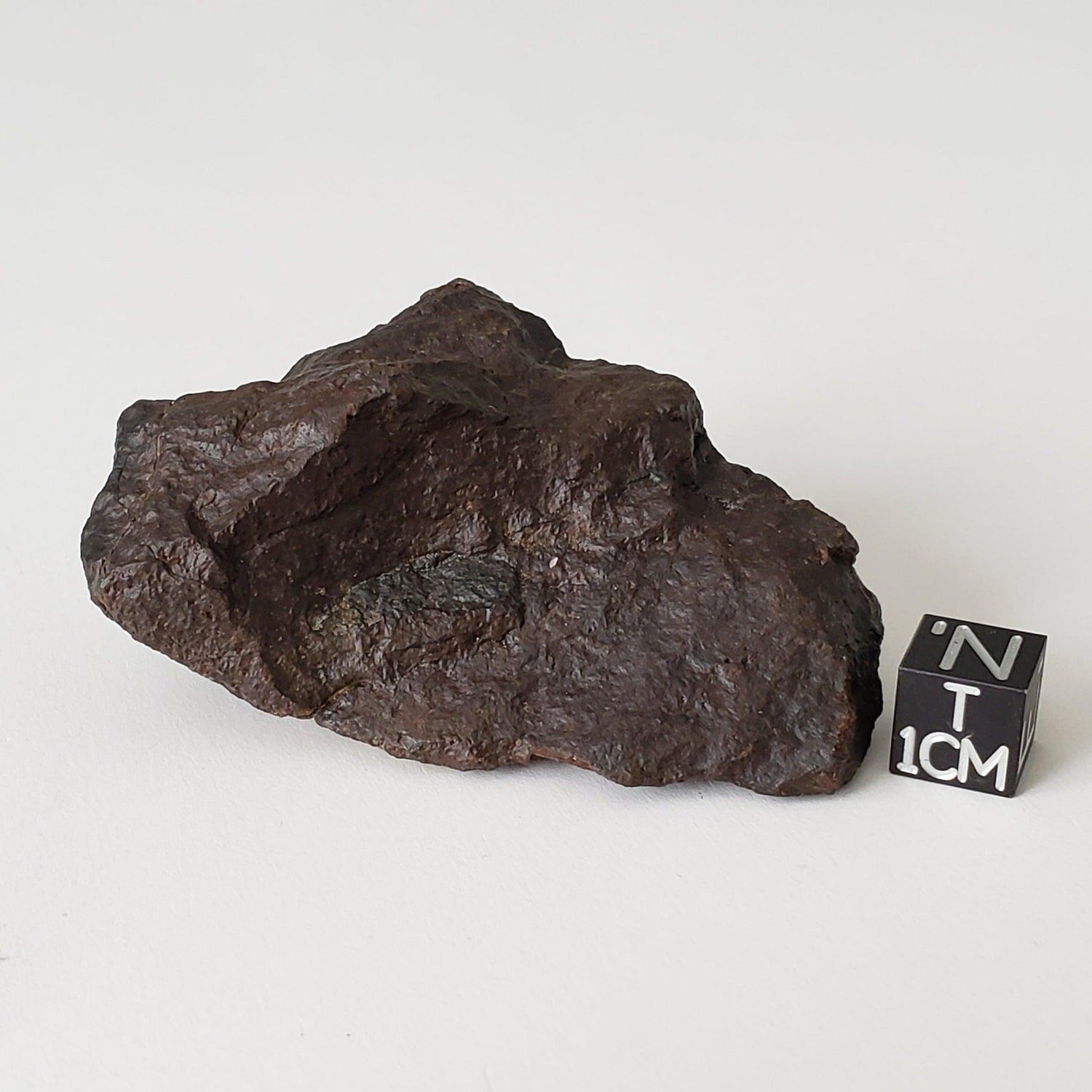
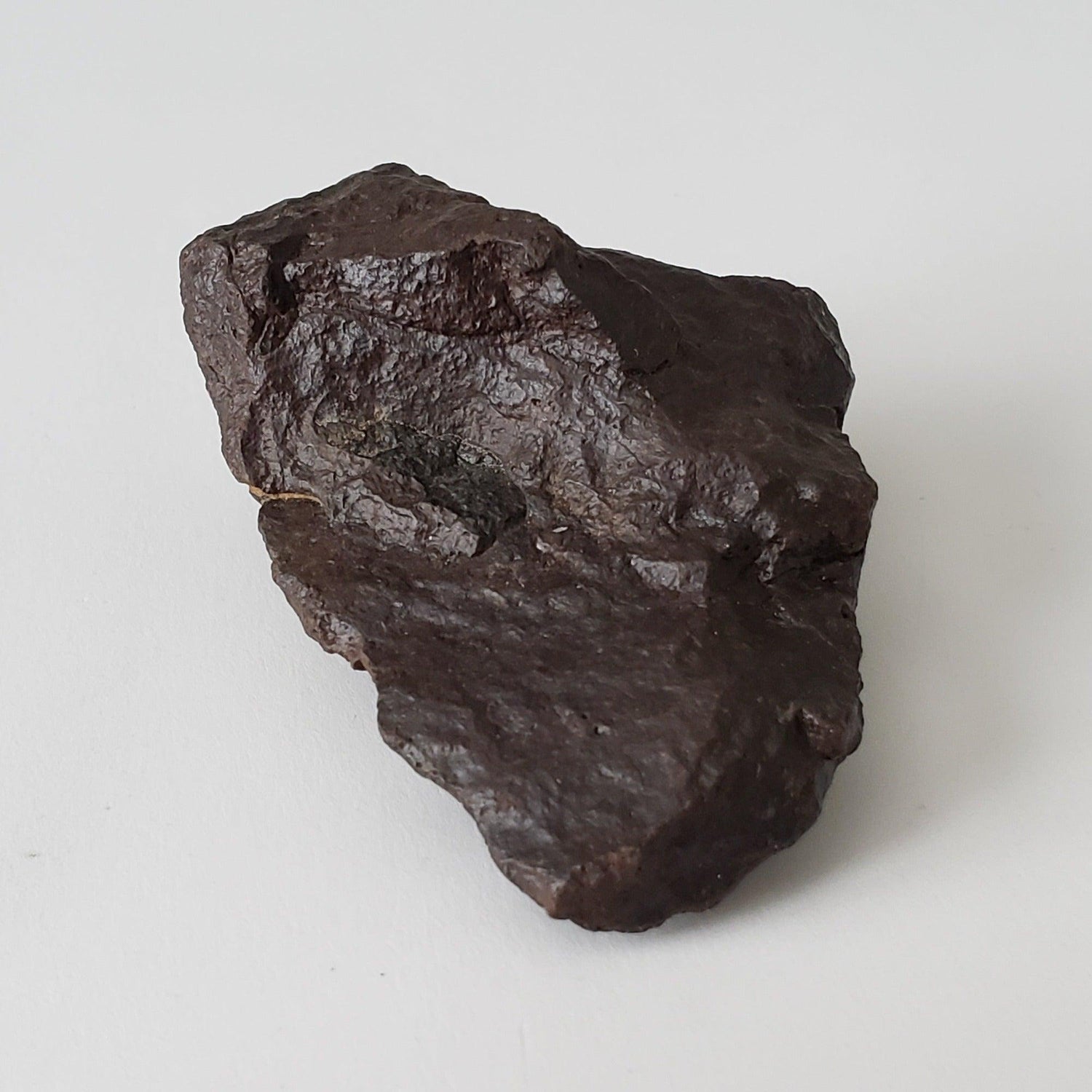
Here we have for you a superb looking Dhofar 020 classified meteorite weighing 103.75 grams. Its dimensions are 67x49x32 mm. Found 10 March 2000 in Dhofar, Oman, in the Arabian Peninsula this H4/5 classified chondrite has a TKW of 256 Kg with a shock stage of S4 and weathering grade of W3 by the Russian Academy of Sciences, USSR.
The following is an excerpt from Mark Bostick's review of this meteorite: "Dhofar 020 is a ordinary stone chondrite meteorite. The meteorite is high in free metal and therefore falls in the H class. S4 tells it is highly shocked. Slices of the meteorite, show veins of the cosmic impact created mineral Ringwoodite, although fractures in the stone tend to hide this some. It almost appears to me to have splinted upon impact. The meteorite falls in 4-5 petrology class, a reference to how metamorphed the meteorite is from its original state. This is judged by studying a thin section of the meteorite, most visually at the chondrules, a feature unique to stone meteorite. In a thin section under polarized light, pyroxene chondrules seem more common then their olivine pair. Still some regions in the meteorite show scattered patches of bright olivine inclusions. These are fairly rare, at least on my thin section, and most of the meteorite's olivine and pyroxene, some of the easier things to see in a thin section, appear to have went through a metamorphism, and have "melted" into the matrix and are at times undistinguishable."
This piece displays extremely well showing a beautiful crust, superb shape and good size. Would be a beautiful addition to any new or existing collection. Comes with a Canagem Collection specimen card.


This is an incredible Korra Korrabes meteorite end cut of 24.1 grams, it measures 37x27x22 mm. This gorgeous classified meteorite is an H3 Chondrite and part of a 22 kg stone plus 11 smaller pieces totaling ~18 kg that were found November 1996 in a dry river bed by a farmer who was searching for Gibeon irons.
People searching with metal detectors recovered hundreds of additional buried, more weathered pieces within 50 m of the original material since 2000 November, bringing the total mass to ~120–130 kg. The largest specimen was used in a garden wall until August 2000.
This amazing piece was professionally prepared and would be a beautiful addition to any new or existing collection. Comes with a Canagem Collection specimen card.


This is an attractive shiny spray of metallic stibnite crystals. This outstanding specimen came from the Xikuangshan mine of China.
Stibnite is a lead-gray mineral occurring as striated prismatic crystals, that are made up of antimony sulfide and is the main ore of antimony. It often forms groups of long, shiny metallic crystals radiating out at different angles.
NOTE: Stibnite (antimony) is toxic and can be harmful if inhaled or swallowed. While a crystal sitting on your shelf doesn't pose a health risk you should always wash your hands after handling and keep it out of reach of children.
Name: Stibnite Spray
Specimen Size: Large Cabinet-Sized
Dimensions: 132x49x38 mm / 5.2x1.9x1.5 inches
Weight: 271 Grams / 9.5 Ounce
Origin: Mined in Xikuangshan Mine, China


Found in Orford Nickel mine, St-Denis-de-Brompton, Le Val-Saint-François RCM, Estrie, Québec, Canada which is famous for excellent specimens of diopside, green grossular (chrome-bearing), orange grossular and millerite.
We have for you a lustrous, striated diopside crystal partially coated with streaks of emerald-green chrome-bearing grossular crystals. This is a very showy specimen that will display very well within your collection.
Name: Diopside with Grossular Crystal Cluster
Specimen Size: Large Cabinet-Sized
Dimensions: 129x63x37 mm / 5.1x2.5x1.5 inches
Weight: 326.8 grams / 11.5 Ounces
Origin: Mined at Orford Nickel mine, St-Denis-de-Brompton, Le Val-Saint-François RCM, Estrie, Québec, Canada
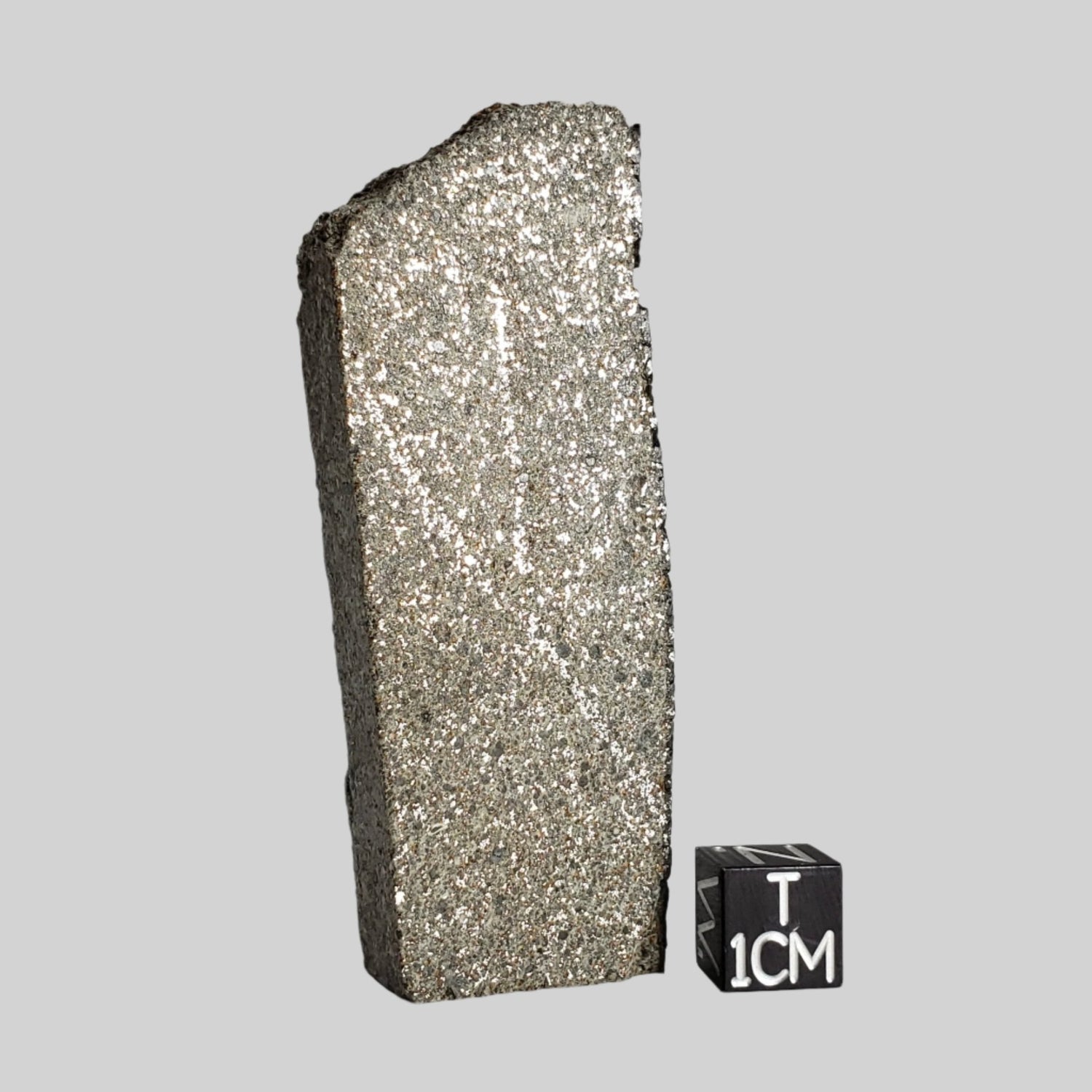
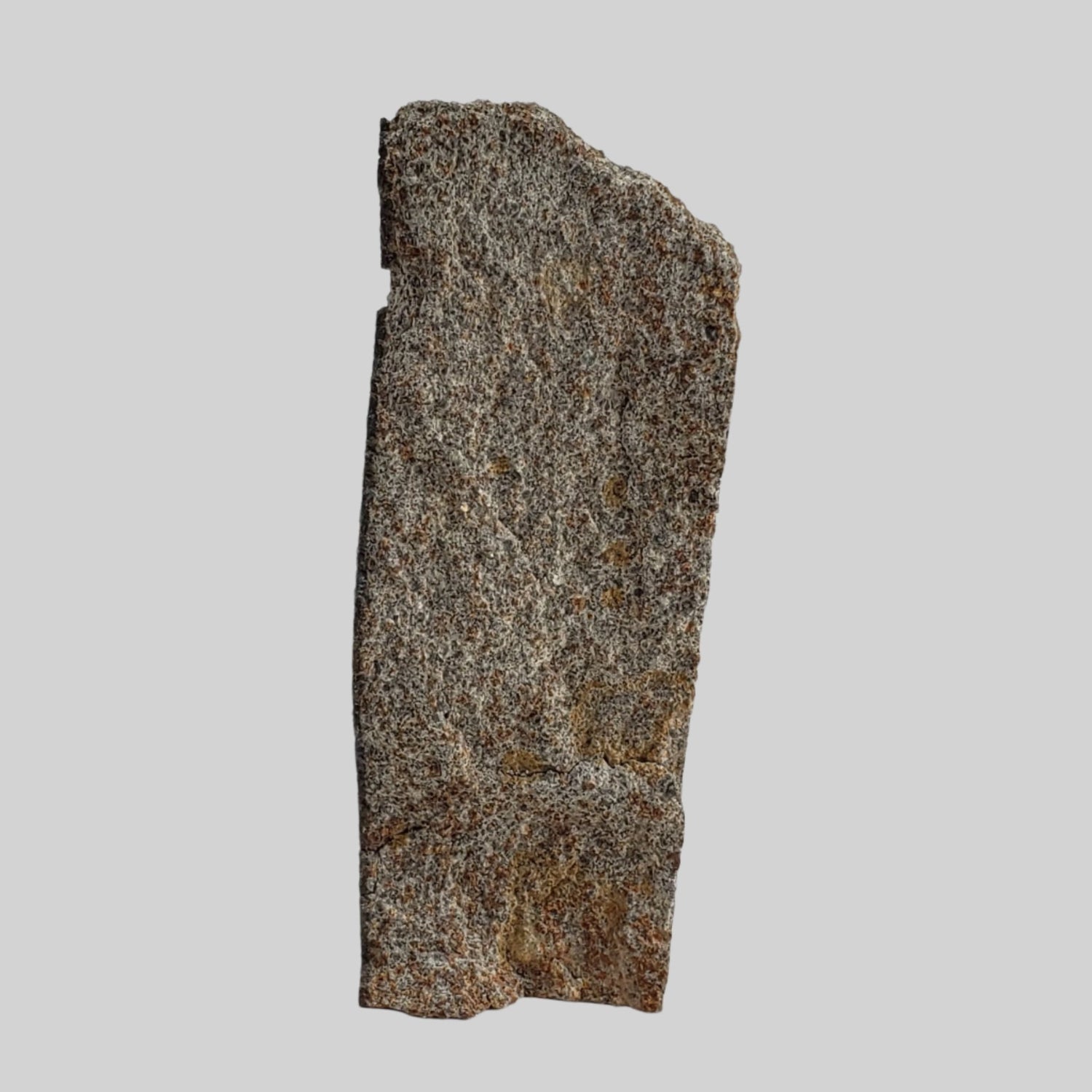
This is a great looking H5 classified El Hammami meteorite and is one of the freshest meteorites we have ever seen. This excellent specimen weighs 46.1g and measures 71x28x13 mm.
The specimen has gorgeous fusion crust along one edge. The interior is a beautiful grey color with abundant metallic flakes and tiny chondrules. Two nice metal veins run through this specimen.
A great display piece, it comes with a metal display label. Would be a beautiful addition to any new or existing collection. Will also come with a Canagem® Collection specimen card.
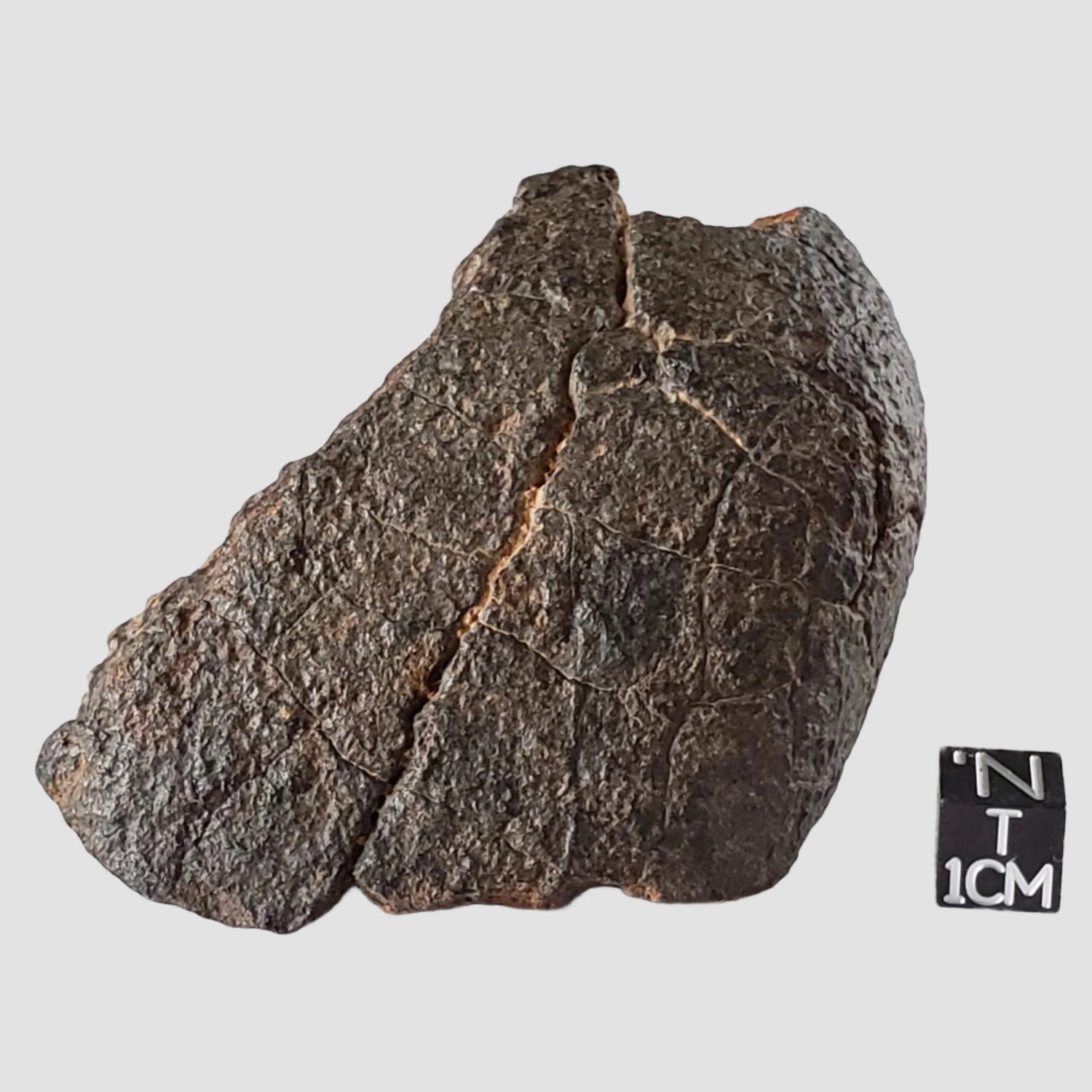
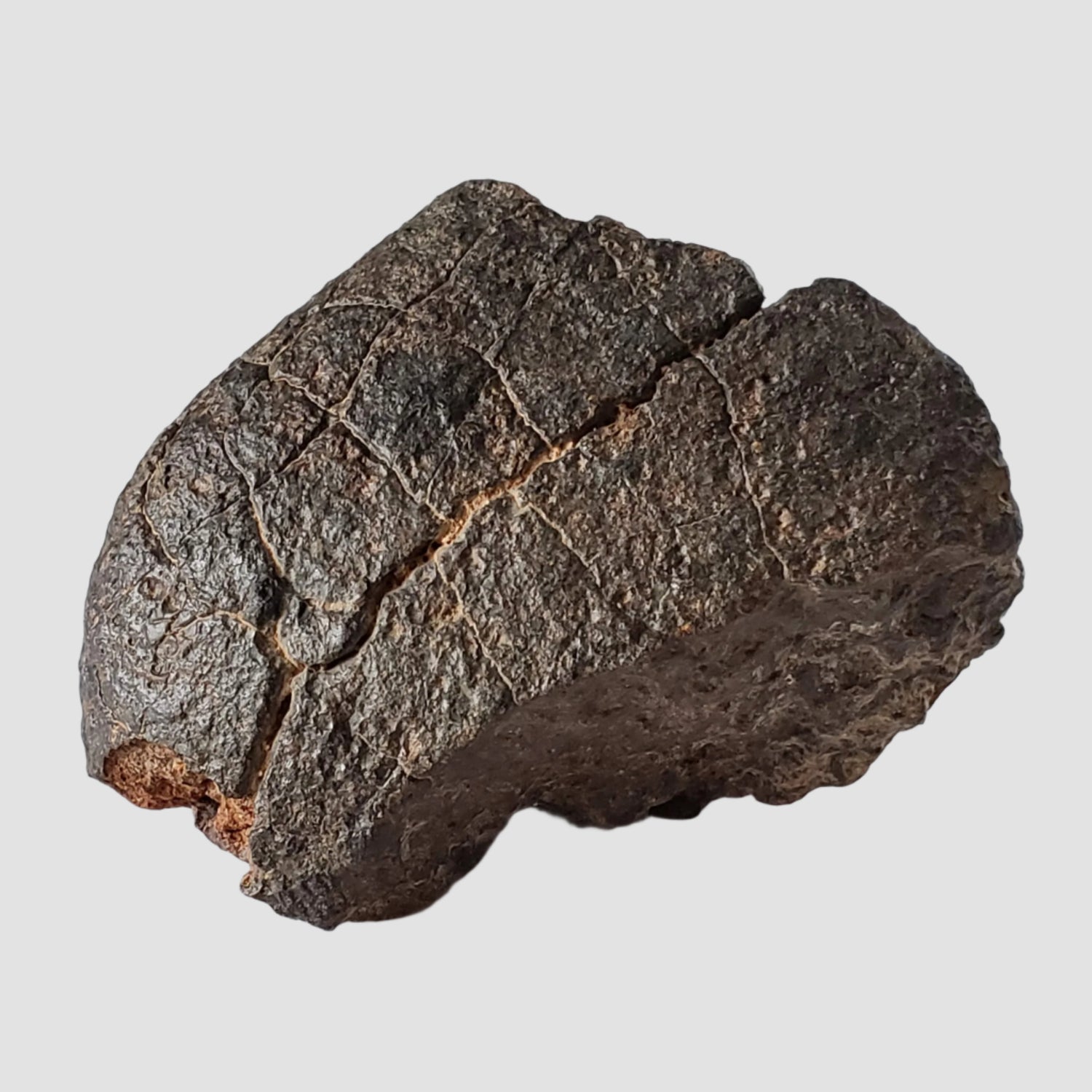
Here we have for you a great looking individual cut fragment of a Sahara Desert NWA unclassified meteorite weighing 309.6 grams. Its dimensions are 86x58x52mm. This never classified North West Africa stone was found in the Sahara desert around 2000.
It's a good quality individual fragment NWA meteorite specimen. Some weathering shows the meteorite's time spent aging in the desert. Would be a beautiful addition to any new or existing collection. Comes with a Canagem Collection specimen card.


This is a stunning specimen of calcite cubes on mordenite druse. The crystals are well defined and look beautiful together.
Calcite is found throughout the world in sedimentary, metamorphic, and igneous rocks. Some geologists consider it to be a "ubiquitous mineral" - one that is found everywhere. Calcite is the principal constituent of limestone and marble.
Mordenite was first described in 1864 by Henry How. He named it after the small community of Morden, Nova Scotia, Canada, along the Bay of Fundy, where it was first found. It is one of the most abundant zeolites and is found in volcanic rock such as rhyolite, andesite, and basalt. It is associated with other zeolites such as stilbite and heulandite.
Name: Calcite Cubes on Mordenite Druse
Specimen Size: Large Cabinet-Sized
Dimensions: 228x152x127 mm / 9x6x5 inches
Weight: 3.43 KG / 7 lbs 9 ounces
Details: Mined in Nashik, India


This impressive specimen features a beautiful combination of Apophyllite, Stilbite, and Calcite crystals on Chalcedony druse. Weighing over 2 kg, it displays numerous well-formed, double-terminated crystals that create exceptional visual appeal.
Stilbite is a zeolite mineral appreciated for its delicate crystal formations and pastel hues, ranging from colorless to white, yellow, pink, and peach. It forms distinctive tabular crystals with a bowtie or butterfly shape and exhibits a vitreous to pearly luster.
One of the distinguishing features of apophyllite is its ability to form well-defined crystals with a pyramid-like shape. These crystals often exhibit a prismatic or pseudo-cubic habit and have a vitreous luster. Apophyllite is transparent to translucent and is commonly found in colorless or white varieties, although it can also occur in shades of green, pink, yellow, or brown.
Calcite is found throughout the world in sedimentary, metamorphic, and igneous rocks. Some geologists consider it to be a "ubiquitous mineral" - one that is found everywhere. Calcite is the principal constituent of limestone and marble.
This specimen's substantial size and excellent crystal coverage make it an impressive display piece and a beautiful addition to any mineral collection.
Name: Apophyllite, Stilbite and Calcite on Chalcedony Druse
Specimen Size: Large Cabinet-Sized
Dimensions: 222x178x95 mm / 8.75x7x3.75 inches
Weight: 2.46 KG / 5 lbs 6 ounces
Origin: Mined in Jalgaon, India


Gyrolite often forms nodular aggregates that can appear glassy, dull or even fibrous. The aggregate nodules often accompany many fine and rare minerals such as Apophyllite and Okenite plus many of the Zeolites. Looks very nice on Prehnite! Would be a beautiful addition to any new or existing collection.
Name: Gyrolite spheres with Apophyllite on Prehnite Druze
Specimen Size: Large Cabinet-Sized
Dimensions: 171x89x70 mm / 6.75x3.5x2.75 inches
Weight: 979 Grams / 2 lbs 2 ounces
Origin: Mined in Mumbai (Bombay), India


This is an outstanding specimen with an eye catching mix of crystals. This cluster is comprised of Dolomite with a patch of terminated calcite, tiny terminated quartz crystals and traces of pyrite matrix,. This top specimen has it all and is in great condition. Will mesmerize you for hours examining all angles of this fantastic specimen. Would be an amazing addition to any new or existing collection.
Name: Dolomite, Pyrite, Calcite and Quartz Crystal Cluster
Specimen Size: Large Cabinet-Sized
Dimensions: 165x114x82 mm / 6.5x4.5x3.25 inches
Weight: 1.68 KG / 3 Lbs 11 Ounces
Origin: Mined in Sainte Clotilde, Quebec Canada


Apophyllite almost always forms good crystals of two major types. The favorite crystal habit is the rectangular prism capped by a steep four sided pyramid. A doubly terminated crystal is exceptionally special. The faces of the pyramids are rotated 45 degrees with respect to the prism faces and so plunge down into the prism edges. This produces a diamond-shaped pyramidal face instead of a typical triangular pyramid face. The shape is an extraordinary example of tetragonal crystal form. Although normally colorless or white, colored examples of apophyllite are always treasured. Some crystals of apophyllite are cut as gems, but are mostly just for the collectors.
Scolecite forms as vertically striated, thin, prismatic crystals. Scolecite may also occur as radiating fibrous masses. The colour may be white, yellowish, or colourless. It is a transparent to translucent mineral, and it has a vitreous to silky luster.
This is an absolutely stunning piece!
Name: Apophyllite, Acicular Scolecite Crystals
Specimen Size: Large Cabinet-Sized
Dimensions: 146x89x89 mm / 5.75x3.5x3.5 inches
Weight: 964 grams / 2 lbs 2 oz
Details: Mined in Panvel, Navi Mumbai, Maharashtra, India


This is a beautiful and colorful specimen combining green Apophyllite, Stilbite and Laumontite. It is a large specimen and is in excellent condition.
This crystal cluster brings harmony and emotional support to any space, encouraging heart-centered energy, mental clarity, and grounding.
Stilbite is a zeolite mineral appreciated for its delicate crystal formations and pastel hues, ranging from colorless to white, yellow, pink, and peach. It forms distinctive tabular crystals with a bowtie or butterfly shape and exhibits a vitreous to pearly luster.
One of the distinguishing features of apophyllite is its ability to form well-defined crystals with a pyramid-like shape. These crystals often exhibit a prismatic or pseudo-cubic habit and have a vitreous luster. Apophyllite is transparent to translucent and is commonly found in colorless or white varieties, although it can also occur in shades of green, pink, yellow, or brown.
Laumontite is a member of the zeolite group, and occurs in many of the zeolite deposits.
Name: Apophyllite, Stilbite, Laumontite Crystals
Specimen Size: Large Cabinet-Sized
Dimensions: 197x114x82 mm / 7.75x4.5x3.25 inches
Weight: 1.73 kg / 3 lbs 13 oz
Details: Mined in Panvel, Navi Mumbai, Maharashtra, India

Canagem is proud to be professional member of The International Gem Society(IGS) the world's top resource for gem professionals, enthusiasts, and industry content.