



23 products
Sort by:
23 products


Discover a remarkable Goniatite fossil from the Fammenian stage of the Devonian period, sourced from the Kowala Formation in Poland’s Kielce-Lagow Syncline.
This natural specimen, measuring 24 mm and weighing approximately 11.26 grams, features exquisite pyritization within its host rock, offering valuable insight into ancient marine life and exceptional preservation for collectors and researchers alike.
Although dinosaurs are the most well-known fossil life forms, pyritized fossils are also a favorite among those familiar with Paleontology (the study of the development of life on Earth) and are found in the rocks of all continents.
Name: Goniatite Fossil
Age: Fammenian (Devonian)
Location: Kowala Formation, Poland
Geological unit: Kielce-Lagow Syncline
Size: 11.26 gr / 0.4 oz
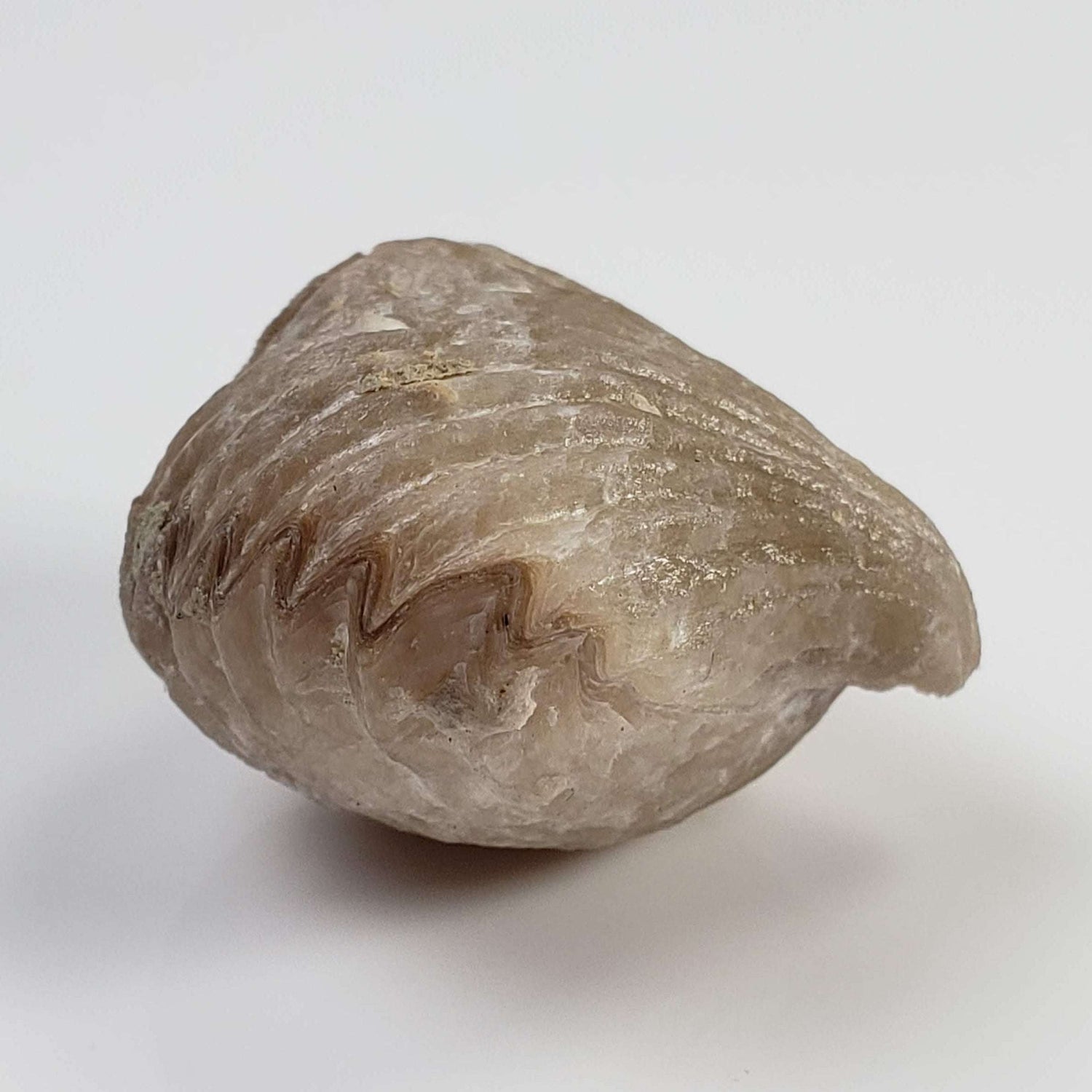
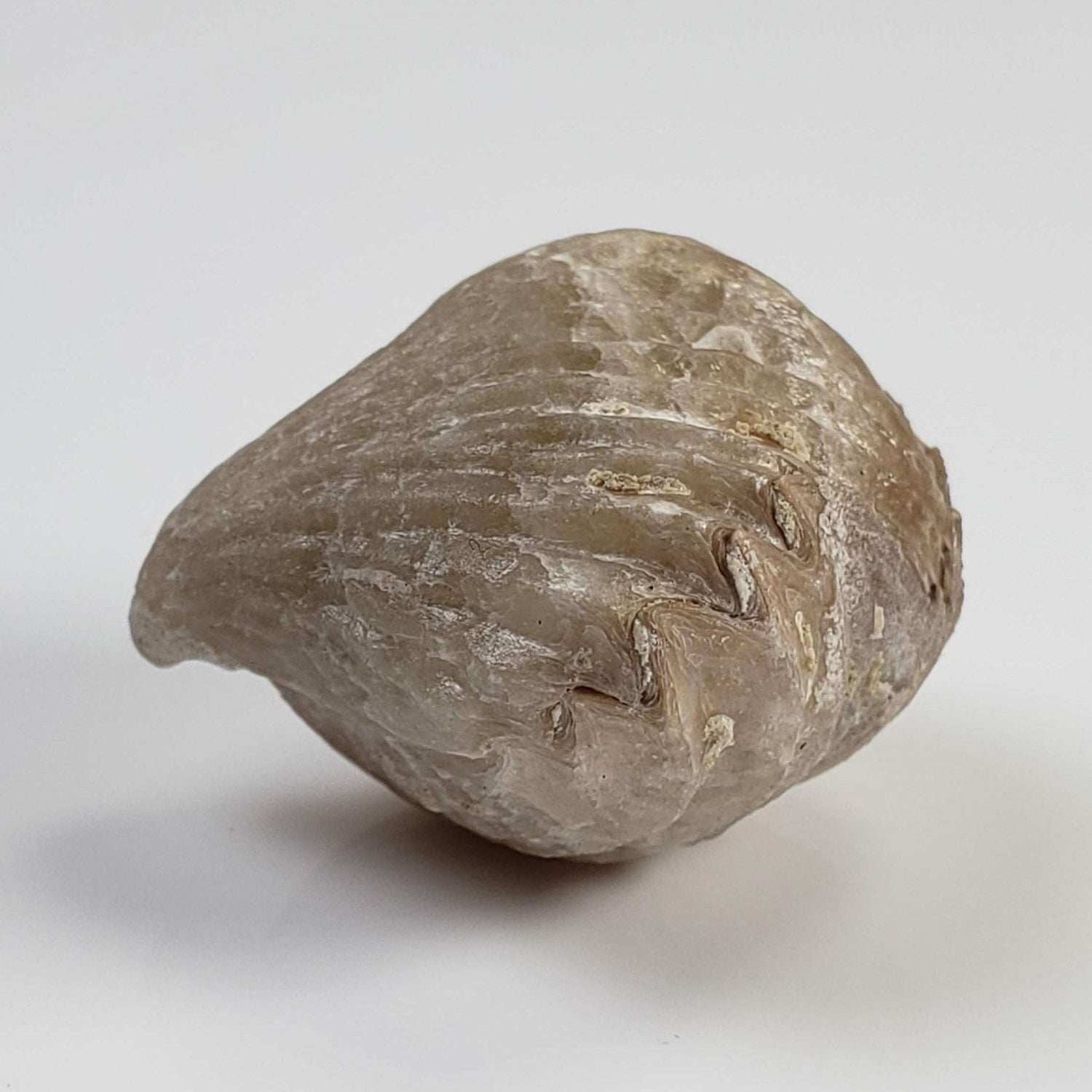
A superb example of fossilized brachiopod from Wapienno, Polanda. The high degree of preservation of the shell makes it much more special. These long articulate brachiopods are characterized by a triangular shell with a spherical profile, powerful ribs, a curved hinge line and a small umbo. The anterior margin shows a tongue like projection. Like most brachiopods, Rhynchonella was a stationary epifaunal suspension feeder.
Name: Rynchonella sp. Brachiopod
Age: Jurassic
Location: Wapienno, Poland
Dimensions: 28x24x18 mm / 1.1x0.9x0.7 inches
Weight: 12.7 grams / 0.45 oz
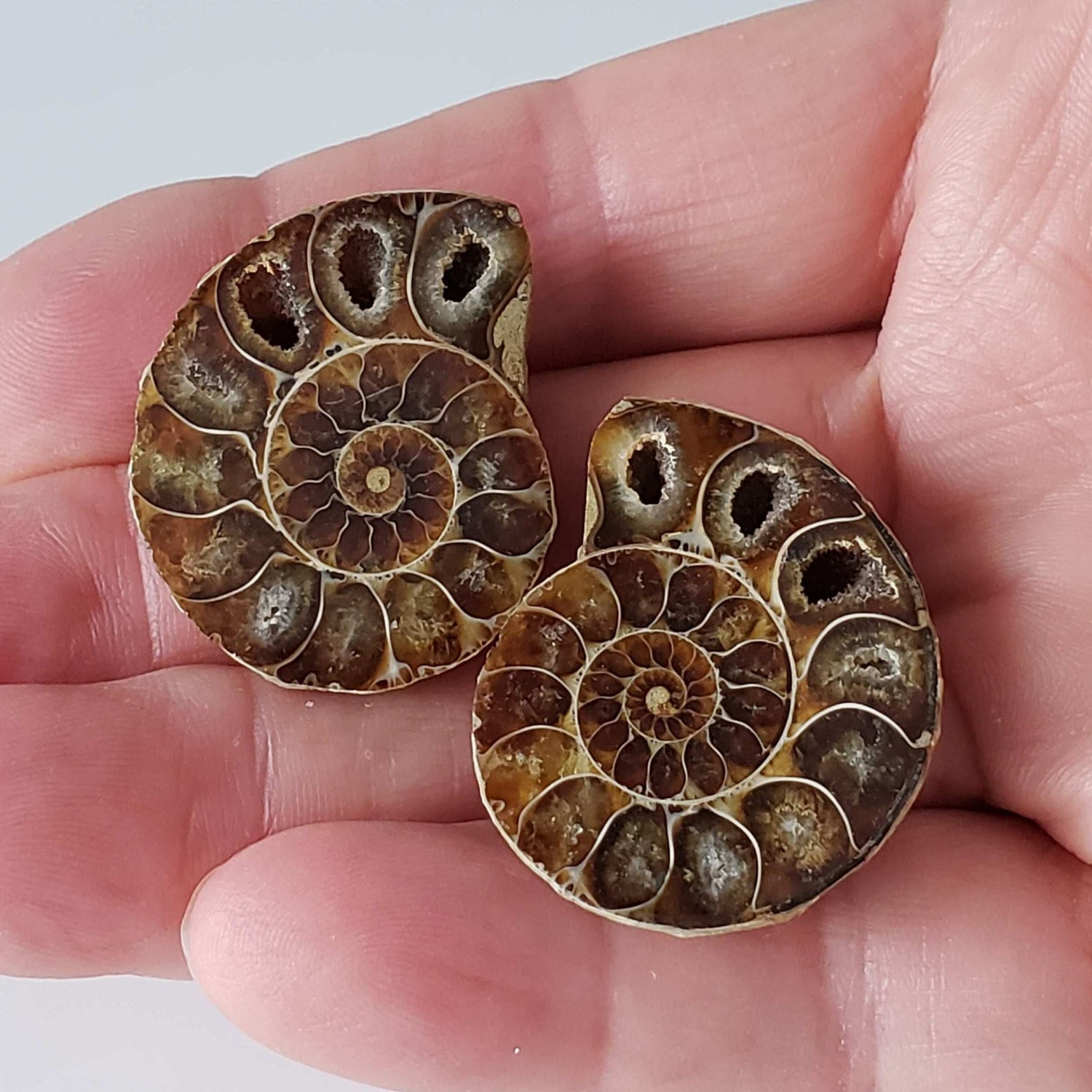
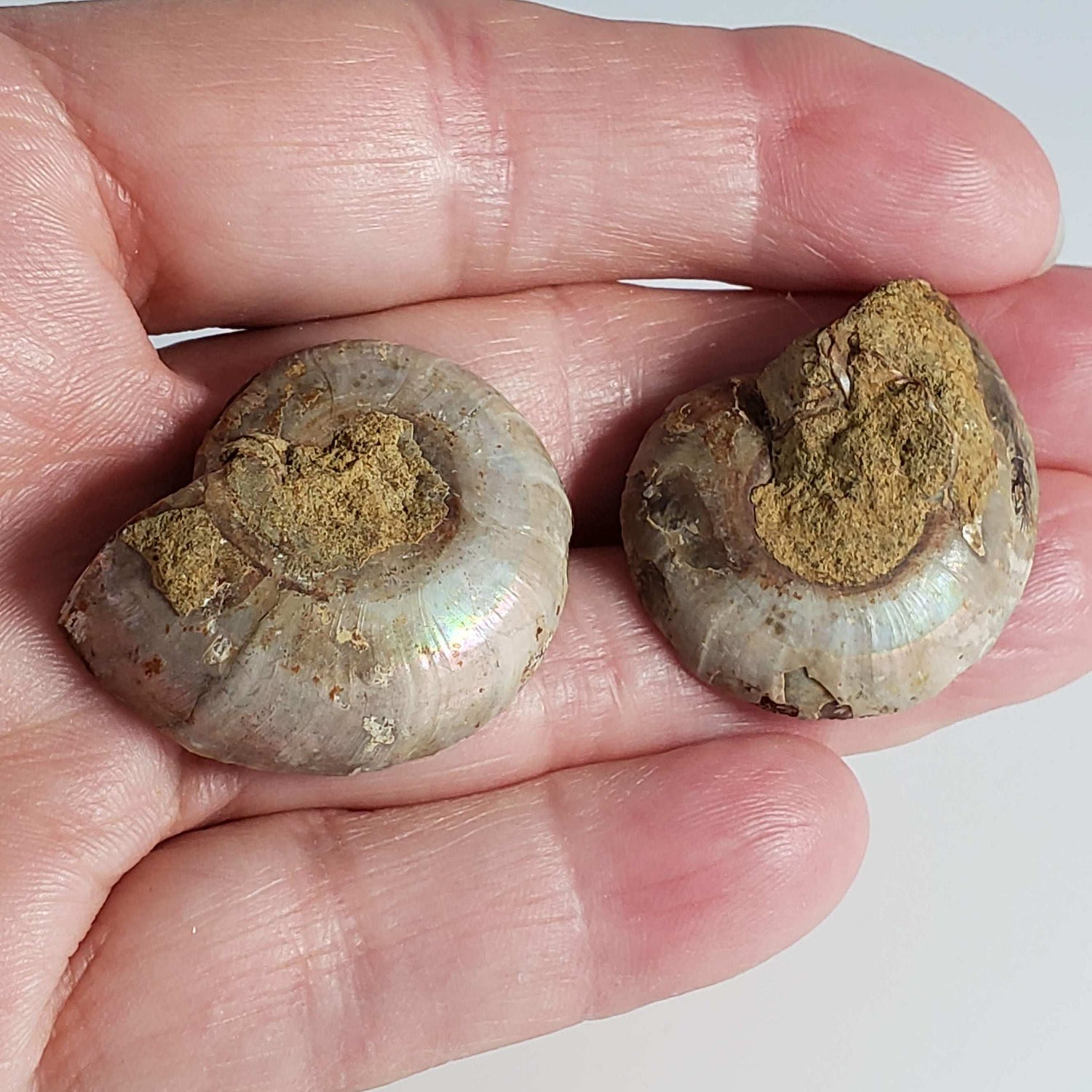
You will receive the exact matching iridescent ammonite halves pictured here. They measure 34x26mm.
This is a perfectly fossilized and highly polished natural Ammonite from Morocco, which is perfect for gift giving to a new fossil collector. Ammonites are perhaps the most widely known fossil, possessing the typically ribbed spiral-form shell. These creatures lived in the seas between 240 - 65 million years ago, when they became extinct along with the dinosaurs. They belong to a group of predators known as cephalopods, which includes their living relatives the octopus, squid, cuttlefish and nautilus. It is probably going to be one of the rarest collection item you'll ever own. These are perfect if you make jewelry and similar crafts or as a fossil collection item.


This is a nice fossilized, highly polished natural Ammonite in brown marble from Morocco, it is perfect for gift giving to a new fossil collector. This Ammonite weighs 20 grams in weight and measures 48x39x7 mm. Ammonites are perhaps the most widely known fossil, possessing the typically ribbed spiral-form shell. These creatures lived in the seas between 240 - 65 million years ago, when they became extinct along with the dinosaurs. They belong to a group of predators known as cephalopods, which includes their living relatives the octopus, squid, cuttlefish and nautilus. This fossil would be excellent for jewelry making.


These are perfectly fossilized and highly polished natural Ammonites from Morocco, which are perfect for gift giving to a new fossil collector. Ammonites are perhaps the most widely known fossil, possessing the typically ribbed spiral-form shell. These creatures lived in the seas between 240 - 65 million years ago, when they became extinct along with the dinosaurs. They belong to a group of predators known as cephalopods, which includes their living relatives the octopus, squid, cuttlefish and nautilus. It is probably going to be one of the rarest collection item you'll ever own. These are perfect if you make jewelry and similar crafts or as a fossil collection item.
You will receive the exact Ammonite pictured for the item number you choose.
Details of the Ammonites are as follows:
A - 38x31 mm / 30.7 Grams
B - 38x29 mm / 28.6 Grams
C - 40x32 mm / 18.4 Grams
D - 38x31 mm / 28.8 Grams
E - 38x33 mm / 28.2 Grams
F - 38x27 mm / 36.5 Grams
G - 38x30 mm / 17.5 Grams
H - 39x33 mm / 23.8 Grams
J - 40x32 mm / 32.9 Grams


These are perfectly fossilized and highly polished natural Ammonites from Morocco, which are perfect for gift giving to a new fossil collector. Ammonites are perhaps the most widely known fossil, possessing the typically ribbed spiral-form shell. These creatures lived in the seas between 240 - 65 million years ago, when they became extinct along with the dinosaurs. They belong to a group of predators known as cephalopods, which includes their living relatives the octopus, squid, cuttlefish and nautilus. It is probably going to be one of the rarest collection item you'll ever own. These are perfect if you make jewelry and similar crafts or as a fossil collection item.
You will receive the exact Ammonite pictured for the item number you choose.
Details of the available Ammonites are as follows:
A - 35x28 mm / 20 Grams
B - 35x28 mm / 23.7 Grams
C - 35x29 mm / 23.2 Grams
D - 35x30 mm / 25 Grams
E - 35x28 mm / 24.6 Grams
F - 35x29 mm / 26.2 Grams
G - 35x27 mm / 23.6 Grams
H - 35x30 mm / 14 Grams
J - 35x30 mm / 19.5 Grams


These are perfectly fossilized and highly polished natural Ammonites from Morocco, which are perfect for gift giving to a new fossil collector. Ammonites are perhaps the most widely known fossil, possessing the typically ribbed spiral-form shell. These creatures lived in the seas between 240 - 65 million years ago, when they became extinct along with the dinosaurs. They belong to a group of predators known as cephalopods, which includes their living relatives the octopus, squid, cuttlefish and nautilus. It is probably going to be one of the rarest collection item you'll ever own. These are perfect if you make jewelry and similar crafts or as a fossil collection item.
You will receive the exact Ammonite pictured for the item number you choose.
Details of the Ammonites are as follows:
A - 33x27 mm / 18.4 Grams
B - 32x24 mm / 13.8 Grams
C - 34x26 mm / 19.4 Grams
D - 33x26 mm /15.3 Grams
E - 34x28 mm / 22.3 Grams
F - 34x27 mm / 19.3 Grams
G - 34x26 mm / 12.4 Grams
H - 34x28 mm / 22.6 Grams
J - 33x27 mm / 18.4 Grams


You will receive 1 Orthoceras cabochon. Each Orthoceras is beautiful and unique, variations in size, shape and color should be expected. Note the specimen shown in the photo represents a small selection of what we have in stock, the size, shape and color of the specimen we send will vary.
Here we have for you a nice fossilized highly polished natural Orthoceras from Morocco which is perfect for gift giving to a new fossil collector. Orthoceras ("straight horn") is a genus of extinct cephalopod. This genus is sometimes called Orthoceratites. Note it is sometimes misspelled as Orthocera, Orthocerus or Orthoceros. Orthoceras are common fossils and have been found on many continents,including the Americas, Africa, Europe and Asia. They are dated to the lower Ordovician to Triassic ages (500 to 190 millions years ago). They belong to a group of predators known as cephalopods, which includes their living relatives the octopus, squid, cuttlefish and nautilus.
These are priced as an entry level fossil. This item has been listed in bulk with pictures providing a great example of what you will receive. Sizes varies between 30 to 55 mm long by 10 to 30 mm wide.
These fossils would be excellent for jewelry making.
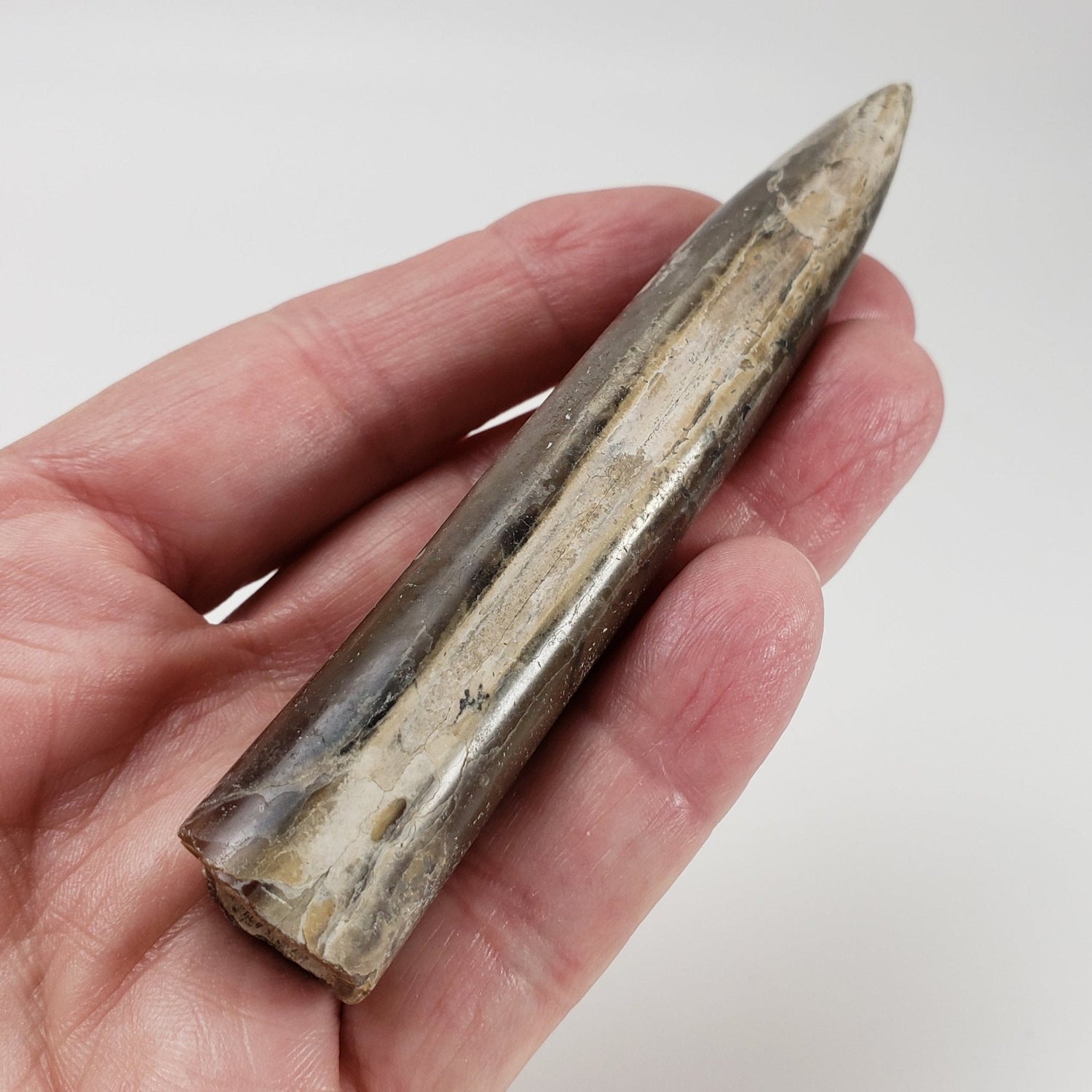
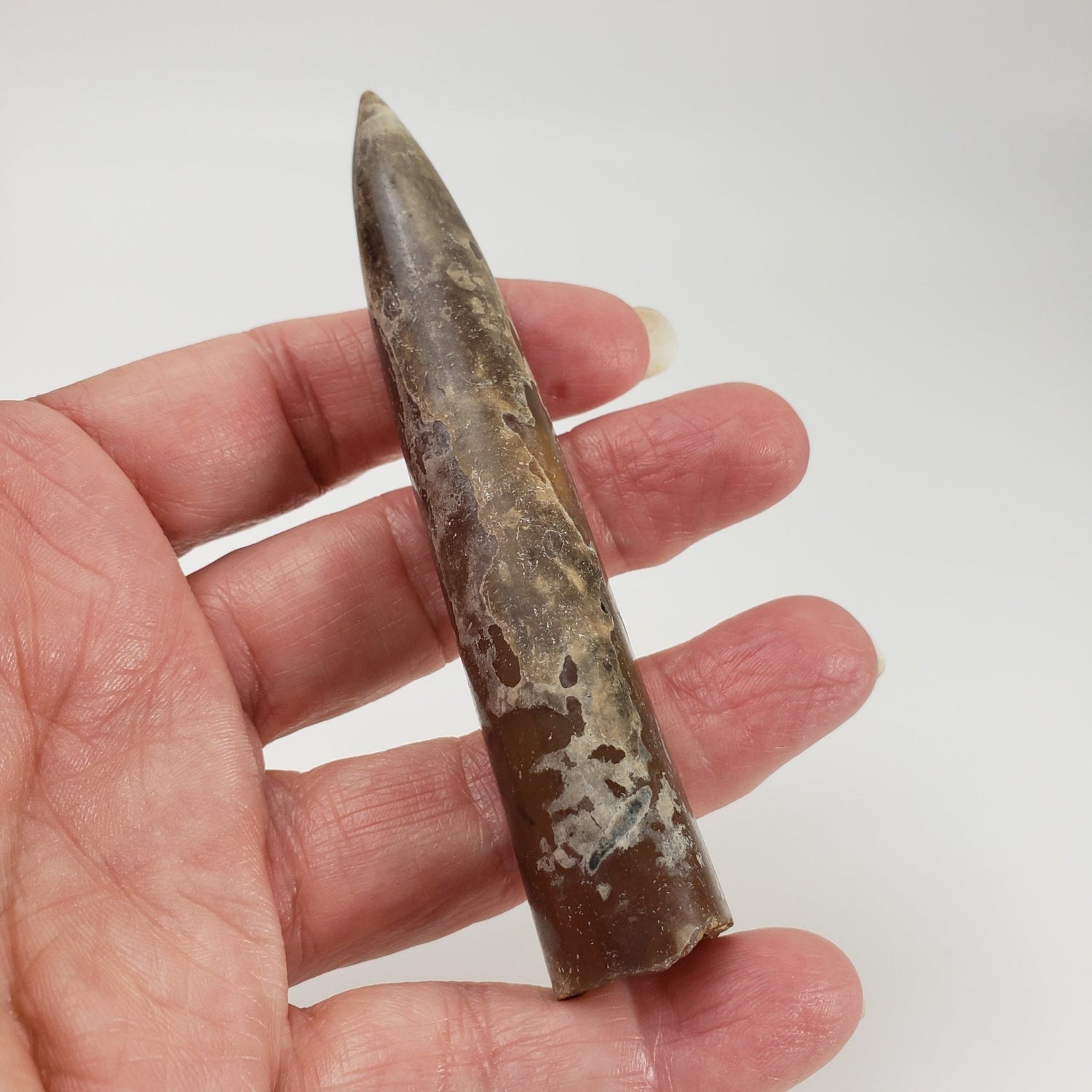
The belemnites are a monophyletic group of superorder status, called the Belemnoidea. There are four orders . The belemnites evolved from nautiloids, which are the basal group of cephalopods. Well-formed belemnite guards can be found in rocks dating from the Mississippian (or Lower Carboniferous).
The belemnites on offer are of Cylindroteuthis and Pachyteuthis genus. They date from the Callovian era. In the geologic timescale, the Callovian is an age and stage in the Middle Jurassic and It is the last stage of the Middle Jurassic, following the Bathonian and preceding the Oxfordian. They were found in Mikhailov, Ryazan region. Russia.
Cylindroteuthis is a common find from several Jurassic formations. The most commonly preserved part of the animal is its guard, or rostrum, which was composed of calcite. The guard housed a phragmacone, which allowed Cylindroteuthis to maintain buoyancy in water. Some better-preserved specimens have features similar to modern squid, such as ten arm-like appendages and an ink sac, intact.
Pachyteuthis is a genus of belemnite that lived from the Early Jurassic to the Early Cretaceous and has been found in Asia, Europe and North America. The type species is P. densus.
Name: Cylindroteuthis
Age: Middle Jurassic
Location: Ryazan region, Russia
Dimensions: 87 - 112 mm / 3.4 - 4.4 inches


You will receive 1 of the pictured Ammonite halves. These are perfectly fossilized and highly polished natural Ammonites from Morocco. They are a perfect for gift for a new fossil collector. Ammonites are perhaps the most widely known fossil, possessing the typically ribbed spiral-form shell. These creatures lived in the seas between 240 - 65 million years ago, when they became extinct along with the dinosaurs. They belong to a group of predators known as cephalopods, which includes their living relatives the octopus, squid, cuttlefish and nautilus. These are perfect if you make jewelry and similar crafts or as a fossil collection item. They average between 33and 38 mm in length.

Canagem is proud to be professional member of The International Gem Society(IGS) the world's top resource for gem professionals, enthusiasts, and industry content.