



1573 products
Sort by:
1573 products


Product Type: Iolite
Approx Weight (per piece): 0.035ct
Size: 2mm
Shape: Round Cut
Color: Blue Purple
Clarity: VSI (Very Slightly Included)
Origin: Madagascar
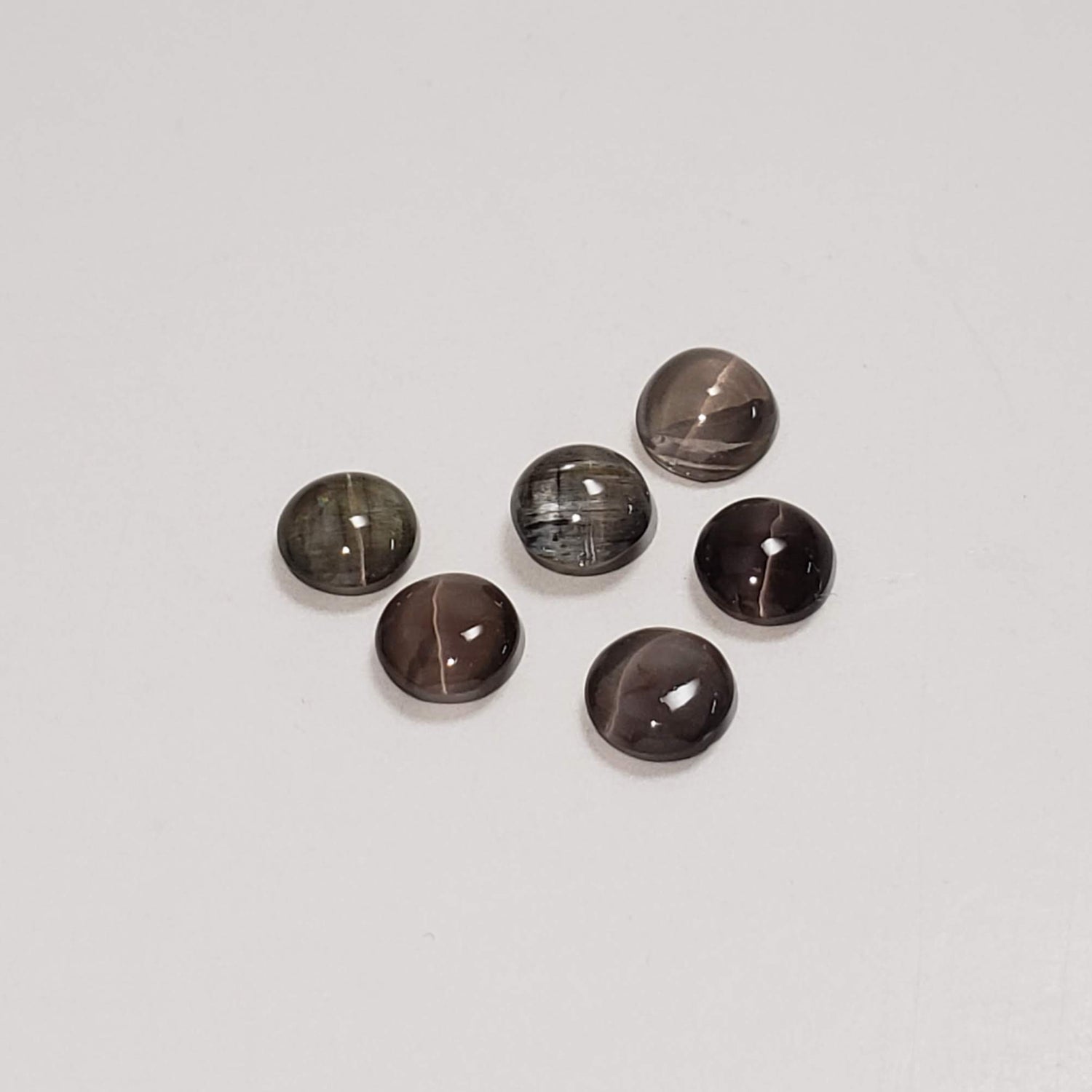
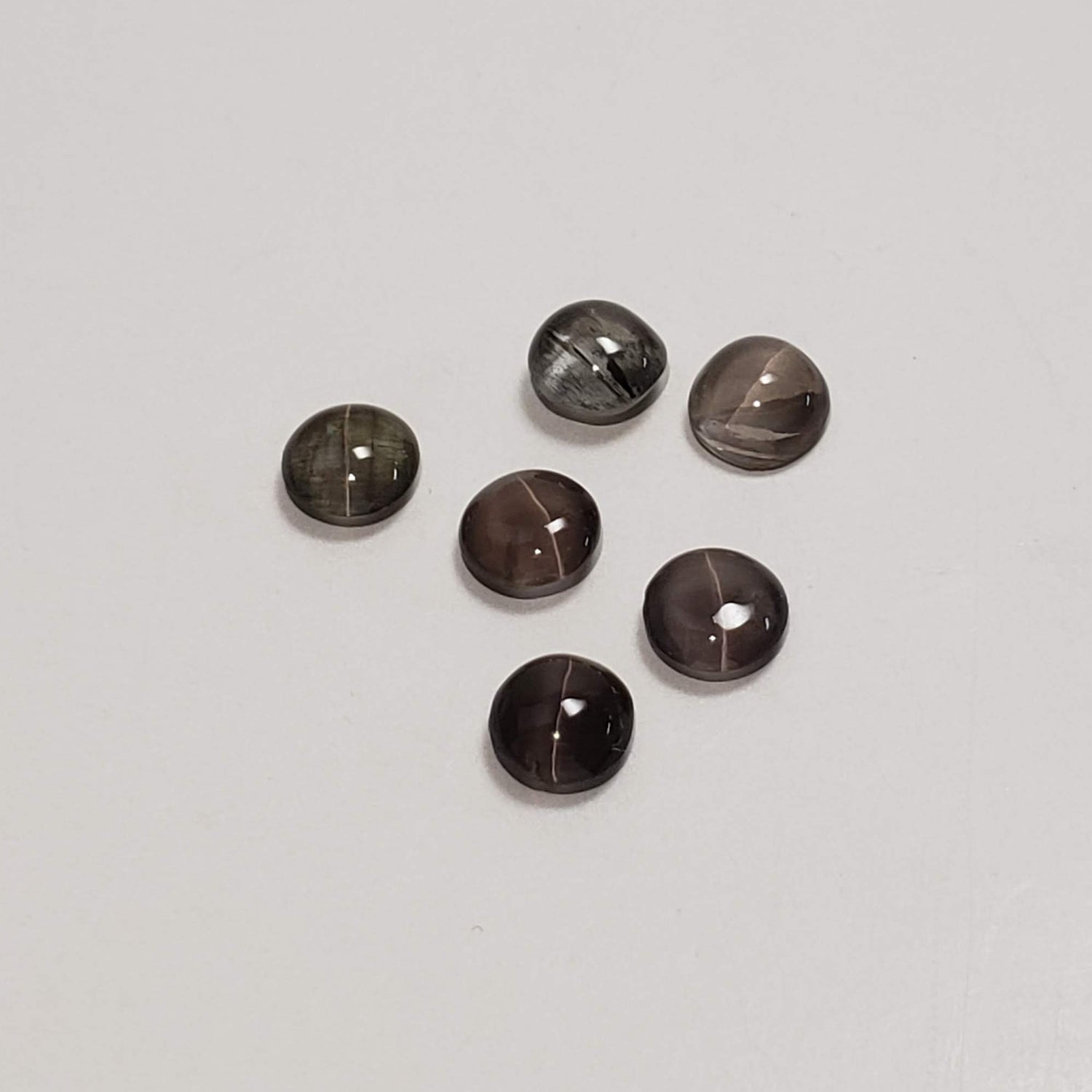
Product Type: Titanium Sillimanite Cats Eye - 6 Piece Lot
Approx Weight (per lot): 5.2tcw
Size: 5.7-6mm
Shape: Round Cabochon
Color: Titanium Gray
Clarity: Transparent (Super Sharp Cats Eye)
Origin: Orissa, India
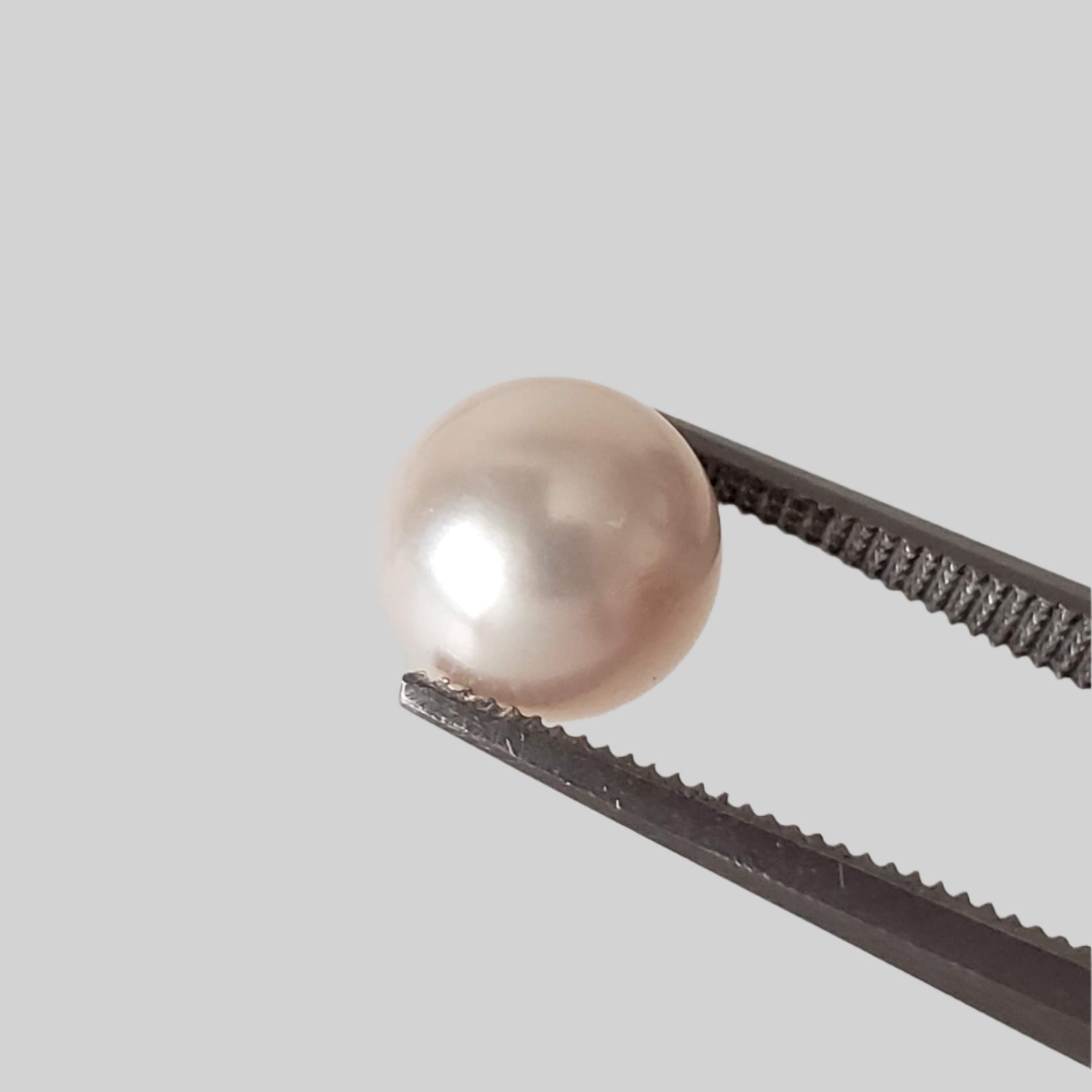
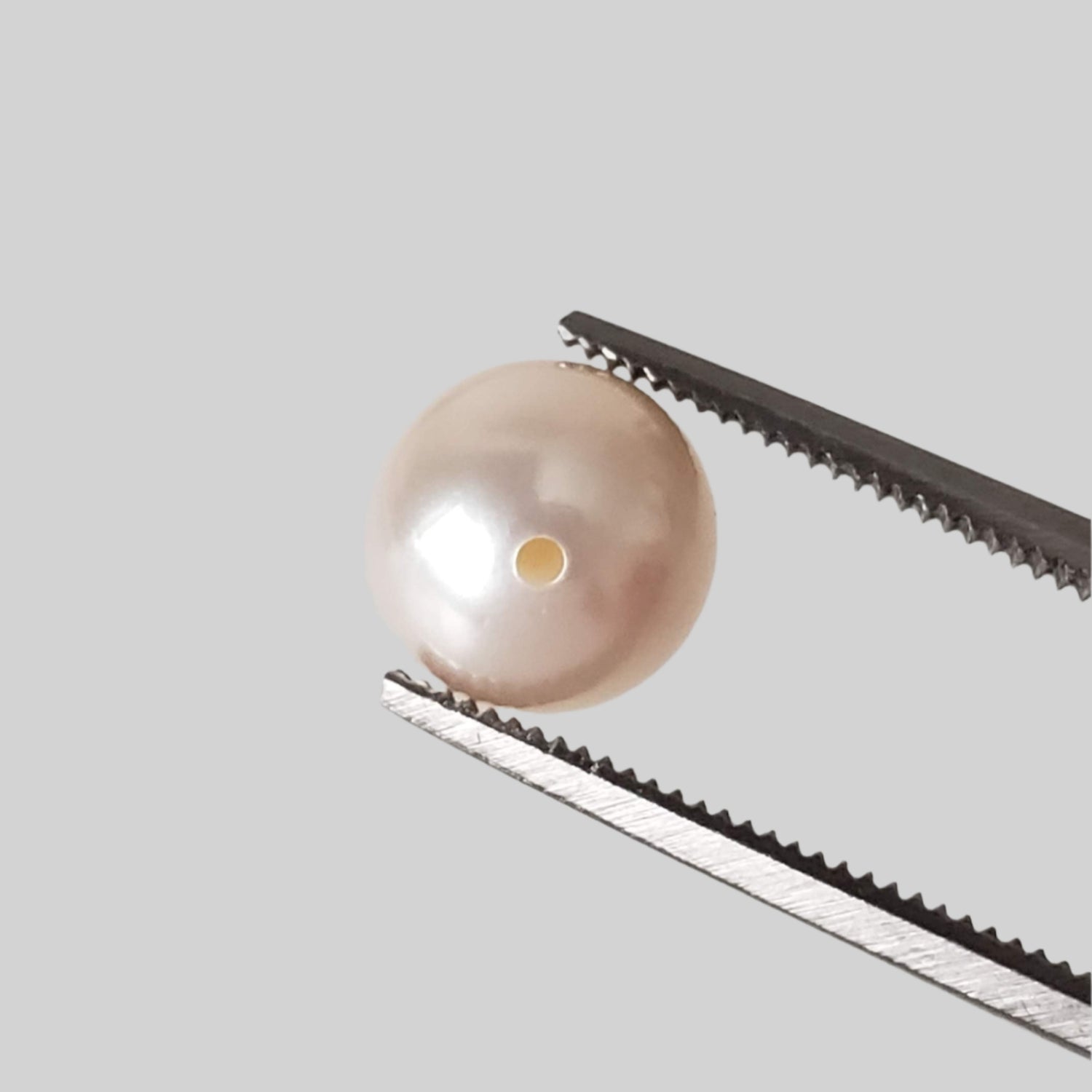
Product Type: Akoya Pearl
Size: 7.5mm (3.13 to 3.23ct)
Shape: Perfect Round
Color: White (Perfect Luster - Natural Color)
Origin: Japan
White Akoya pearls are considered the epitome of classic elegance and are often what people envision when they think of traditional pearls. Cultured in the Pinctada fucata oyster—primarily in Japan and to a lesser extent in China—Akoya pearls are celebrated for their exceptional luster and symmetry.
These pearls are typically perfectly round or near-round, with a smooth surface and a bright, mirror-like shine. Their color is usually white or cream, often enhanced by delicate overtones of rose, silver, or ivory. Akoya pearls generally range in size from 5 mm to 9 mm, though rare specimens can reach up to 10 or even 10.5 mm. The combination of their round shape, sharp luster, and classic color makes perfect round white Akoya pearls especially prized for necklaces, earrings, and bridal jewelry.
Comes with a certificate of authenticity.


Product Type: Akoya Pearl (South Sea Color)
Size: 7.7mm (3.50ct)
Shape: Round Half Drilled (Imperfect)
Color: Black, Opaque, Natural Luster
Origin: Japan
Black Akoya pearls are a variety of cultured pearls grown in the Pinctada fucata oyster, primarily in Japan and China. Known for their deep, rich hues—ranging from charcoal and black to shades of blue, green, or silver—these pearls are not naturally dark but are treated through dyeing or irradiation to achieve their striking coloration.
Despite this enhancement, they retain the signature high luster and mirror-like shine that make Akoya pearls so prized. Typically ranging in size from 6 to 9 mm, with occasional specimens reaching 10 mm, black Akoya pearls offer a sophisticated twist on the classic pearl look. Their round shape and intense shine give them a dramatic edge.
Comes with a certificate of authenticity.


Aegirine, also known as acmite, is a rare and stunning black mineral. It is found in many locations around the world, and this outstanding specimen comes from the Poudrette Quarry at Mount Saint Hilaire, where it is often found in association with Microcline.
Aegirine is usually black, greenish-black, or brownish-black in color and has a glassy or vitreous luster. It has a hardness of 6 to 6.5 on the Mohs scale, which means it is relatively hard and durable. Aegirine is also known for its straight, needle-like crystals that can grow up to several centimeters in length.
Microcline, a member of the feldspar mineral family, is known for its beautiful color variations and distinctive twinning patterns. When paired with Aegirine, the result is a striking and eye-catching contrast of colors.
Aegirine is believed to have properties associated with protection, energy balancing, and spiritual growth. Microcline, being a feldspar, is often linked to creativity and intuition. The combination of these minerals is thought to enhance their individual metaphysical properties.
This Aegirine on Microcline crystal is the perfect combination for those looking for a unique and beautiful addition to their mineral collection!
Name: Aegirine on Microcline
Specimen Size: Miniature-Sized
Dimensions: 55x47x37 mm / 2.2x1.8x1.5 inches
Weight: 80.4 Grams / 2.8 Ounces
Origin: Mined in Poudrette Quarry, Mont-Saint-Hilaire, Québec, Canada


Thuathe Meteorite | 8.29 gr | Full Slice | H4-5 Chondrite | Observed Fall | Lesotho
This is a great looking complete slice of the Thuathe H4-5 classified meteorite. It weighs 8.29 grams and measures 36x30x4 mm.
A meteorite travelling east to west exploded over Lesotho producing an elliptical strewn field extending 7.4 by 1.9 km (bearing: ~276°) on the westernmost lobe of the Thuathe (or Berea) Plateau, ~12 km east of the capital city of Maseru.
The explosion was accompanied by an extraordinarily loud, 15 s long noise which was heard over a large (100 km radius) area of Lesotho; the fall was eye-witnessed by several people who reported sightings of dust trails of “sparkling objects” over Lesotho and the southern part of the Free State Province of South Africa. Many villagers of Ha Ralimo, Boqate Ha Majara, and Boqate Ha Sofonia reported falls of stones close to themselves and onto their homes. The estimated total mass of recovered material is ~30 kg, including 418 stones in the 2 g to 2.4 kg mass range for a total of 24.673 kg which were collected and catalogued by A. Ashworth and David P. Ambrose
Most freshly cut slices from several stones show a homogeneous beige to light-grey lithology speckled with abundant and heterogeneously distributed (20% to, in exceptional cases, >50 vol%) metal particles; some are crosscut by dark shock veinlets and show brecciated structure with light grey matrix surrounding lighter colored, well-rounded inclusions; chondrules distinctly recognizable.
Would be a beautiful addition to any new or existing collection. Comes in a protective case, and includes a Mark Bostick Collection and a Canagem® Collection specimen card.
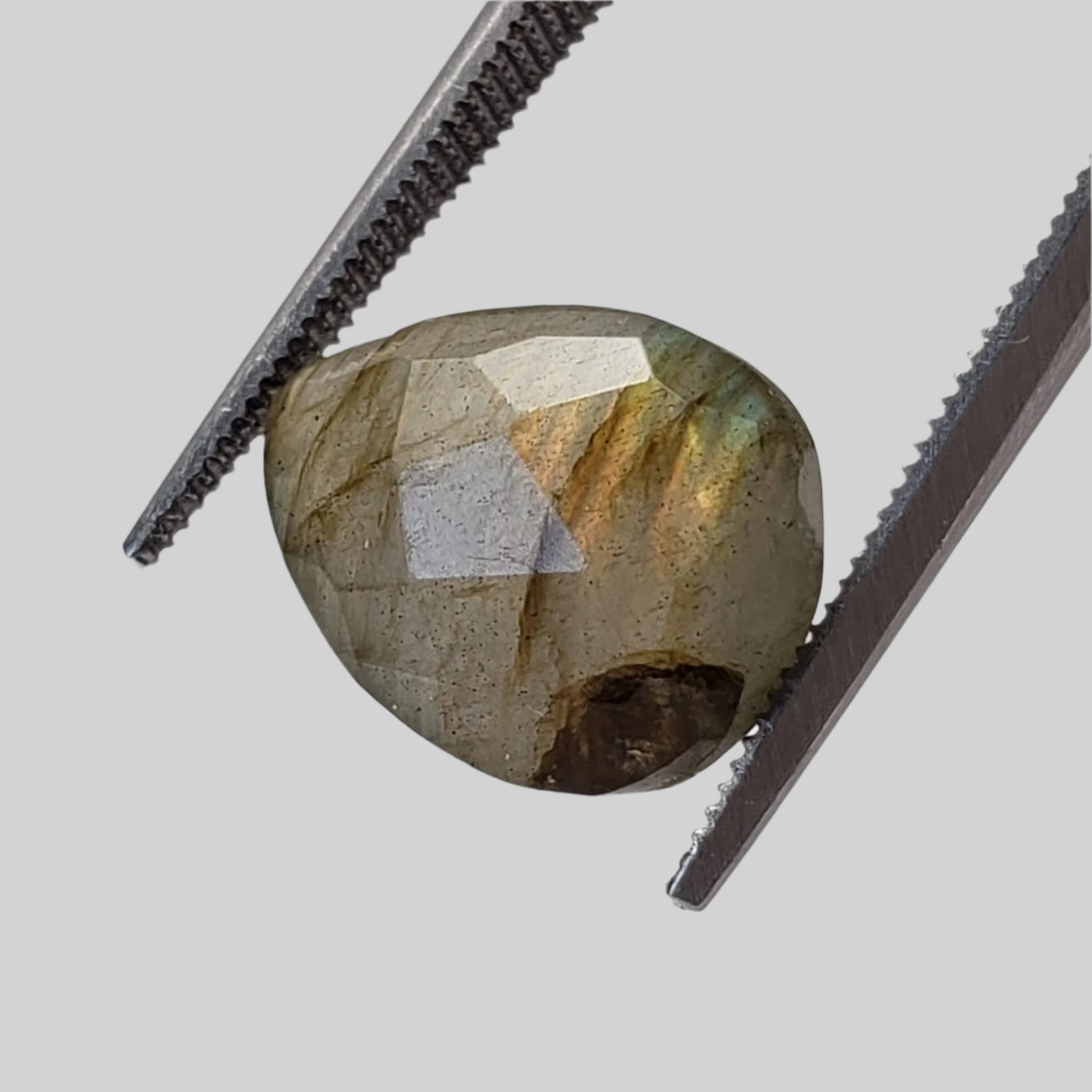
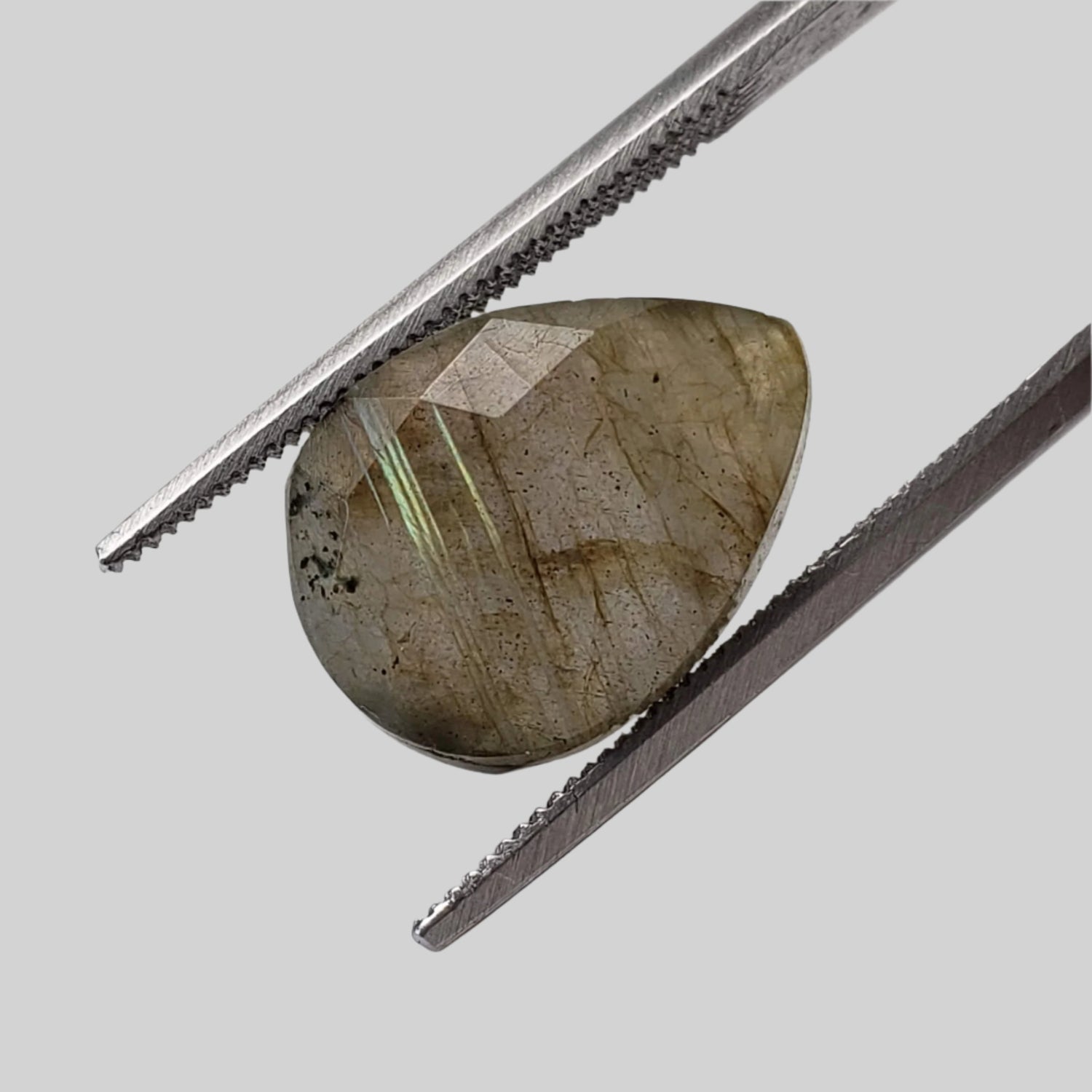
Product Type: Labradorite
Approx Weight (per piece): 5.1ct
Size: 13.5x10mm
Shape: Pear Shape Cut - Faceted on both sides
Color: Gray with Rainbow Luster
Clarity: Transparent
Origin: Africa
Labradorite is an unusual mineral. It can display a beautiful iridescent play of colors, caused by internal fractures in the mineral that reflect light back and forth, dispersing it into different colors. This effect, known as labradorescence, gives Labradorite its appeal and fame.

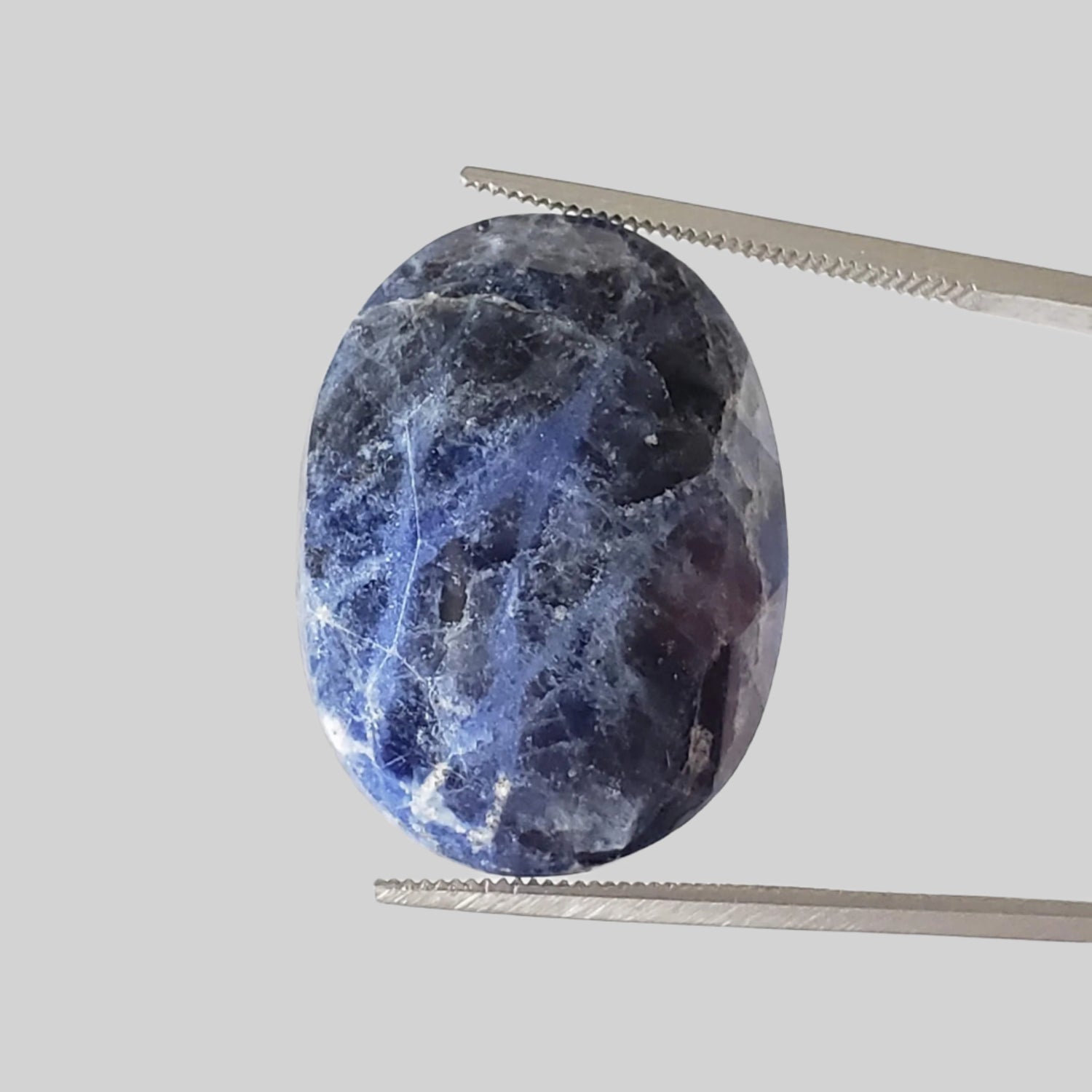
Product Type: Sodalite
Approx Weight (per piece): 16.2ct
Size: 23.3x17.3mm
Shape: Oval Facet Cabochon
Color: Navy Blue with White Patterns
Clarity: Opaque
Origin: Canada
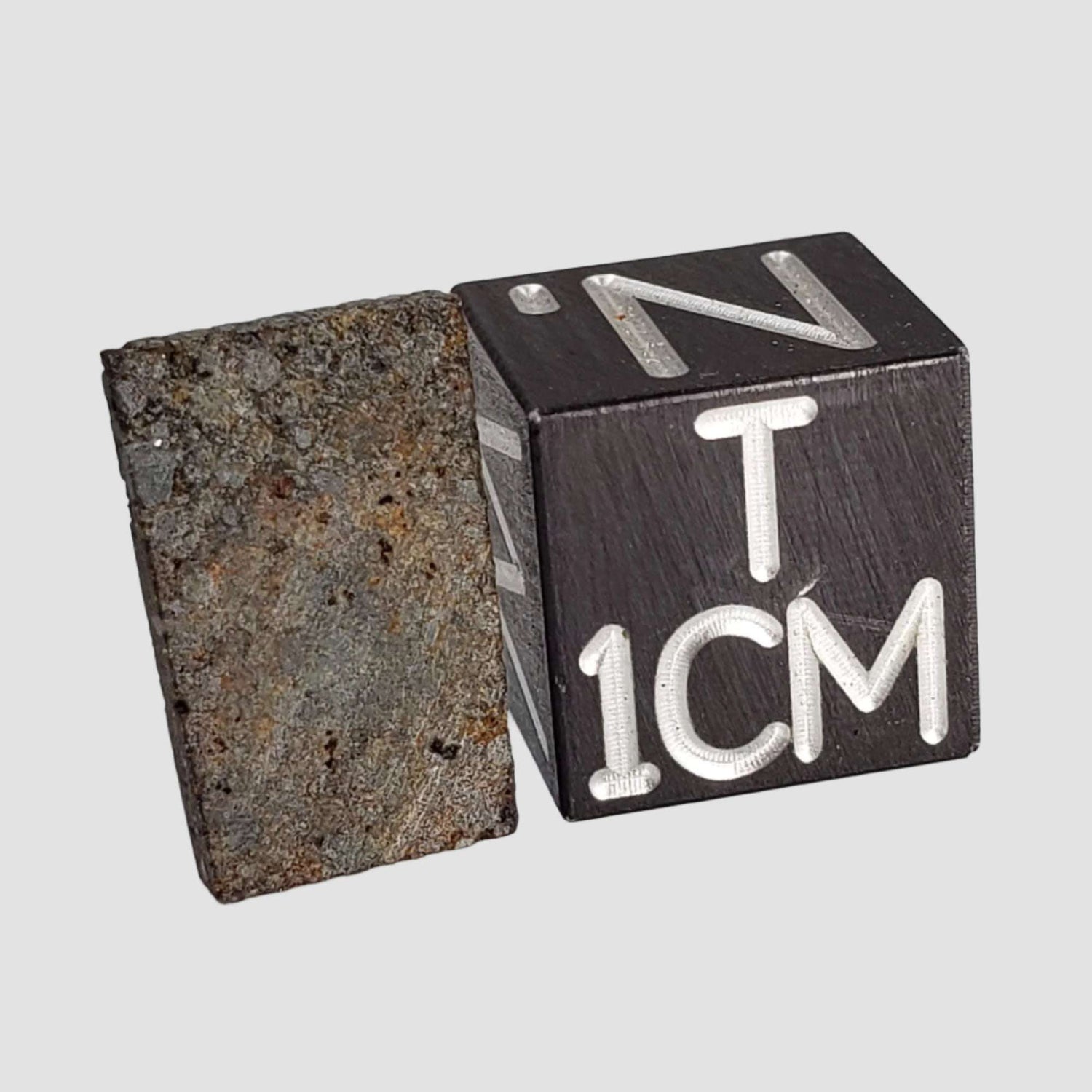

This is a great looking part slice of the Cole Creek H5 Chondrite classified meteorite. The slice weighs 0.45 grams and measures 12x7x1 mm.
A mass of 16.3 kg was found January 1, 1991 by Clay Fowler; it was exposed about two feet below the surface in an old road cut. The cavity from which the stone was removed is covered by a thin layer of undisturbed modern soil, inspection of the find site by V. L. Souders, Institute of Agriculture and Natural Resources, University of Nebraska, Lincoln, Nebraska, USA. Olivine Fa18.5, analysis and classification, A. Brearly, Dept. of Geology and Institute of Meteoritics, University of New Mexico, Albuquerque, New Mexico 87131, USA. Information by A. W. Struempler, Chadron State College, Chadron, Nebraska 69337, USA, where also the main mass is located.
The specimen comes with a BA-Meteorites.de.vu and a Canagem specimen card plus a professional metal label. Would be a beautiful addition to any new or existing collection.
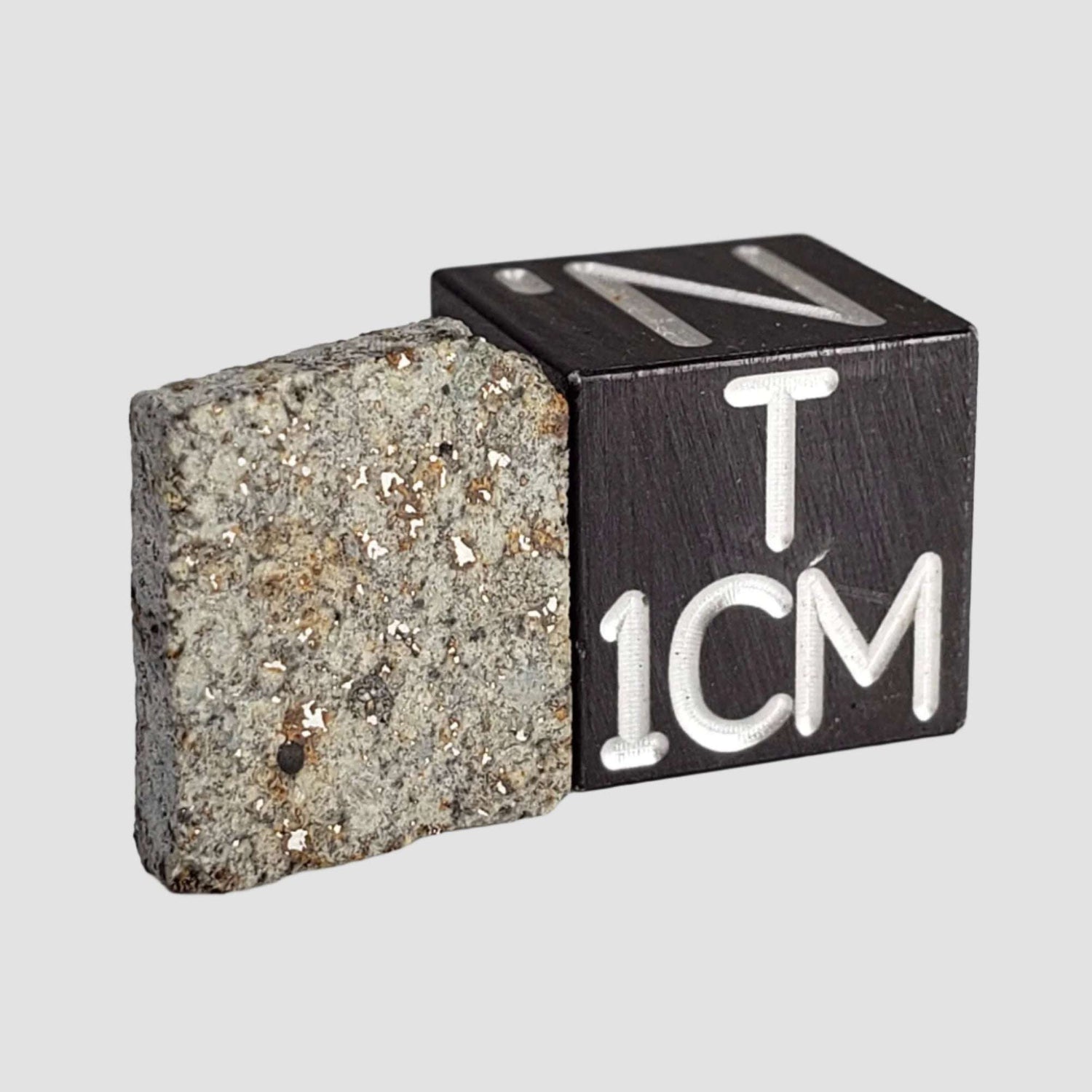

This is a great looking part slice of the Kabo H4 classified meteorite. It weighs 0.75 grams and measures 11x9x2 mm. The Kabo meteorite fell on April 25, 1971, at about 4:30 p.m. local time (1530 GMT), in Kabo, Gwarzo District, Kano State, Nigeria. The total known weight of the meteorite is 13.4 kg.
The shower occurred on a Sunday afternoon while farmers were in their fields. Sound directions and crater asymmetry indicated that the meteorite approached from the west. "Thunder-like sounds were heard consecutively and these were followed by the inclined descent of a reddish object with trails of cloudy smoke following it". During the following week the District Head collected the specimens and forwarded them to the Emir of Kano. One specimen was recovered in two pieces of about 3 kg each, one stone weighed over 5 kg, one almost 3 kg, and the smallest 0.9 kg.
The specimen comes with a Michael Cottingham Collection and a Canagem Collection specimen card. Would be a beautiful addition to any new or existing collection.

Canagem is proud to be professional member of The International Gem Society(IGS) the world's top resource for gem professionals, enthusiasts, and industry content.