



1573 products
Sort by:
1573 products
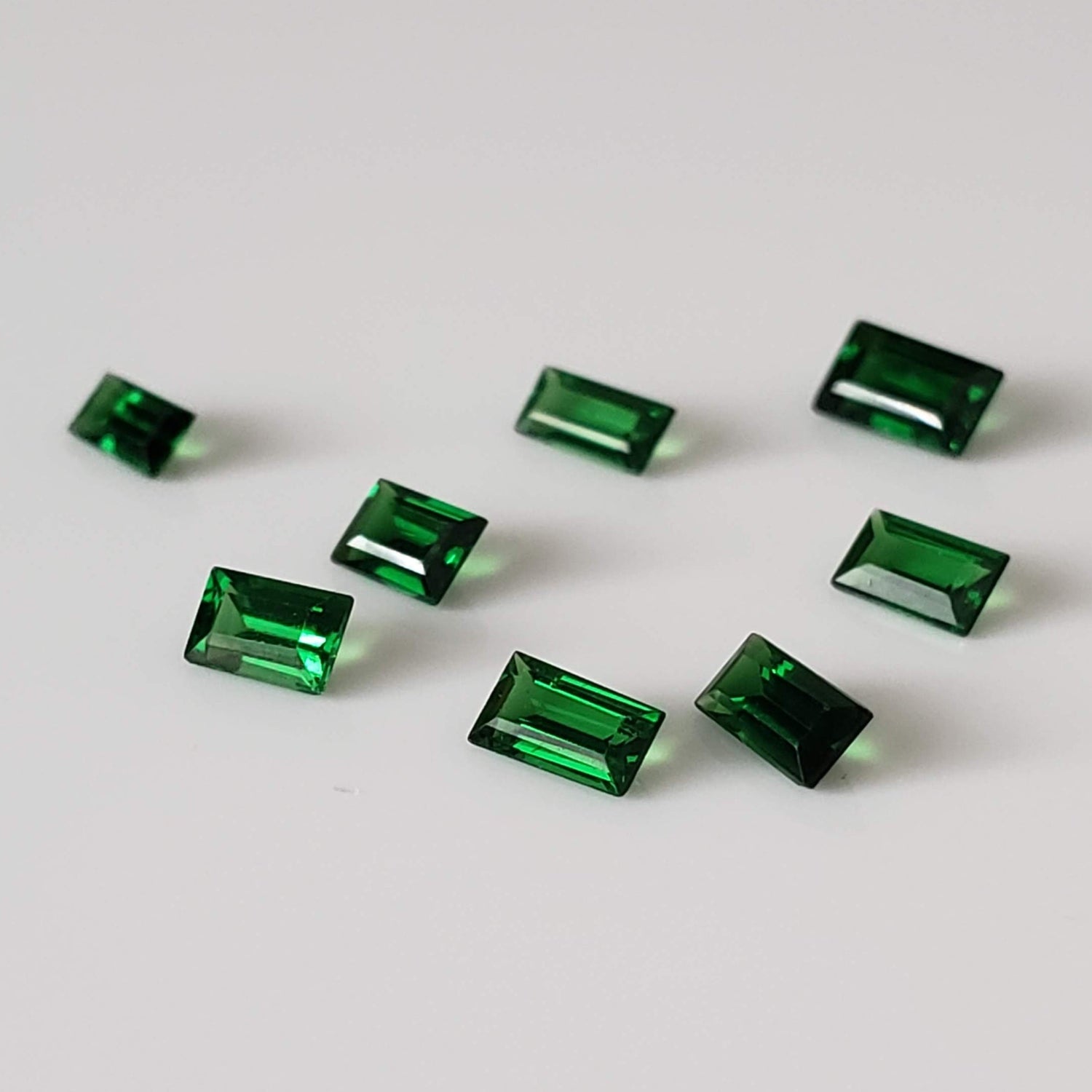
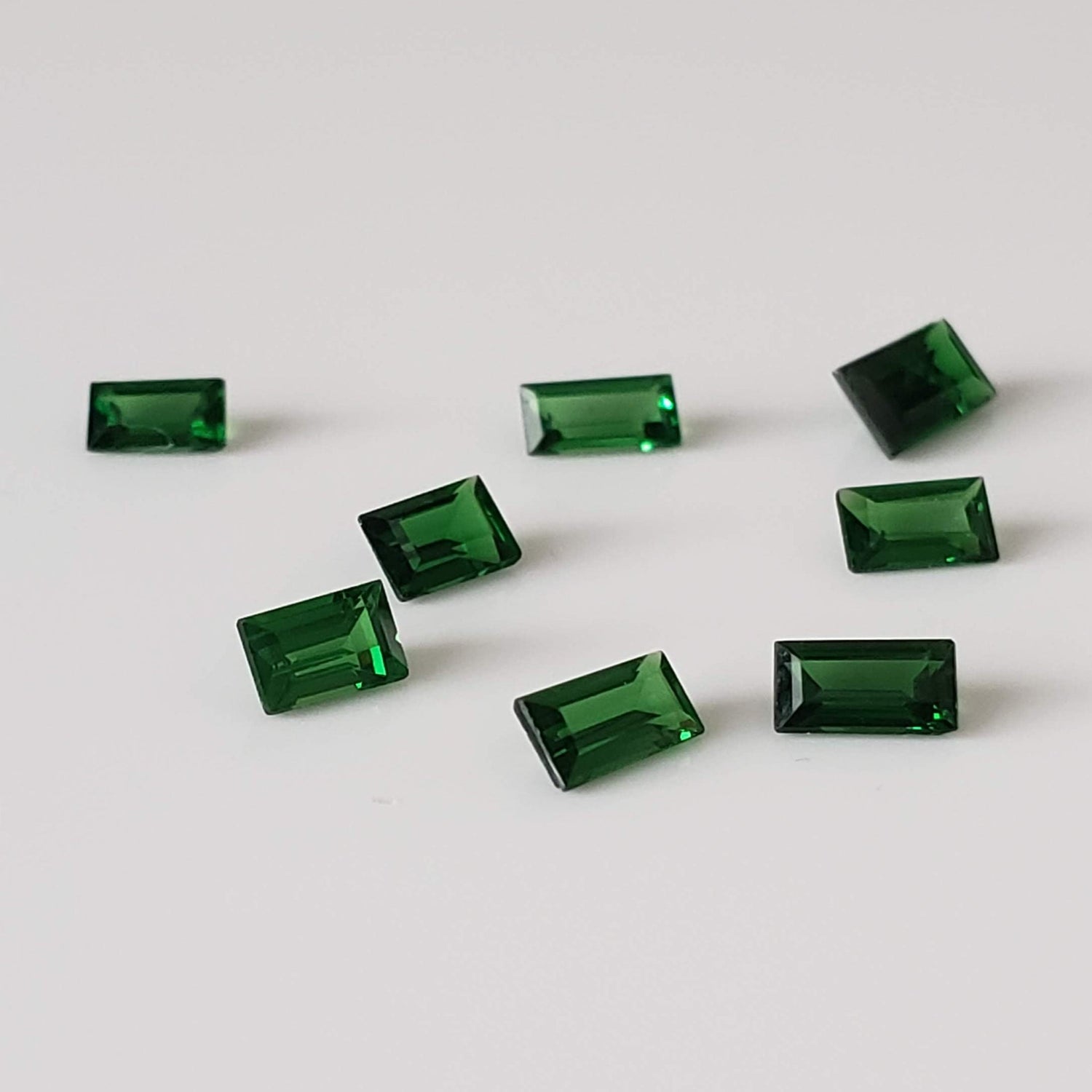
Product Type: Tsavorite (8 piece lot)
Approx Weight (per lot): 1.05tcw
Size: 3.3x1.8 to 4.0x2.5mm
Shape: Baguette Cut
Color: Rich Emerald Green
Clarity: Clean
Origin: Africa
Treatment: None
Tsavorite is a variety of the garnet family, specifically a green grossular garnet. Its color ranges from a vivid green to an intense greenish-blue. Tsavorite was first discovered in the 1960s in Tanzania and was later found in Kenya. Due to its scarcity, it is considered one of the rarest and most valuable garnets.
Tsavorite is relatively durable with a hardness of 7 to 7.5 on the Mohs scale. This makes it suitable for various types of jewelry, though care should be taken to avoid exposure to extreme heat or harsh chemicals.
Tsavorite is associated with prosperity, abundance, and vitality. Some consider it a stone of growth and regeneration, both in the physical and spiritual sense.


Product Type: Sapphire
Approx Weight (per piece): 0.8ct
Size: 5.7x4.7mm
Shape: Oval Cut
Color: Purple
Clarity: Clean
Origin: Africa


Product Name: Kunzite
Approx Weight (per piece): 8.6ct
Size: 11.6x10.9x9.8mm
Shape: Oval Cut
Color: Pink
Clarity: Clean
Origin: Afghanistan
Treatment: None


This is a lustrous diopside crystal with many emerald-green chrome-bearing grossular crystals. It was found in Orford Nickel mine, St-Denis-de-Brompton, Le Val-Saint-François RCM, Estrie, Québec, Canada, which is famous for excellent specimens of diopside, green grossular (chrome-bearing), orange grossular and millerite.
This is a very showy specimen that will display very well within your collection.
Name: Diopside with Grossular Crystal Cluster
Specimen Size: Miniature-Sized
Dimensions: 38x24x13 mm / 1.5x0.9x0.5 inches
Weight: 13.66 grams / 0.5 Ounces
Origin: Mined at Orford Nickel mine, St-Denis-de-Brompton, Le Val-Saint-François RCM, Estrie, Québec, Canada

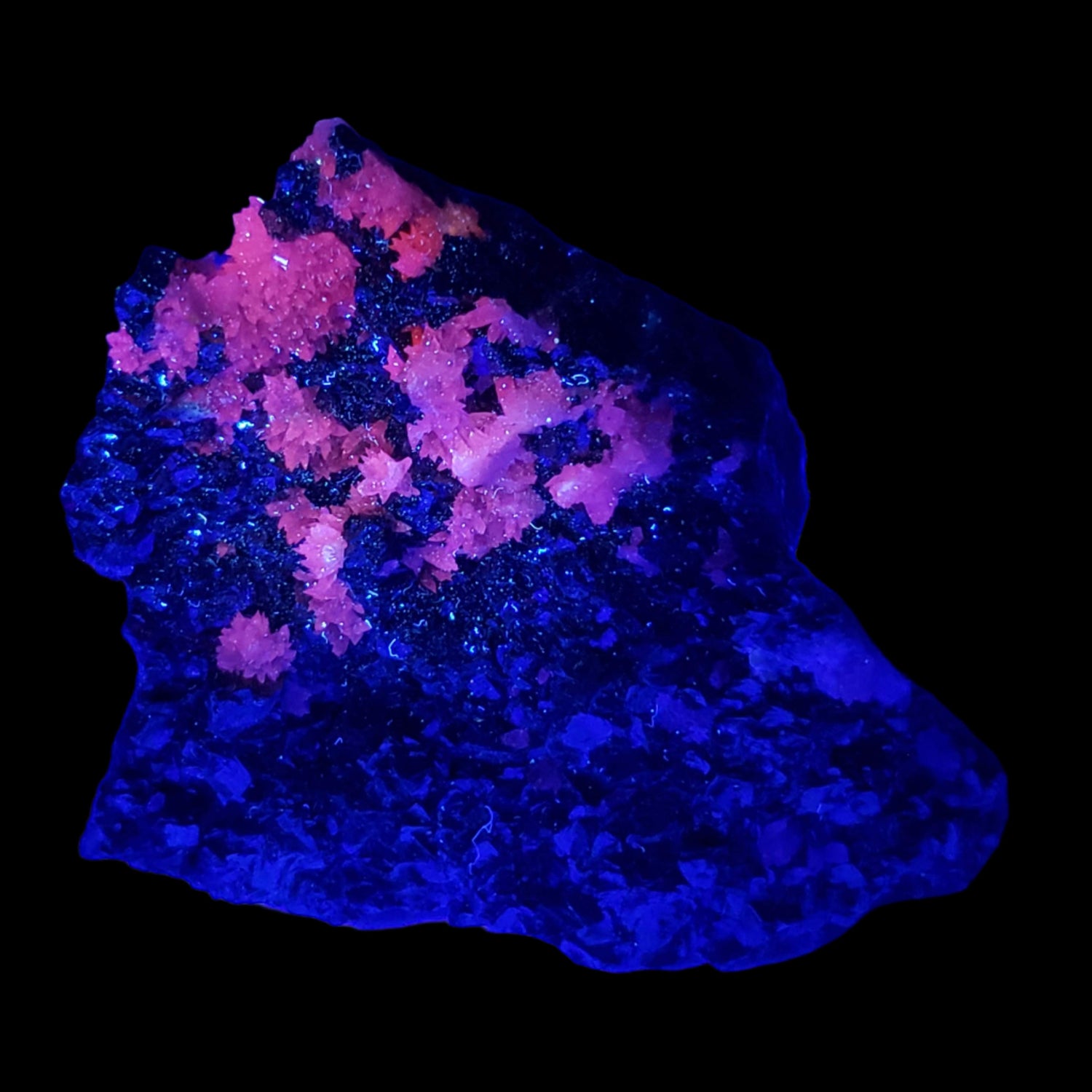
This is a beautiful self standing cluster of marcasite crystals from the N’Chwaning II Mine, Kuruman, South Africa. The front of the specimen is covered with many sharp semi-iridescent marcasite crystals. There are also some small calcite crystals, which are fluorescent under UV light.. The specimen is in excellent condition.
Name: Marcasite and Calcite Cluster
Specimen Size: Miniature-Sized
Dimensions: 56x45x23 mm / 2.2x1.8x0.9 inches
Weight: 49.56 grams / 1.7 ounces
Origin: Mined in the N’Chwaning II Mine, Kuruman, South Africa
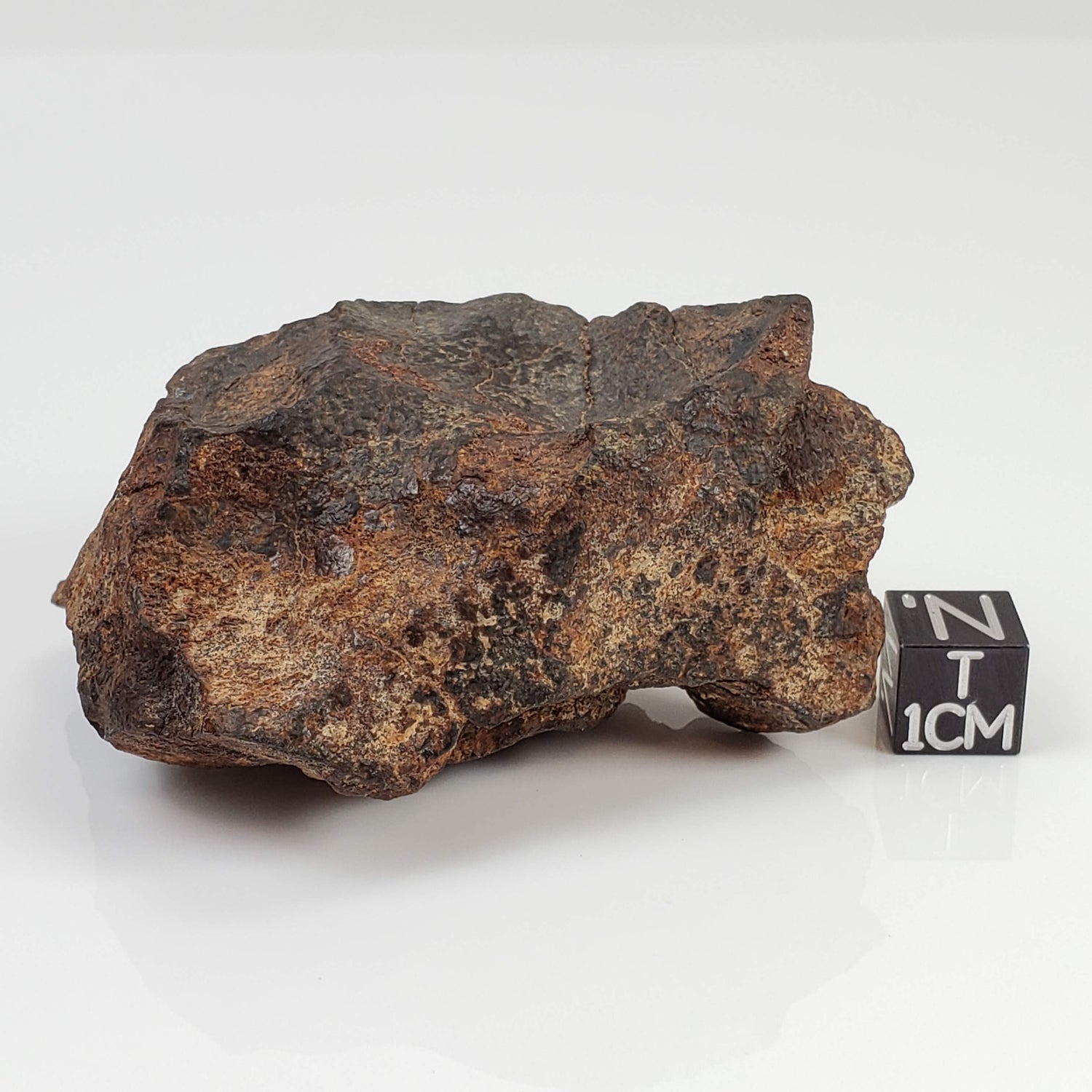
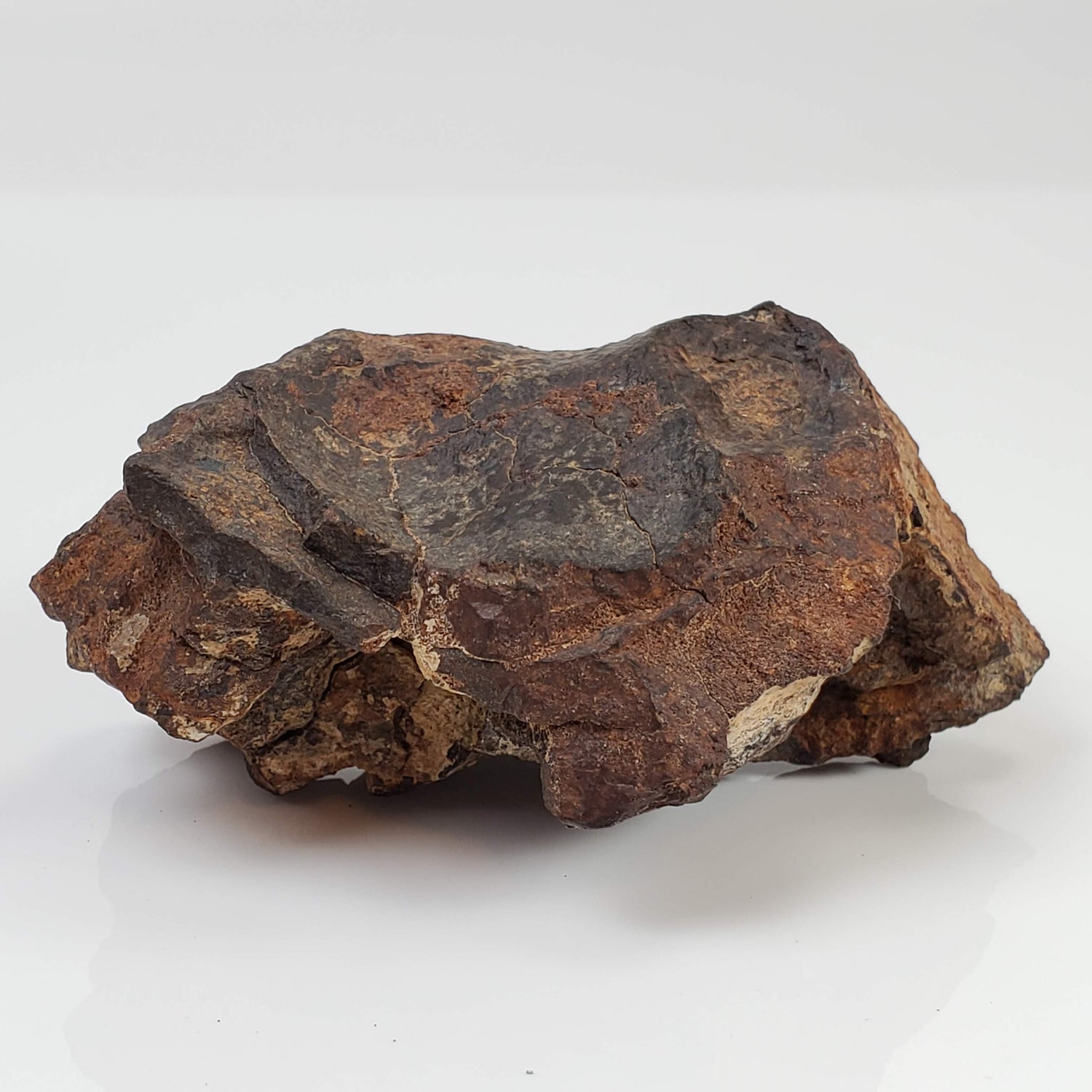
This is a nice looking individual fragment of a Sahara Desert NWA unclassified meteorite. It weighs 142.7 grams and measures 73x56x32 mm. This never classified Northwest Africa stone was found in the Sahara desert around 2000.
It's a good quality NWA meteorite individual fragment. Some weathering shows the meteorite's time spent aging in the desert. Would be a beautiful addition to any new or existing collection. Comes with a Canagem Collection specimen card.


This is a lovely quartz specimen from the Gold Hill Mine, Tooele Co., Utah. It is covered with many yellowish green quartz spheres that sparkle as if coated with druzy quartz. It is a very unusual specimen. It's in very good condition and would be a beautiful addition to any crystal collection.
Quartz is considered a “master healer.” It's believed to amplify energy by absorbing, storing, releasing, and regulating it. It's thought to aid concentration and memory. Quartz is also said to be a power gemstone that harmonizes and balances; enhancing energy and thoughts as well as purifying the spiritual, mental and physical. Quartz is associated with the crown chakra.
Name: Quartz
Specimen Size: Miniature-Sized
Dimensions: 34x33x11 mm / 1.3x1.3x0.4 inches
Weight: 11.29 Grams / 0.4 ounces
Origin: Mined in Gold Hill Mine, Gold Hill, Gold Hill Mining District (Clifton Mining District), Tooele County, Utah, USA


Wavellite typically forms as radiating, spherical clusters or botryoidal (grape-like) aggregates, often appearing as green, yellow, brown, or even blue clusters on a host rock. The mineral typically forms in low-grade metamorphic rocks and phosphate-rich environments, often associated with minerals like quartz, variscite, and limonite.
Wavellite is found in several locations worldwide, with Arkansas, USA being one of the most famous sources, producing well-formed green botryoidal specimens. Other notable locations include England, Bolivia, Brazil, Germany, and Australia.
It is believed wavellite is linked to clarity, insight, and emotional balance, helping to provide a broader perspective on situations. It is sometimes associated with the heart chakra, thought to encourage compassion and emotional healing. Due to its radiating crystal structure, it is also seen as a symbol of energy expansion and awareness.
Name: Wavellite on Matrix
Specimen Size: Miniature-Sized
Dimensions: 50x37x23 mm / 2.0x1.4x0.9 inches
Weight: 40 grams / 1.4 oz
Origin: Mauldin Mountain, Mt. Ida, Arkansas, USA
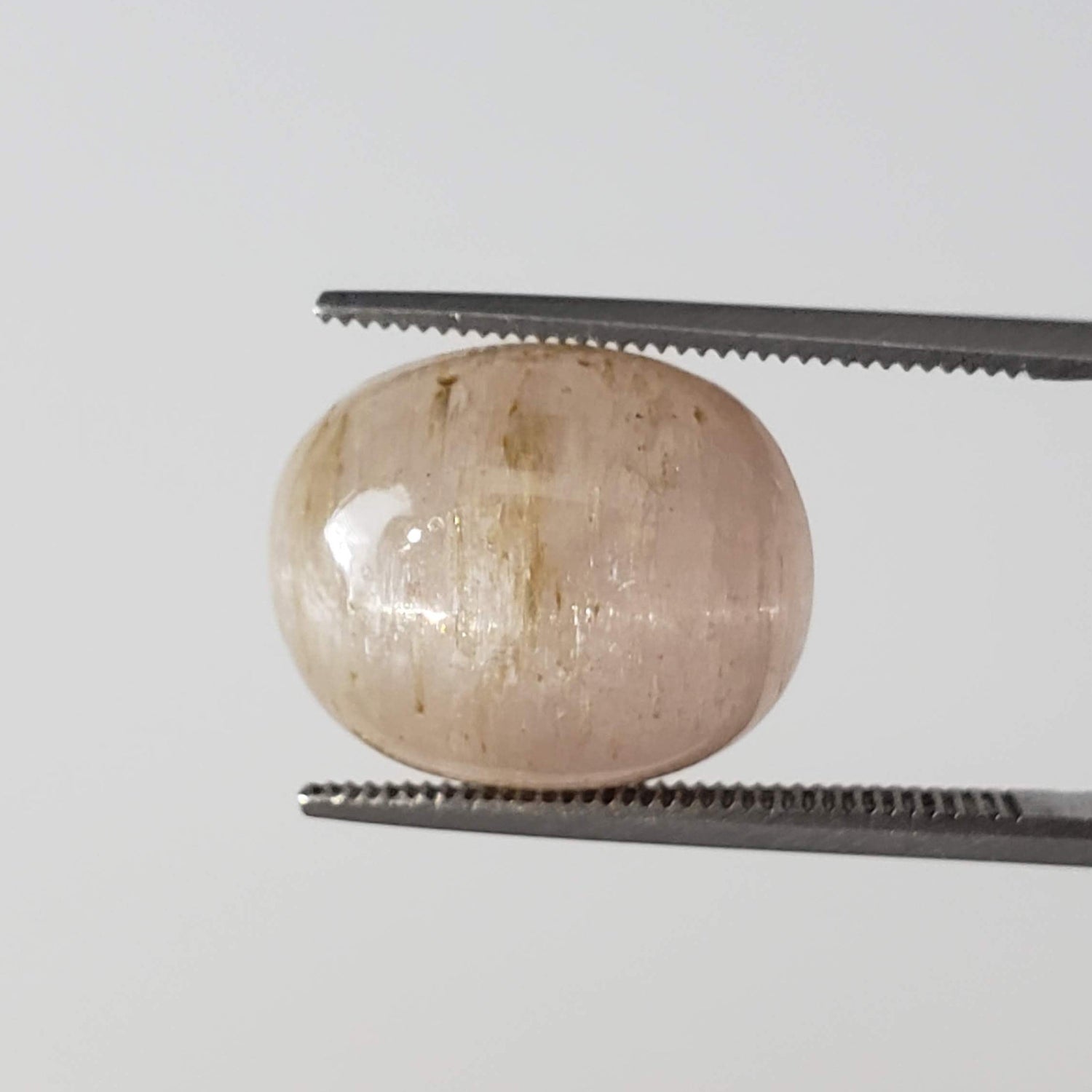
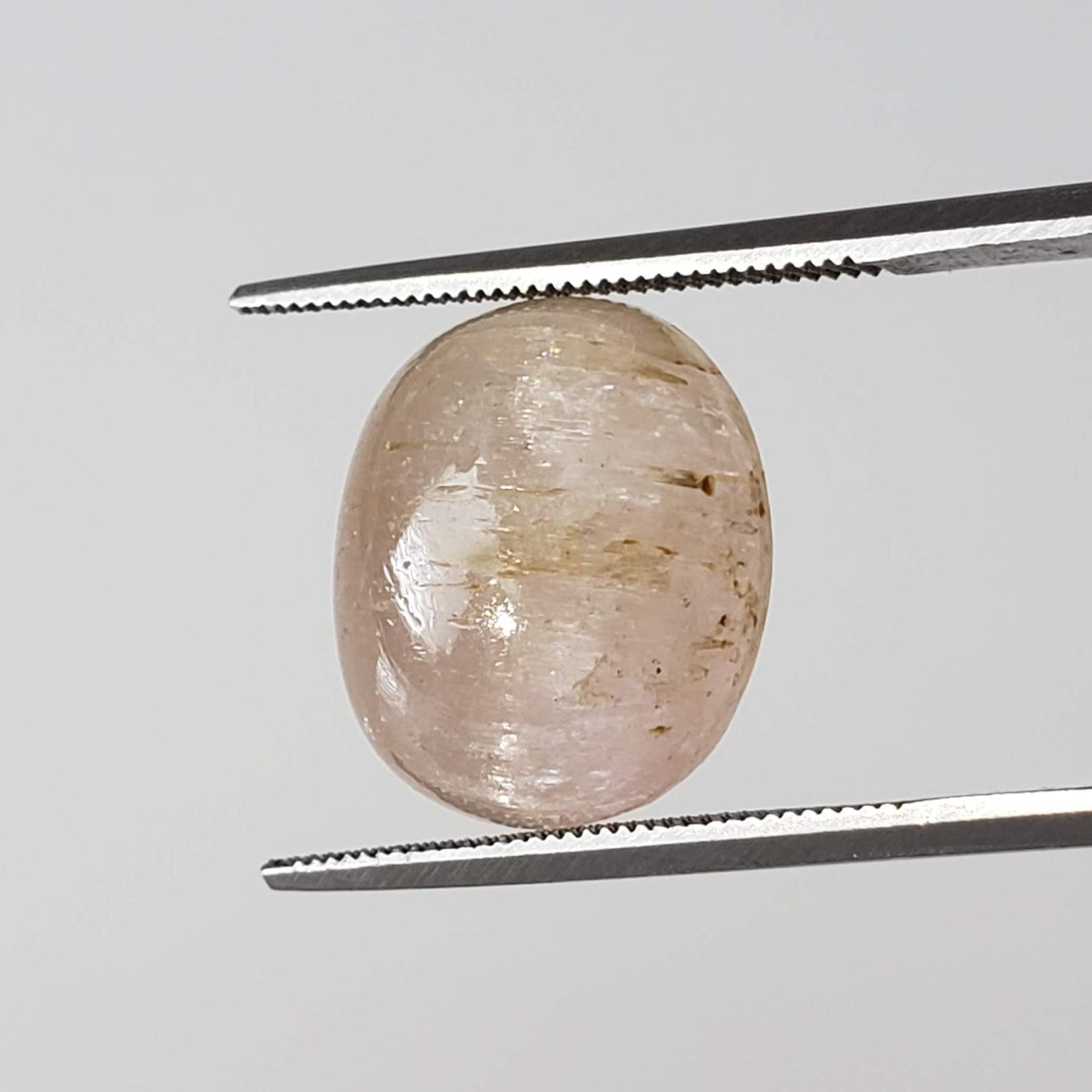
Product Name: Kunzite
Approx Weight (per piece): 17.1ct
Size: 14.5x12mm (depth 10.5mm)
Shape: Oval Cabochon
Color: Pink
Clarity: Nice Crystal
Origin: Afghanistan
Treatment: None/Unheated


This amazing specimen of Vesuvianite was collected in the now closed Jeffery Mine in Asbestos, Québec, Canada. The specimen is made up of a combination of green and mauve vesuvianite crystals also named violet manganoan vesuvianite. It is a large specimen in good condition. A great addition to any collection!
Vesuvianite was first discovered on Mount Vesuvius in Italy in the 18th century, hence its name. It typically occurs as a green, brown, yellow, or blue-green crystal, and is often found in metamorphic and igneous rocks. The alternate name, Idocrase, is from the Greek eidos “form”, and krasis “mixture”, because Vesuvianite often appears to combine the crystal forms of other minerals. It is used as a gemstone.
Name: Vesuvianite Crystal
Specimen Size: Miniature-Sized
Dimensions: 34x20x13 mm / 1.3x0.8x0.5 inches
Weight: 10.74 grams / 0.4 ounces
Origin: Mined in Jeffery Mine, Asbestos, Québec, Canada

Canagem is proud to be professional member of The International Gem Society(IGS) the world's top resource for gem professionals, enthusiasts, and industry content.