



1573 products
Sort by:
1573 products
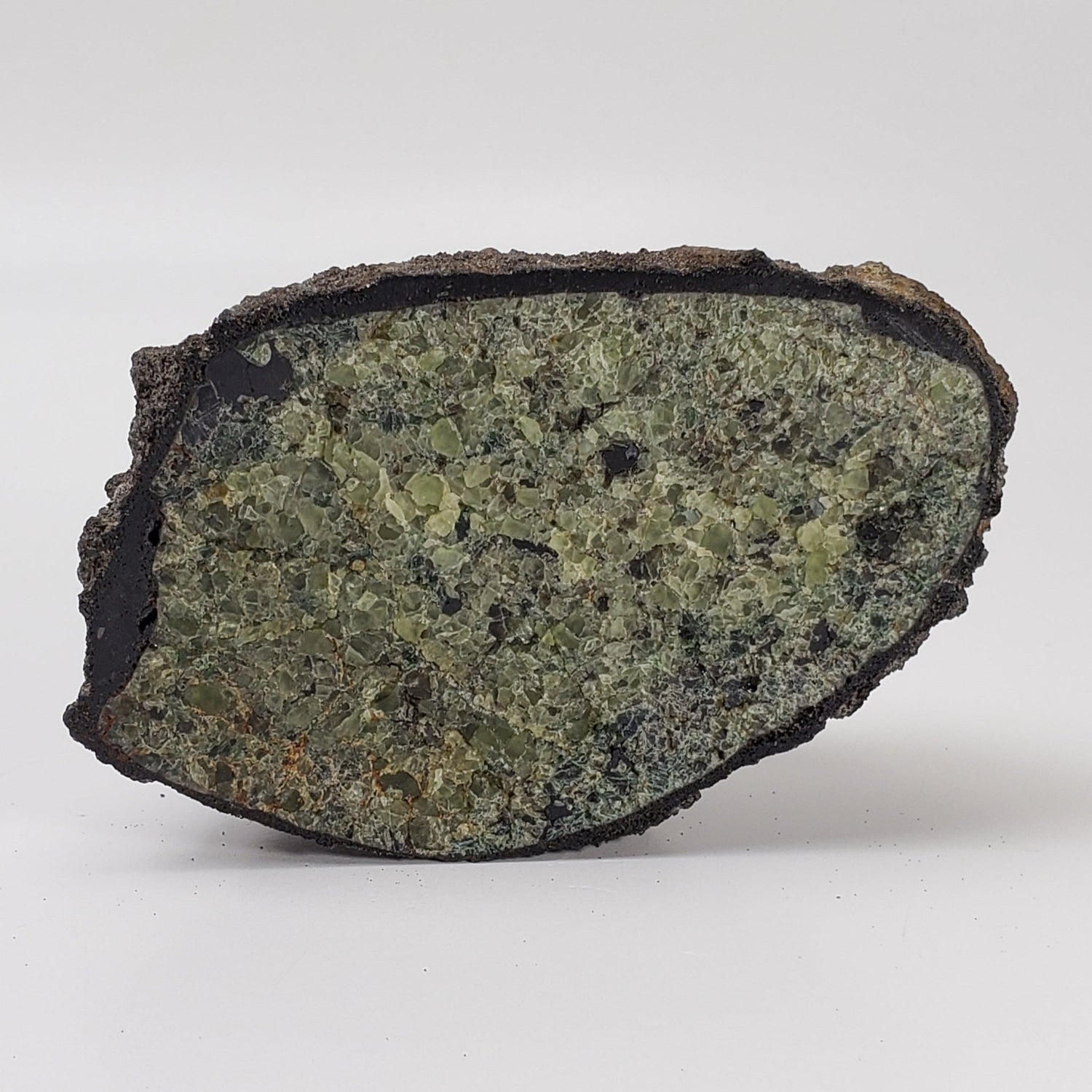
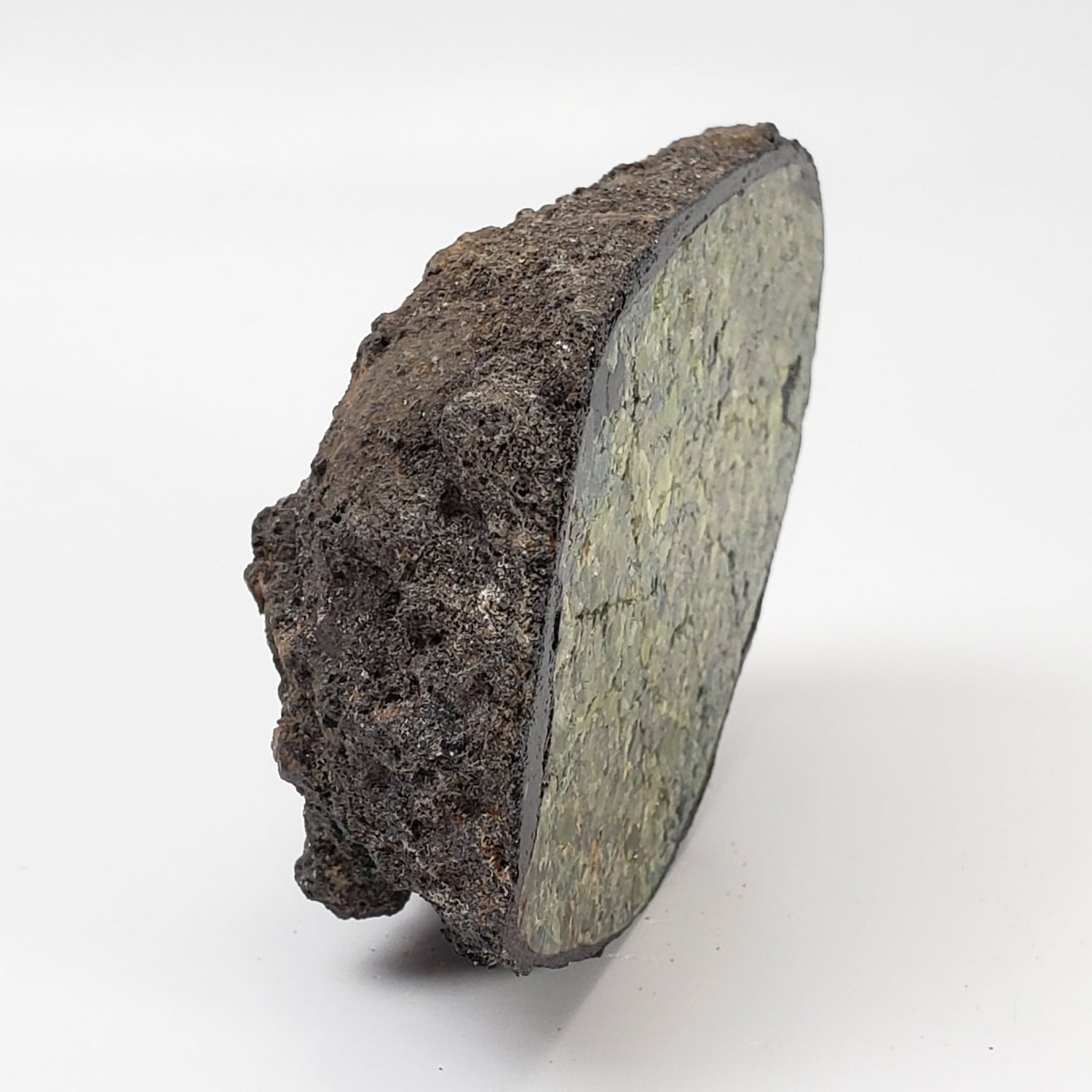
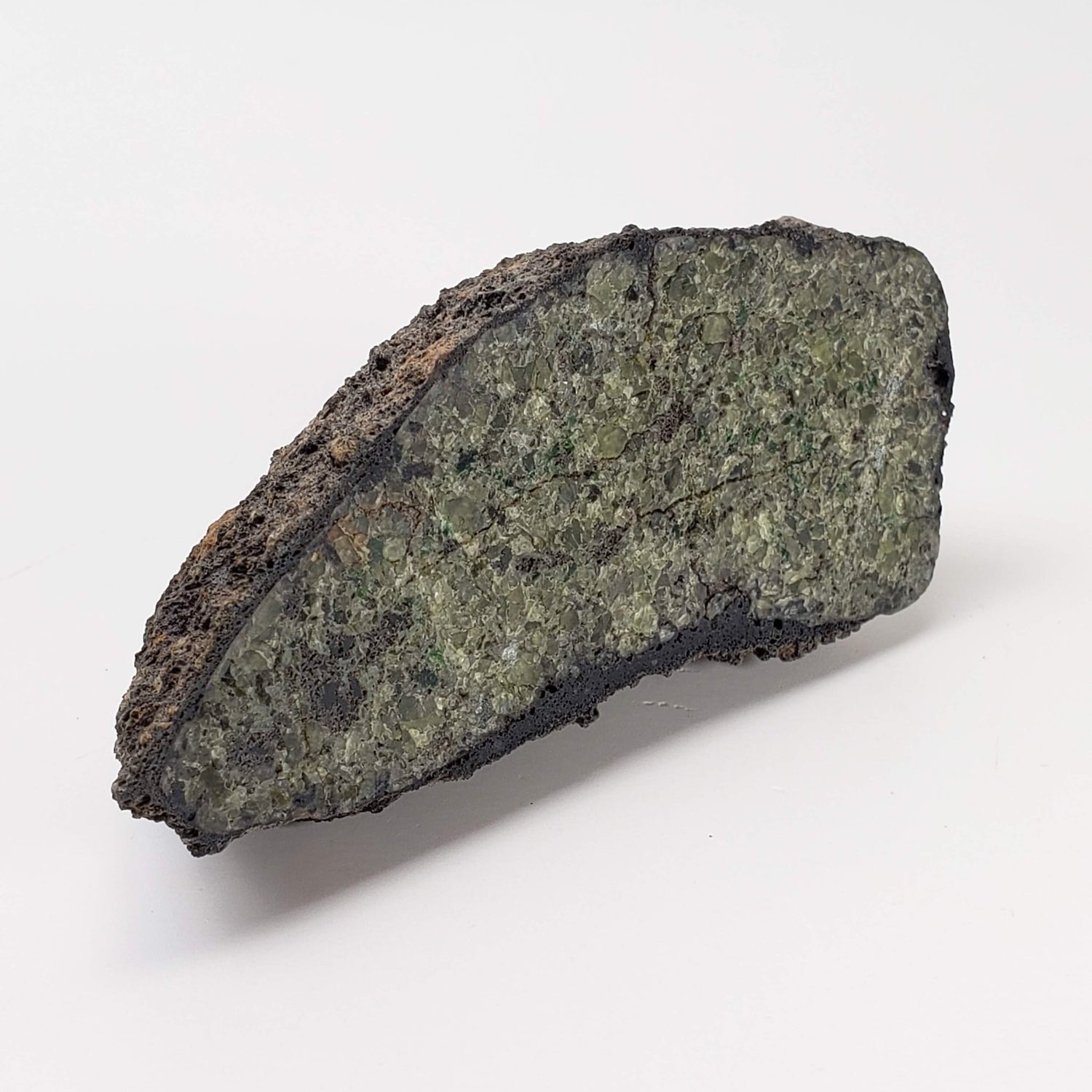
An olivine volcanic bomb is a type of volcanic rock that contains olivine crystals and has been ejected during a volcanic eruption. Olivine is a mineral that is commonly found in the Earth's mantle and is one of the first minerals to crystallize as magma cools.
Volcanic bombs are large clots of lava that are ejected from a volcano during an explosive eruption. They can vary in size, and their shapes are often streamlined due to their molten nature as they are thrown through the air. When these volcanic bombs contain olivine crystals, they are referred to as olivine volcanic bombs.
This beautiful piece is completely surrounded by a lava crust. Would be a beautiful addition to any new or existing collection. Comes with a Canagem Collection specimen card.
Name: Olivine Volcanic Bomb
Specimen Size: Cabinet-Sized
Dimensions: 88x56x33 mm / 3.5x2.2x1.3 Inches
Weight: 194.3 Grams / 6.8 Ounces
Details: Volcanic activity Mortlake, Victoria, Australia
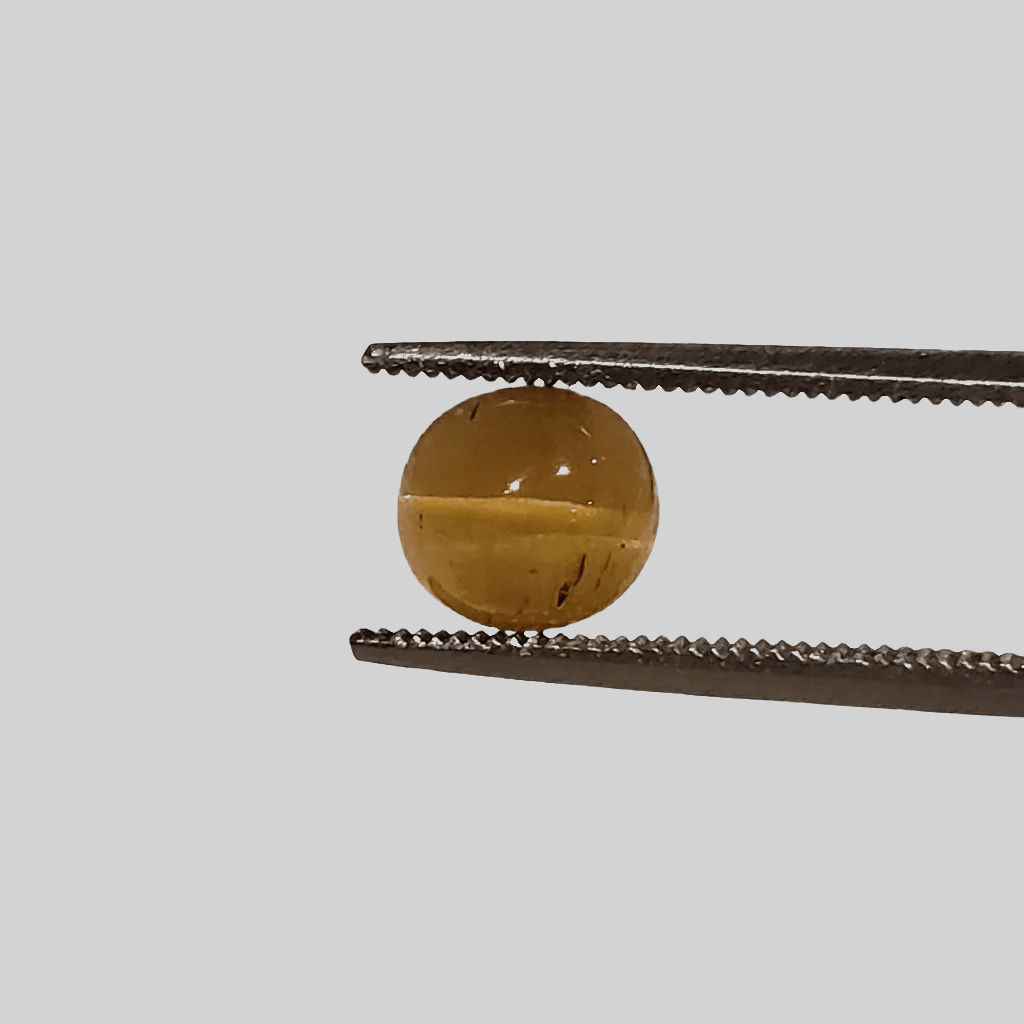
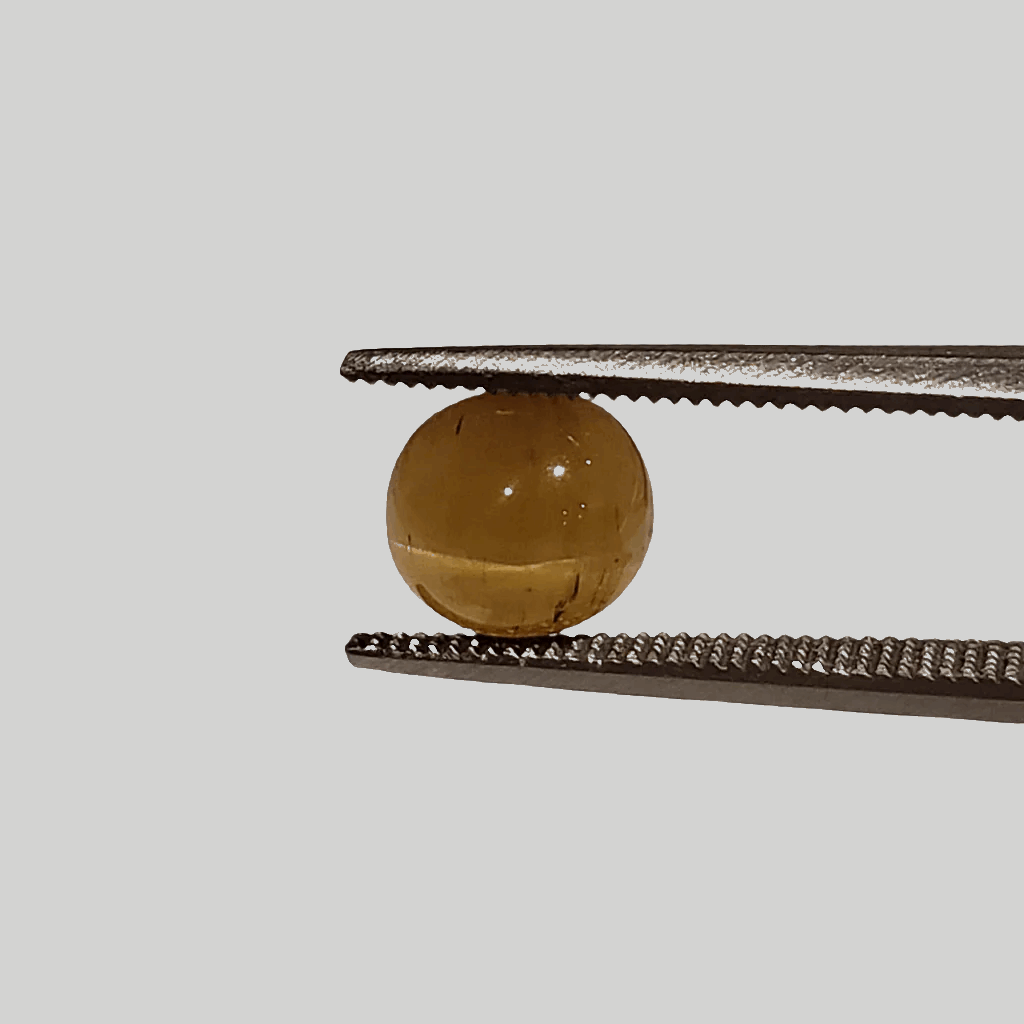
Product Type: Apatite Cats Eye
Approx Weight (per piece): 1.5ct
Size: 7x5mm
Shape: Oval Cabochon
Color: Honey Green
Clarity: Nice crystal Cats Eye
Origin: Africa
Apatite is a group of phosphate minerals that are commonly found in igneous, metamorphic, and sedimentary rocks. Apatite is named after the Greek word "apate," which means deceit, as it can be easily confused with other minerals due to its wide range of colors and forms. It can occur in various colors, including green, blue, yellow, brown, and violet.
The cat's eye effect in apatite is caused by the presence of parallel needle-like inclusions within the stone. The color of apatite cat's eye can vary, but it is often seen in shades of green or blue. The intensity and quality of the cat's eye effect can also vary from stone to stone.
Apatite is believed to possess healing properties and is associated with creativity, self-expression, and personal growth. It is thought to enhance communication skills, stimulate intellect, and promote clarity of thought.

An olivine volcanic bomb is a type of volcanic rock that contains olivine crystals and has been ejected during a volcanic eruption. Olivine is a mineral that is commonly found in the Earth's mantle and is one of the first minerals to crystallize as magma cools.
Volcanic bombs are large clots of lava that are ejected from a volcano during an explosive eruption. They can vary in size, and their shapes are often streamlined due to their molten nature as they are thrown through the air. When these volcanic bombs contain olivine crystals, they are referred to as olivine volcanic bombs.
Would be a beautiful addition to any new or existing collection. Comes with a Canagem Collection specimen card.
Name: Olivine Volcanic Bomb
Specimen Size: Cabinet-Sized
Dimensions: 89x39x30 mm / 3.5x1.5x1.2 Inches
Weight: 150 Grams / 5.3 Ounces
Details: Volcanic activity Mortlake, Victoria, Australia
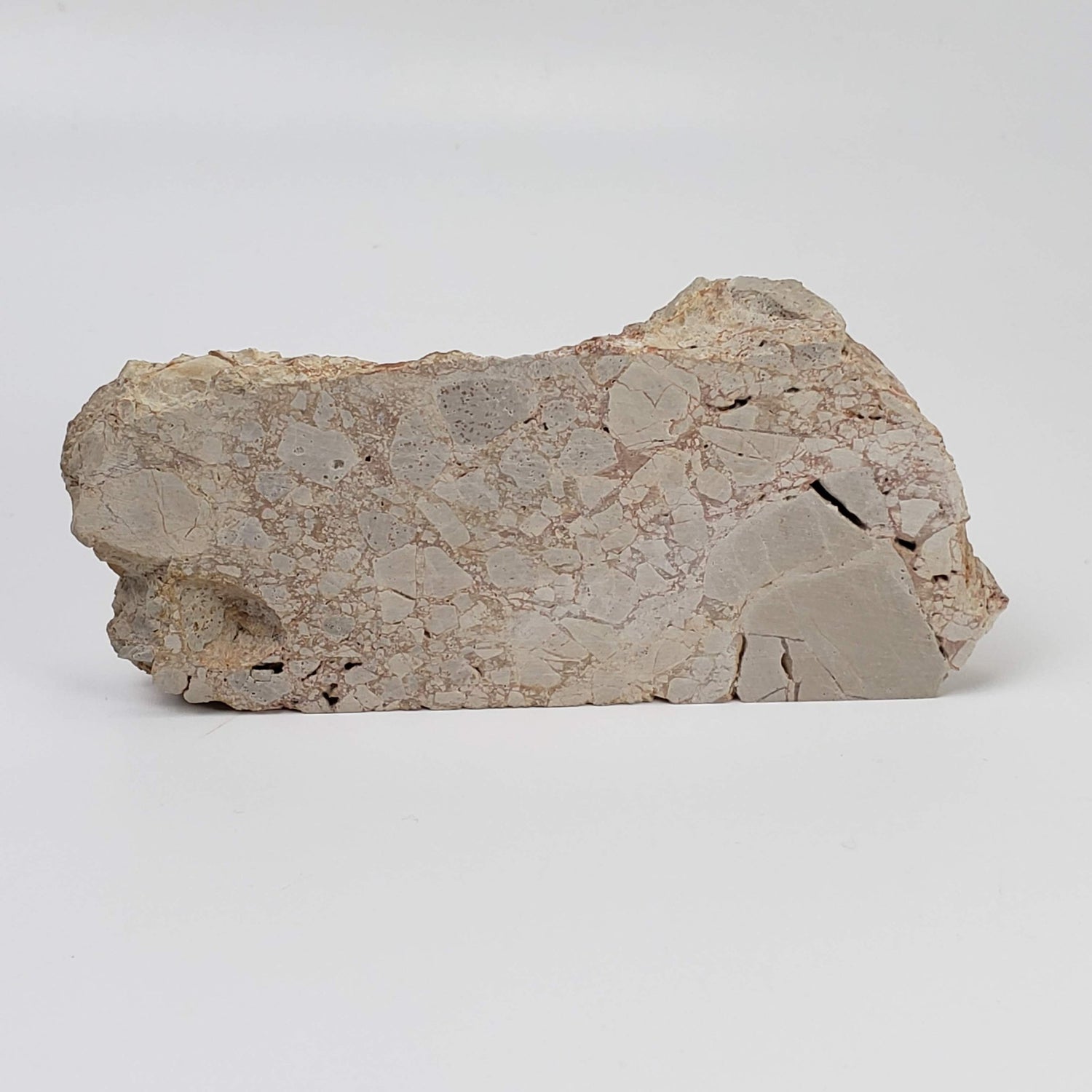
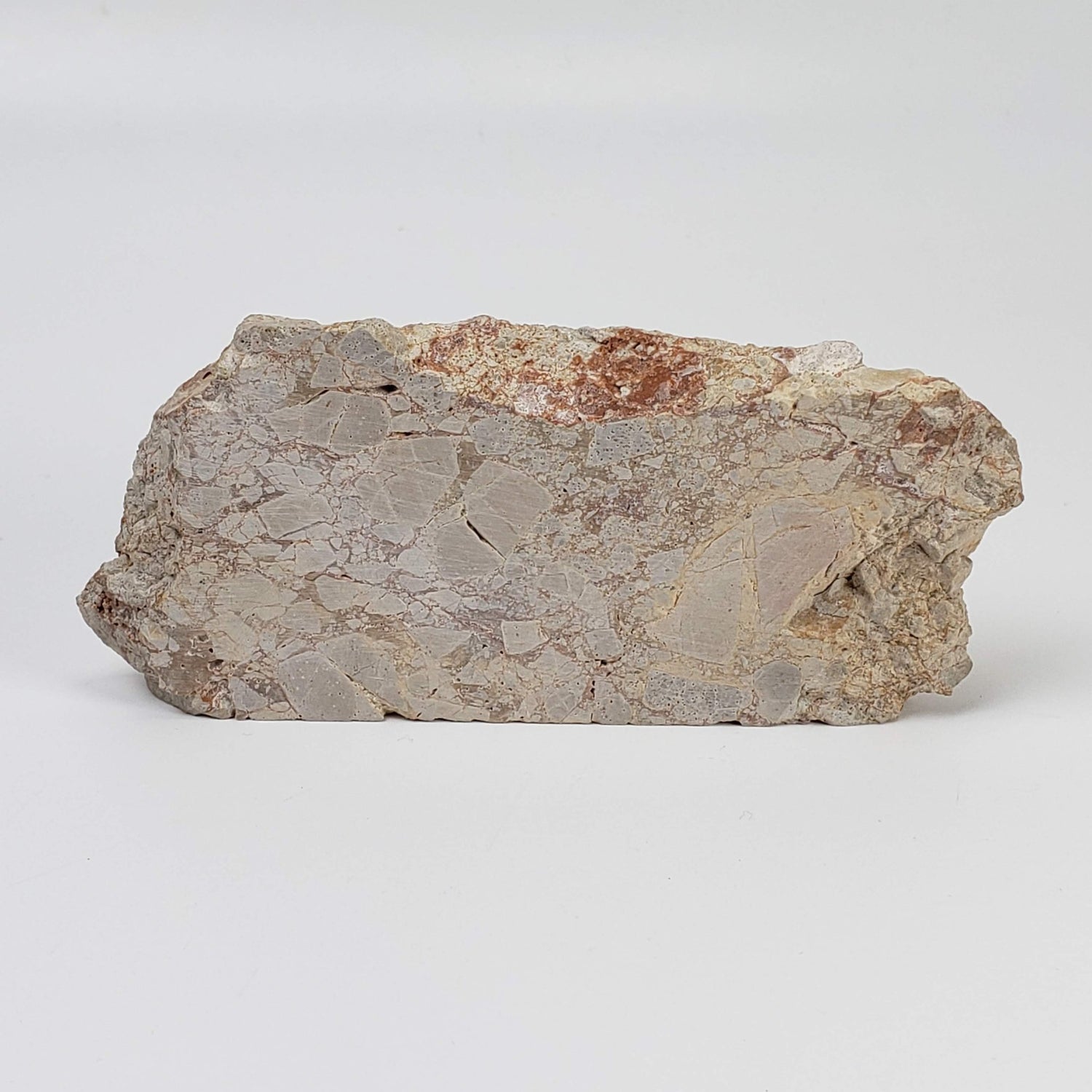
The Azuara polymict impact breccia refers to the impact material from the 38 million year old twin (multiple) impact structures Azuara / Rubielos de la Cerida in Northern Spain.
This polymict impact breccia was found in the area of Santa Cruz de Nogueras near the center area of this large multiple impact structure. This is partly melted and/or decarbonized limestone fragments in a dense and extremely hard matrix showing flow texture. The breccia is considered an equivalent to suevite impactites in other impact structures. This beautiful slice has dimensions of 110x51x11 mm and weighs 122 grams.
Would be a beautiful addition to any new or existing collection. Comes with a Canagem Collection specimen card.
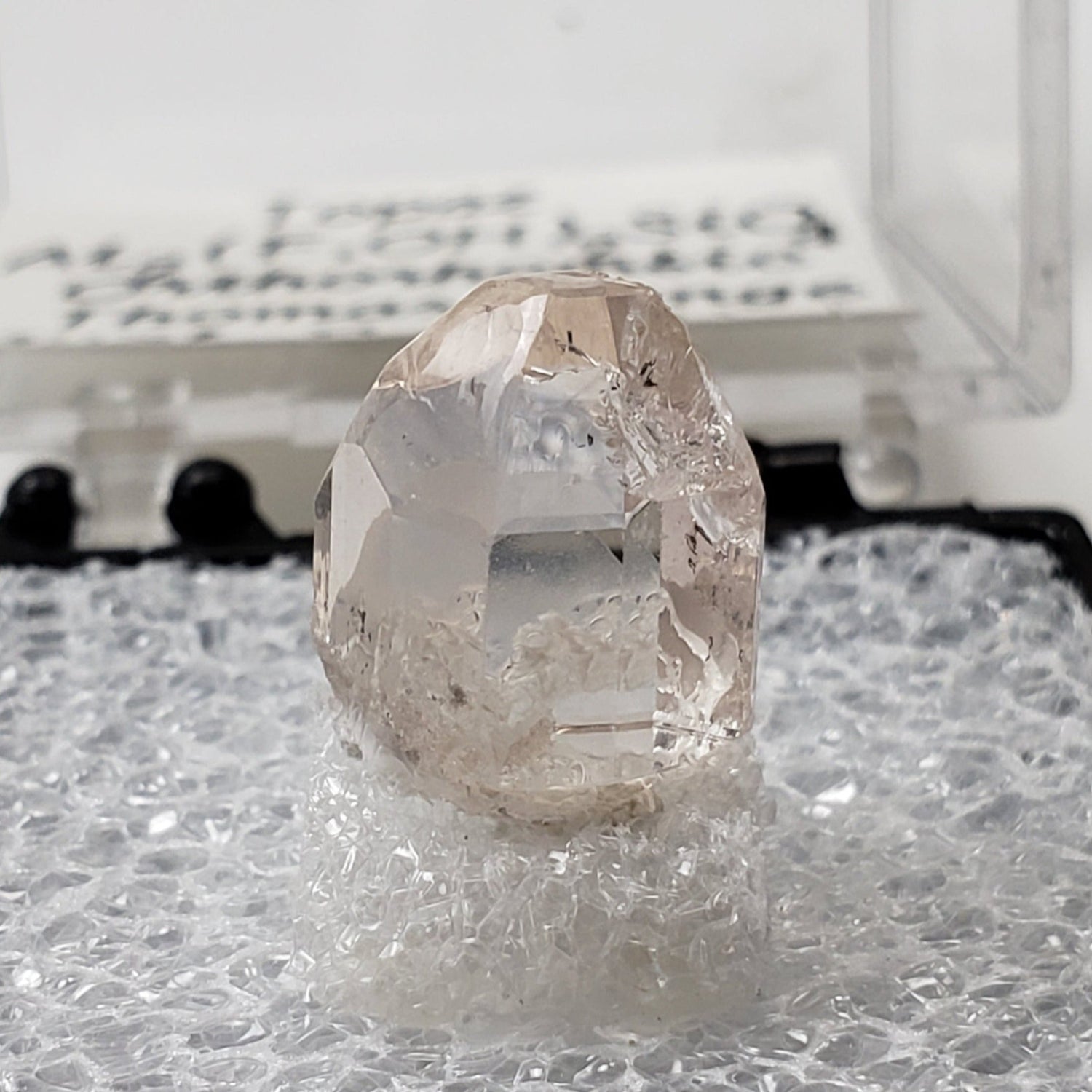
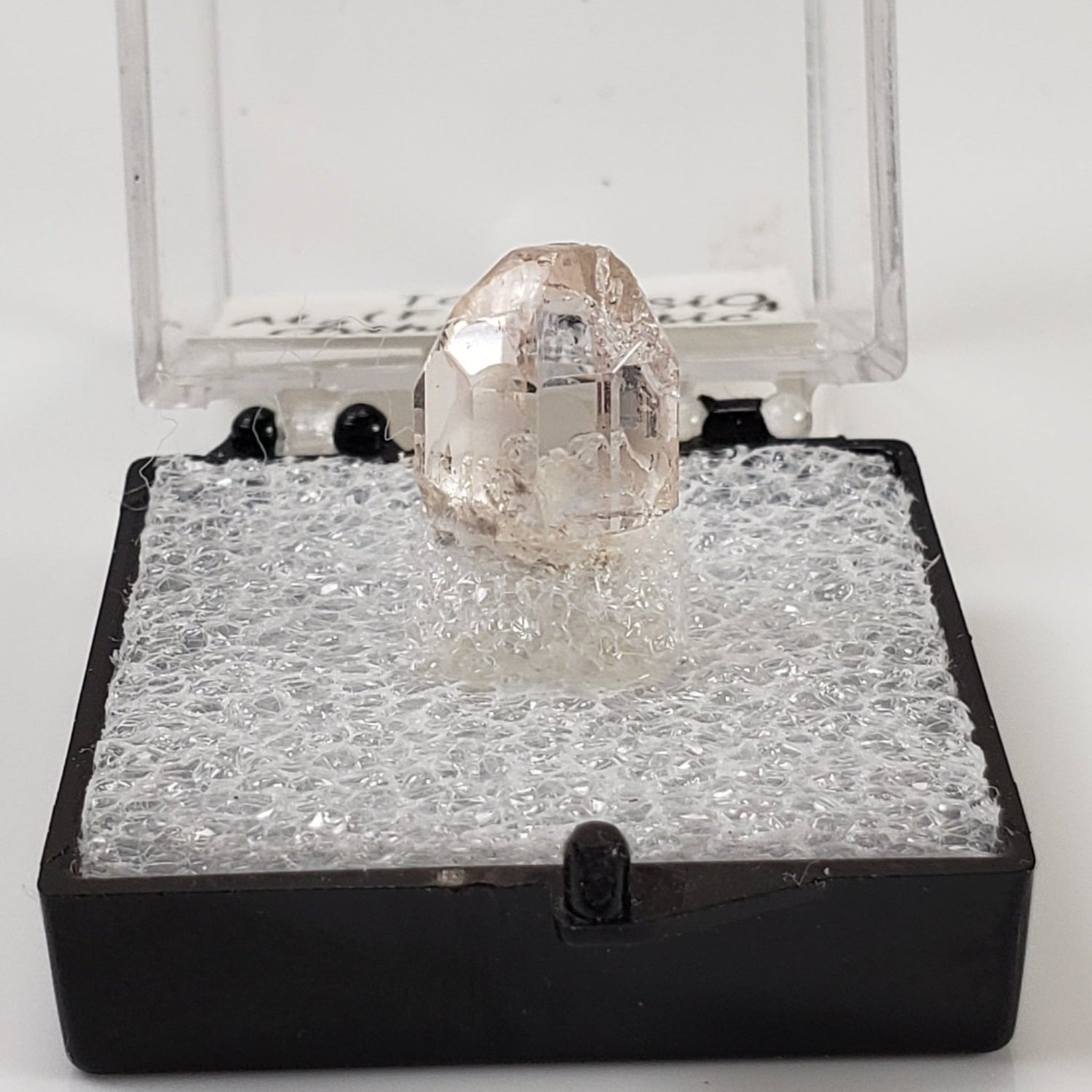
An outstanding gem quality, glassy clear topaz crystal from Thomas Range, Utah. This crystal is a lovely soft pink and is of good size and clarity.
Topaz is known as a spiritual rejuvenation gemstone. Great for meditation, Topaz helps to balance emotions, calm passions, stimulate creativity. It also releases tension and replaces negativity with joy and love. Topaz is associated with the throat chakra.
Product Type: Topaz Crystal
Approx Weight (per piece): 6.8 carats (1.37 grams)
Size: 10x10x7 mm
Color: Pink
Clarity: Transparent
Origin: Mined at Thomas Range, Juab County, Utah USA


Product Type: Chrysoberyl Cats Eye
Approx Weight (per piece): 2.2ct
Size: 7.0mm
Shape: Round Cabochon
Color: Fine Lime Green
Clarity: Fine Crystal
Origin: Sri Lanka
The distinctive "cat's eye" effect in this Chrysoberyl is caused by the reflection of light off parallel needle-like inclusions within the crystal. When the gem is cut en cabochon, a concentrated, bright band of light appears to move across the surface as the stone is rotated.
Cat's Eye Chrysoberyl comes in various colors, such as green, yellow, and golden-brown. It is a durable gemstone, scoring 8.5 on the Mohs scale of hardness, making it suitable for various types of jewelry. Significant sources of Cat's Eye Chrysoberyl include Sri Lanka, Brazil, India, Myanmar, and Madagascar.
Cat's Eye Chrysoberyl is believed to possess metaphysical properties associated with protection, intuition, and good fortune. Some traditions consider it a talisman for enhancing insight and awareness.
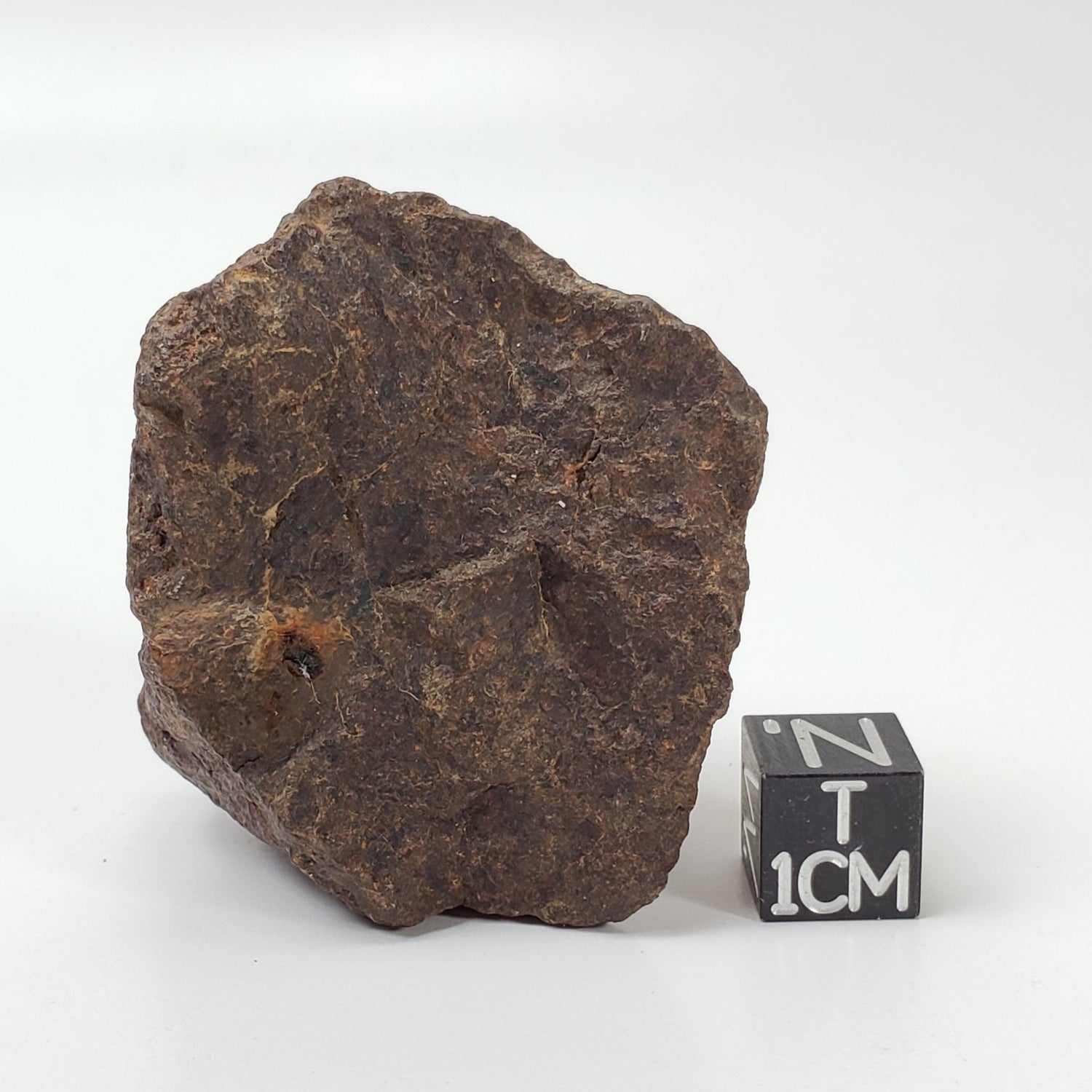
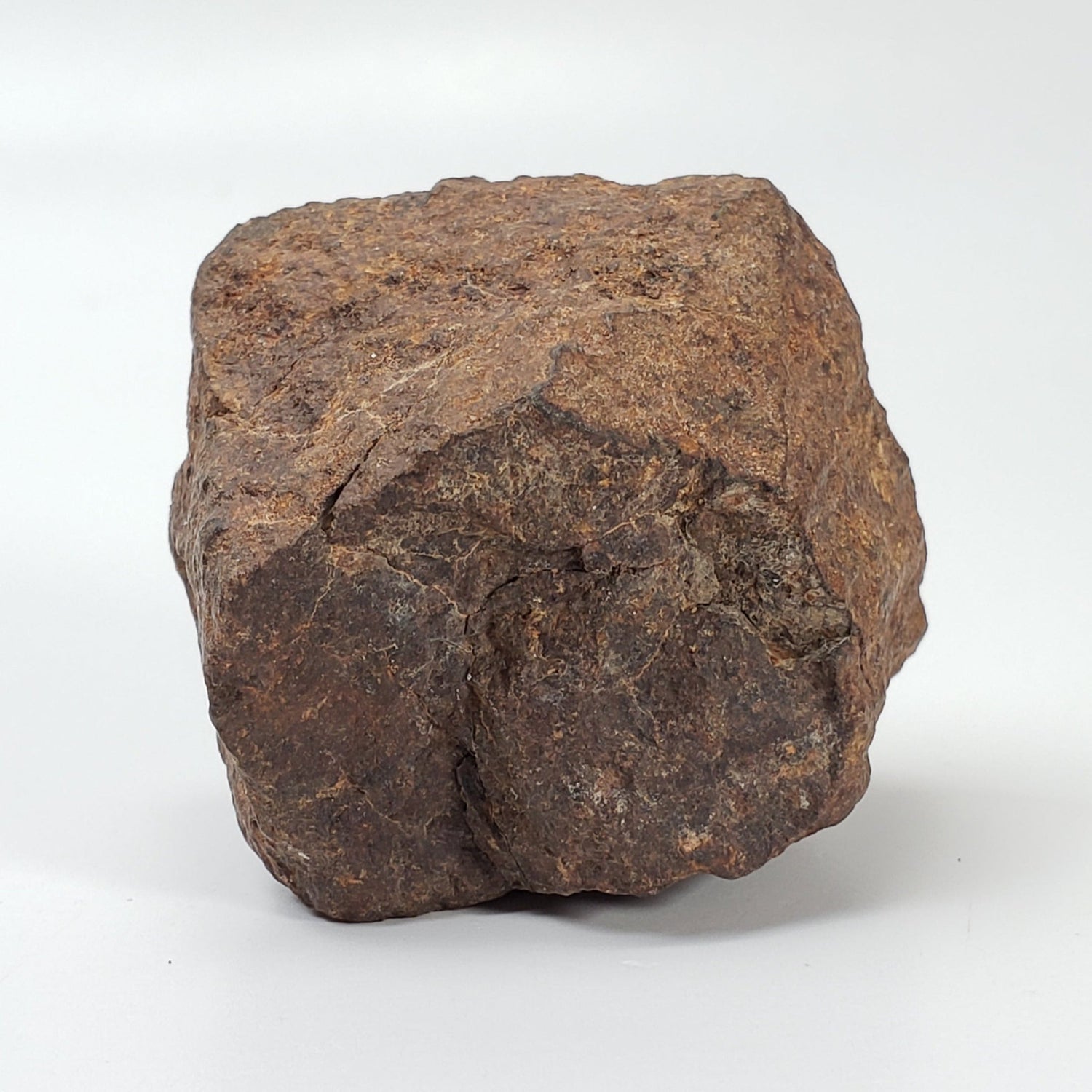
Here we have for you a nice looking individual fragment of a Sahara Desert NWA unclassified meteorite weighing 87 grams. Its dimensions are 47x45x28 mm. This never classified North West Africa stone was found in the Sahara desert around 2000.
It's a good quality individual fragment NWA meteorite specimen. Some weathering shows the meteorite's time spent aging in the desert. Would be a beautiful addition to any new or existing collection. Comes with a Canagem Collection specimen card.


These are fragments of the Abee meteorite (MB 8) that fell in Alberta, Canada at 11:05 p.m. on June 9th 1952. It took five days to find it in a wheat field belonging to Mr Harry Buryn. It is located in the community of Abee, Alberta, Canada in Thorhild County, along the Canadian National Railway and Highway 63, 16 km north of Thorhild and 49 km from Boyle.
This rare and highly collectable EH4 Enstatite chondrite is 1 of only 21 approved meteorites classified as such, 1 of 3 being an observed fall and only 1 of 5 not found in Antarctica. The total Mass is registered at 107 Kilograms in one stone recovered from a 6 ft (1.8 m) deep crater. This is a great opportunity to acquire fragments that were used for testing in laboratory weighing 508 milligrams.
This hard to acquire rare specimen would make an amazing addition to any new or existing collection. Comes with a Dr. Martin Horejsi Collection of Meteorites and a Canagem Collection specimen card and is displayed and protected in a pill case.


This is a superb tumbled individual Tsarev meteorite weighing 38.5 grams. Its dimensions are 45x27x25 mm. Twenty-eight specimens of this L5 classified meteorite were found in fields. The largest mass weighs 284 kg, the smallest 761 gr with a total weight of 1.23 Tons. The greatest distance between the find sites was 6.0 km.
In 1968, amidst a global surge in conflicts, a remarkable discovery was made in a small village in Volgograd Oblast. This region, known as the primary site of the Battle of Stalingrad—one of the largest and bloodiest battles in history—yielded an extraordinary find in the quiet fields near the rural village of Tsarev.
The Tsarev meteorite, named after the Russian word for czar, is a stone meteorite responsible for one of the largest meteorite showers in Russian history. This meteorite shower occurred on December 6, 1922, but the stones were not discovered until 1968 and only recognized in 1979. The Tsarev meteorite's mineral composition matches that of ordinary chondrites, including olivine, orthopyroxene, clinopyroxene, maskelynite, calcium phosphates, nickel-iron, troilite, chromite, ilmenite, and rutile.
Academic analysis of the Tsarev meteorite reveals significant features: large grains of nickel-iron, light grey areas with well-preserved chondritic texture, and dark areas containing a matrix with olivine grains and remnants of chondrules.
This specimen would be a beautiful addition to any new or existing collection. Will come with a Canagem specimen card.


Product Type: Moissanite
Approx Weight (per piece): 2.3ct
Size: 8.5mm
Shape: Round Diamond Cut
Color: Pale Yellow
Clarity: VVS
Origin: China
Treatment: None
Moissanite has become a popular alternative to diamonds for jewelry. Moissanites have a similar appearance to diamonds and often look nearly identical to the untrained eye. They share the brilliance, sparkle, and fire that diamonds are known for, making them an attractive choice. With moissanite, it is possible to have a beautiful gemstone for a fraction of the price of a diamond. Moissanites are primarily produced in laboratories, offering a controlled and consistent quality. This aspect appeals to those who prefer gemstones with known origins and minimal environmental impact.
Originally discovered in a meteorite crater, Moissanite is well known worldwide as the world’s most brilliant gemstone, better than diamonds. Moissanite is incredibly rare in its natural form; however, lab created moissanite is identical to the original with hardness second only to diamond. Moissanites have a hardness of 9.25 on the Mohs scale, while diamonds are a 10. This makes moissanite suitable for everyday wear and less prone to scratching or damage.
This sparkling round cut pale yellow moissanite is a great choice for any jewelry project.

Canagem is proud to be professional member of The International Gem Society(IGS) the world's top resource for gem professionals, enthusiasts, and industry content.