



1508 products
Sort by:
1508 products


Name: Red Amethyst
Specimen Size: Large Cabinet-Sized
Dimensions: 241Xx127x165 mm / 9.5x5x6.5 inches
Weight: 5.4 kg / 11 lbs 14.5 ounces
Origin: Mined in Thunder Bay, Ontario, Canada
This is an amazing Red Amethyst Crystal Cluster from Thunder Bay, Ontario, Canada. This is a quality cluster and the Burgundy Red is due to hematite inclusions which is unique to this location. Good pieces from Thunder Bay are recognized the world over with collectors due to their uniqueness and this one is a massive specimen! Would be a beautiful addition to any new or existing collection.


Here we have for you a nice fossilized highly polished natural Orthoceras from Morocco, measuring 54x35x13 mm with a weight of 42 grams. It is a perfect for gift giving to a new fossil collector. Orthoceras ("straight horn") is a genus of extinct cephalopod. This genus is sometimes called Orthoceratites.
Note it is sometimes misspelled as Orthocera, Orthocerus or Orthoceros. Orthoceras are common fossils and have been found on many continents,including the Americas, Africa, Europe and Asia. They are dated to the lower Ordovician to Triassic ages (500 to 190 millions years ago). They belong to a group of predators known as cephalopods, which includes their living relatives the octopus, squid, cuttlefish and nautilus.
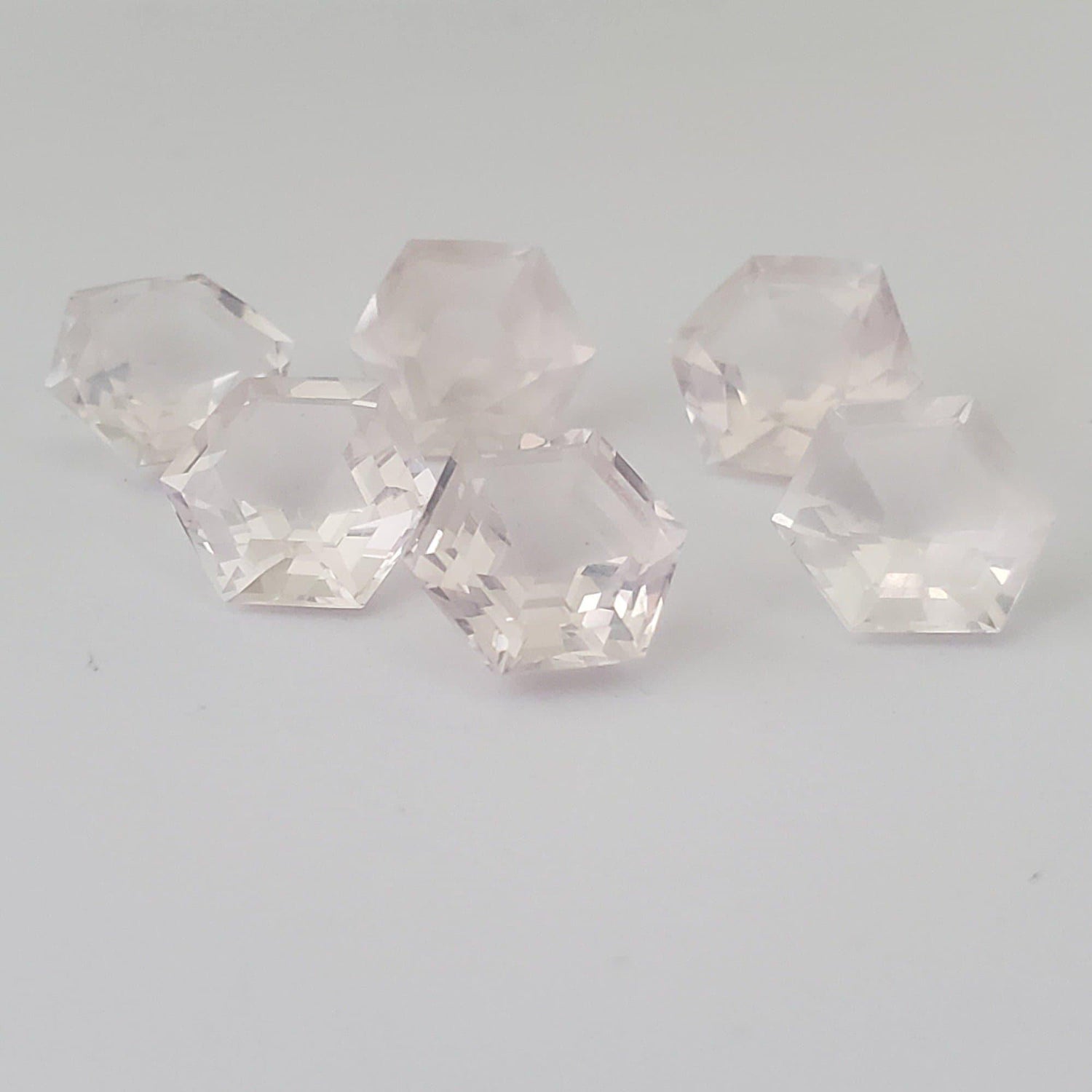
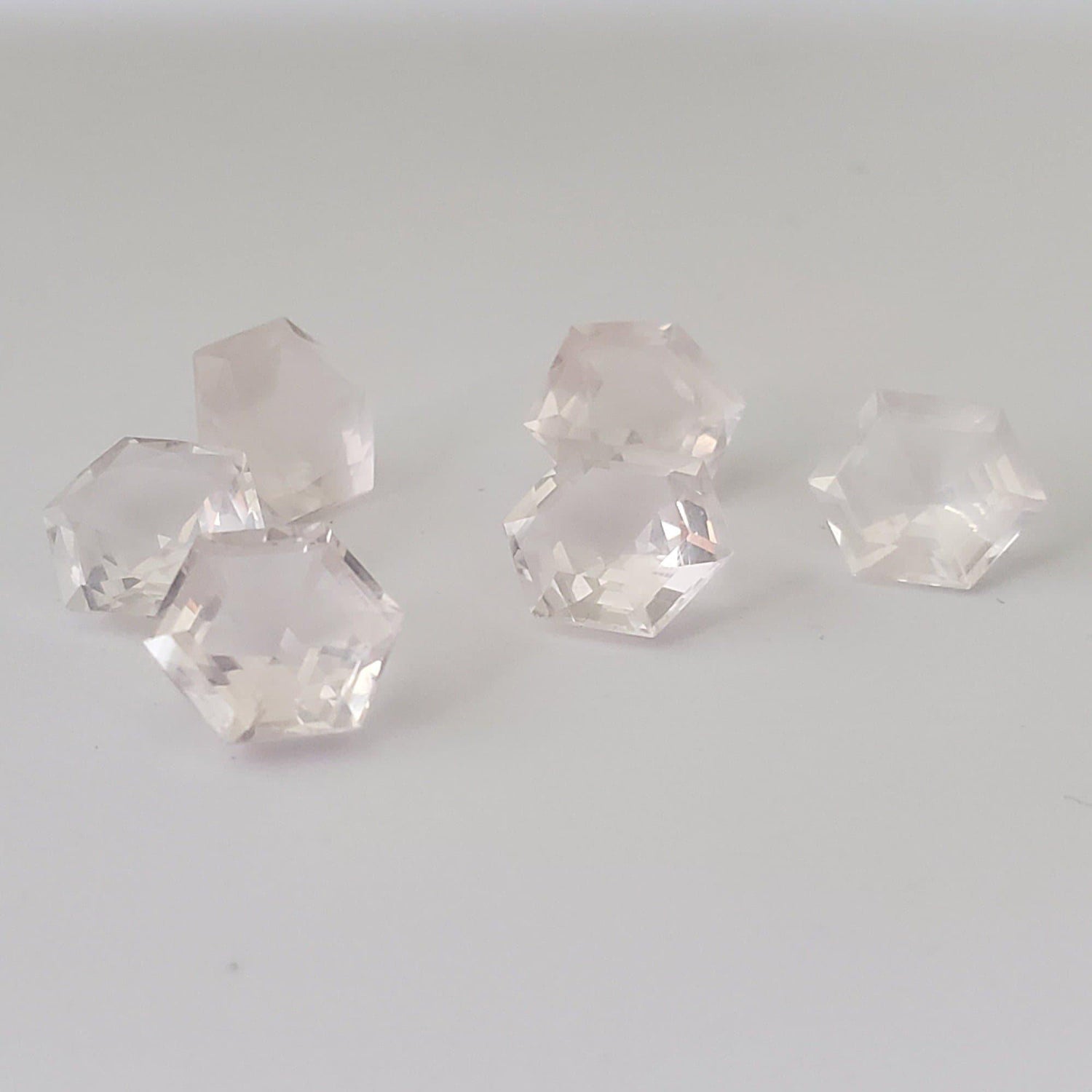
Product Type: Rose Quartz
Approx Weight (per Lot): 13.81ct
Size: 8.6mm
Shape: Hexagon cut
Color: Rose Pale Pink Color
Clarity: Clean to the eye
Origin: Madagascar
Treatment: None
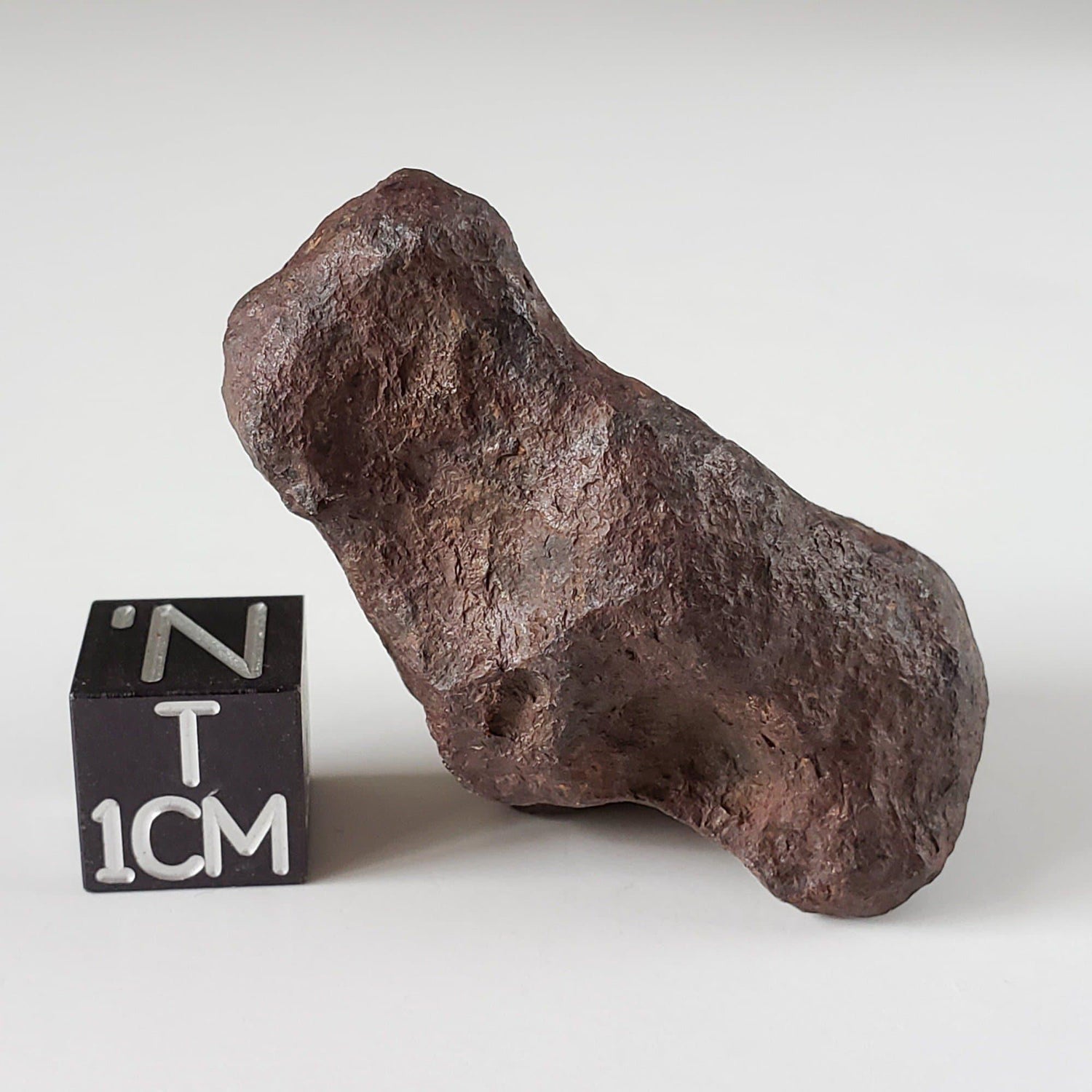
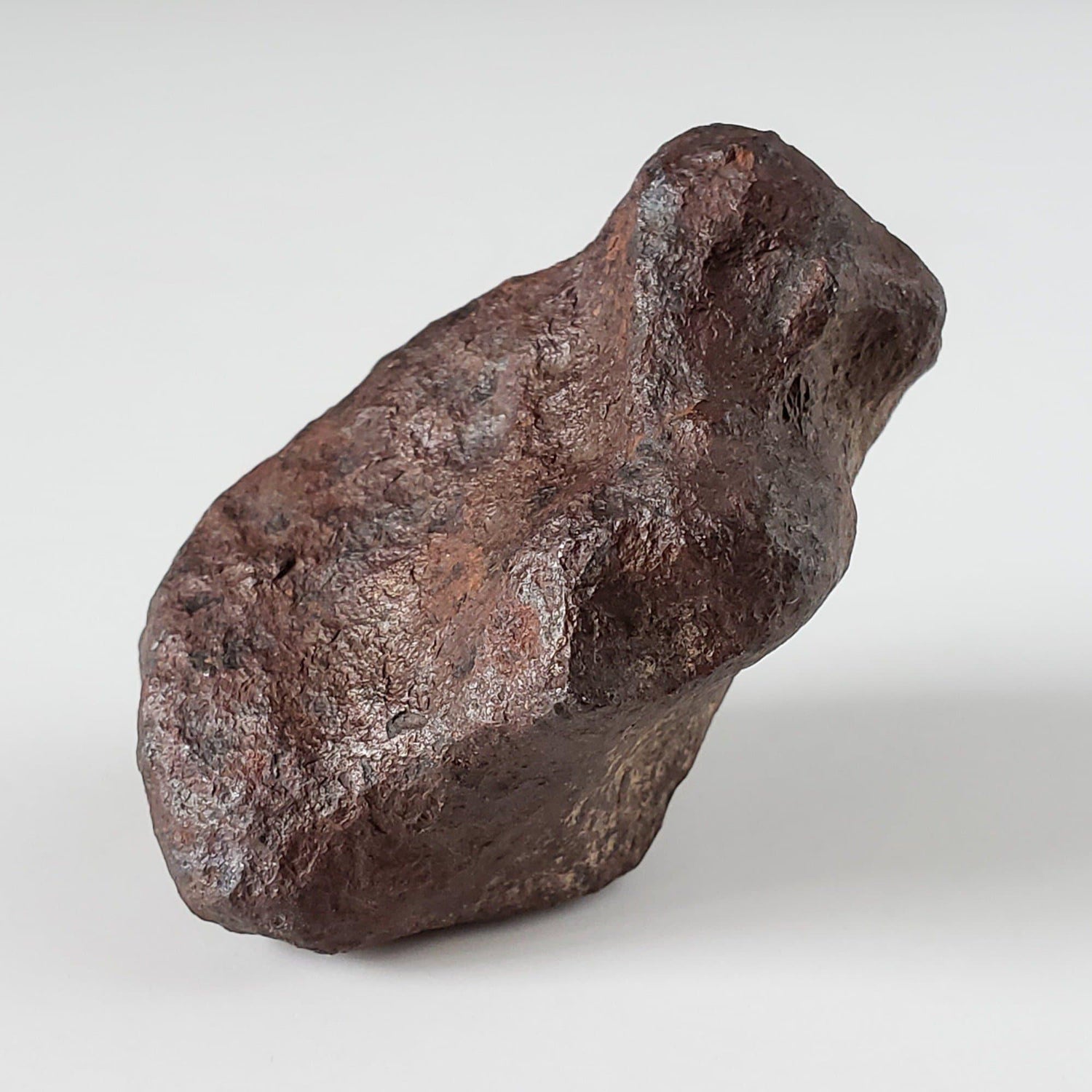
This is a superb sculpted specimen of Mundrabilla classified meteorite weighing 60.89 grams. It measures 37x25x17 mm. This Iron IAB-ung classified meteorite was found in the Nullarbor Plain, Western Australia in 1911. So far approximately 24 tons of this material has been recovered.
The meteorites were found by geologists R. B. Wilson and A. M. Cooney while engaged on a geological survey. Both masses are lying within only very slight depressions in clayey soil, some 180 m apart. The larger mass tends to have a crude conical to hemispherical shape with the nose partially buried in the soil. The axis is inclined at an angle of approximately 60°. Evidence of fragmentation of a larger mass is afforded by a sharp, angular, vertical face on the larger mass, which matches both in size and shape, a similar sharp face on the smaller mass. Preliminary study indicates that the meteorite came from the west at relatively low velocity and high angle. The larger mass has been presented to the Western Australian Museum, while the smaller mass is in Geosurveys possesion (Adelaide, South Australia).
Would be a beautiful addition to any new or existing collection. Comes with a Canagem specimen card.


Product Type: Spectrolite (Labradorite var.)
Approx Weight (per piece): 61.8 grams / 2.2 ounces
Size: 72x34x17mm / 2.8 x 1.3 x .7 inches
Shape: Freeform slab
Color: Fine Gray with Rainbow Luster
Clarity: Opaque
Origin: Marathon Ontario Canada
A variety of labradorite showing strong labradorescence due to very fine exsolution of K-feldspar.


Product Type: Olive Quartz
Approx Weight (per piece): 10.49ct
Size: 16x12mm
Shape: Octagon cut
Color: Olive Green
Clarity: Clean
Origin: Africa
Treatment: None
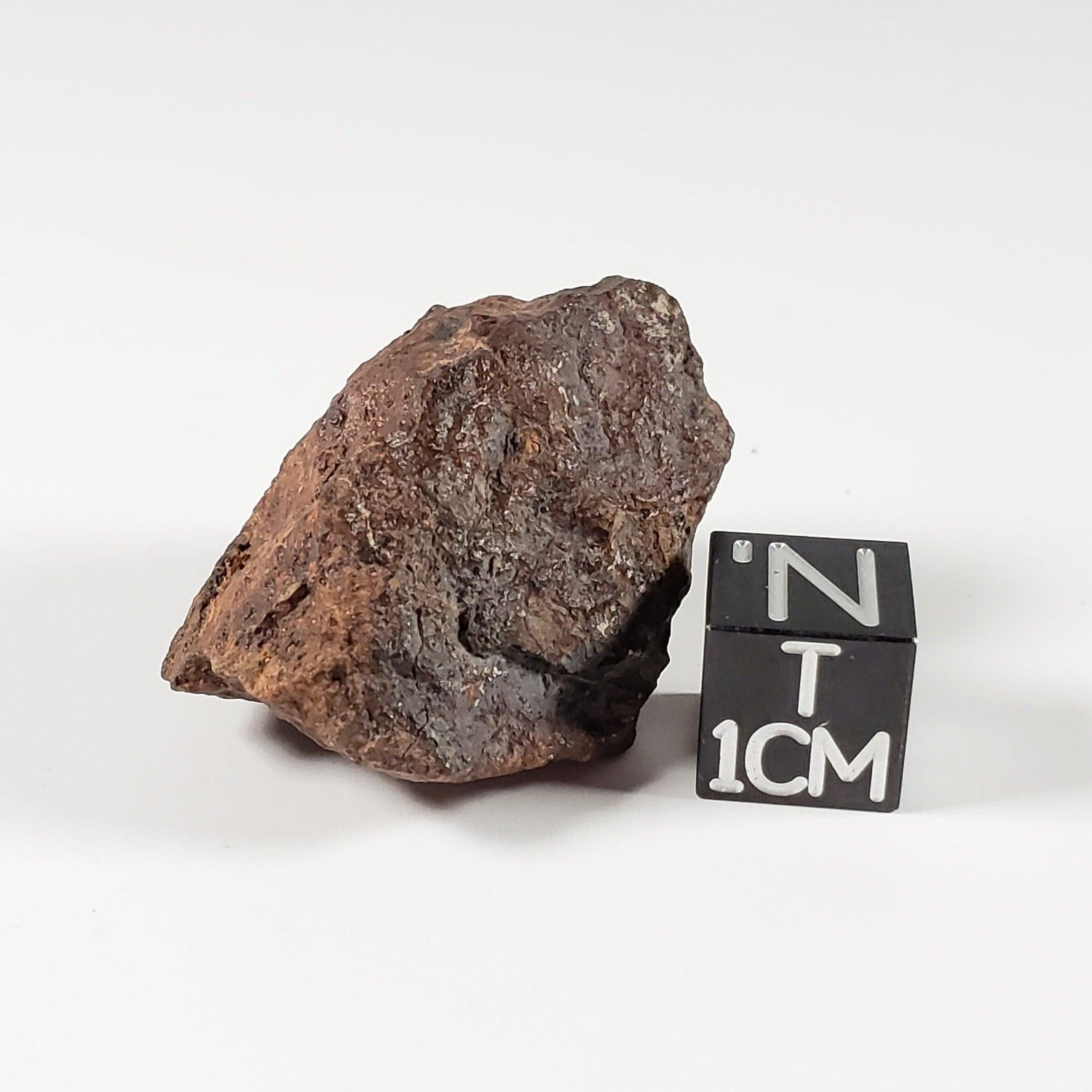
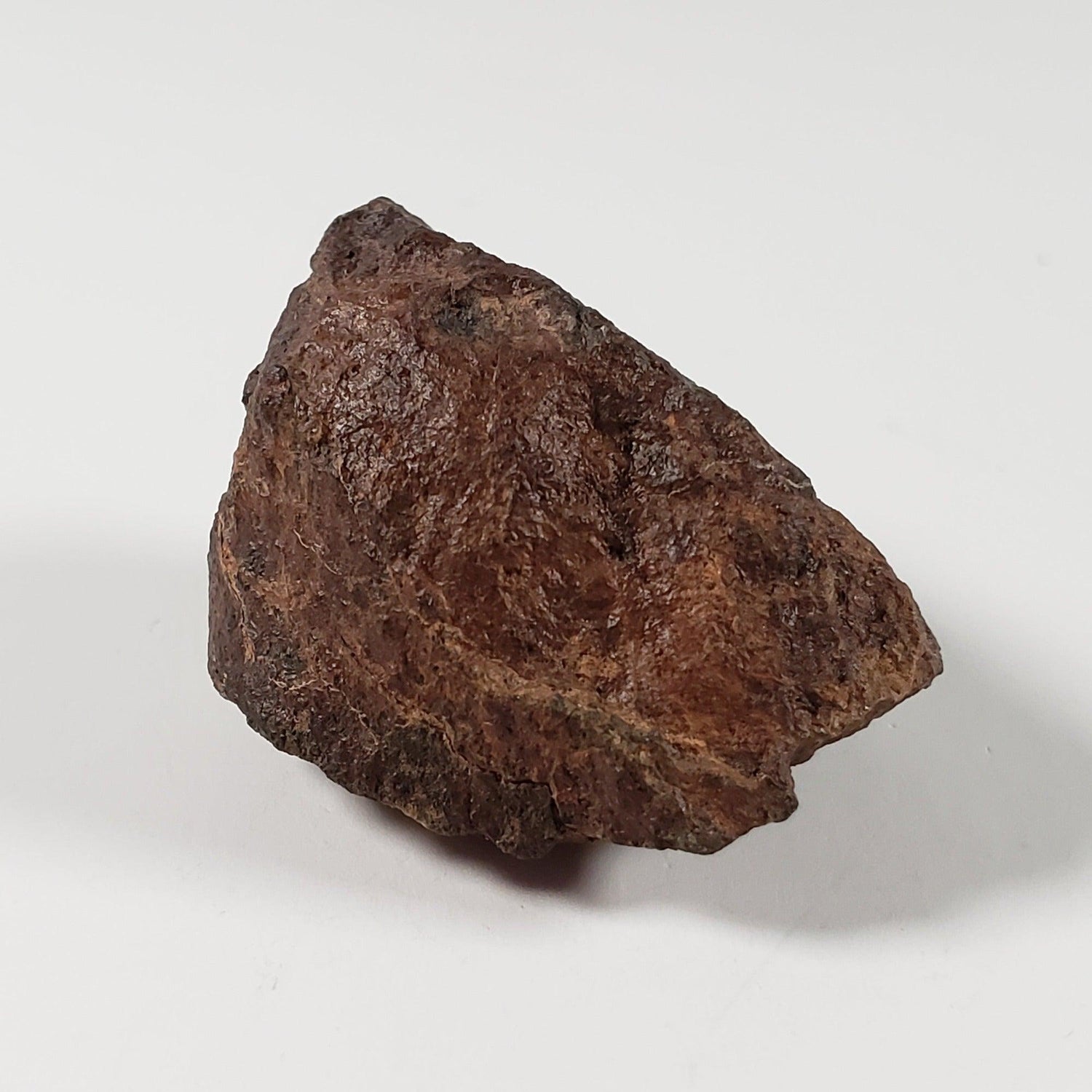
This is a superb looking individual Gold Basin meteorite weighing 21.43 grams. Its dimensions are 31x24x20 mm. This L4 classified meteorite was first found in Mojave, Arizona in 1995.
This piece looks fantastic, showing a fusion crust and is a very desirable size perfect to show in class or at a science show.
Would be a beautiful addition to any new or existing collection. Will come with a Canagem Collection specimen card.
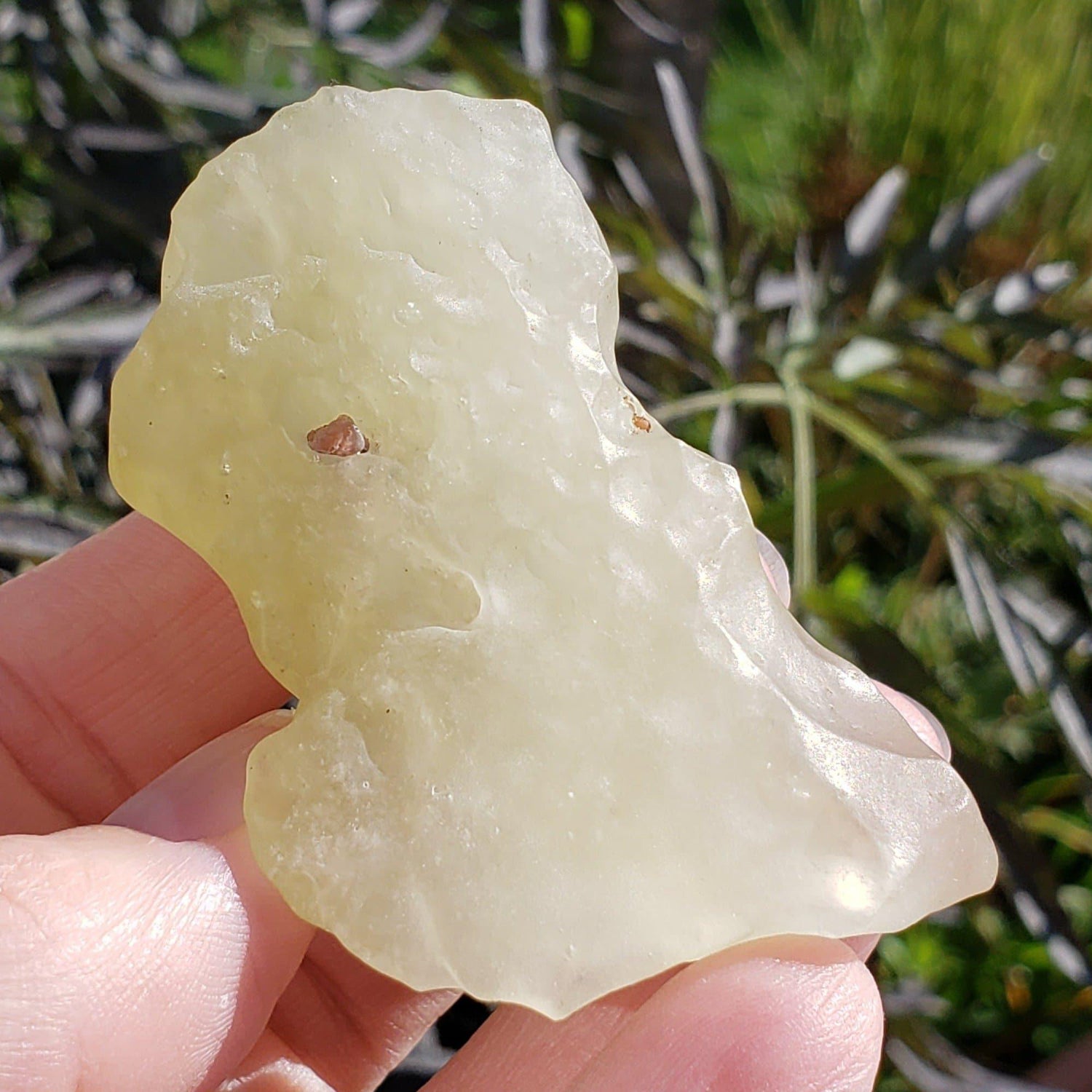
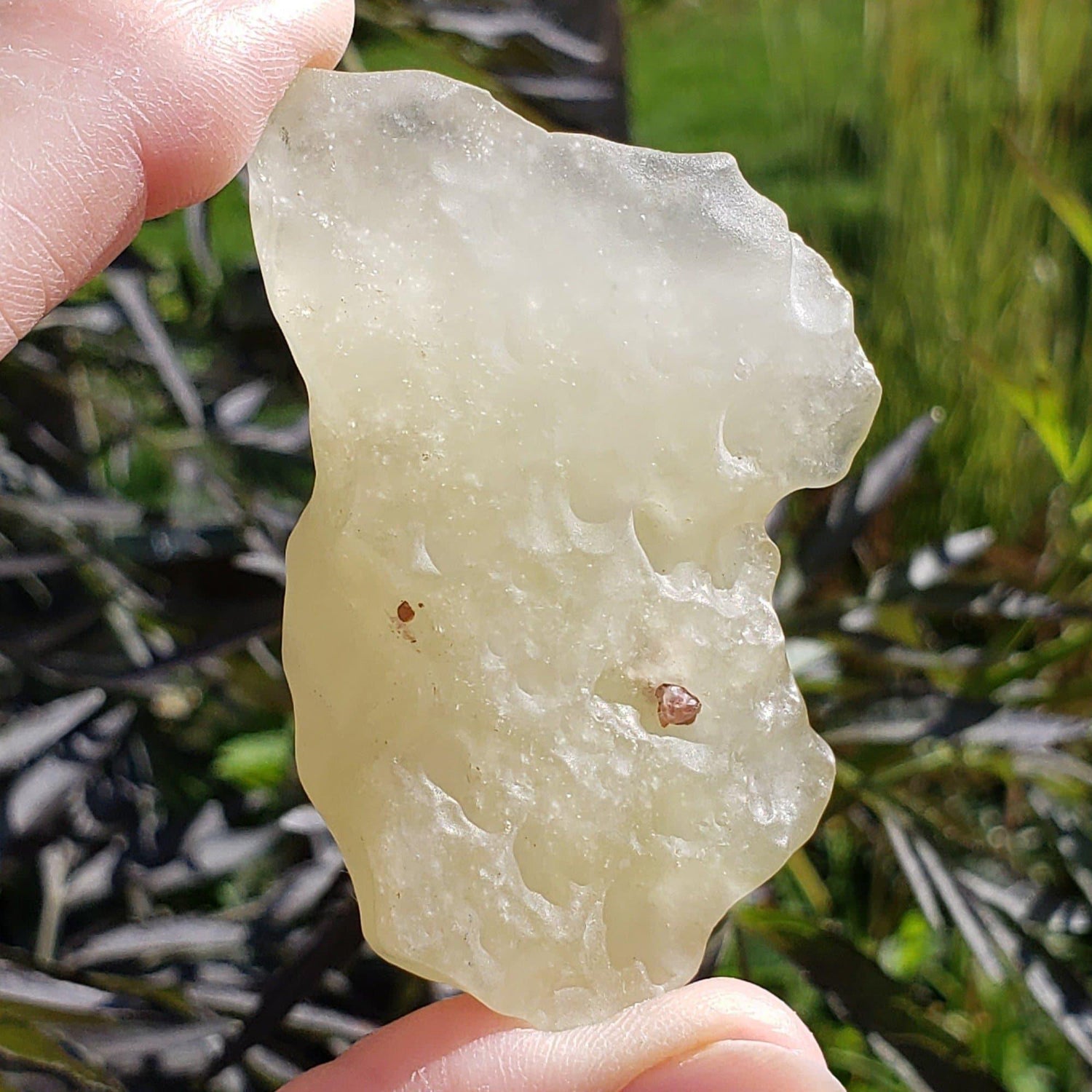
This is a rare and fantastic 75.37 gram Libyan Desert Glass from Kuffra, Libya, with dimensions of 61x41x26 mm.
Although its exact origin is still debated, the leading theory suggests it was formed by a high-energy event, such as a meteoric impact or airburst, that melted the desert sand directly where it lay, without being ejected into the atmosphere and re-entering. This results in different physical characteristics compared to tektites. Libyan Desert Glass is found specifically in the Great Sand Sea of the Eastern Sahara, within a more localized area spanning parts of western Egypt and eastern Libya.
This piece displays extremely well and is a quality translucent specimen. It has an aesthetic shape with a beautiful wind eroded body from the years spent in the Desert. Would be a beautiful addition to any new or existing collection. Comes with a Canagem Collection specimen card.
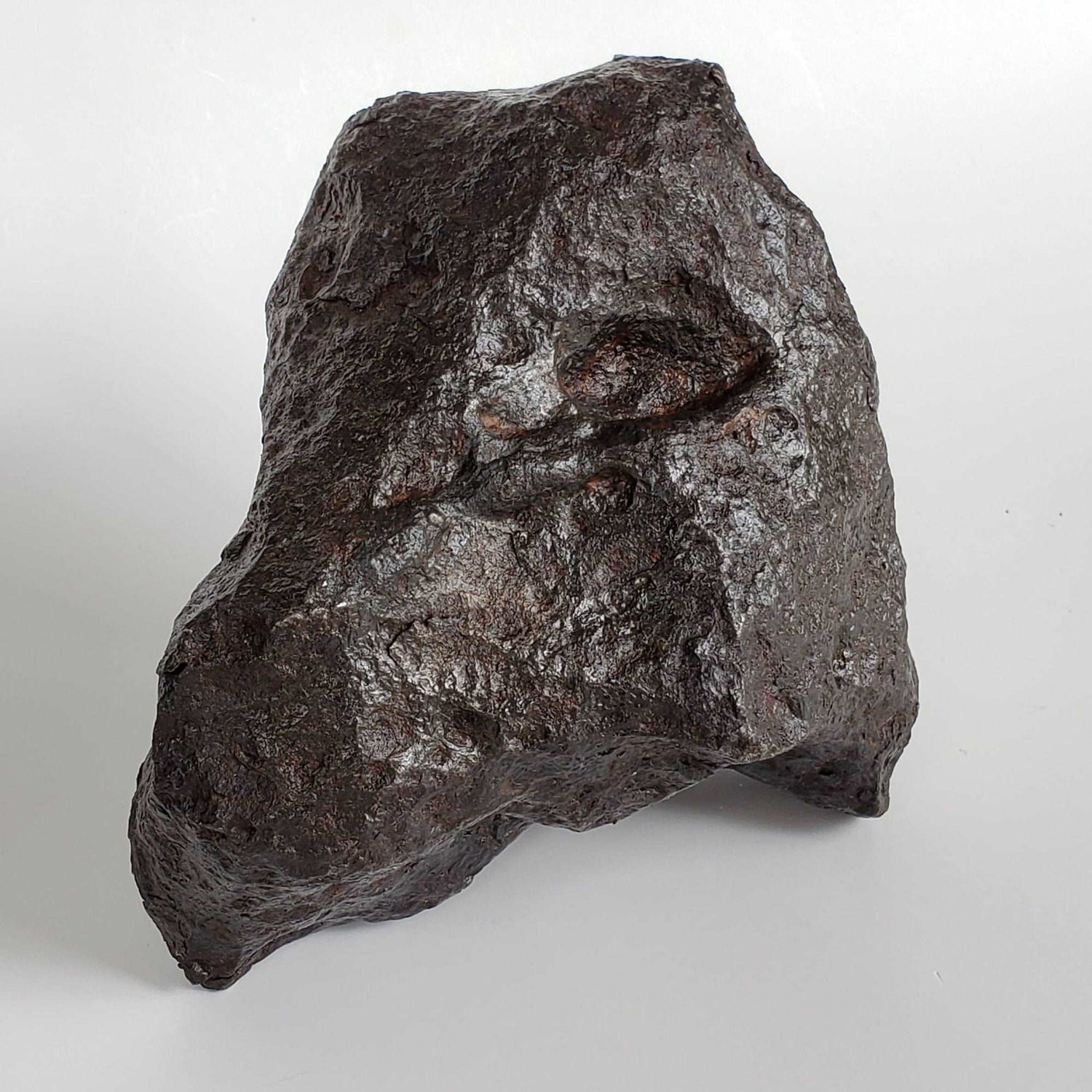
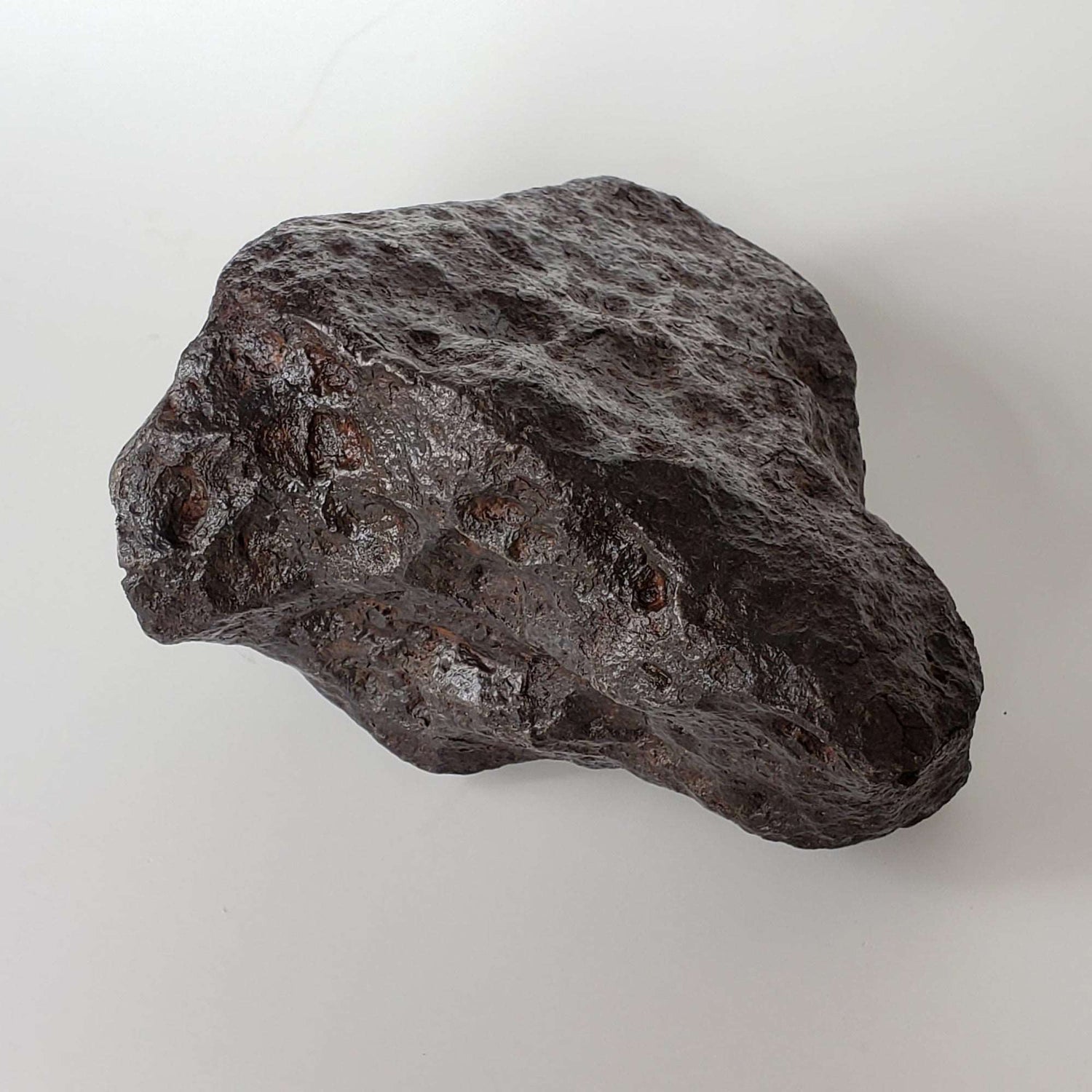
This is a beautiful sample of the famous iron meteorite from Chaco Province, Argentina, named Campo del Cielo (Heaven’s Field in Spanish) that was found in 1576 by Spanish explorers. This is a solid iron individual meteorite classified as IAB Silicated. This incredible specimen has many large regmaglypts and scoops (or thumb prints)
This meteorite is classified as an Iron polycrystalline coarse octahedrite (IAB). It weighs 5,594 grams (12.5 Lbs) and measures 146x142x91 mm (5.7x5.6x3.6 inches).
This piece displays extremely well and is a very desirable size. It is a great example of this iron type meteorite. Comes with a Canagem Collection specimen card. Would make a beautiful addition to any collection.
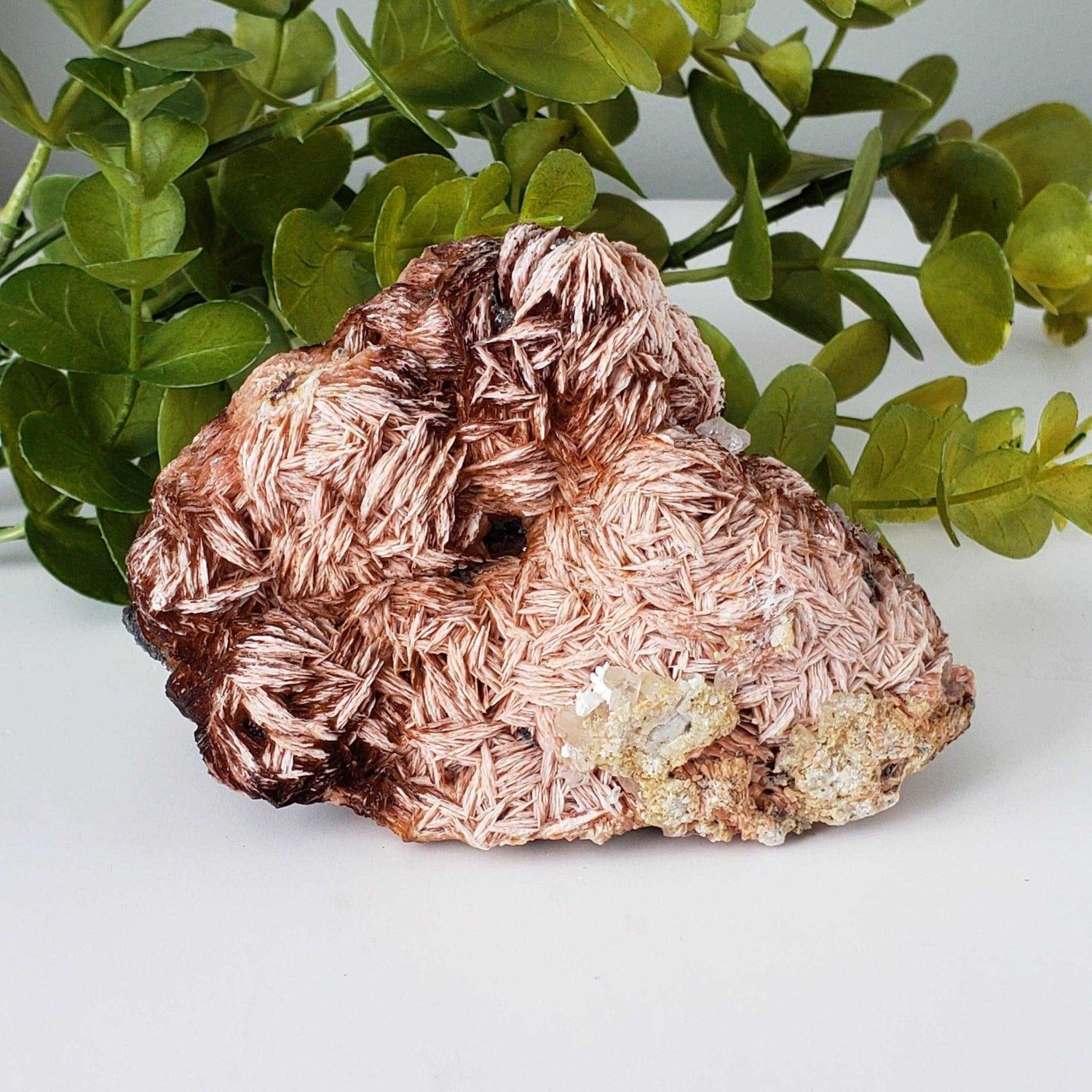
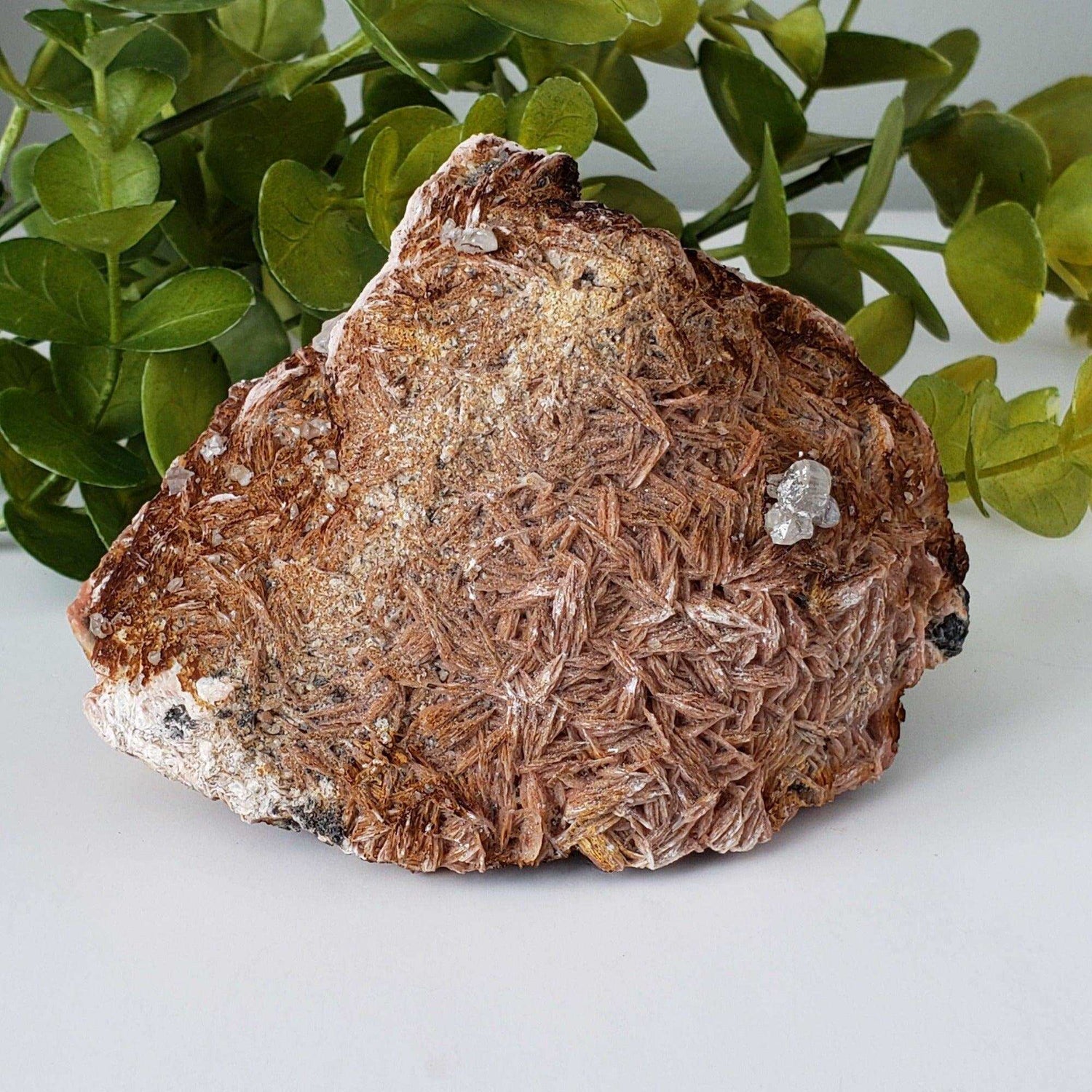
This Barite crystal would be a beautiful addition to any new or existing collection.
Name: Barite Cluster Crystal
Specimen Size: Large Cabinet-Sized
Dimensions: 113x60x80 mm / 4.3x2.4x3.1 inches
Weight: 938 Grams / 2 Lbs 1 ounces
Origin: Mined in Granada, Spain

Canagem is proud to be professional member of The International Gem Society(IGS) the world's top resource for gem professionals, enthusiasts, and industry content.