

📢 Notice to ALL Customers 📢
Search results
945 results
Search results
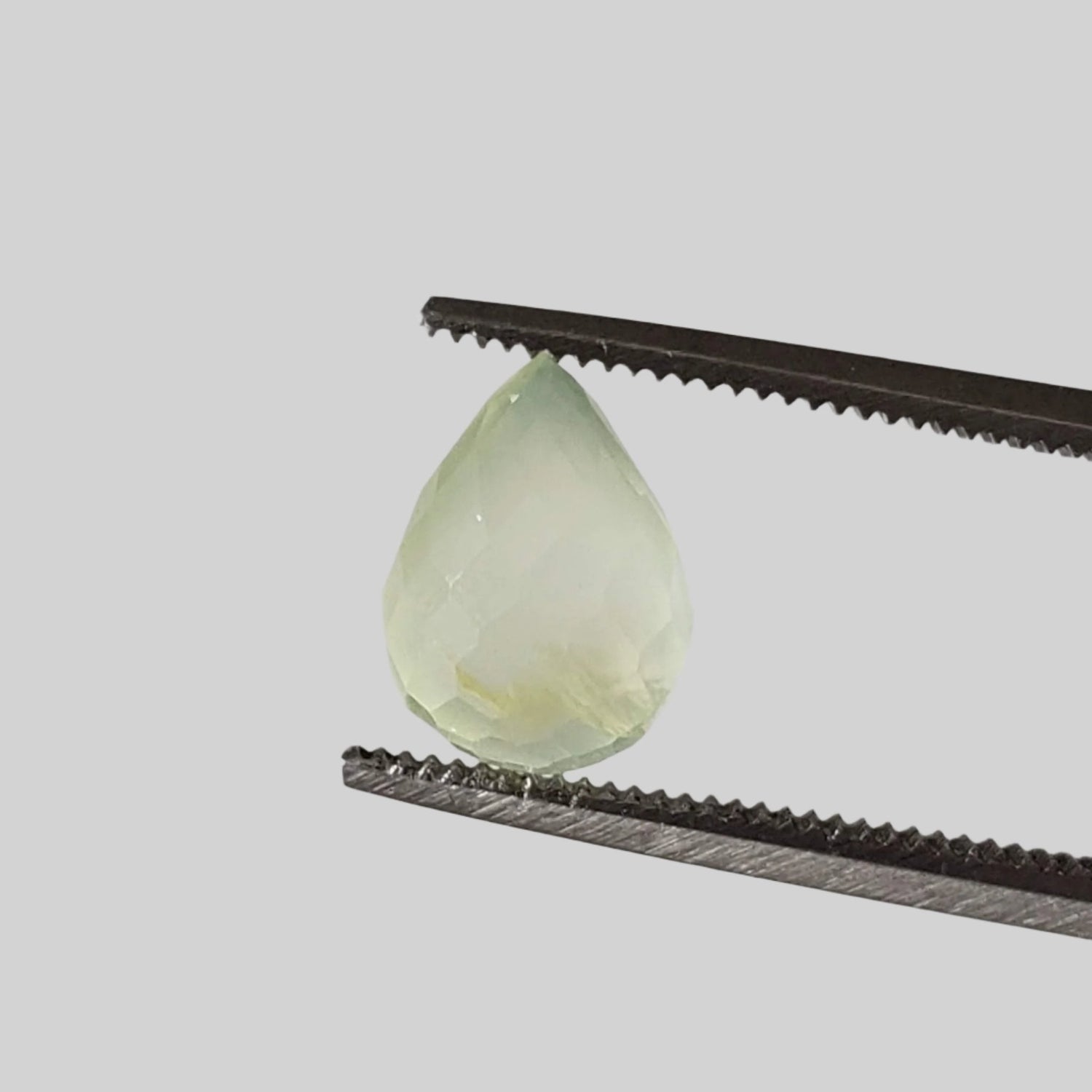
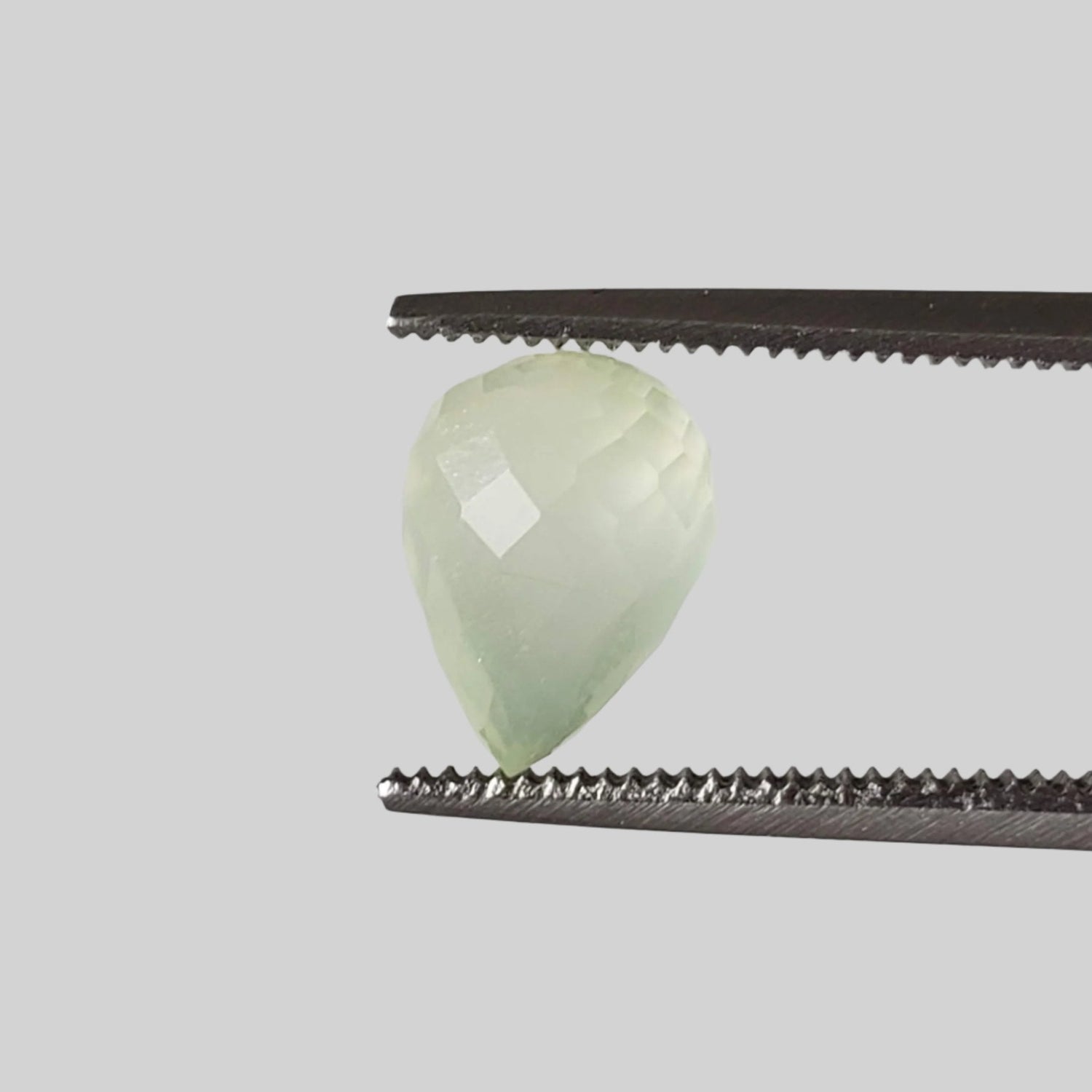
Product Type: Green Garnet
Approx Weight (per piece): 2.2ct
Size: 8.5x6.2mm
Shape: Briolette
Color: Fine Light Green
Clarity: Transparent
Origin: Africa


Pseudomorphs are mineral specimens that have the external shape of one mineral but are composed of another. The pseudomorph goethite after marcasite forms when marcasite is exposed to oxidizing conditions and starts to oxidize and break down. As the marcasite breaks down, goethite replaces it in the crystal structure, preserving the shape of the original marcasite crystal. The resulting specimen appears as a marcasite crystal, but is actually composed of goethite.
The Farafra Oasis, in the White Desert, has been known for a number of years to deliver incredible pseudomorph specimens. The pseudomorphs occur within the Cretaceous Khoman Chalk, from which the White Desert derives its name.
This specimen is remarkable for its relatively sharp and bladed marcasite crystal form. It is in excellent condition.
Name: Goethite After Marcasite Pseudomorph
Specimen Size: Miniature-Sized Specimen
Dimensions: 36x33x27 mm / 1.4x1.3x1.1 inches
Weight: 42 grams / 1.5 ounces
Origin: White Desert, Farafra Oasis, Egypt


Product Type: Zircon
Approx Weight (per piece): 2.7ct
Size: 10.7x7mm
Shape: Pear Shape Cut
Color: Yellow
Clarity: Clean
Origin: Vietnam
Zircon comes in a variety of colors, including blue, yellow, green, brown, and red, and is renowned for its exceptional brilliance. It is found in many locations worldwide, including Sri Lanka, Myanmar, Cambodia, and Australia. Some of the oldest zircon crystals have been dated to be over 4 billion years old, making them among the oldest minerals on Earth.
Zircon has a hardness of 6.5 to 7.5 on the Mohs scale, making it durable enough for use in various types of jewelry. However, care should be taken to avoid sharp blows and extreme temperatures.
Zircon is associated with promoting spiritual growth, mental clarity, and prosperity. It is also thought to enhance self-confidence and provide protection.
It's important to note the distinction between natural zircon and cubic zirconia. Natural zircon is a genuine gemstone, while cubic zirconia is a synthetic material often used as a diamond simulant.


This is a very fine green Apophyllite with Stilbite from Parsboro, Cape d'Or, Nova Scotia, Canada. It is one of the rare green specimens which was collected in the 2002, and is a quality specimen.
One of the distinguishing features of apophyllite is its ability to form well-defined crystals with a pyramid-like shape. These crystals often exhibit a prismatic or pseudo-cubic habit and have a vitreous luster. Apophyllite is transparent to translucent and is commonly found in colorless or white varieties, although it can also occur in shades of green, pink, yellow, or brown.
Stilbite is a zeolite mineral appreciated for its delicate crystal formations and pastel hues, ranging from colorless to white, yellow, pink, and peach. It forms distinctive tabular crystals with a bowtie or butterfly shape and exhibits a vitreous to pearly luster. Commonly found in cavities in volcanic rocks, stilbite is often associated with other zeolite minerals.
Name: Apophyllite, Stilbite Crystals
Specimen Size: Miniature-Sized
Dimensions: 45x33x33 mm / 1.8x1.3x1.3 inches
Weight: 35.2 gr / 1.2 oz
Details: Mined in Cape D'Or, Nova Scotia, Canada


Product Type: Unakite
Product ID: UNGN2354
Approx Weight (per piece): 0.90ct
Size: 7x5mm
Shape: Oval Cabochon
Color: Green with Mottled Red
Clarity: Opaque
Origin: Russia
Unakite typically exhibits a mix of pink to salmon-colored feldspar, green epidote, and clear to milky quartz. The colors are often mottled or speckled, creating a unique and earthy appearance. Unakite is named after the Unaka Mountains in North Carolina, USA, where it was first discovered.
Unakite has a hardness ranging from 6 to 7 on the Mohs scale, making it suitable for use in jewelry. However, care should be taken to avoid harsh chemicals and extreme temperatures.
Unakite is associated with emotional healing, balance, and patience. It is believed to help release deep-seated emotions and promote a sense of tranquility and well-being.


Prehnite can form prismatic, tabular, or pyramidal crystals, but usually occurs in botryoidal, reniform, stalactitic, granular, or compact habits. It is usually green in colour, but may be white, colourless, yellow, or gray. It has a colourless streak. Prehnite is transparent to translucent, with a vitreous to pearly luster. It forms in cavities in basaltic lavas.
Prehnite is said to be a stone of unconditional love and the crystal to heal the healer. Placing it in the garden is believed to help make a home into a healing sanctuary and teach one how to be in harmony with nature. A good Fung Shui stone, prehnite is said to be helpful for decluttering, helping one let go of possessions no longer needed.
Name: Prehnite Crystal Cluster
Specimen Size: Cabinet-Sized
Dimensions: 66x62x21 mm / 2.6x2.4x0.8 inches
Weight: 75 Grams / 2.6 Ounces
Origin: Mined in Mumbai (Bombay), India


Product Type: Citrine (Madeira)
Approx Weight (per piece): 1.74ct
Size: 10x7mm
Shape: Pear Shape Cut
Color: Golden
Clarity: Clean
Origin: Brazil

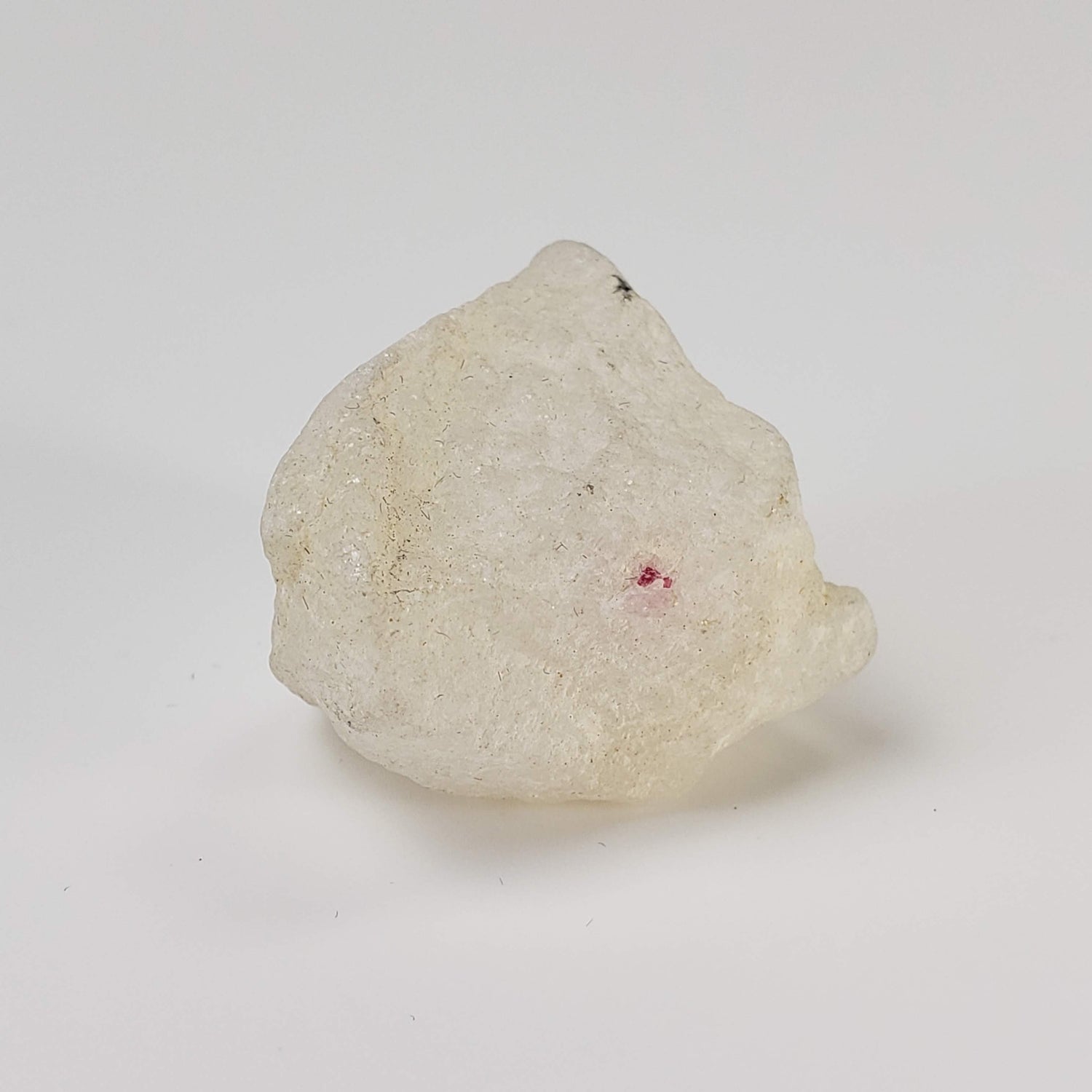
This is a beautiful Spinel crystal in marble host from Myanmar (Burma). Spinel comes in a variety of colors, including red, pink, blue, purple, orange, and black. It is often mistaken for other gemstones due to its resemblance to rubies and sapphires, especially red spinel, which historically has been confused with ruby.
Spinel is found in various regions around the world, including Myanmar (formerly Burma), Sri Lanka, Tanzania, Madagascar, Vietnam, and Afghanistan. Myanmar, in particular, is known for producing some of the finest red spinel gemstones.
Spinel is associated with vitality, rejuvenation, and inspiration. It is believed to promote energy, strength, and positive transformation.
Name: Spinel Crystal In Host (marble matrix)
Specimen Size: Miniature Sized
Dimensions: 31x24x25 mm / 1.2x1x0.6 inches
Weight: 19.6 gr / 0.7 ounces / 97.8
Origin: Mogok, Myanmar (Burma)


Apophyllite is a mineral known for its distinctive crystal formations, often occurring in clusters with a unique beauty. Its crystals are usually colorless or white, allowing them to be transparent or translucent. Although, some specimens may exhibit a greenish, yellowish, or pinkish tint due to the presence of impurities.
Prehnite can form prismatic, tabular, or pyramidal crystals, but usually occurs in botryoidal, reniform, stalactitic, granular, or compact habits. It is usually green in colour, but may be white, colourless, yellow, or gray. It has a colourless streak. Prehnite is transparent to translucent, with a vitreous to pearly luster. Prehnite forms in cavities in basaltic lavas.
Apophyllite is believed to promote self-reflection and authentic self-expression, helping to reduce stress, release mental blockages, and overcome anxiety by revealing truth and facilitating the release of suppressed emotions. Prehnite is considered a stone of unconditional love, known for its healing properties, especially for healers, and is thought to bring harmony to spaces, assist in decluttering, and create a healing sanctuary, particularly when used in gardens.
Name: Apophyllite and Prehnite Cluster Crystal
Specimen Size: Cabinet-Sized
Dimensions: 65x58x49 mm / 2.6x2.3x1.9 inches
Weight: 86 Grams / 3 Ounces
Origin: Mined in Mumbai (Bombay), India


Product Type: Smoky Quartz
Approx Weight (per piece): 10.6ct
Size: 18x12.3mm
Shape: Step Top Barrel Cut
Color: Dark Smoky
Clarity: Clean to the eye
Origin: Brazil


Product Type: Fluorite
Approx Weight (per piece): 1.0ct
Size: 8x5mm
Shape: Pear Shape Cabochon
Color: Neon Green
Clarity: Transparent
Origin: Afghanistan
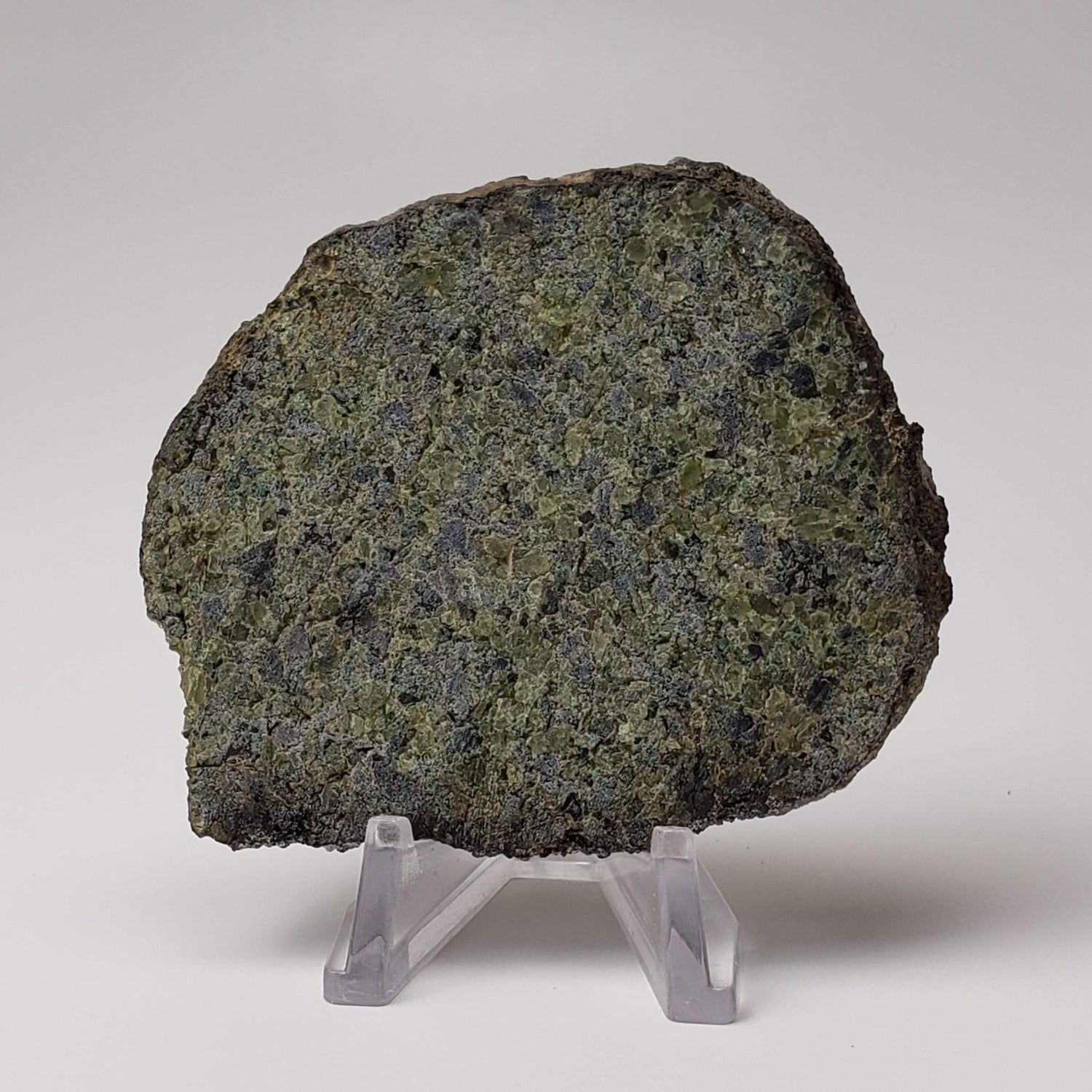
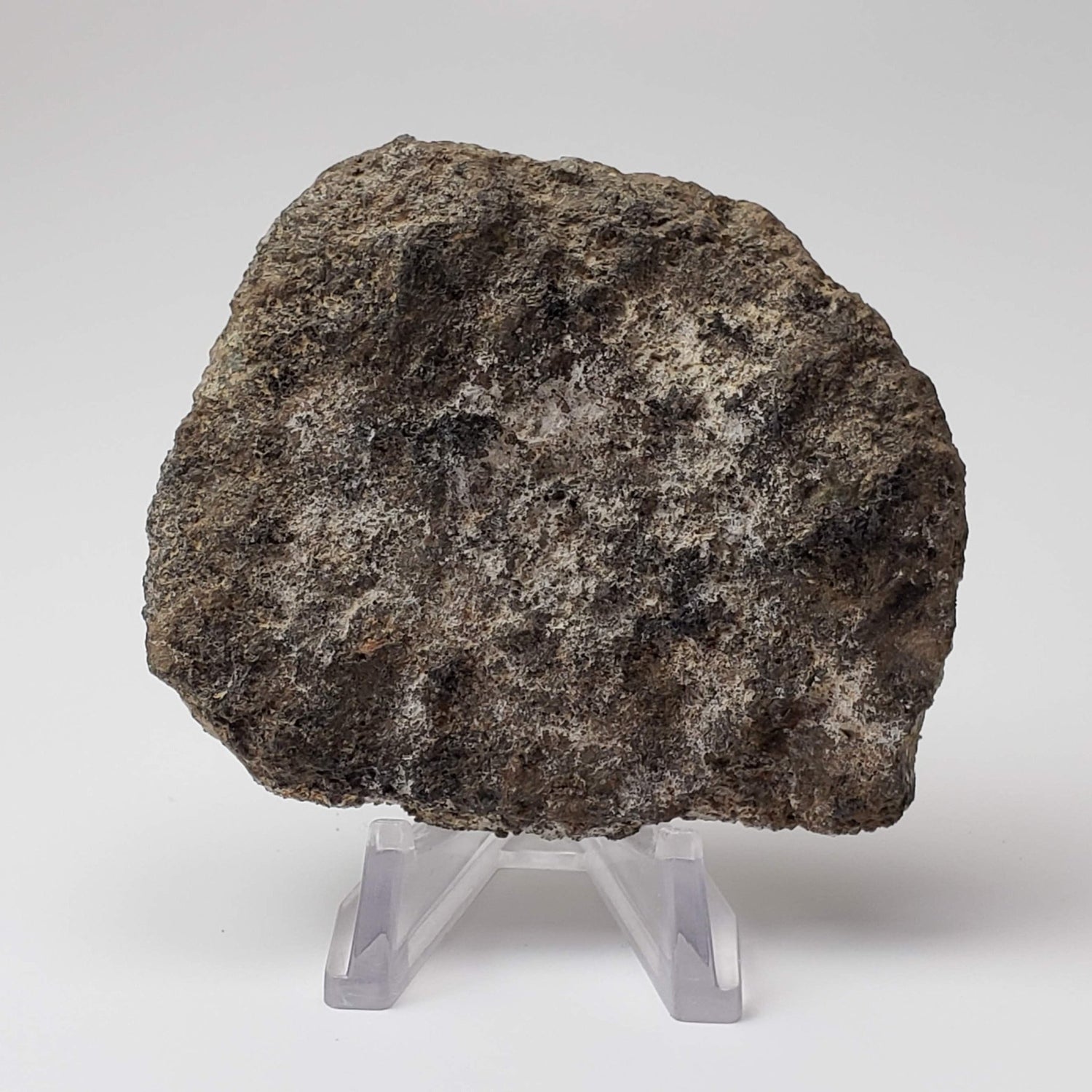
An olivine volcanic bomb is a type of volcanic rock that contains olivine crystals and has been ejected during a volcanic eruption. Olivine is a mineral that is commonly found in the Earth's mantle and is one of the first minerals to crystallize as magma cools.
Volcanic bombs are large clots of lava that are ejected from a volcano during an explosive eruption. They can vary in size, and their shapes are often streamlined due to their molten nature as they are thrown through the air. When these volcanic bombs contain olivine crystals, they are referred to as olivine volcanic bombs.
This piece has been cut to showcase the beautiful green olivine crystals. It would be a beautiful addition to any new or existing collection. Comes with a Canagem Collection specimen card. Stand is not included.
Name: Olivine Volcanic Bomb
Specimen Size: Cabinet-Sized
Dimensions: 74x61x13 mm / 2.9x2.4x0.5 Inches
Weight: 116.6 Grams / 4.1 Ounce
Details: Volcanic activity Mortlake, Victoria, Australia


Rhodonite | 10 Piece Gemstone Lot | Oval Cabochon | Pink | 7.5-8.0x5.6-6.0mm 16.5tcw
Product Type: Rhodonite
Approx Weight (per lot): 16.5ct
Size: 7.5-8.0x5.6-6.0mm
Shape: Oval Cabochon
Color: Pink
Clarity: Fine Crystal
Origin: Africa
This is the exact lot of Rhodonite gemstones that you will receive.
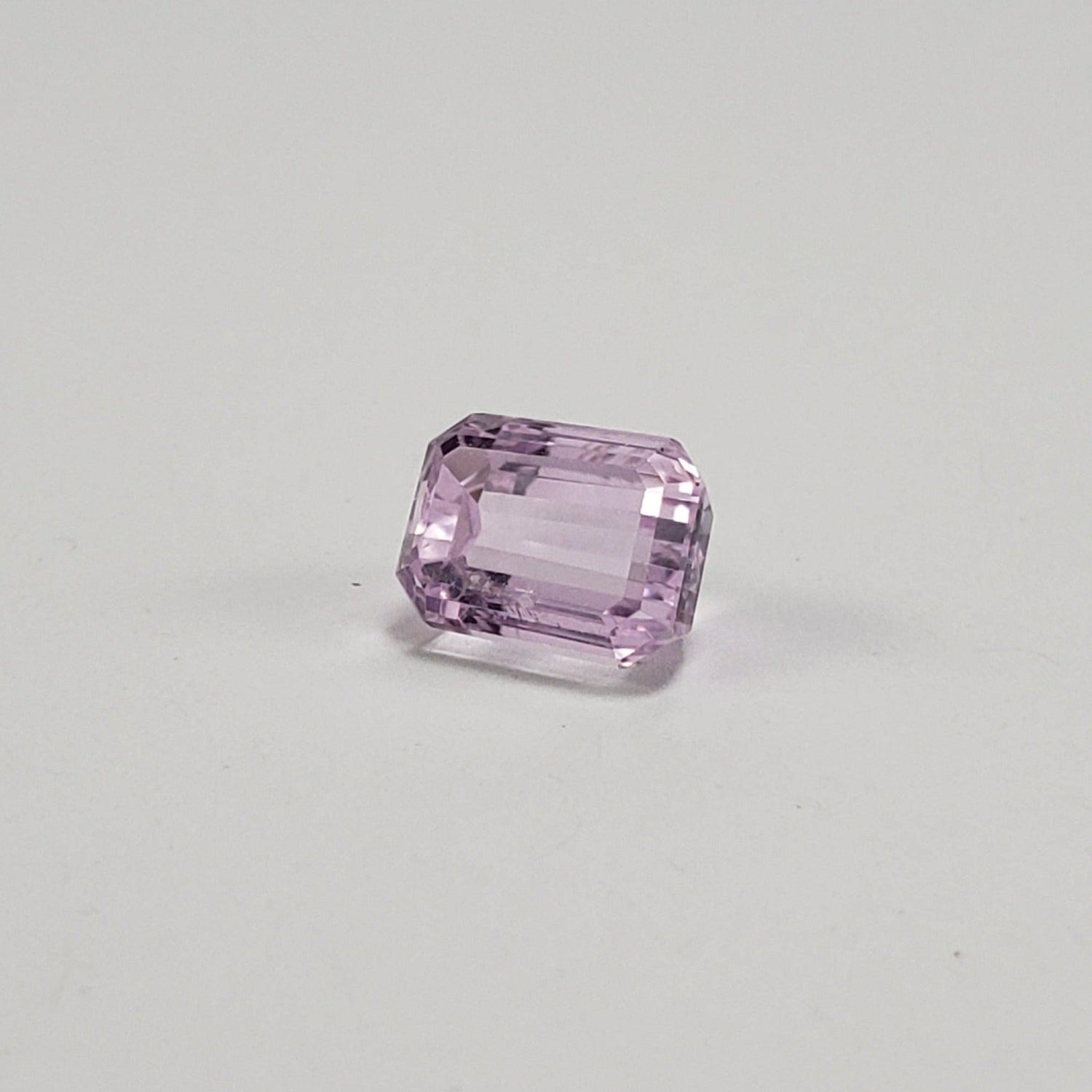
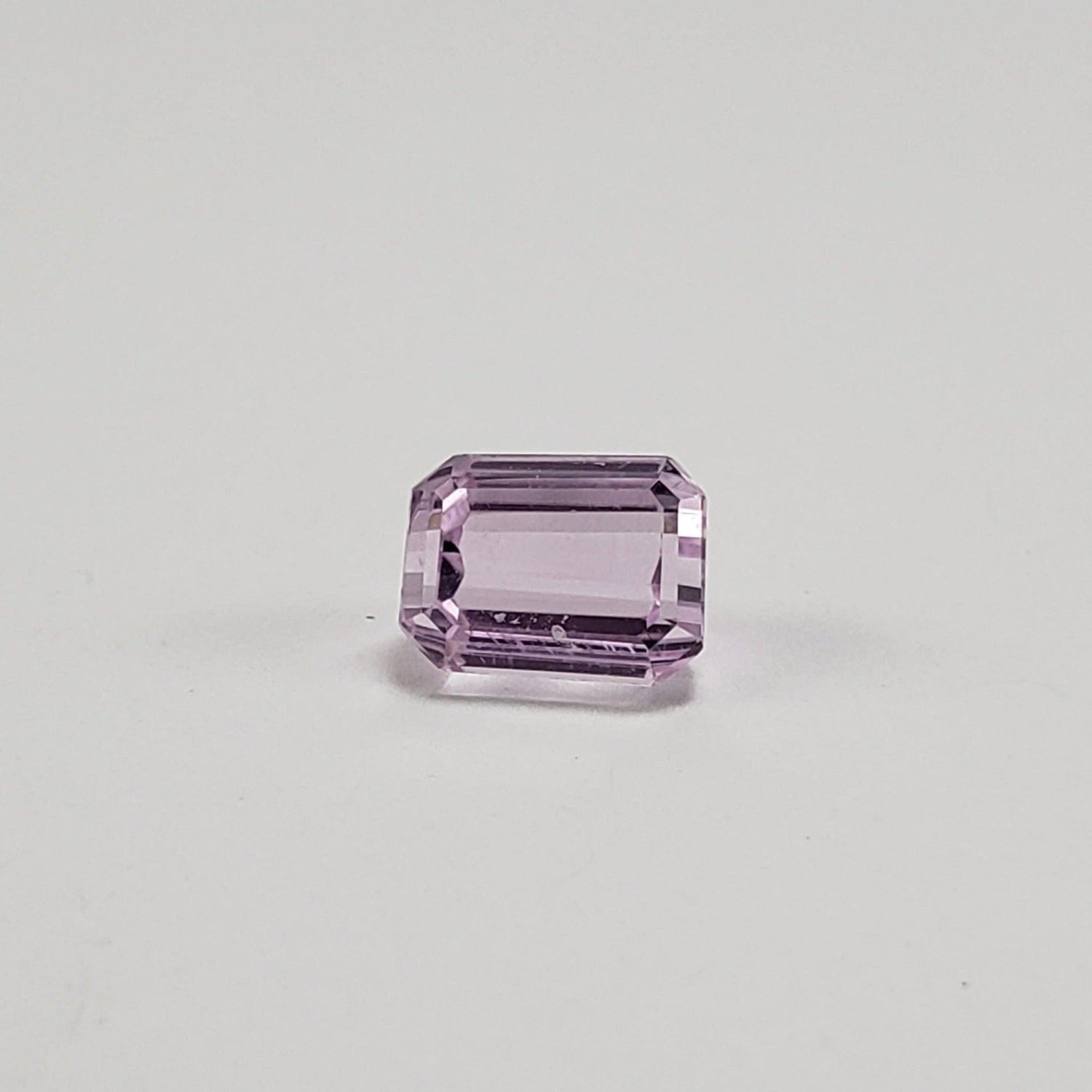
Product Name: Kunzite
Approx Weight (per piece): 3.8ct
Size: 9x7-6.7mm
Shape: Fancy Octagon Cut
Color: Bright Pink
Clarity: Clean
Origin: Afghanistan
Treatment: None


This is an incredibly colorful and beautiful crystal specimen. The Apophyllite is deep green and contrasts beautifully with the white Scolecite. It is a large specimen and displays beautifully.
Stilbite is a zeolite mineral appreciated for its delicate crystal formations and pastel hues, ranging from colorless to white, yellow, pink, and peach. It forms distinctive tabular crystals with a bowtie or butterfly shape and exhibits a vitreous to pearly luster. Commonly found in cavities in volcanic rocks, stilbite is associated with other zeolite minerals. It is valued for its aesthetic appeal and is believed by some to have calming energy, supporting spiritual growth and emotional healing.
One of the distinguishing features of apophyllite is its ability to form well-defined crystals with a pyramid-like shape. These crystals often exhibit a prismatic or pseudo-cubic habit and have a vitreous luster. Apophyllite is transparent to translucent and is commonly found in colorless or white varieties, although it can also occur in shades of green, pink, yellow, or brown.
Scolecite forms as vertically striated, thin, prismatic crystals. Scolecite may also occur as radiating fibrous masses. The colour may be white, yellowish, or colourless. It is a transparent to translucent mineral, and it has a vitreous to silky luster.
Name: Apophyllite, Stilbite, Scolecite Crystals
Specimen Size: Large Cabinet-Sized
Dimensions: 150x110x80 mm / 5.9x4.3x3.1 inches
Weight: 1.33 KG / 2 lbs 14 oz
Details: Mined in Panvel, India


Product Type: Imperial Topaz
Approx Weight (per piece): 1.08ct
Size: 7x5mm
Shape: Oval Cut
Color: Fine Imperial Orange
Clarity: Clean
Origin: Brazil


Stilbite is a zeolite mineral appreciated for its delicate crystal formations and pastel hues, ranging from colorless to white, yellow, pink, and peach. It forms distinctive tabular crystals with a bowtie or butterfly shape and exhibits a vitreous to pearly luster. Commonly found in cavities in volcanic rocks, stilbite is associated with other zeolite minerals. It is valued for its aesthetic appeal and is believed by some to have calming energy, supporting spiritual growth and emotional healing.
Name: Stilbite Crystal
Specimen Size: Miniature-Sized
Dimensions: 28x38x53 mm / 1.1x1.5x2 inches
Weight: 51 Grams / 1.8 Ounces
Origin: Mined in Jalgaon, India
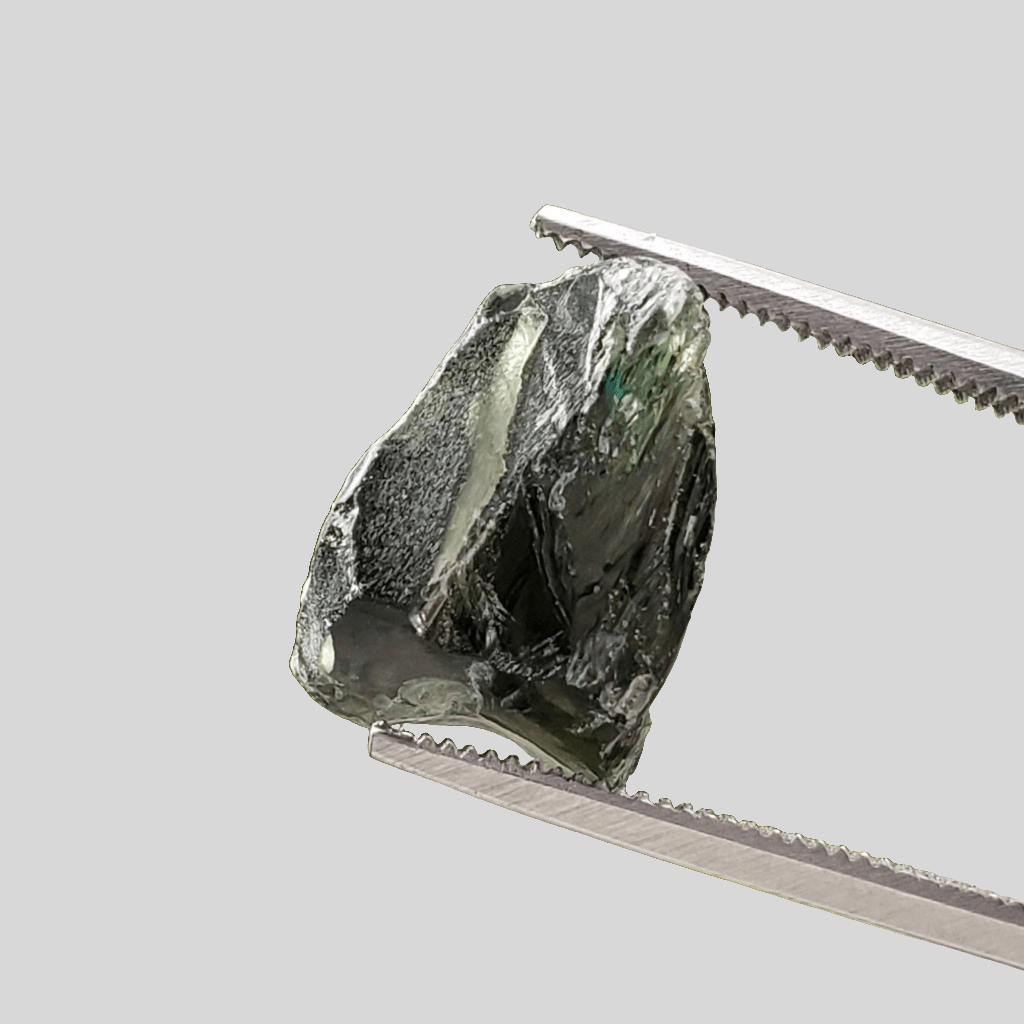
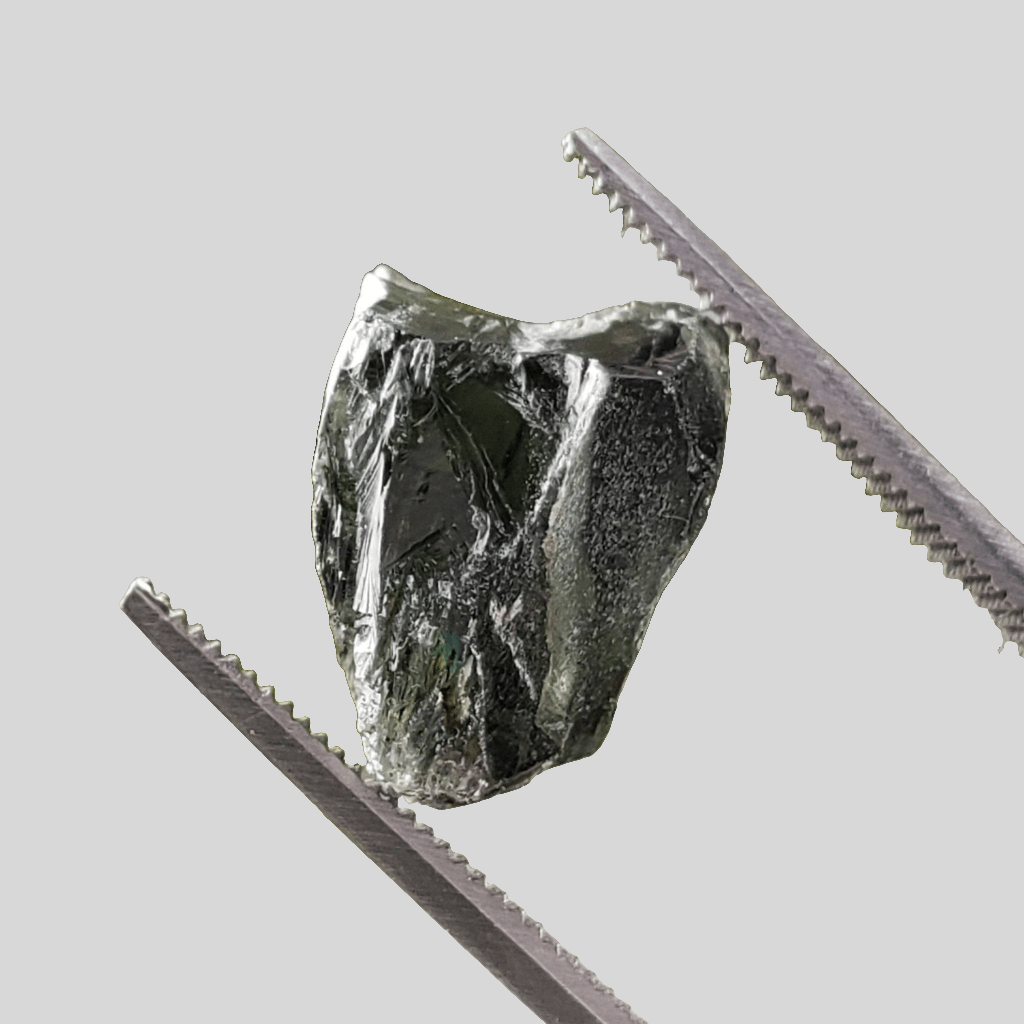
Chrome diopside is a vibrant green variety of diopside, its deep green color comes from the presence of chromium, which gives it a hue similar to emerald or tsavorite garnet. It often forms as transparent to translucent crystals with a glassy luster.
Chrome diopside is believed to promote emotional healing, compassion, and connection to nature. Some consider it a stone that supports personal growth and creativity, while also helping to release stress and negative emotions.
Product Type: Chrome Diopside (Rough)
Approx Weight (per piece): 6.4ct
Size: 13x7x7 mm
Shape: Rough
Color: Deep Green
Clarity: Transparent
Origin: Africa
Treatment: None

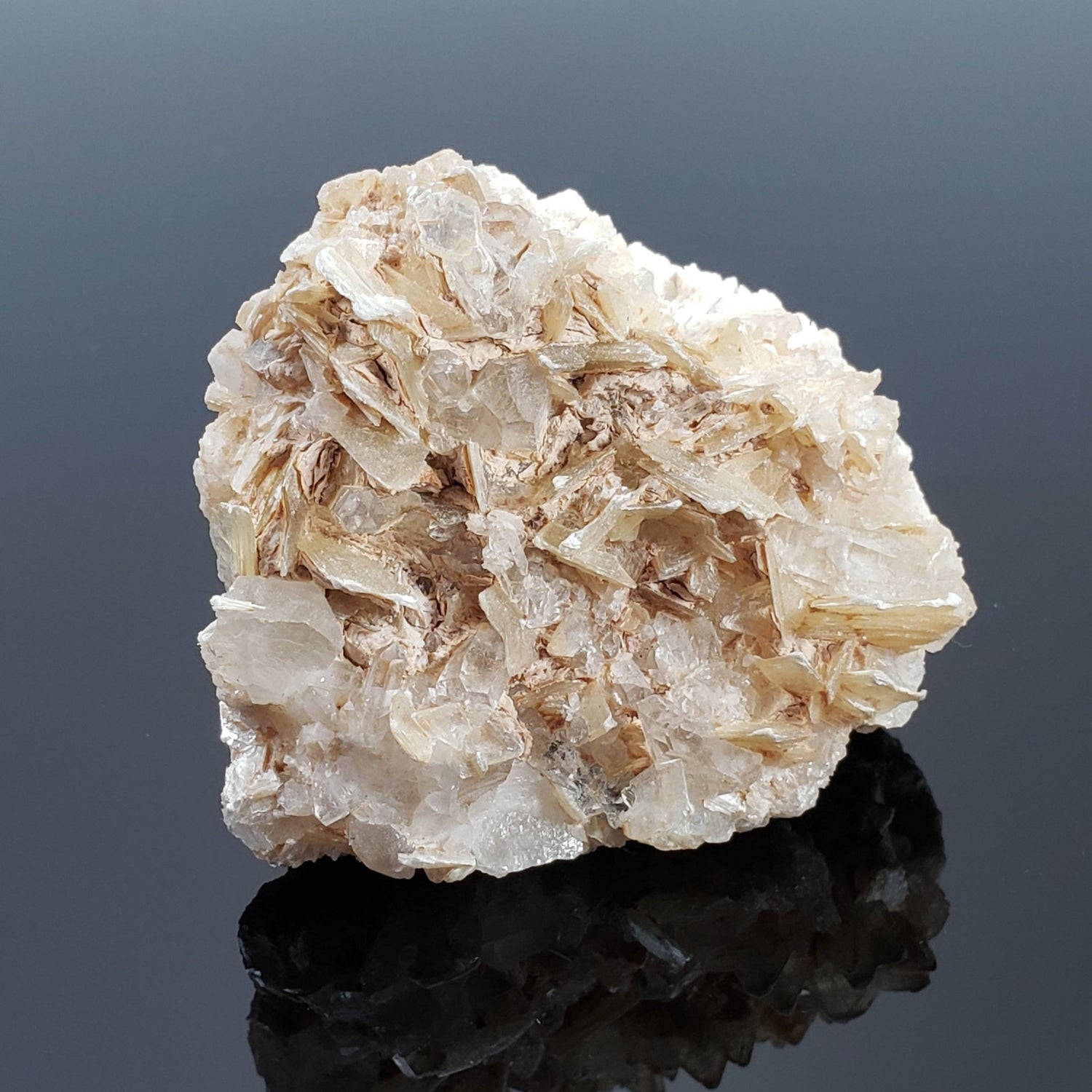
This is a specimen of Star Mica or Muscovite and Quartz cluster. These clusters show crystals that grow in sheets or book formations. It is silvery gold with good transparency when held up to the light. The name Muscovite comes from the term Muscovy Glass which was a name for the thick sheets of Mica used as a substitute for glass Russia. The name Mica is derived from the Greek word that means to split.
On this nice specimen, the matrix faces are covered with beautiful golden yellow point stars of muscovite mica, a typical shape for this rare mica formation. The stars are the result of twinning; the points show a bit of wear but this does not detract from the beauty of such a piece.
Name: Star Mica - Muscovite with Quartz
Specimen Size: Miniature-Sized
Dimensions: 47x43x25 mm / 1.8x1.7x1.0 inches
Weight: 48 Grams / 1.7 ounces
Origin: Mined in Minas Gerais, Brazil


The smoky-brown color of this beautiful calcite cluster is a result of trace impurities or microscopic inclusions incorporated during crystal growth. Iron, manganese, or tiny mineral inclusions can impart shades ranging from pale champagne to deep smoky brown.
Donghai Mine, Jiangsu Province, China, is located within the Sulu ultrahigh-pressure metamorphic belt, one of the world's most geologically significant regions. Formed during the collision of two ancient continental plates hundreds of millions of years ago, the area contains rocks that were buried deep within the Earth before being uplifted to the surface. Later hydrothermal activity deposited mineral-rich veins throughout the region, creating exceptional crystals of quartz, fluorite, calcite, and other minerals.
Today, Donghai is internationally recognized as one of China's premier mineral-producing districts. In addition to quartz, the district is well known for its beautifully crystallized fluorite and calcite, valued for their vibrant colors, transparency, and excellent crystal form. Specimens from Donghai are prized not only for their beauty but also for the remarkable geological history they represent.
Name: Smoky Calcite Cluster
Specimen Size: Large Cabinet-Sized
Dimensions: 235x150x100 mm / 9.3x5.9x3.9 inches
Weight: 1.885 Kg / 4.15 pounds
Location: Donghai Mine Jiangsu Province, China
Recently viewed products
Featured


Canagem is proud to be professional member of The International Gem Society(IGS) the world's top resource for gem professionals, enthusiasts, and industry content.