



1573 products
Sort by:
1573 products


This is a superb looking Arroyo Aguiar meteorite part slice weighing 1.57 grams and measuring 16x8x3 mm. This H5 chondrite classified meteorite fell in the summer of 1950. The total weight of the single stone is 7.45 Kg.
The meteorite was seen to fall by a rancher who found it soon after. It had penetrated some 50 cm into the soil. The meteorite fell near the railway Station Arroyo Aguiar, La Capital Department, Santa Fe Province, Argentina.
Would be a beautiful addition to any new or existing collection. Will come with a Canagem Collection and a Naturalia specimen card.


Product Type: Sapphire
Approx Weight (per piece): 2.15ct
Size: 8.8x6.8mm
Shape: Oval Cut
Color: Pale Lime Green
Clarity: SI (Slightly Included)
Origin: Africa
Note: Irregular offset Pavilion


Product Type: Chrysoberyl
Approx Weight (per piece): 1.0ct
Size: 6.5x5.5m
Shape: Oval Cut
Color: Yellow
Clarity: Clean to the Eye
Origin: Sri Lanka


This is a must have 28.9 gram Impact Breccia also referred to as Suevite coming from the famous Rochechouart impact structure in South Western France, near the village of Montoume. Although not a meteorite, impactites are directly linked to them and their impacts and are probably going to be one of the rarest collection items you'll ever own. Impactite is a slag-like glassy object found on the surface of the earth, formed from rock melted by the impact of a meteorite.
Named after the town of Rochechouart, the Rochechouart impact structure is located on the western margin of the French Massif Central near the city of Limoges, approximately 350 km (220 mi) south of Paris. Rochechouart (population about 3800) is built with rocks created or modified by the impact (impactites).
The term impactite encompasses shock-metamorphosed target rocks, melts or suevites and mixtures of the two, as well as sedimentary rocks with significant impact-derived components and shocked mineral grains, tektites, anomalous geochemical signatures, etc. This impactite was formed 186 million years ago. This deformed rock fragments and partly molten are imbedded in a melt matrix showing typical flow structures from former melt.
This gorgeous slice displays very well with a mass of 59x40x7 mm. Would be a beautiful addition to any new or existing collection. Comes with a Canagem Collection specimen card.


This is a superb looking Arroyo Aguiar meteorite full slice weighing 11.69 grams and measuring 51x40x3 mm. This H5 chondrite classified meteorite fell in the summer of 1950. The total weight of the single stone is 7.45 Kg.
The meteorite was seen to fall by a rancher who found it soon after. It had penetrated some 50 cm into the soil. The meteorite fell near the railway Station Arroyo Aguiar, La Capital Department, Santa Fe Province, Argentina.
Would be a beautiful addition to any new or existing collection. Will come with a Canagem Collection and a Naturalia specimen card.


Product Type: Chrysoberyl
Approx Weight (per piece): 1.0ct
Size: 7.3x5.8m
Shape: Pear Shape Cut
Color: Yellow
Clarity: Clean to the Eye
Origin: Sri Lanka


This is a great looking impactite Tektite collection in a Riker style box containing individual specimens selected for you. From China you have a Tektite specimen; from Kazakhstan you'll find an Irghizite specimen and from the Sahara Desert a Libyan Desert Glass specimen. The Riker collection box is approximately 85x110x23mm (3.3x4.3x.9 inch).
You will receive 1 Riker box containing the above impactite specimens. Note that the photos provided are representative, so you may not receive the exact pictured specimen; however, you will receive one of each of the specimen listed above of the same or higher value and similar characteristics.
The first Tektite is an Indochinite from Maoming City, Guangdong Province, China, although not a meteorite, it is directly linked to them or their impacts, just consider its age of around 780,000 years old. Tektite can still be interesting just because of the persistent mystery that resisted clear explanations of there creation for generations of geologists.
The Libyan Desert Glass from Kuffra, Libya, although its exact origin is still debated, the leading theory suggests it was formed by a high-energy event, such as a meteoric impact or airburst, that melted the desert sand directly where it lay, without being ejected into the atmosphere and re-entering. This results in different physical characteristics compared to tektites. Libyan Desert Glass is found specifically in the Great Sand Sea of the Eastern Sahara, within a more localized area spanning parts of western Egypt and eastern Libya.
The specimen of Irghizite from the Zhamanshin impact crater, Yrgyz District, Aktobe Region in Kazakhstan is a must in any collection. This natural glass was formed from a meteorite impact melting the local rock which is confirmed with the Zhamanshin meteor crater 14 km in diameter and dated at 900,000 years ± 100,000. Of interest, this tektite glass was often used in paleolithic tool making..
Each specimen shows very well and is a perfect size to proudly display in your collection and they will come with a Canagem Collection specimen card. Would be a beautiful addition to any new or existing collection.


Product Type: Sapphire
Approx Weight (per piece): 0.8ct
Size: 6.7x5mm
Shape: Oval Cut
Color: Green
Clarity: Clean to the Eye
Origin: Africa
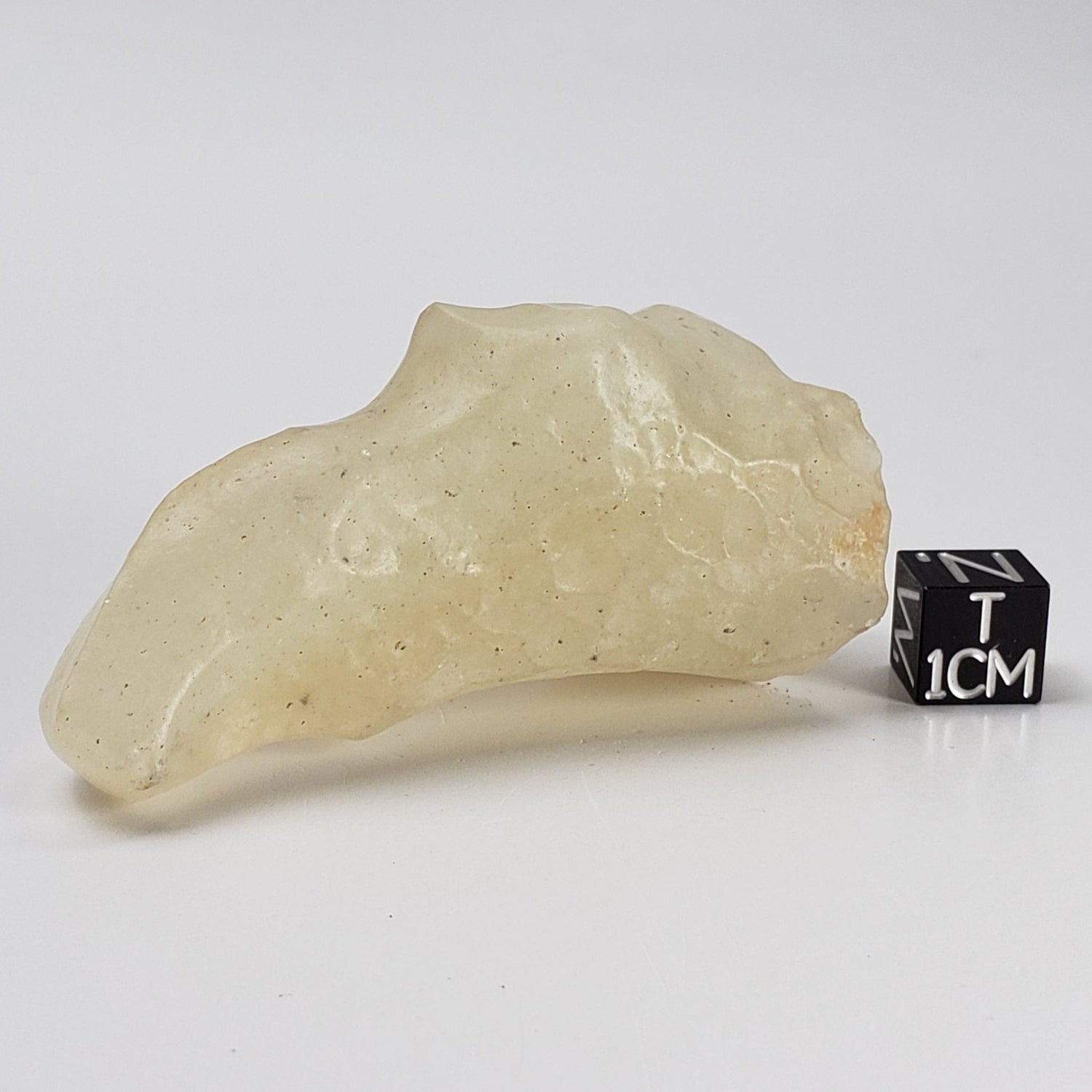
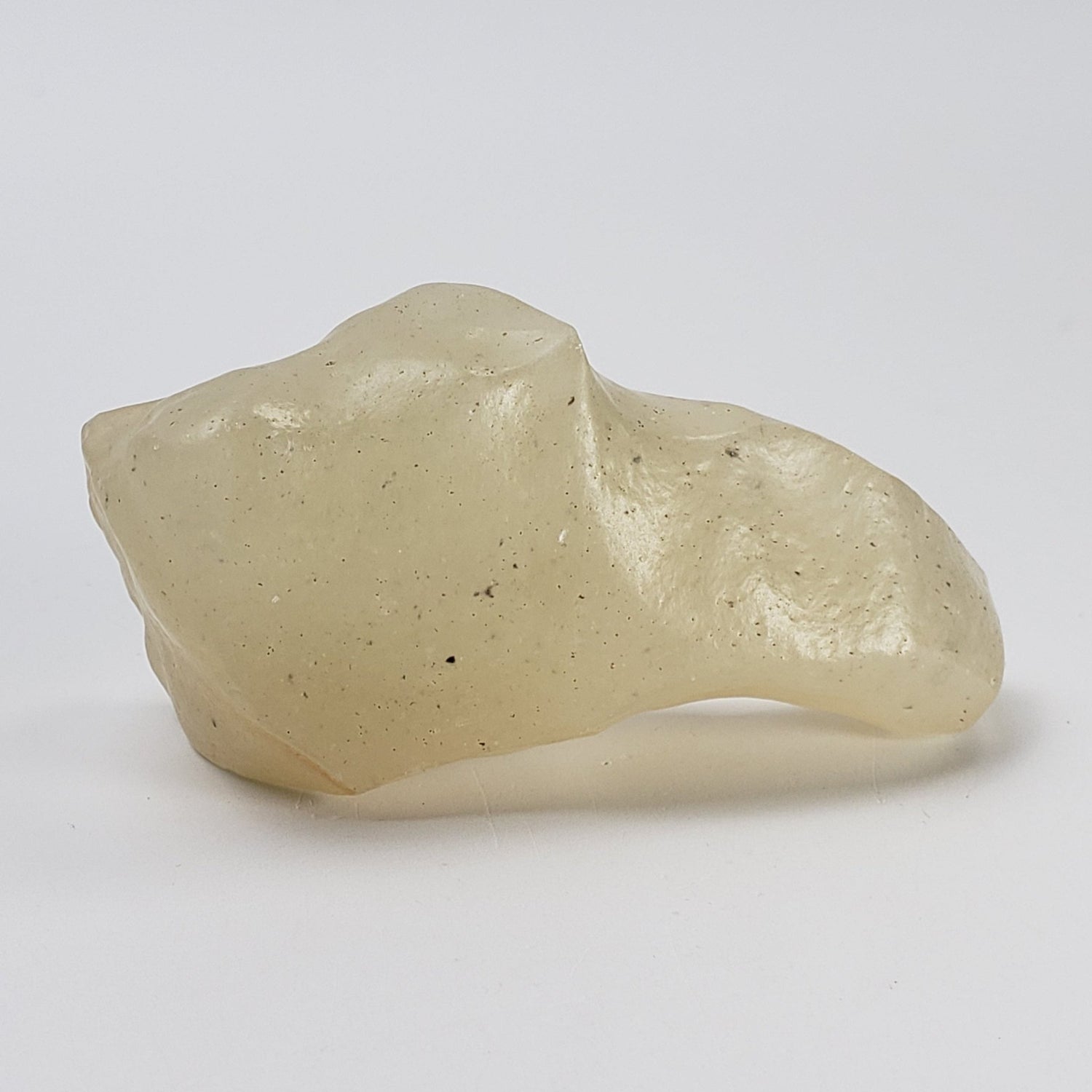
This is a rare and fantastic 54.4 gram Libyan Desert Glass from Kuffra, Libya, with dimensions of 68x33x22 mm.
Although its exact origin is still debated, the leading theory suggests it was formed by a high-energy event, such as a meteoric impact or airburst, that melted the desert sand directly where it lay, without being ejected into the atmosphere and re-entering. This results in different physical characteristics compared to tektites. Libyan Desert Glass is found specifically in the Great Sand Sea of the Eastern Sahara, within a more localized area spanning parts of western Egypt and eastern Libya.
This piece displays extremely well and is a quality translucent specimen. It has an aesthetic shape with a beautiful wind eroded body from the years spent in the Desert. Would be a beautiful addition to any new or existing collection. Comes with a Canagem Collection specimen card.

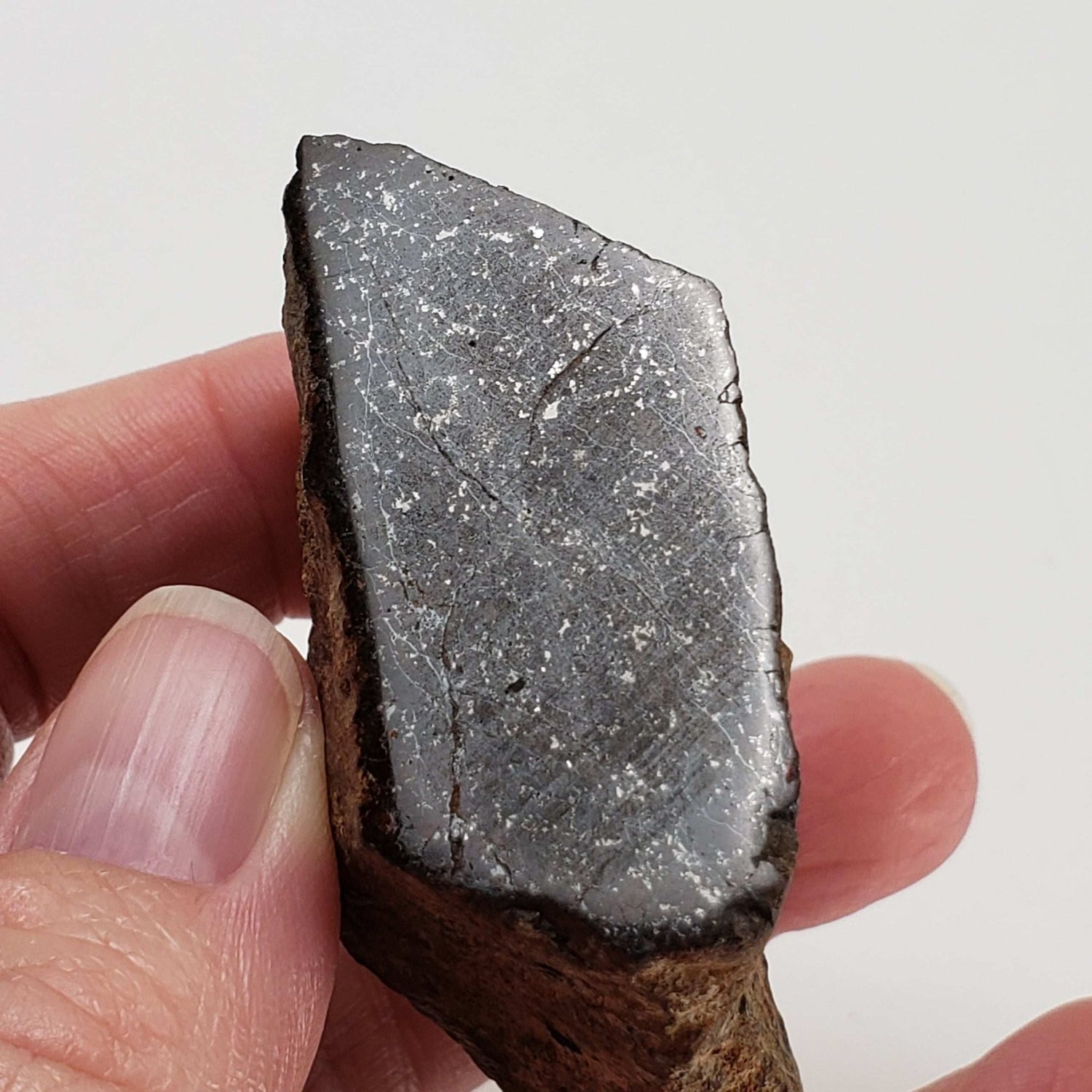
Here we have for you a nice looking individual cut fragment of a Sahara Desert NWA unclassified meteorite weighing 114 grams. Its dimensions are 54x53x24mm. This never classified North West Africa stone was found in the Sahara desert around 2000.
It's a good quality individual fragment NWA meteorite specimen. Some weathering shows the meteorite's time spent aging in the desert. Would be a beautiful addition to any new or existing collection. Comes with a Canagem Collection specimen card.

Canagem is proud to be professional member of The International Gem Society(IGS) the world's top resource for gem professionals, enthusiasts, and industry content.