



1573 products
Sort by:
1573 products
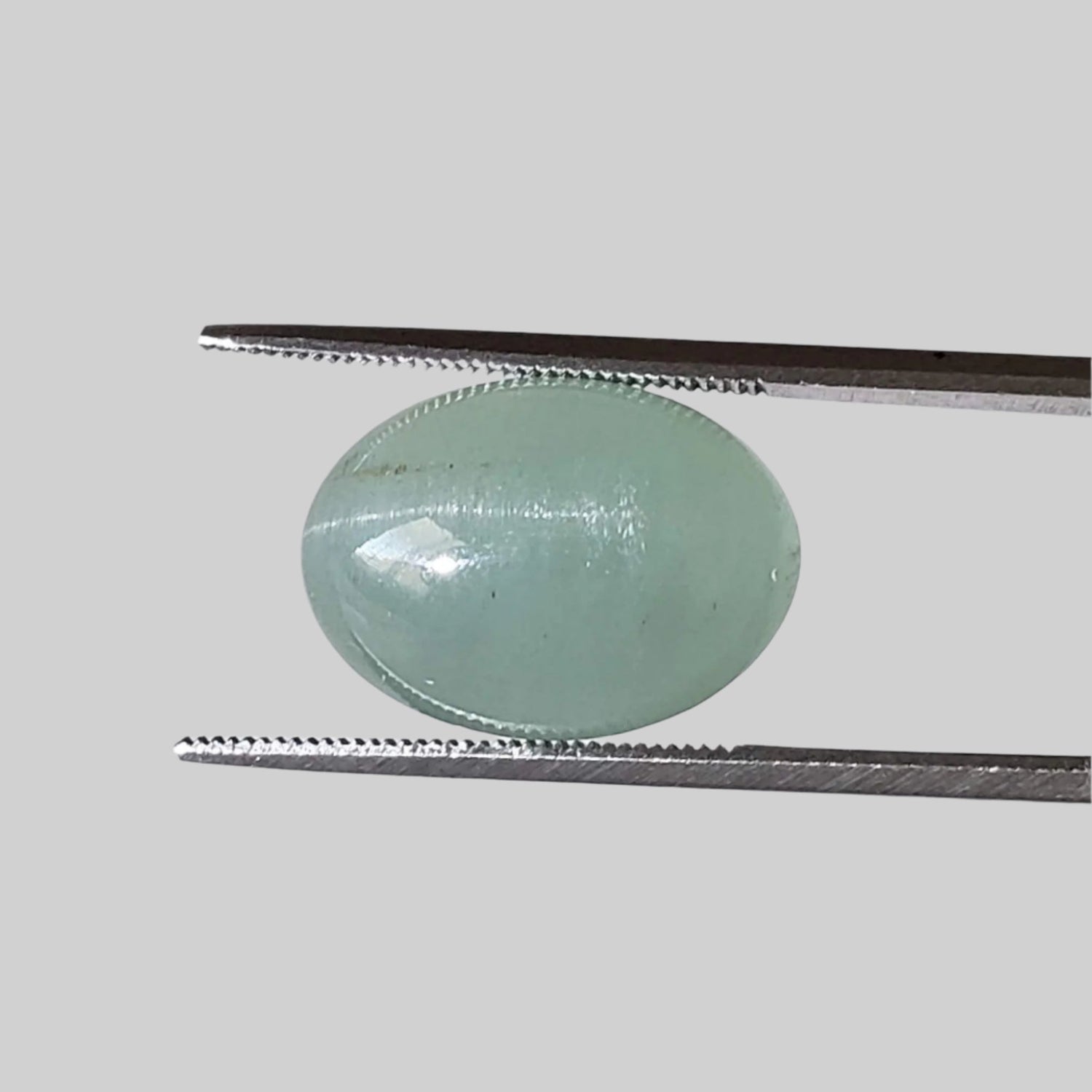
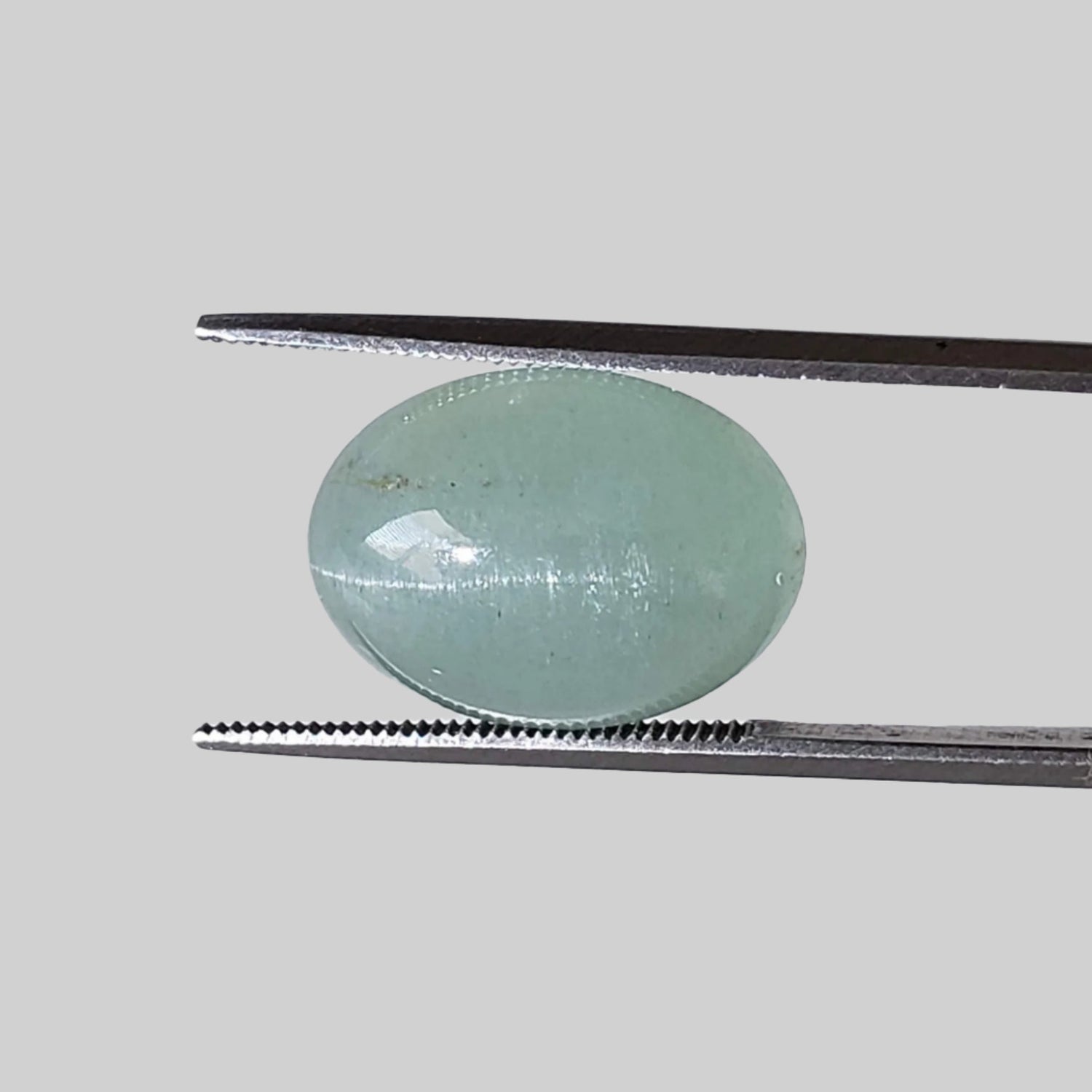
Product Type: Aquamarine Cats Eye
Approx Weight (per Piece): 12.5ct
Size: 16.8x12mm
Shape: Oval Cabochon
Color: Light Greenish Blue with Gray Overtone
Clarity: Translucent
Origin: Russia
Treatment: None


Product Type: Chrysoberyl Cats Eye
Approx Weight (per piece): 1.1ct
Size: 6.5x5.6mm
Shape: Oval Cabochon
Color: Yellow
Clarity: Top Crystal
Origin: Sri Lanka
The distinctive "cat's eye" effect in this Chrysoberyl is caused by the reflection of light off parallel needle-like inclusions within the crystal. When the gem is cut en cabochon, a concentrated, bright band of light appears to move across the surface as the stone is rotated.
Cat's Eye Chrysoberyl comes in various colors, such as green, yellow, and golden-brown. It is a durable gemstone, scoring 8.5 on the Mohs scale of hardness, making it suitable for various types of jewelry. Significant sources of Cat's Eye Chrysoberyl include Sri Lanka, Brazil, India, Myanmar, and Madagascar.
Cat's Eye Chrysoberyl is believed to possess metaphysical properties associated with protection, intuition, and good fortune. Some traditions consider it a talisman for enhancing insight and awareness.


Product Type: Zircon
Approx Weight (per piece): 1.39ct
Size: 7x5mm
Shape: Oval Cut
Color: Fine Cinnamon Yellow
Clarity: Clean
Origin: Cambodia
Zircon comes in a variety of colors, including blue, yellow, green, brown, and red, and is renowned for its exceptional brilliance. Blue zircon, in particular, is highly sought after for its vibrant and saturated hue. Zircon is found in many locations worldwide, including Sri Lanka, Myanmar, Cambodia, and Australia. Some of the oldest zircon crystals have been dated to be over 4 billion years old, making them among the oldest minerals on Earth.
Zircon has a hardness of 6.5 to 7.5 on the Mohs scale, making it durable enough for use in various types of jewelry. However, care should be taken to avoid sharp blows and extreme temperatures.
Zircon is associated with promoting spiritual growth, mental clarity, and prosperity. It is also thought to enhance self-confidence and provide protection.
It's important to note the distinction between natural zircon and cubic zirconia. Natural zircon is a genuine gemstone, while cubic zirconia is a synthetic material often used as a diamond simulant.


Product Type: Imperial Topaz
Approx Weight (per piece): 1.1ct
Size: 11.5x5mm
Shape: Marquise Cut
Color: Imperial Orange
Clarity: Clean
Origin: Brazil
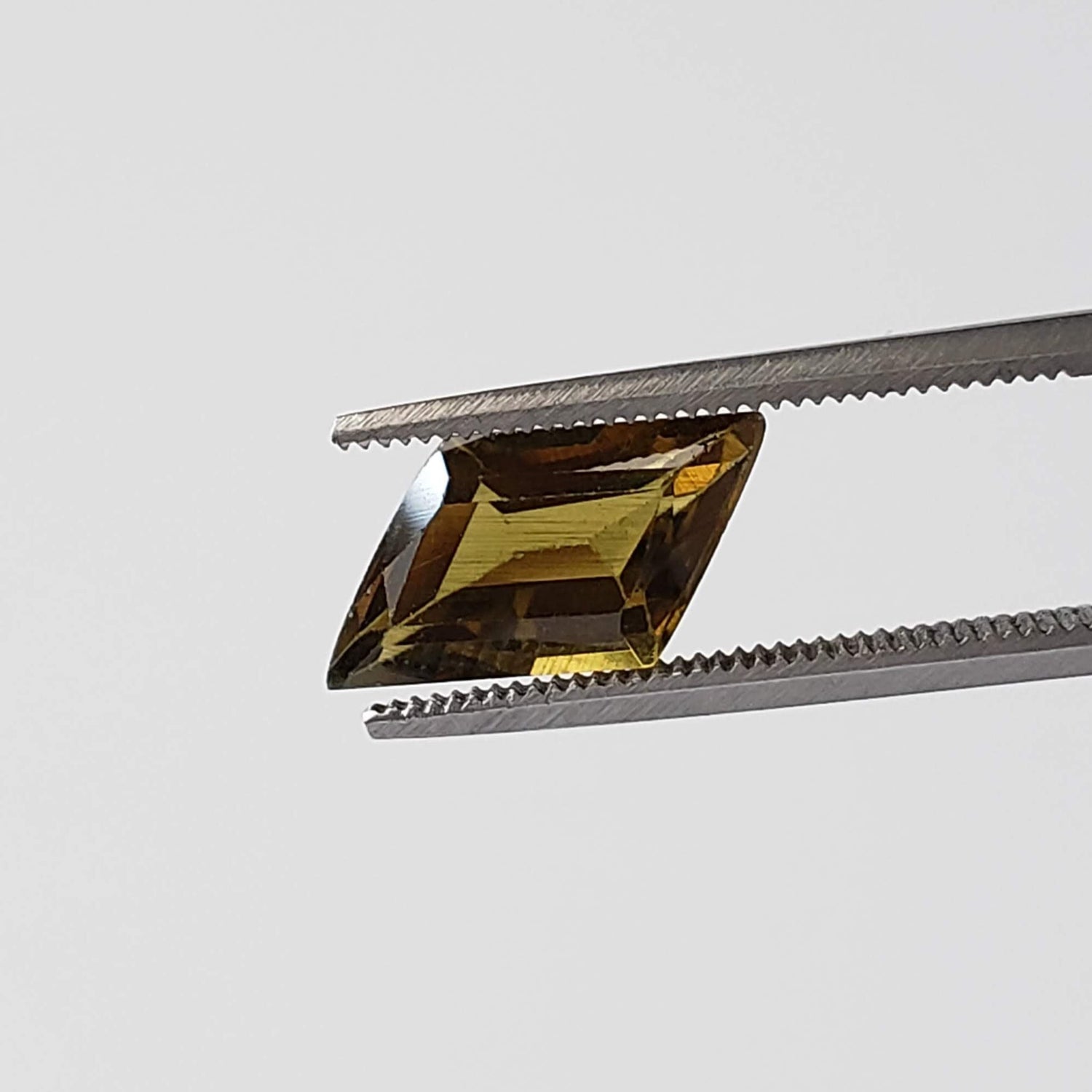
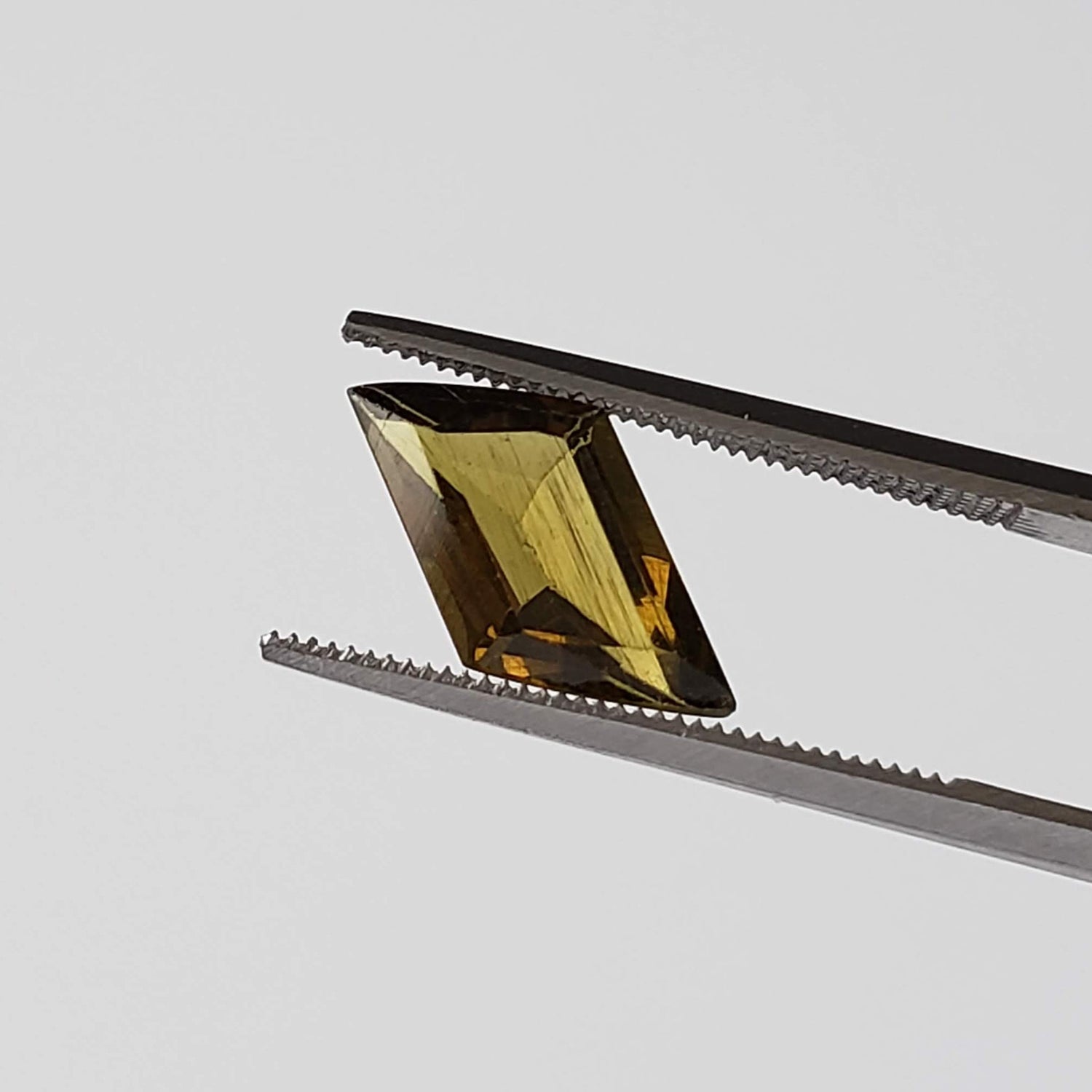
Product Type: Apatite (Olive)
Approx Weight (per piece): 2.2ct
Size: 13.7x6.3mm
Shape: Lozenge Cut
Color: Honey Green
Clarity: Clean to the Eye
Origin: Africa
Apatite is a group of phosphate minerals that are commonly found in igneous, metamorphic, and sedimentary rocks. Apatite is named after the Greek word "apate," which means deceit, as it can be easily confused with other minerals due to its wide range of colors and forms. It can occur in various colors, including green, blue, yellow, brown, and violet.
Apatite is believed to possess healing properties and is associated with creativity, self-expression, and personal growth. It is thought to enhance communication skills, stimulate intellect, and promote clarity of thought.

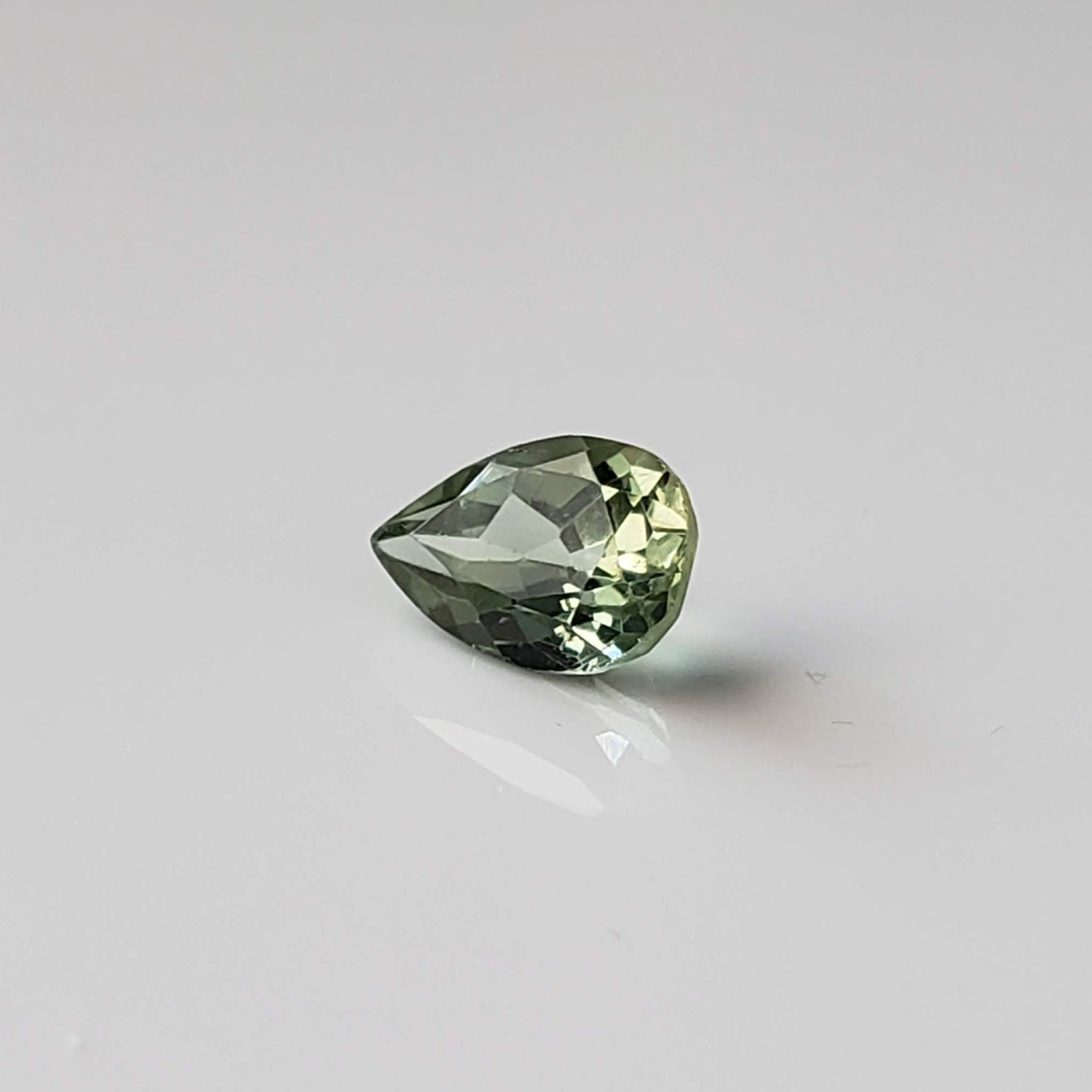
Product Type: Apatite
Approx Weight (per piece): 1.8ct
Size: 9.6x6.3mm
Shape: Pear Shape Cut
Color: Jungle Green
Clarity: Clean
Origin: Russia
Apatite is a group of phosphate minerals that are commonly found in igneous, metamorphic, and sedimentary rocks. Apatite is named after the Greek word "apate," which means deceit, as it can be easily confused with other minerals due to its wide range of colors and forms. It can occur in various colors, including green, blue, yellow, brown, and violet.
Apatite is believed to possess healing properties and is associated with creativity, self-expression, and personal growth. It is thought to enhance communication skills, stimulate intellect, and promote clarity of thought.


Indochinite is a variety of the mineral tektite, which is a natural glass formed by the intense heat and pressure of a meteorite impact. These tektites are usually found as small, aerodynamically shaped objects, often teardrop or irregular in shape, resulting from the molten material solidifying as it cooled rapidly after being ejected from the impact site.
Indochinites are believed to have formed around 780,000 to 800,000 years ago, following a significant meteorite impact event that likely created the Southeast Asian tektite strewn field. The strewn field is quite large, and the tektites can be found scattered over a vast area which includes Vietnam, Laos, and Thailand.
This piece displays very well, showing multiple characteristics of its origin. The specimen has a weigh of 51 grams and dimensions of 45x32x23. Comes with a Canagem Collection specimen card.

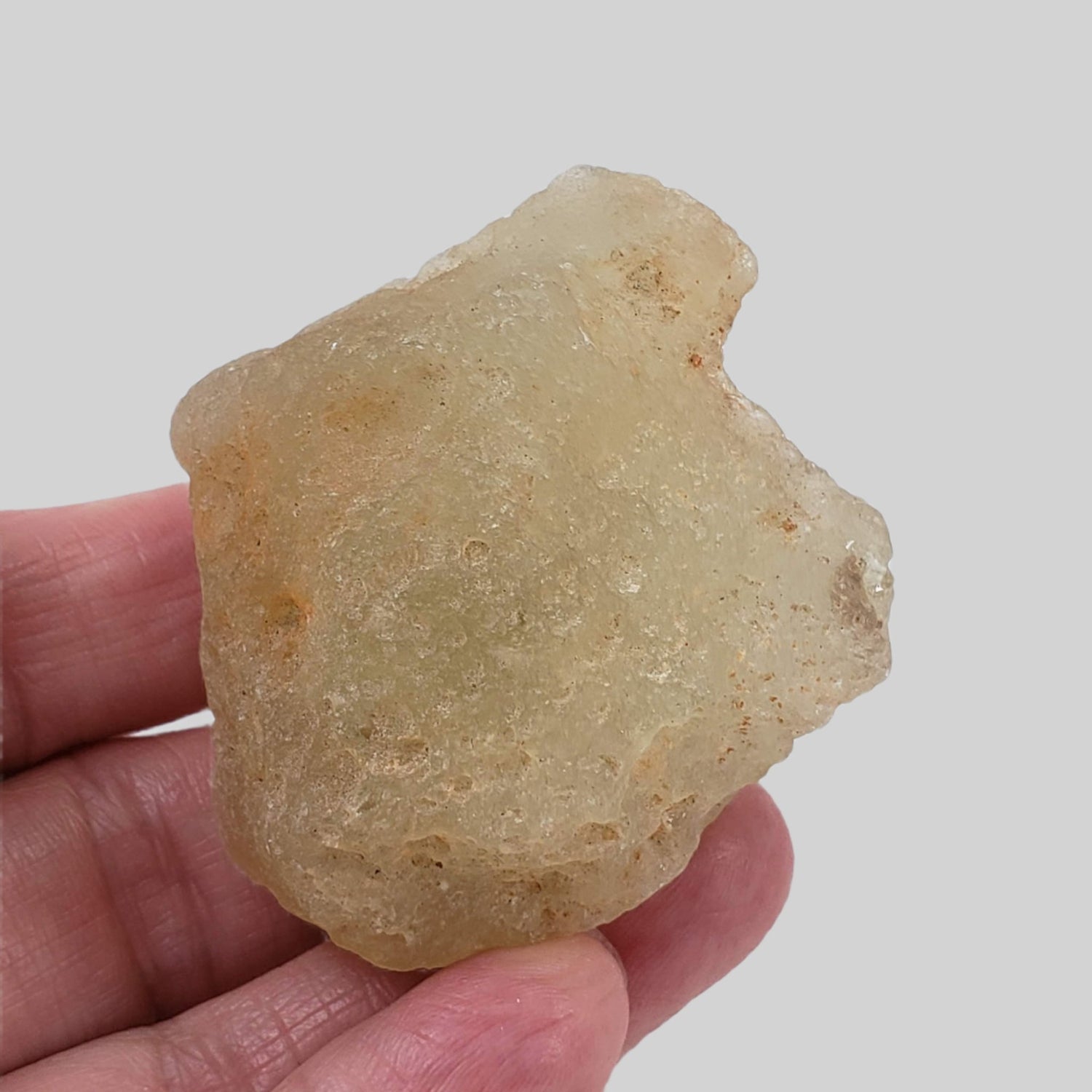
This is a rare and fantastic 78.3 gram Libyan Desert Glass from Kuffra, Libya, with dimensions of 54x48x31 mm.
Although its exact origin is still debated, the leading theory suggests it was formed by a high-energy event, such as a meteoric impact or airburst, that melted the desert sand directly where it lay, without being ejected into the atmosphere and re-entering. This results in different physical characteristics compared to tektites. Libyan Desert Glass is found specifically in the Great Sand Sea of the Eastern Sahara, within a more localized area spanning parts of western Egypt and eastern Libya.
This piece displays extremely well and is a quality translucent specimen. It has an aesthetic shape with a beautiful wind eroded body from the years spent in the Desert. Would be a beautiful addition to any new or existing collection. Comes with a Canagem Collection specimen card.


Product Type: Sapphire
Approx Weight (per piece): 0.64ct
Size: 5.8x4.8mm
Shape: Oval Cut
Color: Canary Yellow
Clarity: VSI (Very Slightly Included)
Origin: Africa


Product Type: Zircon
Approx Weight (per piece): 1.6ct
Size: 8x6mm
Shape: Pear Shape Cut
Color: Golden
Clarity: Clean
Origin: Cambodia
Zircon comes in a variety of colors, including blue, yellow, green, brown, and red, and is renowned for its exceptional brilliance. It is found in many locations worldwide, including Sri Lanka, Myanmar, Cambodia, and Australia. Some of the oldest zircon crystals have been dated to be over 4 billion years old, making them among the oldest minerals on Earth.
Zircon has a hardness of 6.5 to 7.5 on the Mohs scale, making it durable enough for use in various types of jewelry. However, care should be taken to avoid sharp blows and extreme temperatures.
Zircon is associated with promoting spiritual growth, mental clarity, and prosperity. It is also thought to enhance self-confidence and provide protection.
It's important to note the distinction between natural zircon and cubic zirconia. Natural zircon is a genuine gemstone, while cubic zirconia is a synthetic material often used as a diamond simulant.

Canagem is proud to be professional member of The International Gem Society(IGS) the world's top resource for gem professionals, enthusiasts, and industry content.