

📢 Notice to ALL Customers 📢
Search results
946 results
Search results


This is a beautiful sample of the famous iron meteorite Campo del Cielo (Heaven’s Field in Spanish) that was found in Chaco Province, Argentina, in 1576 by Spanish explorers. This is a solid iron individual meteorite classified as IAB Silicated. This incredible specimen has many large regmaglypts and scoops (or thumb prints).
This meteorite is classified as an Iron polycrystalline coarse octahedrite (IAB). It weighs 7.9 Kg (17.4 Lbs) and measures 25.5x14.5x7.3 cm (10x5.7x2.9 inches).
This piece displays extremely well and is a very desirable size. It is a great example of this iron type meteorite. Comes with a Canagem Collection specimen card. Would make a beautiful addition to any collection.


This colorful carved gemstone sculpture, utilizing the naturally occurring maroon ruby and pale green zoisite combination, depicts a beautiful frog. The artist from Thailand has sculpted the frog in a set position providing some nice detail and optimizing the color for the shape of the sculpture.
Ruby is the second hardest stone after diamond so few artists have managed to successfully work this mineral since it requires a very advanced technique for carving and polishing. This carving reflects the artist's hard work to show the beauty of both the stone and the subject. A must have in your collection.
Name: Ruby Zoisite
Specimen Size: Cabinet-Sized
Dimensions: 72x47x44 mm / 2.8x1.8x1.7 inches
Weight: 149 grams / 5.2 ounces / 744.8ct
Origin: Mined in Tanzania
Treatment: None, all natural
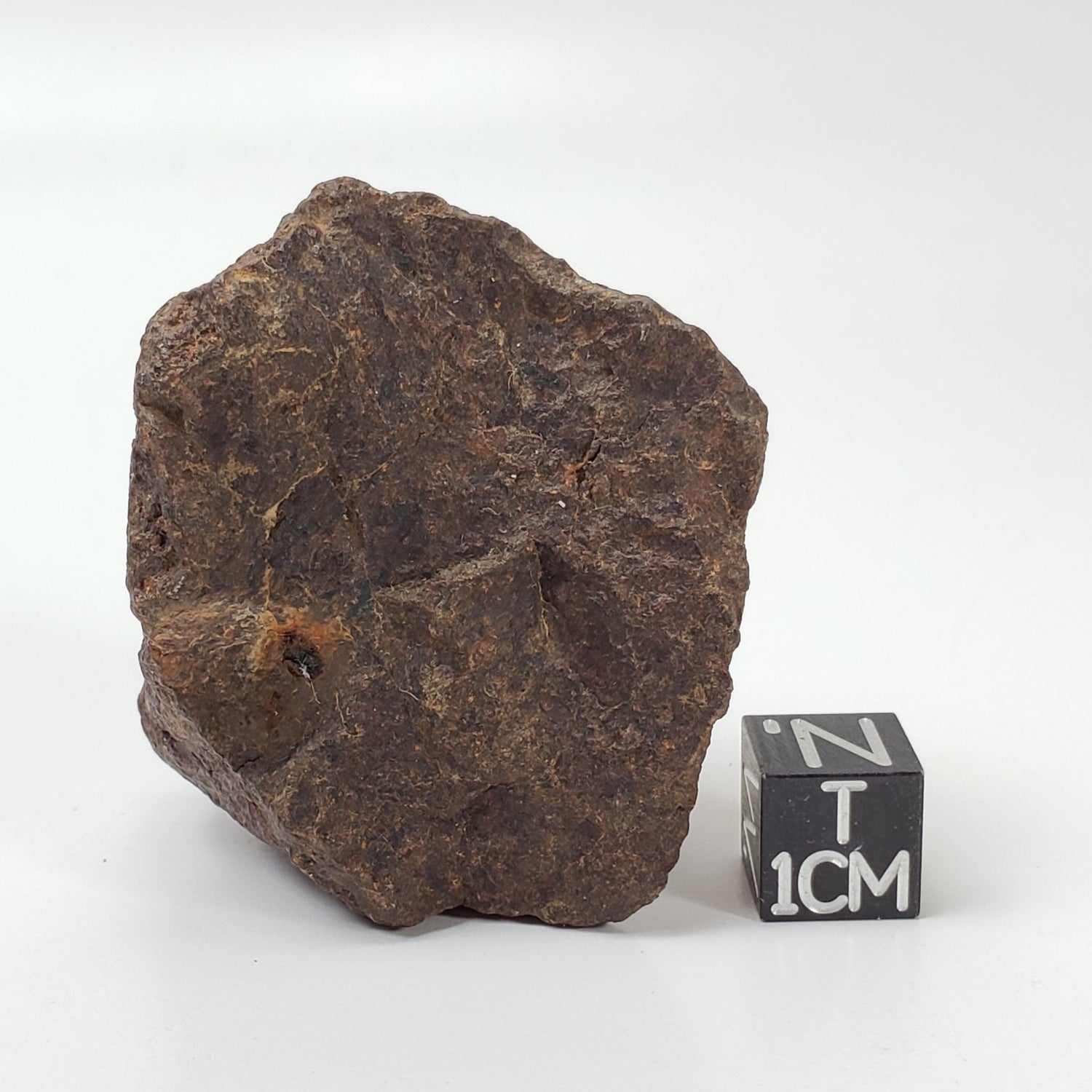
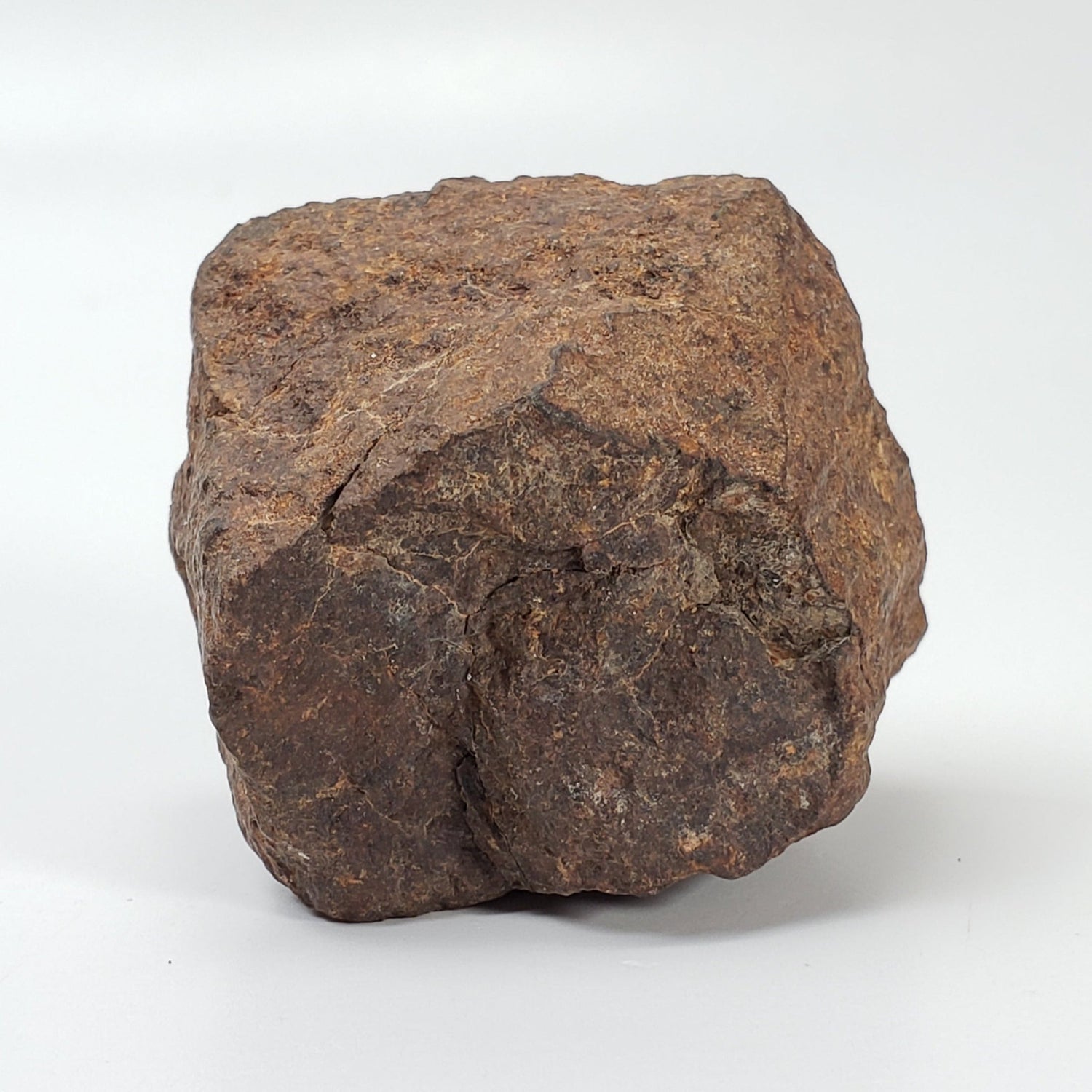
Here we have for you a nice looking individual fragment of a Sahara Desert NWA unclassified meteorite weighing 87 grams. Its dimensions are 47x45x28 mm. This never classified North West Africa stone was found in the Sahara desert around 2000.
It's a good quality individual fragment NWA meteorite specimen. Some weathering shows the meteorite's time spent aging in the desert. Would be a beautiful addition to any new or existing collection. Comes with a Canagem Collection specimen card.

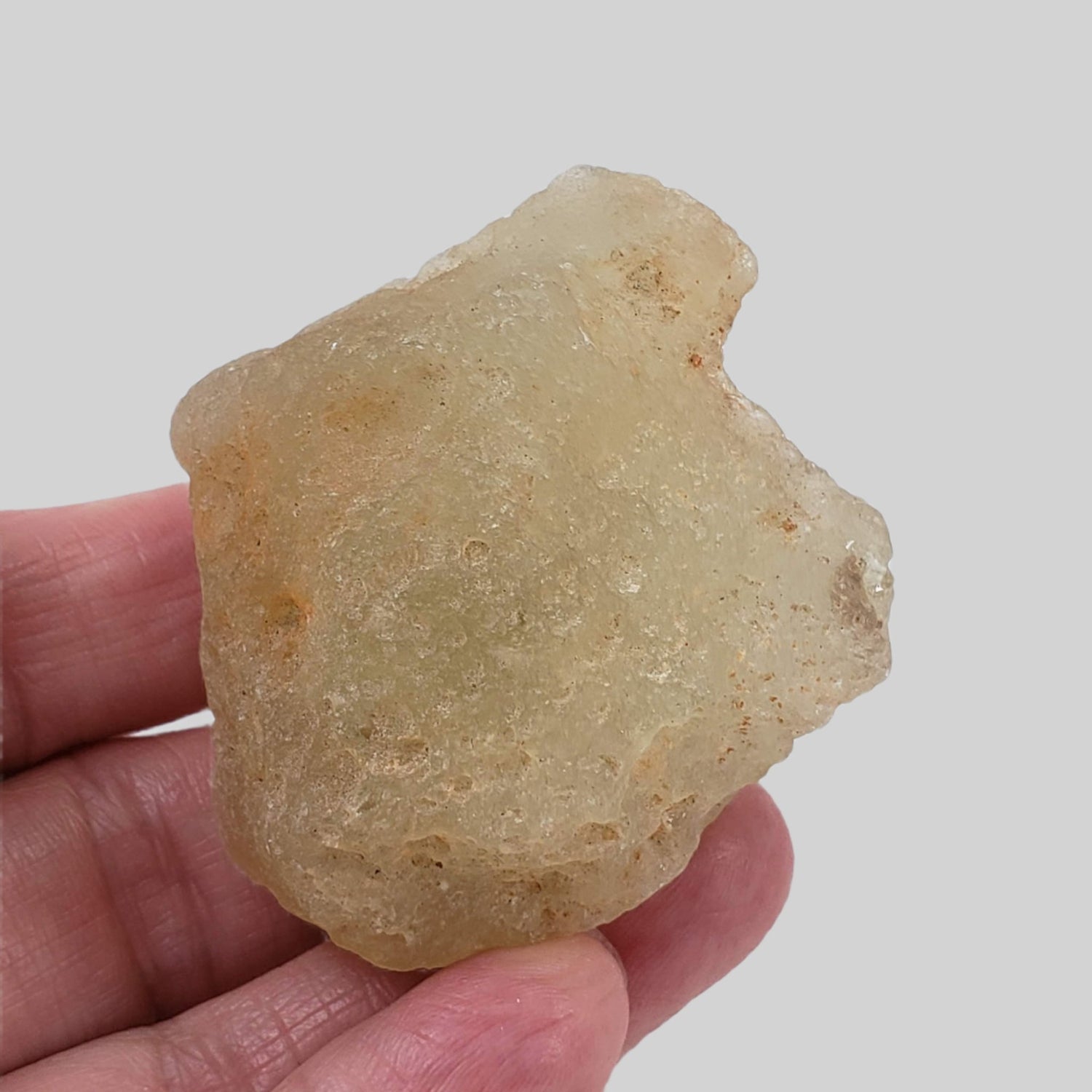
This is a rare and fantastic 78.3 gram Libyan Desert Glass from Kuffra, Libya, with dimensions of 54x48x31 mm.
Although its exact origin is still debated, the leading theory suggests it was formed by a high-energy event, such as a meteoric impact or airburst, that melted the desert sand directly where it lay, without being ejected into the atmosphere and re-entering. This results in different physical characteristics compared to tektites. Libyan Desert Glass is found specifically in the Great Sand Sea of the Eastern Sahara, within a more localized area spanning parts of western Egypt and eastern Libya.
This piece displays extremely well and is a quality translucent specimen. It has an aesthetic shape with a beautiful wind eroded body from the years spent in the Desert. Would be a beautiful addition to any new or existing collection. Comes with a Canagem Collection specimen card.


This is a superb looking part slice of Sahara Desert NWA 2663 meteorite. It weighs 5.1 grams and measures 28x24x3 mm. Although still considered unclassified, this meteorite was given the provisional class of CO3.1.
This is a great specimen with many multicolored chondrules and CAIs. It's a Ted Bunch meteorite but unfortunately this find was never fully submitted for analysis. It is a shame for this particular specimen, as it is just special.
This piece displays extremely well with its professionally finished cut face. Would be a beautiful addition to any new or existing collection. Comes with a Canagem Collection specimen card.
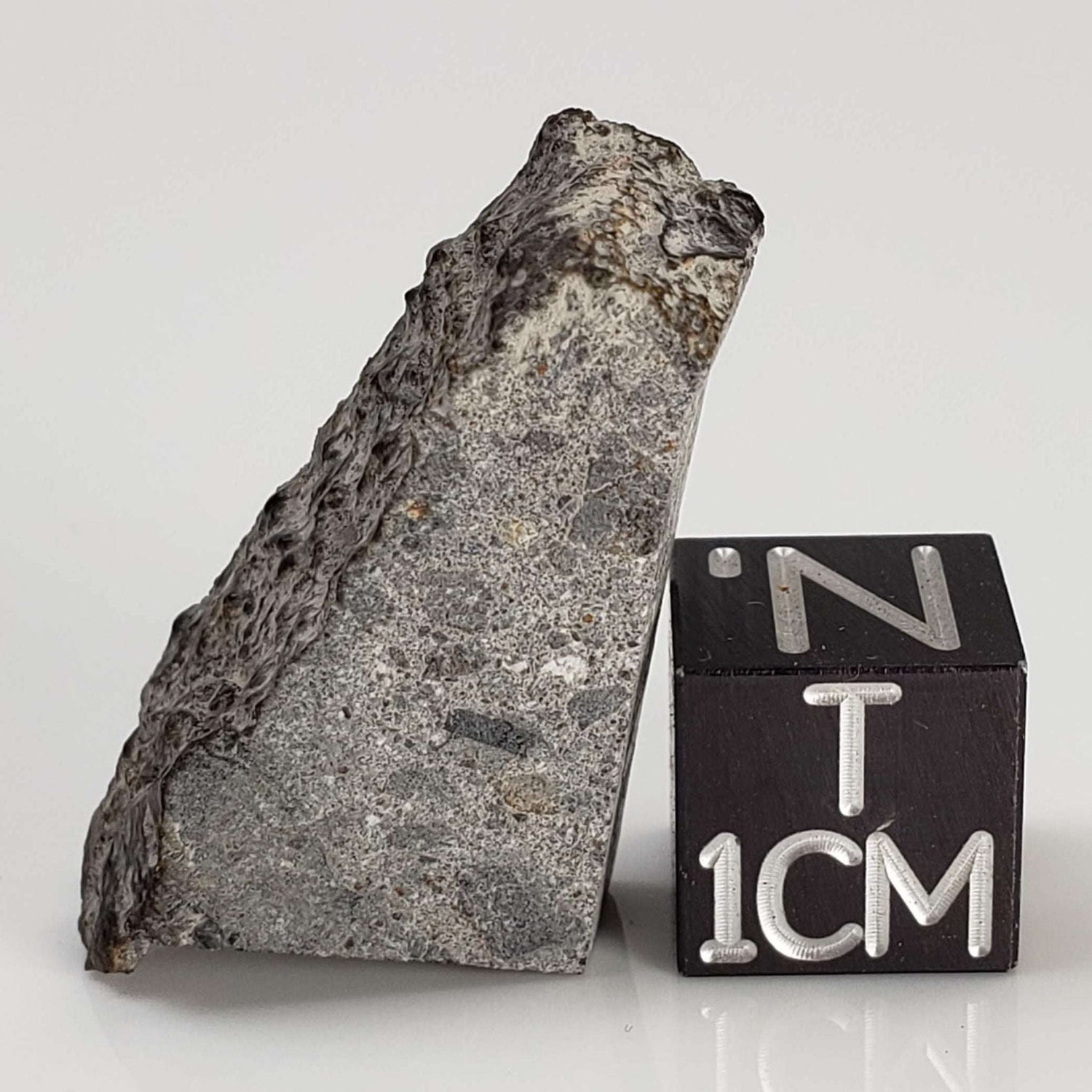
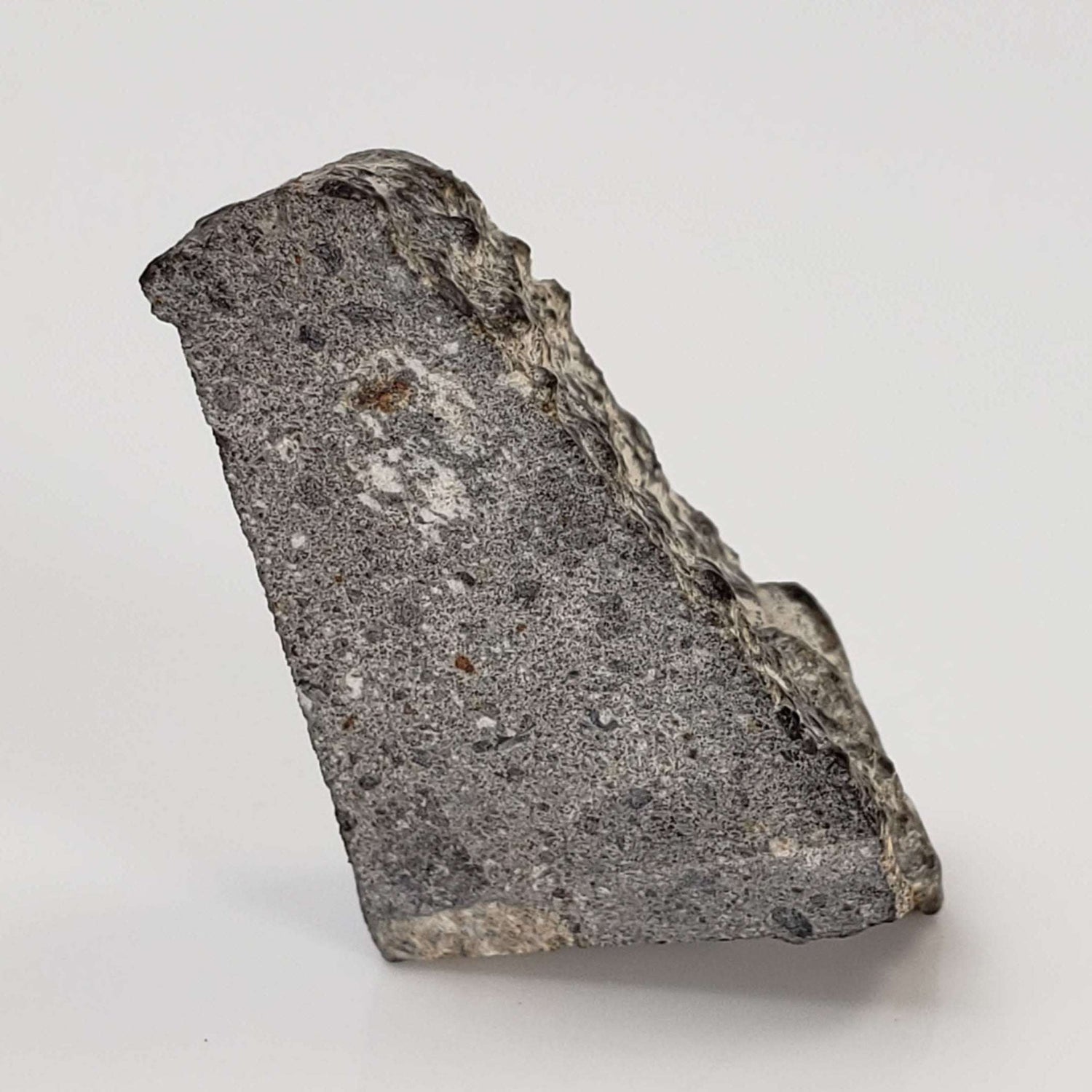
This is a great looking Northwest Africa 2516 basaltic eucrite classified meteorite part slice weighing 5.52 grams. Its dimensions are 22x15x9 mm.
This basaltic achondrite eucrite classified meteorite was found in the Sahara Desert in 2004 and is 1 of 641 approved meteorites classified as such. The total weight of the recovered pieces is recorded as a low 296 grams.
This piece displays extremely well, it is a nice size with a beautiful crusted exterior, and shows multiple characteristics of the type of material, it exhibits excellent clasts within the matrix. The matrix is a fine grain containing shocked eucritic inclusions. Beautiful grey matrix with nice clear inclusions. The three groups collectively known as HED meteorites (howardites, eucrites and diogenites) may come from asteroid 4 Vesta.
The specimen comes with a Meteoritica and a Canagem specimen card. Would be a beautiful addition to any new or existing collection.


This is a rare and fantastic 59 gram Libyan Desert Glass from Kuffra, Libya, with dimensions of 62x47x27 mm. Although its exact origin is still debated, the leading theory suggests it was formed by a high-energy event, such as a meteoric impact or airburst, that melted the desert sand directly where it lay, without being ejected into the atmosphere and re-entering. This results in different physical characteristics compared to tektites.
Libyan Desert Glass is found specifically in the Great Sand Sea of the Eastern Sahara, within a more localized area spanning parts of western Egypt and eastern Libya. Characterized by its yellow to greenish-yellow color, it lacks the aerodynamic shapes of tektites and often appears as irregularly shaped pieces. It is almost pure silica (around 98%) with very few impurities. Throughout history, it has been regarded as a mystical and powerful material, sometimes used in talismans and amulets.
This piece displays extremely well and is a quality translucent specimen. It has an aesthetic shape with a beautiful wind eroded body from the years spent in the Desert. Would be a beautiful addition to any new or existing collection. Comes with a Canagem Collection specimen card.


This is a fabulous fresh Ghubara meteorite whole fragment weighing 50 grams and measuring 44x32x21 mm. This meteorite was found in Oman, Southern Arabia in 1954 and is classified as an L5 Stony Black Chondrite.
This piece displays extremely well and is a very desirable size showing multiple characteristics of its time spent in space until it came crashing to earth. Would be a beautiful addition to any new or existing collection. Comes with a Canagem Collection specimen card.


This is a grouping of NWA 2224 meteorite micros. Although still considered unclassified, this meteorite was given the provisional class of CV3 for Carbonaceous.
These micro pieces come with a small glass jar for display and protection. Would be a beautiful addition to any new or existing collection. Comes with a Canagem Collection specimen card.
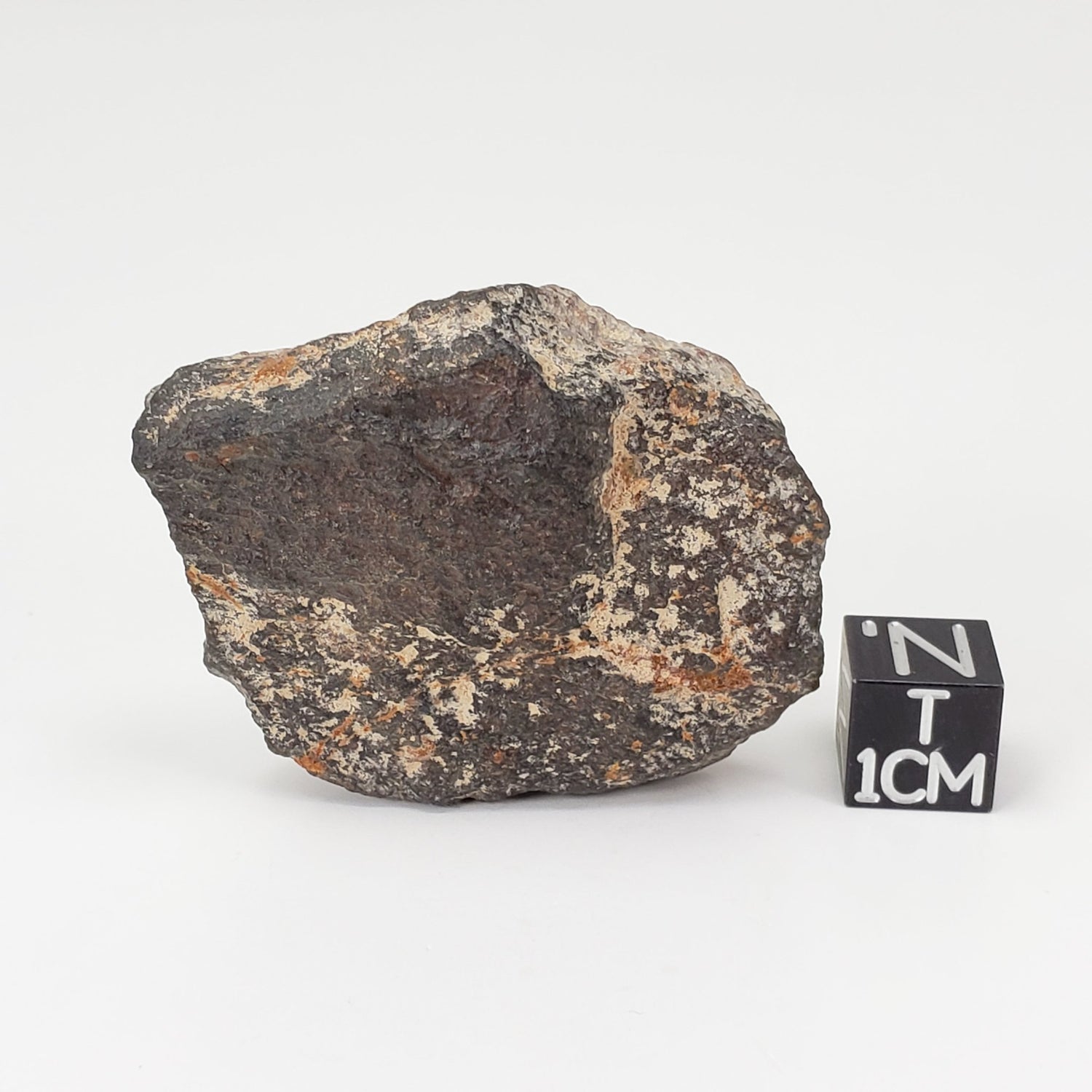
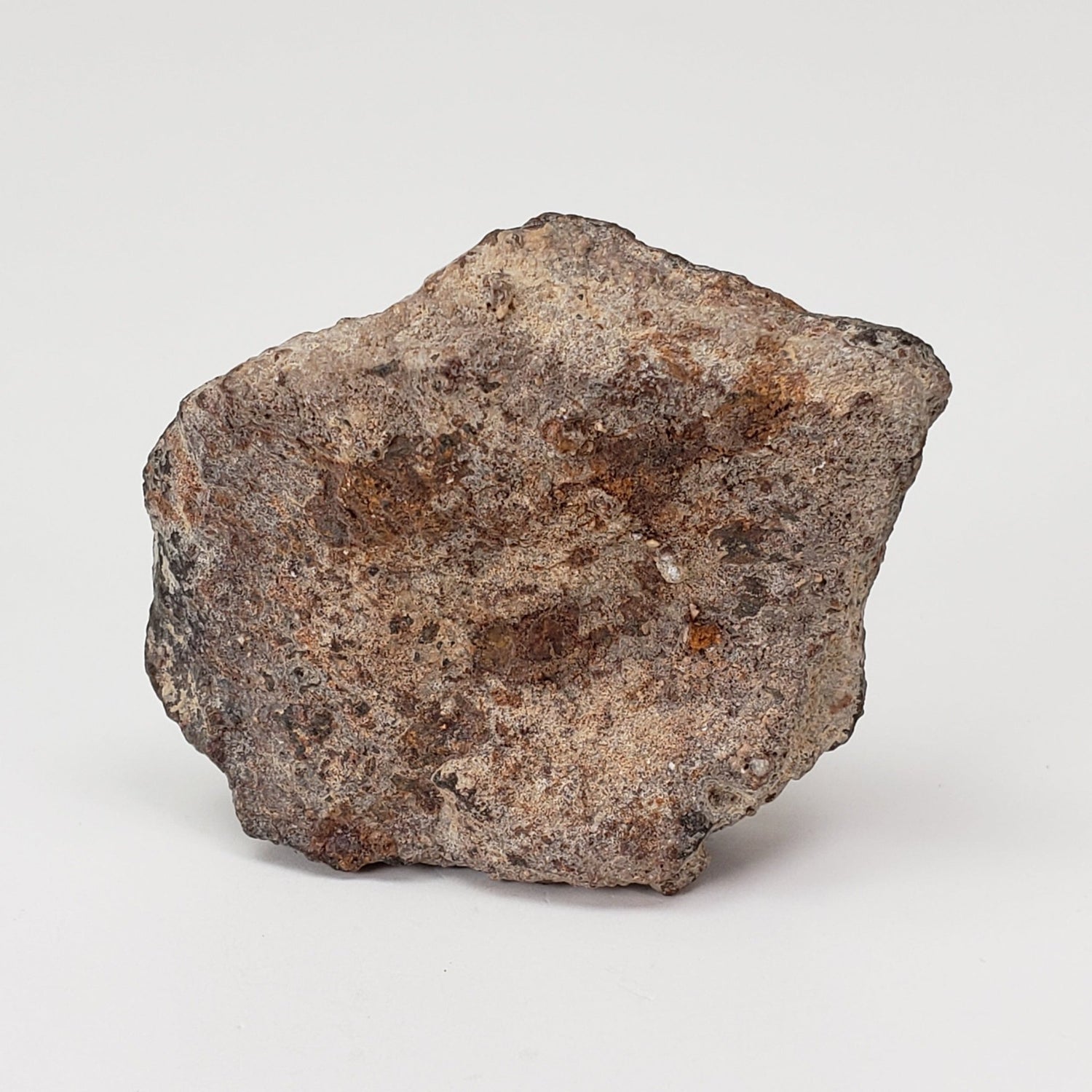
This is a fabulous Ghubara meteorite whole fragment weighing 39.7 grams and measuring 48x37x14 mm . It was found in Oman, Southern Arabia in 1954 and is classified as an L5 Stony Black Chondrite.
This piece displays extremely well and would be a beautiful addition to any new or existing collection. Comes with a Canagem Collection specimen card.


Thuathe Meteorite | 8.29 gr | Full Slice | H4-5 Chondrite | Observed Fall | Lesotho
This is a great looking complete slice of the Thuathe H4-5 classified meteorite. It weighs 8.29 grams and measures 36x30x4 mm.
A meteorite travelling east to west exploded over Lesotho producing an elliptical strewn field extending 7.4 by 1.9 km (bearing: ~276°) on the westernmost lobe of the Thuathe (or Berea) Plateau, ~12 km east of the capital city of Maseru.
The explosion was accompanied by an extraordinarily loud, 15 s long noise which was heard over a large (100 km radius) area of Lesotho; the fall was eye-witnessed by several people who reported sightings of dust trails of “sparkling objects” over Lesotho and the southern part of the Free State Province of South Africa. Many villagers of Ha Ralimo, Boqate Ha Majara, and Boqate Ha Sofonia reported falls of stones close to themselves and onto their homes. The estimated total mass of recovered material is ~30 kg, including 418 stones in the 2 g to 2.4 kg mass range for a total of 24.673 kg which were collected and catalogued by A. Ashworth and David P. Ambrose
Most freshly cut slices from several stones show a homogeneous beige to light-grey lithology speckled with abundant and heterogeneously distributed (20% to, in exceptional cases, >50 vol%) metal particles; some are crosscut by dark shock veinlets and show brecciated structure with light grey matrix surrounding lighter colored, well-rounded inclusions; chondrules distinctly recognizable.
Would be a beautiful addition to any new or existing collection. Comes in a protective case, and includes a Mark Bostick Collection and a Canagem® Collection specimen card.


This is a fabulous 21.8 gram Sericho Pallasite Main Group meteorite, it measures 36x27x20 mm. In 2016, two brothers were searching for their camels and came across several large, dense stones west of the village of Habaswein and south of Sericho, Kenya. Though recognized as meteorites in 2016, the masses had been known to camel-herders for decades. One village elder said that as a child, he and his brothers would play on top of the stones. It is classified as an Iron Pallasite main group with low weathering and is 1 of only 68 approved meteorites classified as such, with a recovered weight of about 2.8 T.
This piece displays extremely well and is a nice size showing great features. Would be a beautiful addition to any new or existing collection. Comes with a Canagem Collection specimen card.


This is a great looking Russian Sikhote-Alin classified meteorite weighing 26.2 grams. Its dimensions are 34x22x11 mm. This Iron (IIAB) Coarsest Octahedrite classified meteorite was recovered in Russia after the fall of February 12, 1947.
So far approximately 23 tons of this material have been recovered. This piece displays extremely well and is a very desirable size. These specimens are known as shrapnel specimens, ripped and torn edges reminiscent of bomb shrapnel. They broke due to atmospheric pressure and/or mid-air collisions, and possibly explosive fragmentation upon impact. These pieces are a good example of the shrapnel type Sikhote-Alin.
Would be a beautiful addition to any new or existing collection. Comes with a Canagem Collection specimen card.


This is a fabulous fresh Ghubara meteorite whole fragment weighing 43 grams and measuring 58x30x15mm. This meteorite was found in Oman, Southern Arabia in 1954 and is classified as an L5 Stony Black Chondrite.
This piece displays extremely well and is a very desirable size showing multiple characteristics of its time spent in space until it came crashing to earth. Would be a beautiful addition to any new or existing collection. Comes with a Canagem Collection specimen card.


This is a superb looking individual cut fragment of the Gold Basin meteorite weighing 24.22 grams. Its dimensions are 39x27x23 mm. This L4 classified meteorite was first found in Mojave, Arizona in 1995.
This piece looks fantastic, showing a fusion crust and is a very desirable size perfect to show in class or at a science show.
Would be a beautiful addition to any new or existing collection. Will come with a Canagem Collection specimen card.

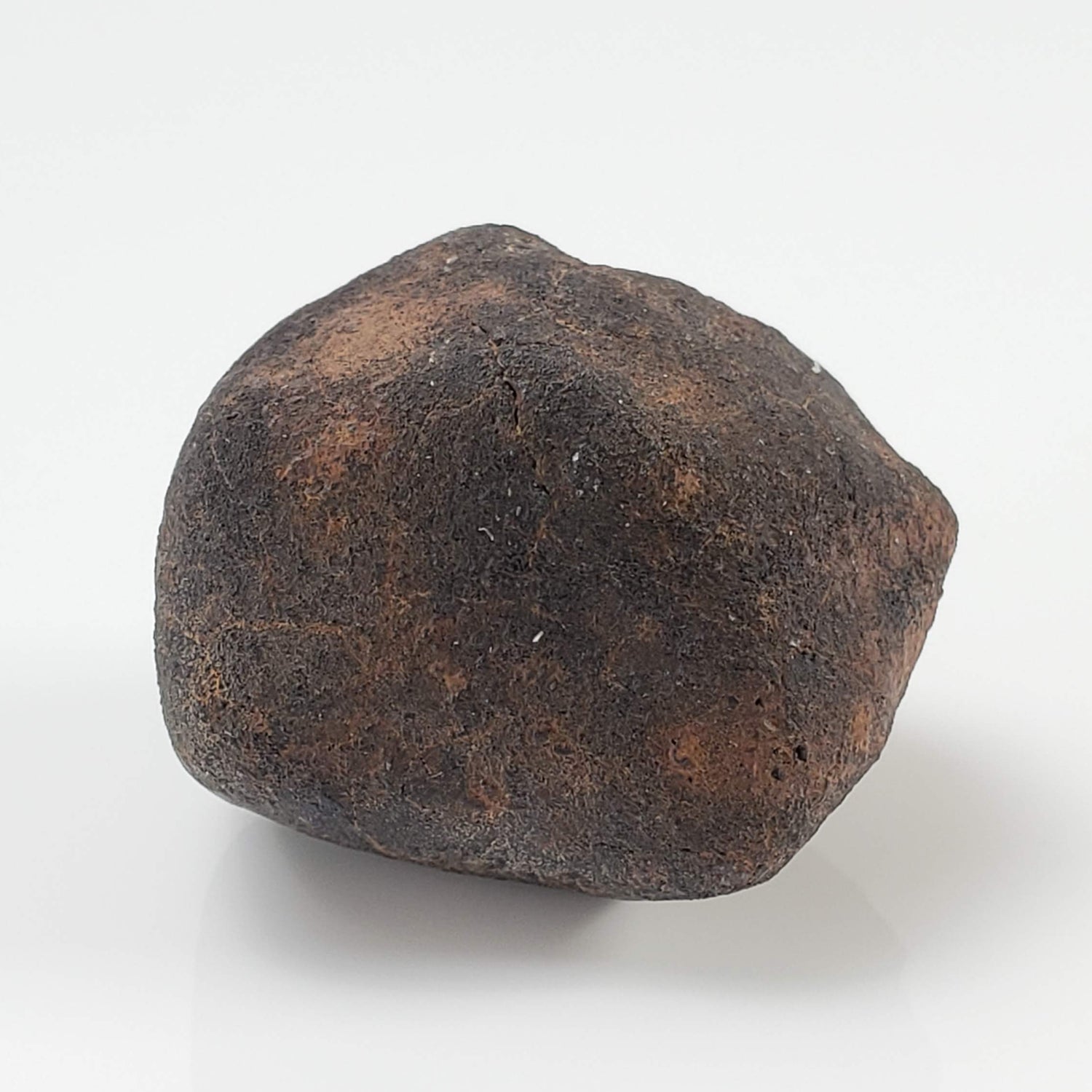
This is a great looking individual Gao-Guenie H5 classified meteorite that is 100% crusted. It weighs 26.72 grams and measures 29x23x23 mm.
This H5 classified meteorite was observed falling at about 17:00 March 5, 1960 near the village of Gao in Africa. There is no total known weight recorded for this meteorite.
Would be a beautiful addition to any new or existing collection. Comes with a ELKK Meteorites and Canagem® Collection specimen cards.

This is an aluminum label with all the information regarding the Cumberland Falls, Kentucky, USA meteorite. This flat model fits nicely in a Riker type box or our own Alder wooden boxes. An excellent way of identifying and displaying your collection of meteorites.
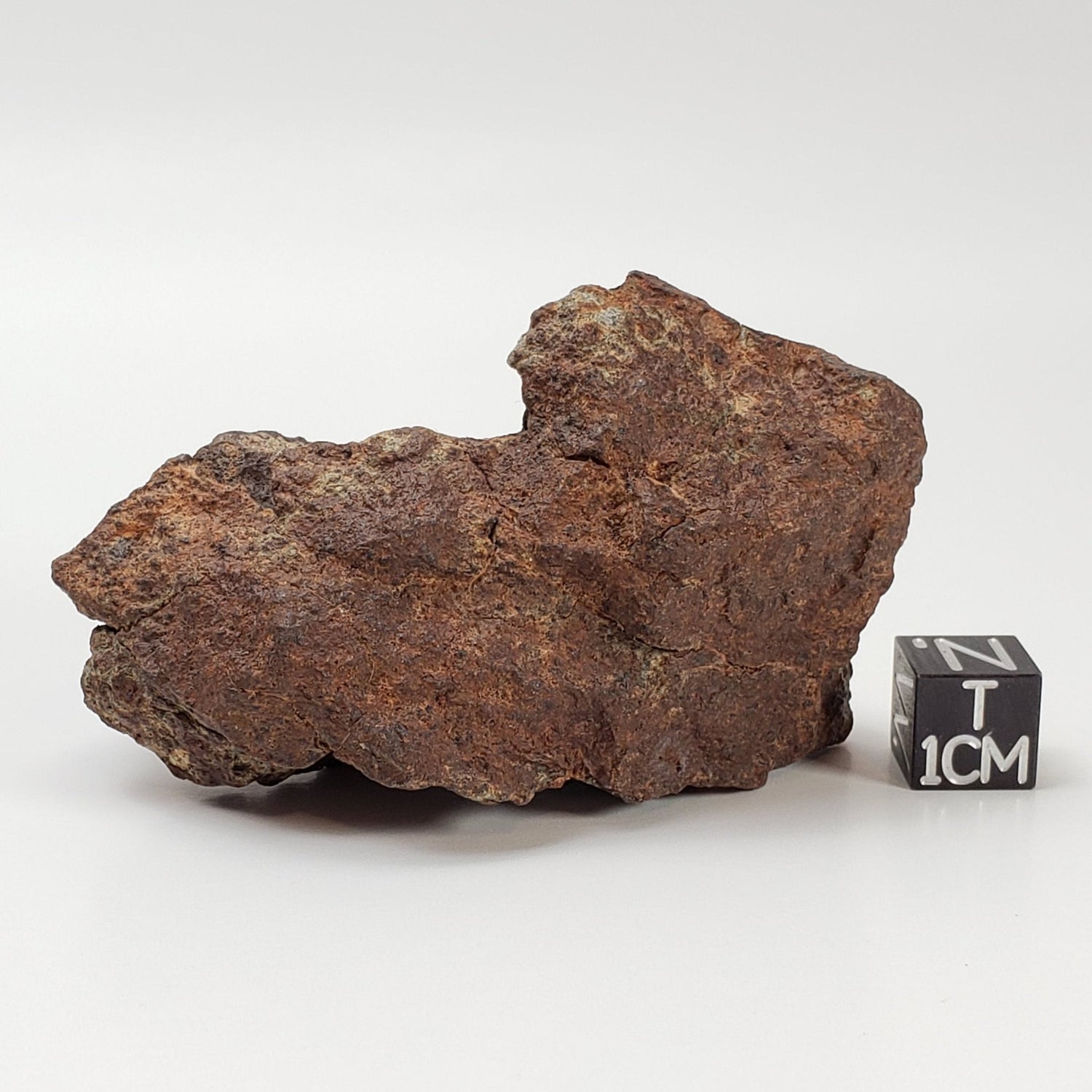
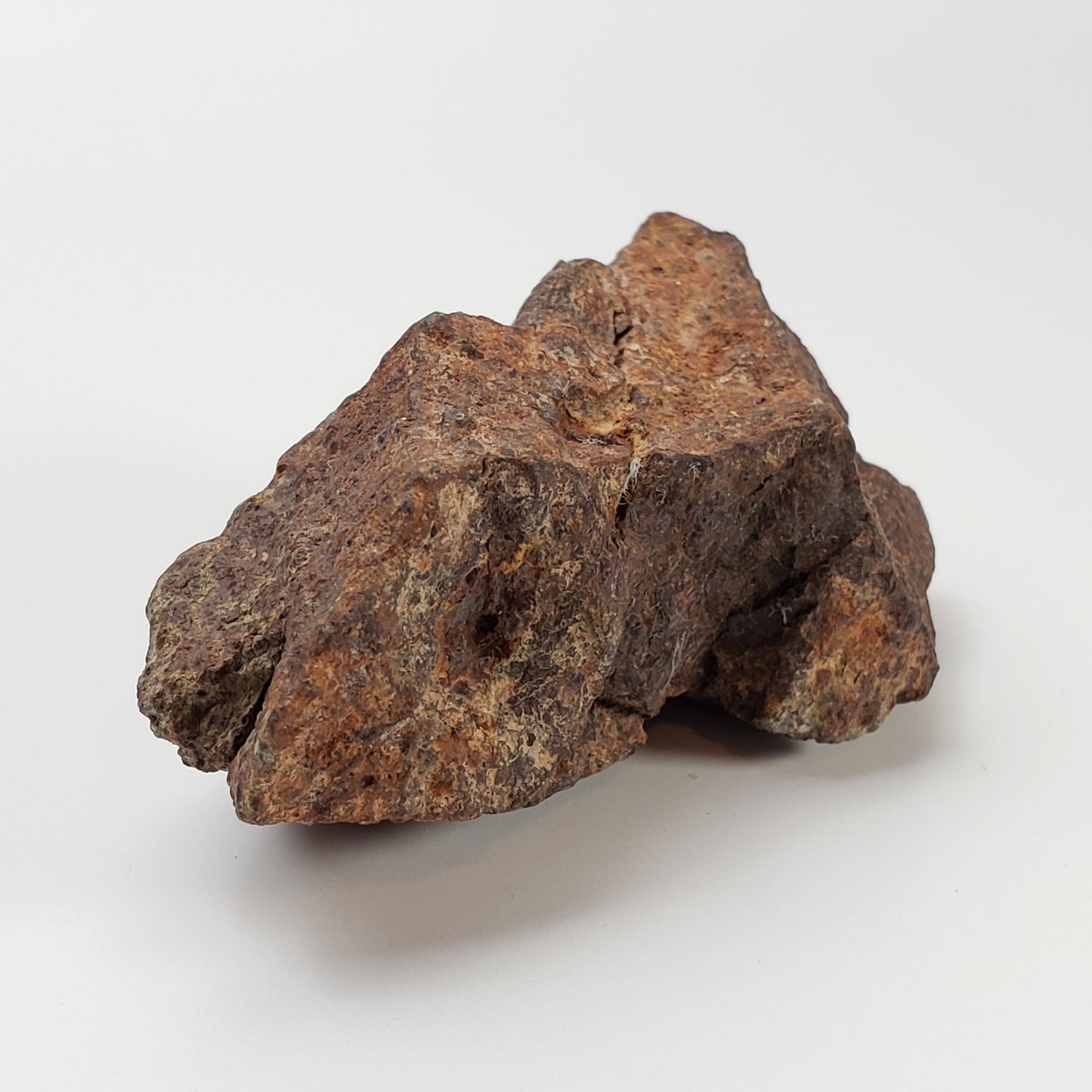
Here we have for you a nice looking individual fragment of a Sahara Desert NWA unclassified meteorite weighing 121.6 grams. Its dimensions are 71x42x32 mm. This never classified North West Africa stone was found in the Sahara desert around 2000.
It's a good quality individual fragment NWA meteorite specimen. Some weathering shows the meteorite's time spent aging in the desert. Would be a beautiful addition to any new or existing collection. Comes with a Canagem Collection specimen card.

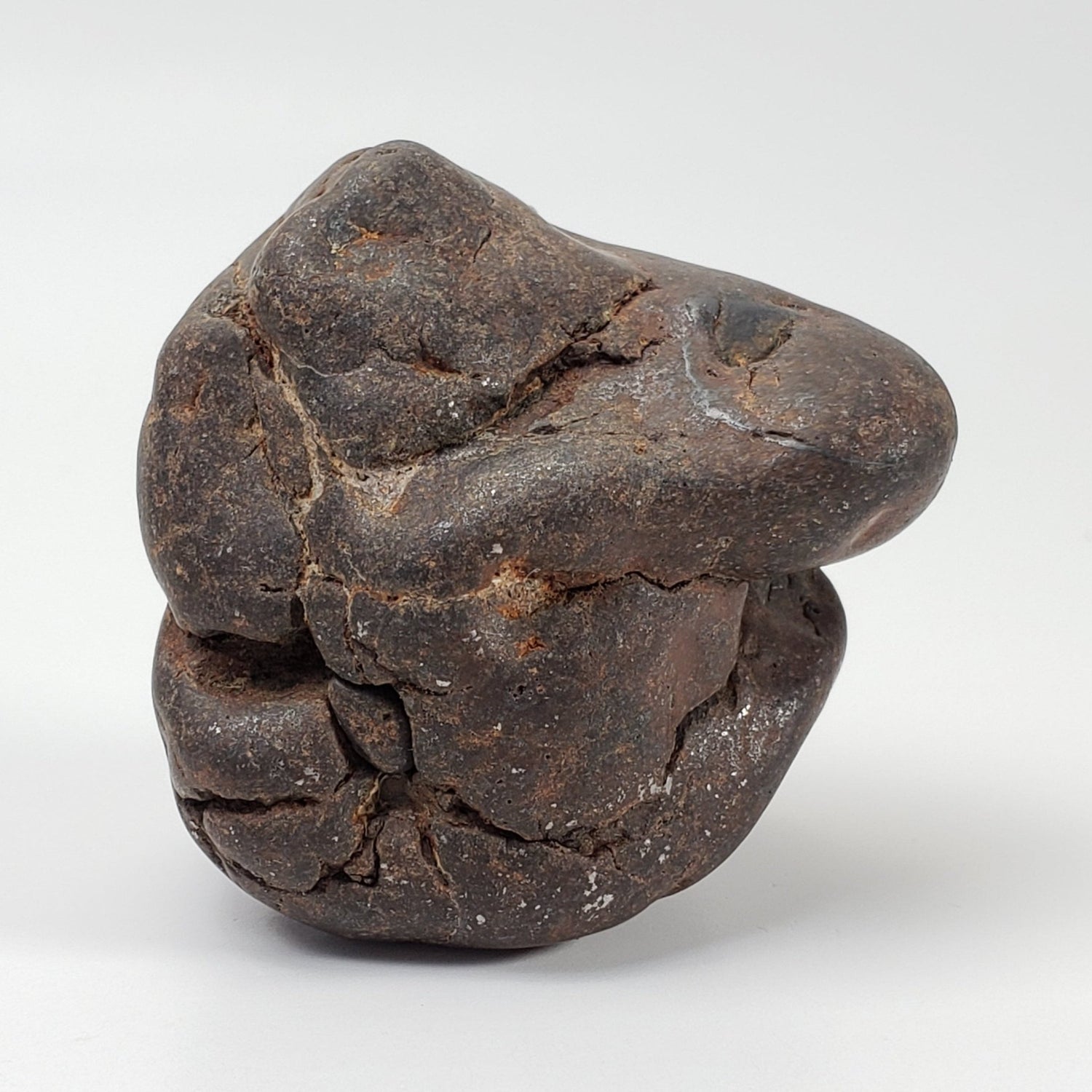
Here we have for you a very interesting looking tumbled individual of a Sahara Desert NWA unclassified meteorite weighing 97.4 grams. Its dimensions are 47x43x33mm. This never classified North West Africa stone was found in the Sahara desert around 2000.
It's a good quality individual NWA meteorite specimen. Would be a beautiful addition to any new or existing collection. Comes with a Canagem Collection specimen card.


Here we have for you an amazing 3.51 grams Irghizite Tektite from the Zhamanshi Crater in Kazakhstan. Its Dimensions are 21x10x14 mm. These specimen were first found in 2003 and dates back 900,000 ± 100,000 years.
Unlike other Tektites which can be found hundreds of miles from their point of origin, this is found in and around the crater formed by the impacting body. In this case it is speculated to be of cometary origin due to analysis of the elements contained within the Irghizites and other impactite found in the crater which are called Zhamanshinite.
This piece displays well and is a great size showing multiple characteristics of its origin. Would be a beautiful addition to any new or existing collection. Comes with a Canagem Collection specimen card.
Recently viewed products
Featured


Canagem is proud to be professional member of The International Gem Society(IGS) the world's top resource for gem professionals, enthusiasts, and industry content.