

📢 Notice to ALL Customers 📢
Search results
952 results
Search results


Product Name: Triphane Spodumene (Yellow Kunzite)
Approx Weight (per piece): 14.6 CT.
Size: 19.7x11.6 mm
Shape: Oval Cut
Color: Pale Yellow
Clarity: VSI (Very Slightly Included)
Treatment: None
Origin: Madagascar
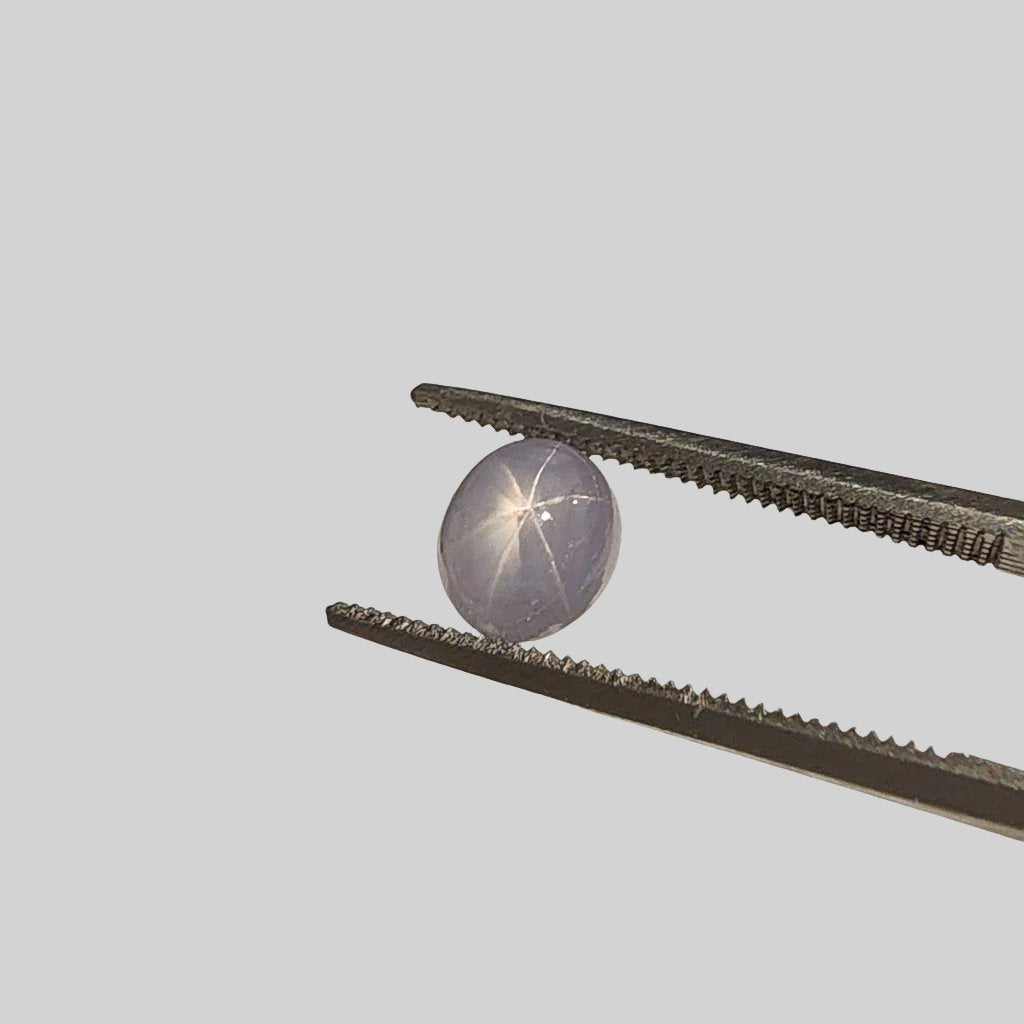
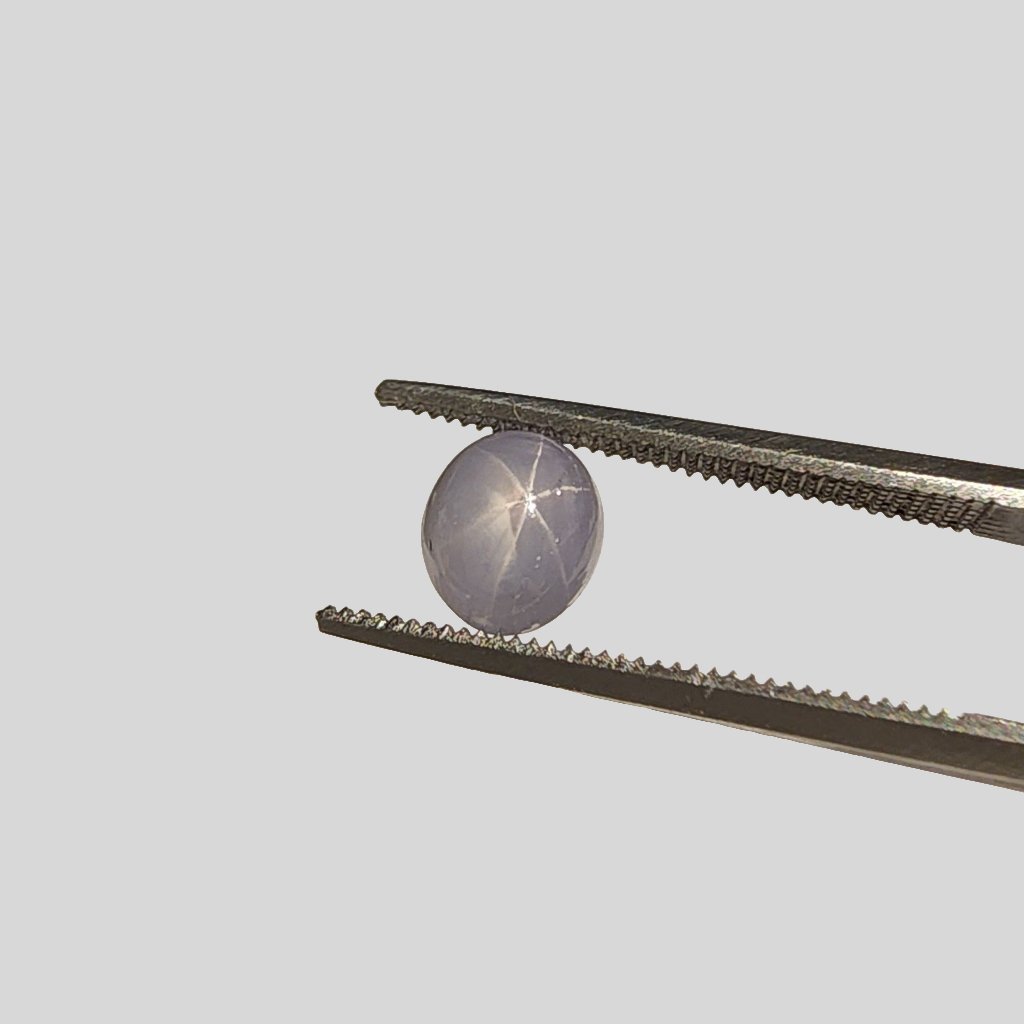
Product Type: Star Sapphire
Approx Weight (per piece): 1.7ct
Size: 6.4x5.5mm
Shape: Oval Cabochon
Color: Fine Pale Blue
Clarity: Transparent Sharp 6 Rays Star
Origin: Myanmar (Burma)
Treatment: None


Product Type: Imperial Topaz
Approx Weight (per piece): 0.6ct
Size: 6.8x4.6mm
Shape: Oval Cut
Color: Fine Imperial Orange
Clarity: Clean to the eye
Origin: Brazil


An olivine volcanic bomb is a type of volcanic rock that contains olivine crystals and has been ejected during a volcanic eruption. Olivine is a mineral that is commonly found in the Earth's mantle and is one of the first minerals to crystallize as magma cools.
Volcanic bombs are large clots of lava that are ejected from a volcano during an explosive eruption. They can vary in size, and their shapes are often streamlined due to their molten nature as they are thrown through the air. When these volcanic bombs contain olivine crystals, they are referred to as olivine volcanic bombs.
The crystal face has been left raw on this piece to show the red and green olivine crystals which are showcased beautifully against the surrounding black lava crust.
Would be a beautiful addition to any new or existing collection. Comes with a Canagem Collection specimen card.
Name: Red Olivine Crystal Bomb
Specimen Size: Large Cabinet-Sized
Dimensions: 102x67x38 mm / 4.0x2.6x1.5 Inches
Weight: 409.8 Grams / 14.5 Ounces
Details: Volcanic activity Mortlake, Victoria, Australia
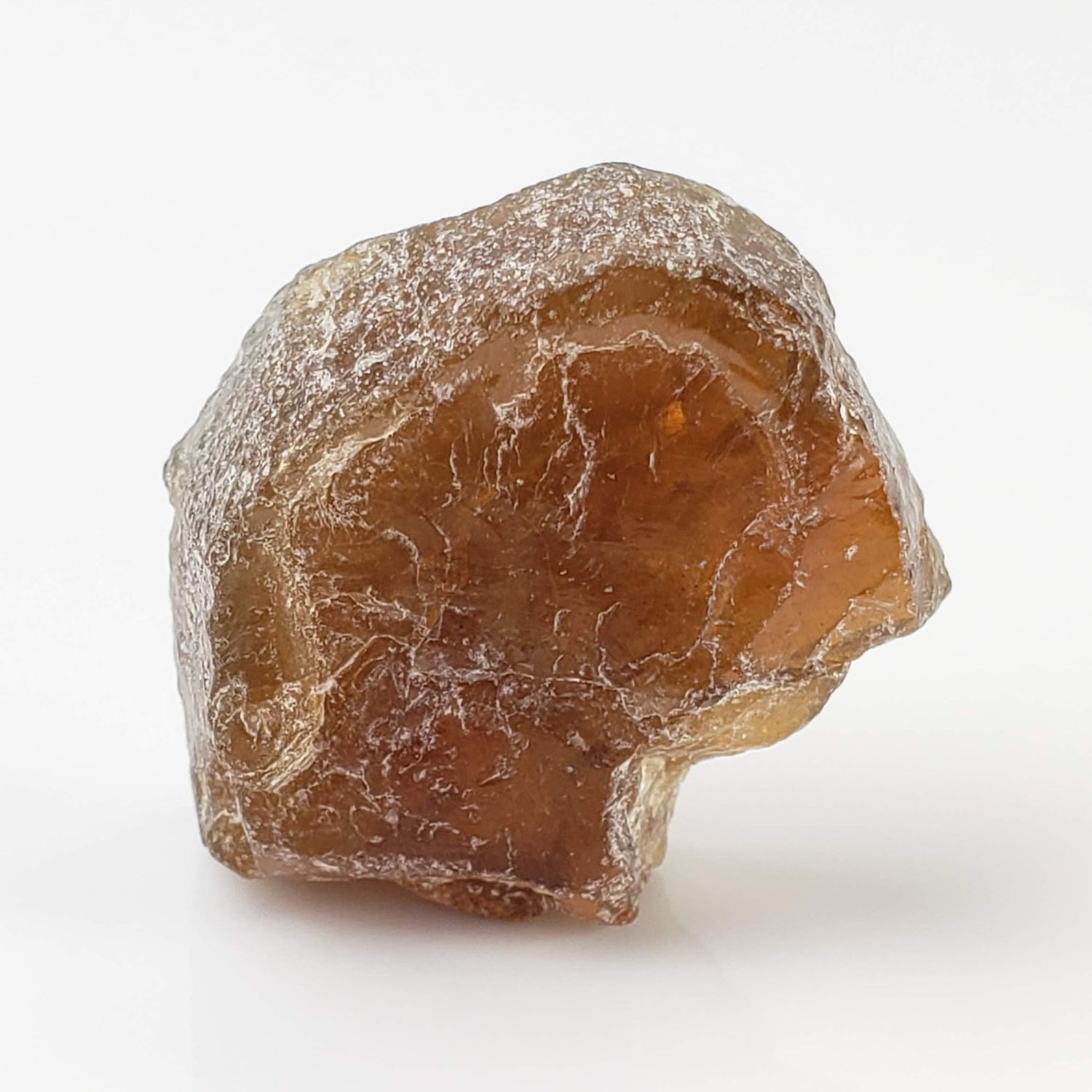
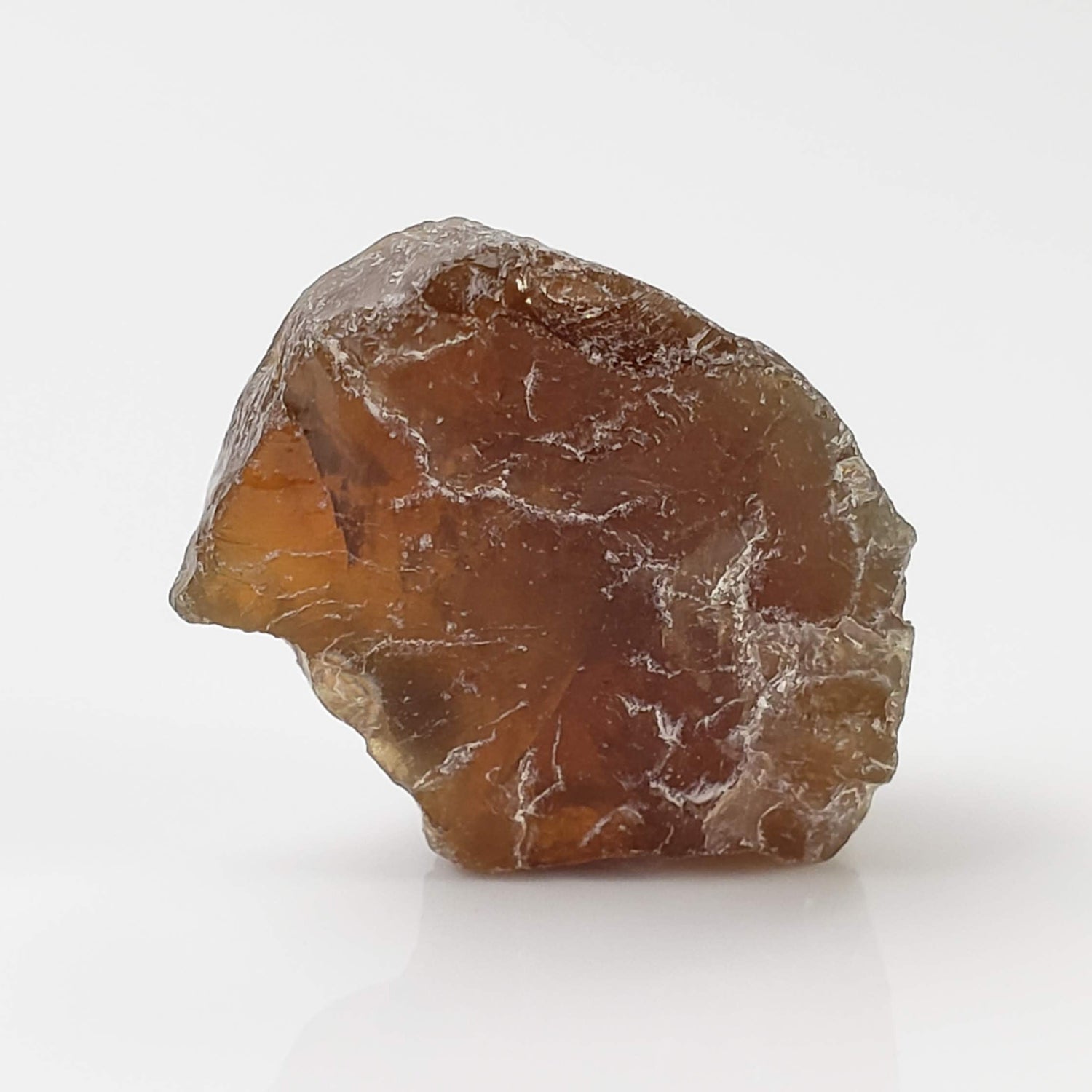
Apatite is a group of phosphate minerals that are commonly found in igneous, metamorphic, and sedimentary rocks. Apatite is named after the Greek word "apate," which means deceit, as it can be easily confused with other minerals due to its wide range of colors and forms. It can occur in various colors, including green, blue, yellow, brown, and violet.
The cat's eye effect in apatite is caused by the presence of parallel needle-like inclusions within the stone. The color of apatite cat's eye can vary, but it is often seen in shades of green or blue. The intensity and quality of the cat's eye effect can also vary from stone to stone.
Apatite is believed to possess healing properties and is associated with creativity, self-expression, and personal growth. It is thought to enhance communication skills, stimulate intellect, and promote clarity of thought.
Product Type: Apatite Cats Eye (Rough)
Approx Weight (per piece): 35.32ct
Size: 24x19mm
Shape: Rough
Color: Dark Olive Green
Clarity: Transparent
Origin: Africa
Treatment: None


Product Type: Imperial Topaz
Approx Weight (per piece): 0.6ct
Size: 6.3x4mm
Shape: Oval Cut
Color: Imperial Orange
Clarity: Clean
Origin: Brazil


Product Type: Tourmaline
Product ID: TOGG8458
Approx Weight (per piece): 5.61ct
Size: 12.9x10.3mm
Shape: Oval Cut
Color: Green
Clarity: Clean
Origin: Africa


Product Type: Spinel
Product ID: SPLP3855
Approx Weight (per piece): 1.88ct
Size: 8.4x5.6x5mm
Shape: Oval Facet Cut
Color: Light Purple
Clarity: SI (Slightly Included)
Origin: Mogok, Myanmar (formerly Burma)
Spinel comes in a variety of colors, ranging from vivid reds and pinks to blues, purples, oranges, and even black. It is a durable gemstone with a hardness of 8 on the Mohs scale making it suitable for everyday wear in jewelry.
Spinels are believed to enhance energy, promote vitality, and offer protection. Some also associate spinel with love and compassion.
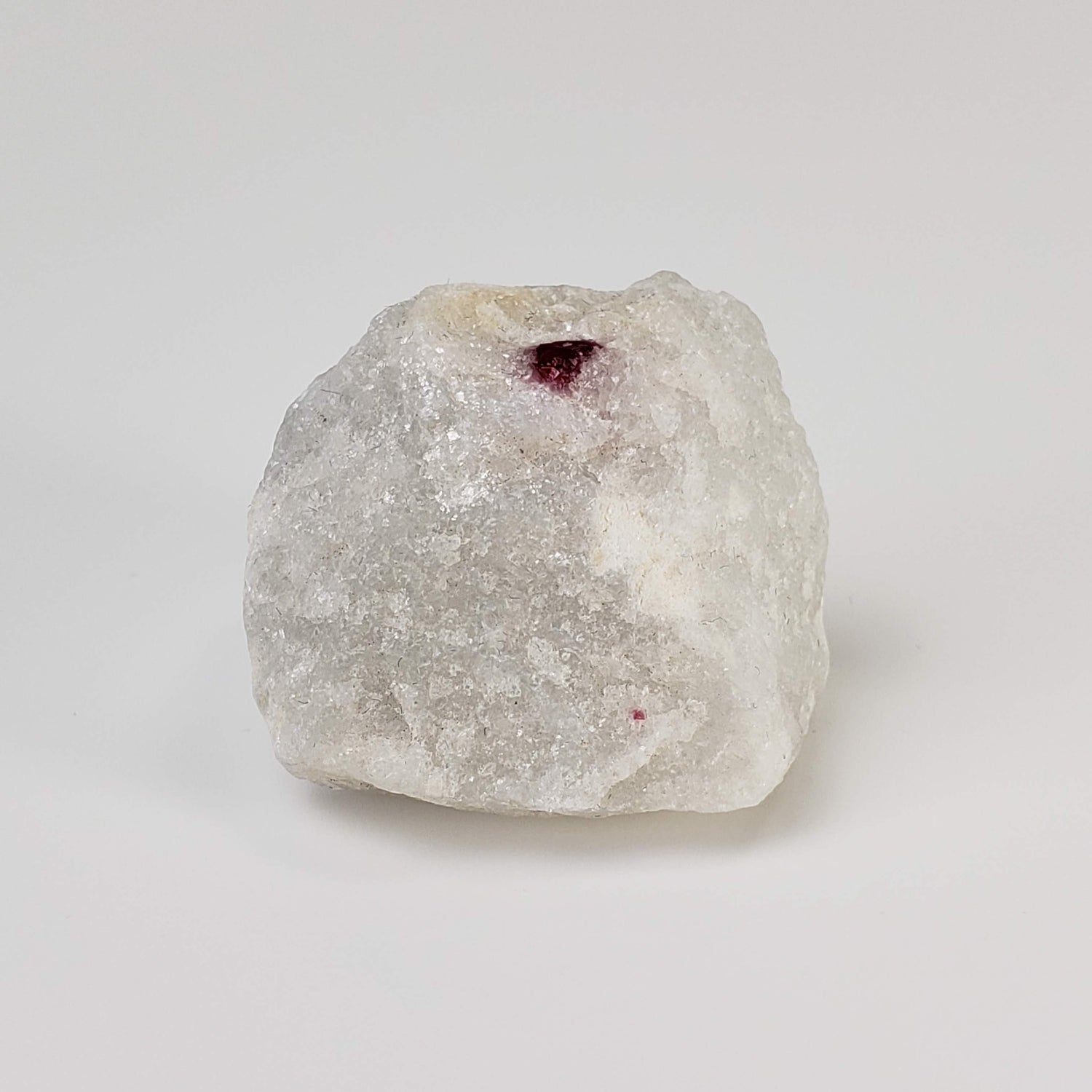
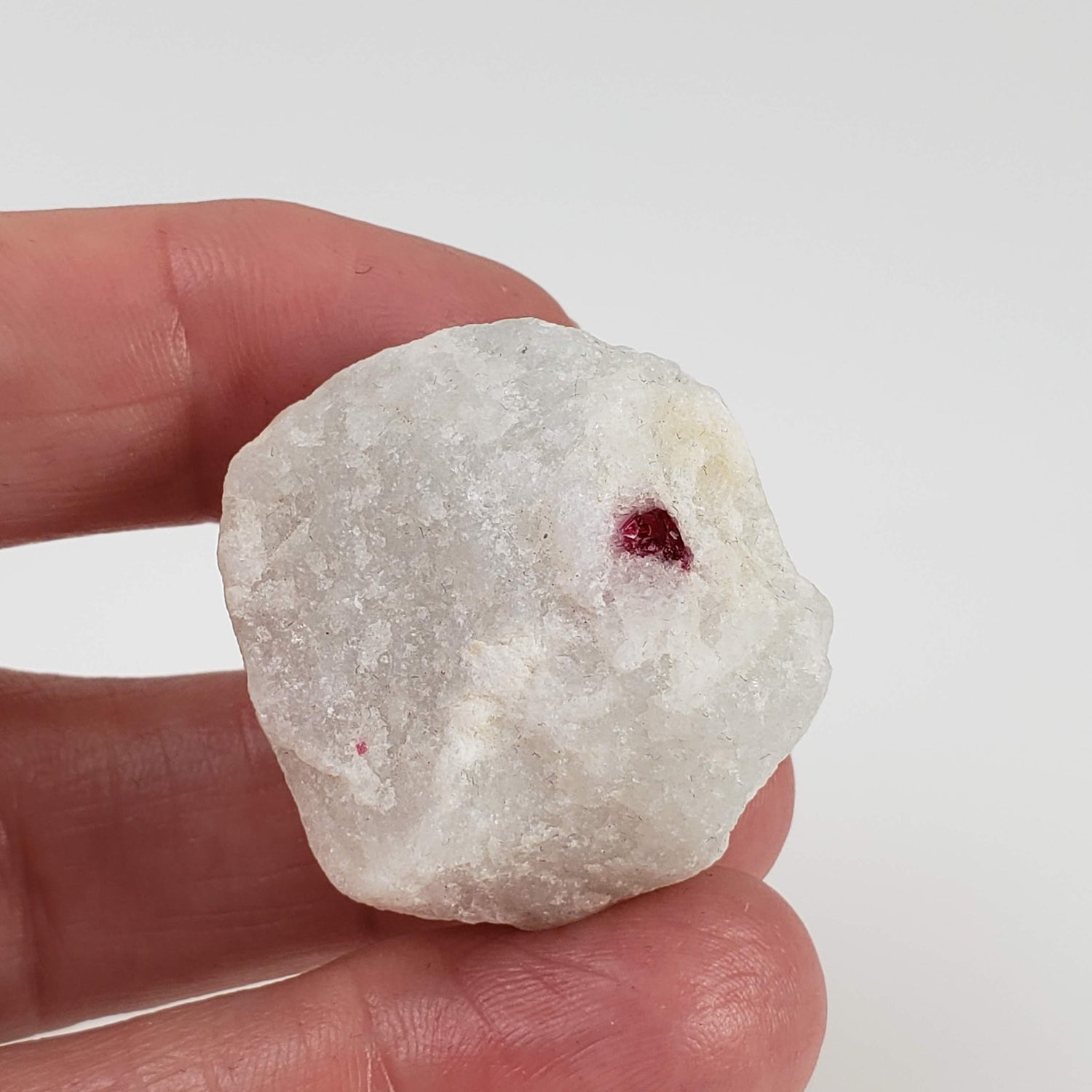
This is a beautiful Spinel crystal in marble host from Myanmar (Burma). Spinel comes in a variety of colors, including red, pink, blue, purple, orange, and black. It is often mistaken for other gemstones due to its resemblance to rubies and sapphires, especially red spinel, which historically has been confused with ruby.
Spinel is found in various regions around the world, including Myanmar (formerly Burma), Sri Lanka, Tanzania, Madagascar, Vietnam, and Afghanistan. Myanmar, in particular, is known for producing some of the finest red spinel gemstones.
Spinel is associated with vitality, rejuvenation, and inspiration. It is believed to promote energy, strength, and positive transformation.
Name: Spinel Crystal In Host (marble matrix)
Specimen Size: Miniature-Sized
Dimensions: 32x28x28 mm / 1.6x1.1x1.1 inches
Weight: 25 grams / 0.9 ounces / 126.8 ct
Origin: Mogok, Myanmar (Burma)


Stilbite is a zeolite mineral appreciated for its delicate crystal formations and pastel hues, ranging from colorless to white, yellow, pink, and peach. It forms distinctive tabular crystals with a bowtie or butterfly shape and exhibits a vitreous to pearly luster. Commonly found in cavities in volcanic rocks, stilbite is associated with other zeolite minerals. It is valued for its aesthetic appeal and is believed by some to have calming energy, supporting spiritual growth and emotional healing.
One of the distinguishing features of apophyllite is its ability to form well-defined crystals with a pyramid-like shape. These crystals often exhibit a prismatic or pseudo-cubic habit and have a vitreous luster. Apophyllite is transparent to translucent and is commonly found in colorless or white varieties, although it can also occur in shades of green, pink, yellow, or brown.
Name: Apophyllite and Stilbite Crystal
Specimen Size: Cabinet-Sized
Dimensions: 61x59x35 mm / 2.4x2.3x1.4 inches
Weight: 112 Grams / 3.9 Ounces
Details: Mined in Jalgaon, India


Product Type: Tourmaline
Approx Weight (per piece): 6.34ct
Size: 11.1x9.5mm
Shape: Oval Diamond Cut
Color: Pink
Clarity: Clean
Origin: Africa


Ammolite is an opal-like organic gemstone found primarily along the eastern slopes of the Rocky Mountains of North America. It is made of the fossilized shells of ammonites, which in turn are composed primarily of aragonite, the same mineral contained in nacre, with a microstructure inherited from the shell. It is one of few biogenic gemstones; others include amber and pearl. In 1981, the year commercial mining of ammolite began, ammolite was given official gemstone status by the World Jewellery Confederation.
Product Type: Ammolite (Ammonite)
Approx Weight (per piece): 27ct
Size: 30x15mm
Shape: Fancy Cabochon
Color: Fantastic Rainbow Color
Clarity: Opaque
Origin: Canada


This is a stunning Veevers classified meteorite weighing 2.67 grams. Mark Bostick said that the specimen was shaped like a bird claw. He traded the main mass of this amazing meteorite to TCU. This amazingly well preserved specimen measures 15x8x7 mm.
The Veevers crater is located in the Gibson Desert of Western Australia. It has a diameter of 60-80 meters across and a depth of about 6-7 meters. The crater's rim is raised 1.5m above the surrounding plain, and contains exposed rocks thrown from the center of the crater. The sides are gravelly rock with a few larger rocks mixed within. The bottom of the crater is covered with sand. Veevers is isolated in a vast, flat landscape with no other features in sight. Discovered in the mid-1970's and named by Yeates, A.N., Crowe, R.W.A. & Towner, R.R., in 1976, as The Veevers Crater in honor of Australian geologist Prof. John Veevers, for his work at mapping Western Australia.
In 1984, Dr. Carolyn and Eugene Shoemaker investigated meteorite craters and ancient impact structures throughout Australia. Their search recovered thirty-six small meteoritic fragments from the Veevers crater. Their finds totaled 298.1 grams, and included the largest found to date, 36.3g., now cleaned and coated it weighs 37.0 grams. The Veevers fragments have been described as single crystals of kamacite. Kamacite is a metallic iron with up to 7.5% nickel. Since the Shoemaker trip, more meteorite fragments have been found, bringing the total known weight to around 1 kg. The Veevers crater is naturally rich in iron-rich laterite, which makes recovery of small meteorite fragments hard. It is one of only two impact craters where group IIAB meteorites have been discovered. The other being the Sikhote-Alin craters in Eastern Siberia, Russia.
Would be an exceptional and rare addition to any new or existing collection. This historically important specimen will come in its original Mark Bostick display box and include The Mark Bostick Collection and Canagem Collection specimen cards.


Product Type: Spinel
Product ID: SPGG63671
Approx Weight (per piece): 2.30ct
Size: 8.3x7.3mm
Shape: Oval Cut
Color: Purplish Gray
Clarity: Clean
Origin: Madagascar
Spinel comes in a variety of colors, ranging from vivid reds and pinks to blues, purples, oranges, and even black. It is a durable gemstone with a hardness of 8 on the Mohs scale making it suitable for everyday wear in jewelry.
Spinels are believed to enhance energy, promote vitality, and offer protection. Some also associate spinel with love and compassion.


Product Type: Ruby
Approx Weight (per piece): 0.8ct
Size: 5mm
Shape: Round Cabochon
Color: Rich Pink
Clarity: Transparent
Origin: Myanmar (Burma)


Product Type: Imperial Topaz
Product ID: TOIO6771 (Appraised at $734.45)
Approx Weight (per piece): 1.00ct
Size: 7x5mm
Shape: Oval Cut
Color: Fine Imperial Orange
Clarity: Clean
Origin: Brazil
Appraisal Certificate Included


Product Type: Imperial Topaz
Approx Weight (per piece): 1.1ct
Size: 11.5x5mm
Shape: Marquise Cut
Color: Imperial Orange
Clarity: Clean
Origin: Brazil


Product Type: Imperial Topaz
Product ID: TZIM55254
Approx Weight (per piece): 0.24ct
Size: 5x3mm
Shape: Oval Cut
Color: Light Imperial Orange
Clarity: Clean
Origin: Africa


This is a beautiful Spinel crystal in marble host from Myanmar (Burma). Spinel comes in a variety of colors, including red, pink, blue, purple, orange, and black. It is often mistaken for other gemstones due to its resemblance to rubies and sapphires, especially red spinel, which historically has been confused with ruby.
Spinel is found in various regions around the world, including Myanmar (formerly Burma), Sri Lanka, Tanzania, Madagascar, Vietnam, and Afghanistan. Myanmar, in particular, is known for producing some of the finest red spinel gemstones.
Spinel is associated with vitality, rejuvenation, and inspiration. It is believed to promote energy, strength, and positive transformation.
Name: Spinel Crystal In Host (marble matrix)
Specimen Size: Miniature-Sized
Dimensions: 37x27x12 mm / 1.5x1.1x0.5 inches
Weight: 12.4 grams / 0.4 ounces / 61.9 ct
Origin: Mogok, Myanmar (Burma)


Product Type: Moldavite (also known as Impact Melt Glass or Tektite)
Approx Weight (per piece): 3.45ct
Size: 12x10mm
Shape: Oval Cut
Color: Rich Green
Clarity: VSI (Very Slightly Included)
Origin: Chlum Region, Czech Republic
Moldavite is a rare, greenish gemstone formed by the impact of a meteorite. It is a type of tektite, which is a natural glass created from terrestrial material that melted during the intense heat of meteor impacts. Moldavite is believed to have been formed around 15 million years ago when a massive meteorite hit what is now the southern Germany and Czech Republic region, forming the Ries Impact Structure. The impact ejected material into the atmosphere, which later cooled and fell back to Earth as moldavite, primarily in the region of the Czech Republic. The most well-known deposits are located near the Moldau River, from which it gets its name. It is found in small quantities, making it relatively rare.
Moldavite has a distinct green color, ranging from pale olive green to deep forest green. Some specimens even have a slight brownish tint. It often has a wrinkled or pitted surface, a characteristic of its formation process.
Recently viewed products
Featured


Canagem is proud to be professional member of The International Gem Society(IGS) the world's top resource for gem professionals, enthusiasts, and industry content.