

📢 Notice to ALL Customers 📢
Search results
951 results
Search results


Product Type: Sky Blue Topaz
Approx Weight (per piece): 2.0ct
Size: 9x7mm
Shape: Oval Cut
Color: Fine Sky Blue
Clarity: Clean
Origin: Africa


Product Type: Scapolite
Approx Weight (per piece): 1.25ct
Size: 7.7x6mm
Shape: Oval Cut
Color: Yellow
Clarity: Clean to the eye
Origin: Tanzania
Treatment: None
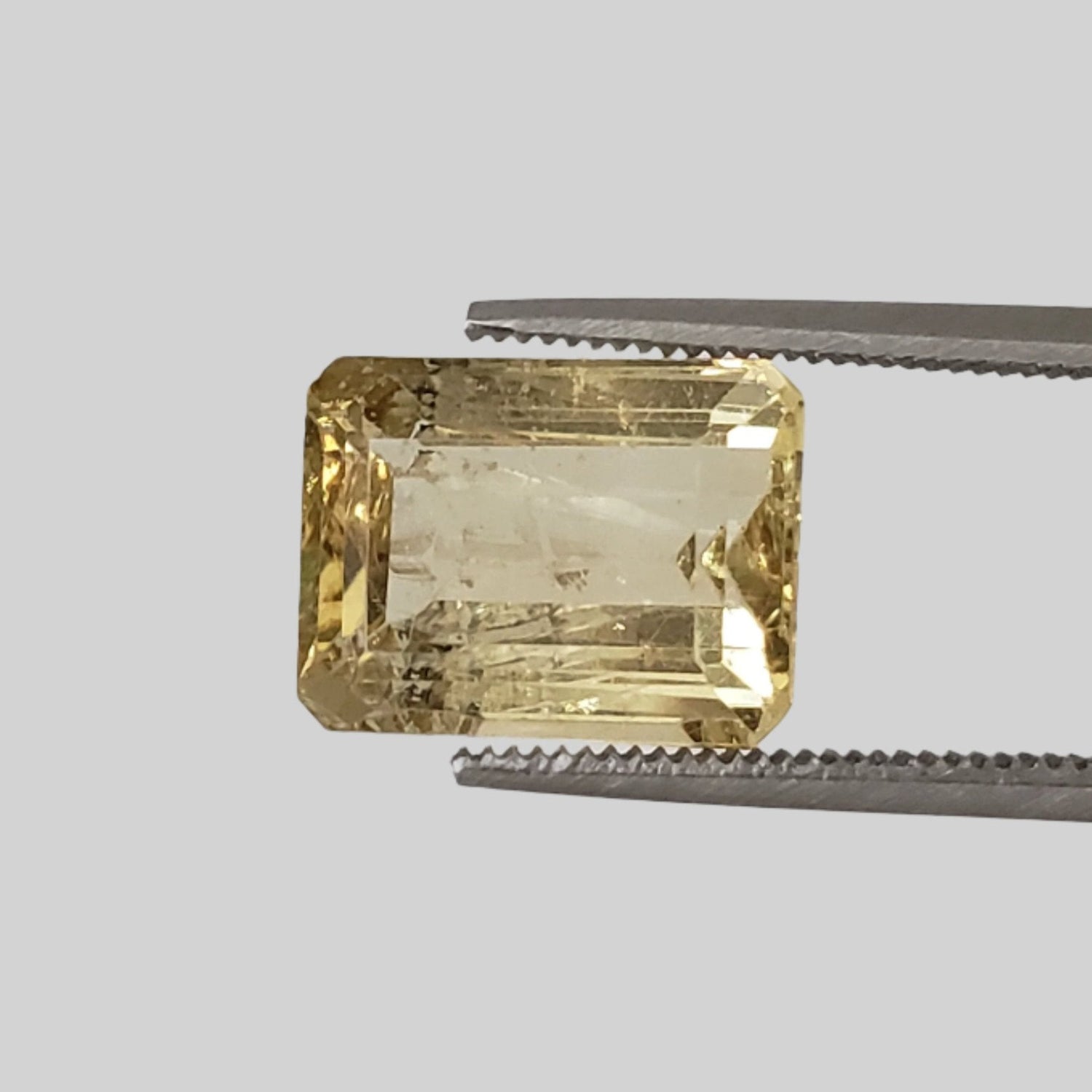
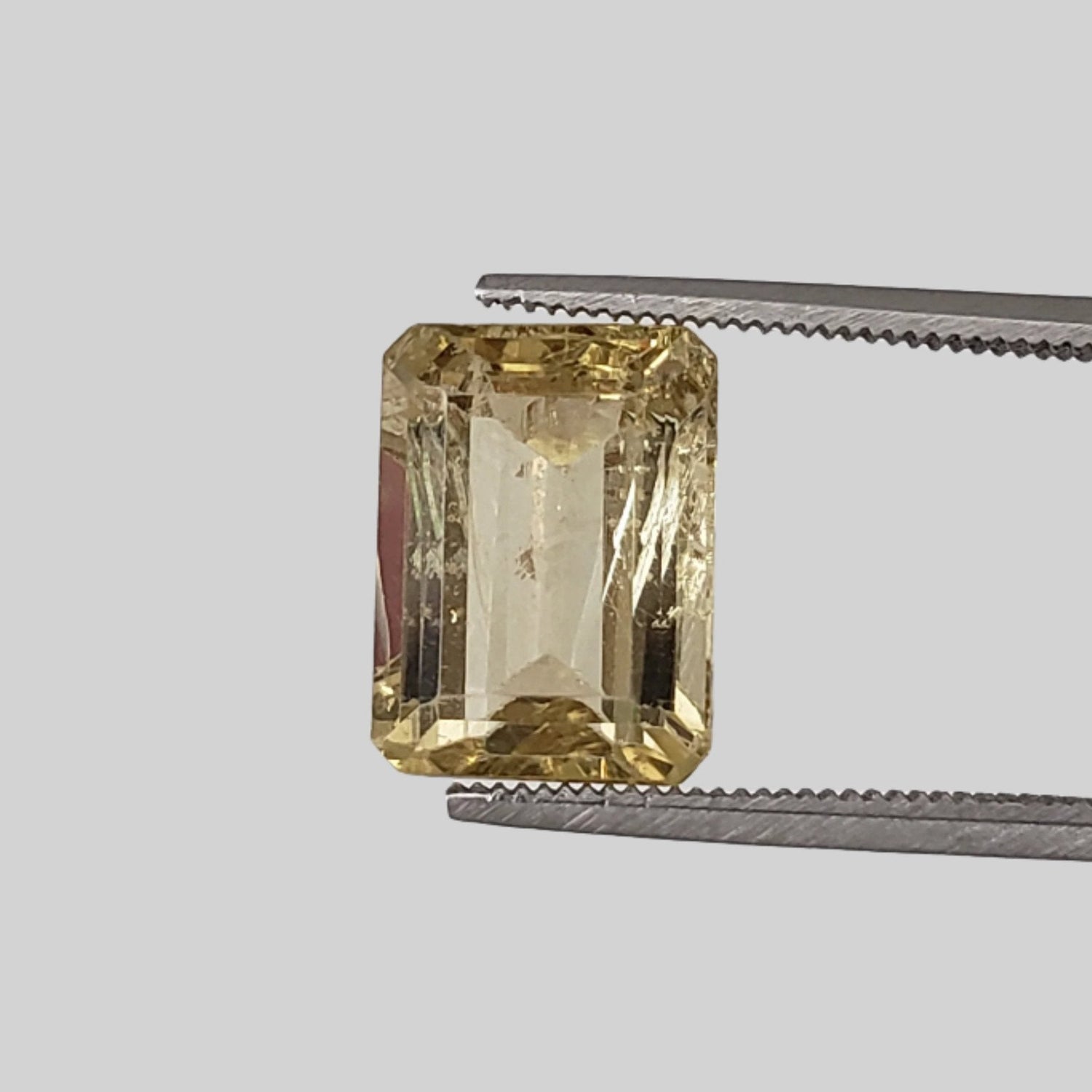
Product Type: Apatite
Approx Weight (per piece): 5.0ct
Size: 11x8.3mm
Shape: Octagon Cut
Color: Lemon Yellow
Clarity: VSI (Very Slightly Included)
Origin: Africa
Treatment: None
Apatite is a group of phosphate minerals that are commonly found in igneous, metamorphic, and sedimentary rocks. Apatite is named after the Greek word "apate," which means deceit, as it can be easily confused with other minerals due to its wide range of colors and forms. It can occur in various colors, including green, blue, yellow, brown, and violet.
Apatite is believed to possess healing properties and is associated with creativity, self-expression, and personal growth. It is thought to enhance communication skills, stimulate intellect, and promote clarity of thought.


Product ID: PEGR72688
Approx Weight (per piece): 1.29 CT.
Size: 7.5x6 mm
Shape: Oval Cut
Color: Top Green
Clarity: Clean to the eye
Origin: Africa


Product Type: Spinel
Product ID: SPPP8910
Approx Weight (per piece): 3.72ct
Size: 10.2x9.5mm
Shape: Oval Cut
Color: Deep Purple
Clarity: Clean
Origin: Tanzania
Spinel comes in a variety of colors, ranging from vivid reds and pinks to blues, purples, oranges, and even black. It is a durable gemstone with a hardness of 8 on the Mohs scale making it suitable for everyday wear in jewelry.
Spinels are believed to enhance energy, promote vitality, and offer protection. Some also associate spinel with love and compassion.


Product Type: Tourmaline
Product ID: TOGR2558
Approx Weight (per piece): 2.80ct
Size: 9.3x8.2mm
Shape: Oval Cut
Color: Dark Green
Clarity: Clean to the eye
Origin: Africa
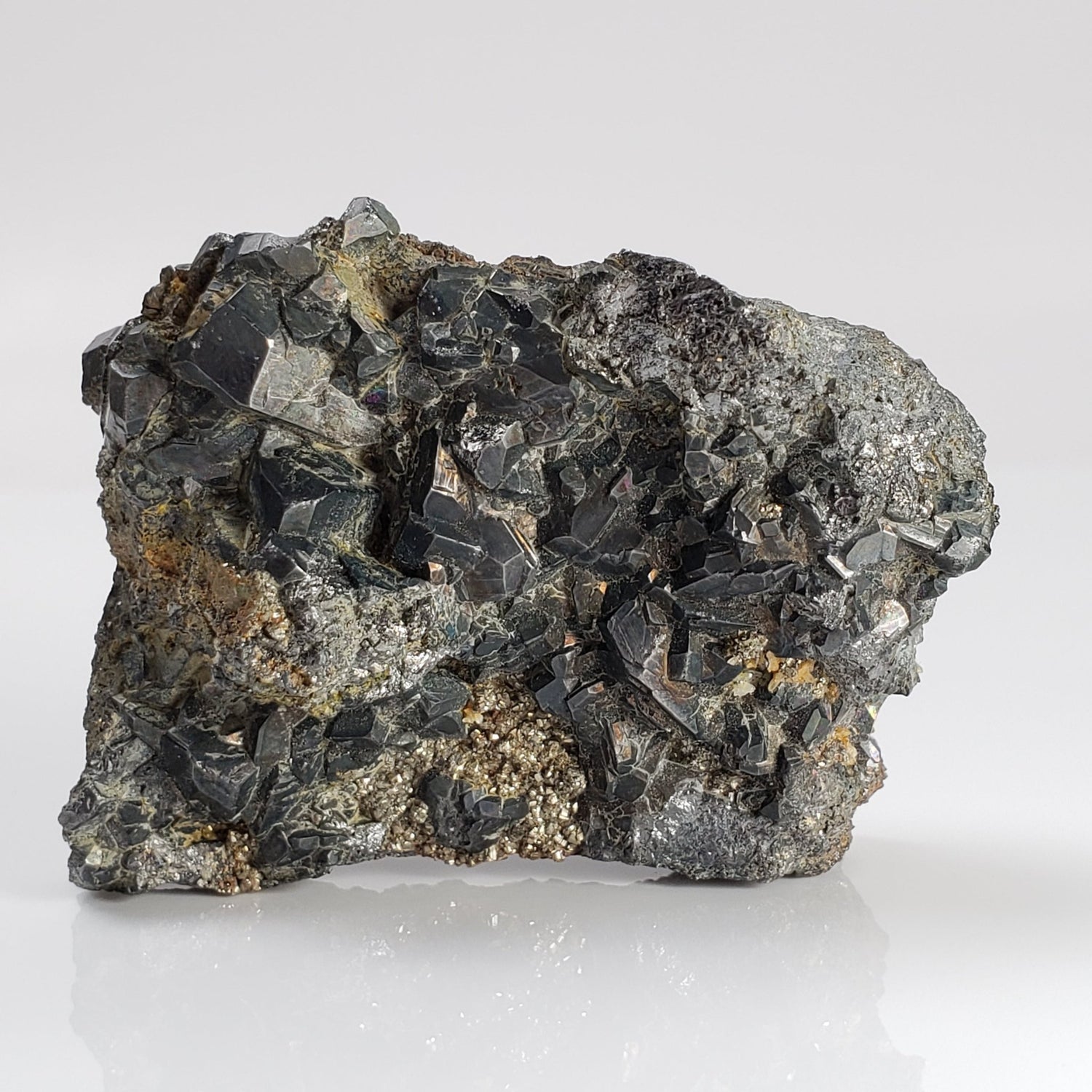
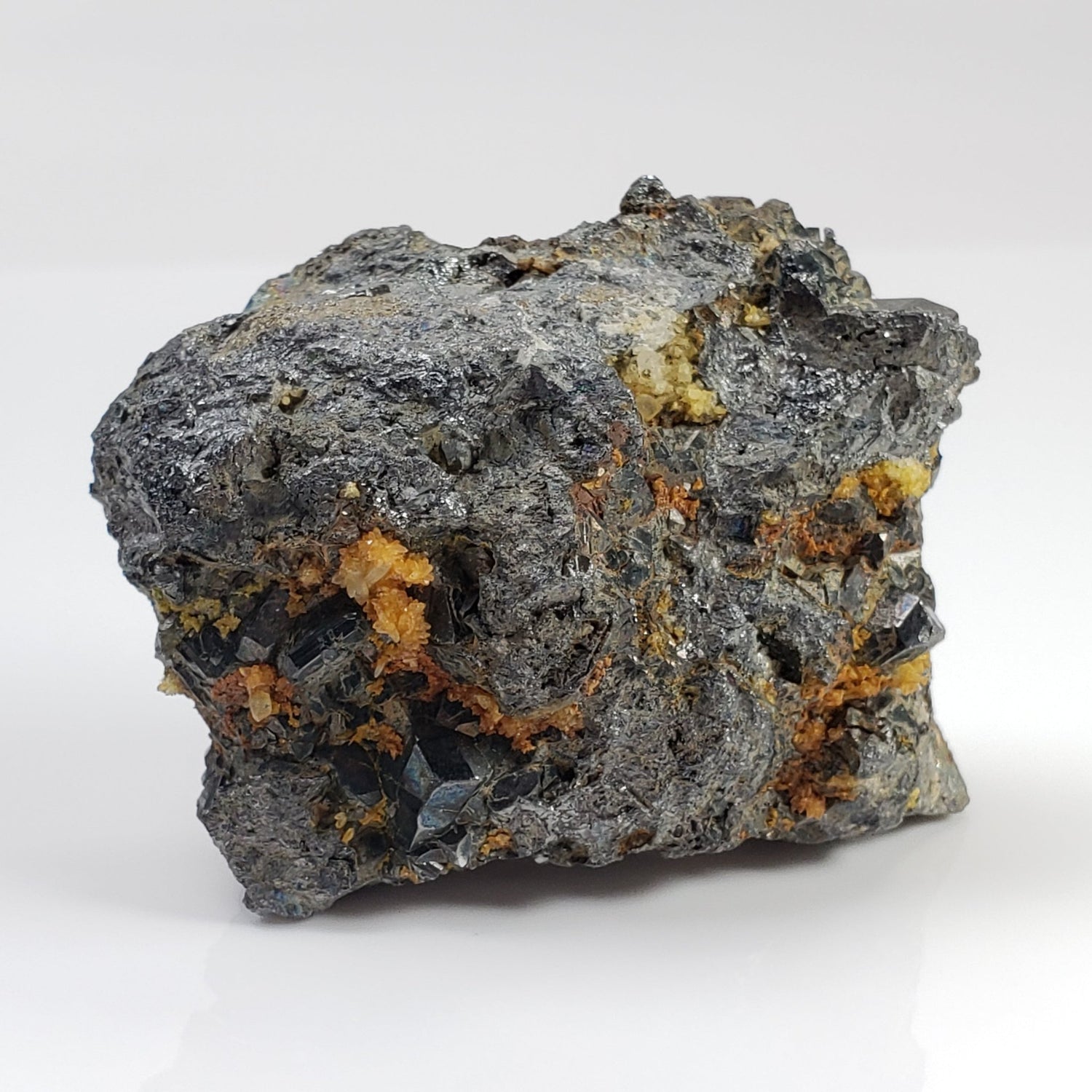
This beautiful cluster combines tetrahedrite, cubic and crystallized pyrite matrix, calcite and tiny terminated quartz crystals.
Tetrahedrite crystals are fascinating minerals known for their distinctive tetrahedral shape and shiny, metallic luster. It typically forms in well-defined tetrahedral crystals, which can be grouped in clusters. The color range includes shades of metallic gray, black, and sometimes reddish hues due to the presence of copper and other trace elements. Tetrahedrite is commonly found in hydrothermal veins and is often associated with other minerals such as quartz, galena, and sphalerite.
Tetrahedrite is believed to promote emotional healing and provide a protective shield against negativity. It is thought to enhance creativity and clarity, helping individuals connect with their inner selves.
This top specimen is in very good condition. Would be a beautiful addition to any new or existing collection.
Name: Tetrahedrite, Pyrite, Calcite and Quartz Crystal Cluster
Specimen Size: Miniature-Sized
Dimensions: 57x42x27 mm / 2.2x1.6x1.1 inches
Weight: 121.6 Grams / 4.3 oz
Origin: Mined in Peru


Product Type: Sapphire
Approx Weight (per piece): 1.93ct
Size: 8.7x6.5mm
Shape: Pear Shape Cut
Color: Yellow
Clarity: Clean
Origin: Mogok, Myanmar (Burma)
Treatment: None (unheated, untreated)


Product Type: Bi-Color Tourmaline
Product ID: TOBC31501
Approx Weight (per piece): 3.46ct
Appraised Value : $653.60USD
Size: 12.3x5.8mm
Shape: Baguette Cut
Color: Brownish Pink
Clarity: Clean to the eye
Origin: Africa


Product Type: Prasiolite | Green Amethyst | Quartz
Product ID: AMGR21432-34
Approx Weight (per piece): 3.24ct +
Size: 9mm
Shape: Square Cut
Color: Light Green
Clarity: Clean
Origin: Brazil
Note: Prasiolite is also known as green quartz, green amethyst or vermarine.


Product Type: Bi-Color Citrine
Product ID: CIBC21868
Approx Weight (per piece): 92.71ct
Size: 37x21mm
Shape: Octagon Cut
Color: Lemon Yellow and Black
Clarity: Clean
Origin: Brazil


Product Type: Apatite (Lemon)
Approx Weight (per piece): 3.5ct
Size: 11.8x8.5mm
Shape: Oval Cut
Color: Lemon Yellow
Clarity: Clean to the Eye
Origin: Africa
Apatite is a group of phosphate minerals that are commonly found in igneous, metamorphic, and sedimentary rocks. Apatite is named after the Greek word "apate," which means deceit, as it can be easily confused with other minerals due to its wide range of colors and forms. It can occur in various colors, including green, blue, yellow, brown, and violet.
Apatite is believed to possess healing properties and is associated with creativity, self-expression, and personal growth. It is thought to enhance communication skills, stimulate intellect, and promote clarity of thought.


Product Type: Topaz
Approx Weight (per lot): 5.0tcw
Size: 5.8-6.0x3.8-4.0mm
Shape: Oval Cut
Color: Dark Emerald Green
Clarity: I (Included)
Origin: Africa


This is a 45.4 gram lot of beautiful tumbled Lapis Lazuli from Afghanistan. There are 5 pieces that range in size from approximately 21-33x12-19 mm. This is the exact lot that you will receive.
Lapis lazuli is a vivid blue metamorphic rock and a gemstone that has been prized for its intense color and historical significance for thousands of years. It's composed of lazurite (for the blue color), calcite, sodalite, and pyrite. It is the presence of pyrite that causes the gold-colored flecks or veins in the stone. It has a moderate hardness, typically ranging from 5 to 5.5 on the Mohs scale. High-quality lapis lazuli has been historically sourced from mines in Afghanistan; however, other deposits are found in countries such as Russia, Chile, Italy, and the United States.
Lapis lazuli is believed to promote self-awareness and mental clarity.


An olivine volcanic bomb is a type of volcanic rock that contains olivine crystals and has been ejected during a volcanic eruption. Olivine is a mineral that is commonly found in the Earth's mantle and is one of the first minerals to crystallize as magma cools.
Volcanic bombs are large clots of lava that are ejected from a volcano during an explosive eruption. They can vary in size, and their shapes are often streamlined due to their molten nature as they are thrown through the air. When these volcanic bombs contain olivine crystals, they are referred to as olivine volcanic bombs.
This piece has been cut to showcase the beautiful green olivine crystals. It would be a beautiful addition to any new or existing collection. Comes with a Canagem Collection specimen card. Stand is not included.
Name: Lava Coated Volcanic Crystal Bomb
Specimen Size: Cabinet-Sized
Dimensions: 81x55x44 mm / 3.2x2.2x1.7 Inches
Weight: 187.4 Grams / 6.6 Ounce
Details: Volcanic activity Mortlake, Victoria, Australia


Product Type: Zircon
Approx Weight (per piece): 0.83ct
Size: 6x4mm
Shape: Oval Cut
Color: Medium Blue
Clarity: Clean
Origin: Cambodia
Zircon comes in a variety of colors, including blue, yellow, green, brown, and red, and is renowned for its exceptional brilliance. Blue zircon, in particular, is highly sought after for its vibrant and saturated hue. Zircon is found in many locations worldwide, including Sri Lanka, Myanmar, Cambodia, and Australia. Some of the oldest zircon crystals have been dated to be over 4 billion years old, making them among the oldest minerals on Earth.
Zircon has a hardness of 6.5 to 7.5 on the Mohs scale, making it durable enough for use in various types of jewelry. However, care should be taken to avoid sharp blows and extreme temperatures.
Zircon is associated with promoting spiritual growth, mental clarity, and prosperity. It is also thought to enhance self-confidence and provide protection.
It's important to note the distinction between natural zircon and cubic zirconia. Natural zircon is a genuine gemstone, while cubic zirconia is a synthetic material often used as a diamond simulant.
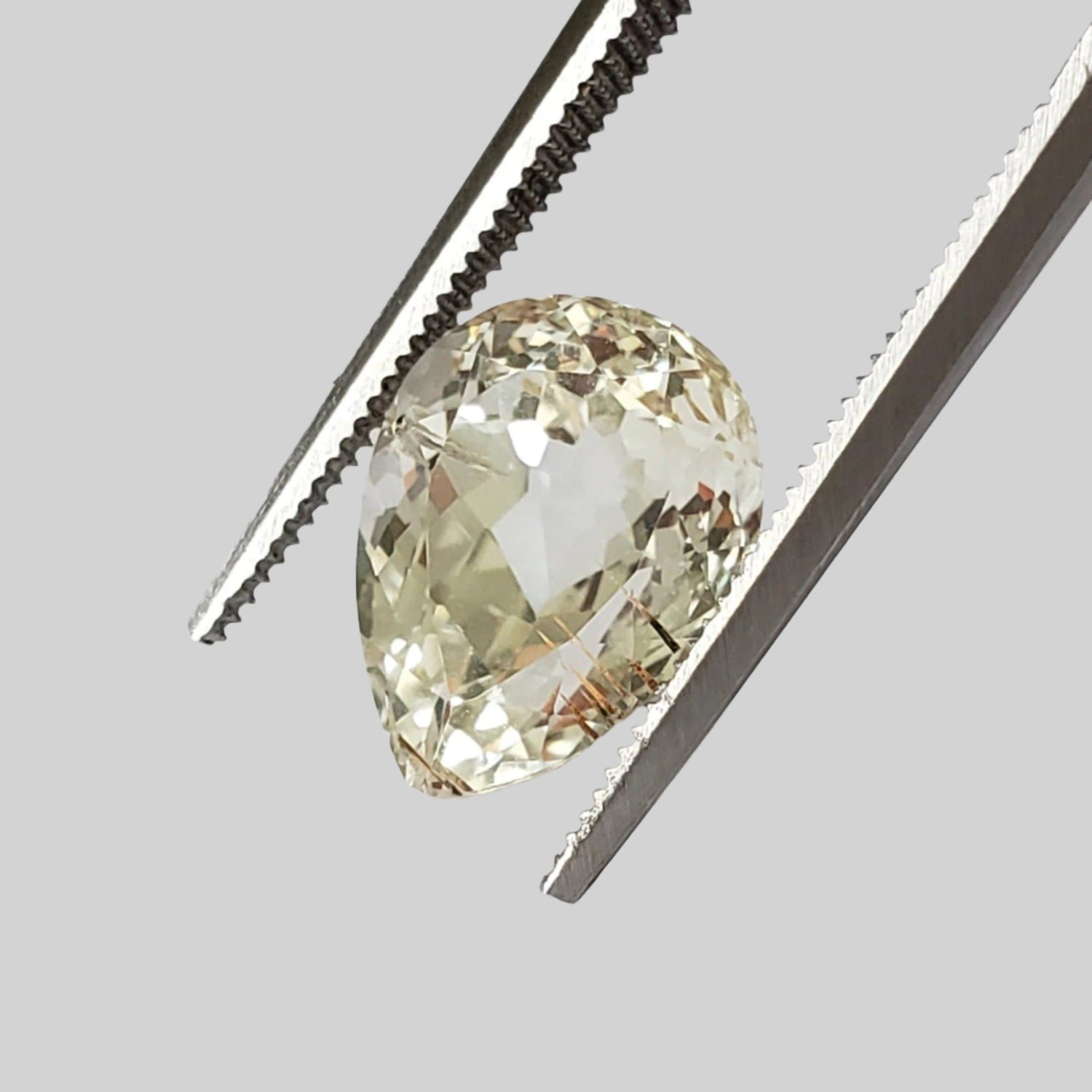
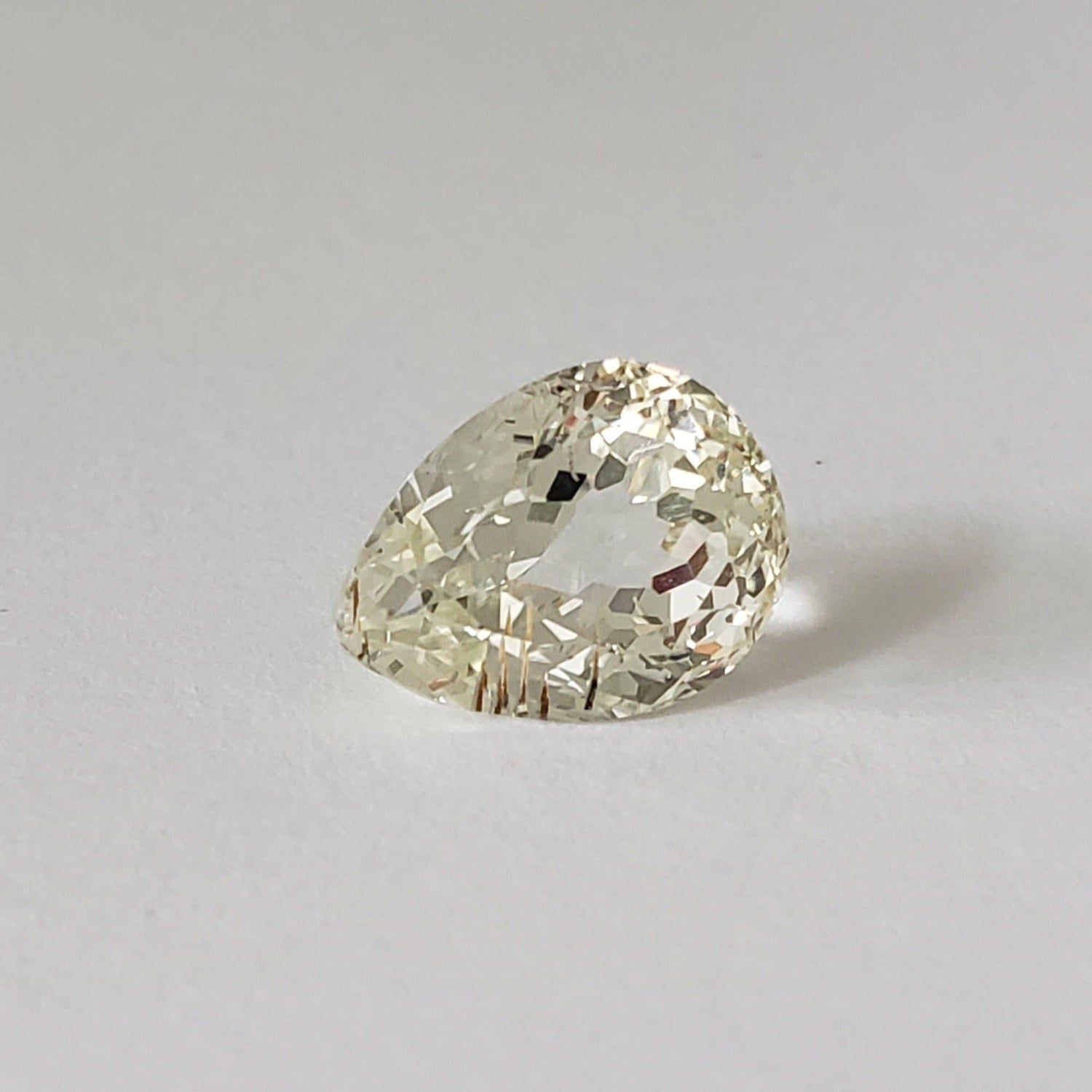
Product Name: Triphane Spodumene (Yellow Kunzite)
Approx Weight (per piece): 4.0ct
Size: 11.5x8.5mm
Shape: Pear Shape Cut
Color: Light Yellow
Clarity: SI (Slightly Included)
Origin: Afghanistan


Grossular garnets are a variety of garnet known for their diverse range of colors, transparency, and wide occurrence across different geological settings. The grossular garnet specimens from Lake Jaco, Chihuahua, Mexico are renowned for their classic crystal shape and attractive yellow-green coloration. These particular clusters are beautiful and intricate formations.
Garnets are believed to have properties associated with vitality, courage, and creativity. They are thought to bring balance and stability.
Name: Grossular Garnet Crystal Cluster
Specimen Size: Miniature-Sized
Dimensions: 41x28x27 mm / 1.6x1.1x1.1 inches
Weight: 38.8 grams / 1.4 Ounces
Origin: Lake Jaco, Mexico


Product Type: Tourmaline
Product ID: TONB3217
Approx Weight (per piece): 2.04ct
Size: 13x4.5mm
Shape: Baguette Cut
Color: Neon Blue
Clarity: Clean
Origin: Africa


Product Type: White Topaz
Product ID: TZWT3777
Approx Weight (per piece): 0.35ct
Size: 5x3mm
Shape: Octagon Cut
Color: White
Clarity: Clean
Origin: Africa
Recently viewed products
Featured


Canagem is proud to be professional member of The International Gem Society(IGS) the world's top resource for gem professionals, enthusiasts, and industry content.